

Quick answer
Tomotherapy HDA is an image-guided radiotherapy technology that delivers intensity-modulated radiation in a continuous helical pattern to target complex tumours while limiting dose to nearby healthy tissue. At Acibadem, radiation oncology teams use individual imaging and treatment planning to determine suitability, personalise delivery and monitor care throughout treatment.
Tomotherapy HDA: Precision Image-Guided Radiotherapy
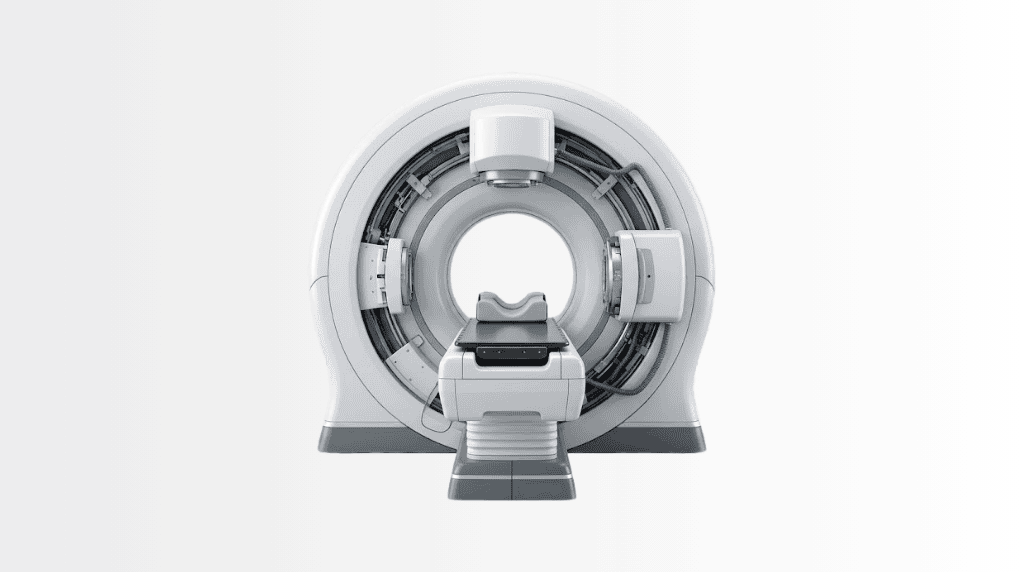
Tomotherapy HDA is an advanced radiation therapy system designed to deliver highly targeted treatment for cancer. It combines intensity-modulated radiation therapy with daily image guidance, helping radiation oncologists shape the radiation dose closely around complex tumour volumes.
Unlike conventional radiotherapy systems that deliver radiation from a limited number of fixed angles, Tomotherapy HDA delivers treatment in a continuous helical pattern. During treatment, the machine rotates around the patient while the treatment couch moves gradually through the system. This creates a spiral-like path that can help the team treat tumours with a high degree of precision.
For international patients, Tomotherapy HDA can be an important option when a treatment plan requires careful dose control near sensitive organs or when a tumour has an irregular shape. Every recommendation is made individually after review by a Radiation Oncology team, based on the diagnosis, tumour location, previous treatment, overall health and treatment goals.
What Is Tomotherapy HDA?
Tomotherapy HDA is a form of image-guided, intensity-modulated radiotherapy. It is used to treat cancer with high-energy radiation while aiming to limit unnecessary exposure to nearby healthy tissues.
The technology is particularly suited to treatment plans where precision is essential. This may include tumours located close to critical structures, such as the spinal cord, brain, salivary glands, lungs, heart, bowel, bladder or reproductive organs. It may also support treatment of long, complex or multiple target areas when clinically appropriate.
Tomotherapy HDA is not surgery. There are no incisions, and patients do not feel the radiation as it is delivered. Treatment is planned carefully in advance, then delivered over a number of outpatient sessions determined by the radiation oncology team.
At Acibadem International, Radiation Oncology specialists work in multidisciplinary collaboration with medical oncologists, surgical specialists, radiologists, pathologists, nuclear medicine physicians and other relevant experts. This coordinated approach helps ensure that radiation therapy is considered within the wider cancer treatment plan.
How Tomotherapy HDA Works
Tomotherapy HDA uses a rotating radiation delivery system together with sophisticated planning software and imaging technology. The aim is to create a radiation plan that matches the patient’s anatomy and the unique shape of the treatment target as accurately as possible.
Helical radiation delivery
During treatment, the radiation source rotates around the patient while the treatment couch moves slowly through the treatment opening. Radiation is delivered from many angles in a continuous helical pattern. This allows the treatment team to distribute the dose in a highly controlled way around the target area.
Intensity-modulated treatment
Intensity-modulated radiation therapy means that the strength and pattern of radiation can be adjusted across different parts of the treatment field. The radiation oncology team uses this capability to deliver the prescribed dose to the tumour while seeking to protect nearby healthy organs and tissues as much as possible.
Daily image guidance
Before treatment delivery, imaging is used to confirm the patient’s position and check the location of the treatment area. This is important because even small changes in body position, organ movement or tumour location can affect treatment accuracy.
Daily image guidance helps the team compare the patient’s position with the approved treatment plan and make appropriate adjustments before radiation is delivered. This supports consistent treatment from one session to the next.
Individual treatment planning
Tomotherapy HDA treatment begins long before the first radiation session. Patients usually undergo a planning scan, often called a simulation scan. The team may use immobilisation devices, masks, cushions or body supports to help the patient remain comfortably still and reproducibly positioned.
Radiation oncologists, medical physicists and dosimetrists then develop a personalised plan. The plan defines the target area, outlines nearby organs at risk and calculates how radiation should be delivered. Quality checks are completed before treatment begins.
Clinical Applications
Tomotherapy HDA may be considered for a range of cancer diagnoses. Its suitability depends on the individual case and should be assessed by a radiation oncology specialist. It may be used as a primary treatment, after surgery, together with systemic therapy, or for symptom control in selected situations.
| Clinical applications | How Tomotherapy HDA may help | Important considerations |
|---|---|---|
| Head and neck cancers | May support precise dose shaping around complex anatomy, including areas close to salivary glands, swallowing structures, spinal cord and jaw. | Planning is highly individual and may include nutritional, dental and swallowing support where needed. |
| Brain and central nervous system tumours | May help conform radiation around selected intracranial or spinal targets while considering surrounding critical structures. | Suitability depends on tumour type, location, size, previous treatments and neurological status. |
| Prostate and pelvic cancers | Can support carefully planned radiation delivery for prostate, bladder, cervical, uterine, rectal and other pelvic cancers. | Bladder and bowel preparation instructions may be part of the daily treatment routine. |
| Breast and chest wall cancers | May be considered when a complex target volume requires carefully controlled dose distribution. | Clinical planning considers the location of the tumour, previous surgery, lymph node areas and nearby heart and lung tissue. |
| Lung and thoracic cancers | May assist with planned treatment for selected tumours in the chest, including cases requiring attention to nearby lungs, heart, oesophagus or spinal cord. | Breathing movement and overall lung function are considered during assessment and planning. |
| Abdominal cancers | May be useful for selected tumours in areas where dose shaping around bowel, kidneys, liver or other organs is important. | Organ motion, prior therapies and the treatment objective influence suitability. |
| Spinal and musculoskeletal tumours | Can be considered for selected tumours involving the spine, bones or soft tissues, particularly when targets have an irregular shape. | Protection of the spinal cord and nearby nerves is a key part of treatment planning. |
| Multiple or extended treatment areas | The helical delivery approach may help when clinically appropriate for long or complex target regions. | Not every multiple-site or extended-field treatment requires Tomotherapy HDA; the team selects the most appropriate technique. |
Conditions Tomotherapy HDA May Help Treat
Tomotherapy HDA is used in radiation oncology for malignant tumours and, in selected cases, other conditions that may benefit from targeted radiotherapy. The technology itself is one part of treatment; the medical decision is based on the disease, its stage, pathology findings, imaging results and the patient’s individual needs.
It may be considered in early-stage disease, locally advanced cancer, recurrent cancer or metastatic disease when radiation therapy has a clear clinical role. In some cases, radiotherapy may aim to cure cancer. In others, it may be used to reduce the risk of recurrence after surgery, control tumour growth, relieve symptoms or improve quality of life.
Patients who have previously received radiation therapy may require especially detailed assessment. Re-irradiation can be possible in selected cases, but it requires careful review of prior dose records, current anatomy, expected benefit and potential risks.
Patient Benefits at a Glance
Tomotherapy HDA offers potential advantages related to treatment precision and daily image guidance. However, benefits vary by diagnosis and treatment plan. Your radiation oncologist will explain what the technology may mean in your own case.
| Patient benefit | What it may mean in practice |
|---|---|
| Highly conformal dose delivery | Radiation can be planned to follow the tumour’s shape closely, which may be valuable for irregular or complex treatment areas. |
| Daily image-guided positioning | Imaging before treatment helps the team verify positioning and make adjustments when needed before radiation is delivered. |
| Attention to healthy tissues | Careful planning aims to reduce unnecessary radiation exposure to nearby organs and normal tissue, while still treating the target effectively. |
| Non-invasive outpatient treatment | There are no surgical incisions. Most patients attend scheduled treatment sessions and return to their accommodation afterward. |
| Personalised treatment planning | The plan is created around your anatomy, diagnosis, treatment goals and any previous surgery, chemotherapy or radiation therapy. |
| Support for complex cases | The technology may be considered when tumour location, shape or proximity to sensitive structures requires detailed planning. |
| Coordinated cancer care | Radiation treatment can be integrated with consultations from other cancer specialists when multidisciplinary input is needed. |
What to Expect During Tomotherapy HDA Treatment
Before you travel
International patients can begin with a remote case review. Our international patient team can help collect your medical reports, pathology results, imaging files, treatment summaries and other relevant documents for specialist assessment.
A radiation oncology specialist reviews the available information and advises whether Tomotherapy HDA may be appropriate. In some cases, additional scans, pathology review or consultations may be needed after arrival. Suitability is always confirmed through an individual medical assessment.
Our coordinators can help explain the anticipated treatment pathway, organise appointments and support communication between you, your family and the clinical team. Language assistance is available so that you can understand the process, ask questions and make informed decisions.
Consultation and treatment planning
Your first appointment typically includes a detailed consultation with the radiation oncologist. The doctor reviews your diagnosis, previous treatments, medications, symptoms and general health. You will have the opportunity to discuss expected benefits, possible alternatives, likely side effects and the recommended schedule.
If radiotherapy is advised, a planning appointment is arranged. This usually includes a CT simulation scan in the treatment position. Depending on the body area being treated, you may receive a customised mask, mould, cushion or other positioning support. These devices are intended to improve comfort and help maintain the same position during each treatment session.
The planning process may take time because the team carefully contours the tumour and nearby healthy structures, calculates the dose and performs technical quality assurance. This preparation is an essential part of safe, precise radiotherapy.
During each treatment session
Tomotherapy HDA treatment sessions are generally painless. You will lie on the treatment couch while radiographers help position you using the approved setup and immobilisation support. Imaging is performed before treatment to verify positioning.
Once the team confirms the setup, the treatment couch moves through the machine while the radiation system rotates around you. You may hear normal mechanical sounds, but you should not feel the radiation itself. The team monitors you throughout the session and can communicate with you from outside the treatment room.
It is important to remain as still as possible during treatment. If you feel uncomfortable or need assistance, tell the radiotherapy team. They will explain how to communicate during the session and will support you throughout the process.
After treatment sessions
Most patients can continue their usual daily activities, depending on their condition and how they feel. Side effects, if they occur, depend largely on the treatment area, radiation dose, treatment duration and whether radiotherapy is combined with other therapies.
Your team will review you regularly during the treatment course. They can provide guidance on skin care, fatigue, nutrition, hydration, pain control and management of site-specific symptoms. You should report any new or worsening symptoms promptly so that the team can assess and support you.
Potential Side Effects and Individual Care
Radiotherapy is carefully planned, but side effects can still occur because healthy tissue near the treatment area may receive some radiation. The type and intensity of side effects vary significantly from person to person.
Common general effects may include tiredness, temporary skin changes in the treated area or emotional stress related to cancer treatment. Depending on the location being treated, patients may experience symptoms involving swallowing, appetite, bowel habits, urination, breathing, mouth dryness, nausea or changes in the treated skin.
Some effects appear during treatment or shortly afterward, while others may develop later. Your radiation oncologist will discuss the side effects most relevant to your individual treatment plan before you start. The team will also provide clear guidance about symptoms that require urgent medical attention.
At Acibadem International, supportive care is an important part of cancer treatment. When needed, patients may be referred to nutrition specialists, pain management services, physiotherapy, psycho-oncology support and other relevant services.
Safety, Quality Assurance and Accreditation
Tomotherapy HDA is delivered by trained radiation oncology professionals, including radiation oncologists, medical physicists, dosimetrists and radiotherapy technologists. Safe treatment depends not only on the technology, but also on detailed planning, accurate positioning, equipment checks and continuous clinical oversight.
Before a treatment plan is approved, it undergoes technical and clinical review. The team checks that the planned dose is appropriate for the treatment target and that dose limits for nearby organs are considered. Quality assurance processes are used to verify that the plan can be delivered as intended.
Acibadem hospitals serving international patients follow established clinical quality and patient safety standards. Care is delivered within JCI-accredited hospital settings, supporting a structured approach to safety, coordination, infection prevention, communication and quality management.
Technology does not eliminate all risks, and no radiotherapy technique is suitable for every patient. Your team will discuss realistic treatment goals, possible side effects and any specific considerations related to your diagnosis before treatment begins.
Why Tomotherapy HDA Matters for International Patients
Travelling for cancer treatment involves more than selecting a medical technology. Patients and families often need clear communication, well-organised appointments, continuity of care and confidence that their treatment plan is coordinated from the first review through follow-up.
Acibadem International supports patients through each stage of the journey. Our team can help coordinate specialist consultations, medical document review, diagnostic appointments, treatment planning and communication with the treating team. Language support is available to help patients understand their diagnosis, treatment recommendation and daily care instructions.
Radiotherapy requires a planned schedule of visits, so travel arrangements should be discussed early. Our international patient coordinators can help you understand the expected treatment timeline and organise the clinical appointments needed during your stay. The appropriate hospital location is confirmed according to your diagnosis, the recommended treatment plan and specialist availability.
After treatment, the team can provide medical documentation and follow-up recommendations for your doctors at home. Where appropriate, follow-up consultations can also be arranged to review recovery, treatment response and next steps.
Frequently Asked Questions
Is Tomotherapy HDA safe?
Tomotherapy HDA is used routinely in radiation oncology and includes image-guided positioning and detailed treatment planning. It is delivered by trained specialists who follow strict safety and quality assurance processes. As with any cancer treatment, there can be risks and side effects, which depend on the treatment area and your individual plan.
Is Tomotherapy HDA painful?
The radiation delivery itself is not painful. You will need to lie still during each session, and some patients may find the treatment position uncomfortable. The radiotherapy team will use positioning supports and help make you as comfortable as possible.
How many treatment sessions will I need?
The number of sessions varies widely. It depends on the cancer type, treatment purpose, tumour location, prescribed dose, previous treatment and whether radiotherapy is combined with surgery, chemotherapy, immunotherapy or another treatment. Your radiation oncologist will explain your personalised schedule.
Will I be radioactive after treatment?
No. External beam radiotherapy, including Tomotherapy HDA, does not make you radioactive. You can usually be around family members and other people after your appointment, unless your medical team provides specific advice for another reason.
Can Tomotherapy HDA be used after surgery or chemotherapy?
In many cases, radiotherapy may be recommended after surgery, before surgery, during systemic treatment or after chemotherapy. The appropriate sequence depends on the diagnosis and overall treatment strategy. Your multidisciplinary team will assess the best approach for you.
Will insurance cover Tomotherapy HDA treatment?
Coverage depends on your individual insurance policy and authorisation requirements. You can share your insurer details and available policy information with our international patient team. The team can help clarify the process and explain the treatment pathway before you travel.
How do I get started?
You can submit a consultation request together with your available medical reports, pathology results and imaging studies. A specialist will review your case and advise whether Tomotherapy HDA may fit your treatment plan. If further assessment is needed, our international patient team will guide you through the next steps.
Related Medical Units
Available at these Hospitals









Related Treatments
Speak with our medical team
Find out how this technology could support your diagnosis or treatment.