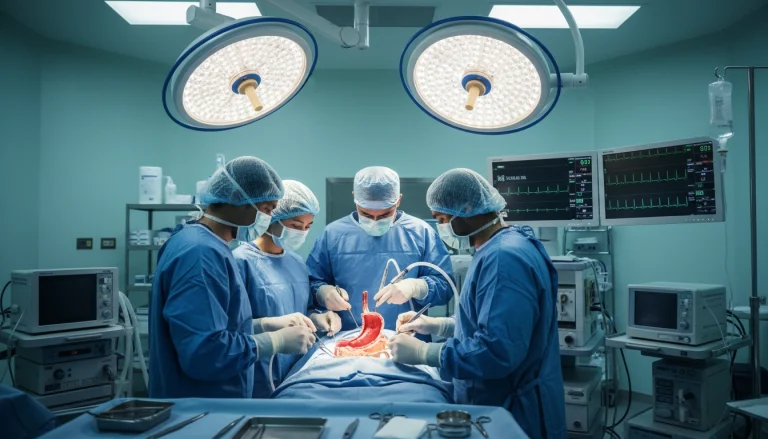
Ablation: What is Ablation? Types of Ablation Procedures
Minimally invasive therapies have transformed the medical field, bringing patients effective treatments with shorter recovery times. Ablation stands out as a highly effective procedure. Ablation employs cutting-edge technology to precisely target and treat specific body areas. This method reduces damage to surrounding tissues. It leads to fewer complications and faster healing. Because of its benefits, ablation is now a top choice for treating many medical conditions. It offers a safer, more efficient option compared to traditional surgery.
What is Ablation?
Ablation is a medical term that refers to the removal or destruction of tissue. It has become a key treatment for many medical conditions. This method is a less invasive alternative to traditional surgery.
Definition and Basic Principles
Medical ablation uses energy or other methods to destroy or remove diseased tissue. The goal is to target the problem area without harming the healthy tissue around it.
Different energy sources are used for ablation, like radiofrequency, cryoablation, laser, microwave, or ultrasound. Each has its own use and benefits, making treatments more personalized.
Historical Development of Ablation Techniques
Ablation techniques have come a long way, from early experiments to advanced, image-guided treatments. New technologies and energy sources have made it possible to treat more conditions. This has led to better patient outcomes and shorter recovery times.
The Science Behind Ablation
Grasping the principles of ablation is essential for understanding its role in contemporary medicine. Ablation precisely destroys diseased or damaged tissue. Its success hinges on a thorough comprehension of the underlying science.
Mechanism of Action
The ablation process involves applying energy, like heat or cold, directly to the targeted tissue. This destruction is achieved through various methods, including radiofrequency, cryoablation, and laser ablation. The technique chosen depends on the condition being treated and the tissue’s location.
Tissue Response to Ablative Techniques
The tissue’s reaction to ablation is vital for the treatment’s success. When tissue is ablated, it undergoes significant changes at the cellular level.
Cellular Changes
Post-ablation, cells undergo coagulative necrosis, where they are killed by the applied energy. This is followed by an inflammatory response as the body starts to heal.
Healing Process
The healing process involves the gradual removal of dead tissue and its replacement with scar tissue. This process varies based on the ablation type and the organ involved.
- Ablation techniques offer a precise method for treating diseased tissue.
- The body’s response to ablation is characterized by cellular changes and a healing process.
- Understanding these processes is key to appreciating the benefits and limitations of ablation.
Types of Ablation Procedures
Ablation procedures have evolved, now encompassing various techniques tailored for different medical conditions. These methods treat everything from cardiac arrhythmias to cancer. The choice of technique depends on the condition and the patient’s health.
Radiofrequency Ablation
Radiofrequency ablation (RFA) uses electrical energy to heat and destroy tissue. It’s commonly applied to treat cardiac arrhythmias, certain cancers, and chronic pain. A thin, needle-like probe is inserted into the affected area, guided by imaging technology.
- Effective for treating cardiac arrhythmias
- Used in cancer treatment for tumors
- Can be used for pain management
Cryoablation
Cryoablation, or cryotherapy, freezes targeted tissue to destroy it. It’s used for heart rhythm disorders and some cancers. This method is seen as having fewer complications than other ablation techniques.
Laser Ablation
Laser ablation employs high-energy laser light to destroy tissue. It’s precise and treats various conditions, including eye disorders and tumors. Guided by imaging technology, it ensures accurate targeting.
- Precision in targeting tissue
- Used in treating eye disorders
- Effective for certain tumor treatments
Microwave and Ultrasound Ablation
Microwave ablation (MWA) and ultrasound ablation treat different medical conditions. MWA heats tissue with microwave energy, while ultrasound ablation uses sound waves. Both are used for cancer treatment and other conditions.
- MWA is effective for treating certain cancers
- Ultrasound ablation is less invasive
- Both techniques offer alternative options to traditional surgery
In conclusion, the range of ablation procedures today allows for personalized treatments. It’s essential for both medical professionals and patients to understand these options to make informed decisions.
Common Conditions Treated with Ablation
Medical conditions can be managed with ablation techniques. This method has become a valuable treatment option across different medical specialties. It offers patients minimally invasive solutions to complex health issues.
Cardiac Arrhythmias
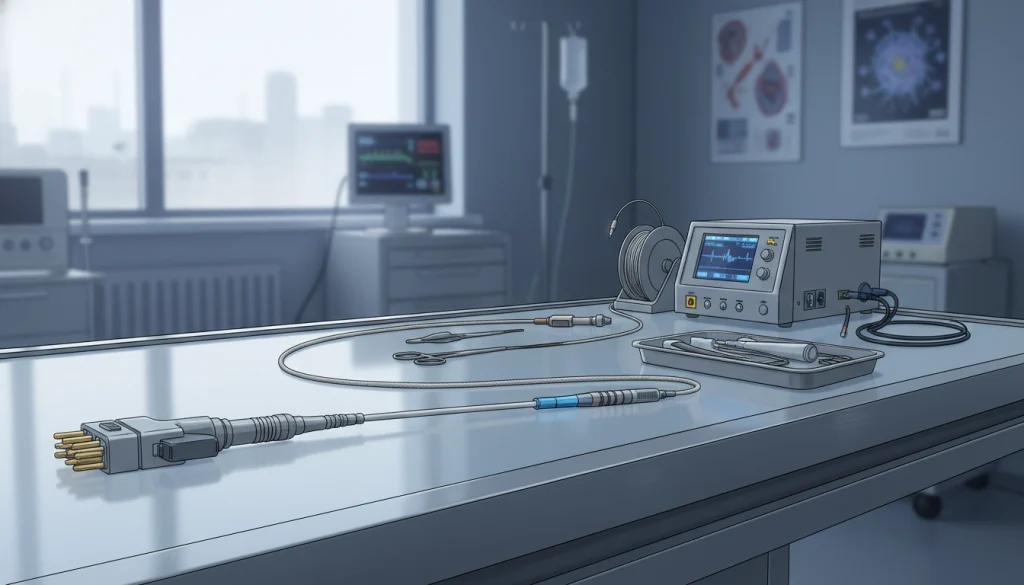
Ablation is commonly used to treat cardiac arrhythmias. These irregular heartbeats can cause significant discomfort and health risks. Ablation for Cardiac Arrhythmias involves destroying the abnormal electrical pathways in the heart tissue. This procedure can be highly effective for conditions such as atrial fibrillation, supraventricular tachycardia (SVT), and ventricular tachycardia.
Cancer Treatment Applications
Ablation techniques are increasingly being used in Cancer Treatment. They destroy tumors with minimal damage to surrounding healthy tissue. Techniques such as radiofrequency ablation (RFA) and cryoablation are used to treat various types of cancers, including liver, kidney, and lung tumors. Ablation offers a less invasive alternative to surgery for some patients, potentially reducing recovery time and complications.
Vascular Conditions
Ablation is used to treat certain Vascular Conditions, such as varicose veins. Endovenous ablation involves using heat or cold to close off problematic veins. This minimally invasive procedure can be performed on an outpatient basis, providing a quicker recovery compared to traditional vein surgery.
Neurological Disorders
In the realm of Neurological Disorders, ablation is sometimes used to treat conditions like chronic pain and certain movement disorders. Procedures such as spinal cord stimulation and dorsal root ganglion ablation can provide relief for patients suffering from severe and treatment-resistant pain. These techniques involve modulating or ablating specific neural pathways to reduce pain perception.
In conclusion, ablation techniques are versatile and have a wide range of applications across various medical conditions. From cardiac arrhythmias and cancer to vascular conditions and neurological disorders, ablation offers effective solutions. The choice of ablation technique depends on the specific condition being treated, as well as the patient’s overall health and preferences.
Cardiac Ablation in Detail
Cardiac ablation is a medical procedure aimed at treating heart rhythm problems. It involves scarring or destroying tissue in the heart that causes abnormal heart rhythms. This method has become a key treatment for various cardiac arrhythmias.
Atrial Fibrillation Treatment
Atrial fibrillation (AFib) is a common arrhythmia marked by rapid and irregular heartbeats. The procedure for AFib in cardiac ablation creates lesions in the heart tissue. This isolates the abnormal electrical pathways. It can greatly improve symptoms and quality of life for many patients.
- Types of ablation for AFib include pulmonary vein isolation and ablation of complex fractionated atrial electrograms.
- Success rates vary, but many patients experience a reduction in AFib episodes.
- Some patients may require repeat procedures for optimal results.
Other Cardiac Rhythm Disorders
Cardiac ablation is also used to treat other cardiac rhythm disorders. This includes supraventricular tachycardia and ventricular tachycardia.
Supraventricular Tachycardia
Supraventricular tachycardia (SVT) is characterized by rapid heartbeats originating above the ventricles. Cardiac ablation for SVT targets the specific electrical pathway causing the arrhythmia. Often, it provides a cure.
- Diagnosis involves electrophysiology studies to identify the arrhythmia source.
- Ablation success rates for SVT are generally high, with many patients experiencing no recurrence.
Ventricular Tachycardia
Ventricular tachycardia (VT) is a potentially life-threatening arrhythmia originating in the ventricles. Cardiac ablation for VT is often considered for patients who have not responded to medication or have frequent implantable cardioverter-defibrillator (ICD) shocks.
- VT ablation involves detailed mapping to identify and target the arrhythmia source.
- The procedure can reduce VT episodes and improve patient outcomes.
Ablation for Cancer Treatment
The advent of ablation in oncology has transformed cancer management, providing a less invasive alternative to surgery. Ablation techniques are increasingly used to treat various tumors, giving patients effective and safer options.
Liver Tumors
Liver tumor ablation is a proven treatment for primary and metastatic liver cancers. Radiofrequency ablation (RFA) and microwave ablation (MWA) are the preferred methods. These involve inserting a probe into the tumor under imaging, delivering heat to destroy cancer cells.
- High success rates in treating small liver tumors
- Minimally invasive, reducing recovery time
- Can be used in patients who are not candidates for surgery
Kidney Tumors
Ablation is becoming a recognized treatment for small renal tumors, ideal for those with poor kidney function or who cannot undergo surgery. Cryoablation and RFA are the primary techniques used for kidney tumor ablation.
- Cryoablation involves freezing the tumor cells
- RFA uses heat to destroy the tumor
- Both methods are effective with minimal side effects
Lung Lesions
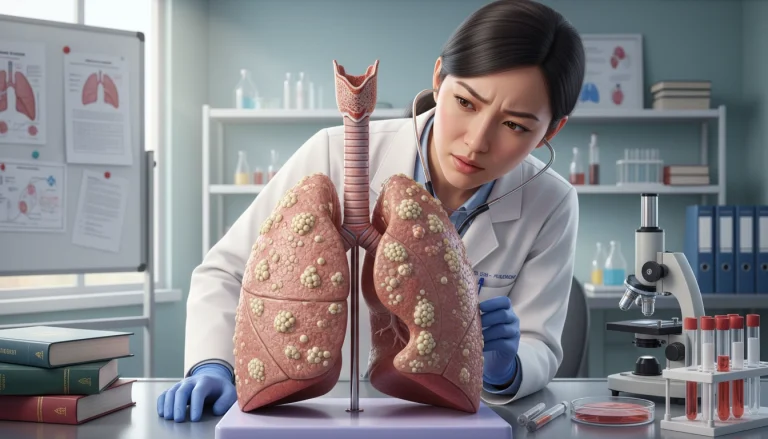
Ablation is employed to treat lung tumors, including primary lung cancer and metastatic lesions. The procedure is guided by CT scans, ensuring precise targeting. Microwave ablation and RFA are commonly used for lung lesion ablation.
Ablation in cancer treatment marks a significant leap forward in oncology, providing patients with minimally invasive and effective treatment options for various tumors. As technology advances, the role of ablation in cancer therapy is expected to grow.
The Ablation Procedure Process
The ablation procedure is a complex process with several stages, from initial evaluation to post-procedure care. Understanding each step can help patients feel more prepared and confident in their treatment.
Pre-Procedure Evaluation
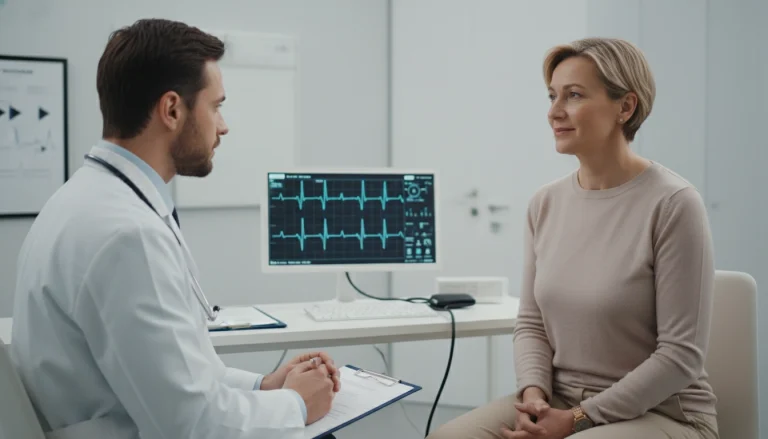
Before undergoing an ablation procedure, patients undergo a thorough evaluation. This includes a review of their medical history, current health status, and the condition being treated. Diagnostic tests such as imaging studies or electrocardiograms may be conducted to assess the target area. The healthcare provider will discuss the procedure’s risks, benefits, and alternatives, ensuring informed consent.
During the Procedure
During the ablation procedure, the patient is usually given local anesthesia and conscious sedation to minimize discomfort. The physician uses imaging guidance to accurately locate the target area. The ablation device is then inserted through a small incision or catheter, and energy is applied to destroy the problematic tissue. The procedure’s duration varies depending on the complexity and the type of ablation being performed.
Post-Procedure Care
After the ablation procedure, patients are monitored for a short period to check for any immediate complications. They may experience some discomfort or soreness at the site of the procedure, which can be managed with pain medication. Detailed post-procedure care instructions are provided, including follow-up appointments to assess the treatment’s success and address any concerns. Patients are also advised on when they can resume normal activities.
Technology and Equipment in Modern Ablation
Modern ablation procedures heavily rely on advanced technology and sophisticated equipment. This integration has greatly enhanced the precision and effectiveness of ablation treatments.
Imaging Guidance Systems
Imaging guidance is essential for the success of ablation procedures. It allows practitioners to see the target area and surrounding structures in real-time.
CT and MRI Guidance
CT and MRI guidance provide high-resolution images. These images help in accurately locating the target tissue. They are vital in complex cases where precise visualization is necessary.
Ultrasound and Fluoroscopy
Ultrasound and fluoroscopy offer real-time imaging, enabling adjustments during the procedure. Ultrasound is beneficial due to its real-time capabilities and lack of radiation. Fluoroscopy provides a detailed view of vascular structures.

Ablation Delivery Systems
Ablation delivery systems are designed to apply the right amount of energy to the target tissue. These systems vary by ablation type, such as radiofrequency, cryoablation, or microwave ablation.
The choice of ablation delivery system depends on the condition being treated, the target tissue’s location, and the patient’s health.
Benefits and Advantages of Ablation
Ablation has transformed the medical landscape with its numerous benefits. This cutting-edge technology provides patients with several advantages, making it a top choice for treating various conditions. Its minimally invasive nature, reduced recovery time, and targeted treatment approach are key factors.
Minimally Invasive Nature
Ablation stands out for its minimally invasive methods. It involves small incisions or catheter-based techniques to access the treatment area. This minimizes tissue damage and trauma, leading to less post-operative pain and scarring. It also lowers the risk of complications and infections.
Reduced Recovery Time
One major advantage of ablation is its quick recovery time. Unlike traditional surgeries, ablation procedures require shorter hospital stays and less downtime. Patients can often return to their normal activities within a few days. This makes ablation appealing for those with active lifestyles.
Targeted Treatment Approach
Ablation’s targeted treatment approach is another significant benefit. It allows healthcare professionals to precisely target the affected area while sparing healthy tissue. This precision is vital for treating complex conditions like cancer and cardiac arrhythmias. It reduces side effects and improves treatment outcomes.
Potential Risks and Side Effects
Ablation is a highly effective treatment, but it’s vital to understand the risks and side effects. Like any medical procedure, ablation comes with its own set of complications. These need careful consideration before proceeding.
Common Complications
Ablation procedures, despite being minimally invasive, can lead to several complications. These include bleeding or hematoma at the catheter insertion site, infection, and damage to nearby tissues or organs. In cardiac ablation, there’s a risk of cardiac tamponade, where fluid builds up in the heart sac.
- Bleeding or hematoma
- Infection
- Damage to surrounding tissues

Long-term Considerations
Long-term effects of ablation include the possibility of the condition returning and new arrhythmias or complications arising. For instance, in cardiac ablation, the heart rhythm disorder might recur, requiring additional treatment. Some patients may also face late effects like pulmonary vein stenosis after atrial fibrillation ablation.
- Recurrence of treated condition
- Development of new arrhythmias
- Late effects such as pulmonary vein stenosis
Cost and Insurance Considerations for Ablation Procedures
Grasping the financial aspects of medical procedures is vital for those considering ablation. The costs can greatly influence a patient’s decision and preparation for the procedure.
The cost of ablation varies due to several factors. These include the type of ablation, the facility, and the patient’s location. Patients need to understand these costs to plan effectively.
Average Costs by Procedure Type
The cost of ablation procedures varies by type. For example:
- Radiofrequency ablation for cardiac conditions can range from $15,000 to $30,000.
- Cryoablation for cancer treatment may cost between $10,000 and $25,000.
- Laser ablation for various conditions can fall within a similar range, influenced by the complexity and duration of the procedure.
These figures are estimates, and actual costs may vary. Patients should consult with their healthcare provider and financial counselor for a more accurate estimate.
Insurance Coverage and Reimbursement
Insurance coverage for ablation procedures varies by provider and policy. Most insurance plans cover ablation for certain conditions, but the extent of coverage can differ.
Patients should verify their insurance coverage and understand the reimbursement process. It’s also important to inquire about any out-of-pocket expenses, such as deductibles and copays, associated with the procedure.
Patient Selection and Preparation
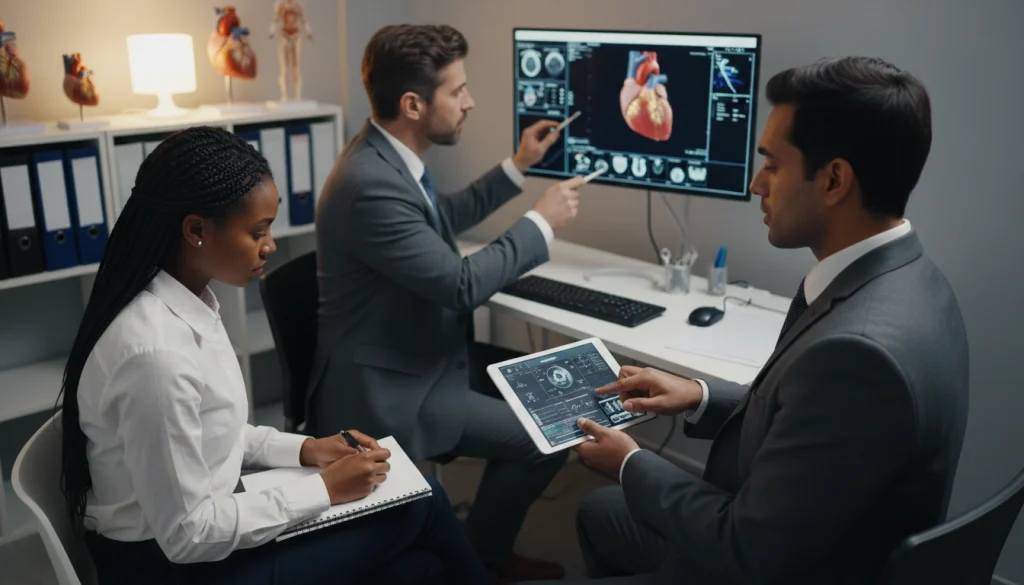
Patient selection is a critical step in the ablation process, ensuring the treatment is both safe and effective. The decision to undergo ablation involves a detailed evaluation of the patient’s medical history, current condition, and the procedure’s benefits and risks.
Ideal Candidates for Ablation
Ideal candidates for ablation are those whose medical condition is likely to benefit from the procedure. This includes patients with:
- Cardiac arrhythmias that are resistant to medication
- Cancerous tumors that are localized and accessible
- Certain vascular or neurological conditions
These patients undergo a thorough assessment to determine their suitability for ablation.
Preparing for an Ablation Procedure
Preparing for an ablation procedure involves several steps:
- Pre-procedure testing to assess the patient’s overall health
- Adjusting medications as necessary to minimize risks
- Following specific dietary instructions
- Arranging for post-procedure care and transportation
By carefully preparing for the procedure, patients can help ensure a smooth and successful outcome.
Patient Experiences and Recovery Stories
Real-life stories from patients who have undergone ablation therapy offer valuable insights. They highlight the treatment’s effectiveness and the recovery process. These personal accounts showcase the diverse experiences of individuals facing various health conditions.
Cardiac Ablation Experiences
For many, cardiac ablation has been a transformative procedure. Sarah, a 45-year-old mother of two, underwent cardiac ablation for atrial fibrillation. She experienced a significant reduction in symptoms and an improved quality of life post-procedure.
John, a 60-year-old retiree, also had a successful outcome. He noted the procedure’s quickness and his ability to return to normal activities within a few weeks.
Cancer Ablation Journeys
Cancer patients have also seen benefits from ablation therapy. Emily, a 50-year-old breast cancer survivor, underwent tumor ablation. She found the minimally invasive nature of the procedure advantageous, allowing for quick recovery and continuation of other treatments.
David, a 55-year-old patient with a liver tumor, also had a positive experience. He appreciated the targeted approach of the treatment, which minimized side effects and preserved his overall health.
Conclusion
Ablation therapy has become a groundbreaking treatment for many health issues, including heart rhythm problems and some cancers. Pulsed Field Ablation (PFA) stands out as a minimally invasive method. It targets irregular heart signals, showing great promise in treating atrial fibrillation. PFA’s benefits are clear: it’s faster and requires less anesthesia, appealing to patients. It also protects nearby tissues, reducing the risk of complications. For more details on PFA and its uses, visit Acibadem International. In summary, ablation therapy marks a major leap forward in medical care. It offers a precise, low-risk way to treat various conditions. As technology advances, ablation therapy’s role in improving health outcomes will only grow, making it a critical focus for healthcare and patients alike.
FAQ
Q: What is ablation?
A: Ablation is a minimally invasive medical treatment. It uses heat, cold, or other forms of energy to destroy or remove damaged or diseased tissue.
Q: How does ablation work?
A: Ablation works by applying energy directly to the targeted tissue. This causes it to become damaged or destroyed. The body then absorbs or removes it.
Q: What are the different types of ablation procedures?
A: There are several types of ablation procedures. These include radiofrequency ablation, cryoablation, laser ablation, microwave ablation, and ultrasound ablation.
Q: What conditions can be treated with ablation?
A: Ablation can treat various medical conditions. These include cardiac arrhythmias, certain types of cancer, vascular conditions, and neurological disorders.
Q: Is ablation a painful procedure?
A: Pain levels vary with ablation, depending on the individual and procedure type. Some may feel discomfort or pain during or after. This is usually managed with medication.
Q: How long does it take to recover from ablation?
A: Recovery time from ablation varies. It depends on the procedure type and individual health. Some may return to normal activities in a few days. Others may need several weeks.
Q: What are the possible risks and side effects of ablation?
A: Ablation is generally safe, but risks and side effects exist. These can include bleeding, infection, damage to surrounding tissue, and changes in heart rhythm or bodily functions.
Q: Will insurance cover the cost of ablation?
A: Insurance coverage for ablation varies. It depends on the procedure type, individual insurance plan, and medical condition being treated. It’s best to check with the insurance provider.
Q: How do I prepare for an ablation procedure?
A: Preparation for ablation involves a thorough medical evaluation. This includes diagnostic tests and a review of medications. Patients may also be advised to stop eating or drinking before the procedure.
Q: Can ablation be used in conjunction with other treatments?
A: Yes, ablation can be used with other treatments. This includes surgery, chemotherapy, or radiation therapy. It depends on the individual’s medical condition and treatment plan.