For those with brain tumors, surgery is often key. Tumors near brain areas for speech and language need careful removal. This is to keep these functions safe. A new method, Awake Craniotomy, lets surgeons remove tumors while the patient is awake. This way, they can map speech and watch brain functions in real time. This method lowers the risk of harming important brain parts. It gives patients a better shot at recovery and a better life. By keeping the patient awake, surgeons can talk and check how well brain functions are working.
What is Awake Craniotomy?
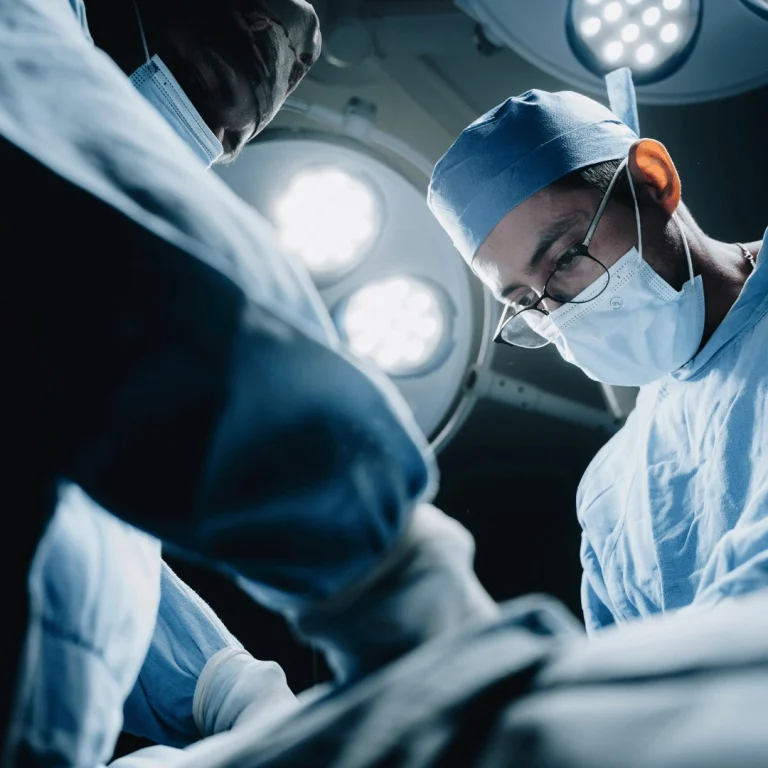
Awake brain surgery, or Awake Craniotomy, is a big step forward in neurosurgery. It lets doctors watch brain functions as they work. This surgery is done on a brain tumor while the patient is awake. It helps the team map out important brain areas with great detail. The surgery starts with local anesthesia to numb the scalp. This makes sure the patient is comfortable. Then, the neurosurgeon takes out a part of the skull to get to the tumor. The patient does tasks to help the team see how the brain works.
This surgery is great because it might not hurt as much of the brain. Keeping the patient awake helps the team avoid mistakes. It also means they can remove the tumor more carefully, which could lead to better results for the patient. For Awake Craniotomy to work, a top-notch team is needed. This includes neurosurgeons, anesthesiologists, and others. The patient’s help is also key. Their responses during the surgery help the team protect important brain functions.
The Procedure Explained
Awake Craniotomy is a delicate surgery that starts with careful preparation and anesthesia. It involves several key steps to ensure the patient’s safety and the success of the surgery.
Preparation and Anesthesia
The preparation for Awake Craniotomy is very detailed. Patients get local anesthesia to numb their scalp, making the procedure less painful. They also receive sedation to help them relax, but they stay awake and alert during the surgery.
Next, the neurosurgeon carefully removes a part of the skull to reach the brain tumor. This step is very important and requires great precision to protect the surrounding brain tissue.
Once the skull is opened, the patient is woken up. Then, speech mapping starts. This part of the procedure is key. It helps find the brain areas responsible for speech and language. This way, the neurosurgeon can avoid these areas, keeping the patient’s important brain functions safe.
The Awake Craniotomy needs a skilled team. The neurosurgeon, anesthesiologist, and other staff work together. They watch the patient’s brain function and overall health during the surgery.
- The patient is given local anesthesia to numb the scalp.
- Sedation is used to help the patient relax.
- The neurosurgeon removes a portion of the skull to access the tumor.
- The patient is awakened for speech mapping.
By managing each step of the Awake Craniotomy carefully, doctors can successfully remove brain tumors. They do this while keeping the patient’s important brain functions safe.
Speech Mapping: A Critical Component
During an Awake Craniotomy, speech mapping is key to safely removing brain tumors near language centers. It involves talking to the patient and doing tasks to find and map language areas in the brain. This helps avoid damaging these important areas.
Neurosurgeons and neurologists work together to test different brain parts while the patient is awake. The patient’s responses help the team make a detailed brain map. This map shows which areas control language and which don’t. It’s vital for removing the tumor carefully.
Key Aspects of Speech Mapping
- Real-time Feedback: The patient’s immediate responses guide the surgery plan changes.
- Precision in Tumor Resection: Knowing the tumor’s exact location and the brain areas around it helps surgeons remove it fully. This is done while keeping brain function intact.
- Minimized Risk: The detailed map helps avoid harming language areas. This reduces the chance of speech and language problems after surgery.
Speech mapping in Awake Craniotomy is a big step forward in neurosurgery. It leads to better results for patients with brain tumors. By using the latest technology and the skills of neurosurgical teams, speech mapping makes these surgeries safer and more effective.
Ideal Candidates for Awake Craniotomy
Choosing to do an Awake Craniotomy depends on many things. It’s about looking closely at the patient’s health and the tumor’s details. This surgery isn’t right for everyone with a brain tumor. There are certain things that need to be true for it to be safe and work well.
Patients need to meet certain criteria to have an Awake Craniotomy. This includes where the tumor is, how big it is, and the patient’s health. Tumors near important brain parts are often good for this surgery. It lets doctors watch how the brain works while they operate.
Key Factors in Patient Evaluation
- The tumor’s location in relation to critical brain areas.
- The size of the tumor and its impact on surrounding brain tissue.
- The patient’s overall health and ability to tolerate the awake procedure.
Doctors look at many things when deciding if a patient is right for Awake Craniotomy. They check the patient’s medical history, imaging like MRI or CT scans, and how the brain is working. This helps figure out if the surgery is a good choice for the patient.
Tumors near important brain parts, like those controlling speech or movement, are often good for Awake Craniotomy. The size of the tumor also matters. Smaller tumors might be easier to remove with this method.
Assessing Patient Health
How well the patient can handle the surgery while awake is very important. Doctors look at things like age, other health issues, and mental health. These factors help decide if the patient is a good candidate.
In the end, the choice to do Awake Craniotomy is made for each patient separately. A team of doctors and experts talk it over. They think about the benefits and risks for each person’s unique situation.
Risks and Complications
Choosing Awake Craniotomy means looking at the possible risks and complications. This surgery, done while the patient is awake, has risks that can affect the outcome.
Some common risks include infection, bleeding, and bad reactions to anesthesia. Being awake can also cause anxiety and discomfort for some.
Specific Risks Associated with Awake Craniotomy
- Infection: As with any invasive surgery, there’s a risk of infection with Awake Craniotomy.
- Bleeding: Bleeding during or after surgery is a possible complication.
- Adverse Reactions to Anesthesia: Even though the patient is awake, local anesthesia can cause reactions.
- Anxiety and Discomfort: Being awake during surgery can cause anxiety and discomfort.
- Seizures: There’s a risk of seizures during or after the surgery, mainly if the tumor is near areas controlling movement.
It’s important for patients to know these risks to make informed choices. For more on treating brain tumors, check out resources on the latest medical breakthroughs.
| Risk/Complication | Description | Mitigation Strategies |
|---|---|---|
| Infection | Risk of infection due to surgical invasion | Prophylactic antibiotics, sterile surgical techniques |
| Bleeding | Bleeding during or after surgery | Careful surgical technique, monitoring during recovery |
| Adverse Reactions to Anesthesia | Reactions to local anesthesia used during the procedure | Careful patient selection, monitoring of anesthesia |
Knowing the risks helps patients prepare for the surgery. They can work with their healthcare team to reduce these risks.
Recovery Process After Awake Craniotomy
Recovering from an awake craniotomy involves many steps. These include managing pain, preventing infections, and watching the brain’s function. The first few days after surgery are very important. They require careful watching to catch any problems quickly.
Patients usually stay in the hospital for a few days after surgery. The medical team keeps a close eye on them. They focus on controlling pain, stopping infections, and checking the brain’s function. This helps find any issues early on.
Post-Surgical Care Milestones
| Care Aspect | Immediate Post-Op (0-3 days) | Early Recovery (3-14 days) | Late Recovery (14+ days) |
|---|---|---|---|
| Pain Management | Administering pain medication as needed | Gradually reducing pain medication | Minimal to no pain medication |
| Infection Prevention | Administering antibiotics | Continuing antibiotics as prescribed | Completing antibiotic course |
| Neurological Monitoring | Frequent neurological assessments | Regular checks for neurological deficits | Monitoring for any long-term deficits |
Rehabilitation is key in getting back to normal after surgery. It includes physical, speech, and cognitive therapy. Each person’s needs are different.
Every patient’s recovery from an awake craniotomy is unique. Having a supportive team makes a big difference. Knowing what to expect helps patients and their families get through this tough time.
Advances in Awake Craniotomy Techniques
Recent breakthroughs in brain mapping and intraoperative MRI are changing Awake Craniotomy. These new tools are making awake brain surgery more precise and safe. This leads to better results for patients.
Advanced brain mapping techniques are a big step forward. They help neurosurgeons make detailed maps of the brain. This lets them find important areas more accurately.
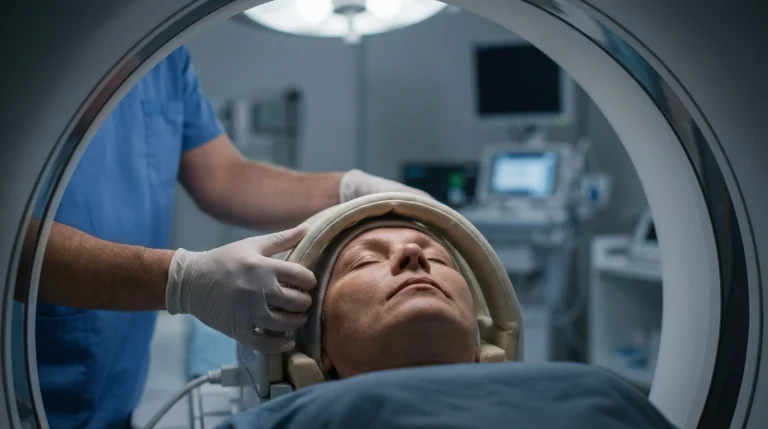
Intraoperative MRI is another major improvement. It lets surgeons see the brain in real-time during surgery. This helps them remove tumors better and avoid harming nearby brain tissue.
Key Advances in Awake Craniotomy
| Technique | Description | Benefit |
|---|---|---|
| Advanced Brain Mapping | Detailed mapping of brain function and structure | Improved accuracy in identifying critical brain areas |
| Intraoperative MRI | Real-time imaging during surgery | Enhanced precision in tumor removal and reduced damage to surrounding tissue |
| Neuro-navigation Systems | Precise localization of brain structures | Increased safety and efficacy of the surgical procedure |
These new technologies are making neurosurgery better. Awake Craniotomy is now safer and more effective for patients. As technology keeps improving, we can look forward to even better care and outcomes.
Patient Experiences and Testimonials
The journey through Awake Craniotomy is unique for each patient. It’s filled with personal challenges and triumphs. Patients face complex brain tumors or lesions that need precise surgical techniques.
One patient was diagnosed with a brain tumor affecting their speech. The tumor was in a sensitive brain area. Awake Craniotomy was the best choice for its removal. During surgery, the patient could respond to verbal cues. This helped the team map the brain’s function and protect critical areas.
Another patient had a tumor near the motor cortex. They were awake during the surgery. They could move their limbs as the team instructed. This helped identify the tumor’s boundaries and safely remove it.
These stories show how important Awake Craniotomy is for treating complex brain conditions. The procedure allows for real-time feedback. This reduces the risk of damage to critical brain areas. Patients often feel a mix of emotions during recovery. But many are relieved and grateful for the successful outcome.
- Patients report a high level of satisfaction with the Awake Craniotomy procedure. They mention the personalized care and advanced surgical techniques.
- The ability to remain awake during surgery allows for real-time monitoring of brain functions. This enhances the safety and efficacy of the procedure.
- Recovery times vary, but many patients can return to their normal activities within a few weeks.
We hope these experiences provide insight and reassurance to those considering Awake Craniotomy. The stories of patients who have undergone this procedure show its success and its ability to improve quality of life.
The Future of Awake Craniotomy
Neurosurgery is getting better, and Awake Craniotomy is at the forefront. New tech like artificial intelligence and robotics will make it safer and more precise. This is great news for treating brain tumors. Awake Craniotomy has already shown it’s a game-changer in neurosurgery. The future looks bright with more advancements on the way. With top-notch tech and skilled surgeons, it will keep being a key treatment for brain tumors. As Awake Craniotomy evolves, we can expect better speech mapping and more. The medical world is always looking to do better. So, patients can look forward to even better care and results.