Back Cerebral Palsy: Understanding Back Cerebral Palsy
Cerebral Palsy is a group of permanent disorders affecting movement, muscle tone, and coordination. When it impacts the back, it poses significant challenges to mobility and posture. Managing Back Cerebral Palsy is essential to enhance the quality of life for those affected. Effective management of Cerebral Palsy requires a multidisciplinary approach. This includes physical therapy, occupational therapy, and sometimes surgical interventions. Understanding the condition and its effects on the back is vital for developing effective management strategies.
Effective management can significantly improve mobility and reduce the risk of complications. By exploring the causes, symptoms, and treatment options, individuals can better navigate the challenges posed by Back Cerebral Palsy. Back Cerebral Palsy is a complex condition that affects individuals in various ways, impacting their spinal function and posture. It is a form of cerebral palsy that influences the muscles and motor control related to the back.
Definition and Prevalence
Back Cerebral Palsy refers to the manifestation of cerebral palsy that affects the spinal muscles, leading to posture and spinal function issues. Cerebral palsy is a group of permanent disorders appearing in early childhood. It affects movement, muscle tone, and coordination. The prevalence of cerebral palsy, including its various forms like Back Cerebral Palsy, is significant. It affects approximately 1 in 345 children in the United States.
How Back Cerebral Palsy Differs from Other Forms
Back Cerebral Palsy differs from other forms of cerebral palsy in its impact on spinal muscles and posture. While cerebral palsy can manifest as spastic, athetoid, ataxic, or mixed types, Back Cerebral Palsy is characterized by its specific effect on the back. For more detailed information on treatments like Selective Dorsal Rhizotomy (SDR) surgery, readers can refer to specialized medical resources.
Impact on Spinal Function and Posture
The condition significantly impacts spinal function, leading to issues such as scoliosis, kyphosis, or lordosis. These spinal deformities can further complicate the individual’s posture, leading to discomfort, pain, and difficulties in mobility. Understanding the impact on spinal function and posture is critical for developing appropriate treatment plans. These may include physical therapy, bracing, or surgical interventions to improve quality of life.
Managing Back Cerebral Palsy effectively requires a multidisciplinary approach. It focuses on improving spinal function, maintaining optimal posture, and increasing overall mobility and comfort.
Causes and Risk Factors of Back Cerebral Palsy
The etiology of Back Cerebral Palsy is complex, involving prenatal, perinatal, and postnatal factors. Grasping these causes is key for diagnosis, treatment, and management.
Prenatal Causes
Prenatal factors, occurring before birth, can significantly impact fetal development. They contribute to the risk of Back Cerebral Palsy.
Genetic Factors
Genetics are critical in Back Cerebral Palsy development. Research indicates that certain genetic mutations can elevate the risk. Mutations affecting brain development and function can predispose a child to this condition.
Maternal Infections
Maternal infections during pregnancy are another prenatal cause. Infections like rubella, cytomegalovirus, and toxoplasmosis can harm fetal development. This increases the risk of cerebral palsy.
Perinatal Factors
Perinatal factors occur around birth. Complications such as umbilical cord prolapse, placental abruption, and premature birth can cause brain injury. This increases the risk of Back Cerebral Palsy.
Postnatal Contributors
Postnatal contributors occur after birth. Head trauma, infections like meningitis, and severe illnesses in early childhood can contribute to Back Cerebral Palsy.
Understanding these causes and risk factors is vital for early identification and intervention. Recognizing prenatal, perinatal, and postnatal factors helps healthcare providers develop targeted strategies for management and treatment.
Diagnosing Back Cerebral Palsy
Diagnosing Back Cerebral Palsy requires a detailed approach, starting with spotting early signs. Accurate diagnosis is key to creating an effective treatment plan. It significantly improves the life quality of those affected.
Early Signs and Symptoms
Early indicators of Back Cerebral Palsy include developmental delays and muscle weakness. Infants might show delayed milestones like rolling, sitting, or crawling. As they grow, symptoms like spasticity, dystonia, and orthopedic deformities become more evident.
Diagnostic Tests and Procedures
Diagnostic tests for Back Cerebral Palsy are thorough and use various methods.
Neuroimaging
Neuroimaging, like MRI, is vital for diagnosing Back Cerebral Palsy. MRI helps spot brain structural issues linked to the condition.
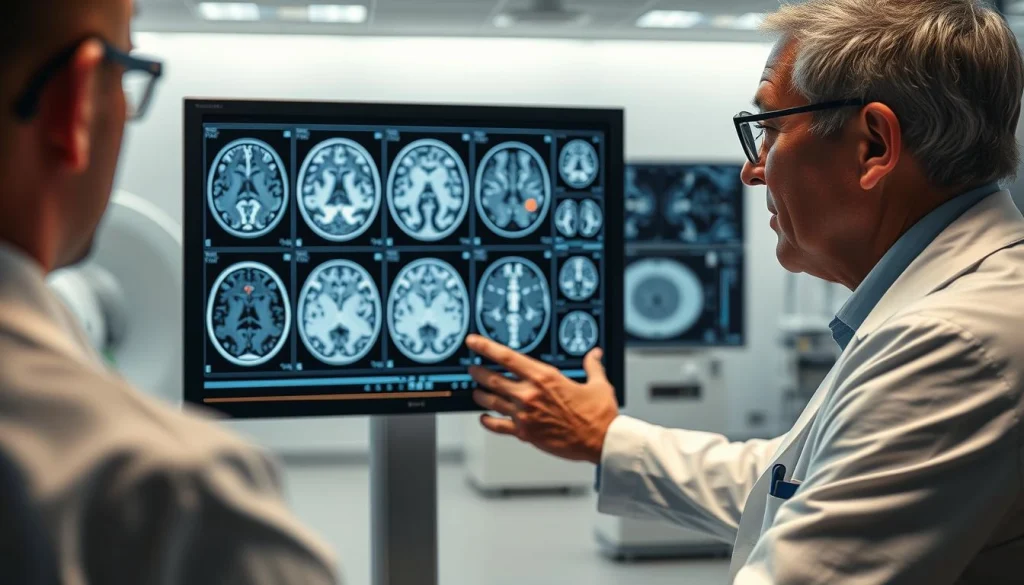
Clinical assessments evaluate a child’s motor skills, muscle tone, and developmental progress. These evaluations are vital for grasping the condition’s severity and impact.
Differential Diagnosis
Differential diagnosis is critical to exclude other conditions with similar symptoms. It involves a detailed medical history, physical exam, and sometimes extra tests. This confirms Back Cerebral Palsy diagnosis.
Classification of Back Cerebral Palsy
Grasping the classification of Back Cerebral Palsy is vital for its effective management and treatment. This system aids healthcare professionals in diagnosing and treating the condition more accurately.
Topographical Classification
Topographical classification focuses on how Back Cerebral Palsy impacts various body parts. It categorizes the condition based on the limbs affected, like spastic diplegia or quadriplegia.
Motor Function Classification
The Motor Function Classification System (MFCS) categorizes the severity of motor function impairment. It aids in understanding the extent of disability, enabling the planning of suitable interventions.
Severity Levels
Severity levels in Back Cerebral Palsy are determined by the extent of motor impairment and functional limitations. This classification is essential for tailoring treatment plans to meet individual needs.
Functional Assessment Scales
Functional assessment scales are tools for evaluating the functional abilities of those with Back Cerebral Palsy. These scales are vital for monitoring progress and adjusting treatment strategies as needed.
Understanding the classification of Back Cerebral Palsy enables healthcare providers to create targeted treatment plans. These plans address the specific needs of each individual, significantly improving their quality of life.
Common Symptoms and Challenges
The symptoms of Back Cerebral Palsy vary widely and pose significant challenges. They require a detailed management plan. People with this condition face physical and postural issues that greatly affect their life quality.
Physical Manifestations
Physical symptoms of Back Cerebral Palsy differ among individuals. Key issues include muscle tone irregularities and movement restrictions.
Muscle Tone Abnormalities
Muscle tone irregularities are a defining feature of Back Cerebral Palsy. People may have spasticity, leading to stiffness, or hypotonia, causing flaccidity. These issues affect the spine’s muscles, leading to postural problems.
Movement Limitations
Movement restrictions are a major challenge. The condition hinders mobility and flexibility, making daily activities hard. This reduced mobility worsens spinal and postural issues if not managed well.
Spinal and Postural Issues
Spinal and postural problems are common in Back Cerebral Palsy. It can cause scoliosis, kyphosis, or lordosis due to muscle imbalances and abnormal growth. These deformities lead to discomfort, limit mobility, and affect posture.
Associated Conditions
People with Back Cerebral Palsy may also have other conditions. These include seizures, intellectual disabilities, vision and hearing impairments, and gastrointestinal issues. Managing these conditions is vital for improving their overall health.
Medical Treatment Approaches
Medical treatments for Back Cerebral Palsy are varied, aiming to tackle the condition’s complexities. These treatments aim to reduce symptoms, enhance functional abilities, and improve life quality for those with Back Cerebral Palsy.
Medication Options
Medications are key in managing Back Cerebral Palsy symptoms. The main goal is to lessen muscle spasticity and boost mobility.
Muscle Relaxants
Muscle relaxants are often used to reduce muscle stiffness and spasms. They help improve mobility and lessen discomfort.
Anti-spasticity Medications
Anti-spasticity medications are designed to lower muscle tone and spasms. They are typically used alongside physical therapy to increase their effectiveness.
Surgical Interventions
Surgical interventions may be needed for specific complications of Back Cerebral Palsy. These surgeries can correct deformities, reduce spasticity, and enhance mobility.
Emerging Treatments
Ongoing research explores new treatments for Back Cerebral Palsy. This includes innovative therapies and technologies aimed at better outcomes for those with the condition. 
As medical knowledge and technology advance, more treatment options for Back Cerebral Palsy are expected. This offers new hope for those affected by the condition.
Therapeutic Interventions for Back Cerebral Palsy
Managing Back Cerebral Palsy effectively requires a variety of therapeutic strategies. These interventions are key to improving the lives of those affected by this condition.
Physical Therapy Strategies
Physical therapy is a fundamental part of managing Back Cerebral Palsy. It aims to enhance mobility, strength, and flexibility.
Strengthening Exercises
Strengthening exercises are essential for boosting muscle power and endurance. They help improve posture and lower the risk of complications like scoliosis.
Range of Motion Techniques
Range of motion techniques are critical for keeping joints flexible and preventing contractures. Regular exercises significantly enhance joint mobility.
Occupational Therapy Approaches
Occupational therapy is vital for helping individuals with Back Cerebral Palsy perform daily tasks and engage in social activities. It involves adapting tasks and environments to meet individual needs.
Speech and Language Therapy
Speech and language therapy is essential for those with communication challenges. It focuses on assessment and intervention to enhance communication skills.
Hydrotherapy and Aquatic Exercises
Hydrotherapy, or aquatic therapy, uses water to aid movement and relaxation. It’s highly beneficial for reducing spasticity and improving mobility. For more information on managing spasticity, visit this resource.
Therapeutic interventions for Back Cerebral Palsy are diverse and need a customized approach. By combining physical therapy, occupational therapy, speech and language therapy, and hydrotherapy, individuals can see significant improvements in their condition.
Assistive Devices and Technology
People with Back Cerebral Palsy use assistive devices and technology to improve their mobility and life quality. These tools are key in managing the condition’s impact on spinal function and posture.
Mobility Aids
Mobility aids are vital for those with Back Cerebral Palsy, enabling them to move more freely. They include walkers, wheelchairs, and other devices that aid in movement.
Postural Support Systems
Postural support systems are essential for maintaining spinal alignment and reducing discomfort. They include back braces and orthoses, as well as specialized seating solutions.
Back Braces and Orthoses
Back braces and orthoses are custom-made to support the spine. They help correct or mitigate the effects of abnormal posture caused by Back Cerebral Palsy.
Specialized Seating
Specialized seating is designed to offer optimal support and comfort for individuals with Back Cerebral Palsy. It helps maintain proper posture and reduces spinal complications risk.
Adaptive Equipment for Daily Living
Adaptive equipment for daily living includes a variety of tools and devices to make everyday tasks easier. Examples are adaptive utensils, dressing aids, and other assistive technologies that promote independence.
By using these assistive devices and technologies, individuals with Back Cerebral Palsy can lead more active and fulfilling lives. They can overcome some of the challenges posed by their condition.
Managing Pain and Discomfort in Back Cerebral Palsy
Back Cerebral Palsy poses significant pain management challenges. It involves muscle spasticity, joint deformities, and other complications. A multifaceted approach is necessary to address these issues.
Pharmaceutical Pain Management
Pharmaceutical interventions are key in managing Back Cerebral Palsy pain. Medications like baclofen and diazepam help reduce muscle spasticity. Pain relievers, such as acetaminophen and ibuprofen, also play a role in alleviating discomfort.
Non-Pharmaceutical Approaches
Non-pharmaceutical strategies are essential for pain management. Physical therapy improves mobility and strength. Occupational therapy enhances daily functioning.
Heat and Cold Therapy
Heat therapy, like warm baths or heating pads, relaxes muscles and reduces pain. Cold therapy, with ice packs, numbs pain and reduces inflammation.
Massage and Manual Techniques
Massage therapy reduces muscle tension and improves circulation. Manual techniques, including stretching and mobilization, enhance flexibility and reduce pain.
Alternative Therapies
Alternative therapies, such as acupuncture and yoga, show promise in managing chronic pain. They focus on holistic well-being and complement traditional treatments.
Combining pharmaceutical, non-pharmaceutical, and alternative approaches helps individuals with Back Cerebral Palsy manage pain. This improves their overall quality of life.
Nutritional Considerations
Back Cerebral Palsy presents unique dietary challenges, making nutritional care critical. Those affected often require special diets due to feeding difficulties, gastrointestinal problems, and higher energy needs.
Dietary Challenges
Individuals with Back Cerebral Palsy face various dietary hurdles, including dysphagia, GERD, and constipation. These issues can cause malnutrition, dehydration, and other health problems if not managed correctly.
Feeding difficulties are prevalent, and adaptive utensils or modified diets may be required. It’s essential to ensure they get enough calories and nutrients to stay healthy.
Nutritional Support Strategies
Support for nutrition in Back Cerebral Palsy includes personalized meal plans, texture adjustments, and supplements. Consulting with a registered dietitian or nutritionist is key to creating a diet that fits their needs.
Supplementation
Supplements may be needed to cover essential vitamins and minerals. Common ones include vitamin D, calcium, and fiber. But, any supplement should be prescribed by a healthcare professional to avoid harmful effects.
Preventing Secondary Complications
Good nutrition is vital in preventing secondary issues like osteoporosis, obesity, and dental problems in Back Cerebral Palsy. A balanced diet, along with regular exercise and healthcare, can help reduce these risks.
Addressing dietary challenges and implementing proper nutritional support can significantly enhance the health and life quality of those with Back Cerebral Palsy.
Educational and Social Support
Individuals with Back Cerebral Palsy need a robust support system to excel in school and social circles. The right accommodations and support can greatly improve their life quality and social integration chances.
Educational Accommodations
Educational support is key for those with Back Cerebral Palsy to access education effectively. This includes:
- Personalized learning plans tailored to their needs
- Assistive technology to facilitate communication and learning
- Physical adaptations to the educational environment to improve accessibility
Social Integration Strategies
Social integration is vital for the emotional and psychological well-being of those with Back Cerebral Palsy. Strategies for social integration include:
- Inclusive recreational activities that promote interaction with peers
- Social skills training to enhance communication and interaction
- Supportive environments that encourage participation and engagement
Family Support Resources
Family support is critical for individuals with Back Cerebral Palsy. Resources available to families include:
Support Groups
Support groups offer a space for families to share experiences, seek advice, and find emotional support.
Respite Care Options
Respite care provides temporary relief to caregivers, allowing them to rest and recharge. This is essential for maintaining family well-being.
By utilizing these educational and social support systems, individuals with Back Cerebral Palsy can lead more fulfilling and integrated lives.
Living Well with Back Cerebral Palsy
People with Back Cerebral Palsy can live fulfilling lives by focusing on quality of life and psychological well-being. This requires a holistic approach. It includes medical care, therapy, and lifestyle adjustments.
Quality of Life Considerations
Improving quality of life for those with Back Cerebral Palsy involves addressing physical, emotional, and social needs. This can be done through medical treatment, therapy, and support systems.
- Access to appropriate medical care and therapy
- Support from family and caregivers
- Opportunities for social integration and participation
Psychological Well-being
Maintaining psychological well-being is key for individuals with Back Cerebral Palsy. This can be supported through various coping strategies and mental health resources.
Coping Strategies
Effective coping strategies include stress management techniques, such as mindfulness and relaxation exercises.
Mental Health Support
Access to mental health professionals and support groups is vital. It provides individuals with the tools to manage their condition and enhance their well-being.
Success Stories and Inspiration
There are many inspiring stories of individuals with Back Cerebral Palsy who have achieved significant milestones. These stories highlight the resilience and determination of those living with the condition.

Advancements and Hope for the Future
Research into Back Cerebral Palsy is making strides, bringing hope to those affected. New treatments and technologies are emerging. These advancements aim to enhance the lives of individuals with this condition.
Recent medical breakthroughs have shed light on the causes and risk factors of Back Cerebral Palsy. This understanding is driving the development of new therapies. Innovations in physical, occupational therapy, and assistive technology are on the horizon.
The outlook for those with Back Cerebral Palsy is optimistic. Ongoing research seeks to create more effective treatments and better outcomes. The medical community’s collective efforts are building a brighter future for those impacted.
FAQ
Q: What is Back Cerebral Palsy?
A: Back Cerebral Palsy is a form of cerebral palsy that mainly affects the spinal function and posture. It leads to various physical and postural challenges.
Q: How is Back Cerebral Palsy diagnosed?
A: Diagnosis involves a combination of clinical assessments, neuroimaging, and differential diagnosis. This helps identify the condition and rule out other causes.
Q: What are the common symptoms of Back Cerebral Palsy?
A: Symptoms include muscle tone abnormalities, movement limitations, and spinal and postural issues. These can also lead to associated conditions that impact daily life.
Q: What treatment options are available for Back Cerebral Palsy?
A: Treatment options include medication, surgical interventions, and physical therapy. Occupational therapy, speech and language therapy, and assistive devices are also used.
Q: How can pain and discomfort be managed in Back Cerebral Palsy?
A: Pain management involves pharmaceutical options and non-pharmaceutical methods like heat and cold therapy, massage, and alternative therapies.
Q: What nutritional considerations are important for individuals with Back Cerebral Palsy?
A: Nutritional considerations include addressing dietary challenges and implementing nutritional support strategies. Supplementation and preventing secondary complications through proper nutrition are also key.
Q: What kind of educational and social support is available for individuals with Back Cerebral Palsy?
A: Support includes educational accommodations and social integration strategies. Family support resources like support groups and respite care options are also available.
Q: How can individuals with Back Cerebral Palsy improve their quality of life?
A: Improving quality of life involves focusing on psychological well-being and employing coping strategies. Accessing mental health support and drawing inspiration from success stories are also important.