Bad Breath: What Is Bad Breath?
Halitosis, commonly known as bad breath, affects millions globally. It can be a source of embarrassment and discomfort. This condition impacts an individual’s social interactions and self-confidence. The causes of halitosis are varied. They range from poor oral hygiene to underlying health issues. Dry mouth, gum disease, and certain medical conditions can contribute to bad breath.
Addressing halitosis is vital for personal comfort and overall health. Understanding its causes and implementing appropriate measures is key. This way, individuals can mitigate its effects and improve their quality of life. Understanding bad breath, or halitosis, is key to tackling its causes and finding treatments. It’s not just a personal issue; it can impact social interactions and overall well-being.
Definition and Medical Terminology
Halitosis is the medical term for bad breath. It’s marked by an unpleasant odor from the mouth, lasting from a few minutes to hours. Various factors can cause it, including poor oral hygiene, certain foods, and underlying health issues.
Prevalence Statistics in the United States
In the United States, bad breath is a widespread issue. Studies indicate that about 25% of the population deals with halitosis. The prevalence can change based on age, oral health practices, and overall health.
- Nearly 1 in 4 individuals experience bad breath at some point.
- The condition is more common among individuals with poor oral hygiene.
- Certain medical conditions can increase the likelihood of halitosis.
Temporary vs. Chronic Halitosis
Halitosis can be temporary or chronic. Temporary bad breath often stems from diet or morning breath. Chronic halitosis, on the other hand, may signal an underlying health issue.
Distinguishing between temporary and chronic bad breath is vital. For chronic cases, seeking a healthcare professional’s advice is essential to identify and address the root cause.
The Science Behind Oral Odor
The science behind oral odor is complex, involving bacteria, saliva, and volatile compounds. Understanding these interactions is key to tackling bad breath.
Volatile Sulfur Compounds (VSCs)
Volatile Sulfur Compounds (VSCs) are major culprits behind oral odor. They form when bacteria in the mouth break down proteins. The sulfur in these compounds is what causes the foul smell.
Bacterial Activity in the Mouth
Bacterial activity is a significant factor in oral odor. The mouth’s environment is perfect for bacteria to grow, mainly on the tongue and between teeth. These bacteria consume food debris, producing VSCs as waste.
The Role of Saliva in Breath Freshness
Saliva is essential for fresh breath. It cleans the mouth by removing food particles and bacteria. It also contains enzymes that break down VSCs, reducing bad breath.
How Saliva Cleanses the Mouth
Saliva’s role in oral hygiene is critical. It flushes out bacteria and food, reducing VSC production. A healthy saliva flow is vital for this natural cleansing.
Factors Affecting Saliva Production
Several factors can impact saliva production, including hydration, medication, and medical conditions. Low saliva flow, or dry mouth, can lead to bad breath. Staying hydrated and managing health conditions can help maintain saliva levels.
Common Causes of Bad Breath
Understanding the causes of bad breath is the first step towards a solution. Bad breath, or halitosis, can stem from various factors. These range from daily habits to underlying health conditions.
Poor Oral Hygiene Practices
Poor oral hygiene is a common cause of bad breath. When teeth are not brushed and flossed regularly, food particles stay in the mouth. This leads to the growth of bacteria, causing bad breath. Regular brushing and flossing are key to preventing halitosis.
Food and Beverage Culprits
Certain foods and beverages can contribute to bad breath.
Garlic, Onions, and Spicy Foods
Garlic and onions contain sulfur compounds that can cause bad breath. Spicy foods can also dry out the mouth. This reduces saliva production, leading to halitosis.
Coffee and Alcoholic Beverages
Coffee and alcoholic beverages can dry out the mouth, reducing saliva production. Saliva cleanses the mouth and removes particles that cause bad breath. Regular consumption without proper oral hygiene can lead to persistent bad breath.
- Coffee consumption
- Alcoholic beverages
- Reduced saliva production
Tobacco Products and Smoking
Tobacco use and smoking significantly contribute to bad breath. Tobacco dries out the mouth, and smoking leaves a lingering odor. Quitting tobacco use can greatly improve oral health and reduce halitosis.
Crash Diets and Fasting
Crash diets and fasting can lead to bad breath due to ketone production. Ketones are chemicals produced when the body burns fat for energy instead of carbohydrates. These ketones can cause a fruity or acetone-like odor on the breath.
- Crash diets
- Fasting
- Ketone production
Understanding these common causes can help individuals take necessary steps to prevent or manage bad breath. By addressing these factors, individuals can improve their oral hygiene and overall health.
Medical Conditions That Cause Halitosis
Understanding the medical causes of halitosis is key to effective treatment and management. Halitosis can signal various health issues, from dental problems to systemic diseases.
Dental Issues
Dental problems are a common cause of halitosis. Poor oral health creates an environment where bacteria thrive, leading to bad breath.
Gum Disease (Periodontitis)
Gum disease, or periodontitis, significantly contributes to halitosis. It occurs when bacteria infect the gums, causing inflammation and potentially leading to tooth loss if untreated.
Tooth Decay and Cavities
Tooth decay and cavities provide bacteria with an ideal environment to grow. This growth produces volatile sulfur compounds (VSCs), causing bad breath.
Dry Mouth (Xerostomia)
Dry mouth, or xerostomia, happens when the salivary glands don’t produce enough saliva. Saliva cleanses the mouth and removes bacteria, making dry mouth a major contributor to halitosis.
Respiratory Tract Infections
Respiratory tract infections, like sinusitis or bronchitis, can also cause halitosis. These infections often produce pus or discharge, leading to bad breath.
Digestive System Disorders
Certain digestive system disorders, such as gastroesophageal reflux disease (GERD), can cause halitosis. GERD involves stomach acid flowing back into the esophagus, potentially causing bad breath.
Systemic Diseases
Systemic diseases, including diabetes and liver or kidney problems, can also contribute to halitosis.
Diabetes
Diabetes can lead to dry mouth and an increased risk of gum disease, both of which contribute to bad breath.
Liver or Kidney Problems
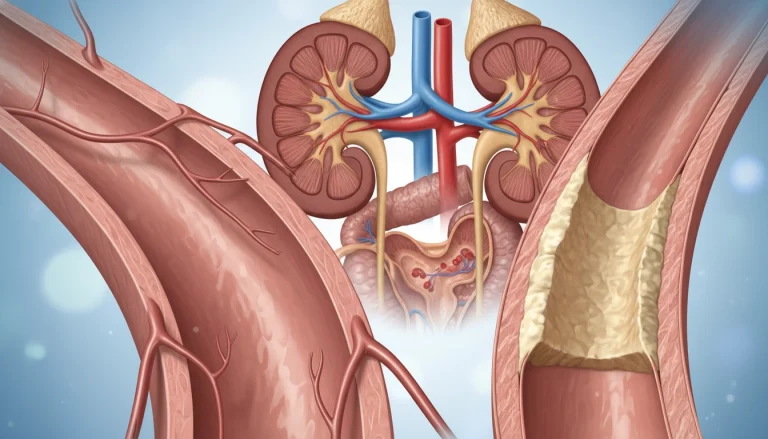
Liver or kidney dysfunction can result in toxin buildup in the body, causing bad breath. For example, kidney disease can lead to urea buildup in saliva, contributing to halitosis.
Some common medical conditions that cause halitosis include:
- Gum disease
- Tooth decay
- Dry mouth
- Respiratory infections
- Digestive disorders
- Diabetes
- Liver or kidney disease
Addressing the underlying medical condition is essential for managing halitosis effectively. By treating the root cause, individuals can significantly improve their oral health and overall well-being.
How Bad Breath Is Diagnosed
Diagnosing bad breath requires a mix of self-checks and professional exams. It’s vital to understand the causes of halitosis for proper treatment.
Self-Assessment Techniques
Self-checking is the initial step in identifying bad breath. People can try simple tests like licking their wrist and smelling it later. Or, they can ask a close friend or family member for their honest feedback.
Professional Dental Evaluation
A thorough dental check is key to finding bad breath’s source. Dentists look for signs of oral health problems, like gum disease or dry mouth.
Specialized Testing Methods
At times, specific tests are needed. These include:
-
Halimeter Testing
Measures the levels of volatile sulfur compounds (VSCs) in the breath.
-
Gas Chromatography
Identifies and quantifies the various compounds present in the breath.
-
BANA Test
Detects the presence of certain enzymes associated with periodontal disease.
These tests aid healthcare professionals in creating a treatment plan that meets the individual’s needs.
Daily Oral Hygiene Routines to Eliminate Bad Breath
Effective daily oral hygiene routines are key in fighting off halitosis. By using the right techniques and tools, you can cut down bad breath significantly.
Proper Brushing Techniques
Brushing your teeth is the cornerstone of good oral hygiene. It’s vital to use the correct method to effectively remove plaque and bacteria.
Recommended Frequency and Duration
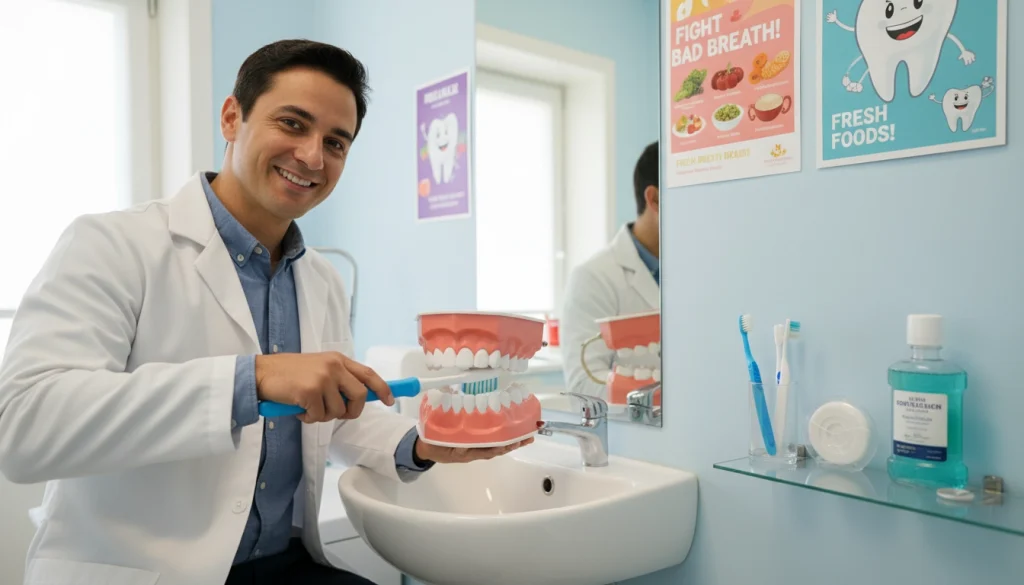
Brushing your teeth at least twice a day for two minutes is advised. Using a timer or a toothbrush with a built-in timer can help ensure you’re brushing for the full recommended duration.
Electric vs. Manual Toothbrushes
Both electric and manual toothbrushes can be effective, but electric toothbrushes are often more efficient at removing plaque and reducing gingivitis. They can be very helpful for individuals with limited dexterity.
Effective Flossing Methods
Flossing is essential for removing food particles and plaque from between your teeth and under your gumline, areas a toothbrush can’t reach. Proper flossing technique involves curving the floss around the base of each tooth in a “C” shape.
Tongue Cleaning Importance
The tongue can harbor bacteria that contribute to bad breath. Using a tongue scraper or the back of your toothbrush to gently clean your tongue can help reduce these bacteria and freshen your breath.
Mouthwash Selection and Use
Mouthwash can be a valuable addition to your oral hygiene routine, helping to kill bacteria and reduce plaque. Look for a mouthwash that carries the American Dental Association (ADA) Seal of Acceptance, indicating it has met certain standards for safety and effectiveness.
Water Flossers and Interdental Brushes
Water flossers and interdental brushes can be useful for individuals who have trouble with traditional flossing or have specific oral care needs. Water flossers use a stream of water to remove plaque and debris, while interdental brushes are small brushes that can be used to clean between teeth.
By incorporating these daily oral hygiene routines into your daily life, you can effectively combat bad breath and maintain a healthier, fresher mouth.
Dietary Modifications for Fresher Breath
The food you eat directly affects the freshness of your breath. Making smart dietary choices can greatly improve your oral health and combat bad breath.
Foods to Limit or Avoid
Some foods can lead to bad breath due to their makeup or how they’re processed in the mouth. Here are a few examples:
- Garlic and onions, which contain sulfur compounds that can linger in the mouth and throat.
- Spicy foods, which can dry out the mouth, reducing saliva production and leading to bad breath.
- Fish and seafood, which can leave a strong odor due to their high protein content.
- Coffee and alcohol, which can dry out the mouth and increase volatile sulfur compounds.
Breath-Freshening Foods
Adding certain foods to your diet can help keep your breath fresh. These include:
Herbs: Parsley, Mint, and Cilantro
Herbs like parsley, mint, and cilantro are known for their breath-freshening properties. Parsley, for example, contains chlorophyll, which can neutralize odors. Learn more about the benefits of these herbs and foods on health-focused websites.
Crunchy Fruits and Vegetables
Crunchy fruits and vegetables, such as apples, carrots, and celery, stimulate saliva production. This natural cleansing process helps wash away bacteria and food particles, leading to fresher breath.
Hydration Strategies
Staying hydrated is key to maintaining fresh breath. Saliva cleanses the mouth by removing bacteria and food debris. Drinking plenty of water throughout the day keeps your mouth moist and reduces bad breath risk.
Probiotic Benefits for Oral Health
Probiotics are beneficial bacteria that support a healthy oral microbiome. They help reduce harmful bacteria that cause bad breath. Adding probiotic-rich foods, such as yogurt and kefir, to your diet can boost oral health.
Professional Dental Treatments
Managing bad breath often requires professional dental treatments aimed at the root causes. These can range from routine cleanings to specialized therapies, based on the patient’s needs.
Professional Dental Cleanings
Regular dental cleanings are essential for good oral hygiene and fresh breath. A dental hygienist removes plaque and tartar from teeth, both above and below the gum line. This helps eliminate bacteria causing bad breath.
Periodontal Therapy
Those with periodontal disease may need more intensive treatments. Periodontal therapy involves deep cleaning below the gum line. It removes infected tissue and bacteria, preventing further gum disease and bad breath.

Treating Dental Infections and Decay
Dental infections and decay are common bad breath causes. Treatment may include fillings, root canals, or extractions, depending on the severity.
Prescription Medications
In some cases, prescription medications are needed to manage bad breath. These can include antibiotics for oral infections and artificial saliva for dry mouth.
Antibiotics for Oral Infections
Antibiotics are prescribed for bacterial mouth infections causing bad breath. They help reduce bacterial levels, improving breath freshness.
Artificial Saliva Products
Artificial saliva products help those with dry mouth (xerostomia). They stimulate saliva production or replace it, aiding in mouth cleansing and reducing bad breath.
Over-the-Counter Solutions for Bad Breath
OTC solutions offer a convenient way to address bad breath. They are widely available and serve as an effective first step against halitosis.
Comparing Mouthwashes and Rinses
Mouthwashes and rinses are popular for managing bad breath. They come in various formulations, each with unique benefits.
Antibacterial vs. Masking Products
Antibacterial mouthwashes target the bacteria causing bad breath. In contrast, masking products temporarily freshen breath without addressing the root cause.
Alcohol-Free Options
Alcohol-free mouthwashes are ideal for those with dry mouth or discomfort from alcohol-based products.
Breath Mints, Sprays, and Gums
Breath mints, sprays, and gums provide quick breath freshening. They come in various flavors and are perfect for use throughout the day.
Specialized Toothpastes
Some toothpastes are designed to combat bad breath. They contain ingredients that help reduce bacteria and freshen breath.
Tongue Scrapers and Cleaners
Tongue scrapers and cleaners remove bacteria and debris from the tongue. This is a common source of bad breath.
Incorporating these OTC solutions into your daily routine can help manage bad breath. This way, you can maintain fresh, clean breath all day.
Natural and Home Remedies
For those looking beyond commercial products, natural and home remedies present a compelling alternative. These options can effectively combat bad breath without the use of harsh chemicals.
Herbal Solutions
Herbal remedies have been a cornerstone of oral health for centuries. Green tea and clove stand out for their ability to freshen breath.
Green Tea Benefits
Green tea boasts antibacterial properties, essential for combating bad breath-causing bacteria. Regular consumption can be a simple yet effective way to keep breath fresh.
Clove and Cinnamon
Clove and cinnamon are renowned for their antimicrobial effects. Chewing on these can help eliminate mouth bacteria, leading to fresher breath.
Essential Oils for Breath Freshening
Essential oils like peppermint, tea tree, and eucalyptus are potent breath fresheners. They can be added to water for a homemade mouthwash or applied directly to teeth and gums.

Apple Cider Vinegar Rinses
Apple cider vinegar’s antibacterial properties make it effective against bad breath. A mix of apple cider vinegar and water serves as a natural mouthwash, killing bacteria.
Baking Soda Applications
Baking soda acts as a natural abrasive, removing plaque and bacteria from teeth. It can be used as a toothpaste or mixed with water for a mouthwash.
Incorporating these natural remedies into your daily routine can help manage bad breath and enhance overall oral health.
Special Cases of Halitosis
Bad breath is a common issue, but there are special cases that require particular attention and care. These cases often present unique challenges in diagnosis and treatment.
Morning Breath: Causes and Solutions
Morning breath is a common experience for many, caused by the reduction of saliva during sleep. This allows bacteria to thrive. Solutions include practicing good oral hygiene before bed, using a tongue scraper, and staying hydrated.
Persistent Halitosis Despite Good Hygiene
Some individuals experience persistent bad breath despite maintaining good oral hygiene. This could be due to underlying medical conditions, such as gastrointestinal issues or respiratory infections. These need to be addressed.
Bad Breath in Children
Bad breath in children can be caused by various factors, including nasal foreign bodies, infections, or poor oral hygiene. It’s essential for parents to identify the cause and consult a pediatric dentist if necessary.
Pregnancy-Related Breath Changes
Pregnancy can lead to changes in breath due to hormonal fluctuations. Pregnant women should maintain rigorous oral hygiene and visit their dentist regularly.
Understanding these special cases of halitosis is critical for effective management. Here are some key takeaways:
- Identify the underlying cause of bad breath
- Practice good oral hygiene tailored to the specific case
- Consider underlying medical conditions
- Seek professional dental advice when necessary
Psychological and Social Impacts
The psychological effects of bad breath are complex, involving social anxiety, halitophobia, and self-esteem issues. It can greatly impact one’s life, making simple social interactions a source of stress and anxiety.
Social Anxiety and Self-Esteem Issues
Those with halitosis often face social anxiety, fearing others might notice. This fear can cause them to avoid social events, worsening feelings of isolation and low self-esteem. The constant fear of bad breath can severely impact personal and professional relationships.

Halitophobia: The Fear of Bad Breath
Halitophobia is a condition where individuals become excessively worried about their breath. This fear can be as crippling as the actual condition, causing significant distress and daily life impairment.
Communicating About Breath Concerns
Talking openly about bad breath can help reduce social anxiety. Discussing it with a dentist or healthcare provider can offer reassurance and effective treatment options. It’s also vital for friends and family to be supportive, creating a safe space for individuals to share their concerns.
Building Confidence Through Management
Effectively managing bad breath can greatly enhance one’s confidence. By addressing the root causes and practicing good oral hygiene, individuals can lessen their anxiety and improve their life quality. Professional treatments and guidance from healthcare providers are essential in this journey.
Conclusion
Understanding and managing bad breath is key to good oral health and overall well-being. Bad breath, or halitosis, can come from poor oral hygiene, certain medical conditions, and lifestyle choices. It’s important to address these factors to prevent bad breath.
Managing bad breath effectively requires good oral hygiene, dietary changes, and sometimes professional dental treatments. Regular brushing and flossing, tongue cleaning, and mouthwash use can greatly reduce bad breath. These habits are essential for maintaining fresh breath.
Eating a diet full of fruits, vegetables, and whole grains, along with staying hydrated, is also vital. Avoiding foods like garlic and onions can also help keep breath fresh. These simple steps can make a big difference in your oral health.
If bad breath persists despite good hygiene, seeing a dental professional is a must. They can find the root cause and suggest treatments. This might include professional cleanings, periodontal therapy, or prescription medications.
By actively managing bad breath and keeping your mouth healthy, you can enjoy a fresher, healthier smile. This not only boosts your confidence but also improves your overall health.
FAQ
Q: What causes bad breath?
A: Bad breath, or halitosis, stems from several sources. Poor oral hygiene and certain foods and drinks are common culprits. Tobacco use and underlying medical conditions also play a role.
Q: How can I prevent bad breath?
A: To prevent bad breath, maintain good oral hygiene. Brush and floss regularly, clean your tongue, and use mouthwash. Avoiding strong-smelling foods and staying hydrated also contribute to fresh breath.
Q: Can certain medical conditions cause bad breath?
A: Yes, various medical conditions can cause bad breath. Gum disease, dry mouth, and respiratory tract infections are examples. Digestive system disorders and systemic diseases like diabetes and kidney problems also contribute.
Q: How is bad breath diagnosed?
A: Diagnosing bad breath involves several methods. Self-assessment techniques and professional dental evaluations are key. Specialized testing, including halimeter testing and gas chromatography, can also be used.
Q: Are there any natural remedies for bad breath?
A: Yes, natural remedies can help manage bad breath. Herbal solutions like green tea, clove, and cinnamon are effective. Essential oils, apple cider vinegar rinses, and baking soda applications also offer relief.
Q: Can bad breath be a sign of an underlying health issue?
A: Yes, persistent bad breath can indicate an underlying health issue. Dental problems, dry mouth, or systemic diseases are common causes. If bad breath persists, seek medical attention.
Q: How can I manage bad breath during pregnancy?
A: Managing bad breath during pregnancy requires good oral hygiene and hydration. Avoid strong-smelling foods. Hormonal changes can affect breath, so regular dental check-ups are vital.
Q: Can children have bad breath?
A: Yes, children can experience bad breath due to various reasons. Poor oral hygiene, mouth breathing, and underlying medical conditions are common causes. Regular dental check-ups and good oral hygiene practices are essential.