For those with chronic sinusitis, the thought of surgery is scary. But, thanks to new medical tech, there’s a game-changing procedure called Balloon Sinuplasty. This method is a gentle, less invasive way to treat sinus problems. It helps ease sinus pressure and congestion without much pain or downtime. The process uses a small balloon to widen the nasal passages. This helps restore normal drainage and function. It’s a great option for those wanting to avoid the risks of more invasive surgeries.
What is Balloon Sinuplasty?
For those with chronic sinusitis, Balloon Sinuplasty is a helpful option. It uses a small balloon to open up the sinus passages. This makes it easier for mucus to drain and reduces swelling. The procedure is done under local anesthesia, so patients stay comfortable. It usually takes less than an hour. Most patients can go home the same day.
How it Differs from Traditional Sinus Surgery
Balloon Sinuplasty is different from traditional sinus surgery. It doesn’t remove bone or tissue. Instead, it keeps the sinus structure intact while easing symptoms. This method also means less recovery time. Because it’s less invasive, patients often feel less pain afterward. They can get back to their daily activities faster.
| Procedure | Balloon Sinuplasty | Traditional Sinus Surgery |
|---|---|---|
| Minimally Invasive | Yes | No |
| Removal of Bone/Tissue | No | Yes |
| Recovery Time | Less than a week | Several weeks |
| Post-operative Pain | Mild | Moderate to Severe |
Benefits of Balloon Sinuplasty
Balloon Sinuplasty offers many benefits. It leads to a quicker recovery and less pain than traditional surgeries. This method is designed to ease sinus pressure and congestion. It greatly improves life quality for those with chronic sinusitis. This procedure is special because it treats sinusitis without removing tissue or changing bones. This reduces complications and post-operative pain.
Key Benefits
- Minimally invasive technique
- Less post-operative pain
- Quick recovery time
- Effective sinus congestion treatment
- Reduced risk of complications
Let’s look at how Balloon Sinuplasty compares to traditional sinus surgery:
| Procedure | Recovery Time | Post-Operative Pain | Risk of Complications |
|---|---|---|---|
| Balloon Sinuplasty | 1-3 days | Mild | Low |
| Traditional Sinus Surgery | 1-2 weeks | Moderate to Severe | Moderate |
The table shows Balloon Sinuplasty’s benefits. It has a shorter recovery time and less pain than traditional surgery. This makes it a great choice for those seeking relief from sinus pressure.
Who is a Candidate for Balloon Sinuplasty?
Knowing who can get Balloon Sinuplasty helps you decide if it’s for you. It’s for people with chronic sinusitis or blockage who haven’t gotten better with other treatments.
Patients who might get Balloon Sinuplasty show certain signs. These include:
- Persistent sinus pressure and pain
- Chronic nasal congestion
- Recurring sinus infections
- Loss of smell or taste
- Nasal discharge or postnasal drip
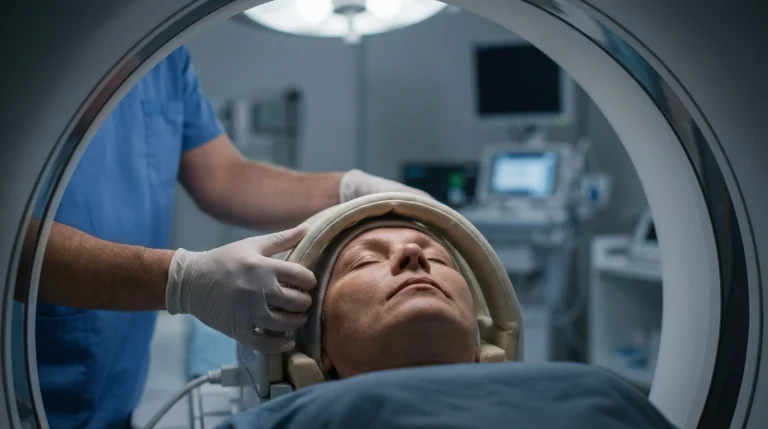
Doctors look at a patient’s health history and how bad their sinusitis is. They also check if other treatments worked. Tests like nasal endoscopy or CT scans help see how the sinuses are doing.
Key Criteria for Candidacy
There are important things to consider for Balloon Sinuplasty:
- Diagnosis of Chronic Sinusitis: You need to have chronic sinusitis confirmed. This means your sinuses are always inflamed or infected.
- Failure of Conservative Treatments: You should have tried other treatments like medicines, nasal sprays, or saline rinses without getting better.
- Anatomical Considerations: The procedure is often for people with certain physical issues. These include nasal polyps or a crooked septum that block the sinuses.
Your doctor will talk about your symptoms, health history, and what you hope to achieve. This talk is key to deciding if Balloon Sinuplasty is right for you.
Doctors carefully check these points to find the best candidates for Balloon Sinuplasty. This way, the procedure can help reduce sinusitis symptoms and improve your life.
How Balloon Sinuplasty Works
Understanding balloon sinuplasty requires a look at its technology and steps. It’s a new way to treat chronic sinusitis, safer and more effective than old methods. The procedure starts with local anesthesia to reduce pain. A small, flexible catheter is then inserted through the nostril. It’s guided to the blocked sinus passage using special imaging.
- A guidewire is advanced through the catheter to the sinus ostium (the natural opening of the sinus).
- A balloon catheter is then slid over the guidewire to the sinus ostium.
- The balloon is inflated to dilate the sinus ostium, allowing for the sinus to drain.
- The balloon is deflated and removed, leaving the sinus passage open.
Technology Used in Balloon Sinuplasty
The technology behind balloon sinuplasty is key to its success. It uses advanced devices, including:
- High-resolution imaging systems for precise guidance.
- Flexible catheters and guidewires designed for safe navigation through the nasal passages.
- Balloon catheters that are engineered to effectively dilate the sinus ostia without causing damage to the surrounding tissue.
This mix of new technology and a gentle approach makes balloon sinuplasty appealing. It helps patients understand the procedure better, making informed choices about their treatment.
Comparing Balloon Sinuplasty to Traditional Methods
Looking for relief from chronic sinusitis has led to Balloon Sinuplasty. It’s a modern way to treat sinus problems with less pain and quicker healing. It’s important to know how Balloon Sinuplasty differs from traditional sinus surgery. Traditional sinus surgery often removes bone and tissue to clear the sinuses. It can cause a lot of discomfort after surgery, like pain, swelling, and nasal congestion. On the other hand, Balloon Sinuplasty uses a balloon to gently open the sinuses without harming the surrounding areas.
Key Differences
- Level of Invasiveness: Balloon Sinuplasty is less invasive than traditional surgery, causing less damage and trauma.
- Recovery Time: People who get Balloon Sinuplasty usually heal faster, getting back to normal in just a few days.
- Complications: Balloon Sinuplasty has a lower risk of complications like bleeding and infection.
- Effectiveness: Both methods can help with chronic sinusitis. But Balloon Sinuplasty works best for mild to moderate cases.
For those looking for chronic sinusitis relief, Balloon Sinuplasty is a good option. It’s a less invasive way to treat sinus congestion with fewer side effects compared to traditional surgery.
| Procedure | Traditional Sinus Surgery | Balloon Sinuplasty |
|---|---|---|
| Invasiveness | More invasive, involves removal of bone and tissue | Less invasive, preserves sinus structures |
| Recovery Time | Typically longer, may involve significant downtime | Faster recovery, most patients return to normal activities within a few days |
| Complications | Higher risk of bleeding, infection, and other complications | Lower risk of complications |
As a sinus surgery alternative, Balloon Sinuplasty is changing how we treat chronic sinusitis. It offers a choice for those who want less invasive treatment and quick recovery.
Recovery After Balloon Sinuplasty
Balloon Sinuplasty helps relieve sinus pressure with little downtime. This means patients can get back to their daily lives soon after. It’s a great option for those wanting quick relief without long recovery times. The recovery is usually quick and easy. Most people can get back to normal in just a few days. The procedure is gentle, which helps the body heal faster.
What to Expect During Recovery
Right after the procedure, you might feel some nasal stuffiness and discomfort. These can be managed with common pain meds and nasal sprays. You might also see some nasal discharge or mild bleeding later on.
- Mild nasal congestion and discomfort
- Nasal discharge or mild bleeding
- Possible temporary numbness or altered sensation in the nasal area
These side effects don’t last long and will go away in a few days. It’s important to follow your doctor’s advice for a smooth recovery.
Tips for a Smooth Recovery
- Use saline nasal sprays to help moisturize the nasal passages.
- Avoid strenuous activities, like bending or heavy lifting.
- Follow your doctor’s advice on pain management.
Knowing what to expect during recovery helps prepare you for Balloon Sinuplasty’s aftermath. Its benefits, like quick relief and little downtime, make it a good choice for sinus problems.
Patient Testimonials and Experiences
Real patients, real relief: hear their stories of overcoming sinusitis symptoms with Balloon Sinuplasty. For many, the journey to relief begins with understanding the procedure and its benefits. Balloon Sinuplasty has been a transformative experience for numerous patients suffering from chronic sinusitis. By sharing their stories, we can gain insight into the procedure’s effectiveness in treating sinus blockage and providing relief.
- Reduced Symptoms: Many patients report a significant reduction in sinusitis symptoms, such as congestion and facial pain, after undergoing Balloon Sinuplasty.
- Quick Recovery: The minimally invasive nature of the procedure allows for a quicker recovery time, getting patients back to their daily lives sooner.
- Improved Quality of Life: By alleviating chronic sinusitis, patients often experience an improvement in their overall quality of life, enjoying activities they previously had to avoid due to their condition.
One patient’s experience highlights the Balloon Sinuplasty benefits: “After years of struggling with sinus infections and trying various treatments, Balloon Sinuplasty provided me with the chronic sinusitis relief I desperately needed. I can now breathe easily and enjoy life without the constant pressure and pain.” These testimonials underscore the positive impact of Balloon Sinuplasty on individuals suffering from sinus blockage and chronic sinusitis. By providing a safe and effective treatment option, Balloon Sinuplasty continues to improve the lives of patients across the United States.
Insurance and Cost Considerations
Understanding the costs of Balloon Sinuplasty is key. It involves knowing about insurance, procedure costs, and extra expenses. Patients should be aware of what affects the total cost.
Insurance coverage for Balloon Sinuplasty varies. Some plans cover it, while others don’t. It’s important for patients to check with their insurance to see what’s covered.
Factors Influencing Cost
- Geographic location of the medical facility
- Surgeon’s fees and experience
- Facility fees, including equipment and staffing costs
- Anesthesia fees, if applicable
- Pre-operative and post-operative care costs
Knowing these factors helps estimate the total cost of Balloon Sinuplasty. As a sinus surgery alternative, it’s often seen as cost-effective. This is because it’s minimally invasive and may have a shorter recovery time.
Average Costs and Financing Options
The average cost of Balloon Sinuplasty is between $3,000 to $7,000 per nostril. This cost varies based on the procedure’s complexity and other factors. Some medical facilities offer financing or payment plans to make it more affordable. Patients should talk to their healthcare provider or the billing department. This way, they can understand their financial options.
Future of Balloon Sinuplasty Technology
The field of balloon sinuplasty is on the verge of a big change. New innovations aim to make the procedure even better. It’s already changed how we treat sinusitis, and it’s getting even more effective.
Designs and functions of balloon sinus dilation devices are getting a boost. We can expect:
- Enhanced navigation systems for more precise placement
- Improved balloon materials for better durability and safety
- Integration with imaging technologies for real-time feedback
These updates will likely make the procedure safer and more effective. Patients might also recover faster and see better results. This makes the future of balloon sinuplasty very exciting.
As research and technology keep advancing, treatments will become more personalized. Doctors might tailor the procedure to fit each patient’s needs. This could lead to even better results and happier patients. In summary, the future of balloon sinuplasty looks bright. Its minimally invasive nature and the chance for big improvements make it a key treatment for sinusitis.
Finding a Qualified Provider
When looking into Balloon Sinuplasty, finding a skilled healthcare provider is key. You want someone experienced in treating sinus congestion and blockages. A good provider will know a lot about the procedure. They should be able to answer all your questions. Look up providers, read what past patients say, and ask about their Balloon Sinuplasty experience. Choosing a well-qualified provider means you’re making a smart choice. You can trust them to help with your sinus issues through Balloon Sinuplasty.