Brain Tumor: Types of Brain Tumors
A brain tumor is an abnormal mass of tissue in the brain where cells grow and multiply uncontrollably. This condition can be life-threatening and requires immediate medical attention. Brain tumors can be benign or malignant, and their symptoms vary depending on their location and size. Understanding the nature of brain tumors is essential for developing effective treatment plans. The significance of brain tumors lies in their impact on brain function and overall health. Medical professionals are continually working to improve diagnosis and treatment options for patients affected by this condition.
Understanding Brain Tumors
A brain tumor is an abnormal growth of cells within the brain, which can be benign or malignant. This definition covers a wide range of tumors. They vary in their characteristics, growth rates, and health impact.
Definition and Basic Concepts
Brain tumors are categorized based on their cell origin, growth rate, and malignancy level. Understanding their cellular origin and how they affect brain function is key. Their impact on the patient’s quality of life is also significant.
The location, size, and whether it presses on or invades surrounding tissue define a brain tumor. These factors are critical in determining symptoms and treatment.
Primary vs. Secondary Brain Tumors
Primary brain tumors start within the brain. Secondary brain tumors come from cancer cells spreading from other parts of the body. Knowing the difference is vital for effective treatment.
Primary tumors can be benign or malignant, including gliomas, meningiomas, and acoustic neuromas. Secondary tumors are usually malignant. They often come from lung, breast, or melanoma cancers.
Types of Brain Tumors
Brain tumors are categorized into benign and malignant types, each with unique subtypes. Knowing these classifications is key to selecting the right treatment.
Benign Brain Tumors
Benign brain tumors are non-cancerous and grow slowly. They can often be treated with surgery or monitored.
- Meningiomas
- Acoustic Neuromas
- Pituitary Adenomas
Meningiomas
Meningiomas form in the meninges, the protective membranes around the brain and spinal cord. They are usually benign and can be surgically removed.
Acoustic Neuromas
Acoustic neuromas are benign tumors on the nerve connecting the inner ear to the brain. They can cause hearing loss and balance problems.
Pituitary Adenomas
Pituitary adenomas occur in the pituitary gland, which controls hormone production. They can disrupt hormone levels, causing various health issues.
Malignant Brain Tumors
Malignant brain tumors are cancerous and grow quickly, invading surrounding brain tissue. They need aggressive treatment.
- Glioblastoma
- Astrocytomas
- Oligodendrogliomas
Glioblastoma
Glioblastoma is a highly aggressive and malignant brain tumor. It is difficult to treat and has a poor prognosis.
Astrocytomas
Astrocytomas originate from astrocytes, a type of brain cell. They vary in malignancy, from low-grade to high-grade.
Oligodendrogliomas
Oligodendrogliomas start from oligodendrocytes. They can be low-grade or anaplastic, with different prognoses.
Common Brain Tumor Classifications
Brain tumors are also classified by grade and stage. The World Health Organization (WHO) system is used to grade tumors based on aggressiveness.
Understanding a brain tumor’s type and classification is vital for effective treatment planning.
Causes and Risk Factors
The exact causes of brain tumors are not yet fully understood. Yet, several risk factors have been identified. Research has made significant progress in understanding the various elements that contribute to these complex growths.
Genetic Predispositions
Genetic factors play a significant role in the development of brain tumors. Certain genetic conditions, such as neurofibromatosis, Li-Fraumeni syndrome, and Turcot syndrome, have been associated with an increased risk. Individuals with a family history of brain tumors may also have a higher risk.
- Neurofibromatosis
- Li-Fraumeni syndrome
- Turcot syndrome
Environmental Risk Factors
Exposure to certain environmental factors has been linked to an increased risk of brain tumors. Ionizing radiation, for example, is a known risk factor. This can come from radiation therapy, certain industrial exposures, or even diagnostic imaging procedures like CT scans. For more information on brain tumor treatment, visiting a reputable medical center can provide insights into managing risks.
Age and Gender Considerations
Age and gender are also important factors in the risk of developing brain tumors. The risk of most types of brain tumors increases with age, with the majority occurring in adults over 40. Some types of brain tumors, like meningiomas, are more common in women, while others, like glioblastomas, are more prevalent in men. Understanding these demographic risk factors can help in early detection and management.
- Risk increases with age, particulary after 40
- Gender differences exist in the prevalence of certain tumor types
- Awareness of these factors can aid in early detection
Brain Tumor Symptoms and Warning Signs
Brain tumors can show a variety of symptoms, ranging from general to specific. It’s vital to recognize these signs early for timely treatment.
General Symptoms
General symptoms of brain tumors include a mix of non-specific signs. These may seem unrelated to a serious issue like a brain tumor at first glance.
Headaches and Pressure
Headaches are a common symptom, often accompanied by increased pressure inside the skull.
Seizures
Seizures can occur due to the tumor irritating the brain tissue around it.
Cognitive Changes
Cognitive symptoms, like memory loss or trouble focusing, may signal a brain tumor.
Location-Specific Symptoms
The symptoms of a brain tumor can vary based on its location in the brain.
- Tumors in the frontal lobe may impact motor skills or personality.
- Tumors in the temporal lobe can lead to seizures or memory issues.
- Tumors in the cerebellum may cause problems with coordination and balance.
When Symptoms Require Immediate Medical Attention
Certain symptoms need immediate medical evaluation, as they can indicate a serious or life-threatening condition.
Urgent symptoms include sudden severe headaches, seizures, or significant mental status changes.
Diagnostic Procedures for Brain Tumors
The journey to understand a brain tumor starts with thorough diagnostic tests. Accurate diagnosis is key to finding the best treatment plan.
Neurological Examinations
Neurological exams are a vital first step in diagnosing brain tumors. They assess cognitive function, motor skills, and sensory responses. This helps doctors spot any signs of a tumor.
Imaging Tests
Imaging tests are essential in diagnosing brain tumors. They provide detailed visuals of the brain’s structure. This helps identify the tumor’s location, size, and its impact on surrounding brain tissue.
MRI Scans
MRI scans offer high-resolution images of the brain. They distinguish between different types of tissue. This is key in identifying tumors and understanding their characteristics.
CT Scans
CT scans use X-rays to create detailed cross-sectional images of the brain. They are useful for detecting tumors and assessing their size and location.
PET Scans
PET scans involve injecting a radioactive tracer into the body. The tracer accumulates in areas with high metabolic activity, like tumors. This helps assess the tumor’s aggressiveness.
Biopsy Procedures
A biopsy involves removing a tumor sample for microscopic examination. It’s the definitive method for diagnosing brain tumors. It provides information on the tumor type and grade.
Emerging Diagnostic Technologies
New medical technologies are introducing advanced diagnostic tools and techniques. Examples include liquid biopsy and advanced imaging techniques. These advancements promise to improve the accuracy and speed of brain tumor diagnosis.
Brain Tumor Grading and Staging
Grading and staging of brain tumors are critical in neuro-oncology. They impact treatment choices and patient outcomes. Grading assesses how tumor cells resemble normal cells, indicating aggressiveness.
The WHO Classification System
The World Health Organization (WHO) Classification System categorizes brain tumors. It uses histological features and behavior to assign a grade. Grades range from I to IV, with Grade I being the least aggressive and Grade IV the most malignant.
- Grade I: Tumors are typically benign and curable with surgery.
- Grade II: Tumors grow slowly but may recur as higher grade.
- Grade III: Tumors are malignant and grow rapidly.
- Grade IV: The most aggressive, with rapid growth and treatment resistance.
Understanding Your Diagnosis
Knowing your brain tumor’s grade and stage is vital for informed care decisions. Your healthcare team will use this info to discuss prognosis and create a personalized treatment plan.
Key factors to consider in your diagnosis include:
- The tumor’s grade and type.
- The tumor’s location and size.
- Whether the tumor has spread.
Understanding these elements helps patients navigate their treatment journey. It allows them to work closely with healthcare providers for the best outcomes.
Conventional Treatment Approaches
For brain tumors, treatment options include surgery, radiation, and chemotherapy. The choice of treatment depends on several factors. These include the tumor’s type, size, and location, as well as the patient’s health.
Surgical Interventions
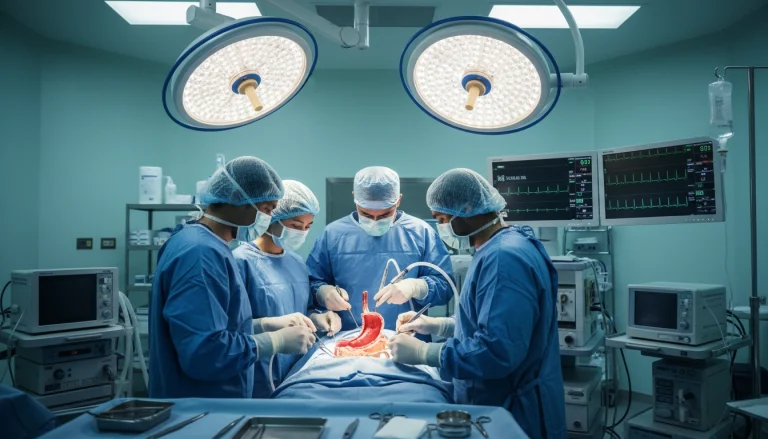
Surgery is often the first step in treating many brain tumors. The aim is to remove as much of the tumor as possible. This is done while trying to preserve the surrounding brain tissue.
Craniotomy
A craniotomy involves temporarily removing a part of the skull to access the tumor. This traditional method allows for the removal of larger tumors.
Minimally Invasive Techniques
Minimally invasive techniques, like endoscopic surgery, use smaller incisions and specialized tools. They aim to remove tumors and potentially reduce recovery time.
Laser Interstitial Thermal Therapy
Laser interstitial thermal therapy (LITT) is a minimally invasive procedure. It uses heat from a laser to destroy tumor cells.
Radiation Therapy Options
Radiation therapy is used to kill tumor cells or slow their growth. There are several types, each with its own benefits and considerations.
External Beam Radiation
External beam radiation therapy (EBRT) delivers radiation from outside the body to the tumor site. It targets cancer cells while minimizing damage to surrounding tissue.
Stereotactic Radiosurgery
Stereotactic radiosurgery (SRS) is a highly precise form of radiation therapy. It delivers a large dose of radiation to a specific area. It’s ideal for small, well-defined tumors.
Proton Therapy
Proton therapy is a type of radiation therapy that uses protons instead of X-rays. It kills cancer cells while potentially reducing damage to surrounding healthy tissue.
Chemotherapy Protocols
Chemotherapy involves using drugs to kill tumor cells. For brain tumors, chemotherapy can be given orally or intravenously. In some cases, it’s directly administered into the cerebrospinal fluid.
Treating brain tumors requires a thorough approach. This often involves a combination of conventional methods. Understanding these options is key to making informed decisions about care.
Advanced and Emerging Treatments
The field of brain tumor treatment is rapidly evolving with the introduction of advanced and emerging treatments. These innovative methods aim to enhance patient outcomes and offer new hope for those facing brain tumor diagnoses.
Targeted Therapy
Targeted therapy marks a significant leap forward in brain tumor treatment. It employs drugs that target cancer cells directly, reducing harm to healthy brain tissue. By focusing on the tumor’s molecular characteristics, targeted therapy is more precise and has fewer side effects than traditional methods.
Immunotherapy Breakthroughs
Immunotherapy is another emerging treatment showing great promise in fighting brain tumors. It boosts the body’s immune system to identify and destroy cancer cells. Various immunotherapy forms, such as checkpoint inhibitors and CAR-T cell therapy, are being studied for their effectiveness in treating brain tumors.
Clinical Trials and Experimental Approaches
Clinical trials are vital in the development of new brain tumor treatments. They enable researchers to evaluate the safety and effectiveness of experimental treatments, including new drugs and combination therapies. Patients in clinical trials can access innovative treatments not yet available to the general public.
As research progresses, the future of brain tumor treatment appears increasingly hopeful. With ongoing studies and emerging technologies, patients can look forward to more effective and tailored treatment options.
Pediatric Brain Tumor Considerations
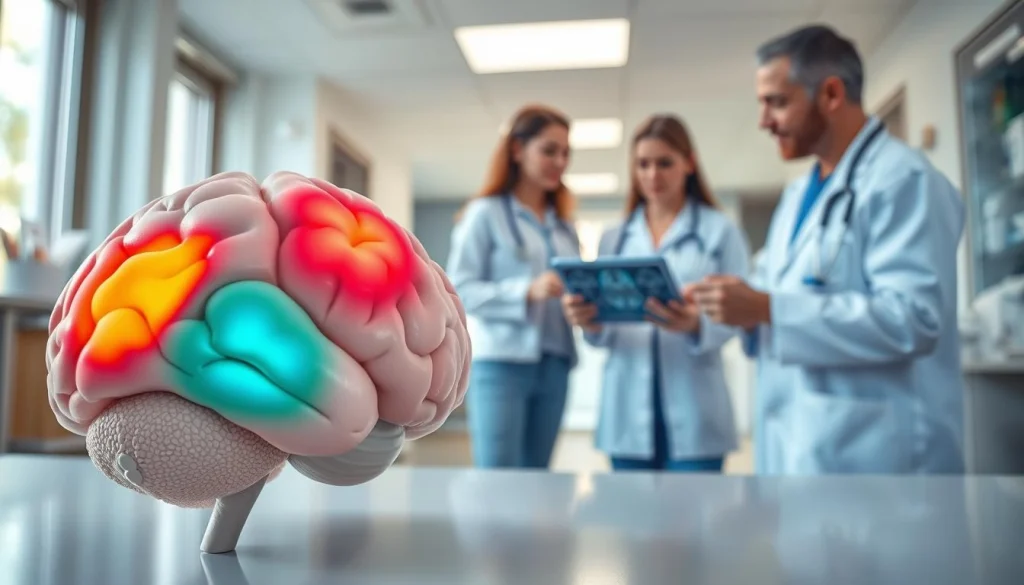
Understanding pediatric brain tumors demands a detailed approach. It must consider the child’s age, the type of tumor, and available treatments. Pediatric brain tumors pose unique challenges. This is because of the developing brain and the long-term effects of treatment.
Common Types in Children
Pediatric brain tumors fall into several categories. Medulloblastoma, gliomas, and ependymomas are among the most common. Medulloblastoma is often seen in young children. It requires aggressive treatment.
Treatment Differences
Treatment for pediatric brain tumors is distinct from adult treatments. It aims to minimize damage to the developing brain. Treatment options include surgery, chemotherapy, and radiation therapy. In younger children, radiation is often used at lower doses or replaced by chemotherapy to prevent cognitive impairment.
Long-term Development Concerns
The impact of pediatric brain tumors and their treatment on long-term development is a significant concern. This includes possible cognitive, emotional, and physical delays. Long-term follow-up care is essential to address these issues and offer the necessary support.
Managing pediatric brain tumors requires a team effort. This team includes pediatric oncologists, neurosurgeons, radiologists, and rehabilitation specialists. Their goal is to provide complete care that focuses on both the tumor and the child’s overall well-being.
The Brain Tumor Treatment Decision Process
Choosing a treatment for brain tumors is a complex task. It involves many factors. Patients must carefully consider their options to find the best treatment for their condition.
Building Your Medical Team
Creating a skilled medical team is essential. This team usually includes neurosurgeons, neuro-oncologists, and radiation oncologists. Other healthcare professionals may also be part of the team.
When selecting your team, keep these points in mind:
- Look for experience in treating brain tumors.
- Choose experts in relevant treatment methods.
- Ensure they can communicate well with you and your family.
Factors Affecting Treatment Choices
Several factors influence treatment decisions. These include the tumor’s type, grade, location, and the patient’s health. Personal preferences also play a role.
Key factors to consider are:
- The tumor’s characteristics and behavior.
- The benefits and risks of different treatments.
- The patient’s quality of life and functional status.
Getting a Second Opinion
Getting a second opinion is vital. It can offer new insights, confirm the diagnosis, and suggest alternative treatments.
When you seek a second opinion, remember to:
- Bring all relevant medical records and imaging studies.
- Consult with a specialist from a different institution or with different expertise.
- Discuss your treatment goals and preferences openly.
Prognosis and Survival Rates
Understanding the prognosis and survival rates for brain tumors is vital for patients and their families. It helps them navigate the complexities of diagnosis and treatment.
Factors Affecting Prognosis
The prognosis for a brain tumor patient is influenced by several key factors. These include the type, size, and location of the tumor.
Tumor grading, based on the World Health Organization (WHO) classification system, also plays a significant role in determining prognosis.
Age, overall health, and response to treatment are critical in assessing the likely outcome.
Understanding Survival Statistics
Survival statistics for brain tumors are typically presented in terms of five-year survival rates. These rates indicate the percentage of patients alive five years after diagnosis.
These statistics are based on data from large groups of patients. They should be interpreted with caution, as individual outcomes can vary significantly.
Quality of Life Considerations
While survival rates are important, the quality of life for brain tumor patients is equally critical. Treatment plans aim to balance controlling tumor growth with minimizing side effects.
They also focus on maintaining the patient’s functional abilities and overall well-being. Rehabilitation and supportive care play vital roles in improving the quality of life for patients.
Living with a Brain Tumor
Living with a brain tumor is a complex journey, filled with medical, emotional, and practical hurdles. Patients must adjust to a new reality, managing their condition, undergoing treatment, and dealing with the psychological effects of their diagnosis.
Managing Side Effects
Managing side effects from brain tumor treatment is key to maintaining quality of life. Common issues include fatigue, nausea, and cognitive changes. Effective strategies include medication, lifestyle changes, and supportive care.
For example, tailored exercise programs can help reduce fatigue and enhance well-being. Nutritional counseling aids in managing nausea and maintaining strength during treatment.

Cognitive and Neurological Rehabilitation
Cognitive and neurological rehabilitation is critical for patients to regain lost functions and adapt to any lasting changes. Rehabilitation programs are customized to meet individual needs, often including speech therapy, physical therapy, and cognitive training.
These programs aid in recovery from surgery or other treatments. They also help manage symptoms and improve daily functioning.
Emotional and Psychological Support
Emotional and psychological support is vital for patients and their families as they face the challenges of living with a brain tumor. Support groups, counseling, and therapy offer a safe space to share feelings and experiences. They provide guidance and a sense of community.
Access to mental health professionals is essential for coping with anxiety, depression, and other emotional challenges. These professionals help individuals navigate the emotional impact of their diagnosis and treatment.
Support Resources for Patients and Families
Receiving a brain tumor diagnosis can be overwhelming. It affects not just the patient but also their loved ones. Fortunately, many resources are available to offer support, guidance, and assistance during treatment.
National Organizations and Foundations
Several national organizations and foundations are committed to helping brain tumor patients and their families. They provide a wealth of information, support groups, and advocacy. Some notable ones include:
- The National Brain Tumor Society (NBTS), which offers a wealth of information, support groups, and advocacy.
- The American Brain Tumor Association (ABTA), providing educational resources, support, and funding for research.
- The Brain Tumor Foundation, which focuses on patient support, education, and research.
Financial Assistance Programs
Financial aid is essential for many brain tumor patients and their families. Several organizations offer financial assistance to help with diagnosis, treatment, and care costs. Some notable programs include:
- The Patient Access Network Foundation (PANF), which provides financial assistance for out-of-pocket expenses.
- The HealthWell Foundation, providing copay assistance for patients who cannot afford their treatment.
- The Cancer Financial Assistance Coalition (CFAC), a coalition of organizations providing financial assistance to cancer patients.
Support Groups and Counseling Services
Support groups and counseling services are vital for emotional and psychological support. Many organizations offer in-person and online support groups, as well as individual counseling. These resources help individuals share their experiences, receive emotional support, and gain insights from others facing similar challenges.
Navigating Life After Brain Tumor Treatment
Patients often face new challenges after brain tumor treatment. They must navigate Life After Brain Tumor Treatment with care. Follow-up care is essential to watch for tumor recurrence and manage long-term effects.
Regular imaging tests and check-ups with healthcare providers are key. They help address any issues quickly. Patients may need to adapt to physical and cognitive changes, requiring a detailed rehabilitation plan.
Reintegrating into daily life is a gradual process. It involves support from family, friends, and support groups. Understanding the importance of ongoing care and using available resources can improve quality of life after treatment.
FAQ About Brain Tumor
Q: What is a brain tumor?
A: A brain tumor is an abnormal growth of cells within the brain. It can be benign or malignant.
Q: What are the symptoms of a brain tumor?
A: Symptoms include headaches, seizures, and cognitive changes. Location-specific symptoms also occur, depending on the tumor’s location.
Q: How are brain tumors diagnosed?
A: Diagnosis involves neurological examinations and imaging tests. MRI, CT, and PET scans are used. Biopsy procedures are also part of the process.
Q: What is the difference between a primary and secondary brain tumor?
A: Primary brain tumors start in the brain. Secondary brain tumors, on the other hand, spread from other parts of the body.
Q: What are the treatment options for brain tumors?
A: Treatment options include surgery, radiation therapy, and chemotherapy. Targeted therapy and immunotherapy are also available.
Q: How are brain tumors graded and staged?
A: Brain tumors are graded and staged using the WHO classification system. This helps determine prognosis and treatment.
Q: What are the risk factors for developing a brain tumor?
A: Risk factors include genetic predispositions, environmental factors, age, and gender.
Q: Can brain tumors be treated with alternative therapies?
A: While some patients may explore alternative therapies, conventional treatments are typically recommended. They may be used alongside alternative approaches.
Q: What support resources are available for brain tumor patients and their families?
A: Resources include national organizations, financial assistance programs, support groups, and counseling services.
Q: How can I navigate life after brain tumor treatment?
A: Follow-up care and managing long-term effects are key. Reintegrating into daily life is also important.