Brain Vascular Occlusion: Types of Brain Vascular Occlusion
Brain Vascular Occlusion is a severe medical condition. It happens when blood vessels in the brain get blocked. This can lead to serious outcomes, including stroke. It’s vital to understand this condition for early diagnosis and treatment. The blockage can stem from different causes. Identifying these, along with symptoms and treatment options, is key. This article aims to give a detailed look at Brain Vascular Occlusion. We’ll cover its causes, symptoms, diagnosis, treatment, and prevention. This information helps individuals take steps to protect their health.
Understanding Brain Vascular Occlusion
The brain’s complex network of blood vessels makes it susceptible to vascular occlusions. These blockages can have severe consequences. It’s vital to grasp the condition’s definition, its underlying mechanisms, and the brain’s blood supply anatomy.
Definition and Pathophysiology
Brain vascular occlusion occurs when a blood vessel in the brain is blocked. This can cause ischemia or infarction, depending on the blockage’s duration and location. The process involves a complex interaction of thrombosis and embolism, leading to blood flow obstruction.
- Thrombosis: Formation of a blood clot within a blood vessel.
- Embolism: Obstruction of a blood vessel by a clot or other particle that has traveled from another part of the body.
- Factors contributing to thrombosis and embolism include atherosclerosis, blood disorders, and cardiac conditions.
Cerebral Blood Supply Anatomy
The cerebral blood supply consists of a network of arteries and veins. It’s essential to understand this anatomy to grasp how occlusions impact brain function.
- The Circle of Willis: A critical structure at the base of the brain that connects major arteries.
- Cerebral arteries: Branches of the internal carotid and vertebral arteries that supply different regions of the brain.
- Venous drainage: The network of veins that remove deoxygenated blood from the brain.
Types of Brain Vascular Occlusion
Grasping the various forms of brain vascular occlusion is essential for accurate diagnosis and treatment. Each type has its unique causes, symptoms, and treatment approaches. This knowledge is vital for effective management.
Ischemic Stroke
An ischemic stroke happens when a blood vessel in the brain gets blocked. It’s the leading cause of stroke-related deaths and disabilities. The blockage can stem from a blood clot forming in the vessel or an embolus from elsewhere.
- Thrombotic strokes are caused by a clot that forms in a blood vessel in the brain.
- Embolic strokes occur when a clot forms elsewhere in the body and travels to the brain.
Cerebral Venous Thrombosis
Cerebral venous thrombosis involves a blood clot in the cerebral venous sinuses. It can cause increased pressure in the brain, headaches, and neurological issues. Risk factors include genetic conditions, dehydration, and certain medications.
Transient Ischemic Attack
A transient ischemic attack (TIA), or “mini-stroke,” is a brief neurological dysfunction due to brain or retinal ischemia without infarction. TIAs signal a higher risk of a full-blown stroke and demand immediate medical care.
- Symptoms of TIA are similar to those of a stroke but typically last less than 24 hours.
- Prompt evaluation and treatment can significantly reduce the risk of a subsequent stroke.
In conclusion, the types of brain vascular occlusion differ significantly in presentation and implications. Recognizing these differences is critical for delivering the right care.
Common Causes of Brain Vascular Occlusion
Understanding the common causes of brain vascular occlusion is key for prevention and treatment. This condition occurs when blood vessels in the brain become blocked. This blockage leads to tissue damage due to a lack of oxygen and nutrients.
Thrombosis Formation
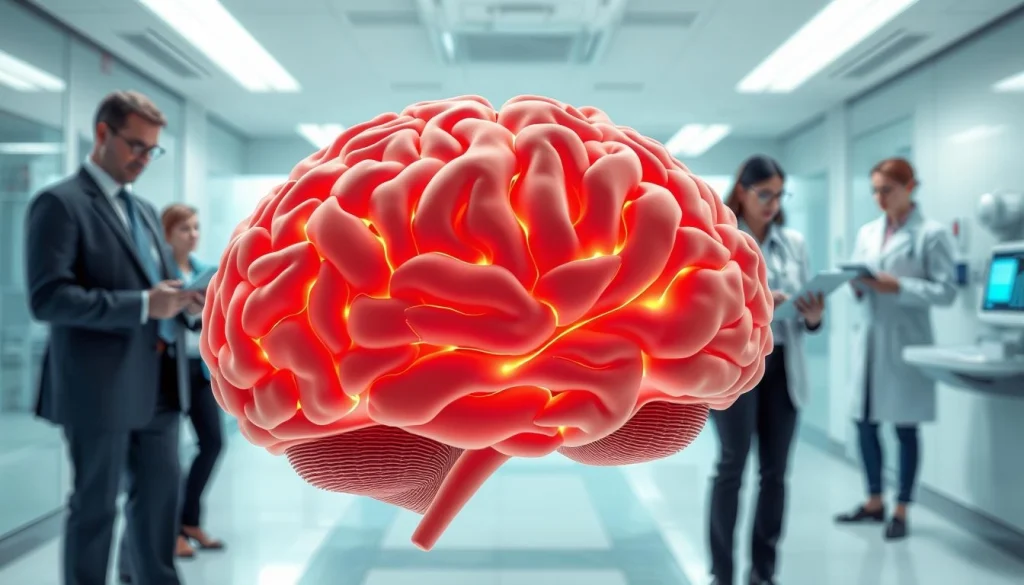
Thrombosis is a major cause of brain vascular occlusion. It happens when a blood clot forms inside a cerebral vessel, blocking blood flow. This clot can include platelets, erythrocytes, and fibrin. Thrombus formation is often linked to atherosclerosis, blood disorders, or vasculitis.
Embolic Events
Embolic events occur when a clot or particle, called an embolus, forms elsewhere and travels to the brain. This causes an occlusion. Common sources of emboli include the heart, often due to atrial fibrillation, and atherosclerotic plaques in larger arteries.
Atherosclerotic Disease
Atherosclerotic disease is a significant cause of brain vascular occlusion. It’s characterized by plaque buildup in arterial walls, causing stenosis or narrowing. Over time, this plaque can become unstable, rupture, and cause thrombosis or embolism, leading to occlusion.
The interplay between these causes shows the complexity of brain vascular occlusion. It stresses the importance of a detailed approach to diagnosis and treatment.
Risk Factors for Brain Vascular Occlusion
The risk of brain vascular occlusion is influenced by both modifiable and non-modifiable factors. Understanding these factors is key for prevention and management.
Modifiable Risk Factors
Modifiable risk factors are those that can be altered to reduce the risk of brain vascular occlusion. These include lifestyle and medical conditions that individuals can manage.
Hypertension and Diabetes
Hypertension and diabetes are major modifiable risk factors. Hypertension can damage blood vessels, making them more susceptible to occlusion. Diabetes can lead to atherosclerosis, further increasing the risk.
Smoking and Lifestyle Factors
Smoking and lifestyle factors, such as a sedentary lifestyle and a diet high in saturated fats, are critical. Smoking damages the inner lining of blood vessels, making them more prone to blockage.
Non-modifiable Risk Factors
Non-modifiable risk factors are those that cannot be changed. These factors are important for assessing overall risk and guiding preventive measures.
Age and Genetics
Age is a significant non-modifiable risk factor, with the risk of brain vascular occlusion increasing with age. Genetic predisposition also plays a role, with individuals having a family history of stroke being at higher risk.
Previous Stroke History
A history of previous stroke is another non-modifiable risk factor that significantly increases the likelihood of experiencing another occlusive event.
Signs and Symptoms of Brain Vascular Occlusion
Identifying the signs and symptoms of brain vascular occlusion is vital for prompt medical care. The presentation can vary greatly, influenced by the occlusion’s location and severity.
Early Warning Signs
Early warning signs may include transient ischemic attacks (TIAs) or other symptoms that hint at an impending stroke. These signs are essential for early detection and treatment.
- Sudden weakness or numbness in the face or limbs
- Difficulty speaking or understanding speech
- Sudden vision changes
Acute Presentation
The acute presentation of brain vascular occlusion often involves sudden onset neurological deficits. These can include severe headache, confusion, and difficulty with coordination and balance.
- Severe headache with no known cause
- Confusion or trouble understanding speech
- Difficulty with coordination and balance
Region-Specific Symptoms
Symptoms can differ based on whether the occlusion affects the anterior or posterior circulation.
Anterior Circulation
Occlusions in the anterior circulation can lead to symptoms such as hemiparesis, aphasia, and visual field defects.
Posterior Circulation
Posterior circulation occlusions may result in symptoms including ataxia, diplopia, and vertigo.
Diagnostic Procedures for Brain Vascular Occlusion
Diagnosing brain vascular occlusion requires advanced neuroimaging and clinical assessments. Accurate diagnosis is key to choosing the right treatment and improving patient outcomes.
Neuroimaging Techniques
Neuroimaging is essential in diagnosing brain vascular occlusion. It helps visualize the occlusion and assess brain injury extent.
CT and MRI Scans
CT scans are often the first choice due to their quick availability and sensitivity to acute hemorrhage. MRI scans, like diffusion-weighted imaging, are highly sensitive for early ischemic changes. They are useful for assessing brain injury extent.
Angiography and Perfusion Studies
Angiography, including CT and MR angiography, provides detailed blood vessel images. It helps identify occlusions and stenosis. Perfusion studies assess cerebral blood flow, aiding in evaluating the ischemic penumbra and guiding treatment.
Laboratory Assessments
Laboratory tests are vital for identifying causes and factors contributing to brain vascular occlusion. They include blood glucose, lipid profiles, and coagulation studies. These help tailor management plans to individual needs.
Clinical Evaluation Scales
Clinical evaluation scales, like the National Institutes of Health Stroke Scale (NIHSS), assess brain vascular occlusion severity. These scales quantify neurological deficits and monitor changes. They guide treatment and rehabilitation plans.
Emergency Treatment Approaches
The emergency treatment for Brain Vascular Occlusion aims to restore blood flow to the brain quickly. It’s essential to act fast to avoid permanent damage.
The Critical Time Window
The window for effective intervention is usually within a few hours after symptoms appear. Early treatment can greatly improve outcomes by limiting brain injury.
- Rapid assessment and diagnosis are vital.
- Time is brain: the sooner the intervention, the better the outcome.
- Guidelines recommend treatment initiation within 4.5 hours of onset.
Thrombolytic Therapy
Thrombolytic therapy uses drugs to dissolve the clot, restoring blood flow. It’s most effective when started early.
- Alteplase is a commonly used thrombolytic agent.
- Careful patient selection is necessary to minimize risks.
- Monitoring for complications is critical.
Initial Stabilization Measures
Initial stabilization includes managing vital signs, protecting the airway, and providing supportive care. These steps are key in the acute phase.
- Airway management may involve intubation.
- Vital sign stabilization is essential.
- Cardiac monitoring is often required.
Effective emergency treatment for Brain Vascular Occlusion requires a team effort and strict adherence to protocols.
Surgical and Interventional Treatments
Treating Brain Vascular Occlusion often requires surgical and interventional methods to restore blood flow. These approaches are essential for managing the condition and preventing further damage.
Mechanical Thrombectomy
Mechanical thrombectomy is a key procedure for acute ischemic stroke caused by Brain Vascular Occlusion. It uses a mechanical device to remove the clot from the artery, restoring blood flow. This method is usually performed within a few hours of stroke onset and has shown to improve patient outcomes significantly.
Carotid Endarterectomy
Carotid endarterectomy is a surgical procedure aimed at removing plaque from the carotid arteries. It’s vital for patients with significant carotid stenosis, as it lowers the risk of future strokes by improving blood flow. The surgery involves an incision in the neck to access the carotid artery, remove the plaque, and then close the artery.
Intravascular Stenting
Intravascular stenting involves placing a stent in the affected artery to keep it open. This procedure is often paired with angioplasty to treat stenosis or occlusion in cerebral or carotid arteries. Stenting helps maintain blood flow and reduces the risk of future occlusions. The choice between stenting and other surgical options depends on various factors, including the location and severity of the occlusion.
These surgical and interventional treatments are critical in managing Brain Vascular Occlusion. By restoring blood flow and reducing the risk of future events, they play a vital role in improving patient outcomes.
Medical Management and Rehabilitation
Managing brain vascular occlusion demands a holistic approach, combining medical treatment and rehabilitation. Each treatment plan is customized to meet the individual’s unique needs. The goal is to prevent future vascular events and boost recovery.
Anticoagulation and Antiplatelet Therapy
Anticoagulation and antiplatelet therapy are key in managing brain vascular occlusion. These treatments prevent new clots and stop existing ones from growing. Anticoagulants like warfarin and antiplatelet agents, such as aspirin, are frequently used. The choice depends on the occlusion’s cause and the patient’s risk factors.
Physical Rehabilitation
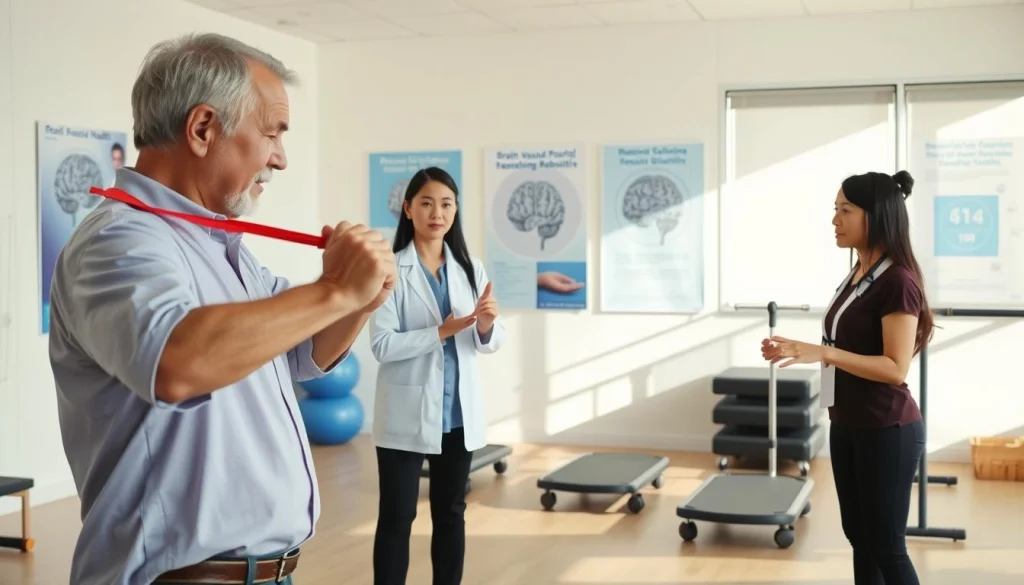
Physical rehabilitation is critical for patients to regain motor functions and enhance physical abilities. A personalized physical therapy program can greatly aid in recovery. It enables patients to become more independent in their daily lives.
Speech and Cognitive Therapy
Speech and cognitive therapy are vital for many patients with brain vascular occlusion. Speech therapy helps with communication disorders. Cognitive therapy improves memory, attention, and other cognitive functions. These therapies greatly enhance the quality of life for those affected.
Complications of Brain Vascular Occlusion
Brain vascular occlusion can lead to a variety of complications, affecting patient outcomes significantly. These issues can be divided into acute and long-term effects, each needing specific management approaches.
Acute Complications
Acute complications of brain vascular occlusion are potentially life-threatening. They require immediate medical intervention.
Cerebral Edema
Cerebral edema is a serious complication where fluid accumulates in the brain, increasing intracranial pressure. Managing this involves reducing pressure and ensuring proper blood flow to the brain.
Hemorrhagic Transformation
Hemorrhagic transformation is another acute complication. It occurs when ischemic tissue turns into a hemorrhagic lesion. This can severely worsen the patient’s condition, necessitating close monitoring and management.
Long-term Sequelae
Long-term effects of brain vascular occlusion can significantly impact a patient’s quality of life. They require ongoing rehabilitation and support.
Cognitive Impairment
Cognitive impairment is a common long-term effect, affecting memory, attention, and executive functions. Cognitive rehabilitation programs can help mitigate these effects.
Physical Disabilities
Physical disabilities resulting from brain vascular occlusion can range from mild weakness to complete paralysis. Physical therapy is essential in helping patients regain functional independence.
Prevention Strategies for Brain Vascular Occlusion
Preventing brain vascular occlusion demands a broad strategy. It involves both primary and secondary prevention methods. Understanding and tackling the risk factors can greatly lower the chance of this condition.
Primary Prevention
Primary prevention aims to reduce brain vascular occlusion risk in the general public. It includes managing high blood pressure and diabetes. It also promotes a healthy lifestyle through diet and exercise, and discourages smoking. These steps help lower the risk of conditions leading to brain vascular occlusion.
- Managing hypertension through medication and lifestyle changes
- Controlling diabetes through diet, exercise, and medication
- Promoting a healthy diet rich in fruits, vegetables, and whole grains
Secondary Prevention
Secondary prevention targets those who have already had a vascular occlusion. It aims to prevent recurrence with anticoagulation therapy and lifestyle changes. For those at risk, secondary prevention is key to reducing the risk of further events.
Key secondary prevention measures include:
- Anticoagulation therapy to prevent clot formation
- Lifestyle modifications, such as quitting smoking and increasing physical activity
- Monitoring and managing underlying conditions that contribute to vascular occlusion
Special Populations and Brain Vascular Occlusion
Understanding brain vascular occlusion in special populations is vital for effective management and care. It affects various demographics, including pediatric patients, geriatric patients, and pregnant women. Each group has unique considerations and risk factors.
Pediatric Considerations
Brain vascular occlusion in children is rare but can have severe consequences. The causes often differ from those in adults, including congenital heart disease, infections, and genetic disorders. Prompt diagnosis and treatment are essential to prevent long-term neurological damage.
Geriatric Patients
Geriatric patients face a higher risk of brain vascular occlusion due to age-related factors. These include atherosclerosis, hypertension, and atrial fibrillation. Management in this group often involves addressing multiple comorbidities and optimizing care to prevent complications.
Pregnancy-Related Occlusions
Pregnancy increases the risk of brain vascular occlusion due to changes in blood coagulability and venous pressure. Prompt recognition and treatment are critical to prevent severe outcomes for both mother and fetus. Management strategies must consider the safety of both.
Recovery and Prognosis Factors
The outcome for those with Brain Vascular Occlusion hinges on several elements. These include the severity of the blockage and the speed of treatment. Grasping these factors is vital for setting realistic expectations and directing rehabilitation efforts.
Determinants of Recovery
Several key determinants shape recovery from Brain Vascular Occlusion. These include:
- The severity of the initial occlusion
- The promptness and effectiveness of medical treatment
- Patient-specific characteristics, such as age and overall health
Long-term Outlook
The long-term prospects for patients with Brain Vascular Occlusion are quite varied. Influencing factors include:
- The extent of brain damage caused by the occlusion
- The effectiveness of rehabilitation programs
- The presence of any comorbid conditions
Understanding these elements enables healthcare providers to customize care for each patient’s unique needs.
Living with the Effects of Brain Vascular Occlusion
Brain Vascular Occlusion profoundly affects patients and their families, requiring significant adjustments. The condition’s influence extends across many life areas, impacting physical abilities and emotional states.
Adaptive Strategies
Learning adaptive strategies is key for patients and their families to enhance their quality of life. These strategies include:
- Modifying daily routines to accommodate physical limitations
- Engaging in rehabilitation programs tailored to their needs
- Utilizing assistive devices to enhance independence
Implementing these strategies can greatly aid in managing the effects of Brain Vascular Occlusion.
Support Resources
Access to support resources is vital for those dealing with Brain Vascular Occlusion. Support can manifest in several ways, such as:
- Support groups for patients and their families
- Professional counseling services to address emotional challenges
- Educational materials and workshops on managing the condition
Utilizing these support resources helps individuals cope with the challenges of Brain Vascular Occlusion.
Key Takeaways for Brain Vascular Occlusion Awareness
Raising awareness about Brain Vascular Occlusion is vital for early recognition and treatment. It’s important to understand the risk factors, recognize symptoms, and know treatment options. This knowledge is key to improving outcomes for those affected.
Brain Vascular Occlusion Awareness can help lower stroke rates and related conditions. Sharing information on causes, symptoms, and treatments is essential. This way, we can manage and prevent Brain Vascular Occlusion better.
Individuals can lower their risk by managing risk factors and seeking medical help quickly if symptoms appear. Healthcare professionals are critical in providing timely, effective treatment.
By increasing awareness, we can enhance patient outcomes, reduce healthcare costs, and improve quality of life for those affected.
FAQ About Brain Vascular Occlusion
Q: What is Brain Vascular Occlusion?
A: Brain Vascular Occlusion is a severe medical condition. It happens when blood vessels in the brain get blocked. This can lead to serious issues, including stroke.
Q: What are the common causes of Brain Vascular Occlusion?
A: Several factors can cause Brain Vascular Occlusion. These include blood clots, embolic events, and atherosclerosis.
Q: What are the risk factors for Brain Vascular Occlusion?
A: Risk factors for Brain Vascular Occlusion fall into two categories. Modifiable factors include high blood pressure, diabetes, and smoking. Non-modifiable factors include age, genetics, and a history of stroke.
Q: What are the signs and symptoms of Brain Vascular Occlusion?
A: It’s vital to recognize the signs of Brain Vascular Occlusion early. Symptoms include sudden neurological deficits and transient ischemic attacks. Other symptoms may appear before the main event.
Q: How is Brain Vascular Occlusion diagnosed?
A: Diagnosing Brain Vascular Occlusion requires several steps. These include neuroimaging, lab tests, and clinical evaluations. Techniques like CT and MRI scans, angiography, and perfusion studies are used.
Q: What are the treatment options for Brain Vascular Occlusion?
A: Treatment for Brain Vascular Occlusion varies. Options include thrombolytic therapy, mechanical thrombectomy, and carotid endarterectomy. Other treatments include intravascular stenting, anticoagulation, antiplatelet therapy, and rehabilitation.
Q: Can Brain Vascular Occlusion be prevented?
A: Yes, preventing Brain Vascular Occlusion is possible. It involves managing conditions like hypertension and diabetes. A healthy lifestyle and avoiding smoking are also key.
Q: What are the complications of Brain Vascular Occlusion?
A: Brain Vascular Occlusion can cause several complications. These include cerebral edema, hemorrhagic transformation, cognitive issues, and physical disabilities. These problems can be both immediate and long-term.
Q: What is the prognosis for individuals with Brain Vascular Occlusion?
A: The prognosis for Brain Vascular Occlusion varies. It depends on the severity of the blockage, the effectiveness of treatment, and individual patient factors.