Getting a knee replacement surgery is a big step. It’s often done to ease long-term pain and boost life quality. After the surgery, taking care of yourself and following a rehabilitation plan is key. Many patients worry about whether they can kneel again. Kneeling is a complex action that requires various movements and puts stress on the knee. After a knee replacement, the artificial joint might handle these stresses differently. Knowing how kneeling affects a replaced knee is vital for a good recovery. Patients often ask, Can I Kneel After Knee Replacement? It’s important to think about the surgery type, the method used, and your overall health.
Understanding Knee Replacement Surgery and Kneeling Ability
Understanding whether Can I Kneel After Knee Replacement is possible involves considering these factors thoroughly.
It’s important for patients to know about knee replacement surgery and kneeling. Knee replacement surgery, or knee arthroplasty, replaces the damaged knee joint with artificial parts. This helps to reduce pain and improve knee function.
The ability to kneel after surgery depends on several things. These include the surgery type and the prosthetic knee design. Modern prostheses aim to mimic natural knee movement. But, kneeling comfort can vary among patients.
There are different knee replacement surgeries. Total knee replacement (TKR) replaces the whole joint, while partial knee replacement (PKR) only fixes the damaged part. The choice between TKR and PKR affects kneeling ability after surgery.
Important include staying healthy, doing physical therapy, and following your surgeon’s advice regarding kneeling. It’s best to avoid deep knee bending or kneeling early on, especially when asking Can I Kneel After Knee Replacement?
Several factors affect kneeling ability. These include:
- The type of knee replacement prosthesis used
- The surgical technique employed by the orthopaedic surgeon
- The patient’s overall health and pre-surgery knee condition
- Adherence to post-operative rehabilitation protocols
Understanding these factors and following knee replacement recovery tips helps patients assess kneeling after surgery. It’s key to talk about your situation and expectations with your orthopaedic surgeon.
The Medical Perspective on Kneeling After Knee Replacement
It’s key for patients to know about kneeling after knee replacement. This topic is complex, with many factors at play. These include the surgery type, the prosthesis design, and the patient’s body.
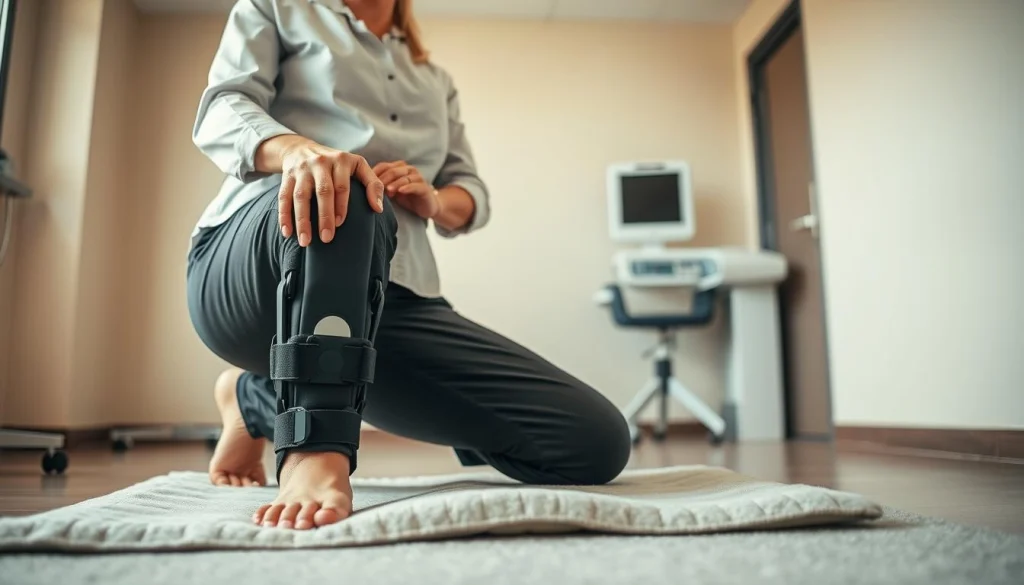
What Orthopaedic Surgeons Say About Kneeling
Orthopaedic surgeons say kneeling after knee replacement is doable but not always easy. The success of kneeling depends on the surgery type and the prosthesis design. They suggest exercises to strengthen the knee muscles for better kneeling.
They stress patience and slow progress in trying to kneel after surgery. Waiting until the knee heals and gets strong enough is advised.
Anatomical Changes and Prosthesis Design
Knee replacement surgery changes the knee’s anatomy, affecting kneeling. The prosthesis aims to mimic natural knee movement. Yet, its design can impact kneeling ease.
Some prostheses are better for kneeling than others. For example, those with more motion and less wear on tissues are more comfortable for kneeling.
Knowing these details helps patients understand kneeling after knee replacement. They can work with their surgeons for the best results.
Timeline for Attempting to Kneel Post-Surgery
Many patients ask when they can kneel again after knee surgery. The time it takes to kneel again varies. It depends on your health, the surgery’s complexity, and how your body heals. Knowing the recovery stages helps set realistic goals.
Initial Recovery Phase: First Six Weeks
The first six weeks focus on wound healing, managing pain, and improving knee movement. It’s best to avoid kneeling during this time as the knee is healing. Gentle exercises help improve movement and strengthen muscles.
Intermediate Recovery: Six Weeks to Three Months
Between six weeks to three months, you can start kneeling with a healthcare professional’s help. Always listen to your body and stop if you feel pain. Slowly increase knee bending and strengthening exercises to prepare for kneeling.
Advanced Recovery: Three to Six Months
By three to six months, most patients can kneel with more confidence. Using the right technique is key to avoid knee stress. Keep up with strengthening and flexibility exercises to support your knee.
Always follow your orthopaedic surgeon or healthcare team’s advice. They can give you personalized guidance based on your situation and progress.
Factors That Influence Your Ability to Kneel
Many things affect whether you can kneel after knee replacement surgery. It’s not just about the surgery. Your own health and the surgery’s details matter too.
Type of Knee Replacement Prosthesis
The kind of knee replacement you get can change how well you can kneel. Some prosthetics work better for kneeling than others. For example, some implants let you move your knee more, which helps with kneeling.
Talking to your orthopaedic surgeon about your prosthesis is key. They can tell you how it might affect your kneeling. For more info on knee replacements, check out https://acibademinternational.com/meniscus-transplant-options-for-young-patients-with-knee-pain/.
Prosthesis designs that let you move more may help with kneeling.
Pre-Surgery Knee Condition and Mobility
Your knee’s state before surgery and how mobile you are also matter. If you could move your knee well before surgery, you might kneel better after. The health of your soft tissues, like ligaments and muscles, also plays a part.
Individual Pain Tolerance and Healing Response
How much pain you can handle and how quickly you heal are big factors. People who can handle pain better and heal faster often recover and kneel more easily. Good pain management is important for recovery.
Knowing these factors helps set realistic goals for knee replacement patients. By looking at your prosthesis, pre-surgery knee, and healing, you can prepare for recovery and kneeling after surgery.
Can I Kneel After Knee Replacement: The Direct Answer
Many people wonder if they can kneel after getting a knee replacement. The answer varies based on a few things. These include the type of knee replacement, your knee’s condition before surgery, and how well you heal.
Key Considerations for Kneeling Post-Surgery
- The design of the knee replacement prosthesis can influence kneeling ability.
- Pre-surgery knee condition and mobility play a significant role.
- Individual pain tolerance and healing response affect the outcome.
Some people can kneel after surgery, but others might find it hard. This could be because of pain or the design of the prosthesis. Always listen to what your orthopaedic surgeon says about kneeling.
Studies show that the type of prosthesis matters for kneeling. Some prosthetics are better for kneeling than others. The surgeon’s technique also plays a part in how well you can kneel.
Practical Steps to Assess Kneeling Ability
- Consult with your orthopaedic surgeon to understand your specific situation.
- Follow a rehabilitation program tailored to your needs.
- Gradually attempt kneeling under professional guidance.
In conclusion, whether you can kneel after knee replacement surgery depends on many factors. By understanding these and following professional advice, you can decide if kneeling is right for you after surgery.
Safe Kneeling After Knee Replacement: Practical Techniques
Safe kneeling after knee replacement needs careful thought and the right technique. Patients often want to kneel again as they recover. Knowing how to kneel safely can avoid problems and make recovery smoother.
Step-by-Step Guide to Your First Kneeling Attempts
When you first try kneeling after knee surgery, be careful. Make sure you have something stable to hold onto, like a chair or wall. Start by kneeling on something soft, like a blanket or a special pad, to ease the pressure on your knee.
- Stand with your feet apart and hands on a stable support.
- Slowly lower yourself onto one knee, keeping the other foot on the ground for support.
- Take a moment to check if you’re comfortable and balanced before kneeling on both knees.
- If needed, use a cushion or pad under your knee for extra comfort.

Using Knee Pads and Protective Equipment
Knee pads or protective gear can make kneeling safer and more comfortable after knee replacement. They’re very helpful for activities that need you to kneel for a long time, like gardening or certain jobs.
Key considerations when selecting knee pads include:
- Choosing pads that are durable and provide good cushioning.
- Ensuring the pads are the right size to fit comfortably under your knee.
- Opting for pads with a non-slip base to prevent them from sliding while kneeling.
By using these practical techniques in your recovery, you can reduce the risks of kneeling after knee replacement surgery. This way, you can enjoy a more active and comfortable life.
Common Challenges When Kneeling Post Total Knee Replacement
Kneeling after a total knee replacement can be tough. Patients face physical and mental hurdles. These issues make kneeling hard.
Physical Discomfort and Pain Management Strategies
Physical pain is a big problem when kneeling after surgery. Patients might feel pain, stiffness, or instability. To tackle this, pain management strategies are key.
Using medication, physical therapy, and knee pads can help. It’s important to work with your doctor to find the right plan. This plan should fit your needs and might include different treatments.
Psychological Barriers and Building Confidence
Psychological barriers also play a part. Fear of pain or injury can stop patients from kneeling. Building confidence is essential to overcome these fears.
Starting small and gradually getting used to kneeling helps. Support from loved ones and groups is also important. It helps patients feel more confident and safe when kneeling.
Precautions for Kneeling After Knee Replacement
Knowing the precautions for kneeling after knee replacement is key for a smooth recovery. Kneeling can be tough after surgery, but knowing the risks helps avoid problems.

Warning Signs That Indicate You Should Stop
When trying to kneel after knee replacement, listen to your body. Sharp pain, swelling, or instability mean you should stop right away. These signs show your knee might be under too much stress.
If you feel persistent pain, swelling, or instability, stop kneeling and talk to your orthopaedic surgeon. They can guide you based on your needs.
When to Contact Your Orthopaedic Surgeon
Knowing when to get medical help is important. If you see warning signs or have recovery worries, reach out to your orthopaedic surgeon. They can offer advice suited to you.
Be ready to share your symptoms, recent activities, and any changes. This info helps your surgeon understand your situation and advise you.
In short, kneeling after knee replacement needs care and attention to your body’s signals. By knowing the precautions and watching for warning signs, you can reduce risks and aid your recovery.
Knee Replacement Recovery Tips: Exercises to Prepare for Kneeling
Having a good exercise plan is key for those who want to kneel easily after knee surgery. The right moves can boost your knee’s strength and flexibility. This makes kneeling a lot easier.
Quadriceps and Hamstring Strengthening Exercises
It’s important to make your quadriceps and hamstrings strong for knee stability. Quadriceps strengthening exercises like straight leg raises are done by lying on your back. Tighten your quadriceps and lift your leg a few inches.
Hamstring strengthening can be done with leg curls. Sit on the edge of a bed or chair and curl your heels towards your buttocks.
Other exercises include:
- Straight leg raises to strengthen quadriceps
- Leg curls and leg press to target hamstrings
- Squats, which work both quadriceps and hamstrings
Flexibility and Range of Motion Exercises
It’s also key to improve your knee’s flexibility and range of motion for kneeling. Knee bends and heel slides can help with flexibility. Range of motion exercises like knee flexion and extension can be done while seated or lying down.
Examples of flexibility and range of motion exercises include:
- Knee flexion and extension exercises
- Heel slides to improve knee flexion
- Wall squats for gradual strengthening and flexibility
Adding these exercises to your recovery plan can make your knee stronger and more flexible. This will help you kneel more easily after knee replacement surgery.
Alternative Positions and Modifications to Kneeling
Kneeling after knee replacement surgery can be tough. But, there are ways to make it easier. Patients often need to change their daily activities to fit their new knee. There are several strategies to help with this.
Changing daily activities and using different positions can help a lot. For example, when gardening or doing other tasks that need kneeling, using a stool or chair can help. This way, you don’t have to kneel as much.
Practical Modifications for Daily Activities
Changing daily activities can make a big difference after knee replacement surgery. Some ways to do this include:
- Using a long-handled grabber to pick up things from the floor. This means you don’t have to kneel or bend.
- Putting a cushion or pillow on the floor for support when you have to kneel.
- Avoiding heavy lifting or bending. This can put extra stress on your knee.
These changes can help you stay independent while lowering the risk of problems.
Adaptive Tools and Assistive Devices
There are many tools and devices that can help you avoid kneeling. Some examples are:
- Knee pads or cushions for kneeling. They offer extra comfort and protection.
- Reachers or grabbers. These let you pick up things without kneeling or bending.
- Adjustable stools or chairs. They can be used for support during tasks.
Using these tools can make your daily activities safer and more comfortable.
By making these changes and using adaptive tools, you can move around more comfortably and safely after knee replacement surgery.
Patient Experiences with Kneeling After Joint Replacement
Knee replacement surgery is common, but kneeling worries many patients. Being able to kneel is key for daily life and happiness. Hearing from others can help us know what to expect.
Success Stories and Realistic Expectations
Many have learned to kneel again after surgery. Realistic expectations are key, as results vary. The type of prosthesis and healing speed matter.
Some can kneel easily, while others struggle. Talking to a surgeon helps set realistic hopes.
Understanding Individual Variation in Outcomes
How well you can kneel after surgery differs a lot. The surgery method, prosthesis, and knee health before surgery affect it. Individual variation in pain and healing also plays a part.
Everyone’s path to kneeling again is unique. Regular check-ups with doctors help manage concerns and adjust plans.
Kneeling Restrictions After Joint Replacement Compared to Other Activities
Knowing what activities to avoid after joint replacement surgery is key to a good recovery. It’s important for patients to know which activities are safe and which might harm their new joint.
Activity Progression Hierarchy During Recovery
After knee replacement surgery, patients follow a hierarchy of activity progression. First, they focus on basic movements and strengthening. Later, they can do more complex actions, like kneeling, with their doctor’s approval.
The hierarchy has several stages:
- Immediate post-operative phase: Focus on pain management and basic mobility.
- Early recovery phase: Introduction to strengthening exercises and gentle movements.
- Intermediate phase: Progression to more strenuous activities and mobility exercises.
- Advanced recovery: Incorporation of complex movements, including kneeling, if deemed safe by the healthcare provider.
Risk Assessment for Different Movements
It’s important to assess the risks of different movements after knee replacement. Kneeling, for example, can be risky because it puts pressure on the knee. But, with the right technique and precautions, many can kneel safely.
A risk assessment for kneeling and other movements looks at several things:
- The type of knee replacement prosthesis used.
- The patient’s overall health and mobility before and after surgery.
- The presence of any complications or conditions that could affect recovery.

By understanding these factors and following a guided recovery plan, patients can reduce risks and improve their recovery.
Long-Term Outlook and Kneeling Guidelines Post Knee Replacement
After knee replacement surgery, knowing how kneeling will affect you long-term is key. Many worry about kneeling after such a big operation. It’s important to follow certain guidelines for safe kneeling.
Safe Kneeling Practices: To kneel safely after knee replacement, start by making sure your knee is strong. This means doing the physical therapy and exercises you’re told to. Start with short kneeling sessions and gradually increase the time.
- Begin with short kneeling sessions to build up strength and comfort.
- Use knee pads or protective equipment to reduce strain on the knee.
- Monitor for any signs of pain or discomfort, stopping immediately if experienced.
When kneeling after knee replacement, be careful with your knee’s position and avoid deep kneeling. Listen to your body’s signals, like pain or swelling, which mean you need to stop kneeling.
To keep your knee healthy in the long run, exercise regularly and see your orthopaedic surgeon for check-ups. By following these guidelines and being careful, you can stay active after surgery.
Key Considerations: The type of knee replacement prosthesis, your knee’s condition before surgery, and how you heal all affect your ability to kneel. Knowing these factors helps set realistic goals.
Conclusion
Recovering from knee replacement surgery needs patience, dedication, and knowing the recovery process well. Many wonder, “Can I kneel after knee replacement?” The answer depends on the surgery details, the prosthesis type, and personal recovery factors.
In this article, we’ve looked at the medical view on kneeling after surgery, when to try kneeling, and safe kneeling techniques. We’ve also talked about common issues, precautions, and exercises for kneeling readiness. By following knee replacement recovery tips from orthopaedic surgeons, patients can improve their recovery and maybe kneel again.
Results can differ, but being well-informed and prepared is essential for a good recovery. Patients should team up with their healthcare team to create a recovery plan. This plan should include exercises and techniques suited to their needs. This way, people can increase their chances of getting back to normal, including kneeling, after surgery.
FAQ
Q: Can I kneel immediately after knee replacement surgery?
A: No, it’s best to avoid kneeling right after knee replacement surgery. You should follow a gradual recovery plan. This lets your knee heal before you try kneeling again.
Q: What are the kneeling restrictions after joint replacement?
A: Kneeling rules after joint replacement depend on your situation. Usually, you’re told not to kneel for weeks or months. Always listen to what your orthopaedic surgeon says.
Q: How long does it take to be able to kneel after knee replacement?
A: How long it takes to kneel after knee replacement varies. Most people can try kneeling 3-6 months after surgery. This is when they’ve built up enough strength and mobility.
Q: Are there any specific exercises to prepare for kneeling after knee replacement?
A: Yes, there are exercises to get your knee ready for kneeling. Strengthening your quadriceps and hamstrings helps. Also, exercises that improve flexibility and range of motion are good.
Q: What precautions should I take when kneeling after knee replacement?
A: When kneeling after knee replacement, be careful to avoid pain or injury. Use knee pads or protective gear to ease pressure. Listen to your body and stop if you feel pain or swelling.
Q: Can the type of knee replacement prosthesis affect my ability to kneel?
A: Yes, the type of knee replacement prosthesis can affect kneeling. Some prosthetics are better for kneeling than others. Your surgeon can tell you about your prosthesis and its impact on kneeling.
Q: Are there alternative positions or modifications that can be made to avoid kneeling?
A: Yes, there are ways to avoid kneeling or make it easier. Using adaptive tools or assistive devices can help with daily tasks.
Q: When should I contact my orthopaedic surgeon regarding kneeling after knee replacement?
A: Contact your orthopaedic surgeon if kneeling hurts, causes swelling, or if you’re worried about your recovery. They can offer advice and help with any issues.