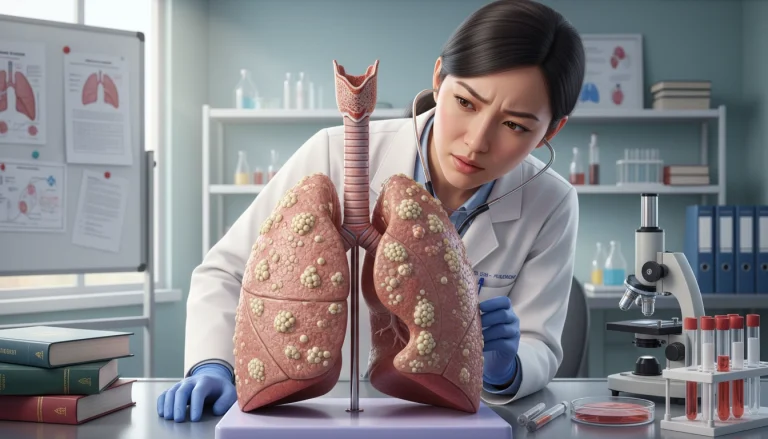
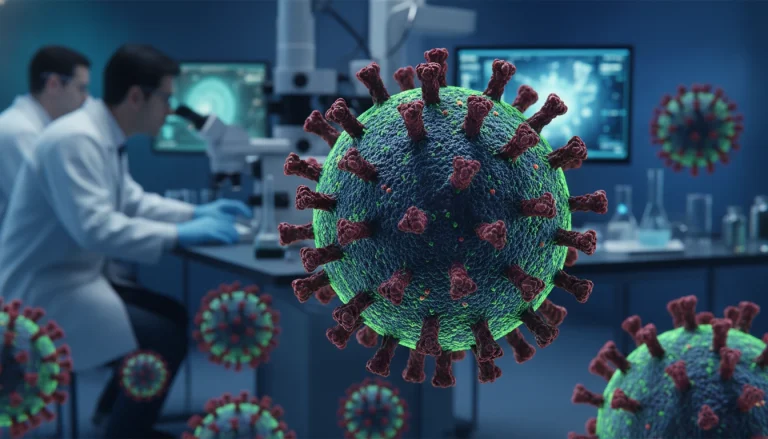
Candida Fungus: The Natural Role of Candida in Human Health
The human body harbors a variety of microorganisms, including Candida yeast. Normally, Candida lives in harmony with other microbes, contributing to our bodily functions. This balance is vital for our health. Yet, when Candida grows too much, it can cause health problems. This overgrowth, known as candidiasis, can impact various body parts. These include the mouth, vagina, skin, and the gastrointestinal tract.
It’s critical to understand Candida and its effects on human health. By delving into the causes, symptoms, and treatments for Candida-related issues, we can prevent and manage these conditions. This proactive approach is key to maintaining our overall well-being.
Understanding Candida Fungus
The Candida fungus is a microorganism that lives in our bodies, playing a complex role in our health. It is a type of yeast belonging to the fungal kingdom. It naturally inhabits parts of our body, such as the skin, mouth, and gastrointestinal tract.
Definition and Biological Classification
Candida is a genus of fungi, encompassing over 150 species. It falls under the kingdom Fungi, phylum Ascomycota, and family Saccharomycetaceae. The most prevalent species affecting humans is Candida albicans.
This fungus coexists with other microorganisms in our bodies. Normally, it doesn’t harm us and can even help maintain the balance of our microbiome.
Common Species and Their Characteristics
Common Candida species include Candida albicans, Candida glabrata, and Candida tropicalis. These species differ in their ability to cause infections and their pathogenicity.
Candida albicans is notable for its ability to form biofilms. These are complex communities of microorganisms that stick to surfaces. This trait makes it highly resilient and challenging to eliminate.
The Natural Role of Candida in Human Health
Candida fungus is a vital component of the human microbiome, essential for our health. Our bodies harbor a complex ecosystem of microorganisms, with Candida being one of the fungi that inhabit this space.
Normal Microbiome Balance
A healthy microbiome is a fine balance between various microorganisms. Candida, when in balance, benefits from its host without causing harm. This equilibrium is vital for our bodily functions, such as digestion and immune system regulation.
Factors like diet, lifestyle, and environmental exposures can affect this balance. Disruptions can lead to Candida overgrowth, potentially causing health problems.
Beneficial Functions of Candida
Candida fungus is involved in several beneficial processes in the body. It aids in digesting complex foods and enhances nutrient absorption. It also contributes to the development and upkeep of the immune system.
In a balanced state, Candida prevents the growth of harmful microorganisms. This supports the overall health of the individual. Recognizing Candida’s beneficial roles is key to understanding its importance in human health.
When Candida Becomes Problematic
Candida fungus is usually harmless in the human body. Yet, certain conditions can turn it into a harmful pathogen. This transformation can cause a variety of health problems, from mild to severe infections. It’s essential to know what triggers this change to prevent and treat it effectively.
The Transition from Commensal to Pathogen
The shift from a harmless Candida to a pathogen involves complex interactions. It happens when the fungus interacts with the host’s immune system in a way that disrupts balance. Normally, Candida lives alongside other microbes, contributing to the body’s microbiome. But when the balance is upset, Candida can grow out of control and invade tissues, causing infections.
Several factors can trigger this overgrowth. These include a weakened immune system, the use of antibiotics, or hormonal changes. As Candida grows, it can lead to a variety of symptoms, affecting both local areas and the body as a whole.
Factors That Disrupt Microbial Balance
Several factors can upset the microbial balance, leading to Candida overgrowth. Broad-spectrum antibiotics can kill off good bacteria, allowing Candida to thrive. A diet rich in sugars and refined carbs also feeds Candida. Stress can weaken the immune system, making it harder to fight off infections.
Hormonal changes, like those during pregnancy or with hormonal contraceptives, can also contribute to Candida overgrowth. Understanding and addressing these factors is critical for managing and preventing Candida-related health issues.
Common Types of Candida Infections
The Candida fungus’s adaptability is seen in the variety of infections it can cause. These infections differ in severity and the body parts they target.
Oral Thrush (Oropharyngeal Candidiasis)
Oral thrush is a common Candida infection found in the mouth. It presents as white patches on the tongue and inner cheeks, causing pain and bleeding when scraped. It’s more common in infants, older adults, and those with weakened immune systems.
Vaginal Yeast Infections (Vulvovaginal Candidiasis)
Vaginal yeast infections are a frequent sign of Candida overgrowth. Symptoms include itching, burning during urination, and a thick, white vaginal discharge. These infections are common in women of reproductive age, triggered by hormonal changes, antibiotics, and other factors.

Cutaneous Candidiasis
Cutaneous candidiasis refers to Candida infections of the skin. It occurs in warm, moist areas like the armpits, groin, and under the breasts. Symptoms include redness, itching, and a rash. It’s more common in overweight individuals and those with diabetes.
Invasive Candidiasis and Candidemia
Invasive candidiasis is a serious infection where Candida enters the bloodstream or internal organs. Candidemia, a form of invasive candidiasis, is characterized by Candida in the blood. These conditions are life-threatening, mainly affecting those with severely compromised immune systems, such as ICU patients or those undergoing chemotherapy.
Understanding the different types of Candida infections is key for proper diagnosis and treatment. Each type needs a specific management and prevention approach.
Recognizing Candida Overgrowth Symptoms
Candida overgrowth symptoms are varied and can impact multiple body systems. This fungus, when it grows too much, can cause a range of health problems. From mild discomfort to severe issues, recognizing these symptoms early is key to effective management and treatment.
Digestive and Gastrointestinal Symptoms
Digestive issues are common symptoms of Candida overgrowth. These include bloating, gas, and abdominal pain. Changes in bowel movements, like diarrhea or constipation, are also common. Some people may struggle to digest certain foods, leading to discomfort and nutritional deficiencies.
- Bloating and gas
- Abdominal pain
- Diarrhea or constipation
- Food intolerances
Skin, Nail, and Mucous Membrane Manifestations
Candida overgrowth can also show up through skin, nail, and mucous membrane symptoms. Symptoms include skin rashes, itching, redness, and nail infections. Oral thrush, with white patches in the mouth, is another common sign.
- Skin rashes and itching
- Nail infections
- Oral thrush
- Vaginal yeast infections
Systemic and Neurological Symptoms
In some cases, Candida overgrowth can cause systemic and neurological symptoms. Symptoms include fatigue, brain fog, and mood swings. In severe cases, it can lead to more serious neurological issues. The link between Candida and neurological symptoms is an area of ongoing research.
- Fatigue and brain fog
- Mood swings
- Neurological issues
Chronic Fatigue and Other General Symptoms
Chronic fatigue is a common symptom of Candida overgrowth. Other general symptoms include recurring infections, hormonal imbalances, and a general feeling of being unwell.
- Chronic fatigue
- Recurring infections
- Hormonal imbalances
Risk Factors for Developing Candida Infections
Understanding the risk factors for Candida infections is key to prevention and treatment. Several elements can make an individual more susceptible to these infections.
Medical Conditions and Immunosuppression
Those with weakened immune systems face a higher risk of Candida infections. Conditions like HIV/AIDS, diabetes, and cancer significantly raise this risk. Immunosuppression from these conditions or treatments like chemotherapy makes it hard for the body to keep a healthy balance of microorganisms.
Medications and Medical Treatments
Certain medications and treatments can upset the body’s natural balance, leading to Candida overgrowth. Antibiotics, corticosteroids, and immunosuppressive drugs are known to increase the risk. Treatments like organ transplants and prolonged hospital stays also contribute to Candida infections.
Dietary and Lifestyle Factors
Dietary habits and lifestyle choices are also significant in Candida infection development. Consuming high amounts of sugar, processed foods, and carbohydrates feeds Candida, promoting its growth. Stress, lack of sleep, and poor hygiene can further increase the risk.
How Medical Professionals Diagnose Candida Fungus
Diagnosing Candida fungus involves both clinical assessment and laboratory confirmation. It’s vital for effective treatment and management of Candida infections.
Clinical Evaluation and Patient History
Thorough clinical evaluation and patient history are key in diagnosing Candida infections. Healthcare providers assess symptoms, medical history, and risk factors. They look for predisposing factors like antibiotic use, immunosuppression, or diabetes.
Laboratory Testing Methods
Laboratory tests are critical in confirming Candida infections. They help identify Candida species and guide treatment.
Culture Tests
Culture tests involve growing samples from affected areas in a culture medium. This method is effective for diagnosing invasive candidiasis.
Blood Tests and Biomarkers
Blood tests detect Candida antigens or antibodies, indicating an active infection. Biomarkers like beta-glucan are used to diagnose invasive candidiasis.
Differential Diagnosis Considerations
Healthcare providers must consider other conditions with similar symptoms when diagnosing Candida infections. Differential diagnosis rules out other causes, like bacterial infections or other fungal infections.
Conventional Medical Treatments for Candida
The medical field offers a variety of treatments for Candida infections. These range from topical creams to intravenous antifungals. The goal is to control Candida overgrowth and restore balance to the body’s microbiome.
Topical Antifungal Medications
For localized infections like cutaneous candidiasis or vaginal yeast infections, topical treatments are often the first choice. These include creams, ointments, and suppositories with clotrimazole, miconazole, or nystatin.
- Clotrimazole cream is effective against skin infections
- Miconazole is commonly used for vaginal yeast infections
- Nystatin ointment is used for skin and mucous membrane infections
Oral Antifungal Medications
For more widespread or severe infections, oral antifungals are prescribed. Fluconazole and itraconazole are commonly used. They work systemically to fight Candida overgrowth.
- Fluconazole is often used for oropharyngeal and vaginal candidiasis
- Itraconazole is effective against a broader range of Candida species
Intravenous Treatments for Severe Cases
In severe cases of invasive candidiasis or candidemia, intravenous antifungals are used. Drugs like caspofungin and micafungin target the fungal cell wall.
Potential Side Effects and Drug Interactions
Antifungal medications are effective but can have side effects and interact with other drugs. Common side effects include gastrointestinal issues, headaches, and skin rashes. It’s important to discuss these risks with a healthcare provider.

Understanding the various conventional medical treatments for Candida infections empowers patients. It allows them to make informed decisions about their care. By working closely with healthcare providers, individuals can develop a treatment plan that meets their specific needs.
Natural and Alternative Approaches to Candida Management
Natural and alternative methods are gaining traction in the fight against Candida overgrowth. As Candida fungus becomes more common, people are turning to holistic solutions. They aim to manage symptoms and improve their health.
Herbal Antifungals and Their Mechanisms
Some herbs have antifungal properties that can fight Candida. Garlic, for example, inhibits Candida growth thanks to allicin. Oregano and grapefruit seed extract also show promise against fungi.
Essential Oils with Proven Antifungal Properties
Essential oils like tea tree oil, lavender oil, and peppermint oil have antifungal effects. Tea tree oil stands out for its ability to inhibit Candida. These oils can be applied topically or used in aromatherapy to combat Candida symptoms.
Probiotics and Microbiome Support Strategies
Probiotics are key to a healthy microbiome, vital for controlling Candida. Lactobacillus and Bifidobacterium strains can inhibit Candida and boost immunity. Adding probiotic-rich foods or supplements can help manage Candida effectively.
Supplements That Support Immune Function
Some supplements can enhance immune function, making it stronger against Candida. Vitamin C, zinc, and beta-glucans are known for their immune-boosting effects. These can be used alongside natural treatments to improve their impact.
The Anti-Candida Diet: Nutritional Strategies
Managing Candida requires dietary changes, as some foods can worsen or improve the condition. The anti-Candida diet aims to remove foods that feed the fungus. It also includes foods that help restore balance.
Foods That Feed Candida (To Avoid)
To effectively manage Candida, it’s vital to steer clear of foods that encourage its growth. These include:
- Sugary foods and beverages, as Candida thrives on sugar.
- Refined carbohydrates, which can disrupt the body’s natural balance.
- Processed meats, which may contain additives that can exacerbate the condition.
- Foods high in mold, such as aged cheeses and certain types of alcohol.
Beneficial Foods That Combat Fungal Overgrowth
Adding the right foods to your diet can help fight Candida overgrowth. Beneficial foods include:
- Vegetables, such as leafy greens and cruciferous vegetables.
- Lean proteins, such as poultry and fish.
- Nuts and seeds, which are rich in healthy fats and antioxidants.
- Probiotic-rich foods like yogurt and kefir, which support gut health.
Meal Planning and Preparation Tips
Effective meal planning is essential for an anti-Candida diet. Tips include:
- Planning meals around whole, unprocessed foods.
- Avoiding hidden sugars and refined carbohydrates.
- Incorporating a variety of vegetables and lean proteins.
Navigating Dietary Transitions and Challenges
Transitioning to an anti-Candida diet can be challenging. But, there are strategies to make it easier. These include:
- Gradually introducing dietary changes to minimize withdrawal symptoms.
- Seeking support from healthcare professionals or nutritionists.
- Keeping a food diary to track progress and identify trigger foods.
Lifestyle Modifications to Combat Candida Overgrowth
Adopting specific lifestyle changes can significantly impact the management of Candida overgrowth. By incorporating targeted modifications into daily routines, individuals can better control Candida fungus and alleviate its symptoms.
Stress Management Techniques
Effective stress management is key in combating Candida overgrowth. Techniques such as meditation, yoga, and deep breathing exercises can help reduce stress levels. This supports the body’s natural defenses against Candida.
Sleep Optimization Strategies
Adequate sleep is essential for a healthy immune system, vital in fighting off Candida. Establishing a consistent sleep schedule, creating a restful sleep environment, and avoiding stimulants before bedtime can improve sleep quality.
Exercise Considerations and Benefits
Regular exercise can enhance immune function and help manage stress, both beneficial in controlling Candida overgrowth. Activities such as walking, cycling, and swimming are excellent options. They are low-impact and accessible to most individuals.
Environmental Factors and Home Modifications
Creating a Candida-friendly environment at home can also play a role in managing its overgrowth. This includes reducing moisture levels, using antifungal products, and maintaining good hygiene practices.
By implementing these lifestyle modifications, individuals can take a proactive approach to managing Candida fungus and improving their overall health.
Candida Fungus in Special Populations
It’s vital to grasp how Candida fungus impacts special populations for effective management and treatment. Certain groups, due to their age, health status, or other factors, face a higher risk of Candida infections.
Children and Infants
Candida fungus can lead to infections in children and infants, often manifesting as oral thrush or diaper rash. These conditions can be distressing for both the child and caregivers. Essential for managing these infections are proper hygiene and, when necessary, antifungal treatments.
Pregnant and Breastfeeding Women
Pregnant and breastfeeding women are also at risk from Candida fungus. Vaginal yeast infections are common during pregnancy due to hormonal changes. Treatments are available, but they must be carefully selected to ensure safety for both mother and fetus.
Elderly and Immunocompromised Individuals
The elderly and those with compromised immune systems are more susceptible to severe Candida infections. These can range from mucocutaneous infections to life-threatening systemic infections. Managing Candida in these populations often requires a holistic approach, including antifungal medications and immune system boosters.
Preventing Candida Recurrence and Maintaining Balance
To prevent Candida infections from coming back, a detailed prevention plan is essential. This plan includes long-term dietary habits, ongoing supplement use, and lifestyle habits. These steps can greatly lower the chance of Candida overgrowth.
Long-term Dietary Considerations
A diet low in sugars and refined carbs is key to stopping Candida from coming back. Foods high in antioxidants, like berries and leafy greens, support a healthy gut. Also, adding fermented foods like yogurt and kefir helps beneficial bacteria grow.
Ongoing Supplement Protocols
Some supplements are vital for keeping the gut microbiome balanced. Probiotics, for instance, replace good bacteria. Antifungal supplements, like caprylic acid, control Candida growth. Always talk to a healthcare expert to find the right supplements for you.
Lifestyle Maintenance Strategies
Stress management, through meditation and yoga, can prevent Candida. Getting enough sleep and exercising regularly boosts the immune system. Also, practicing good hygiene, like wearing breathable clothes and avoiding too much moisture, helps fight Candida.
Debunking Common Myths About Candida
Candida fungus is often misunderstood, thanks to widespread myths in health narratives. The abundance of misinformation makes it hard for people to separate fact from fiction. This can hinder effective management of Candida-related issues.
Misconceptions in Popular Health Media
Popular health media often spreads myths about Candida, exaggerating its impact or misrepresenting its role in human health. For example, some stories might claim Candida causes a wide range of nonspecific symptoms, like fatigue and digestive issues, without solid scientific evidence. It’s vital to critically evaluate such claims and seek out credible sources.
Evidence-Based Perspectives on Controversial Claims
Examining Candida claims requires a focus on evidence-based research. Studies indicate Candida can cause infections, mainly in those with weakened immune systems. Yet, its role in chronic conditions is under ongoing research. Evidence-based views help clarify Candida overgrowth’s actual risks and effects, distinguishing between proven facts and speculative claims.
When to Seek Professional Medical Attention
Knowing when to seek medical help is key to treating Candida fungus effectively. Mild cases might be handled with self-care and over-the-counter remedies. Yet, severe infections demand professional intervention.
Warning Signs of Serious Infection
Certain symptoms signal the need for immediate medical care. These include:
- Severe oral thrush that interferes with eating or breathing
- Vaginal yeast infections that recur or don’t respond to treatment
- Skin rashes or lesions that are widespread or persistent
- Systemic symptoms like fever, chills, or fatigue
If you’re experiencing these symptoms, it’s vital to see a healthcare professional.
Finding the Right Healthcare Provider
Choosing the right healthcare provider is essential for Candida treatment. Consider:
- A primary care physician for initial assessment
- A specialist like a dermatologist for skin-related issues
- A gynecologist for vaginal yeast infections
Make sure your chosen provider is well-versed in Candida infections and treatment options.
Empowering Yourself on the Journey to Candida Recovery
Recovering from Candida overgrowth demands a holistic approach. This includes dietary adjustments, lifestyle changes, and sometimes, medical interventions. Understanding Candida Fungus and its health effects is the first step towards empowerment in recovery.
Adopting a balanced diet is essential. It must starve the Candida fungus while feeding the body. This means avoiding sugary and processed foods. Instead, focus on antifungal foods and maintaining a healthy gut with probiotics.
Lifestyle modifications are also vital. Stress management, sufficient sleep, and regular exercise boost the body’s defenses against Candida. These changes help build resilience and lower the risk of future outbreaks.
Empowerment stems from knowledge and making informed health choices. Staying informed and collaborating with healthcare professionals is key. This way, individuals can overcome Candida recovery challenges and achieve lasting wellness.
FAQ About Candida Fungus
Q: What is Candida fungus?
A: Candida is a fungus found naturally on the skin and in mucous membranes. It resides in areas like the mouth, gut, and vagina. It’s usually harmless but can cause infections under certain conditions.
Q: What are the symptoms of Candida overgrowth?
A: Candida overgrowth symptoms include digestive issues and skin rashes. Vaginal yeast infections, oral thrush, fatigue, and neurological symptoms like brain fog and mood swings are also common.
Q: How is Candida diagnosed?
A: Diagnosing Candida overgrowth involves a clinical evaluation and patient history. Laboratory tests like culture tests, blood tests, and biomarker analysis are also used.
Q: What are the conventional treatments for Candida infections?
A: Conventional treatments include topical and oral antifungal medications. Intravenous treatments are used for severe cases. The treatment choice depends on the infection’s type and severity.
Q: Are there natural approaches to managing Candida?
A: Yes, natural methods include dietary changes and herbal antifungals. Essential oils with antifungal properties, probiotics, and immune-supporting supplements are also effective.
Q: What dietary changes can help manage Candida?
A: To manage Candida, avoid sugars and refined carbohydrates. Increase antifungal foods and follow a balanced diet that supports gut health.
Q: Can lifestyle modifications help combat Candida overgrowth?
A: Yes, lifestyle changes like stress management and sleep optimization are beneficial. Regular exercise and reducing environmental toxin exposure also help combat Candida overgrowth.
Q: Are there any specific risk factors for developing Candida infections?
A: Risk factors include immunosuppression and certain medical conditions. Antibiotics and medications, as well as dietary and lifestyle factors, can also contribute to Candida infections.
Q: How can Candida recurrence be prevented?
A: Preventing recurrence involves long-term dietary changes and supplement protocols. Lifestyle maintenance strategies that support immune function and balance the microbiome are also essential.
Q: When should I seek professional medical attention for Candida?
A: Seek medical attention for severe symptoms like pain, fever, or difficulty swallowing. If you have a weakened immune system and suspect a Candida infection, immediate medical attention is necessary.