Castleman Disease: Understanding Castleman Disease
Castleman Disease is a rare lymphoproliferative disorder that poses a significant challenge in the medical field. It is marked by abnormal cell growth in the lymph nodes. This condition requires a deep understanding for accurate diagnosis and treatment. The rarity and impact of Castleman Disease on patients’ lives are noteworthy. It can take different forms, making it essential for healthcare professionals and patients to grasp its complexities.
This guide aims to offer a detailed look at Castleman Disease. It will cover its causes, symptoms, diagnosis, and treatment options. It is designed to be a valuable resource for those looking to understand this complex condition. Castleman Disease is a rare lymphoproliferative disorder that poses significant diagnostic and treatment challenges. It is marked by the abnormal proliferation of cells within the lymphatic system. This can result in a variety of symptoms and complications.
Definition and Medical Classification
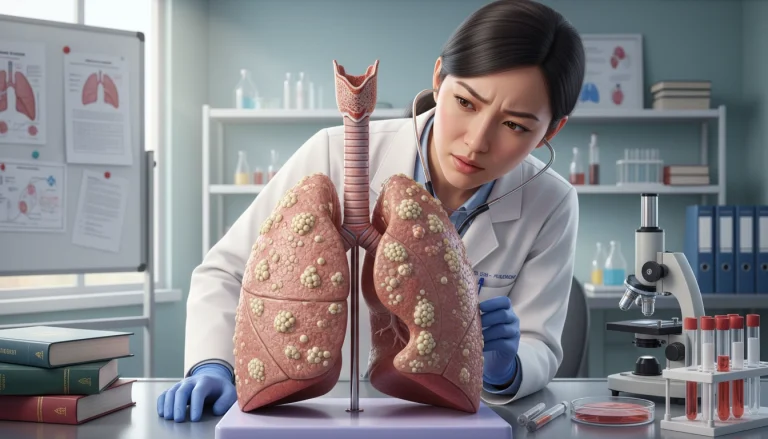
Castleman Disease is a rare condition characterized by the enlargement of lymph nodes. This can happen in one area (unicentric) or spread across the body (multicentric). The classification of Castleman Disease is based on the extent of lymph node enlargement and histopathological features. It is divided into subtypes, such as hyaline vascular and plasma cell variants, each with unique characteristics.
Historical Context and Discovery
Dr. Benjamin Castleman first described the disease in 1954. Initially, it was seen as a localized lymph node hyperplasia. Through ongoing research, our understanding of Castleman Disease has grown. It now encompasses various forms, showing the condition’s complexity. The history of Castleman Disease reflects the advancements in diagnosing and treating this rare disorder.
Types and Classification of Castleman Disease
Castleman Disease manifests in different forms, mainly categorized into Unicentric and Multicentric types. This distinction hinges on the number and location of lymph nodes affected. It significantly impacts the disease’s clinical presentation and treatment approach.
Unicentric Castleman Disease (UCD)
UCD is characterized by a single lymph node or a localized group of nodes. It often lacks symptoms and is discovered by chance. The hyaline-vascular variant, responsible for about 90% of UCD cases, is the most prevalent histopathological subtype. Surgical removal is usually curative, leading to a positive prognosis for most patients.
Multicentric Castleman Disease (MCD)
MCD involves multiple lymph nodes across the body, representing a more severe form. It presents with systemic symptoms and lymph node enlargement. MCD is further categorized based on its association with HHV-8 infection.
HHV-8 Associated MCD
HHV-8 associated MCD is prevalent in immunocompromised individuals, like those with HIV/AIDS. This form is linked to Human Herpesvirus 8, which is believed to drive lymphoproliferation and cytokine imbalance.
idiopathic MCD (iMCD)
iMCD occurs without HHV-8 infection and is diagnosed by exclusion. Its exact cause is unknown, but it’s thought to involve immune system dysregulation and cytokine overproduction, mainly IL-6. Treatment for iMCD focuses on these pathways.
Epidemiology and Demographics
Understanding the epidemiology of Castleman Disease is key to spotting trends and patterns. This knowledge aids in allocating healthcare resources and guiding research efforts.
Prevalence and Incidence Rates
Castleman Disease is deemed rare, making it challenging to accurately measure its prevalence and incidence. Its rarity and complex diagnosis contribute to this difficulty. Studies reveal that Castleman Disease’s incidence varies worldwide, with some areas reporting higher rates.
- Unicentric Castleman Disease (UCD) is more prevalent than Multicentric Castleman Disease (MCD).
- The exact incidence of UCD and MCD remains unclear.
- Research indicates that Castleman Disease can affect individuals of any age, with a peak incidence in the third to fourth decade of life.
Age, Gender, and Ethnic Distribution
Castleman Disease impacts people of all ages, genders, and ethnicities. Research highlights:
- UCD is more common in younger adults.
- MCD predominantly affects older adults and is linked to specific viral infections.
- There’s no clear gender preference for Castleman Disease, though some studies hint at slight variations.
Etiology and Risk Factors
Understanding the etiology and risk factors of Castleman Disease is vital for effective management. Research has pinpointed several key factors contributing to its development.
Viral Associations (HHV-8 and HIV)
Viral infections significantly impact Castleman Disease, mainly in its multicentric form. Human Herpesvirus 8 (HHV-8) is closely linked to Multicentric Castleman Disease (MCD), more so in immunocompromised individuals. HHV-8 infects B cells, causing their proliferation, a key feature of Castleman Disease. People with HIV/AIDS are also at higher risk of MCD due to their weakened immune systems, which struggle to control HHV-8.

Genetic Predispositions and Immune Factors
Genetic predispositions and immune system dysregulation also play a role in Castleman Disease risk. Certain genetic mutations can impair the immune system, leading to abnormal lymph node growth seen in Castleman Disease. The overproduction of cytokines, like IL-6, is also critical in the disease’s pathophysiology.
Pathophysiology of Castleman Disease
To grasp the pathophysiology of Castleman Disease, we must dive into its complex development. This involves the interaction of immune cells, cytokines, and lymphoid tissues.
Cytokine Storm and IL-6 Overproduction
Castleman Disease is marked by a cytokine storm, with excessive cytokine production, mainly interleukin-6 (IL-6). IL-6 is key in the disease’s progression, fueling inflammation, lymphoproliferation, and systemic symptoms.
IL-6 overproduction is behind the disease’s symptoms like fever, fatigue, and swollen lymph nodes. Targeting IL-6 is a major approach in treating Castleman Disease.
Lymph Node Hyperplasia Mechanisms
Lymph node hyperplasia is a core feature of Castleman Disease, caused by abnormal lymphoid cell proliferation. This results in enlarged lymph nodes, a common symptom in patients.
The hyperplasia stems from a complex interaction between immune cells like B cells, T cells, and dendritic cells. It also involves cytokine dysregulation. Grasping these mechanisms is essential for creating effective treatments.
Clinical Presentation and Symptoms
Understanding the clinical presentation and symptoms of Castleman Disease is key for accurate diagnosis and treatment. This disease manifests in various ways, making it vital to recognize its diverse clinical features.
Common Systemic Manifestations
Systemic manifestations are common in Castleman Disease, mainly in its multicentric form. These include fever, night sweats, weight loss, and fatigue, which significantly impact morbidity.
Patients may also experience lymphadenopathy, hepatosplenomegaly, and other systemic symptoms that affect their quality of life.
Localized vs. Systemic Symptoms
The symptoms of Castleman Disease vary based on the disease subtype. Unicentric Castleman Disease typically presents with localized symptoms related to the affected lymph node.
Constitutional Symptoms
Constitutional symptoms like fever, fatigue, and weight loss are common in multicentric Castleman Disease. These symptoms can be debilitating, affecting the patient’s overall well-being.
Organ-Specific Manifestations
Organ-specific manifestations can occur due to specific organ involvement. For example, patients may experience pulmonary symptoms or neurological manifestations, depending on the disease extent.
In summary, Castleman Disease’s clinical presentation is varied, including both localized and systemic symptoms. Recognizing these symptoms is essential for timely diagnosis and effective management.
Potential Complications of Castleman Disease
Castleman disease can lead to various complications that significantly impact patient outcomes. These complications can be acute or chronic and affect multiple systems within the body.
Acute Complications
Acute complications of Castleman disease may include severe infections, organ dysfunction, and cytokine storm. The cytokine storm, characterized by the overproduction of cytokines such as IL-6, can lead to systemic inflammation and organ damage.
Chronic Sequelae and Associated Conditions
Chronic sequelae and associated conditions can significantly affect the quality of life for patients with Castleman disease. These may include persistent fatigue, chronic pain, and an increased risk of developing secondary conditions.
POEMS Syndrome
POEMS syndrome is a rare condition associated with Castleman disease, characterized by polyneuropathy, organomegaly, endocrinopathy, monoclonal gammopathy, and skin changes. It represents a complex interplay between Castleman disease and other systemic manifestations.
Lymphoma Development Risk
Patients with Castleman disease, particular those with multicentric Castleman disease, are at an increased risk of developing lymphoma. Regular monitoring is essential to detect any malignant transformation early.
Diagnostic Evaluation and Workup
Diagnosing Castleman Disease involves a detailed process. It includes clinical assessment, laboratory tests, and advanced imaging. This approach is key to accurately diagnosing the condition and distinguishing it from other lymphoproliferative disorders.
Clinical Assessment and Physical Examination
The first step in diagnosing Castleman Disease is a thorough clinical assessment. This involves a detailed medical history and physical examination. It aims to identify symptoms and signs like lymphadenopathy, splenomegaly, or systemic symptoms like fever and weight loss.
Laboratory Investigations
Laboratory tests are critical in the diagnostic workup. They include complete blood counts (CBC), blood chemistry tests, and specific tests for viral infections like HHV-8 or HIV. These tests may reveal abnormalities such as anemia, thrombocytopenia, or hypergammaglobulinemia.
Advanced Imaging Techniques
Advanced imaging techniques are essential for assessing disease extent and identifying complications. These include:
CT and PET Scanning
Computed Tomography (CT) scans evaluate lymph node involvement and detect organomegaly or masses. Positron Emission Tomography (PET) scans, used with CT, show metabolic activity in lymph nodes and tissues. This helps assess disease activity.
MRI Applications
Magnetic Resonance Imaging (MRI) characterizes lymphadenopathy and assesses organ involvement. MRI is valuable for detailed soft tissue imaging, such as in the central nervous system or other areas.

Combining findings from clinical assessment, laboratory tests, and advanced imaging is vital. It ensures accurate diagnosis and management of Castleman Disease.
Histopathological Features and Diagnosis
Understanding the histopathological characteristics of Castleman Disease is key to accurate diagnosis. Histopathological examination aids in distinguishing Castleman Disease from other lymphoproliferative disorders.
Hyaline Vascular Variant Characteristics
The hyaline vascular variant is the most prevalent form of Castleman Disease. It is marked by:
- Atrophic germinal centers
- Hyalinized blood vessels
- Lymphoid follicles with expanded mantle zones
This variant is typically unicentric.
Plasma Cell Variant Findings
The plasma cell variant is distinguished by:
- Interfollicular plasma cell infiltration
- Less pronounced vascular changes
- More commonly associated with multicentric disease
Mixed Variant Features
Some cases display characteristics of both hyaline vascular and plasma cell variants. This is known as mixed variant Castleman Disease.
Biopsy Techniques and Considerations
An adequate biopsy is essential for diagnosis. Techniques include:
- Excisional biopsy for unicentric disease
- Core needle biopsy for multicentric disease
Differential Diagnosis Considerations
The differential diagnosis of Castleman Disease is complex. It involves considering various lymphoproliferative and autoimmune disorders. Accurate diagnosis requires a thorough evaluation to distinguish Castleman Disease from other conditions with similar clinical features.
Lymphoproliferative Disorders
Lymphoproliferative disorders, such as lymphoma and lymphoid hyperplasia, can mimic Castleman Disease. These conditions often present with lymphadenopathy and systemic symptoms. This makes differential diagnosis challenging. Histopathological examination and immunophenotyping are key in distinguishing between these conditions.
Autoimmune and Infectious Mimics
Autoimmune diseases like rheumatoid arthritis and lupus, as well as infectious diseases such as tuberculosis and HIV, can present with symptoms similar to Castleman Disease. A detailed clinical assessment, including laboratory tests and imaging studies, is essential. The presence of specific autoantibodies or infectious agents can aid in making an accurate diagnosis.
In conclusion, diagnosing Castleman Disease requires a meticulous approach. This includes considering both lymphoproliferative disorders and autoimmune or infectious mimics. By combining clinical evaluation, laboratory findings, and histopathological features, clinicians can accurately diagnose Castleman Disease. This allows for the development of an appropriate treatment plan.
Treatment Approaches for Unicentric Castleman Disease
Unicentric Castleman Disease, marked by a single area of lymph node enlargement, is typically treated with targeted therapies. The main treatment options include surgical removal and, in some instances, radiation therapy.
Surgical Resection Techniques
Surgical removal is the primary treatment for Unicentric Castleman Disease. The aim is to remove the affected lymph node or tissue entirely.
This method is often effective, leading to symptom resolution in most patients. The surgical approach can vary based on the lymph node’s location and size.
Radiation Therapy Protocols
When surgery is not possible or complete, radiation therapy is considered. It helps manage the growth of the affected lymphoid tissue and eases symptoms.
The treatment’s dosage and duration are customized for each patient, based on their condition and response to therapy.
The decision between surgery and radiation, or a combination, hinges on several factors. These include the patient’s health, the disease’s location, and the Castleman Disease’s specific characteristics.
Management Strategies for Multicentric Castleman Disease
Managing Multicentric Castleman Disease (MCD) is critical due to its high morbidity and risk of complications. Given MCD’s systemic nature and varied symptoms, a detailed treatment plan is essential. This plan must address the disease’s complexity.
Anti-IL-6 Therapy (Siltuximab, Tocilizumab)
Anti-IL-6 therapy stands out as a key treatment for MCD. It targets interleukin-6, a cytokine central to the disease. Siltuximab, a monoclonal antibody, has been approved for MCD treatment. It effectively reduces symptoms and improves patient outcomes. Tocilizumab, another IL-6 receptor antagonist, also shows promise in managing MCD, mainly in cases with systemic inflammation.

Rituximab and Chemotherapeutic Regimens
Rituximab, targeting CD20, is used in MCD treatment, often in HHV-8-related cases. It helps reduce B-cell counts, lowering disease activity. Chemotherapy, sometimes paired with rituximab, offers additional benefits, mainly in aggressive or resistant cases.
First-line Treatment Protocols
First-line treatments for MCD typically include siltuximab or targeted therapies. The initial treatment choice depends on the patient’s clinical presentation, disease severity, and underlying causes.
Refractory Disease Management
For refractory MCD, alternative treatments like rituximab-based regimens or chemotherapy are considered. Managing such cases requires a thorough review of the patient’s history, disease characteristics, and overall health.
Managing Multicentric Castleman Disease is complex, needing a personalized approach. By combining anti-IL-6 therapy, rituximab, and chemotherapy, healthcare professionals can enhance patient outcomes and reduce disease-related morbidity.
Emerging and Experimental Therapies
The treatment landscape for Castleman Disease is rapidly evolving, bringing new hope to patients. Researchers are exploring emerging and experimental therapies to tackle this rare disease’s complexities.
JAK Inhibitors and Targeted Approaches
JAK inhibitors are showing promise in treating Castleman Disease. They target specific pathways involved in the disease’s progression. This targeted approach aims to lessen symptoms and enhance patient outcomes.
The use of JAK inhibitors is part of a larger effort to create more effective treatments. By inhibiting certain Janus kinases, these therapies may reduce inflammation and lymph node growth linked to the disease.
Current Clinical Trials and Research
Ongoing clinical trials are examining the safety and effectiveness of various emerging therapies for Castleman Disease. These trials are essential for advancing our understanding and developing new treatments.
Research is dedicated to finding novel targets and therapeutic strategies to better patient outcomes. The findings from current clinical trials will guide the future of Castleman Disease treatment.
Prognosis and Long-term Outcomes
The prognosis and long-term outcomes of Castleman Disease are shaped by various clinical and pathological factors. It’s essential to grasp these elements to manage patient expectations and make informed treatment decisions.
Prognostic Factors and Survival Rates
Key prognostic factors for Castleman Disease include the disease subtype, patient age, and systemic symptoms. Survival rates differ based on these factors. Unicentric Castleman Disease generally has a better prognosis than the multicentric form.
Research indicates that patients with unicentric Castleman Disease often achieve long-term remission after surgery. In contrast, those with multicentric disease may need ongoing management and have a less predictable prognosis.
Disease Monitoring and Follow-up Protocols
Effective disease monitoring and follow-up are vital for managing Castleman Disease. Regular assessments involve clinical evaluations, laboratory tests, and imaging studies. These help track disease activity and catch complications early.
Customizing follow-up protocols based on individual risk factors and disease characteristics can enhance outcomes. It also improves the patient’s quality of life.
Living with Castleman Disease
Managing Castleman Disease requires a holistic approach. Its rarity and variability make it challenging for patients to find the right care. They must navigate a complex healthcare system to meet their needs.
Quality of Life Considerations
Castleman Disease has a significant impact on patients’ quality of life. Symptoms like fatigue, fever, and weight loss can severely limit daily activities. It’s essential to manage these symptoms to enhance well-being.
Patients need a care plan that includes medical treatment, lifestyle changes, and psychological support. Healthcare providers work with patients to create personalized interventions. These address their unique challenges.
Patient Support Networks and Resources
Patient support networks are essential for those with Castleman Disease. They offer emotional support, share experiences, and provide practical advice. This helps patients manage their condition better.
Castleman Disease Collaborative Network
The Castleman Disease Collaborative Network is a vital resource. It supports research, provides educational materials, and connects patients with others who understand their journey.
Patient Advocacy Organizations
Patient advocacy organizations offer critical support. They advocate for patients’ needs, provide access to resources, and raise awareness about Castleman Disease. This support is invaluable.
By utilizing these resources and support networks, patients with Castleman Disease can better manage their condition. This improves their quality of life significantly.
Future Directions in Castleman Disease Research and Care
Research into Castleman Disease is making strides, revealing new avenues for treatment. Scientists are now looking into Janus kinase (JAK) inhibitors as a possible solution for multicentric Castleman Disease. This could lead to better outcomes for patients.
The role of interleukin-6 (IL-6) and other cytokines in Castleman Disease is being closely studied. This research has led to the development of siltuximab and tocilizumab, anti-IL-6 agents showing promise. They could play a significant role in managing the disease.
Understanding the disease’s mechanisms is a key focus. Researchers aim to uncover how viral infections, immune dysregulation, and genetic factors interact. This knowledge will help in creating more effective treatments.
Work is underway to refine diagnostic criteria and classification systems. This will enable earlier and more accurate diagnoses of Castleman Disease. Increased awareness among healthcare professionals and patients will also improve care and outcomes.
Future research will likely involve collaboration between clinicians, researchers, and patient advocacy groups. This partnership will drive progress in understanding and managing Castleman Disease. It will ultimately lead to better care for patients.
FAQ About Castleman Disease
Q: What is Castleman Disease?
A: Castleman Disease is a rare condition where lymphocytes grow abnormally in lymphoid tissues. This leads to an overgrowth of these cells.
Q: What are the main types of Castleman Disease?
A: There are two main types: Unicentric Castleman Disease (UCD) and Multicentric Castleman Disease (MCD). MCD is further divided into HHV-8 associated and idiopathic forms.
Q: What is the role of HHV-8 in Castleman Disease?
A: HHV-8 is linked to Multicentric Castleman Disease, mainly in those with weakened immune systems. It’s believed to contribute to the disease’s development.
Q: What are the common symptoms of Castleman Disease?
A: Symptoms include systemic issues like fever, fatigue, and weight loss. Local symptoms, such as swollen lymph nodes, also occur.
Q: How is Castleman Disease diagnosed?
A: Diagnosis requires a thorough clinical evaluation, lab tests, imaging, and tissue analysis. These steps help confirm the disease.
Q: What are the treatment options for Unicentric Castleman Disease?
A: UCD treatment often involves surgery or radiation to reduce or remove affected tissue. The goal is to alleviate symptoms.
Q: What are the management strategies for Multicentric Castleman Disease?
A: MCD management includes anti-IL-6 therapy, rituximab, and chemotherapy. Treatment choice depends on disease severity and subtype.
Q: What is the prognosis for patients with Castleman Disease?
A: Prognosis varies by disease type, severity, and treatment response. Some patients achieve full remission, while others need ongoing care.
Q: Are there any support networks for patients with Castleman Disease?
A: Yes, groups like the Castleman Disease Collaborative Network offer support and resources. They help patients and families affected by the disease.
Q: What are the current areas of research in Castleman Disease?
A: Research aims to understand the disease’s causes, find new treatments, and improve outcomes. Studies include JAK inhibitors and other targeted therapies.