Cellulite: What Is Cellulite and Why Does It Occur?
Cellulite is a widespread skin condition marked by a dimpled, lumpy, or uneven texture. It commonly appears on the thighs, hips, and buttocks. This condition affects a large number of people, mostly women, leading to feelings of self-consciousness. The causes of cellulite are complex, involving hormonal, genetic, and lifestyle factors. There are various treatments available, from topical creams and massages to more invasive procedures.
Understanding the factors that lead to cellulite is key to finding effective ways to reduce its appearance. This article aims to offer a detailed look at cellulite, its causes, and treatment options. It aims to help individuals make informed choices about addressing their cellulite concerns. Cellulite is a common cosmetic concern, characterized by dimpled skin on the thighs and buttocks. It gives the skin an uneven, orange peel-like texture. This condition affects the skin’s appearance, making it less smooth.
Several factors contribute to the occurrence of cellulite. These include the skin’s structure and the tissues beneath it. Understanding the science behind cellulite is key to addressing its appearance.
The Science Behind Skin Dimpling
Skin dimpling, or cellulite, happens when fat cells push through the connective tissue beneath the skin. This causes the skin to pucker and dimple. The connective tissue, composed of collagen and elastin fibers, is vital for skin elasticity and firmness.
- Fat cells accumulating beneath the skin
- Weakening of connective tissue
- Hormonal influences on fat distribution
When these factors come together, they cause the dimpling seen in cellulite.
Prevalence and Demographics
Cellulite is widespread, affecting a significant portion of the population, mainly women. Studies indicate that up to 85% of women may develop cellulite after puberty.
- Gender: Women are more likely to develop cellulite due to differences in fat distribution and connective tissue structure.
- Age: The prevalence of cellulite increases with age, as skin elasticity and firmness decrease.
- Genetics: Family history can play a role in the likelihood of developing cellulite.
Understanding these demographics helps tailor treatments and prevention strategies.
Understanding the Biology of Cellulite
The biology of cellulite is complex, involving fat cells and connective tissue. To grasp how cellulite forms, we must understand these components’ structure and function.
Fat Cell Structure and Connective Tissue
Fat cells, or adipocytes, store energy as fat. In areas like the thighs and buttocks, these cells can grow, pushing against the connective tissue. This tissue, composed of collagen and elastin fibers, supports and structures the skin.
When fat cells expand, they stretch and weaken the connective tissue. This weakening leads to the dimpling characteristic of cellulite.
Hormonal Influences on Development
Hormonal changes significantly impact cellulite development. Fluctuations in estrogen, such as during puberty, pregnancy, and menopause, alter fat distribution and storage. Hormones also affect the strength and elasticity of connective tissue.
For example, lower estrogen levels can weaken connective tissue. This makes it more prone to cellulite formation.
Different Types and Grades of Cellulite
Understanding the various grades of cellulite is essential for determining the best course of treatment. Cellulite is typically categorized into three grades based on its severity, each with distinct characteristics.
Grade 1: Mild Cellulite
Grade 1 cellulite is considered mild. It shows a smooth skin surface when standing, but dimpling appears when the skin is pinched or pressed. At this stage, the dimpling is minimal and may not be very noticeable.
Grade 2: Moderate Cellulite
Grade 2 cellulite is moderate, with more pronounced dimpling that is visible when standing. The skin may have a slightly orange peel texture, and the dimples are more evident.
Grade 3: Severe Cellulite
Grade 3 cellulite is the most severe form, with significant dimpling and a pronounced orange peel texture. The skin may feel cold to the touch, and the dimples are deep and extensive.
Identifying the grade of cellulite is critical for selecting the appropriate treatment options. Understanding the severity helps in choosing between lifestyle changes, non-invasive treatments, or more invasive medical procedures.
Primary Causes of Cellulite Development
The etiology of cellulite involves a complex interplay of genetic predisposition, hormonal influences, and lifestyle elements. Grasping these factors is essential for crafting effective prevention and treatment strategies.
Genetic Factors
Genetic predisposition significantly influences cellulite development. Those with a family history of cellulite are more likely to experience it. Genetic factors affect the structure and function of connective tissue and fat cells, making some more prone to cellulite.
Hormonal Imbalances
Hormonal fluctuations and imbalances are critical in cellulite development. Hormones like estrogen, insulin, and thyroid hormones impact fat distribution, metabolism, and connective tissue health. Hormonal changes, such as those during puberty, pregnancy, or menopause, can lead to cellulite formation.
Lifestyle Contributors
Lifestyle factors significantly impact cellulite development and severity. Poor circulation and sedentary habits are major contributors.
Poor Circulation
Poor blood circulation leads to toxin and fat accumulation, worsening cellulite. Regular exercise and activities that enhance circulation can help counteract this.
Sedentary Habits
A sedentary lifestyle contributes to poor circulation, reduced muscle tone, and increased fat, all exacerbating cellulite. Engaging in regular physical activity can help prevent cellulite development.
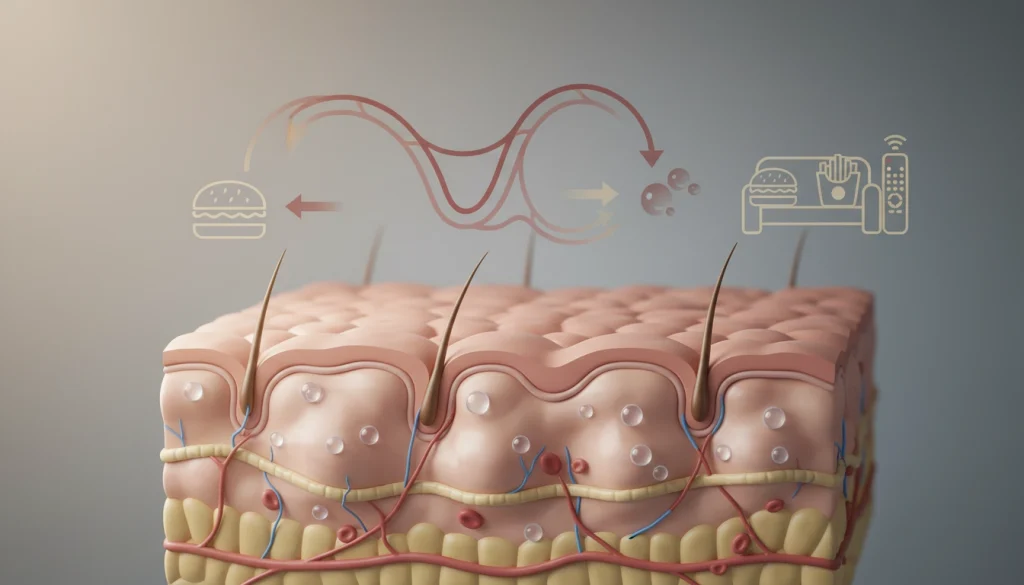
Understanding cellulite’s primary causes allows individuals to proactively prevent and reduce its severity. This involves maintaining a healthy lifestyle, managing hormonal imbalances, and being mindful of genetic predispositions.
Risk Factors That Increase Cellulite Visibility
Understanding the risk factors for cellulite can empower individuals to take steps to reduce its visibility. This condition is influenced by various physiological and lifestyle factors. By recognizing these, one can proactively manage its appearance.
Age-Related Changes
With age, the skin loses elasticity and thickness, making cellulite more noticeable. The structure of fat cells and connective tissue also changes. These changes contribute to the dimpled look of cellulite.
Gender Differences
Women are more likely to have cellulite due to differences in fat distribution, hormone levels, and connective tissue. Knowing these gender differences is key to developing effective management strategies.
Weight Fluctuations
Weight changes can impact cellulite visibility by altering fat cell size and distribution. Staying at a stable weight through a balanced diet and exercise can help reduce cellulite’s appearance.
Professional Medical Treatments for Cellulite
Cellulite treatment has seen significant progress with the advent of professional medical therapies. These treatments offer effective solutions for those looking to reduce cellulite and achieve smoother skin.
Laser and Radiofrequency Therapies
Laser and radiofrequency therapies are among the most sought-after medical treatments for cellulite. These non-surgical procedures heat the tissue beneath the skin. This stimulates collagen production and improves skin texture.
Cellulaze and Cellfina
Cellulaze targets the underlying fat and connective tissue with laser technology. Cellfina, on the other hand, is a minimally invasive procedure that releases fibrous bands causing dimpling. Both have shown promising results in reducing cellulite appearance.
ThermiSmooth and Venus Legacy
ThermiSmooth and Venus Legacy use radiofrequency to stimulate collagen production and enhance skin elasticity. These treatments are often combined with other therapies for better results.
Subcision and Injectable Treatments
Subcision involves releasing fibrous bands causing cellulite dimpling. Injectable treatments aim to improve skin texture and reduce cellulite appearance. These can be used alone or with other therapies.
Effectiveness and Cost Considerations
The effectiveness of these treatments varies based on individual factors, including cellulite severity and overall health. Cost is also a significant factor, with prices ranging from a few hundred to several thousand dollars.
It’s essential to consult with a dermatologist or healthcare professional. They can help determine the best treatment and discuss costs.
Non-Invasive Clinical Procedures
Non-invasive clinical procedures are a promising solution for those looking to reduce cellulite. They are effective without the need for surgery. This makes them appealing for those who want to avoid long recovery times and risks of invasive methods.
Acoustic Wave Therapy
Acoustic wave therapy uses sound waves to stimulate collagen, improve circulation, and break down fat cells. This reduces cellulite appearance. Treatments last 20-30 minutes and are given over several sessions.
- Stimulates collagen production
- Improves circulation
- Breaks down fat cells
Vacuum-Assisted Treatments
Vacuum-assisted treatments use a device to apply negative pressure to the skin. This enhances blood flow and breaks down fat cells. It improves skin texture and reduces cellulite visibility.
Massage-Based Techniques
Massage-based techniques, including manual and mechanical massage, improve circulation and reduce fluid retention. They break down fat cells. Regular massage therapy can lead to smoother skin and less cellulite.
- Improves circulation
- Reduces fluid retention
- Breaks down fat cells
These non-invasive procedures offer many benefits for those seeking to reduce cellulite. Understanding the options available helps individuals make informed decisions about their treatment.
Topical Products and Their Efficacy
The search for smoother skin has driven the creation of various creams and serums for cellulite. These products aim to enhance skin texture and diminish dimpling. While results can differ, some ingredients have shown positive outcomes in clinical trials.
Retinol and Caffeine-Based Creams
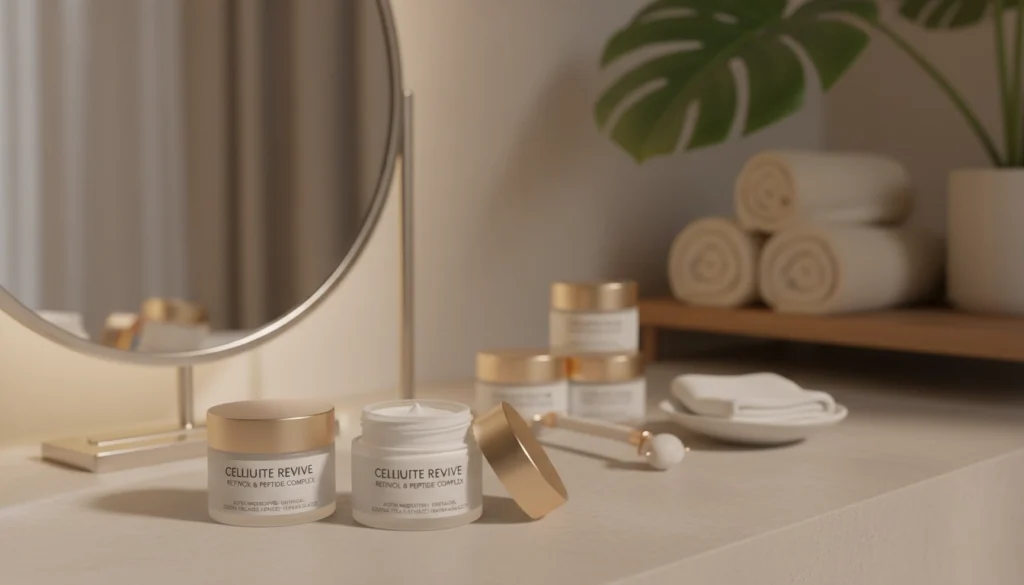
Retinol, a vitamin A derivative, is found in many anti-aging products and is being studied for cellulite treatment. It’s thought to thicken the skin and boost collagen, reducing cellulite’s visibility. Caffeine creams are also popular, as caffeine helps reduce fluid retention and enhances blood flow. Yet, their effectiveness can vary based on individual skin types and conditions.
Aminophylline and Other Active Ingredients
Aminophylline is another ingredient being researched for cellulite treatment. It’s believed to improve blood circulation and break down fat cells. Though its effectiveness is under investigation, other ingredients like peptides and antioxidants are also being studied. They aim to improve skin health and reduce cellulite’s appearance.
Natural Remedies for Reducing Cellulite
Looking for alternatives to medical treatments? Natural remedies can be effective in reducing cellulite. They focus on improving skin texture and minimizing dimpling.
Dry Brushing and Massage Techniques
Dry brushing is a simple technique that involves brushing the skin with a dry brush. It improves circulation and removes dead skin cells. Regular use can reduce cellulite by boosting blood flow.
Massage techniques, including manual and self-massage, are also beneficial. They help break down fat cells and enhance lymphatic drainage.
Essential Oils and Homemade Treatments
Essential oils like grapefruit and rosemary are believed to reduce cellulite. They can be used in massage or added to bath water. Homemade treatments, such as coffee scrubs and apple cider vinegar applications, are also popular.
Coffee Scrubs
Coffee scrubs combine coffee grounds with a carrier oil. The caffeine in coffee is thought to improve circulation and break down fat cells. This reduces cellulite appearance.
Apple Cider Vinegar Applications
Apple cider vinegar is believed to detoxify the body and improve circulation. It can be applied topically or consumed orally. For topical use, it’s mixed with water and applied to affected areas.
For more information on professional treatments, visit Acibadem International for regional slimming and cellulite treatment options.
Dietary Changes That Combat Cellulite
A well-balanced diet is key in fighting cellulite. Choosing the right foods can greatly affect its look. By adding certain nutrients, you can lessen cellulite’s visibility and enhance skin health.
Anti-Inflammatory Foods
Eating anti-inflammatory foods can combat cellulite by boosting circulation and breaking down fat cells. Omega-3 rich foods like salmon and walnuts are great. Berries, leafy greens, and other fruits and veggies are also packed with antioxidants. These help fight inflammation and promote better skin.
Hydration and Its Impact
Drinking enough water is vital for healthy skin and reducing cellulite. It helps remove toxins, enhances circulation, and keeps skin hydrated. Aim for at least eight glasses of water daily to reduce cellulite’s visibility.
Foods to Avoid
Some foods can worsen cellulite, so it’s important to limit them. Avoid processed, high-sodium, and sugary foods as they cause inflammation and water retention. Cutting down on these can help manage cellulite.
Exercise Strategies to Minimize Cellulite
To combat cellulite, a consistent exercise routine is key. Exercise boosts circulation and strengthens connective tissue. It also enhances skin appearance.
Strength Training for Cellulite Reduction
Strength training is critical in reducing cellulite. It builds muscle, improving skin tone and texture. This makes the skin look smoother and more even. Focus on exercises for the thighs and glutes, areas prone to cellulite.
Cardiovascular Exercise Benefits
Cardio exercises like running, cycling, or swimming boost circulation and burn fat. Regular cardio workouts enhance blood flow and break down fat cells. This reduces cellulite appearance. For more on weight loss through exercise, visit regional weight loss programs.
Targeted Workouts for Problem Areas
Targeted exercises can greatly improve cellulite-affected areas. They tone muscles under the skin, reducing dimpling.
Thigh and Glute Exercises
Squats, lunges, and leg presses are great for strengthening thighs and glutes. These areas are often hit by cellulite.
Core and Lower Body Circuits
Adding core and lower body circuits to your routine tones muscles and boosts circulation. This further reduces cellulite appearance.
Lifestyle Modifications for Long-Term Management
Making certain lifestyle changes can greatly affect how cellulite looks and is managed. By adding these adjustments to your daily life, you might see less cellulite and better skin health.
Stress Reduction Techniques
High stress can make cellulite worse by upsetting hormone levels and causing inflammation. Activities like yoga, meditation, or deep breathing can help reduce stress. Also, exercises that relax, like tai chi, can lower stress levels.

Sleep Quality and Cellulite Connection
Sleep is key to overall health, including skin health. Poor sleep can increase inflammation and disrupt hormones, making cellulite worse. Getting enough sleep and keeping a regular sleep schedule can help manage cellulite.
Common Myths About Cellulite Debunked
Cellulite myths are widespread, and it’s time to clear up the confusion. This condition affects a large number of people, yet it’s often misunderstood. By debunking these myths, we can better understand cellulite and find effective treatments.
Weight Loss and Cellulite Misconceptions
Many believe that losing weight will get rid of cellulite. While weight loss can make cellulite less noticeable, it doesn’t cure it. The condition is more complex, involving skin and tissue structure.
Another myth is that only overweight people have cellulite. But cellulite can affect anyone, regardless of weight. Factors like genetics, hormonal changes, and lifestyle play a role.
Ineffective Treatments to Avoid
Not all treatments for cellulite are effective. Some creams and lotions make false promises. It’s important to be wary of treatments that claim to completely eliminate cellulite.
Look for treatments backed by science instead. This includes professional medical treatments, lifestyle changes, and topical products with solid research behind them.
The Psychological Impact of Cellulite
Understanding the psychological impact of cellulite is key to addressing its emotional and mental aspects. This common skin condition, marked by dimpling and uneven texture, affects many, mostly women. It’s vital to grasp its effects on mental health.
Body Image and Self-Esteem
Cellulite can deeply affect one’s body image and self-esteem. It can cause feelings of insecurity, low confidence, and a negative self-image. The impact on body image is significant, shaping how individuals see themselves and their overall well-being.
- Negative self-perception
- Reduced confidence in one’s appearance
- Avoidance of social situations due to feelings of embarrassment
Developing a Healthy Perspective
It’s essential to develop a healthy perspective on cellulite to lessen its psychological impact. Recognizing cellulite as a common condition, not a reflection of health or beauty, is critical. Strategies for a positive body image include:
- Focusing on overall health, not just appearance
- Practicing self-compassion and self-acceptance
- Engaging in activities that boost self-esteem and confidence
By adopting these strategies, individuals can strive for a more positive body image. This can help reduce the psychological distress caused by cellulite.
When to Consult a Dermatologist About Cellulite
Cellulite can be more than just a cosmetic issue, and knowing when to seek professional help is key. While many cases of cellulite are benign, certain signs may indicate an underlying health condition that requires medical attention.
Signs of Underlying Health Conditions
Some signs that may necessitate a dermatologist consultation include:
- Sudden or severe onset of cellulite
- Cellulite accompanied by pain or discomfort
- Presence of other skin conditions or lesions
These symptoms could be indicative of an underlying issue that needs to be addressed by a healthcare professional.
Finding the Right Specialist
When seeking a dermatologist for cellulite consultation, consider the following:
- Look for a board-certified dermatologist with experience in treating cellulite.
- Check for patient reviews and testimonials to gauge the dermatologist’s reputation.
- Ask about the range of treatments they offer and their approach to addressing cellulite.
Finding the right specialist can make a significant difference in effectively managing and treating cellulite.
The Future of Cellulite Research and Treatment
Our grasp of cellulite is growing, and so is the array of treatments available. New studies aim to create more effective, less invasive methods to tackle cellulite’s causes.
Genetics and hormones are set to become a focus in future research. This could lead to treatments tailored to individual needs. Technology, like advanced lasers and radiofrequency, will also be key in the fight against cellulite.
Combining these new technologies with current treatments, like acoustic wave therapy and creams, holds promise. This could bring about more lasting solutions for those battling cellulite. As research progresses, we can expect to see treatments that offer better, longer-lasting results.
FAQ
Q: What is cellulite and how is it formed?
A: Cellulite is a skin condition that makes the skin look dimpled, often on the thighs, hips, and buttocks. It happens when fat cells push through the connective tissue under the skin. This creates a dimpled or lumpy look.
Q: Can cellulite be completely eliminated?
A: There’s no surefire way to get rid of cellulite completely. But, many treatments can make it less noticeable. These include medical treatments, non-invasive procedures, creams, and changing your lifestyle.
Q: Are there any effective home remedies for reducing cellulite?
A: Yes, there are home remedies that can help with cellulite. Dry brushing, massage, and using essential oils are some options. You can also try homemade treatments like coffee scrubs and apple cider vinegar.
Q: How do dietary changes help combat cellulite?
A: Dietary changes can help fight cellulite. Eating foods that reduce inflammation, staying hydrated, and avoiding certain foods can make a difference.
Q: Can exercise help minimize cellulite?
A: Yes, exercise is key in reducing cellulite. Doing strength training, cardio, and workouts for specific areas can help.
Q: Are there any lifestyle modifications that can aid in the long-term management of cellulite?
A: Yes, making lifestyle changes can help manage cellulite long-term. Reducing stress and getting enough sleep are important. Understanding how lifestyle affects cellulite can help you make lasting changes.
Q: When should I consult a dermatologist about cellulite?
A: See a dermatologist if you notice health issues or are worried about cellulite. They can help find the best treatment for you.
Q: Are there any new developments in cellulite research and treatment?
A: Cellulite research and treatment are always evolving. New trends and discoveries are being made, giving hope for better managing cellulite.