Cerebral Palsy: What is Cerebral Palsy
Cerebral Palsy is a neurological disorder that impacts movement, muscle tone, and coordination. It is the most prevalent motor disability in childhood. Grasping this condition is vital for delivering the right care and support to those affected. The effects of Cerebral Palsy vary greatly among individuals. This makes it critical to dive into its causes, symptoms, diagnosis, and treatment options in depth.
This guide aims to offer a detailed understanding of Cerebral Palsy. It is designed to help caregivers and individuals manage the condition effectively. Cerebral Palsy is a complex neurological disorder that impacts movement, muscle tone, and coordination. It’s a common childhood disability, significantly affecting the quality of life for those with it. To grasp Cerebral Palsy, we must explore its definition, historical context, and the evolution of its diagnosis and treatment.
Definition and Basic Concepts
Cerebral Palsy affects movement, muscle tone, and posture. It’s usually diagnosed in early childhood, with severity ranging from mild to severe. The condition is not progressive, meaning it doesn’t worsen over time. Yet, symptoms can evolve as a child grows.
Historical Context and Evolution of Understanding
The understanding of Cerebral Palsy has grown over the centuries. Initially, William Little linked it to premature birth and difficult labor in the 19th century. Later, medical science revealed its complexity. Today, we recognize it as a condition influenced by genetics, environment, and lifestyle.
Causes of Cerebral Palsy
The etiology of cerebral palsy is complex, involving both congenital and acquired factors. Understanding these causes is essential for the development of effective prevention and intervention strategies.
Congenital Causes
Congenital causes of cerebral palsy refer to factors present at birth. These can significantly impact fetal development and lead to cerebral palsy.
Genetic Factors
Genetic factors play a significant role in the development of cerebral palsy. Research has identified several genetic mutations that can increase the risk of cerebral palsy.
Developmental Abnormalities
Developmental abnormalities during fetal development can also contribute to cerebral palsy. These abnormalities can result from various factors, including maternal infection or exposure to toxins.
Acquired Causes
Acquired causes of cerebral palsy occur after conception and can be related to events during birth or post-birth injuries and infections.
Birth Injuries
Birth injuries, such as those resulting from complications during delivery, can lead to cerebral palsy. These injuries can cause brain damage, affecting motor control and coordination.
Post-Birth Injuries and Infections
Injuries or infections occurring after birth can also result in cerebral palsy. Head trauma or severe infections like meningitis can damage the brain, leading to cerebral palsy symptoms.
Understanding the causes of cerebral palsy is vital for developing targeted interventions and support strategies for individuals affected by the condition.
Risk Factors for Developing Cerebral Palsy
Cerebral palsy risk factors are complex, involving maternal health, pregnancy complications, and birth-related issues. It’s vital to grasp these factors to pinpoint those at higher risk. This knowledge could help in reducing cerebral palsy incidence.
Maternal Health Factors
Maternal health significantly impacts cerebral palsy development. Infections during pregnancy, toxin exposure, and specific maternal health conditions can elevate risk. Ensuring good maternal health through prenatal care is key to reducing these risks.
Pregnancy Complications
Pregnancy complications, like preterm labor, multiple gestations, and placental issues, also raise cerebral palsy risk. Effective monitoring and management of these complications can help mitigate the risk.
Birth-Related Factors
Birth-related factors, including low birth weight and birth asphyxia, are major cerebral palsy risk factors. Despite neonatal care advancements, the risk is higher for infants with complicated births.
Healthcare providers can better identify at-risk children by understanding these risk factors. Early intervention strategies can then be implemented to enhance outcomes.
Types of Cerebral Palsy
Understanding the various types of Cerebral Palsy is key to creating effective treatment plans. Cerebral Palsy is categorized based on symptoms and the body parts affected. This classification aids in tailoring interventions to meet individual needs.
Spastic Cerebral Palsy
Spastic Cerebral Palsy is the most prevalent form. It is marked by increased muscle tone and stiffness. This condition hinders motor skills, making movement challenging.
Diplegia
Diplegia mainly impacts the legs, with minimal effects on arms and face. It often leads to difficulties in walking.
Hemiplegia
Hemiplegia affects one side of the body, either the left or right. It impacts the arm, leg, and sometimes the face on the affected side.
Quadriplegia
Quadriplegia affects both arms and legs, leading to significant impairment. It can also involve speech and other functions.
Dyskinetic Cerebral Palsy
Dyskinetic Cerebral Palsy is characterized by involuntary movements. These movements often affect the face, arms, and legs. It results in variable muscle tone.
Ataxic Cerebral Palsy
Ataxic Cerebral Palsy involves coordination and balance issues. Individuals with this type face challenges with precise movements.
Mixed Cerebral Palsy
Mixed Cerebral Palsy combines symptoms of different types, like spastic and dyskinetic Cerebral Palsy. It presents unique challenges for diagnosis and treatment.
Identifying the specific type of Cerebral Palsy is critical. It allows for the development of tailored interventions and support.
Signs and Symptoms of Cerebral Palsy
Understanding the signs and symptoms of Cerebral Palsy is key for early diagnosis and intervention. This condition affects people differently, making it vital to recognize its varied manifestations.
Early Signs in Infants
Infants with Cerebral Palsy may show early signs like developmental delays, abnormal muscle tone, and poor coordination. These signs can be subtle and may not be immediately apparent. Yet, they are critical indicators for further evaluation.
Some common early signs include:
- Delayed reaching or grabbing toys
- Abnormal posturing or stiffness
- Poor head control
Symptoms by Age Group
As children with Cerebral Palsy grow, their symptoms evolve and change. Understanding these age-related symptoms is essential for providing the right support.
Toddlers
Toddlers with Cerebral Palsy may struggle with walking, balance, and coordination. They may also face challenges with communication and feeding.
School-Age Children
School-age children with Cerebral Palsy may have trouble with fine motor skills, like writing or using scissors. They may also struggle with mobility and need assistive devices.
Adolescents and Adults
Adolescents and adults with Cerebral Palsy may face issues with independence, mobility, and social integration. They may need ongoing support and accommodations to navigate daily life.
Associated Conditions
People with Cerebral Palsy are at a higher risk for conditions like seizures, intellectual disabilities, and vision or hearing impairments. Recognizing these associated conditions is critical for complete care.
Early identification and management of these conditions can greatly improve the quality of life for individuals with Cerebral Palsy.
Diagnosis of Cerebral Palsy
Diagnosing cerebral palsy requires a detailed approach, including developmental screening and thorough medical evaluations. Early detection is key to starting the right interventions and support.
Developmental Screening
Developmental screening is a vital initial step to spot children at risk for cerebral palsy. Pediatricians employ standardized tools to gauge a child’s development. This includes motor skills, language, and cognitive abilities.
- Screening tools help identify developmental delays.
- Early identification allows for timely intervention.
- Regular screenings are essential for monitoring developmental progress.
Medical Evaluations
Comprehensive medical evaluations are vital to confirm cerebral palsy diagnosis. These evaluations include a detailed review of a child’s medical history, physical examination, and various diagnostic tests.
Neurological Assessment
A neurological assessment is a critical part of the diagnostic process. It evaluates a child’s neurological function, including muscle tone, reflexes, and coordination.
Motor Skills Assessment
An assessment of motor skills is also essential. It examines a child’s ability to perform movements, maintain posture, and coordinate actions.
Diagnostic Tests and Imaging
Diagnostic tests and imaging studies, like MRI, are used to support cerebral palsy diagnosis. These tests help identify any underlying brain abnormalities or injuries contributing to the condition.
- MRI scans provide detailed images of the brain.
- Other diagnostic tests may include EEG or cranial ultrasound.
- These tests help rule out other conditions with similar symptoms.
Treatment Approaches for Cerebral Palsy
The treatment of cerebral palsy requires a blend of medical management, surgical interventions, and assistive technology. This multi-faceted strategy is essential for managing symptoms, improving function, and boosting the quality of life for those with cerebral palsy.
Medical Management
Medical management is key in treating cerebral palsy, focusing on managing muscle tone and movement disorders. This can be achieved through various means, including medications and botulinum toxin therapy.
Medications
Medications are used to manage muscle spasticity, seizures, and other associated conditions. The type of medication and dosage depend on the individual’s specific needs and the severity of their condition.
Botulinum Toxin Therapy
Botulinum toxin injections are a common treatment for managing muscle spasticity. They work by temporarily relaxing the muscles, reducing stiffness and improving mobility.
Surgical Interventions
Surgical interventions may be necessary to correct orthopedic deformities, improve mobility, and reduce discomfort. Surgical procedures can range from soft tissue surgeries to bony realignments, depending on the individual’s needs.
Assistive Devices and Technology
Assistive devices and technology are vital in improving independence and quality of life for individuals with cerebral palsy. These can include mobility aids, communication devices, and adaptive equipment tailored to the individual’s specific needs.
Examples of assistive devices include wheelchairs, walkers, and orthotics. Technology, such as communication apps and smart home devices, can also significantly improve daily living and independence.
By combining medical management, surgical interventions, and assistive devices and technology, individuals with cerebral palsy can lead more active and fulfilling lives.
Therapeutic Interventions
Individuals with Cerebral Palsy greatly benefit from various therapeutic interventions. These efforts aim to enhance functional abilities, improve quality of life, and foster independence.
Physical Therapy
Physical therapy is a key component in managing Cerebral Palsy. It focuses on boosting mobility, strength, and flexibility. Physical therapists create customized exercise plans to improve gross motor skills like walking and balance.
- Improving muscle tone and reducing spasticity
- Enhancing mobility and locomotion
- Promoting overall physical fitness
Occupational Therapy
Occupational therapy is essential for individuals with Cerebral Palsy. It aids in developing daily living skills and adapting to the environment. Occupational therapists enhance fine motor skills, hand-eye coordination, and cognitive abilities.
- Developing strategies for daily living activities
- Improving fine motor skills and dexterity
- Adapting environments to enhance accessibility
Speech and Language Therapy
Speech and language therapy addresses communication challenges in Cerebral Palsy. Speech therapists focus on improving articulation, fluency, and language comprehension.
- Enhancing speech clarity and articulation
- Improving language understanding and expression
- Utilizing alternative communication methods when necessary
Alternative Therapies
Alternative therapies like hydrotherapy, hippotherapy, and conductive education can also benefit individuals with Cerebral Palsy. These approaches offer additional advantages and contribute to overall well-being.
A well-rounded therapeutic plan, combining these interventions, can greatly enhance the quality of life for those with Cerebral Palsy. Tailoring therapies to individual needs allows healthcare providers to help individuals reach their full capacity. This enables them to lead meaningful and fulfilling lives.
Educational Support for Children with Cerebral Palsy
Ensuring children with cerebral palsy receive the right educational support is key to their academic success. This support is customized to their unique needs, allowing them to fully engage in educational activities.
Individualized Education Plans
Individualized Education Plans (IEPs) are essential for outlining the educational goals and accommodations for children with cerebral palsy. Developed with input from parents, educators, and healthcare professionals, these plans offer a holistic approach to education.
Key components of an IEP include:
- Specific educational goals
- Accommodations and modifications
- Assessment and evaluation procedures
Inclusive Education Strategies
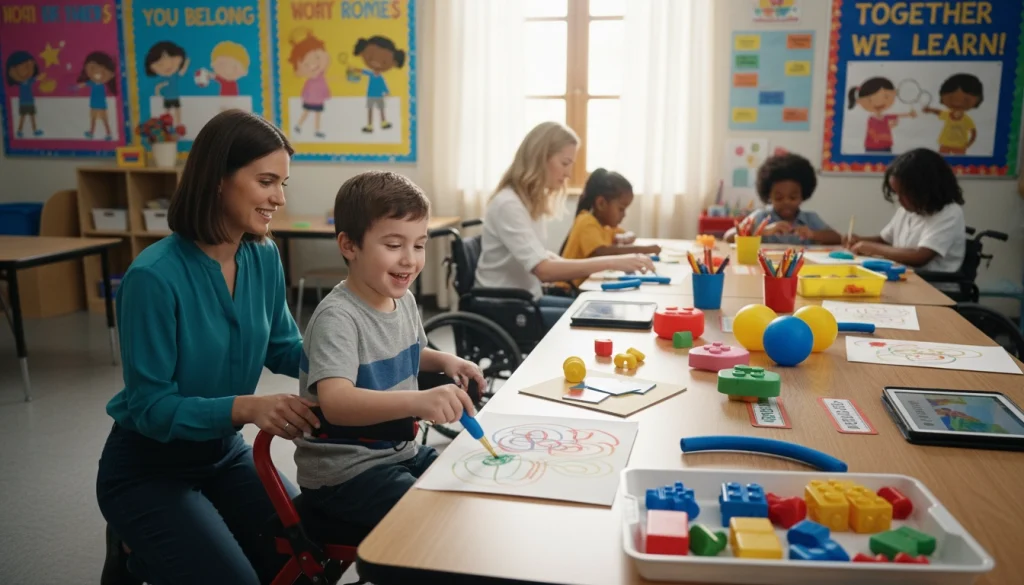
Inclusive education strategies are vital for creating a supportive learning environment. They ensure students with cerebral palsy can interact socially and engage academically.
Classroom Accommodations
Classroom accommodations are critical for the learning experience of children with cerebral palsy. Examples include:
- Adaptive seating arrangements
- Modified assignments
- Assistive technology integration
Assistive Learning Technologies
Assistive learning technologies greatly enhance the educational experience for children with cerebral palsy. These technologies include:
- Text-to-speech software
- Speech-generating devices
- Adaptive keyboards and mice
Living with Cerebral Palsy
For those with cerebral palsy, daily life is a continuous journey of adaptation and resilience. It involves finding effective support systems. This journey requires a holistic approach, covering daily living, social interactions, and long-term planning.
Daily Life Adaptations
Adapting to cerebral palsy means making significant changes in daily routines and environments. This includes home modifications, mobility solutions, and self-care strategies.
Home Modifications
Home modifications are key to enhance accessibility and safety. They can include installing ramps, widening doorways, and adapting bathrooms for easier use.
Mobility Solutions
Mobility solutions, like wheelchairs and walkers, are essential for improving mobility and independence. Selective dorsal rhizotomy (SDR) surgery can also help reduce spasticity and enhance mobility for some individuals.
Self-Care Strategies
Self-care is critical for individuals with cerebral palsy. It involves using techniques and tools to manage daily needs and maintain well-being.
Social and Emotional Considerations
Those with cerebral palsy often face unique social and emotional challenges. Building a supportive network of family, friends, and peers is essential for emotional well-being.
Transitioning to Adulthood
Transitioning to adulthood is a significant milestone for individuals with cerebral palsy. It requires careful planning for continued support and independence. This includes educational planning, vocational training, and accessing adult healthcare services.
By focusing on these aspects, individuals with cerebral palsy can lead fulfilling lives. They can achieve their full potentials despite the challenges they face.
Support Systems and Resources
For those living with Cerebral Palsy, a strong support network is key. It boosts their quality of life and offers essential guidance. Support systems and resources are vital in helping individuals and families deal with the condition’s complexities.
Family Support
Family support is fundamental for those with Cerebral Palsy. It provides emotional, physical, and financial aid. Families can gain from:
- Respite care services to give temporary relief to caregivers
- Support groups to connect with others facing similar challenges
- Counseling services to address emotional and psychological needs
Community Resources
Community resources are critical for extra support and services. They include:
- Recreational programs tailored for individuals with Cerebral Palsy
- Educational workshops on managing the condition and improving daily life
- Advocacy groups that promote awareness and rights for individuals with Cerebral Palsy
Financial Assistance Programs
Financial assistance programs can ease the economic strain of Cerebral Palsy. Available options include:
- Government benefits such as Medicaid and Supplemental Security Income (SSI)
- Non-profit organizations providing grants and financial aid
- Insurance coverage for medical treatments and therapies
By tapping into these support systems and resources, individuals with Cerebral Palsy and their families can manage the condition’s challenges. This improves their overall well-being.
Recent Advances in Cerebral Palsy Research
The field of Cerebral Palsy research is rapidly evolving, with emerging treatments and research directions showing promising results. As our understanding of Cerebral Palsy deepens, new avenues for treatment and management are being explored.
Emerging Treatments
One of the most significant emerging treatments for Cerebral Palsy is Selective Dorsal Rhizotomy (SDR), a surgical procedure that can reduce spasticity and improve mobility. Other emerging treatments include advanced physical therapy techniques and the use of assistive technology to enhance independence.

Promising Research Directions
Research into the genetic causes of Cerebral Palsy is ongoing, with promising directions in understanding the underlying mechanisms of the condition. Studies on stem cell therapy and other regenerative medicine approaches are being conducted. They aim to explore their full potentials in treating Cerebral Palsy.
Prevention Strategies
Cerebral palsy prevention requires a multifaceted approach, focusing on prenatal care and birth management. Understanding the causes of cerebral palsy helps expectant parents and healthcare providers take preventive measures. This can significantly reduce the risk.
Prenatal Care
Proper prenatal care is essential in preventing cerebral palsy. Regular check-ups with a healthcare provider can identify issues early. Key prenatal care aspects include:
- Regular ultrasounds to monitor fetal development
- Managing chronic health conditions, such as diabetes or hypertension
- Avoiding exposure to harmful substances, such as tobacco or alcohol
Good prenatal care helps expectant mothers avoid complications that could lead to cerebral palsy.
Reducing Birth Complications
Reducing birth complications is vital for cerebral palsy prevention. This can be achieved through:
- Monitoring fetal distress during labor
- Using assisted delivery techniques, such as forceps or vacuum extraction, judiciously
- Ensuring that medical staff are trained to handle emergencies during delivery
By implementing these strategies, healthcare providers can lower the risk of birth complications linked to cerebral palsy.
Moving Forward: Hope and Resilience in Cerebral Palsy
Those with Cerebral Palsy and their families face numerous hurdles. Yet, a growing sense of hope and resilience is emerging. Advances in medical treatments, therapies, and support systems have significantly improved their lives.
The foundation of Cerebral Palsy hope lies in the progress toward understanding and treating the condition. Research into new therapies and technologies holds great promise. It aims to enhance the lives of those affected.
Resilience defines the Cerebral Palsy community, with many showing courage and determination in the face of challenges. Creating a supportive environment and promoting inclusivity is key. This helps individuals with Cerebral Palsy lead meaningful lives.
Looking ahead, it’s vital to keep investing in research, education, and support services. This commitment will pave the way for a brighter future. A future filled with hope and opportunities for individuals with Cerebral Palsy and their families.
FAQ
Q: What is Cerebral Palsy?
A: Cerebral Palsy is a neurological disorder that impacts movement, muscle tone, and coordination. It’s the most prevalent motor disability in childhood.
Q: What are the main types of Cerebral Palsy?
A: The main types include Spastic, Dyskinetic, Ataxic, and Mixed Cerebral Palsy.
Q: What causes Cerebral Palsy?
A: Cerebral Palsy can stem from congenital and acquired causes. These include genetic predispositions, developmental abnormalities, birth injuries, and post-birth injuries or infections.
Q: How is Cerebral Palsy diagnosed?
A: Diagnosing Cerebral Palsy requires a combination of developmental screening and medical evaluations. It also involves neurological and motor skills assessments, along with diagnostic tests and imaging studies.
Q: What are the treatment approaches for Cerebral Palsy?
A: Treatment for Cerebral Palsy is multifaceted. It includes medical management, surgical interventions, and the use of assistive devices and technology.
Q: What therapeutic interventions are available for Cerebral Palsy?
A: Therapeutic interventions include physical therapy, occupational therapy, speech and language therapy, and alternative therapies like hydrotherapy.
Q: How can educational support help children with Cerebral Palsy?
A: Children with Cerebral Palsy need tailored educational support. This includes Individualized Education Plans (IEPs), inclusive education strategies, classroom accommodations, and assistive learning technologies.
Q: What are the daily life adaptations for individuals with Cerebral Palsy?
A: Daily life adaptations may include home modifications, mobility solutions, and self-care strategies. These aim to enhance independence and quality of life.
Q: What support systems and resources are available for individuals with Cerebral Palsy?
A: Support systems and resources include family support, community resources, and financial assistance programs. These provide necessary aid and guidance.
Q: Are there any recent advances in Cerebral Palsy research?
A: Yes, research into Cerebral Palsy is ongoing. Emerging treatments and promising research directions offer new hope for improved outcomes.
Q: How can Cerebral Palsy be prevented?
A: Preventing Cerebral Palsy involves prenatal care and reducing birth complications. Monitoring fetal distress can help minimize risks.