Chemotherapy Side Effects: Understanding Chemotherapy and How It Works
Understanding the possible outcomes of medical treatments is vital for patients and their families. In the context of cancer treatment, being informed about what to expect can greatly enhance the experience. This knowledge can significantly impact how patients cope with their treatment. Cancer patients often encounter numerous challenges during their treatment. The effects of treatment can differ greatly from one person to another. Being aware of these possible outcomes can help manage expectations and improve overall well-being. This article aims to provide a detailed overview of treatment-related issues. It aims to empower patients to better navigate their care journey.
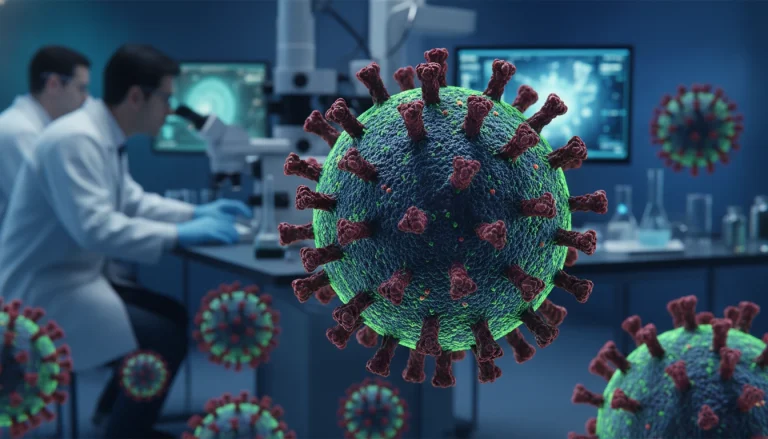
Grasping the mechanism of chemotherapy is vital for those facing cancer treatment. This systemic approach employs drugs to target and eliminate cancer cells across the body.
The Purpose of Chemotherapy in Cancer Treatment
Chemotherapy aims to destroy cancer cells, reducing tumors, preventing cancer spread, and easing symptoms. It’s commonly paired with surgery and radiation therapy for enhanced effectiveness.
How Chemotherapy Targets Cancer Cells
Chemotherapy zeroes in on rapidly growing cells, like cancer cells. The drugs disrupt these cells’ growth and division, causing their demise.
Why Side Effects Occur During Treatment
Though effective against cancer, chemotherapy can harm healthy cells, causing side effects. Symptoms include nausea, fatigue, and hair loss, influenced by the treatment’s type and dosage.
Understanding chemotherapy’s workings and its side effects helps patients prepare for treatment. It also aids in symptom management.
Common Chemotherapy Side Effects
Patients undergoing chemotherapy often face a variety of side effects that can greatly impact their quality of life. Chemotherapy targets rapidly dividing cancer cells but also affects healthy cells. This leads to a range of side effects.
Nausea and Vomiting
Nausea and vomiting are among the most feared side effects of chemotherapy. These symptoms can vary from mild to severe. They can significantly affect a patient’s nutritional status and overall well-being.
Immediate vs. Delayed Nausea
Nausea can occur immediately after treatment or days later. Understanding when nausea happens can help in managing it more effectively.
Prevention Strategies
Prevention is key. Strategies include dietary changes, such as eating small, frequent meals. Anti-nausea medications prescribed by healthcare providers are also important.
Fatigue and Weakness
Fatigue is a common side effect, characterized by persistent tiredness or weakness that doesn’t improve with rest. It’s caused by the treatment itself, anemia, or emotional distress.
Hair Loss (Alopecia)
Hair loss is a visible and often distressing side effect. It occurs because chemotherapy targets rapidly dividing cells, including hair follicles. The extent of hair loss varies depending on the type and dose of chemotherapy.
Changes in Appetite and Weight
Chemotherapy can lead to changes in appetite and weight. Some patients experience increased appetite, while others may have a decreased desire to eat. This can be due to nausea, changes in taste, or other factors.
Common issues include:
- Taste alterations making food less appealing
- Nausea and vomiting
- Difficulty swallowing or mouth sores
- Early satiety or feeling full quickly
Managing these side effects requires a holistic approach. This includes dietary adjustments, medication, and sometimes, nutritional supplements.
Digestive System Side Effects
Chemotherapy often leads to digestive issues, affecting patients’ quality of life. These side effects can vary in severity and impact different parts of the digestive system.

Mouth Sores and Oral Complications
Mouth sores, or mucositis, are a common side effect of chemotherapy. These sores can be painful and may become infected, making eating and drinking uncomfortable. It’s essential to maintain good oral hygiene. This includes gentle brushing with a soft-bristled toothbrush, using a mild mouthwash, and avoiding spicy or sharp foods.
- Rinse your mouth with a saltwater solution several times a day.
- Use a topical anesthetic to relieve pain before eating.
- Avoid tobacco products and alcohol.
Constipation and Diarrhea
Chemotherapy can cause changes in bowel movements, leading to either constipation or diarrhea. Constipation is characterized by hard stools or difficulty passing stools, while diarrhea involves loose, watery stools. Managing these issues involves dietary adjustments and, in some cases, medication.
To manage constipation, increase fiber intake, drink plenty of fluids, and engage in physical activity. For diarrhea, staying hydrated is key, and avoiding high-fiber foods may help reduce symptoms.
Changes in Taste and Smell
Chemotherapy can alter the way food tastes and smells, affecting appetite and nutrition. Some patients experience a metallic taste, while others may find foods taste bland or differently. Experimenting with different seasonings and cooking methods can help make food more appealing.
Choosing foods that are high in protein and calories can also help maintain nutrition. It’s also helpful to avoid foods with strong odors and to eat foods cold or at room temperature to reduce smell-related discomfort.
Blood-Related Side Effects
Chemotherapy can significantly impact the blood cells in the body, leading to various side effects. Blood cells, including white blood cells, red blood cells, and platelets, play critical roles. They fight infection, carry oxygen, and clot blood, respectively.
Low White Blood Cell Count (Neutropenia)
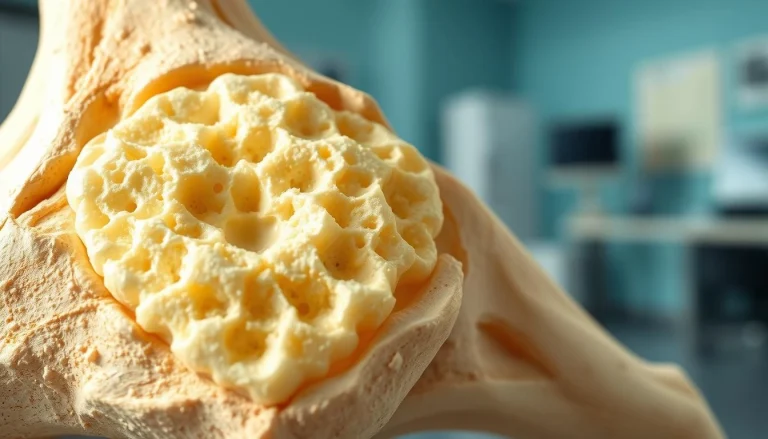
Neutropenia is a condition characterized by a low count of neutrophils, a type of white blood cell important for fighting infections. Chemotherapy can cause neutropenia by damaging the bone marrow where these cells are produced.
Infection Risk and Prevention
Patients with neutropenia are at a higher risk of developing infections. Preventive measures include practicing good hygiene, avoiding close contact with people who are sick, and potentially taking medications to boost white blood cell counts.
Monitoring Blood Counts
Regular monitoring of blood counts is essential during chemotherapy. This helps in early detection of neutropenia and other blood-related side effects, allowing for timely intervention.
Anemia and Low Red Blood Cell Count
Anemia occurs when the body has a lower than normal number of red blood cells or the red blood cells do not have enough hemoglobin. Chemotherapy can cause anemia by reducing the production of red blood cells in the bone marrow.
Symptoms of anemia include fatigue, weakness, and shortness of breath. Treatment may involve medications that stimulate red blood cell production or blood transfusions.
Bleeding and Bruising Issues
Chemotherapy can also affect platelets, leading to thrombocytopenia (low platelet count). This condition increases the risk of bleeding and bruising. Precautions include avoiding activities that may cause injury and being careful when handling sharp objects.
Neurological Side Effects
Chemotherapy can impact the nervous system, leading to various neurological side effects. These can be distressing and affect a patient’s quality of life during treatment.
Peripheral Neuropathy
Peripheral neuropathy is a common side effect of chemotherapy, caused by damage to peripheral nerves. Symptoms include numbness, tingling, and pain in the hands and feet. For more information on managing such side effects, patients can refer to resources like specialized cancer treatment centers.
Cognitive Changes (“Chemo Brain”)
Cognitive changes, often called “chemo brain,” can occur during or after chemotherapy. Symptoms include memory problems, difficulty concentrating, and confusion. These changes can be temporary or, in some cases, persist long after treatment has ended.
Headaches and Dizziness
Headaches and dizziness are other neurological side effects patients may experience. These symptoms can be managed with appropriate medical care and lifestyle adjustments. It’s essential for patients to discuss their symptoms with their healthcare provider to receive proper guidance and support.
Emotional and Psychological Impact
The journey through chemotherapy is more than just fighting cancer. It involves navigating emotional and psychological challenges. Chemotherapy patients often experience a range of emotional changes that impact their quality of life.
Anxiety and Depression During Treatment
Anxiety and depression are common among those undergoing chemotherapy. The uncertainty of treatment outcomes and physical discomfort from side effects can cause anxiety. Depression can also occur as patients adjust to a new lifestyle and face the unknown.
It’s vital for patients to acknowledge these feelings and seek support. Healthcare providers can offer counseling or medication to manage anxiety and depression.

Sleep Disturbances
Sleep disturbances are a challenge for chemotherapy patients. Discomfort, anxiety, and medication side effects can disrupt sleep. Creating a relaxing bedtime routine and a comfortable sleep environment can help.
Coping with Emotional Changes
Coping with emotional changes during chemotherapy requires a multifaceted approach. Support groups, counseling, and stress management techniques like meditation and yoga can offer relief. Staying connected with family and friends is also key in managing emotional changes.
By recognizing the emotional and psychological impact of chemotherapy, patients can better navigate their treatment journey. This improves their overall well-being.
Different Types of Chemotherapy and Their Specific Side Effects
It’s vital to grasp the various chemotherapy types to manage their side effects. Chemotherapy is a wide term for treatments against cancer. Each type has its own way of working and side effects.
Alkylating Agents
Alkylating agents attach an alkyl group to cancer cells’ DNA, hindering their replication. Common agents include cyclophosphamide and chlorambucil. Side effects include nausea, hair loss, and a heightened infection risk.
Antimetabolites
Antimetabolites disrupt DNA and RNA production in cancer cells. Examples are 5-fluorouracil and methotrexate. Side effects include mouth sores, diarrhea, and fatigue.
Plant Alkaloids and Terpenoids
Plant alkaloids and terpenoids, derived from plants, disrupt cancer cell division. Vinblastine and paclitaxel are examples. Side effects include peripheral neuropathy, hair loss, and constipation.
Targeted Therapy Side Effects
Targeted therapy is a newer approach, using drugs to target cancer growth molecules. Trastuzumab and imatinib are examples. Though often with fewer side effects, targeted therapy can cause skin rash, diarrhea, and liver issues.
In summary, knowing the different chemotherapy types and their side effects is key for effective management. Understanding what to expect helps patients face chemotherapy’s challenges more confidently.
Long-Term and Late-Appearing Chemotherapy Side Effects
The journey through chemotherapy doesn’t end with the completion of treatment; patients often face long-term and late-appearing side effects. These effects can vary widely among individuals and depend on several factors, including the type of chemotherapy, dosage, and individual patient characteristics.
Fertility Issues and Reproductive Health
Chemotherapy can impact fertility in both men and women. The extent of this impact depends on the type and dose of chemotherapy, as well as the patient’s age.
Fertility Preservation Options
Before undergoing chemotherapy, patients concerned about fertility should discuss preservation options with their healthcare provider. These options may include sperm banking for men and egg freezing for women.
Post-Treatment Family Planning
For those who wish to have children after chemotherapy, it’s essential to discuss family planning with their healthcare provider. Some chemotherapy treatments can affect the health of future pregnancies.
Heart and Lung Complications
Chemotherapy can lead to heart and lung complications, including conditions such as heart failure and pulmonary fibrosis. Regular monitoring by a healthcare provider is critical to manage these risks.
- Regular check-ups with a cardiologist for heart-related issues
- Pulmonary function tests to monitor lung health
- Lifestyle adjustments to reduce cardiovascular risk
Secondary Cancers
One of the most significant long-term risks of chemotherapy is the development of secondary cancers. Certain chemotherapy agents can damage DNA, leading to new cancers.
Understanding these long-term and late-appearing side effects is critical for patients undergoing chemotherapy. By being aware of the risks and taking proactive steps, patients can better manage their health post-treatment.
Managing Chemotherapy Side Effects at Home
Managing chemotherapy side effects at home demands a holistic strategy. This includes making dietary changes, getting enough rest, and focusing on personal care. By making informed decisions, patients can reduce the discomforts linked to chemotherapy.
Dietary Adjustments to Reduce Symptoms
Diet is key in managing chemotherapy side effects. Consuming small, frequent meals can lessen nausea and vomiting. Foods rich in protein and calories help maintain energy. It’s wise to steer clear of spicy or fatty foods, as they can upset the stomach.
Hydration is also critical. Drinking plenty of fluids, like water, clear broths, or electrolyte-rich drinks, is essential. Avoid caffeinated and carbonated beverages to reduce discomfort.
Rest and Activity Balance
Striking a balance between rest and activity is essential during chemotherapy. While rest aids in recovery, too much can cause fatigue and mobility issues. Gentle exercises, like yoga or short walks, can help preserve strength and flexibility.
It’s important to listen to one’s body and adjust activities as needed. Creating a daily routine that includes both rest and gentle activities helps maintain a sense of normalcy.
Personal Care During Treatment
Personal care is a critical aspect of managing chemotherapy side effects. It involves taking care of one’s skin, nails, and oral hygiene.
Skin and Nail Care
Chemotherapy can make the skin dry and sensitive. Using gentle, fragrance-free cleansers and moisturizers can help. For nail care, keep nails trimmed and avoid harsh chemicals or excessive water exposure.
Oral Hygiene
Good oral hygiene is vital during chemotherapy. Brush teeth gently with a soft-bristled toothbrush and use a mild mouthwash to prevent infections. Regular dental check-ups are also recommended.
Medications and Treatments for Side Effect Relief
Several medications and treatments are available to alleviate the side effects associated with chemotherapy. Chemotherapy patients often require a multi-faceted approach to manage their symptoms effectively.
Anti-Nausea and Anti-Vomiting Medications
Nausea and vomiting are common side effects of chemotherapy, but anti-nausea medications can provide significant relief. Some of the commonly used anti-nausea medications include:
- Ondansetron (Zofran)
- Granisetron (Kytril)
- Dolasetron (Anzemet)
These medications work by blocking the action of serotonin, a natural substance that may cause nausea and vomiting.
Pain Management Options
Pain management is a critical aspect of chemotherapy care. Various options are available, including:
- Nonsteroidal anti-inflammatory drugs (NSAIDs) like ibuprofen
- Opioids for more severe pain
- Adjuvant therapies such as nerve blocks or corticosteroids
Effective pain management can significantly improve a patient’s quality of life during chemotherapy.
Growth Factors for Blood Cell Production
Chemotherapy can affect the bone marrow’s ability to produce blood cells, leading to conditions like neutropenia. Growth factors can stimulate the bone marrow to produce more blood cells. Examples include:
- Filgrastim (Neupogen) to stimulate white blood cell production
- Epoetin alfa (Epogen) to stimulate red blood cell production
These treatments can help reduce the risk of infections and anemia associated with chemotherapy.
When to Contact Your Healthcare Provider
Knowing when to contact your healthcare provider is key during chemotherapy. Chemotherapy can cause various side effects, some needing immediate medical care. Recognizing the signs that require a call to your healthcare provider is vital for effective treatment management.
Emergency Warning Signs
Certain symptoms signal serious complications needing immediate attention. These emergency warning signs include:
- Severe allergic reactions, such as difficulty breathing or swelling of the face and throat
- High fever (usually over 100.4°F or 38°C)
- Severe pain or difficulty swallowing
- Signs of infection, such as redness, swelling, or pus at the site of a wound or catheter
- Bleeding that doesn’t stop
If you experience any of these symptoms, it’s critical to contact your healthcare provider immediately or seek emergency care.
Tracking and Reporting Side Effects
Keeping a record of your side effects is essential. It helps your healthcare provider understand your experience and adjust your treatment plan as needed. Here are some tips for tracking and reporting side effects:
- Maintain a daily log of your symptoms, including their severity and any factors that seem to trigger or relieve them.
- Note any medications you’re taking, including dosages and any side effects you experience.
- Share your log with your healthcare provider during your appointments to ensure you’re both on the same page regarding your treatment.
By being proactive and communicative about your side effects, you can work together with your healthcare provider to manage your treatment more effectively.
Support Resources for Chemotherapy Patients
Support resources are vital for chemotherapy patients, aiding in emotional, financial, and practical ways. They significantly impact the patient’s journey, making a real difference.

Cancer Support Groups and Communities
Cancer support groups offer a safe space for patients to share their experiences. They receive emotional support and connect with others facing similar challenges. These groups exist in local communities, online, or through cancer organizations.
Many are led by professionals, providing valuable information. They help manage treatment side effects, emotional changes, and navigating the healthcare system.
Financial Assistance Programs
Chemotherapy can be costly, and financial assistance programs help alleviate this burden. They cover medication costs, transportation to treatment, and other expenses.
Patients can find financial assistance through their healthcare provider, cancer organizations, or non-profit groups focused on cancer support.
Caregiver Support and Resources
Caregivers are essential in supporting chemotherapy patients, and they need support too. Caregiver support groups, counseling services, and educational resources help manage their responsibilities. They cope with the emotional and practical demands of caregiving.
Supporting caregivers indirectly benefits the patients they care for. It enhances the overall care experience.
Complementary Therapies for Side Effect Management
Complementary therapies offer a significant role in managing chemotherapy side effects, alongside traditional treatments. These approaches aim to enhance patients’ quality of life by reducing symptoms and boosting overall well-being.
Acupuncture and Massage
Acupuncture and massage are gaining recognition for their benefits in managing chemotherapy side effects. Acupuncture involves the precise insertion of fine needles into specific body points to stimulate healing and pain relief. Massage therapy, by contrast, manipulates soft tissues to promote relaxation and reduce muscle tension.
- Acupuncture can help alleviate nausea and pain.
- Massage therapy can reduce anxiety and improve sleep quality.
- Both therapies can enhance overall physical and emotional well-being.
Meditation and Relaxation Techniques
Meditation and relaxation techniques are invaluable for managing the emotional and psychological impact of chemotherapy. These practices help patients achieve a state of calm, reducing stress.
- Meditation involves focusing the mind to achieve relaxation.
- Relaxation techniques, such as deep breathing, can reduce anxiety.
- Regular practice can improve emotional resilience and overall mental health.
Herbal Remedies and Precautions
Herbal remedies are often considered by patients as a complementary approach to managing chemotherapy side effects. It is, though, essential to consult with healthcare providers before using any herbal remedies to avoid interactions with conventional treatments.
- Some herbal remedies may interact with chemotherapy drugs.
- Healthcare providers can offer guidance on safe usage.
- Patients should disclose all herbal remedies they are using to their healthcare team.
Life After Chemotherapy: Recovery and Moving Forward
Completing chemotherapy marks a significant milestone in the cancer journey. As patients transition to life after chemotherapy, they enter a recovery phase. This phase can be both challenging and hopeful. Understanding what to expect during this period is key to navigating the post-treatment phase effectively.
Recovery from chemotherapy involves physical and emotional healing. Patients may face lingering side effects, such as fatigue, neuropathy, or cognitive changes. These can impact daily life. Yet, with time, many of these side effects subside, allowing individuals to regain their strength and return to normal activities.
Cancer survivorship is a journey that requires ongoing support and care. Regular follow-up appointments with healthcare providers are essential. They help monitor health and address any concerns. Embracing a healthy lifestyle, including a balanced diet and regular exercise, aids in the recovery process. It also enhances overall well-being.
As individuals move forward, they often find new meaning and purpose in life after chemotherapy. By leveraging support resources, such as cancer support groups and communities, survivors can connect with others. This fosters a sense of community and resilience.
FAQ About Chemotherapy Side Effects
Q: What are the most common side effects of chemotherapy?
A: Common side effects include nausea, fatigue, hair loss, and changes in appetite. These can vary depending on the type of chemotherapy and individual patient factors.
Q: How can I manage nausea and vomiting during chemotherapy?
A: Anti-nausea medications, dietary adjustments, and relaxation techniques can help manage nausea and vomiting. It’s essential to discuss these options with your healthcare provider.
Q: Will I definitely lose my hair during chemotherapy?
A: Hair loss is a common side effect, but not all chemotherapy drugs cause it. The likelihood of hair loss depends on the type and dose of chemotherapy.
Q: How can I cope with the emotional impact of chemotherapy?
A: Cancer support groups, counseling, and stress management techniques like meditation and relaxation can help cope with the emotional changes during chemotherapy.
Q: Are there any long-term side effects of chemotherapy?
A: Yes, some patients may experience long-term side effects, including fertility issues, heart and lung complications, and secondary cancers. Regular follow-up with your healthcare provider is essential.
Q: Can I continue to work or engage in daily activities during chemotherapy?
A: Many patients can continue to work or engage in daily activities, but it’s essential to balance rest and activity to manage fatigue and other side effects.
Q: What are the emergency warning signs that I should watch out for during chemotherapy?
A: Emergency warning signs include severe infection symptoms, uncontrolled bleeding, severe allergic reactions, and difficulty breathing. If you experience any of these, contact your healthcare provider immediately.
Q: Are there any complementary therapies that can help manage chemotherapy side effects?
A: Yes, therapies like acupuncture, massage, and meditation can help alleviate some side effects. It’s vital to discuss these options with your healthcare provider before starting.
Q: How can I preserve my fertility during chemotherapy?
A: Fertility preservation options include egg or sperm freezing, and discussing these options with your healthcare provider or a fertility specialist before starting chemotherapy is recommended.
Q: What kind of support is available for caregivers during chemotherapy?
A: Caregiver support includes counseling, support groups, and resources for managing the caregiving role. Many cancer organizations offer these services.