Chin Retrusion: The Anatomy of the Chin and Jawline
A facial condition characterized by a receding lower jawbone, chin retrusion affects not only the aesthetic appearance but sometimes the functionality of the chin. This condition can result from various factors, including genetic predispositions, injuries, or developmental issues. Diagnosing chin retrusion involves a thorough assessment by a healthcare professional. Fortunately, several treatment options are available. These range from surgical interventions to non-invasive procedures. They aim to improve both the appearance and function of the chin.
Understanding Chin Retrusion
To grasp chin retrusion, we must explore its definition, clinical presentation, and how common it is. This condition impacts the alignment and look of the chin against other facial features.
Definition and Clinical Presentation
Chin retrusion is marked by a chin that’s underdeveloped or set back from the face’s normal plane. It can stem from genetics, developmental problems, or injuries.
Visual Characteristics
Those with chin retrusion often have a less prominent or posteriorly positioned chin. This can disrupt facial balance.
People with this condition might also have a less defined jawline or an imbalance in facial proportions. These features can affect facial harmony.
Prevalence and Demographics
Chin retrusion’s prevalence varies across different populations. It’s influenced by genetics, ethnicity, and gender.
Age and Gender Distribution
Chin retrusion affects various age groups, with its presentation evolving with age. Both genders can be impacted, with some studies noting gender-specific prevalence differences.
Ethnic Variations
Ethnicity significantly affects chin retrusion’s prevalence and presentation. Different ethnic groups have unique norms for chin projection, shaping diagnosis and treatment strategies.
The Anatomy of the Chin and Jawline
The mandible’s structure and development play a significant role in shaping the chin and jawline. This makes studying them essential. The chin and jawline are key to facial aesthetics. Understanding their anatomy is vital for both diagnosis and treatment.
Mandibular Structure and Development
The mandible, or lower jawbone, is a critical structure that forms the chin and jawline. Its development is a complex process influenced by genetics and environment. This process involves bone formation and growth.
- The mandible develops from the first pharyngeal arch.
- Its growth is influenced by hormonal changes during development.
- Genetic factors significantly impact the mandible’s size and shape.
Normal Chin Projection Standards
Normal chin projection is evaluated using facial analysis measurements and ideal proportions. These standards help assess chin retrusion and plan treatments.
Facial Analysis Measurements
Facial analysis measures various facial parameters. This includes the distance from the lower lip to the chin and the angle of the chin relative to the facial plane.
- The lower lip to chin distance is a key measurement.
- The chin’s angle relative to the facial plane is assessed.
- These measurements are compared against established norms.
Ideal Proportions
Ideal facial proportions require the chin to be in harmony with other facial features. These proportions are assessed using various anthropometric measurements.
- The chin’s projection is evaluated in relation to the lower lip.
- The facial profile angle is another important consideration.
- These proportions vary among different populations and are influenced by ethnic background.
Common Causes of Chin Retrusion
Chin retrusion can stem from multiple etiological factors, making it a challenging condition to address. Understanding these causes is vital for creating effective treatment strategies.
Genetic Factors
Genetics significantly influence chin retrusion. Those with a family history of underdeveloped chins are more prone to it. Studies indicate that genetic predisposition can impact mandible growth, resulting in chin retrusion.
Developmental Issues
Developmental problems in childhood and adolescence can lead to chin retrusion. Abnormal growth and congenital conditions can hinder chin development.
Childhood Growth Patterns
Abnormal growth patterns in childhood, like uneven mandible growth, can cause chin retrusion. Nutritional deficiencies, hormonal imbalances, and certain medical conditions can affect growth.
Congenital Conditions
Congenital conditions, such as cleft palate or craniofacial abnormalities, raise the risk of chin retrusion. These conditions often require early intervention and a detailed treatment plan to address facial deformities.
Trauma and Injury
Trauma or injury to the chin or jaw can also cause chin retrusion. Fractures or injuries affecting the mandible’s growth plates can lead to underdevelopment or malformation of the chin.
How Chin Retrusion Affects Facial Harmony
Chin retrusion has a profound impact on facial harmony, influencing both the face’s beauty and its functionality. Facial harmony is key to a person’s facial attractiveness.
Aesthetic Implications
Chin retrusion disrupts facial balance, causing the face to look less symmetrical. This imbalance affects the face’s beauty, leading to:
- A less defined jawline
- An imbalance in facial proportions
- A decrease in self-confidence due to altered facial aesthetics

Functional Considerations
Chin retrusion also has practical implications that can alter one’s quality of life.
Impact on Dental Occlusion
Chin retrusion can cause dental occlusion problems. The misalignment of teeth, due to an underdeveloped chin, hampers chewing. This may lead to TMJ disorders.
Effects on Breathing and Sleep
A retruded chin can also affect breathing and sleep. It may narrow the airway, causing sleep apnea or other respiratory problems during sleep.
In summary, chin retrusion impacts facial beauty and functionality. Addressing this issue is vital for restoring facial harmony and ensuring overall well-being.
Diagnosing Chin Retrusion
Diagnosing chin retrusion involves a detailed process. It combines clinical evaluations and advanced imaging techniques. This approach is key to creating an effective treatment plan.
Clinical Evaluation Methods
Clinical evaluation is the initial step in diagnosing chin retrusion. It requires a thorough examination of the patient’s facial structure and chin position.
Physical Examination Techniques
Physical examination techniques include palpation and visual inspection. Clinicians assess the chin’s size, shape, and position relative to other facial features.
Facial Profile Analysis
Facial profile analysis is essential for understanding chin retrusion’s aesthetic impact. It evaluates the facial profile to determine the extent of chin retrusion and its effect on facial harmony.
Imaging Techniques
Imaging techniques offer a detailed assessment of chin retrusion. They help clinicians plan treatment accurately.
Cephalometric Analysis
Cephalometric analysis uses lateral cephalometric radiographs to assess skeletal and dental relationships. This analysis helps understand the causes of chin retrusion.
3D Facial Scanning
3D facial scanning provides a detailed three-dimensional image of the face. It allows for precise measurement and analysis of facial structures, including the chin.
By combining clinical evaluations with advanced imaging, clinicians can accurately diagnose chin retrusion. This enables them to develop a tailored treatment plan.
Non-Surgical Treatment Options
Chin retrusion can be treated with non-surgical methods, improving facial harmony without surgery. These options provide individuals with choices to enhance their chin’s appearance without surgery.
Dermal Fillers and Injectables
Dermal fillers and injectables are favored for chin enhancement without surgery. They add volume to the chin, improving its projection and facial balance.
Types of Fillers
Different dermal fillers are used for chin augmentation, including hyaluronic acid, calcium hydroxylapatite, and poly-L-lactic acid. Each has unique characteristics and effects duration.
Duration and Maintenance
The lifespan of dermal fillers varies by type. Results can last from 6 months to 2 years. Regular maintenance is needed to maintain the desired look.
Chin Implants and Prosthetics
Chin implants and prosthetics offer a more permanent solution. They are designed to last long and significantly enhance the chin’s appearance.
Material Options
Chin implants come in various materials, such as silicone, porous polyethylene, and biocompatible materials. Material choice depends on individual preferences and surgeon recommendations.
Placement Techniques
Chin implant placement involves a surgical procedure but is less invasive than a full genioplasty. The implant is inserted through a small incision, either inside the mouth or under the chin.
Orthodontic Approaches
Orthodontic treatments can address chin retrusion, focusing on dental and jaw alignment.
Braces and Aligners
Braces and clear aligners correct dental misalignments contributing to chin retrusion. They improve the bite and alignment, boosting the facial profile.
Limitations of Orthodontics
Orthodontic treatments can align teeth and jaw but may not directly enhance chin projection. Their effectiveness in treating chin retrusion depends on the underlying cause.
Surgical Interventions for Chin Retrusion
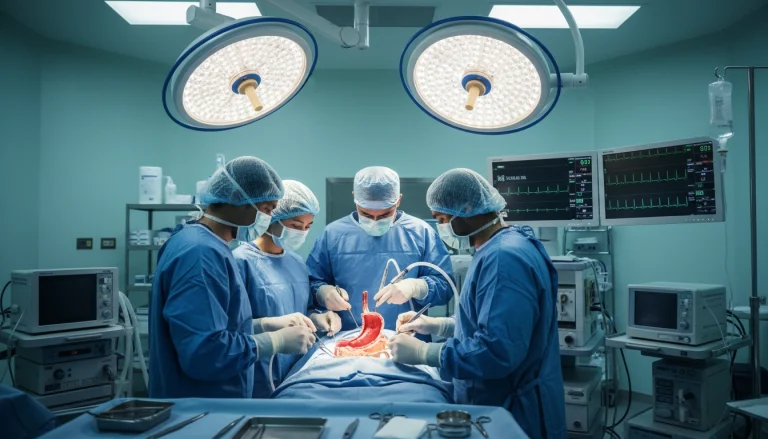
Surgical options provide a lasting solution for those with chin retrusion looking to enhance their facial profile. These procedures aim to improve both the aesthetic and functional aspects of the chin and jawline.
Genioplasty Procedures
Genioplasty involves modifying the chin bone to enhance its shape and size. It employs various techniques to achieve this goal.
Sliding Genioplasty
Sliding genioplasty cuts and repositions the chin bone to advance it. This method significantly improves chin projection.
Osseous Genioplasty
Osseous genioplasty reshapes the chin bone without advancing it. It’s ideal for correcting the chin’s shape or symmetry.
Mandibular Advancement Surgery
Mandibular advancement surgery advances the lower jaw. This improves the alignment of teeth and the chin’s profile.
Bilateral Sagittal Split Osteotomy
Bilateral sagittal split osteotomy is a technique used in mandibular advancement. It splits the lower jawbone for repositioning.
Distraction Osteogenesis
Distraction osteogenesis cuts the bone and lengthens it gradually with a device. It’s used for mandibular advancement.
Combination Approaches
Combining surgical techniques often yields the best results. This may include orthognathic surgery and other procedures.
Orthognathic Surgery
Orthognathic surgery corrects jaw and facial conditions. It’s often paired with other surgeries for better facial harmony.
Adjunctive Procedures
Adjunctive procedures, like implants or bone grafts, are used with major surgeries. They help refine the outcomes.
Recovery and Aftercare Following Chin Procedures
Proper recovery and aftercare are essential after chin surgery. A well-planned recovery minimizes complications and allows for a quick return to normal activities.
Post-Surgical Care Guidelines
Patients must follow specific post-surgical care guidelines. These guidelines help in healing and reduce the risk of complications.
Immediate Recovery Period
During the immediate recovery, patients should elevate their head, use ice packs, and eat soft foods. This helps in reducing swelling and discomfort.
- Keep the head elevated to reduce swelling
- Apply ice packs as directed by your surgeon
- Follow a soft-food diet for the initial days
Long-term Healing Process
The long-term healing involves regular follow-up appointments. These appointments help monitor recovery and address any concerns.
- Attend all scheduled follow-up appointments
- Maintain good oral hygiene
- Avoid strenuous activities as advised
Managing Complications
Complications after chin surgery are rare but can occur. Knowing common side effects and when to seek medical attention is vital.
Common Side Effects
Common side effects include swelling, bruising, and numbness. These are usually temporary and resolve on their own.
When to Seek Medical Attention
If severe pain, difficulty swallowing, or signs of infection occur, seek medical attention immediately.
Psychological Impact of Chin Retrusion
The psychological effects of chin retrusion can be profound, touching many areas of life. Those with this condition often face emotional and psychological hurdles. These challenges can significantly impact their well-being.
Self-Image and Confidence Issues
Chin retrusion can cause self-image problems and a drop in confidence. People may feel uneasy about their looks. This can alter their social life and overall happiness.
- Feeling embarrassed or ashamed about their chin
- Avoiding social situations due to self-consciousness
- Experiencing low self-esteem
Benefits of Correction
Correcting chin retrusion brings many psychological benefits. By fixing the physical issue, people can see mental and emotional improvements.
Research shows that those treated for chin retrusion are very pleased. A visit to a reputable plastic surgery clinic can offer insights into available treatments and their results.
Quality of Life Improvements
Fixing chin retrusion can greatly enhance life quality. People may feel more confident, have a better self-image, and view life more positively.
- Enhanced self-confidence
- Improved social interactions
- Better overall mental health
Cost Considerations for Chin Retrusion Treatments
When looking into treatments for chin retrusion, it’s vital to consider the costs and available financing options. The expenses can differ greatly, influenced by the procedure type, the healthcare provider’s expertise, and the treatment location.
Insurance Coverage
Insurance coverage for chin retrusion treatments hinges on whether they are deemed medically necessary or cosmetic. Grasping this difference is key to predicting personal expenses.
Medical Necessity Criteria
To qualify for insurance, treatments must meet certain medical necessity standards. These standards often assess the severity of the chin retrusion and its health impacts.
Documentation Requirements
Insurers require detailed documentation to process claims. This includes clinical assessments, diagnostic images, and a treatment plan detailing the procedure’s necessity.
Financing Options
Many patients can find financing options to cover the costs of chin retrusion treatments. These alternatives can make the procedures more feasible.
Payment Plans
Payment plans enable patients to pay over time, easing financial burdens. These plans are tailored to fit individual financial capacities.
Medical Credit Options
Medical credit options offer another financing route, providing upfront funds for treatment. It’s important to evaluate the terms and conditions carefully.
The expense of chin retrusion treatments can be substantial. Yet, understanding insurance and financing options can make them more affordable. It’s essential for individuals to discuss their options with healthcare providers and financial advisors to find the most suitable solution.
- Understand your insurance coverage and the criteria for medical necessity.
- Explore financing options, including payment plans and medical credit.
- Consult with your healthcare provider to determine the most cost-effective treatment plan.
When to Consult a Specialist
Considering corrective measures for chin retrusion is a significant step. This condition impacts not just your facial appearance but also your self-confidence and overall well-being. It’s essential to know when to seek a specialist’s help.
Finding the Right Healthcare Provider
Finding a healthcare provider with experience in treating chin retrusion is key to achieving the desired results. Here are some factors to consider:
- Seek specialists with a proven track record in facial plastic or maxillofacial surgery.
- Review patient feedback to assess their satisfaction levels.
- Verify their board certification and qualifications.
Types of Specialists
Various specialists can address chin retrusion from different perspectives. These include:
- Plastic surgeons with a focus on facial reconstruction.
- Maxillofacial surgeons, experts in jaw and facial surgery.
- Orthodontists who can offer orthodontic solutions alongside other treatments.
Evaluating Credentials
When assessing a healthcare provider’s credentials, consider the following:
- Review their educational background and training in their specialty.
- Check if they are members of professional societies in their field.
- Look for additional certifications that show their expertise in chin retrusion treatment.
Questions to Ask During Consultation
During your initial consultation, it’s vital to ask the right questions. This will help you fully understand your treatment options. Consider asking:
Treatment Option Discussions
- What treatment options are available for my condition?
- What are the benefits and drawbacks of each option?
- Are there non-surgical alternatives that could work?
Setting Realistic Expectations
It’s important to understand what to expect from your treatment. Ask your healthcare provider about:
- The expected outcomes of the recommended treatment.
- The recovery process and any post-surgical care needs.
- Possible risks or complications associated with the treatment.
Advances in Chin Retrusion Treatment
Recent breakthroughs in medical technology have transformed the treatment landscape for chin retrusion. These innovations are not only boosting aesthetic results but also improving patient experiences.
Emerging Technologies
Emerging technologies are significantly reshaping chin retrusion treatment. Notably, computer-aided design and manufacturing, and virtual surgical planning, are leading the charge.
Computer-Aided Design and Manufacturing
Computer-aided design and manufacturing (CAD/CAM) are increasingly used to craft personalized implants and prosthetics. These are tailored to match the patient’s anatomy precisely. This ensures a more accurate fit and superior aesthetic outcomes.
Virtual Surgical Planning
Virtual surgical planning enables surgeons to simulate procedures beforehand. This allows them to foresee and avoid complications. It results in more consistent results and shorter recovery periods.

Future Treatment Directions
The future of chin retrusion treatment is set to be influenced by ongoing technological advancements. Tissue engineering and minimally invasive methods are expected to be key players.
Tissue Engineering
Tissue engineering offers hope for biological solutions in chin augmentation. It could potentially lessen the need for synthetic materials.
Minimally Invasive Techniques
Developments in minimally invasive techniques aim to shorten recovery times and minimize scarring. This makes chin retrusion treatment more accessible to a broader patient base.
These advancements highlight the evolving nature of chin retrusion treatment. They provide patients with a variety of effective and innovative options.
Living Confidently with an Improved Profile
Chin retrusion treatment can greatly enhance one’s confidence. A more defined chin and jawline improve facial harmony, making the face more pleasing to the eye.
Such improvements in appearance often lead to a more positive self-image. People may feel more at ease with themselves. This newfound comfort can positively affect personal and professional interactions.
Correcting chin retrusion significantly impacts daily life. It addresses both aesthetic and functional issues related to a recessed chin. This results in a more confident smile and better facial balance.
In conclusion, an improved profile can significantly boost confidence and enrich life. Understanding the advantages of chin retrusion treatment empowers individuals to make informed choices. This leads to a more balanced and harmonious facial appearance.
FAQ About Chin Retrusion
Q: What is chin retrusion?
A: Chin retrusion is a facial condition where the chin is set back from the rest of the face. It can affect the face’s appearance and sometimes its function.
Q: What causes chin retrusion?
A: Several factors can cause chin retrusion. These include genetics, developmental issues, trauma, or injury. Childhood growth patterns and congenital conditions also play a role.
Q: How is chin retrusion diagnosed?
A: Diagnosing chin retrusion involves several steps. It includes a physical exam and facial profile analysis. Imaging techniques like cephalometric analysis and 3D facial scanning are also used.
Q: What are the treatment options for chin retrusion?
A: Treatment options range from non-surgical to surgical methods. Non-surgical options include dermal fillers and injectables. Surgical options include chin implants and orthodontic treatments, as well as genioplasty and mandibular advancement surgery.
Q: What is the recovery process like after chin retrusion surgery?
A: After surgery, the recovery process is key. It includes following post-surgical care guidelines. This includes the immediate recovery period and the long-term healing process. Managing complications and side effects is also important.
Q: Can chin retrusion affect breathing and sleep?
A: Yes, chin retrusion can impact breathing and sleep. This is due to its effect on the facial structure and airway.
Q: How does chin retrusion impact facial harmony?
A: Chin retrusion can affect facial harmony in both looks and function. It can impact the chin’s appearance and sometimes its function, affecting the surrounding facial features.
Q: Are there any non-surgical treatments that can correct chin retrusion?
A: Yes, non-surgical treatments like dermal fillers and injectables can correct mild cases. Orthodontic approaches can also be used as a temporary solution.
Q: What are the benefits of correcting chin retrusion?
A: Correcting chin retrusion can improve self-image and confidence. It can also lead to higher patient satisfaction and better quality of life.
Q: How do I find the right specialist for treating chin retrusion?
A: To find the right specialist, look for oral and maxillofacial surgeons or plastic surgeons. Evaluate their credentials, experience, and patient reviews.
Q: What are the cost considerations for chin retrusion treatments?
A: Cost considerations include insurance coverage, financing options, and payment plans. These can vary based on the treatment and individual circumstances.
Q: What are the latest advances in chin retrusion treatment?
A: Advances include emerging technologies like computer-aided design and manufacturing. Virtual surgical planning, tissue engineering, and minimally invasive techniques are also being explored.