Constipation in Children: What Defines Constipation in Children
Pediatric constipation is a widespread issue affecting many young children. It is marked by infrequent bowel movements, hard or lumpy stools, and difficulty in passing stools. It’s vital to understand the causes, symptoms, and management strategies for effective treatment.
Childhood constipation stems from several factors, including diet, lifestyle, and underlying medical conditions. Early recognition of signs and symptoms is key. This allows parents and caregivers to seek timely medical attention. It ensures prompt intervention and relief for the child. Constipation in children is a complex issue, hard to define due to varying normal bowel habits across different age groups. It involves both clinical criteria and understanding typical bowel movement patterns.
Normal Bowel Movement Patterns by Age
Bowel habits change significantly as a child grows. Infants may have multiple bowel movements a day, while toddlers may have fewer. It’s essential to understand these patterns to identify constipation.
- Infants (0-12 months): Frequent bowel movements
- Toddlers (1-3 years): Bowel movements become less frequent
- School-age children (4-12 years): Typically have one bowel movement per day
Clinical Definition vs. Parental Concerns
The clinical definition of constipation focuses on stool frequency and consistency. Parental concerns often center on their child’s discomfort and bowel habits.
Clinicians use specific criteria, including bowel movement frequency and pain or discomfort during defecation.
Bristol Stool Chart for Children
The Bristol Stool Chart is a tool used to classify feces into seven categories based on shape and consistency. It helps assess if a child’s stool is within the normal range.
- Type 1: Separate hard lumps
- Type 2: Sausage-shaped but lumpy
- Type 3: Like a sausage but with cracks in the surface
- Type 4: Like a smooth, soft sausage
- Type 5: Soft blobs with clear-cut edges
- Type 6: Fluffy pieces with ragged edges
- Type 7: Watery, no solid pieces
Types 3 and 4 are generally considered normal, while types 1 and 2 may indicate constipation.
Common Causes of Constipation in Children
The causes of constipation in kids are varied, including diet, behavior, and medical conditions. It’s vital to grasp these factors to craft effective treatments.
Dietary Factors
Diet significantly influences constipation in children. Key factors are low fiber intake and not enough fluids.
Low Fiber Intake
A diet low in fiber can cause constipation. Fiber makes stool softer and bulkier, aiding in easier passage.
Inadequate Fluid Consumption
Not drinking enough fluids can lead to hard, dry stools. These are hard to pass, causing constipation.
Behavioral Issues
Behavioral factors also play a part in constipation in children. These include avoiding the toilet and withholding behaviors.
Toilet Avoidance
Some kids avoid the toilet due to pain, fear, or distractions. This avoidance can lead to constipation.
Withholding Behaviors
Withholding stool is common in children. It often stems from painful past experiences or during transitions.
Medical Conditions
Certain medical issues can also cause constipation in children. These include hypothyroidism and Hirschsprung’s disease.
Hypothyroidism
Hypothyroidism occurs when the thyroid gland doesn’t produce enough hormone. This can slow down bowel movements.
Hirschsprung’s Disease
Hirschsprung’s disease is rare. It’s characterized by missing ganglion cells in the bowel, causing severe constipation.
Recognizing the Signs and Symptoms
It’s vital for parents to spot the signs of constipation in children early. Constipation in kids can show up differently than in adults. So, knowing the various signs is key.
Physical Symptoms
Children with constipation often have specific physical signs.
Abdominal Pain and Bloating
Abdominal pain and bloating are common in constipated kids. This discomfort can be so severe it disrupts their daily life.
Hard, Dry Stools
Passing hard, dry stools is a clear sign of constipation. These stools can be very painful, making the problem worse.
Behavioral Indicators
Constipation can also change a child’s behavior.
Changes in Appetite
Some kids might eat less because of the discomfort from constipation.
Irritability and Discomfort
Children with constipation often seem irritable and uncomfortable. This is usually because of the pain and difficulty with bowel movements.
Pain and Discomfort Patterns
Understanding pain and discomfort patterns can help parents spot constipation.
By recognizing these signs and symptoms, parents can get their child the medical help they need. This ensures they get the right treatment to relieve constipation.
Age-Specific Manifestations of Constipation
Constipation in children is a complex issue, varying by age. It impacts infants, toddlers, and adolescents differently. Each stage of development presents unique challenges.
Infants (0-12 months)
Diagnosing constipation in infants is tricky due to the wide range of normal bowel movements. Breastfed babies usually have softer stools than formula-fed ones.
Breastfed vs. Formula-Fed Babies
Breastfed infants have softer stools and more frequent bowel movements. In contrast, formula-fed babies may have harder stools and less frequent movements.
Toddlers (1-3 years)
Toddlers are learning to control their bowel movements, making them prone to constipation. Potty training can sometimes make the issue worse.
Potty Training Challenges
Potty training is a big challenge for toddlers. The pressure to use the toilet can lead to withholding stool, complicating constipation further.
School-Age Children (4-12 years)
School-age children may experience constipation due to various factors. These include dietary habits, hydration levels, and bathroom habits at school.
School Bathroom Avoidance
Some children avoid school bathrooms due to privacy concerns or cleanliness issues. This can lead to constipation.
Adolescents (13-18 years)
Adolescents face unique challenges, including dietary changes, increased independence, and privacy concerns. These factors can affect their bowel habits.
Privacy and Independence Issues
Adolescents often prioritize privacy and independence. This can lead to neglect of regular bowel habits or avoidance of discussing constipation issues.
Understanding constipation in children requires a nuanced approach. Each age group presents different challenges that need to be addressed.
When to Consult a Healthcare Provider
If your child is experiencing constipation, it’s vital to know when to seek medical help. Many cases can be managed with dietary changes and home remedies. Yet, some situations require professional evaluation.
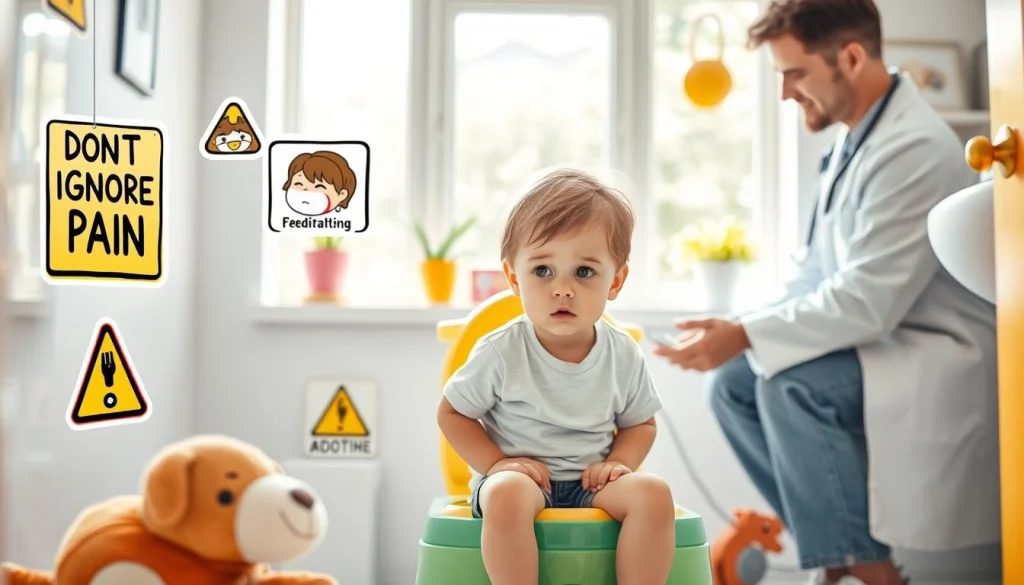
Warning Signs Requiring Immediate Attention
Some symptoms demand immediate medical attention. These include:
-
Blood in Stool
Presence of blood in your child’s stool can be a sign of a more serious issue.
-
Severe Pain
If your child is experiencing severe abdominal pain, it’s critical to seek medical help.
Chronic Symptoms That Need Evaluation
Even if symptoms are not immediately alarming, certain chronic conditions should be evaluated by a healthcare provider.
-
Persistent Constipation Despite Home Treatment
If your child’s constipation persists despite attempts to manage it at home, medical evaluation is necessary.
-
Growth Concerns
Constipation can sometimes be associated with issues related to growth and development.
Recognizing these signs and understanding when to seek medical help is key. It ensures your child receives the appropriate care for their constipation.
Diagnostic Approaches for Constipation in Children
Diagnosing constipation in children involves a detailed process. It includes medical history, physical examination, and sometimes, laboratory tests and imaging studies. This thorough approach helps healthcare providers understand the causes of constipation. It also aids in creating an effective treatment plan.
Medical History and Physical Examination
The first step is a detailed medical history and physical examination. These steps help identify the causes and factors contributing to constipation.
Key Questions Your Doctor Will Ask
Your doctor will ask several questions during the medical history. These include:
- When did the constipation start?
- How often does your child have a bowel movement?
- What is the consistency of the stool?
- Are there any associated symptoms like abdominal pain or vomiting?
Laboratory Tests
In some cases, laboratory tests are needed to rule out underlying conditions causing constipation.
When Blood Tests Are Necessary
Blood tests are ordered if there’s suspicion of a metabolic or hormonal issue. These tests can identify conditions like hypothyroidism.
Imaging Studies
Imaging studies, including X-rays, are used to assess constipation and check for complications.
X-rays and Other Diagnostic Tools
An abdominal X-ray shows the amount of stool in the colon and any obstructions. Other imaging studies may be considered based on the clinical presentation.
Medical Treatment Options
Medical treatments for constipation in children vary based on individual needs. The choice of treatment depends on the severity of constipation, the child’s age, and their overall health.
Over-the-Counter Medications
Over-the-counter (OTC) medications are often the first line of treatment.
-
Osmotic Laxatives
Osmotic laxatives, such as polyethylene glycol (MiraLAX), work by drawing water into the bowel. This softens the stool and stimulates bowel movements.
-
Stool Softeners
Stool softeners like docusate sodium increase the water absorption of stool. This makes it softer and easier to pass.
Prescription Medications
For more severe cases, prescription medications may be necessary.
-
When and How They’re Used
Prescription laxatives are used when OTC medications are ineffective. They are typically prescribed by a pediatrician. Medications like lactulose or senna may be included.
Disimpaction Procedures
In cases of fecal impaction, disimpaction procedures may be required.
-
What Parents Should Know
Disimpaction can be done manually or with enemas. Parents should understand that this is a procedure to relieve a serious condition. It should be done under medical supervision.
Treatment for constipation in children should be guided by a healthcare professional. This ensures the best outcomes.
Dietary Management Strategies
Creating a well-planned diet is key to managing constipation in children. Making dietary changes can greatly reduce symptoms and enhance bowel movements.
Fiber-Rich Foods
Boosting fiber intake is a vital strategy for managing constipation. Fiber softens and bulks up stool, making it easier to pass.
Age-Appropriate Fiber Requirements
Children need varying amounts of fiber based on their age. The daily recommended intake is the child’s age plus 5 grams (e.g., a 7-year-old needs 12 grams of fiber per day).
Child-Friendly High-Fiber Foods
- Fresh fruits like apples, bananas, and berries
- Vegetables such as broccoli, carrots, and sweet potatoes
- Whole grain cereals and bread
Hydration Requirements
Drinking enough water is also essential in managing constipation. Fluids help soften stool, making it easier to pass.
Daily Fluid Intake Guidelines
Children should drink at least 8-10 glasses of fluid daily, with water being the best option.
Foods to Limit or Avoid
Some foods can worsen constipation and should be limited or avoided.
Common Constipating Foods
- Dairy products in excess
- Processed foods low in fiber
- High-fat foods
Sample Meal Plans
Creating balanced meal plans that include high-fiber foods and enough hydration can help manage constipation.
Balanced Diets for Different Ages
Meal plans should be tailored to the child’s age and dietary needs. They should include a mix of fruits, vegetables, whole grains, and lean proteins.
Effective Home Remedies for Constipation in Children
Home remedies are a gentle and effective way to manage constipation in children. They are ideal for parents seeking initial strategies to ease their child’s discomfort.
Natural Approaches
Several natural approaches can help relieve constipation in children. These include the use of natural laxatives and warm baths.
Prune Juice and Other Natural Laxatives
Prune juice is a well-known natural laxative that can help soften stool and stimulate bowel movements. Other options include:
- Pear juice
- Apple juice
- Plum juice
These juices can be given in small amounts to help regulate bowel movements.
Warm Baths
A warm bath can help relax the muscles and improve bowel movements. It’s also a great way to help your child relax.
Massage Techniques
Massage can be a helpful technique in managing constipation. Gentle abdominal massage can stimulate bowel movements.
Abdominal Massage Instructions
To perform an abdominal massage:
- Have your child lie on their back.
- Using your fingertips, gently massage their abdomen in a clockwise direction.
- Repeat this process for a few minutes.
Exercise and Physical Activity
Encouraging physical activity is key in managing constipation. Regular exercise can help stimulate bowel movements.
Age-Appropriate Movement Ideas
For younger children, activities like crawling or playing with toys on the floor can be beneficial. Older children can engage in:
- Biking
- Swimming
- Running
These activities not only help with constipation but also promote overall health.
Behavioral Approaches and Toilet Training
Behavioral strategies are key in helping children manage constipation by fostering good bowel habits. Toilet training is a critical part of this, teaching kids to heed their body’s signals.
Establishing Bathroom Routines
Creating a consistent bathroom routine is essential for regular bowel movements. It involves setting a fixed time and spot for bowel movements, aiding in habit formation.
Scheduled Toilet Sitting
Scheduled toilet sitting involves encouraging the child to sit at the same times daily (e.g., after waking, meals, and before bed). This fosters a routine, aiding bowel movements.
Positive Reinforcement Strategies
Positive reinforcement is a potent tool in toilet training. Praising or rewarding the child for successful toilet use encourages good behavior.
Reward Systems That Work
Using a reward system can motivate kids to stick to their bathroom routine. This could include stickers, treats, or special privileges.
- Stickers on a chart for each successful toilet use
- Small treats or candies after a certain number of successful days
- Special activities or outings as rewards
Addressing Toilet Avoidance
Some children may shy away from the toilet due to fear, pain, or past experiences. It’s vital to tackle these issues gently and supportively.
Creating a Comfortable Bathroom Environment
Making the bathroom a welcoming space can help combat toilet avoidance. Ensure it’s clean, warm, and free from distractions.
By integrating these strategies, parents can assist their children in developing healthy bowel habits and overcoming constipation.
Psychological Aspects of Childhood Constipation
Understanding the psychological factors behind childhood constipation is essential for effective management. Constipation in children is not just a physical issue; it has emotional and psychological dimensions that need to be addressed.
Anxiety and Stress Factors
Anxiety and stress can significantly impact a child’s bowel habits. The brain-gut connection plays a critical role in this context.
The Brain-Gut Connection
The brain-gut axis refers to the biochemical signaling between the gastrointestinal tract and the central nervous system. Stress and anxiety can slow down bowel movements, exacerbating constipation.
School-Related Issues
School environments can contribute to a child’s stress levels, affecting their bowel habits. Issues such as bathroom access policies can be highly relevant.
Bathroom Access Policies
Limited access to bathrooms or strict policies around bathroom use can cause children to delay bowel movements, leading to constipation. Schools should have policies that allow children to use the bathroom when needed.
Supporting Your Child’s Emotional Needs
It’s vital to support the emotional and psychological needs of children with constipation. Reducing feelings of shame and embarrassment is key.
Reducing Shame and Embarrassment
Parents can help by creating an open and supportive environment where children feel comfortable discussing their bowel issues. This can involve:
- Encouraging open communication
- Avoiding punitive measures for accidents
- Praising successful bowel movements
Preventing Recurrence and Long-Term Management
Managing constipation in children goes beyond treating symptoms. It demands a holistic approach to prevent recurrence and achieve lasting relief.
Maintenance Therapy
Maintenance therapy is key for long-term management, aiming to stop constipation from coming back.
Gradually reducing medication is a vital part of this therapy.
Gradual Medication Weaning
- Tapering off laxatives under medical supervision
- Monitoring for signs of constipation recurrence
- Adjusting diet and lifestyle habits as needed
Follow-Up Care
Regular follow-up care is essential for managing childhood constipation effectively.
Working with Your Pediatrician
Collaboration with a pediatrician is vital for adjusting treatment plans as needed.
- Scheduling regular check-ups
- Discussing changes in symptoms or treatment efficacy
- Updating the treatment plan based on progress
Monitoring Progress
Tracking the child’s progress is critical for the success of long-term management.
Tracking Tools for Parents
- Keeping a bowel movement diary
- Monitoring dietary intake and hydration
- Noting any changes in symptoms or overall health
By using these strategies, parents can prevent constipation from recurring. This ensures their child enjoys a comfortable and healthy life.
Potential Complications of Untreated Constipation
Untreated constipation in children can lead to several complications. These can impact their physical and emotional health. It’s vital for parents and caregivers to be aware of these issues to intervene promptly.
Encopresis (Fecal Soiling)
Encopresis, or fecal soiling, is a common issue in untreated constipation. It happens when a child passes stool in inappropriate places. This is due to feces building up in the rectum.
Causes and Management
The causes of encopresis are closely tied to constipation. To manage it, treating the constipation is key. Addressing any behavioral issues is also important.
Rectal Prolapse
Rectal prolapse is another complication. It occurs when the rectal mucosa protrudes through the anus. This condition can be painful and may need medical attention.
Recognition and Treatment
Identifying the prolapse and understanding its cause is the first step. Treatment may involve manual reduction and addressing the underlying constipation.
Psychological Impact
Constipation and its complications can significantly affect a child’s mental health. It can impact their self-esteem and social interactions.
Self-Esteem and Social Concerns
Children with untreated constipation may struggle with low self-esteem and social anxiety. The stigma associated with soiling or other symptoms can be a major concern.
Common Myths About Constipation in Children
Constipation in children is often misunderstood, leading to myths that hinder proper treatment. These misconceptions confuse parents and caregivers, potentially delaying necessary care for affected children.
Dietary Misconceptions
Many believe certain foods cause or worsen constipation. Yet, the actual impact of specific foods is often overestimated.
The Truth About Dairy and Bananas
Dairy and bananas are often blamed for constipation. Yet, research indicates they’re not the main culprits for most kids. Dairy is a key source of calcium, and bananas are packed with potassium, both vital for health.
Misunderstandings About Treatment
Myths about treatment are as problematic as dietary misconceptions. One widespread myth is that laxatives are dangerous and lead to dependency.
Laxative Dependency Concerns
It’s true that long-term laxative use can cause dependency. Yet, when used correctly and under a doctor’s watch, laxatives can be safe and effective. It’s critical to follow a healthcare provider’s advice to avoid complications.
Special Considerations for Children with Special Needs
Managing constipation in children with special needs requires a deep understanding of their unique needs. These children face specific challenges that demand personalized health management strategies.
Children with Developmental Delays
Children with developmental delays often struggle to express their needs or grasp bathroom routines. Effective strategies include:
- Simplifying instructions and using visual aids
- Establishing a consistent bathroom routine
- Using positive reinforcement techniques
Communication Strategies
For children with developmental delays, clear communication is vital. Caregivers should employ simple, direct language and visual aids to ensure understanding.
Children with Neuromuscular Conditions
Children with neuromuscular conditions may face constipation due to mobility or muscle weakness issues. Specialized strategies include:
- Physical therapy to improve mobility
- Dietary adjustments to manage bowel movements
- Medications to help regulate bowel movements
Specialized Approaches
Children with neuromuscular conditions often require a multidisciplinary approach. This may involve collaboration with physical therapists, dietitians, and healthcare providers to create a detailed management plan.
Medication Side Effects
Some medications can lead to constipation as a side effect. It’s critical to monitor medication use and make necessary adjustments.
Common Medications That Cause Constipation
Certain medications, like those for seizures or pain management, can cause constipation. Caregivers should be aware of these side effects and discuss alternatives with their healthcare provider if needed.

Navigating Constipation Issues at School and Daycare
Constipation doesn’t end when your child is at school or daycare. Here’s how to tackle these challenges. Children with constipation need special care, even when they’re not at home.
Communicating with Teachers and Caregivers
Effective communication is essential. Letting teachers and caregivers know about your child’s condition is vital. It helps them offer the right support.
Creating a Care Plan
A care plan outlines steps for constipation issues at school. It may include:
- Extra time for bathroom breaks
- Access to water and healthy snacks
- Administering medication if prescribed
Addressing Privacy Concerns
Children with constipation might feel embarrassed or self-conscious. It’s important to respect their privacy.
Dignity-Preserving Strategies
Strategies include:
- A private area for bathroom use
- Preventing teasing or bullying
Emergency Planning
Handling Accidents at School
Having a plan for accidents can ease stress. Include a change of clothes and a way to communicate with parents.
Empowering Your Family to Overcome Childhood Constipation
Addressing constipation in children demands a holistic approach, engaging the whole family. Understanding the causes, spotting the signs, and using effective management strategies are key. Together, families can ease their child’s discomfort and foster healthy bowel habits.
Support from family members is vital in managing constipation. Encouraging open dialogue, setting routines, and praising efforts can boost a child’s confidence. This helps them feel more at ease with managing their condition.
Combining medical interventions, dietary adjustments, and behavioral techniques can craft a tailored plan to combat constipation. With dedication, patience, and the right support, children can master their condition. This leads to a more fulfilling life.
Managing constipation effectively is a continuous endeavor, needing sustained effort and dedication. Through collective action and staying updated, families can empower their children. They can overcome constipation and cultivate lasting, healthy habits.
FAQ About Constipation in Children
Q: What are the common signs of constipation in children?
A: Signs include hard, dry stools and abdominal pain. Bloating, changes in appetite, irritability, and discomfort are also common. Children might show withholding behaviors or avoid the toilet.
Q: How is constipation in children diagnosed?
A: Diagnosis starts with a medical history and physical exam. Sometimes, lab tests or imaging studies are needed. The Bristol Stool Chart helps assess stool consistency.
Q: What dietary changes can help manage constipation in children?
A: Increase fiber intake and ensure enough hydration. Avoid foods that can cause constipation. High-fiber foods and balanced meals are beneficial.
Q: Are there any home remedies that can alleviate constipation in children?
A: Yes, prune juice, warm baths, and abdominal massage can help. Encouraging physical activity also aids in alleviating constipation.
Q: When should I seek medical attention for my child’s constipation?
A: Seek medical help for severe pain, blood in stool, or persistent constipation. Also, if there are concerns about growth.
Q: Can constipation in children lead to any complications?
A: Yes, untreated constipation can cause encopresis, rectal prolapse, and psychological issues. These include impacts on self-esteem and social concerns.
Q: How can constipation be managed in children with special needs?
A: Managing constipation in children with special needs requires tailored approaches. This includes communication strategies for developmental delays and specialized care for neuromuscular conditions.
Q: What are some common myths about constipation in children?
A: Myths include misconceptions about diet, like dairy and bananas. There are also misunderstandings about treatment, such as laxative dependency concerns.
Q: How can I help my child overcome constipation at school or daycare?
A: Communicate with teachers and caregivers. Create a care plan and address privacy concerns. Having an emergency plan is also essential.
Q: What are the long-term management strategies for constipation in children?
A: Long-term management involves maintenance therapy and follow-up care. Monitoring progress with tracking tools is also important.