For those with Parkinson’s disease and severe tremors, a new hope exists: Deep Brain Stimulation (DBS). It works like a pacemaker but for the brain. It aims to stop the brain’s abnormal activity that leads to these issues. DBS has changed lives, bringing relief and better quality of life. It sends electrical signals to certain brain spots. This helps to improve movement and lessen tremors. Let’s dive into DBS and its role in fighting neurological diseases. It offers hope to those affected.
What is Deep Brain Stimulation (DBS)?
DBS, or Deep Brain Stimulation, is a cutting-edge treatment for various neurological disorders. It involves putting in a device called a “brain pacemaker” or “neurostimulator.”
This device sends electrical signals to certain parts of the brain. It helps treat movement and mental health issues.
How DBS Works
The process of DBS is quite complex. It involves changing how the brain works. Here’s how it happens:
- The DBS system has three main parts: the lead (or electrode), the extension, and the neurostimulator.
- The lead is placed in the brain area to be stimulated.
- The neurostimulator, like a heart pacemaker, creates the electrical signals.
- The extension is a wire that connects the lead to the neurostimulator.
DBS therapy is customized for each patient. It can be adjusted to help with symptoms like tremors and stiffness. This is common in Parkinson’s disease and other conditions.
Conditions Treated by DBS
Deep Brain Stimulation (DBS) is a new way to treat many neurological conditions. It’s mainly used for Parkinson’s disease and other movement disorders. This treatment can greatly reduce symptoms, making life better for many.
Parkinson’s disease is a major condition treated with DBS. It causes tremors, stiffness, and slow movements. DBS sends electrical impulses to the brain to help manage these symptoms. It’s a good option for those with advanced Parkinson’s who don’t get better with medication.
DBS also helps with dystonia and essential tremor. Dystonia makes muscles contract involuntarily, causing odd movements. Essential tremor causes uncontrollable shaking, often in the hands. DBS can help control these symptoms, giving patients more control over their movements.
The table below shows how well DBS works for different conditions.
| Condition | Primary Symptoms | DBS Treatment Outcome |
|---|---|---|
| Parkinson’s Disease | Tremors, rigidity, bradykinesia | Significant reduction in motor symptoms |
| Dystonia | Involuntary muscle contractions | Improved motor control and reduced dystonic movements |
| Essential Tremor | Uncontrollable tremors | Marked reduction in tremor severity |
Many people have seen a big change in their lives after DBS. For example, a patient with severe Parkinson’s said DBS greatly reduced their tremors. They could now do everyday tasks more easily.
In summary, DBS is a flexible treatment for many neurological conditions. It’s very effective for Parkinson’s disease and other movement disorders. Knowing about DBS can help patients and doctors decide if it’s the right choice.
The DBS Procedure: A Step-by-Step Guide
DBS is seen as a brain surgery alternative. It helps improve life quality for those with movement disorders. The process includes several steps, from preparation to implanting the DBS device.
Before DBS surgery, patients get a detailed check-up. This check-up looks at their medical history, symptoms, and past treatments. For more on Parkinson’s disease treatment, visit https://acibademinternational.com/parkinsons-disease-treatment/.
The Surgical Process
The DBS surgery has several important steps:
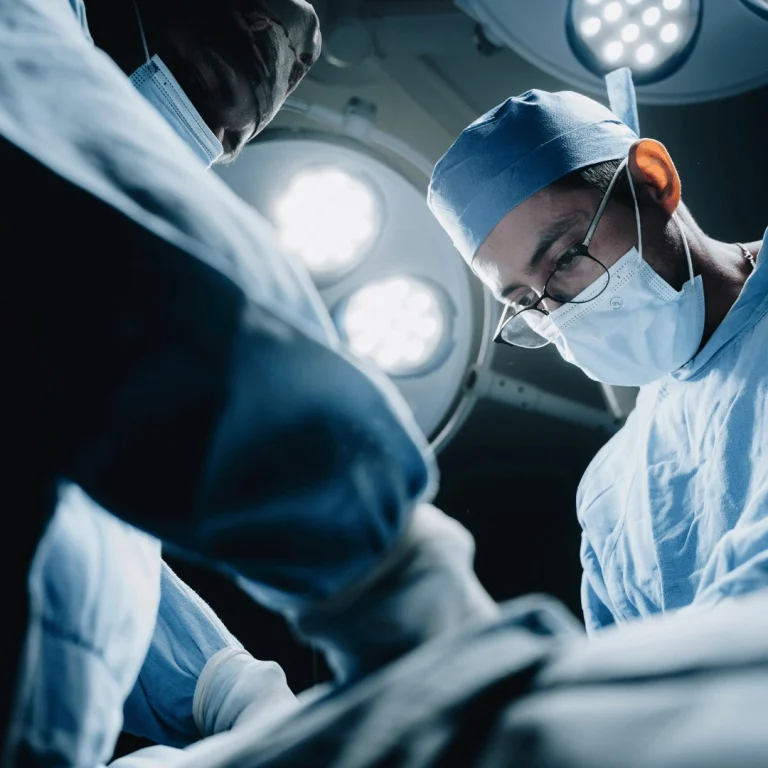
- Preparation: The patient’s head is ready for surgery. A local anesthetic is used to reduce pain.
- Implantation: A neurosurgeon puts in the DBS device. This includes a neurostimulator, electrodes, and an extension wire.
- Adjustment: After surgery, the DBS device is set up and adjusted. This makes it work best for symptom management.
The DBS device is put in over two stages. First, the electrodes are placed in the brain. Then, the neurostimulator is put under the skin, usually under the collarbone.
| Step | Description |
|---|---|
| 1. Preparation | Patient evaluation and preparation for surgery |
| 2. Electrode Implantation | Implanting electrodes in the brain |
| 3. Neurostimulator Implantation | Implanting the neurostimulator under the skin |
| 4. Adjustment | Programming and adjusting the DBS device |
Knowing about the DBS procedure is key for those thinking about it. Breaking it down shows its complexity and benefits.
Benefits of Deep Brain Stimulation
Deep Brain Stimulation (DBS) is a big step forward for those with Parkinson’s disease and other movement disorders. It sends electrical impulses to certain brain areas. This can make symptoms much better.
Symptom Management
DBS is great at controlling symptoms. For Parkinson’s patients, it can cut down on tremors, stiffness, and slow movements. It also helps those with essential tremors move better and have less shaking.
This treatment makes life better for patients. They can do more daily tasks, feel more independent, and enjoy a better quality of life.
In short, Deep Brain Stimulation is a powerful treatment. It helps patients manage their symptoms and live better lives.
Risks and Complications of DBS
DBS has changed lives for many with neurological disorders. But, knowing its risks is key for making smart choices. Like any surgery, DBS can have serious complications.
The risks fall into three main areas: surgical, hardware, and stimulation side effects. Surgical risks include infections, bleeding, and stroke. Hardware problems can be lead fractures or malfunctions. Stimulation side effects can be anything from tingling to mood swings, depending on the brain area targeted.
Managing Risks
Handling DBS risks needs a detailed plan. A thorough check before surgery is vital. This includes medical and psychological tests to see if DBS is right for the patient.
After surgery, watching for complications and adjusting the device is important. Teaching patients to spot and report issues is also key to managing risks.
| Complication Type | Potential Complications | Management Strategies |
|---|---|---|
| Surgical | Infection, bleeding, stroke | Pre-operative screening, meticulous surgical technique, post-operative monitoring |
| Hardware-related | Lead fracture, device malfunction | Regular device checks, secure implantation techniques |
| Stimulation-induced | Tingling, mood changes, cognitive effects | Adjusting DBS settings, patient feedback, programming adjustments |
Knowing about DBS risks and how to handle them helps patients make better choices. It’s about weighing the benefits of symptom relief against the possible risks. This requires careful thought and ongoing care.
Patient Selection for DBS Therapy
For those with neurological disorders, DBS therapy’s suitability is carefully checked. This step is key to finding the right candidates for this advanced treatment.
Evaluation Process
A team of experts evaluates patients for DBS therapy. They look at many factors to see if a patient can benefit from it.
- They review the patient’s medical history to check for any issues that might affect DBS therapy’s success.
- Neurological exams help assess how severe symptoms are and how well current treatments work.
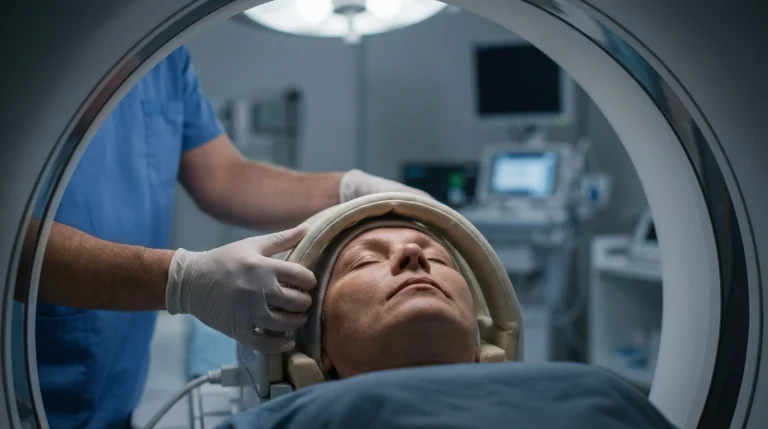
- Imaging tests, like MRI, are used to see the brain’s structure and spot any problems that could affect the surgery.
- Psychological evaluations check the patient’s mental health and if they can handle the therapy.
This detailed evaluation aims to make sure DBS therapy is the best choice for each patient. It helps ensure the therapy works well for those with Parkinson’s disease and other neurological disorders.
DBS therapy is a big hope for many with neurological conditions who haven’t seen results from other treatments. As the field grows, knowing who can benefit from it becomes more critical.
DBS Device and Technology
Neurostimulation technology has made Deep Brain Stimulation (DBS) devices better and safer. This has made DBS a good alternative to brain surgery for people with Parkinson’s disease and tremors.
The DBS device is made up of a neurostimulator, leads, and an extension. The neurostimulator is a small device that powers the electrical impulses. These impulses go to the brain through the leads, which are placed during surgery. The extension connects the neurostimulator to the leads.
Key Components of DBS Devices
- Neurostimulator: The core component that generates electrical impulses.
- Leads: Thin, insulated wires that deliver the impulses to the brain.
- Extension: A wire that connects the neurostimulator to the leads.
New DBS technology makes neurostimulation more precise and flexible. For example, directional leads help target the stimulation better, cutting down on side effects. Also, new battery tech means neurostimulators can be recharged, not needing to be replaced surgically.
| Feature | Traditional DBS | Advanced DBS |
|---|---|---|
| Lead Design | Conventional leads | Directional leads for targeted stimulation |
| Neurostimulator | Non-rechargeable batteries | Rechargeable batteries for reduced surgical interventions |
| Programming | Limited programming options | Advanced programming capabilities for personalized therapy |
DBS technology keeps getting better, helping patients more effectively. As research and development keep going, we’ll see even more improvements in DBS therapy’s safety, effectiveness, and reach.
Lifestyle Changes After DBS Surgery
Getting a Deep Brain Implant changes your life in many ways. It’s important to know the lifestyle changes needed to get the most from DBS therapy. After DBS surgery, you’ll need to adjust your daily routines and activities.
Managing your deep brain implant is key after surgery. You’ll learn how to use it, adjust settings, and know about interactions with other medical devices.
Daily Life Adjustments
Life with a deep brain implant requires some changes. Here are a few:
- Avoid strong magnetic fields, like in MRI machines or some industrial places
- Inform your healthcare provider about your DBS device before medical procedures
- Adjust your device settings as needed to manage symptoms
- Keep a record of your device settings and any changes
Physical Activities and Exercise
Staying active is important for your health, and DBS patients can usually keep up with their favorite activities. But, there are some things to watch out for:
- Stay away from contact sports that could harm your implant or lead
- Be careful with activities that have strong magnetic fields or high-impact movements
- Talk to your healthcare provider before starting new exercises
By making these lifestyle changes, people with a deep brain implant can get the most from DBS therapy. This can greatly improve their quality of life.
Future of Deep Brain Stimulation Research
Medical technology is getting better, and Deep Brain Stimulation (DBS) is becoming more important. It’s being used to treat neurological conditions. Researchers are working hard to make DBS even better for treating tremors and other movement disorders. New trends in DBS research include better devices and programming methods. These changes aim to give patients more precise and personalized care. This could lead to better results for those getting treated for neurological conditions.
Also, scientists are looking into using DBS for more conditions. This could make DBS even more useful for managing complex neurological disorders. As research goes on, DBS is likely to become even more valuable. The future of DBS looks bright for better patient care and quality of life. This shows why we need to keep investing in research and development. It’s key for improving treatment for tremors and other neurological conditions.