Dengue Fever: What is Dengue Fever?
Dengue Fever is a major public health issue, affecting millions globally. It brings severe flu-like symptoms. If not treated, it can lead to serious complications. Symptoms of Dengue Fever start within 3 to 14 days after a mosquito bite. They include high fever, severe headache, and pain behind the eyes. Other symptoms are joint and muscle pain, rash, and mild bleeding.
It’s vital to understand the causes, treatments, and prevention methods of Dengue Fever. This knowledge helps protect individuals and communities from its effects. Dengue Fever is a viral infection spread by mosquitoes, posing a significant global health threat. It rapidly spreads and has a profound impact on public health, mainly in tropical and subtropical areas.
Definition and Classification
Dengue Fever is a viral disease transmitted mainly through the bite of an infected Aedes mosquito. It is categorized into different serotypes based on the virus’s antigenic properties.
Global Health Significance
Dengue Fever is a major global health concern due to its widespread presence and ability to cause severe outbreaks. It affects a large portion of the global population, with some regions being more at risk than others.
Endemic Regions
The disease is prevalent in many parts of the world, including Southeast Asia, the Pacific, and the Americas. Countries in these regions frequently face recurring outbreaks, making Dengue Fever a persistent public health issue.
Reports indicate millions of Dengue Fever cases annually. The actual numbers are likely higher due to underreporting in some areas.
The widespread nature of Dengue Fever highlights the necessity for ongoing vigilance and unified public health efforts to combat it.
The History and Evolution of Dengue
Understanding the history of dengue fever is key to grasping its global health impact. This disease has a long and complex history, affecting many parts of the world. Its journey spans centuries, leaving a significant mark on global health.
Origins and First Documented Cases
The exact origins of dengue fever remain unclear. Yet, the first recorded cases emerged in the 18th century, in both Asia and the Americas. Historical accounts indicate that similar illnesses were noted in China as far back as 992 AD.
Major Historical Outbreaks
Dengue fever has triggered numerous significant outbreaks globally. One of the earliest major outbreaks was in 1779 in Jakarta, Indonesia, and in 1780 in Philadelphia, USA. These events underscored the disease’s ability to spread widely and its severe health consequences.
Evolution of the Disease Over Time
The evolution of dengue fever has been shaped by several factors. Urbanization, climate change, and increased global travel have all played roles. These elements have facilitated the disease’s spread to new areas and the emergence of new serotypes. This makes dengue a pressing global health issue today.
Understanding the Dengue Virus
The Dengue virus poses a significant threat to global health. To combat it, we must grasp its structure and replication mechanisms. This knowledge is essential for understanding its characteristics, serotypes, and replication process.
Virus Structure and Characteristics
The Dengue virus belongs to the Flaviviridae family. It has a spherical shape and a single-stranded RNA genome. Its envelope proteins are vital for infecting host cells. The virus’s structure is complex, with specific proteins aiding in cell entry.
The Four Dengue Serotypes (DENV-1 to DENV-4)
There are four distinct Dengue virus serotypes: DENV-1, DENV-2, DENV-3, and DENV-4. Being infected with one serotype grants lifelong immunity to that type but only temporary protection against others. This complexity hinders vaccine development and immunity.
Viral Replication Process
The Dengue virus replicates by entering host cells and releasing its RNA genome. This process is critical for identifying antiviral therapy targets. The virus exploits host cell machinery for replication, making it a formidable challenge for treatment.
Transmission of Dengue Fever
Grasping how Dengue Fever spreads is key to creating effective prevention plans. The disease mainly spreads through Aedes mosquitoes. These mosquitoes act as vectors, passing the virus from person to person.
Primary Vectors: Aedes Mosquitoes
Aedes mosquitoes, like Aedes aegypti and Aedes albopictus, are vital in Dengue Fever transmission. They are recognized by their unique traits and behaviors.
Aedes aegypti Characteristics
Aedes aegypti mosquitoes prefer human blood, making them highly anthropophilic. They thrive in urban settings, posing a significant risk in crowded areas.
Aedes albopictus Distribution
Aedes albopictus mosquitoes have a broader range, found in both cities and rural areas. Their ability to adapt to various environments has helped spread Dengue Fever to new places.
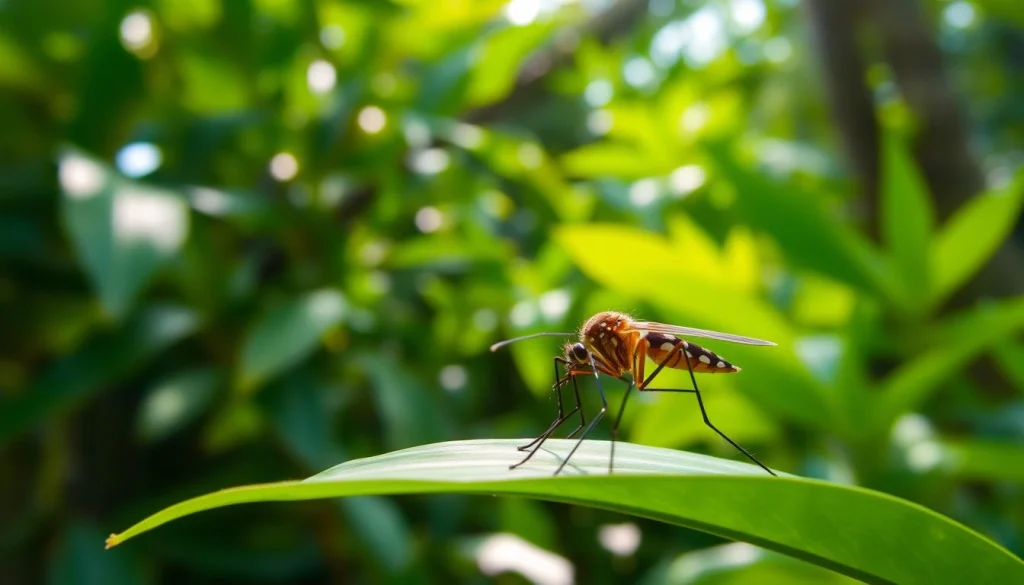
The Transmission Cycle
The Dengue Fever cycle starts when a mosquito bites an infected person. The virus multiplies in the mosquito. Then, it’s passed to another human through a mosquito bite.
Environmental Factors Affecting Transmission
Factors like temperature, rainfall, and humidity greatly impact Dengue Fever spread. For example, warmer temperatures speed up virus replication in mosquitoes. Rainfall creates breeding grounds for Aedes mosquitoes.
Knowing these environmental factors helps predict outbreaks. It also guides targeted control efforts.
Symptoms and Clinical Manifestations of Dengue Fever
Understanding Dengue Fever symptoms is key for early detection and effective management. The disease shows a spectrum of clinical manifestations, from mild febrile illness to severe hemorrhagic fever.
Incubation Period
The incubation period of Dengue Fever spans from 3 to 14 days. Most cases present symptoms within 4 to 7 days.
Common Symptoms and Warning Signs
Patients with Dengue Fever often experience sudden onset symptoms. These include high fever, severe headache, pain behind the eyes, joint and muscle pain, rash, and mild bleeding.
Fever and Pain Patterns
The fever in Dengue Fever can be biphasic, with two peaks. It is often accompanied by severe pain, mainly in the joints and muscles, which can be debilitating.
Skin Manifestations
A rash may appear in some patients. It typically starts on the second day of fever and spreads from the trunk to other parts of the body.
Progression of Symptoms
Symptoms of Dengue Fever can progress rapidly. Some patients may experience a worsening condition, potentially leading to severe Dengue. This is characterized by hemorrhagic manifestations or shock.
Differentiating Dengue from Other Febrile Illnesses
Differentiating Dengue Fever from other febrile illnesses can be challenging. Symptoms are similar. A thorough clinical evaluation, including a detailed medical history and laboratory tests, is essential for accurate diagnosis.
In conclusion, recognizing Dengue Fever symptoms and clinical manifestations is vital for timely medical intervention. Healthcare providers must be aware of the various presentations of Dengue Fever to provide appropriate care.
Severe Dengue: Understanding the Risks
It’s vital to grasp the risks tied to severe dengue for effective disease control. Severe dengue fever can cause serious health issues. It’s key to know its forms and risk factors.
Dengue Hemorrhagic Fever (DHF)
Dengue Hemorrhagic Fever is a severe dengue infection. It’s marked by hemorrhaging, low blood platelets, and blood plasma leakage. This condition is potentially fatal and needs immediate medical care.
Dengue Shock Syndrome (DSS)
Dengue Shock Syndrome is a dangerous dengue fever complication. It causes severe shock, which can be deadly. Prompt treatment is critical to avoid high mortality rates.
Risk Factors for Severe Disease
Several factors raise the risk of severe dengue. These include:
- Secondary infections with a different dengue serotype
- Age, with both the very young and the elderly being more susceptible
- Pre-existing health conditions or comorbidities
Secondary Infections
Those infected with one dengue serotype and then another are at higher risk. This is due to antibody-dependent enhancement.
Age and Comorbidity Factors
Age significantly impacts vulnerability, with children and the elderly at higher risk. Also, those with pre-existing health conditions face a greater risk of severe disease.
Understanding these risk factors and severe dengue forms is essential. Healthcare providers must manage the disease effectively to reduce mortality.
Diagnosis Methods for Dengue Fever
Diagnosing Dengue Fever involves a detailed understanding of the patient’s symptoms and the context in which they occur. This complex process requires various diagnostic methods to accurately identify the disease.
Clinical Diagnosis Approach
The clinical diagnosis of Dengue Fever relies on the patient’s symptoms, medical history, and physical examination. Healthcare providers look for symptoms like high fever, severe headache, and pain behind the eyes. They also check for joint and muscle pain, rash, and mild bleeding. Yet, these symptoms can be similar to those of other illnesses, making diagnosis challenging.
Laboratory Diagnostic Tests
Laboratory tests are essential for confirming Dengue Fever diagnosis. These tests include serological tests and molecular diagnostic methods.
Serological Tests
Serological tests detect Dengue virus antibodies in the blood. The IgM antibody capture ELISA (MAC-ELISA) and IgG ELISA are commonly used. These tests are effective in diagnosing Dengue Fever in its later stages.
Molecular Diagnostic Methods
Molecular diagnostic methods, like reverse transcription polymerase chain reaction (RT-PCR), detect the Dengue virus’s genetic material. RT-PCR is highly sensitive and specific, enabling early detection during the acute phase.
Point-of-Care Testing Options
Point-of-care testing (POCT) for Dengue Fever has become increasingly important. POCT devices are user-friendly and require minimal equipment. They are ideal for use in areas with limited laboratory facilities.
Diagnostic Challenges in Resource-Limited Settings
Diagnosing Dengue Fever in resource-limited settings is challenging. Limited access to labs, lack of trained personnel, and inadequate infrastructure hinder accurate diagnosis. Affordable, reliable, and easy-to-use diagnostic tests are needed for these settings.
Treatment Approaches for Dengue Fever
Supportive care is the cornerstone of Dengue Fever treatment, aiming to mitigate symptoms and prevent complications. The primary focus is on managing symptoms, maintaining hydration, and monitoring for signs of severe disease.
Supportive Care Guidelines
Supportive care for Dengue Fever involves several key components, including fluid management and pain and fever control.
Fluid Management
Adequate fluid replacement is critical in managing Dengue Fever. Patients should be encouraged to drink plenty of fluids to prevent dehydration.
Pain and Fever Control
Symptomatic relief is achieved through the use of analgesics and antipyretics. It’s essential to avoid using aspirin and non-steroidal anti-inflammatory drugs (NSAIDs) due to the risk of bleeding complications.
Management of Severe Dengue
Severe Dengue requires prompt and intensive care. Management involves close monitoring of vital signs, fluid resuscitation, and, in some cases, blood transfusions.
Hospital vs. Outpatient Treatment Criteria
The decision to treat a patient in the hospital or on an outpatient basis depends on the severity of symptoms, the presence of warning signs, and the patient’s overall health status.
Monitoring and Follow-up Protocols
Regular monitoring of patients with Dengue Fever is critical, specially during the critical phase of the illness. Follow-up visits help in assessing the patient’s recovery and detecting any possible complications early.
Effective management of Dengue Fever requires a holistic approach. This includes supportive care, careful monitoring, and timely intervention for severe cases.
Prevention Strategies for Dengue Fever
To combat Dengue Fever, a holistic prevention strategy is essential. This includes personal protection methods, vector control, and environmental management. A multi-faceted approach is necessary to effectively reduce Dengue Fever incidence in endemic regions.
Personal Protection Methods
Personal protection is the first line of defense against Dengue Fever. It involves using mosquito repellents and wearing protective clothing. This prevents bites from Aedes mosquitoes.
Mosquito Repellents and Protective Clothing
- Use EPA-registered insect repellents containing DEET, picaridin, or oil of lemon eucalyptus on exposed skin and clothing.
- Wear long-sleeved shirts, long pants, socks, and shoes when outdoors, during peak mosquito hours.
- Treat clothing and gear with permethrin or purchase permethrin-treated items.
Home Protection Measures
Securing the home environment is vital in addition to personal protection.
- Install or repair window and door screens to prevent mosquitoes from entering homes.
- Eliminate standing water around homes where mosquitoes can breed.
- Use air conditioning when available to reduce mosquito presence indoors.
Community-Based Vector Control
Community-based vector control measures are critical for reducing mosquito populations.
- Organize community clean-up campaigns to eliminate mosquito breeding sites.
- Implement larval control measures, such as using larvicides in standing water.
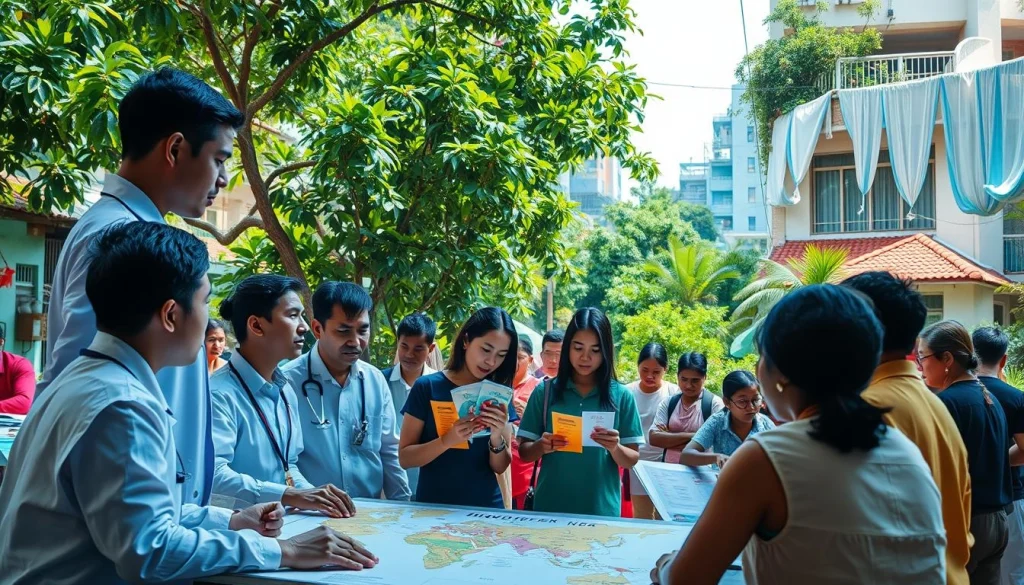
- Conduct public education campaigns to raise awareness about Dengue Fever prevention.
Environmental Management Approaches
Effective environmental management is key to preventing Dengue Fever.
- Properly dispose of waste and recyclables to prevent water accumulation.
- Implement effective water management practices, such as covering water storage containers.
- Modify environments to reduce mosquito habitats, such as removing unnecessary vegetation.
Integrated Vector Management Programs
Integrated Vector Management (IVM) programs combine various control strategies for effective vector management.
- Develop and implement IVM plans that include surveillance, source reduction, and chemical control.
- Collaborate with local communities, health departments, and other stakeholders.
- Monitor and evaluate the effectiveness of IVM programs to make necessary adjustments.
Dengue Fever Vaccines and Immunization
Dengue Fever remains a significant public health issue, making vaccines a vital tool in prevention. The creation and distribution of effective vaccines are essential in lessening Dengue Fever’s global impact.
Currently Approved Vaccines
Several Dengue Fever vaccines have been developed and approved for use in various countries. The Dengvaxia vaccine, developed by Sanofi, is the most notable. It has been approved in multiple countries and shows efficacy against the four Dengue virus serotypes.
The approval of Dengvaxia followed extensive clinical trials. These trials confirmed its safety and efficacy in preventing Dengue Fever. Yet, its use is advised for those with a Dengue infection history, as it may pose risks for those without prior infection.
Vaccination Recommendations and Eligibility
Vaccination recommendations for Dengue Fever differ by country, based on local disease prevalence. Generally, the vaccine is recommended for those living in or traveling to Dengue endemic areas.
Eligibility for vaccination includes age criteria and sometimes serological testing for prior Dengue exposure. Healthcare providers weigh the risks and benefits for individuals considering vaccination.
Vaccine Efficacy and Safety Profiles
The efficacy of Dengue Fever vaccines can depend on several factors, including the individual’s serostatus and the local serotypes. Dengvaxia has shown effectiveness in reducing Dengue Fever incidence, mainly in those with prior virus exposure.
The safety of these vaccines is closely monitored, with common side effects being mild. Yet, concerns about vaccine-induced severe Dengue in certain populations underscore the importance of careful vaccination eligibility consideration.
Emerging Vaccine Technologies
Research aims to develop new Dengue Fever vaccines, addressing current vaccine limitations. These include vaccines effective against all serotypes and those suitable for a broader population, including those without prior Dengue exposure.
New vaccine technologies, like mRNA-based vaccines, are being explored. They promise robust and flexible immune responses against Dengue Fever.
Dengue Fever in the United States
Dengue Fever, once confined to tropical areas, has become a significant health issue in parts of the United States. Its rise in the US is due to both local outbreaks and cases linked to travel. This shift highlights the need for increased vigilance and preventive measures.
Epidemiology and Distribution
Understanding Dengue Fever’s spread in the US requires examining its presence across various regions. It thrives in areas with climates conducive to its mosquito carriers, mainly in the southern states. This knowledge is vital for developing effective prevention strategies.
Local Transmission vs. Travel-Associated Cases
Local transmission occurs when individuals are bitten by infected mosquitoes within the US. On the other hand, travel-associated cases involve those who contract the disease while abroad. Both types are integral to the overall epidemiology of Dengue Fever in the country.
High-Risk US Regions
Certain regions in the US are at higher risk for Dengue Fever due to their climate and the presence of Aedes mosquitoes. These include parts of Florida, Texas, and Hawaii, where local transmission has been documented. Awareness of these areas is critical for targeted prevention efforts.
CDC Guidelines and Surveillance
The Centers for Disease Control and Prevention (CDC) is instrumental in monitoring and controlling Dengue Fever in the US. The CDC offers guidelines for diagnosis, treatment, and prevention. It also tracks the disease’s incidence through surveillance.
The CDC’s initiatives include boosting laboratory capabilities, improving vector control, and launching public awareness campaigns. These efforts aim to decrease the risk of Dengue Fever transmission.
Global Efforts to Combat Dengue Fever
Innovative strategies are being implemented worldwide to combat Dengue Fever. The global community is uniting to tackle this significant public health challenge. Various means are being employed to address it.
WHO Strategic Approaches
The World Health Organization (WHO) is key in fighting Dengue Fever. It provides strategic guidance and support to affected countries. WHO focuses on improving surveillance, outbreak response, and vector control measures.
International Research Collaborations
International research collaborations are essential in the fight against Dengue Fever. They enable the sharing of knowledge, resources, and expertise. This leads to the development of more effective diagnostic tools, treatments, and prevention strategies.
Innovative Control Strategies
Innovative control strategies are being explored and implemented to combat Dengue Fever. Two such strategies are:
-
Wolbachia Method
The Wolbachia method involves infecting mosquitoes with the Wolbachia bacterium. This reduces their ability to transmit Dengue Fever. It has shown promising results in reducing Dengue transmission in several countries.
-
Genetic Modification Approaches
Genetic modification approaches, such as genetically modified mosquitoes, are being developed. These approaches aim to reduce mosquito populations or make them incapable of transmitting the disease.
These global efforts, including strategic approaches, international collaborations, and innovative control strategies, are vital. They are essential in the ongoing fight against Dengue Fever.
Future Outlook and Resources for Dengue Management
The world faces ongoing challenges from Dengue Fever, making it vital to look ahead and explore available resources for management. Recent breakthroughs in medical research and technology have paved the way for better prevention and treatment strategies. These advancements hold great promise for combating this disease.
The outlook for Dengue management is optimistic, with a focus on developing more effective vaccines and integrated vector management programs. The World Health Organization (WHO) is at the forefront, coordinating global efforts to fight Dengue Fever. It provides strategic guidance and support to countries affected by the disease.
For those looking to learn more about Dengue Fever, numerous resources are at hand. The Centers for Disease Control and Prevention (CDC) and WHO websites are treasure troves of information. They offer detailed guidelines on diagnosis, treatment, and prevention. By utilizing these resources and staying informed, communities can collectively reduce Dengue Fever’s impact and enhance public health.
FAQ
Q: What is Dengue Fever?
A: Dengue Fever is a viral illness spread by mosquitoes. It’s a major health issue in tropical and subtropical areas worldwide.
Q: How is Dengue Fever transmitted?
A: The disease spreads through bites from infected Aedes mosquitoes. Main culprits are Aedes aegypti and Aedes albopictus.
Q: What are the symptoms of Dengue Fever?
A: Symptoms include high fever, severe headache, and pain behind the eyes. Joint and muscle pain, rash, and mild bleeding are also common.
Q: How is Dengue Fever diagnosed?
A: Doctors diagnose Dengue Fever through a mix of clinical evaluation, medical history, and lab tests. These include serological tests and molecular diagnostics.
Q: What is the treatment for Dengue Fever?
A: Treatment mainly focuses on symptom relief. It involves managing pain and fever and ensuring fluid balance.
Q: Can Dengue Fever be prevented?
A: Prevention is possible through personal protection and community efforts. Using repellents and wearing protective clothing are key. So are vector control measures.
Q: Are there any vaccines available for Dengue Fever?
A: Yes, several Dengue Fever vaccines are approved in some countries. Vaccination advice varies by region and individual risk.
Q: What is severe Dengue Fever?
A: Severe Dengue Fever, or Dengue Hemorrhagic Fever, is a dangerous form. It’s marked by severe bleeding, low blood platelets, and plasma leakage.
Q: Who is at risk for severe Dengue Fever?
A: Those who’ve had Dengue Fever before and people with certain health issues are at higher risk. They can develop severe Dengue Fever.
Q: What are the global efforts to combat Dengue Fever?
A: Efforts include strategies from the World Health Organization and international research. Innovative methods like the Wolbachia method and genetic modification are also being explored.