Diaphragm Disorders: The Anatomy and Physiology of the Diaphragm
The diaphragm is a vital muscle for breathing. Disorders affecting it can have significant health implications. Understanding these conditions is essential for proper diagnosis and treatment. Diaphragm disorders include a range of conditions that impact the diaphragm’s functioning. These conditions can lead to various symptoms and complications. It’s vital to explore the different types, their diagnosis, and treatment options.
This article aims to provide a detailed guide to diaphragm disorders. It offers valuable insights into their complexities and the importance of effective management. Understanding the diaphragm’s anatomy and physiology is key to grasping diaphragm disorders. The diaphragm is a dome-shaped muscle that divides the chest cavity from the abdominal cavity. Its unique structure and location are essential for its role in respiration.
Structure and Location
The diaphragm is situated below the lungs, separating the thoracic cavity from the abdominal cavity. It is a thin, dome-shaped muscle attached to the rib cage and spine. This structure enables it to contract and relax, aiding in lung expansion and contraction.
Role in Breathing and Respiration
The diaphragm is vital for breathing, contracting and relaxing to expand and contract the lungs. When it contracts, it descends, allowing the lungs to fill with air. When it relaxes, it ascends, aiding in the expulsion of air from the lungs.
Secondary Functions
Beyond its primary role in respiration, the diaphragm aids in other bodily functions. It increases abdominal pressure during coughing, sneezing, and defecation. It also stabilizes the core and supports the spine.
Types of Diaphragm Disorders
The diaphragm can be affected by various disorders, which are broadly classified into congenital and acquired types. Understanding these categories is key for diagnosing and treating diaphragm-related conditions effectively.
Congenital Disorders
Congenital diaphragm disorders are conditions present at birth. They occur during fetal development and can significantly impact an individual’s quality of life.
One common congenital disorder is the diaphragmatic hernia, where there’s a hole in the diaphragm that allows abdominal organs to move into the chest cavity. This condition requires immediate medical attention after birth.
- Congenital Diaphragmatic Hernia (CDH)
- Diaphragmatic Eventration
- Other rare congenital anomalies
Acquired Disorders
Acquired diaphragm disorders develop over an individual’s lifetime, often due to injury, disease, or other factors. These conditions can significantly affect respiratory function and overall health.
Examples of acquired disorders include diaphragmatic paralysis, which can result from nerve damage, and diaphragmatic rupture due to trauma. These conditions require appropriate medical evaluation and treatment.
- Diaphragmatic Paralysis
- Diaphragmatic Rupture
- Diaphragmatic Tumors
Understanding the differences between congenital and acquired diaphragm disorders is essential for healthcare providers to develop effective treatment plans.
Diaphragmatic Hernias
Diaphragmatic hernias involve the protrusion of abdominal contents into the thoracic cavity through a diaphragmatic defect. This condition can lead to significant health issues, including respiratory distress and gastrointestinal complications.
Congenital Diaphragmatic Hernias
Congenital diaphragmatic hernias are a significant concern in newborns, occurring when there is a failure in the development of the diaphragm during fetal development. This results in a defect that allows abdominal organs to herniate into the chest cavity.
Bochdalek Hernia
A Bochdalek hernia is the most common type of congenital diaphragmatic hernia, typically occurring on the left side. It is characterized by a posterolateral defect in the diaphragm and can lead to severe respiratory distress in newborns.
Morgagni Hernia
A Morgagni hernia is a less common type of congenital diaphragmatic hernia that occurs through an anterior diaphragmatic defect. It is often diagnosed incidentally and may be asymptomatic until later in life.
Hiatal Hernias
Hiatal hernias occur when part of the stomach protrudes into the chest through an opening in the diaphragm. There are two main types: sliding hiatal hernias, where the junction of the esophagus and stomach slides up into the chest, and paraesophageal hernias, where the stomach bulges up beside the esophagus.
- Sliding hiatal hernias are more common and often associated with gastroesophageal reflux disease (GERD).
- Paraesophageal hernias can be more dangerous due to the risk of gastric volvulus and strangulation.
Traumatic Diaphragmatic Hernias
Traumatic diaphragmatic hernias result from injuries to the diaphragm, often due to severe blunt or penetrating trauma. These hernias can be challenging to diagnose and may present with non-specific symptoms, requiring a high index of suspicion for diagnosis.
Diaphragm Paralysis
The diaphragm, a vital muscle for breathing, can become paralyzed, causing significant respiratory problems. This occurs when the nerves controlling the diaphragm are damaged or the muscle weakens. The condition can manifest as unilateral or bilateral paralysis, each with unique health implications and treatment strategies.
Unilateral Diaphragm Paralysis
Unilateral diaphragm paralysis affects one half of the diaphragm. It can result from nerve damage during surgery, trauma, or diseases affecting the phrenic nerve. Patients may experience mild to moderate respiratory symptoms, depending on the diaphragm’s health and other respiratory conditions.
Symptoms include shortness of breath, more pronounced when lying down, and reduced exercise tolerance. Diagnosis often involves imaging studies like chest X-rays or fluoroscopy to assess diaphragm movement.
Bilateral Diaphragm Paralysis
Bilateral diaphragm paralysis is a more severe condition where both halves of the diaphragm are paralyzed. This condition can lead to significant respiratory distress, as the diaphragm plays a critical role in breathing. Causes include severe trauma, neurological disorders, or muscular diseases affecting the diaphragm.
Patients with bilateral diaphragm paralysis often experience severe respiratory symptoms, including difficulty breathing, orthopnea (breathing difficulty when lying down), and reduced lung volumes. Treatment may involve mechanical ventilation support, which is essential during sleep, and other interventions to manage symptoms and improve quality of life.
Phrenic Nerve Damage
Phrenic nerve damage is a common cause of diaphragm paralysis. The phrenic nerve controls the diaphragm’s movement, and damage can result from trauma, surgical complications, or neurological diseases. The extent of the damage can vary, leading to different degrees of diaphragm paralysis.
Management of phrenic nerve damage may involve treating the underlying cause, if possible, and supportive care to manage symptoms of diaphragm paralysis. In some cases, diaphragm pacing may be considered as a treatment option to help restore some diaphragm function.
Diaphragmatic Eventration
To grasp diaphragmatic eventration, we must explore its causes, types, and how it contrasts with other diaphragm issues. This condition arises when the diaphragm is abnormally elevated. It can stem from congenital factors or acquired conditions, like phrenic nerve paralysis.
Partial Eventration
Partial eventration affects only a part of the diaphragm, causing it to elevate. This can result in varying respiratory issues, based on the extent and location of the elevation.
- Symptoms may include shortness of breath and difficulty breathing.
- Diagnosis often involves imaging studies like X-rays or CT scans.
- Treatment can range from conservative management to surgical intervention.
Complete Eventration
Complete eventration involves the entire diaphragm being elevated. This condition can severely impact respiratory function, potentially causing severe respiratory distress.
- Complete eventration is often associated with significant morbidity.
- Surgical repair is frequently considered to alleviate symptoms and improve respiratory function.
- Post-operative care is critical for recovery.
Differences from Diaphragmatic Hernia
Though both diaphragmatic eventration and hernias involve diaphragm abnormalities, they are distinct. A diaphragmatic hernia occurs when there’s a hole or tear in the diaphragm, allowing abdominal organs to protrude into the chest cavity.
- Diaphragmatic hernias can be congenital or acquired due to trauma.
- The presence of abdominal organs in the thoracic cavity distinguishes hernias from eventration.
- Treatment for hernias often involves surgical repair to close the diaphragmatic defect.
Diaphragm Spasms and Hiccups
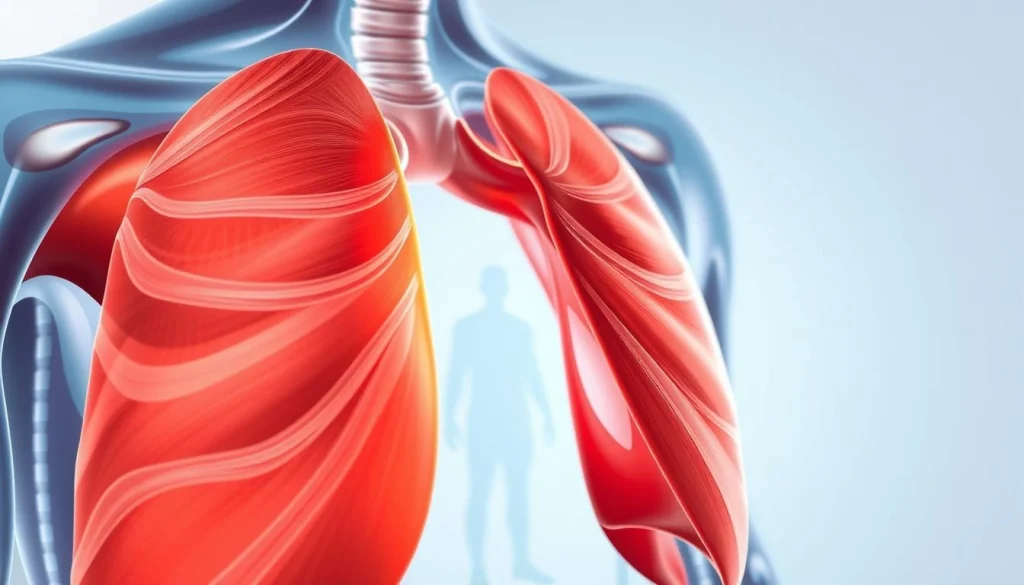
The diaphragm is vital for breathing, and spasms can cause hiccups. Hiccups are a common human experience, often sudden and sometimes hard to control. For some, hiccups can be a persistent and debilitating issue.
Acute Hiccups
Acute hiccups are the most common type and usually last from a few minutes to hours. They can be triggered by eating too quickly, spicy food, or stress. Most of the time, acute hiccups resolve without medical help.
Persistent Hiccups
Persistent hiccups last over 48 hours and may indicate an underlying health issue. Conditions like GERD, pneumonia, or certain medications can cause them. A medical evaluation is needed to find the cause and treatment.
Intractable Hiccups
Intractable hiccups last over a month or recur often. This severe form can greatly affect daily life, causing eating, sleeping, or breathing difficulties. They often require detailed medical investigation to find the cause, which could be neurological disorders or serious infections. Specialized treatment may be needed.
It’s important to understand the different types of hiccups to know how to act. While acute hiccups are usually not a concern, persistent and intractable hiccups need medical attention to address any underlying issues.
Diaphragmatic Rupture and Trauma
The diaphragm is vulnerable to injury from both blunt and penetrating trauma, leading to potentially life-threatening conditions. Diaphragmatic rupture is a serious condition that can occur due to severe trauma. It significantly impacts an individual’s health and requires immediate medical attention.
Blunt Trauma Injuries
Blunt trauma injuries to the diaphragm can occur due to severe impacts, such as those experienced in motor vehicle accidents or falls from significant heights. These injuries can cause a rupture in the diaphragm, leading to herniation of abdominal contents into the thoracic cavity.
Symptoms may not always be immediately apparent, making diagnosis challenging. A high index of suspicion is necessary for individuals with severe blunt trauma to promptly identify diaphragmatic injuries.
Penetrating Injuries
Penetrating injuries, such as those caused by stab wounds or gunshot wounds, can directly damage the diaphragm. The severity of the injury depends on the size and location of the penetration.
Penetrating diaphragmatic injuries often require surgical intervention to repair the diaphragm and address any associated injuries to other structures.
Post-Surgical Complications
Post-surgical complications involving the diaphragm can occur after thoracic or abdominal surgery. These complications may include diaphragmatic paralysis or herniation due to surgical disruption of the diaphragm.
Careful surgical planning and post-operative care are essential to minimize the risk of diaphragmatic complications.
Common Symptoms of Diaphragm Disorders
It’s vital to recognize the symptoms of diaphragm disorders to seek medical help promptly. These disorders can impact not just breathing but also other bodily functions. Understanding these symptoms is key to timely intervention.
Respiratory Symptoms
Respiratory symptoms are a common sign of diaphragm disorders. They include:
- Shortness of breath or difficulty breathing
- Reduced lung capacity
- Orthopnea, or difficulty breathing when lying down
The diaphragm is essential for expanding the chest cavity to let air into the lungs. If it malfunctions, breathing becomes harder.
Gastrointestinal Symptoms
Diaphragm disorders can also cause gastrointestinal symptoms. This is because the diaphragm is close to the stomach and other digestive organs. Symptoms include:
- Dysphagia, or difficulty swallowing
- Heartburn or acid reflux
- Nausea and vomiting
These symptoms occur when a diaphragmatic hernia or disorder presses on the stomach or disrupts digestion.
Pain and Discomfort
Pain and discomfort are significant symptoms of diaphragm disorders. Patients may feel:
- Chest pain that worsens with deep breathing or coughing
- Shoulder pain, due to referred pain from the diaphragm
- Abdominal pain, if there’s gastrointestinal distress
Identifying these symptoms is critical for diagnosing diaphragm disorders. Early detection can lead to more effective treatment and better outcomes for patients.
Risk Factors for Developing Diaphragm Disorders
Understanding the risk factors for diaphragm disorders is key to early detection and prevention. Various factors can lead to these conditions, impacting people differently.

Genetic Predispositions
Genetic predispositions significantly influence the risk of congenital diaphragm disorders. Those with a family history are more likely to be affected. Research into genetics helps pinpoint those at higher risk.
Environmental Factors
Exposure to toxins or pollutants can raise the risk of acquired diaphragm disorders. Lifestyle and occupational exposures also play a role. Knowing these environmental risks helps in prevention.
Medical Conditions
Certain medical conditions increase the risk of diaphragm disorders. For instance, nerve disorders or muscle diseases affecting the diaphragm can contribute. Managing these conditions is vital to reduce risk.
Healthcare providers can develop prevention and early intervention strategies by understanding these risk factors. This approach improves outcomes for those at risk of diaphragm disorders.
Diagnostic Methods for Diaphragm Disorders
Healthcare professionals use various tools and methods to diagnose diaphragm disorders. This process is key to identifying symptoms’ causes and guiding treatment.
Physical Examination
A detailed physical examination is the initial step in diagnosing diaphragm disorders. Healthcare providers check respiratory function for abnormal patterns or reduced sounds. They also evaluate overall health and medical history to find contributing factors.
Imaging Studies
Imaging studies are essential for diagnosing diaphragm disorders. They provide detailed images of the diaphragm and surrounding areas.
X-rays
Chest X-rays are the first imaging test for diaphragm evaluation. They can spot abnormalities like hernias or eventration.
CT Scans
Computed Tomography (CT) scans offer clearer images than X-rays. They help accurately assess the diaphragm and its tissues.
MRI
Magnetic Resonance Imaging (MRI) provides high-resolution images. It aids in diagnosing complex conditions and planning surgeries.
Functional Testing
Functional testing is critical for evaluating the diaphragm’s breathing role.
Pulmonary Function Tests
Pulmonary Function Tests (PFTs) measure lung capacity and airflow. They offer insights into diaphragm function.
Fluoroscopy
Fluoroscopy is a dynamic imaging technique. It allows healthcare providers to observe diaphragm movement in real-time. This helps diagnose conditions like diaphragmatic paralysis.
Combining physical examination findings with imaging and functional testing helps healthcare professionals accurately diagnose diaphragm disorders. This approach enables them to develop effective treatment plans.
Treatment Options for Diaphragm Disorders
Managing diaphragm disorders requires a variety of treatments, each suited to the condition’s specifics and severity. The choice of treatment hinges on several factors. These include the disorder’s nature, the patient’s health, and any complications present.
Conservative Management
For less severe cases, conservative management is often the initial approach. This strategy involves monitoring the condition, making lifestyle adjustments, and providing supportive care. It aims to manage symptoms and prevent further deterioration.
Surgical Interventions
When diaphragm disorders are more severe or complicated, surgery becomes necessary. Surgical methods vary, from minimally invasive procedures to open surgery. The choice depends on the condition’s specifics and the patient’s health.
Minimally Invasive Approaches
Minimally invasive surgery, like laparoscopic or thoracoscopic procedures, offers a less invasive option. These techniques use smaller incisions, causing less tissue damage. They generally lead to quicker recovery times compared to traditional open surgery.
Open Surgical Techniques
For complex cases or when less invasive methods are not possible, open surgery is required. This approach involves a larger incision to directly access the diaphragm. It allows for more extensive repairs or reconstructions as needed.
Diaphragm Pacing
Diaphragm pacing is a specialized treatment for certain diaphragm disorders, like paralysis or weakness. It involves stimulating the diaphragm electrically to enhance breathing efficiency.
Rehabilitation Strategies
Rehabilitation is key in recovering from diaphragm disorders, whether treated conservatively or surgically. It includes breathing exercises, physical therapy, and lifestyle counseling. These efforts aim to improve overall health and function.
Complications and Prognosis
Understanding the complications of diaphragm disorders is key to effective management. These disorders can lead to various complications, affecting both short-term and long-term outcomes. Such impacts significantly alter patient quality of life.
Short-term Complications
Short-term complications include respiratory distress, pneumonia, and infections due to impaired diaphragmatic function. These issues can arise suddenly, necessitating immediate medical intervention to prevent further decline.
Short-term complications may also involve gastrointestinal problems, such as dysphagia or bowel obstruction. This is often due to the disorder’s impact on the diaphragm’s interaction with abdominal organs.
Long-term Health Impacts
Long-term health impacts of diaphragm disorders are substantial. They can lead to chronic respiratory issues, reduced lung capacity, and decreased physical stamina. Patients often experience persistent symptoms that hinder daily activities and quality of life.
Long-term complications may also include nutritional deficiencies from gastrointestinal symptoms. Psychological impacts, such as anxiety or depression, can result from chronic illness.
Factors Affecting Prognosis
The prognosis for diaphragm disorders varies widely. It depends on the disorder’s type and severity, treatment effectiveness, and the patient’s overall health.
Early diagnosis and appropriate management are vital for improving prognosis. Age, comorbidities, and complications also significantly influence patient outcomes.

Living with Diaphragm Disorders
Adopting lifestyle modifications and practicing specific breathing techniques can greatly enhance the quality of life for individuals with diaphragm disorders. Understanding the condition and implementing management strategies can help mitigate symptoms. This improves overall well-being.
Lifestyle Modifications
Making adjustments to daily habits and lifestyle can significantly impact managing diaphragm disorders. This includes maintaining a healthy weight, avoiding heavy lifting, and adopting a balanced diet. These actions reduce strain on the diaphragm.
- Eating smaller, more frequent meals to reduce pressure on the diaphragm
- Avoiding foods that can cause discomfort or exacerbate symptoms
- Engaging in gentle exercises that do not strain the diaphragm
Breathing Exercises and Techniques
Specific breathing exercises can help strengthen the diaphragm and improve respiratory function. Techniques such as diaphragmatic breathing, yoga, and pulmonary rehabilitation are beneficial. These exercises should be practiced under the guidance of a healthcare professional to ensure they are performed correctly and safely.
Support Resources
Living with a diaphragm disorder can be challenging, not just for the patient but also for their family. Accessing support resources, such as patient support groups, counseling, and educational materials, can provide valuable assistance and guidance. Connecting with others who have similar experiences can offer emotional support and practical advice for managing the condition.
When to Seek Medical Attention
Knowing when to seek medical help is vital for those with diaphragm disorders symptoms. Severe breathing trouble or chest pain signals serious issues that need immediate doctor’s care.
Diaphragm disorders can show up in many ways, like breathing problems, stomach issues, or pain. Spotting these signs early and getting help quickly can lead to better health outcomes.
If symptoms persist or worsen, it’s time to see a healthcare professional. Timely medical attention is key to effectively managing diaphragm disorders.
Being aware of the need for medical evaluation can help individuals stay healthy. It’s a proactive step towards addressing diaphragm disorders and their related issues.
FAQ About Diaphragm Disorders
Q: What are diaphragm disorders?
A: Diaphragm disorders include a variety of conditions affecting the diaphragm, a key muscle for breathing. These include congenital and acquired disorders, hernias, paralysis, eventration, spasms, and trauma.
Q: What are the symptoms of diaphragm disorders?
A: Symptoms can range from respiratory difficulties to gastrointestinal issues, and even pain and discomfort. The specific symptoms depend on the disorder’s impact on the diaphragm.
Q: How are diaphragm disorders diagnosed?
A: Diagnosis involves a combination of physical examination and imaging studies. This includes X-rays, CT scans, and MRI. Functional testing like pulmonary function tests and fluoroscopy also play a role.
Q: What are the treatment options for diaphragm disorders?
A: Treatment options vary widely. They can range from conservative management to surgical interventions. This includes minimally invasive and open techniques, diaphragm pacing, and rehabilitation strategies. The choice depends on the disorder’s nature and severity.
Q: Can diaphragm disorders be prevented?
A: Prevention is possible by understanding risk factors. These include genetic predispositions, environmental factors, and certain medical conditions. Early detection is also key.
Q: What are the complications of diaphragm disorders?
A: Complications can include both short-term and long-term health impacts. The prognosis varies. It depends on the disorder, its severity, and the effectiveness of treatment.
Q: How can individuals live with diaphragm disorders?
A: Living with diaphragm disorders requires lifestyle modifications. Breathing exercises and techniques are also beneficial. Accessing support resources can help manage symptoms and improve quality of life.
Q: When should I seek medical attention for diaphragm disorder symptoms?
A: Seek immediate medical care for severe difficulty breathing or chest pain. Understanding the signs that require medical evaluation can lead to timely intervention and better outcomes.