Dyspnea: What is Dyspnea?
Shortness of breath is a distressing condition that affects millions globally. Dyspnea, or breathing difficulties, can severely impact one’s quality of life. It makes everyday tasks a daunting challenge. Understanding the causes and symptoms of dyspnea is key to effective management. By identifying the underlying factors, individuals can start regaining control over their respiratory health.
Exploring the complexities of dyspnea reveals the need for a holistic approach. This includes diagnosis, treatment, and lifestyle adjustments. Such a strategy is essential for addressing this condition comprehensively. Dyspnea, or shortness of breath, is a symptom linked to many medical conditions. It’s a complex issue affecting millions globally, impacting their life quality and overall health.
Definition and Medical Terminology
Dyspnea is described as a subjective feeling of breathing discomfort. The medical world uses a wide range of terms to detail its severity, duration, and characteristics.
Subjective vs. Objective Dyspnea
Dyspnea comes in two forms: subjective and objective. Subjective dyspnea is based on the patient’s personal experience of breathing trouble. Objective dyspnea, on the other hand, is measured through clinical tests and observations.
How Dyspnea Feels
Dyspnea can vary greatly among individuals. Some might feel only mild discomfort, while others experience severe breathing issues.
Common Descriptors Patients Use
Patients often describe dyspnea with terms like feeling winded, tightness in the chest, or suffocation. Understanding these descriptions is key for healthcare providers to accurately diagnose and manage dyspnea.
Common Causes of Dyspnea
Understanding the causes of dyspnea is key to managing this distressing symptom. It can stem from various conditions affecting the heart, lungs, and other systems.
Cardiac Causes
Cardiac conditions significantly contribute to dyspnea. They impair the heart’s ability to pump blood efficiently, causing fluid buildup in the lungs.
Heart Failure and Coronary Artery Disease
Heart failure occurs when the heart can’t pump enough blood. Coronary artery disease, which narrows or blocks arteries, can lead to heart failure and dyspnea.
Pulmonary Causes
Pulmonary conditions are a major cause of dyspnea. They affect the lungs and airways, hindering proper breathing.
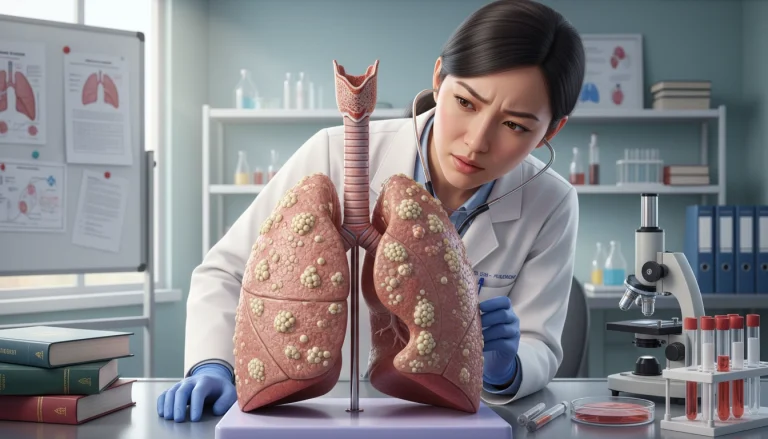
COPD, Asthma, and Pulmonary Fibrosis
COPD and asthma obstruct airflow, causing dyspnea. Pulmonary fibrosis scars lung tissue, making breathing difficult.
Other Medical Conditions
Other medical conditions can also cause dyspnea. These include issues affecting blood oxygen-carrying capacity or physical conditioning.
Anemia, Obesity, and Deconditioning
Anemia reduces blood’s oxygen-carrying ability, leading to dyspnea. Obesity restricts lung expansion. Deconditioning lowers stamina, making daily activities more challenging.
Types of Dyspnea
Dyspnea, or shortness of breath, presents in various forms, each with unique characteristics and implications for patient care. It’s vital to grasp these differences for effective management and treatment.
Acute Dyspnea
Acute dyspnea is sudden shortness of breath, often linked to severe medical issues like heart attacks, pulmonary embolism, or acute asthma attacks.
Sudden Onset Breathing Difficulties
Sudden onset breathing troubles demand immediate medical intervention. Symptoms include severe shortness of breath, chest pain, and, in extreme cases, loss of consciousness.
Chronic Dyspnea
Chronic dyspnea involves long-term breathing issues, commonly stemming from conditions like chronic obstructive pulmonary disease (COPD), heart failure, or interstitial lung disease.
Long-term Management Strategies
For chronic dyspnea, long-term management includes medication, lifestyle adjustments, and pulmonary rehabilitation. The aim is to enhance quality of life and functional capacity.
Exertional Dyspnea
Exertional dyspnea occurs during physical activity, often due to cardiovascular or respiratory conditions that hinder the body’s ability to increase oxygen supply during exercise.
Activity Limitations and Adaptations
Those with exertional dyspnea may need to restrict their activities or modify their exercise routines. This might involve pacing activities, avoiding extreme temperatures, and using supplemental oxygen if advised.
The various forms of dyspnea underscore the complexity of managing shortness of breath. A holistic approach, encompassing medical treatment, lifestyle adjustments, and patient education, is critical for better outcomes.
- Accurate diagnosis of the underlying cause
- Tailored treatment plans
- Lifestyle modifications
- Patient education on managing symptoms
Risk Factors for Developing Dyspnea
Dyspnea risk is shaped by age, lifestyle, and pre-existing health conditions. It’s vital to grasp these factors to spot those at higher risk and take preventive steps.
Age-Related Factors
As we age, our lungs undergo changes that can impair lung function. This increases the risk of experiencing breathing difficulties.
Physiological Changes in Aging Lungs
Older lungs lose elasticity and function, making older adults more prone to breathing issues.
Lifestyle Factors
Lifestyle choices and environmental exposures significantly impact dyspnea development.
Smoking, Sedentary Behavior, and Occupational Exposures
Smoking is a major risk factor for respiratory diseases leading to dyspnea. Sedentary lifestyles and certain occupational hazards also raise the risk.
Pre-existing Medical Conditions
Medical conditions, mainly those affecting the respiratory and cardiovascular systems, significantly up the risk of dyspnea.
Respiratory and Cardiovascular Diseases
Conditions like COPD, asthma, and heart failure increase dyspnea risk. They impact lung function and cardiovascular health.
Diagnosing Dyspnea
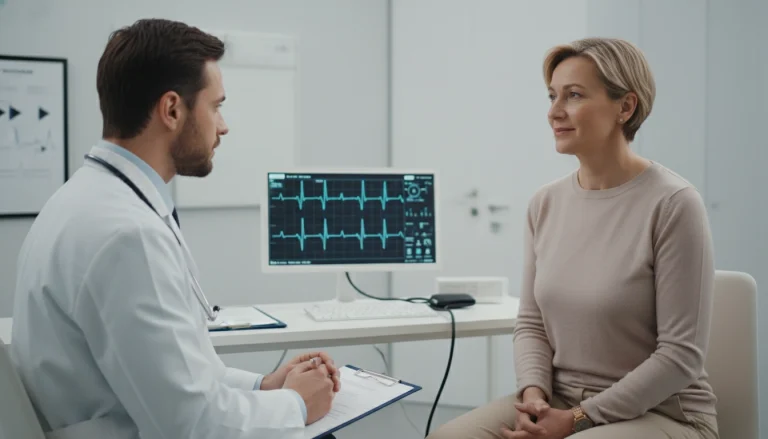
Diagnosing dyspnea demands a detailed approach. It involves understanding the patient’s medical history and conducting a thorough physical examination. This initial step is vital in pinpointing the underlying cause of the patient’s symptoms.
Medical History and Physical Examination
A detailed medical history is key in diagnosing dyspnea. It helps healthcare professionals grasp the patient’s symptoms, past illnesses, and lifestyle factors that might influence their condition.
Key Questions Physicians Ask
During the medical history, physicians pose specific questions. They aim to gather more information about the patient’s condition. This includes the duration of symptoms, triggers, and any associated symptoms like chest pain or cough.
Diagnostic Tests
Diagnostic tests are essential in diagnosing dyspnea. They help identify or rule out underlying conditions. These tests may include pulmonary function tests, imaging studies, and other specialized tests based on the suspected cause.
Pulmonary Function Tests and Imaging Studies
Pulmonary function tests evaluate lung function. Imaging studies like chest X-rays or CT scans provide visual information about the lungs and heart. These tests are vital in diagnosing conditions such as chronic obstructive pulmonary disease (COPD) or heart failure.
Differential Diagnosis
Differential diagnosis involves distinguishing between two or more conditions that could be causing the patient’s symptoms. For dyspnea, this means considering a range of possible causes. These include cardiac and pulmonary conditions, as well as other medical conditions.
Distinguishing Between Similar Conditions
Healthcare professionals must carefully evaluate the patient’s symptoms, medical history, and test results. This ensures an accurate diagnosis and an appropriate treatment plan. Differentiating between similar conditions is critical.
Medical Treatments for Dyspnea
Managing dyspnea often involves a mix of treatments, including medications and non-medical options. The right treatment depends on the cause, how severe it is, and the patient’s specific needs.
Medications
Medicines are key in treating dyspnea, mainly when it stems from lung or heart issues.
Bronchodilators, Corticosteroids, and Other Pharmacological Options
Bronchodilators and corticosteroids are often used for COPD and asthma-related dyspnea. Other treatments might include:
- Beta-agonists to relax airway muscles
- Anticholinergics to reduce mucus production
- Phosphodiesterase inhibitors to reduce inflammation
Oxygen Therapy
Oxygen therapy is vital for managing dyspnea, mainly for those with severe lung diseases.
Home Oxygen Equipment and Monitoring
Home oxygen therapy needs the right equipment and monitoring for safety and effectiveness. This includes:
- Oxygen concentrators or tanks
- Nasal cannulas or masks
- Regular check-ups with healthcare providers
Surgical Interventions
Surgery might be needed for dyspnea caused by lung tumors or severe COPD.
When Surgery Becomes Necessary
Surgery is considered when other treatments don’t work well enough. Surgical options might include:
- Lung volume reduction surgery
- Lung transplantation
- Other procedures to address underlying issues
Effective dyspnea management requires a detailed plan, using treatments that fit each patient’s unique situation.
Lifestyle Changes to Alleviate Dyspnea
Lifestyle modifications are key in reducing dyspnea’s severity. Simple daily changes can significantly ease shortness of breath symptoms. These adjustments boost health and enhance life quality for those with dyspnea.
Exercise and Physical Activity
Regular exercise is vital for managing dyspnea. Activities like walking, swimming, or cycling boost cardiovascular health and lung function. It’s important to begin slowly and gradually increase workout intensity and duration.
Safe Exercise Programs for Breathing Difficulties
Those with dyspnea should join safe exercise programs for breathing issues. These programs, supervised by healthcare professionals, cater to specific needs.
Dietary Modifications
Dietary changes are also significant in easing dyspnea. Eating a balanced diet with fruits, vegetables, and whole grains can reduce inflammation and improve health.
Anti-inflammatory Foods and Weight Management
Adding anti-inflammatory foods to your diet can lessen dyspnea symptoms. Maintaining a healthy weight through diet and exercise also eases lung and heart strain.
Environmental Adjustments
Environmental adjustments are critical in managing dyspnea. Improving air quality and making home modifications can reduce irritants that worsen breathing issues.
Air Quality and Home Modifications
Using air purifiers and removing allergens can enhance air quality. Simple home changes, like installing grab bars and removing tripping hazards, also make a big difference.
By adopting these lifestyle changes, individuals with dyspnea can see symptom reduction and an improved quality of life.
Breathing Techniques for Managing Dyspnea
For those dealing with dyspnea, learning specific breathing techniques can greatly improve life quality. These techniques are simple yet effective in managing shortness of breath. They enhance respiratory function overall.
Pursed-Lip Breathing
Pursed-lip breathing slows down breathing, reduces airway constriction, and keeps airways open longer. This makes breathing easier.
Step-by-Step Instructions
To practice pursed-lip breathing, begin by inhaling slowly through your nose for two counts. Next, pucker your lips as if to whistle and exhale slowly through your pursed lips for four counts. Repeat this several times.
Diaphragmatic Breathing
Diaphragmatic breathing engages the diaphragm, the main muscle for breathing, to enhance lung capacity and efficiency. This technique reduces the effort needed for breathing.
Practice Exercises and Benefits
To practice diaphragmatic breathing, lie on your back with knees bent. Place one hand on your belly and the other on your chest. Inhale deeply through your nose, letting your belly rise while your chest stays steady. Exhale through your mouth, letting your belly fall. Regular practice improves respiratory function and lessens dyspnea.

Coordinated Breathing with Activities
Coordinating breathing with daily activities conserves energy and reduces dyspnea. Synchronizing breathing with movements makes tasks more efficient.
Daily Tasks and Energy Conservation
For instance, when walking, inhale for two steps and exhale for two steps. This coordination helps manage breathlessness during physical activities. Adjusting breathing during daily tasks can significantly boost energy levels and lessen dyspnea severity.
Pulmonary Rehabilitation for Dyspnea
Pulmonary rehabilitation is a holistic program aimed at managing dyspnea and boosting overall well-being. It combines exercise, education, and behavioral changes to meet the physical and emotional needs of those with chronic respiratory diseases.
Components of Pulmonary Rehabilitation
This program is customized for each patient. It includes exercise, education on respiratory health, and strategies to manage symptoms.
Exercise Training and Education
Exercise training is key, focusing on improving physical fitness and endurance. Education helps patients grasp their condition and manage it well.
Benefits and Outcomes
Pulmonary rehabilitation offers many benefits for those with dyspnea. It enhances exercise tolerance, reduces symptoms, and improves quality of life.
Improved Quality of Life Measures
Patients see notable improvements in their quality of life. This includes better physical function and less psychological distress. For more on related conditions, such as pulmonary hemorrhage, consult healthcare experts.
Psychological Aspects of Living with Dyspnea
Dyspnea is more than a physical issue; it deeply affects the mind. The constant fear of not breathing can heighten anxiety, creating a cycle that worsens the condition.
Anxiety and Panic Management
Anxiety often accompanies dyspnea, as the fear of not breathing can cause panic attacks. It’s essential to manage anxiety to enhance the life quality of those with dyspnea.
Breaking the Dyspnea-Anxiety Cycle
To break this cycle, a variety of strategies are needed. These include relaxation methods, cognitive-behavioral therapy, and sometimes medication to control anxiety symptoms.
Depression and Quality of Life
Depression is a major psychological challenge for those with dyspnea. The long-term nature of the condition can lead to hopelessness and despair, impacting life quality.
Support Groups and Counseling Options
Support groups and counseling are key in managing depression. They offer a sense of community and understanding, aiding in better coping with the condition.
Addressing the psychological aspects of dyspnea helps individuals manage their condition better. This improves their overall life quality.
When to Seek Emergency Medical Care
Recognizing the severity of dyspnea and knowing when to seek help can be lifesaving. Dyspnea, or shortness of breath, can manifest in various forms. It can be a symptom of an underlying serious condition.
Warning Signs and Symptoms
Certain symptoms accompanying dyspnea require immediate medical attention. These include:
- Severe chest pain or pressure
- Confusion or loss of consciousness
- Severe headache or dizziness
- Blue-tinged lips or fingers
Red Flags That Require Immediate Attention
Some symptoms are considered red flags and necessitate immediate action. These are:
- Acute onset of dyspnea
- Trauma or injury causing breathing difficulty
- Signs of an allergic reaction
What to Tell Your Healthcare Provider
When seeking emergency medical care, it’s vital to provide your healthcare provider with as much information as possible. This includes:
- A detailed description of your symptoms
- Any medications you are currently taking
- Your medical history, including any pre-existing conditions
Preparing for Emergency Department Visits
Being prepared can help ensure that you receive the best care possible. Bring:
- Any relevant medical records
- A list of your medications and dosages
- Contact information for your healthcare providers
Understanding what to expect and being prepared can make a significant difference in your care.
Dyspnea in Special Populations
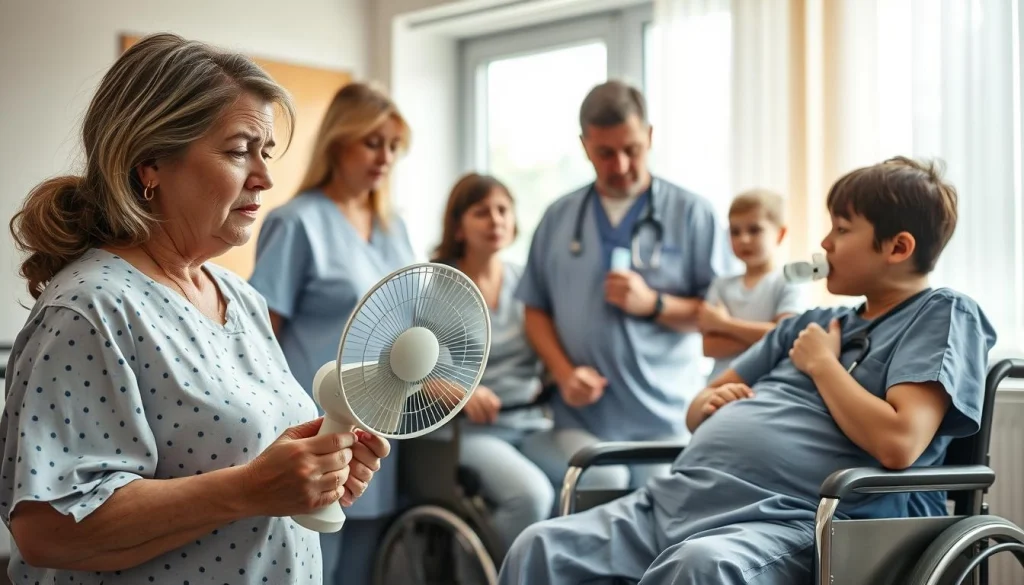
Understanding dyspnea in special populations is key for effective diagnosis and treatment. Dyspnea, or shortness of breath, varies across different age groups and conditions.
Children and Adolescents
Dyspnea in children and adolescents stems from various causes, including respiratory infections, asthma, and congenital heart defects. Accurate diagnosis is hard due to the challenge of assessing symptoms in younger patients.
Pediatric Assessment Challenges
Assessing dyspnea in children requires careful consideration of their developmental stage and ability to communicate symptoms. Healthcare providers must use a combination of clinical judgment and specialized assessment tools.
Elderly Patients
Elderly patients often experience dyspnea due to age-related changes and comorbid conditions like heart failure and chronic obstructive pulmonary disease (COPD). Management must consider the multifactorial nature of their dyspnea.
Multifactorial Causes and Geriatric Considerations
Geriatric patients often have multiple causes for dyspnea, requiring a thorough assessment. This includes evaluating medications, cardiac function, and pulmonary status.
Pregnant Women
Dyspnea is a common symptom during pregnancy, often due to physiological changes. It can also indicate pathological conditions that require medical attention.
Physiological vs. Pathological Dyspnea in Pregnancy
Distinguishing between physiological dyspnea caused by pregnancy and pathological dyspnea due to underlying conditions is critical. It ensures the health of both mother and fetus.
Latest Research and Advances in Dyspnea Management
Medical science is making strides in managing dyspnea. Recent studies aim to develop more effective treatments for this distressing symptom. Researchers are exploring various avenues to enhance patient outcomes.
New Treatment Approaches
New treatment methods are being developed to tackle dyspnea more effectively. These include innovative pharmacological interventions and non-pharmacological strategies. For example, recent research suggests novel therapies may manage dyspnea associated with different conditions.
Emerging Medications and Therapies
Emerging medications and therapies are showing promise in clinical trials. New bronchodilators, anti-inflammatory agents, and oxygen therapies are being developed. These treatments are expected to significantly improve dyspnea management.
Ongoing Clinical Trials
Ongoing clinical trials are evaluating the efficacy and safety of new interventions for dyspnea. These trials are essential for advancing the field and providing evidence-based treatments. Researchers are also exploring digital health technologies for monitoring and managing dyspnea.
Promising Areas of Investigation
Promising areas include the use of artificial intelligence to predict dyspnea episodes and personalized medicine approaches. These innovative strategies are expected to revolutionize dyspnea management in the coming years.
Living Well Despite Breathing Challenges
Dealing with dyspnea can be tough, but the right strategies can help manage symptoms and enhance life quality. A holistic approach is key, combining medical treatments, lifestyle adjustments, and psychological support. This is vital for effectively tackling breathing issues.
Addressing breathing challenges demands a broad strategy. Breathing techniques like pursed-lip and diaphragmatic breathing can help control symptoms. Lifestyle changes, such as regular exercise, dietary modifications, and environmental adjustments, also play a significant role in reducing dyspnea.
Improving life quality is essential for those with dyspnea. A well-rounded management plan can lessen dyspnea’s daily impact. It’s important to know when to seek emergency care and stay updated on the latest dyspnea management research.
By being proactive and well-informed, individuals can lead active, fulfilling lives despite breathing challenges. The right support and strategies enable maintaining a high quality of life, even with dyspnea’s complexities.
FAQ
Q: What is dyspnea?
A: Dyspnea is a medical term for shortness of breath or difficulty breathing.
Q: What are the common causes of dyspnea?
A: Dyspnea can stem from various sources. Cardiac issues like heart failure and coronary artery disease are common culprits. Pulmonary conditions, including COPD, asthma, and pulmonary fibrosis, also play a significant role. Other medical conditions, such as anemia, obesity, and deconditioning, can contribute to this symptom as well.
Q: How is dyspnea diagnosed?
A: Diagnosing dyspnea requires a detailed medical history and physical examination. Diagnostic tests like pulmonary function tests and imaging studies are also essential. They help pinpoint the underlying cause of the condition.
Q: What are the treatment options for dyspnea?
A: Treatment for dyspnea varies. It can include medications like bronchodilators and corticosteroids. Oxygen therapy and surgical interventions are also options. Lifestyle changes, such as exercise, dietary modifications, and environmental adjustments, are equally important.
Q: Can breathing techniques help manage dyspnea?
A: Yes, breathing techniques can be beneficial. Techniques like pursed-lip breathing, diaphragmatic breathing, and coordinated breathing with activities can help manage dyspnea effectively.
Q: What is pulmonary rehabilitation?
A: Pulmonary rehabilitation is a holistic program. It includes exercise training, education, and support. The goal is to help individuals with breathing difficulties manage their condition and improve their quality of life.
Q: How can I alleviate dyspnea during daily activities?
A: To alleviate dyspnea during daily activities, pacing and taking regular breaks are helpful. Using assistive devices and practicing breathing exercises are also beneficial. Maintaining a healthy lifestyle is key to managing dyspnea effectively.
Q: When should I seek emergency medical care for dyspnea?
A: Seek emergency medical care if you experience severe shortness of breath, chest pain, or other warning signs and symptoms. These require immediate attention.
Q: Are there any new treatments or advances in managing dyspnea?
A: Yes, there are ongoing research and advances in managing dyspnea. New treatment approaches, emerging medications, and promising areas of investigation are continually being explored.