Edema: What is Edema?
Edema is a medical condition where excess fluid builds up in the body’s tissues, causing swelling. This swelling can happen in different body parts, like the legs, arms, face, and abdomen. The causes of Edema vary widely, from health issues to lifestyle factors. Finding the underlying cause is essential for managing it well.
Common symptoms include visible swelling, discomfort, and tightness in the affected area. Recognizing these symptoms is vital for diagnosing and treating Edema effectively. Edema is a condition where fluid builds up in the body’s tissues, causing swelling. It can occur in different parts of the body, like the legs, arms, face, and more. This condition is a symptom, not a disease itself, and often points to a deeper health issue.
Definition and Basic Mechanism
Edema is the buildup of excess fluid in the body’s tissues. It happens when there’s an imbalance in how fluid moves between blood vessels and tissues. This imbalance can be due to high hydrostatic pressure, low oncotic pressure, or blockages in the lymphatic system.
- Increased hydrostatic pressure forces fluid out of blood vessels.
- Reduced oncotic pressure fails to keep fluid within blood vessels.
- Lymphatic obstruction prevents the proper drainage of fluid.
Normal Fluid Balance vs. Edema
Normal fluid balance relies on a fine balance between hydrostatic and oncotic pressures. In edema, this balance is disrupted, causing fluid to accumulate. The body’s natural fluid regulation is overwhelmed, leading to swelling.
- Hydrostatic pressure pushes fluid out of capillaries.
- Oncotic pressure pulls fluid back into capillaries.
- Lymphatic system drains excess fluid.
In edema, one or more of these processes are disrupted, causing fluid buildup.
Types of Edema
Edema comes in different forms, each with its own set of characteristics and health implications. It’s vital to grasp these variations for accurate diagnosis and treatment.
Peripheral Edema
Peripheral edema is swelling in the extremities, like legs, arms, hands, and feet. It’s linked to heart failure, kidney disease, and liver cirrhosis. Fluid builds up in the tissues, causing swelling.
Pulmonary Edema
Pulmonary edema involves fluid in the lungs, causing breathing issues. It can stem from heart failure, high altitude, or certain drugs. Symptoms include shortness of breath, coughing, and feeling suffocated.
Cerebral Edema
Cerebral edema is brain tissue swelling, often from head trauma, stroke, or tumors. It can raise intracranial pressure, risking severe brain damage or death without timely treatment.
Macular Edema
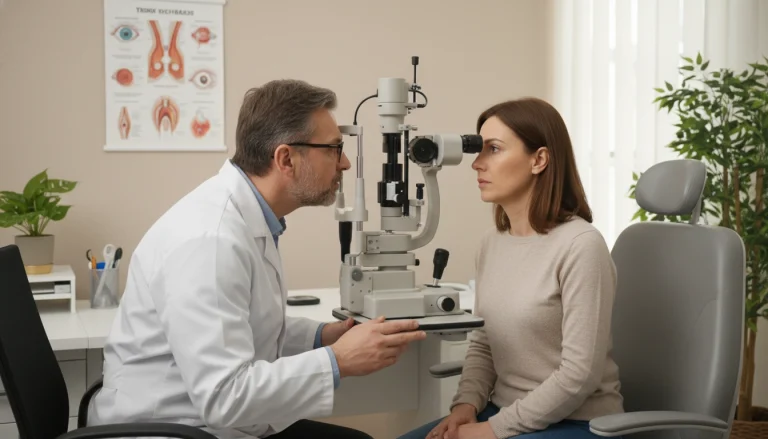
Macular edema occurs when fluid gathers in the macula, affecting central vision. It’s caused by diabetic retinopathy, uveitis, or retinal vein occlusion. Untreated, it can distort vision and lead to loss.
Each edema type demands a specific management strategy. Accurate diagnosis and understanding of causes are key to effective treatment.
Common Causes of Edema
Understanding the causes of edema is key to managing and treating it. Edema can stem from various factors, including health conditions, lifestyle choices, and medication side effects.
Heart Conditions
Heart conditions are a major cause of edema. When the heart doesn’t pump well, fluid builds up, causing swelling in the legs, ankles, and feet. Heart failure and coronary artery disease are common culprits.
Kidney Disease
Kidney disease is another significant cause of edema. The kidneys regulate fluid balance in the body. Impaired kidney function leads to fluid buildup, causing edema. Nephrotic syndrome, with its heavy proteinuria, is a common edema cause in kidney disease.
Liver Disease
Liver disease, like cirrhosis, can also cause edema. The liver produces proteins that keep fluid in the bloodstream. In cirrhosis, these proteins decrease, causing fluid leakage and edema.
Medication Side Effects
Certain medications can lead to edema as a side effect. This includes calcium channel blockers, NSAIDs, and corticosteroids. If you’re on medication and experience edema, talk to your healthcare provider.
Identifying the root cause of edema is vital for effective treatment. Healthcare providers can then tailor treatment plans to manage edema effectively.
Lifestyle Factors Contributing to Edema
Lifestyle choices are key in both causing and managing edema. Our daily habits and the environment we live in can greatly affect our body’s fluid balance. This can either make edema worse or help alleviate its symptoms.
Dietary Influences
What we eat plays a significant role in managing edema. High sodium intake can cause water retention, making edema worse. A diet lacking in protein, vitamins, and minerals can also harm circulation and fluid balance. Yet, foods rich in antioxidants and omega-3 fatty acids can help reduce inflammation and improve vascular health.
- Limit sodium intake to reduce water retention
- Incorporate foods rich in antioxidants and omega-3 fatty acids
- Ensure adequate intake of essential nutrients
Sedentary Behavior
A sedentary lifestyle can harm circulation and reduce muscle activity. This activity is essential for pumping fluid back to the heart. Regular physical activity, like walking or stretching, can greatly improve circulation and lessen edema symptoms.
Environmental Factors
Extreme temperatures and humidity can cause blood vessels to dilate, leading to fluid leakage into tissues. Staying in cool, well-ventilated environments can help manage edema.
By understanding and changing these lifestyle factors, individuals can better manage edema and enhance their quality of life.
Recognizing Edema Symptoms
Identifying the signs of edema is critical for prompt medical care. Edema presents through various symptoms, including visual signs, physical sensations, and systemic symptoms.
Visual Signs
Edema’s visual symptoms include swelling in affected areas, ranging from mild to severe. The skin may look tight, shiny, or even pale. In some instances, the swelling is so significant that it creates an indentation when pressed, known as pitting edema.
- Swollen limbs or areas
- Tight, shiny skin
- Pitting edema
Physical Sensations
Those with edema often feel a range of physical sensations. These include feelings of heaviness, discomfort, or pain in swollen areas. The swollen limbs may also feel tight or warm to the touch.
- Heaviness or discomfort
- Pain in swollen areas
- Tightness or warmth
Systemic Symptoms
Edema can also present with systemic symptoms, often linked to underlying conditions. These symptoms include shortness of breath, fatigue, or rapid weight gain due to fluid retention.
- Shortness of breath
- Fatigue
- Rapid weight gain
Being mindful of these symptoms is key to seeking medical help when needed. This can help prevent complications associated with edema.
Diagnosing Edema
Diagnosing edema involves a detailed process. It includes physical examination, diagnostic tests, and ruling out other conditions. Accurate diagnosis is key to managing and treating edema effectively.
Physical Examination
A thorough physical examination is the initial step in diagnosing edema. Healthcare providers search for visible swelling, mainly in the extremities. They also evaluate the swelling’s severity and look for signs like redness or warmth.
- Inspecting the affected areas for swelling
- Assessing the severity and symmetry of the swelling
- Checking for other signs like redness or warmth
Diagnostic Tests
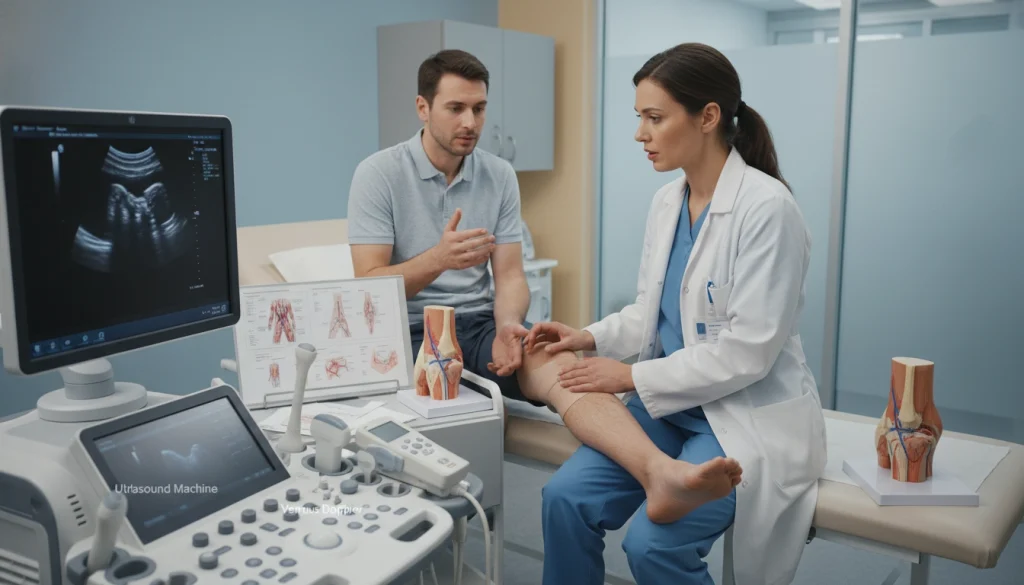
Diagnostic tests are used to find the cause of edema. Blood tests check kidney or liver function. Imaging tests like ultrasound or X-rays look for circulatory problems. Other tests may be needed based on the suspected cause.
Differential Diagnosis
Differential diagnosis is about ruling out other conditions that could mimic edema. This step is vital for ensuring the correct diagnosis and treatment. Conditions like deep vein thrombosis, infections, and other swelling causes are considered.
- Deep vein thrombosis
- Infections
- Other causes of swelling
Healthcare providers use findings from physical exams, diagnostic tests, and differential diagnosis to accurately diagnose edema. This approach helps identify the underlying cause, leading to effective treatment plans.
Medical Treatments for Edema
Edema treatment often involves a combination of medical interventions aimed at reducing swelling and addressing the underlying cause. The choice of treatment depends on the severity and cause of the edema, as well as the patient’s overall health.
Diuretics
Diuretics are a common first-line treatment for edema. They work by increasing urine production, which helps to reduce fluid buildup in the body. Kidney function tests may be necessary to determine the appropriate dosage and type of diuretic. The most commonly used diuretics for edema are loop diuretics, such as furosemide, and thiazide diuretics.
Other Medications
In addition to diuretics, other medications may be used to treat edema, depending on the underlying cause. For example, if edema is caused by heart failure, medications such as ACE inhibitors or beta-blockers may be prescribed to manage the condition. In cases where edema is related to kidney disease, medications that address kidney function may be necessary.
Addressing Underlying Causes
Treating the underlying cause of edema is critical for effective management. This may involve addressing conditions such as heart failure, kidney disease, or liver disease. Lifestyle changes, such as dietary modifications and increased physical activity, may also be recommended. By addressing the root cause, healthcare providers can help patients manage edema and improve their overall quality of life.
Non-Pharmacological Management of Edema
There are many ways to manage edema without medication. These methods aim to reduce swelling, improve blood flow, and enhance comfort. They are great for those who can’t take certain drugs or want to use fewer medicines.
Compression Therapy
Compression therapy is key in managing edema without drugs. It uses garments, bandages, or devices to apply pressure. This pressure reduces swelling by improving blood flow and preventing fluid buildup.
Elevation Techniques
Elevation techniques are simple yet effective for edema management. Raising the affected limb above the heart reduces swelling. This is done by using pillows or a reclining chair.
Exercise Recommendations
Gentle exercises are good for edema, as they boost circulation without straining the body. Walking, swimming, or cycling are beneficial. Avoiding high-impact exercises is important to prevent swelling.
It’s vital to tailor exercises to one’s condition and abilities. Always consult a healthcare professional before starting any new exercise program.
Dietary Approaches to Reduce Edema
Dietary strategies are key in managing edema by addressing its root causes and maintaining fluid balance. By choosing the right foods, individuals can lessen edema’s impact and enhance their health.
Sodium Restriction
Reducing sodium intake is a critical dietary strategy for edema. High sodium levels can cause fluid retention, worsening edema. Limiting sodium helps counteract this. The American Heart Association advises no more than 2,300 milligrams of sodium daily. Ideally, most adults should aim for 1,500 milligrams.
Anti-Inflammatory Foods
Adding anti-inflammatory foods to your diet can also combat edema. Omega-3 fatty acids in foods like salmon and walnuts reduce swelling. Turmeric, ginger, and leafy greens like spinach and kale are also beneficial.

Hydration Strategies
Proper hydration is essential for fluid balance and edema reduction. Drinking enough water helps remove toxins and reduces fluid retention. Aim for at least eight glasses of water daily, adjusting based on activity and climate.
By adopting these dietary strategies—limiting sodium, eating anti-inflammatory foods, and staying hydrated—people can manage edema effectively. This improves their overall well-being.
Alternative and Complementary Therapies for Edema
For those battling edema, alternative and complementary therapies can be a valuable addition to traditional treatments. These methods offer additional benefits and can improve overall health and well-being.
Herbal Remedies
Herbal remedies have been a cornerstone in managing health issues for centuries, including edema. Herbs like dandelion and horsetail are known for their diuretic effects, aiding in fluid reduction. Yet, it’s critical to consult a healthcare professional before starting herbal remedies. This is due to the risk of interactions with medications or adverse effects.
Massage and Manual Lymphatic Drainage
Massage therapy, including manual lymphatic drainage, is beneficial for edema management. These methods stimulate lymphatic flow, aiding in the removal of excess fluids. Regular sessions can enhance circulation and diminish swelling. For those with kidney disease, understanding diagnostic processes like kidney scans or biopsy is essential in managing edema.
Acupuncture and Other Approaches
Acupuncture is another alternative therapy that may help alleviate edema symptoms. It stimulates specific body points to improve circulation and reduce fluid retention. Other methods, such as yoga and meditation, contribute to overall well-being. They can potentially reduce edema symptoms by promoting relaxation and stress reduction.
Complications of Untreated Edema
Ignoring edema can lead to serious issues, impacting both physical health and overall well-being. Untreated edema can cause a spectrum of problems, from mild discomfort to severe health conditions.
Skin Complications
Untreated edema often results in skin issues. Swelling can stretch and tighten the skin, causing pain and increasing injury risk. The chance of developing ulcers also grows, as skin integrity is compromised. These ulcers are hard to heal and may get infected, leading to worse conditions.
Mobility Issues
Edema, mainly in limbs, can hinder mobility. Swollen limbs make everyday activities and balance hard. This not only lowers quality of life but also raises the risk of falls and injuries. In extreme cases, it can severely reduce physical function and independence.
Systemic Complications
Untreated edema can also cause systemic problems, affecting various body systems. For example, heart failure-related edema can lead to pulmonary edema, making breathing hard. Kidney disease-related edema can cause electrolyte imbalances and kidney damage. It’s vital to treat edema as a sign of underlying systemic issues, not just a localized problem.
In summary, the complications of untreated edema highlight the need for early and effective management. Addressing edema promptly can prevent many complications and significantly improve patient outcomes.
Special Considerations for Different Populations
Edema impacts various age groups and demographics, requiring specific management strategies. Each population has unique physiological traits and health conditions. These factors influence how edema is managed.
Edema During Pregnancy
Edema is common in pregnancy, caused by increased blood volume and pressure from the growing uterus. While some swelling is normal, excessive or sudden swelling may indicate preeclampsia, a serious condition.
- Monitor blood pressure regularly
- Stay hydrated to help the body retain less fluid
- Avoid standing for long periods
Edema in Elderly Patients
Elderly individuals are more prone to edema due to decreased mobility, heart issues, and medication side effects. Managing edema in this group requires careful consideration of their overall health and any comorbid conditions.

- Regular exercise tailored to their ability
- Elevating the affected limbs
- Using compression stockings
Edema in Children
Edema in children can stem from kidney disease, infections, and allergic reactions. Identifying the underlying cause is essential for effective management.
Treatment may involve:
- Addressing the underlying cause
- Using diuretics under medical supervision
- Monitoring for signs of complications
Understanding the unique considerations for managing edema in different populations allows healthcare providers to offer more effective and personalized care.
When to Seek Medical Attention
Knowing when to seek medical help for edema is key to managing it effectively and avoiding complications. Edema, or swelling, can signal underlying conditions, some of which demand immediate medical care.
Warning Signs
Certain signs and symptoms suggest edema might be more than a minor issue. These warning signs include:
- Swelling that is severe or worsens over time
- Pain or discomfort in the swollen area
- Redness or warmth around the swollen area
- Shortness of breath or difficulty breathing
These symptoms indicate the edema could be linked to a more serious health issue.
Emergency Situations
In some cases, edema can signal a life-threatening condition needing immediate medical attention. Emergency situations include:
- Severe difficulty breathing or sudden shortness of breath
- Chest pain or pressure
- Severe swelling in the legs or arms that is accompanied by other symptoms like dizziness or confusion
If you or someone you know is experiencing these emergency situations, it is vital to seek medical help right away.
Living with Chronic Edema
Chronic edema can greatly affect a person’s life, requiring a detailed management plan. It’s not just about physical symptoms; it also impacts the mind. A complete approach is needed, focusing on both physical and mental health.
Daily Management Strategies
Managing chronic edema daily involves several important steps. These include:
- Elevating the affected limbs to reduce swelling
- Using compression garments as prescribed by a healthcare provider
- Engaging in regular, gentle exercise to improve circulation
- Monitoring and managing fluid intake
By following these steps, people can manage their symptoms more effectively.
Psychological Impact and Support
Chronic edema can deeply affect a person’s mental state, impacting self-esteem and mental health. It’s vital for those dealing with it to have support. This includes:
- Counseling or therapy to address emotional challenges
- Support groups to connect with others experiencing similar issues
- Educational resources to understand and manage the condition better
Seeking support and addressing the mental impact can greatly enhance one’s quality of life.
The Future of Edema Treatment: Research and Emerging Therapies
Medical research is pushing forward, bringing hope for edema treatment. New therapies are emerging, aiming to better manage this condition. These innovations could significantly improve the lives of those dealing with edema.
Researchers are working on creating more effective diuretics with fewer side effects. They’re also looking into stem cell and gene therapy to tackle edema’s root causes. These advancements could offer new hope for those who haven’t seen results from traditional treatments.
The future of edema treatment will likely involve a team effort. It will combine advances in pharmacology, technology, and understanding edema’s complex mechanisms. As research progresses, healthcare professionals will have better tools to manage edema. This could lead to fewer complications and better outcomes for patients.
FAQ
Q: What is edema?
A: Edema is a condition where the body holds too much fluid in its tissues. This leads to swelling.
Q: What are the common causes of edema?
A: Several factors can cause edema. These include heart issues, kidney or liver disease, and side effects from medications. Lifestyle choices, like a high-sodium diet and being inactive, also play a role.
Q: How is edema diagnosed?
A: Doctors diagnose edema through physical exams and tests. They might use imaging studies and blood tests. They also rule out other conditions to make an accurate diagnosis.
Q: What are the symptoms of edema?
A: Edema symptoms include swelling and feeling heavy or uncomfortable. In severe cases, like pulmonary edema, you might also have trouble breathing.
Q: How is edema treated?
A: Treatment for edema can include medications like diuretics. It also involves addressing the underlying cause. Other methods include using compression, elevating the affected area, and exercising regularly.
Q: Can dietary changes help manage edema?
A: Yes, changing your diet can help manage edema. Eating less sodium, anti-inflammatory foods, and staying hydrated are beneficial.
Q: Are there alternative therapies for managing edema?
A: Yes, alternative therapies can help manage edema. These include herbal remedies, massage, manual lymphatic drainage, and acupuncture.
Q: What are the complications of untreated edema?
A: Untreated edema can cause serious problems. These include skin issues, mobility problems, and systemic complications. It’s vital to manage it effectively and promptly.
Q: How can edema be managed in different populations?
A: Managing edema varies by population. Pregnant women, the elderly, and children need special care. Tailored approaches are necessary for each group.
Q: When should I seek medical attention for edema?
A: Seek medical help if you notice severe swelling, trouble breathing, or chest pain. These are warning signs or emergencies that require immediate attention.