Endoscopic Fundoplication (TIF): What is GERD and How Does it Affect Quality of Life?
Gastroesophageal reflux disease (GERD) impacts millions globally, causing chronic discomfort. Traditional treatments include medication and surgery. Yet, a less invasive option exists: a procedure that rebuilds the esophagus-stomach valve. Known as Endoscopic Fundoplication, this treatment offers hope for those battling GERD. It aims to reduce symptoms without the need for major surgery.
Doctors use an endoscope for this procedure, ensuring minimal discomfort and quicker recovery. This makes it a compelling choice for many patients. GERD, a common gastrointestinal disorder, causes bothersome symptoms and can lead to serious health issues if untreated. It significantly impacts an individual’s quality of life, affecting daily activities and overall well-being.
Common Symptoms of GERD
The symptoms of GERD vary but often include heartburn, regurgitation, and difficulty swallowing. Heartburn, a burning sensation in the chest, is a common complaint. Regurgitation, where food or sour liquid returns to the mouth, can also occur. These symptoms worsen with certain foods, lying down after eating, and other lifestyle factors.
Long-term Complications of Untreated GERD
Untreated GERD can lead to several long-term complications. Esophagitis, an inflammation of the esophagus, causes pain and difficulty swallowing. In severe cases, it can result in ulcers and narrowing of the esophagus. Another complication is Barrett’s esophagus, where the esophageal lining changes, potentially leading to esophageal cancer. Effective management of GERD is essential to prevent these complications and enhance quality of life.
Understanding GERD’s symptoms and complications emphasizes the need for medical attention if symptoms persist. Treatment options like Endoscopic Fundoplication (TIF) offer a promising solution for managing GERD and improving the quality of life for those affected.
Understanding Endoscopic Fundoplication (TIF)
Endoscopic fundoplication, known as TIF, marks a major leap in treating gastroesophageal reflux disease (GERD). It’s gaining attention for its promise to enhance patient results with less risk than traditional surgeries. This method is seen as a breakthrough in the field.
Definition and Basic Principles
Endoscopic fundoplication (TIF) is a minimally invasive technique that uses an endoscope to create a new anti-reflux valve. It employs the EsophyX device, allowing surgeons to rebuild the gastroesophageal valve without open surgery. This approach aims to alleviate GERD symptoms and enhance patient life quality.
The core idea of TIF is to mend the gastroesophageal junction, stopping stomach acid from entering the esophagus. This is done by deploying fasteners during the procedure to secure the new valve.
History and Development of TIF
The evolution of TIF has been driven by endoscopic technology advancements and a better grasp of GERD. It was created as a less invasive option compared to traditional fundoplication surgeries. Over time, TIF has seen improvements in technique and device technology.
The EsophyX device, central to TIF, has been enhanced for better performance and safety. Clinical trials and studies have validated TIF’s effectiveness, making it a recognized treatment for GERD.
How TIF Differs from Traditional Anti-Reflux Surgeries
Endoscopic fundoplication, or TIF, represents a groundbreaking method for treating GERD, setting it apart from traditional anti-reflux surgeries. Unlike the long-standing Nissen Fundoplication, TIF offers a less invasive option that is increasingly favored by patients.
Comparison with Nissen Fundoplication
Nissen Fundoplication, a traditional surgery, involves wrapping the stomach’s top around the esophagus’s lower part to stop acid reflux. TIF, on the other hand, uses an endoscope to create a valve at the esophagus-stomach junction. This method avoids the need for external cuts.
Advantages of the Endoscopic Approach
The endoscopic method of TIF boasts several advantages over traditional surgeries. It is less invasive, potentially shortening recovery time and lowering complication risks. TIF can also be done on an outpatient basis, leading to less post-operative pain compared to traditional surgeries.
These benefits make TIF a compelling choice for those with GERD, seeking alternatives to long-term medication or traditional surgery.
The Science Behind Endoscopic Fundoplication (TIF)
The science behind TIF lies in its ability to change the anatomy of the gastroesophageal junction. This addresses the root cause of GERD. It’s a minimally invasive procedure that rebuilds the gastroesophageal valve. This improves its function and lessens symptoms of acid reflux.
Anatomical Changes Created by TIF
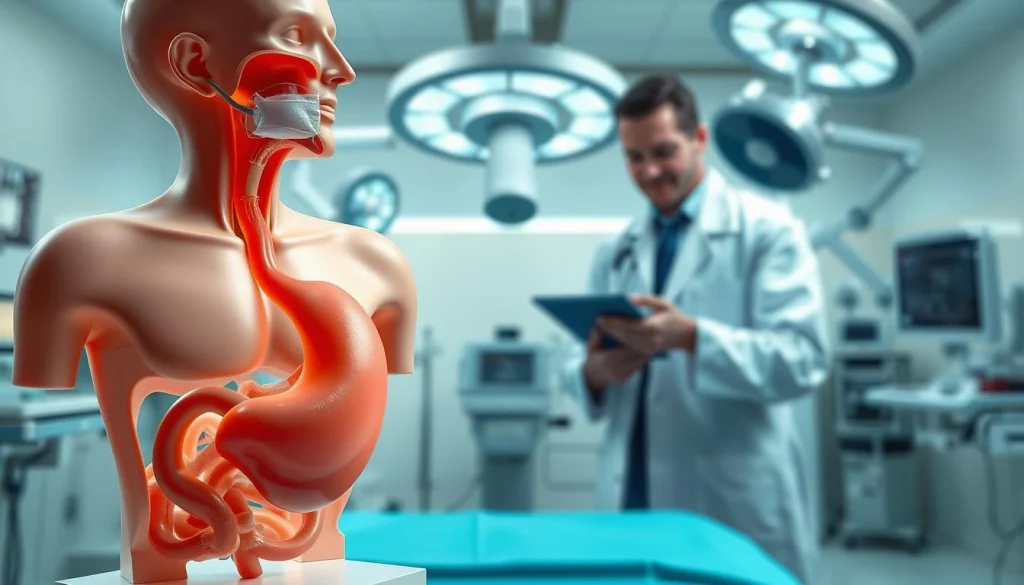
TIF makes significant anatomical changes that are key to its success. It rebuilds the gastroesophageal valve, creating a natural barrier against acid reflux. This involves reshaping the stomach’s fundus around the esophagus. This creates a more effective anti-reflux mechanism.
Physiological Benefits
The physiological benefits of TIF are numerous, making it effective in managing GERD symptoms. Two major benefits are the restoration of the gastroesophageal valve and the decrease in acid exposure.
Restoration of the Gastroesophageal Valve
The gastroesophageal valve is vital in preventing acid reflux. TIF returns this valve to its proper position and function. This significantly cuts down on acid reflux episodes. It’s essential for easing symptoms like heartburn and regurgitation.
Reduction in Acid Exposure
TIF enhances the anti-reflux barrier, reducing the esophagus’s exposure to acidic stomach contents. This decrease in acid exposure lessens esophageal inflammation and damage. It improves the quality of life for those with GERD.
Ideal Candidates for TIF Procedure
Endoscopic Fundoplication (TIF) has emerged as a viable treatment option for GERD, but patient selection is key.
The success of the TIF procedure heavily relies on selecting the right candidates. This involves assessing various medical criteria to ensure that the patient can benefit from the treatment.
Medical Criteria for Patient Selection
To be considered for TIF, patients typically undergo a thorough evaluation. The key medical criteria include:
- Presence of chronic GERD symptoms
- Incomplete response to proton pump inhibitors (PPIs)
- Presence of hiatal hernia
- Esophageal motility and anatomy
These criteria help in determining whether a patient is likely to benefit from the TIF procedure.
Conditions That May Disqualify Patients
Certain conditions may make a patient ineligible for TIF. These include:
- Large hiatal hernias (>2 cm)
- Severe esophagitis
- Significant esophageal dysmotility
It’s essential for patients to undergo a detailed assessment to identify any disqualifying conditions.
Pre-Procedure Evaluation and Testing
Before undergoing Endoscopic Fundoplication (TIF), patients must undergo a thorough pre-procedure evaluation. This is essential to ensure they are suitable candidates. It assesses the patient’s condition and determines the best treatment course.
Required Diagnostic Tests
Several diagnostic tests are required for the pre-procedure evaluation of TIF. These tests help healthcare providers understand the patient’s esophageal function. They also identify any issues that may arise.
Endoscopy
An endoscopy visually examines the inside of the esophagus, stomach, and duodenum. It helps identify abnormalities, such as inflammation or strictures.
pH Monitoring
pH monitoring measures acid levels in the esophagus over 24 hours. It’s critical for diagnosing acid reflux and assessing GERD severity.
Esophageal Manometry
Esophageal manometry measures muscle contractions during swallowing. It assesses esophageal motility and identifies motility disorders.
Consultation Process
The consultation process is vital in the pre-procedure evaluation. It involves discussing the patient’s medical history, symptoms, and treatment options. The healthcare provider explains the TIF procedure, its benefits, and risks. This ensures the patient is fully informed and prepared.
Step-by-Step Breakdown of the TIF Procedure
The Transoral Incisionless Fundoplication (TIF) procedure is a groundbreaking treatment for GERD. It offers a less invasive option compared to traditional surgery. This advanced endoscopic method aims to rebuild the valve between the esophagus and stomach. This helps in reducing the symptoms of gastroesophageal reflux disease.
Preparation and Anesthesia
Before the TIF procedure, patients receive general anesthesia for comfort during the operation. The procedure takes place in an endoscopy suite or operating room. These settings are equipped with essential monitoring and resuscitation tools.
- General anesthesia is used to ensure patient comfort.
- The procedure is conducted in a specialized endoscopy suite or operating room.
- Monitoring equipment is used to track the patient’s vital signs throughout the procedure.
The EsophyX Device and How It Works
The EsophyX device is a cutting-edge endoscopic tool for the TIF procedure. It’s designed to form a new gastroesophageal valve. This is done by wrapping the stomach’s fundus around the esophagus’s lower end.
Procedural Techniques
The TIF procedure includes several key steps. These steps are essential for creating a new anti-reflux valve successfully.
Creating the Fundoplication
The EsophyX device is used to create a fundoplication. This involves wrapping stomach tissue around the esophagus. The physician controls the device’s precise movements during this process.
- The device is inserted through the mouth and guided to the junction of the esophagus and stomach.
- Tissue from the stomach is then wrapped around the lower esophagus.
- Fasteners are used to secure the new valve in place.
Securing the New Valve
After creating the fundoplication, the new valve is secured with fasteners. This step ensures the valve stays in place. It effectively prevents stomach acid from flowing back into the esophagus.
- Fasteners are deployed to secure the newly formed valve.
- The position of the valve is verified endoscopically.
- The procedure is completed with the patient under continuous monitoring.
Recovery Timeline After Endoscopic Fundoplication
Understanding the recovery timeline after Endoscopic Fundoplication (TIF) is key for managing patient expectations and ensuring a smooth recovery. The TIF procedure, being minimally invasive, generally allows for a quicker recovery compared to traditional surgical methods.
Immediate Post-Procedure Care
Immediately after the TIF procedure, patients are monitored in a recovery area for a few hours. Medical staff watch for any immediate complications and manage pain or discomfort. Patients are advised to rest and avoid strenuous activities for the remainder of the day. A soft diet is typically recommended for the first few days to ease the digestive process.
First Week Recovery Guidelines
During the first week following TIF, patients should continue to follow a soft diet, gradually introducing more solid foods as tolerated. It’s essential to chew food thoroughly and eat smaller, more frequent meals. Patients are also advised to avoid heavy lifting, bending, or straining, as these activities can put unnecessary pressure on the stomach.
Long-term Recovery Expectations
Most patients can return to their normal activities within 2-4 weeks after the TIF procedure. Full recovery, including the complete healing of the fundoplication, may take several months. During this time, patients may experience some variability in symptoms, but these generally improve as healing progresses. Regular follow-up appointments with the healthcare provider are essential to monitor the healing process and address any concerns.
Potential Risks and Complications
Endoscopic Fundoplication (TIF) is generally safe, but understanding its risks and complications is vital. Like any medical procedure, TIF has its own set of possible adverse effects. Patients should be aware of these before making an informed decision.
Common Side Effects
Common side effects of TIF include temporary difficulty swallowing, bloating, and discomfort in the chest or abdominal area. These effects are usually mild and go away within a few days to weeks after the procedure.
Some patients might experience gas and bloating syndrome. This can be managed with dietary changes and medication. Following post-procedure guidelines is key to minimizing these side effects.
Rare but Serious Complications
Rare but serious complications can occur with TIF. These include perforation of the esophagus, severe bleeding, or an adverse reaction to anesthesia. Patients with pre-existing medical conditions are at a higher risk for these complications.
It’s essential for patients to discuss their individual risk factors with their healthcare provider. They should seek immediate medical attention if they experience severe symptoms after the procedure.
Success Rates and Clinical Outcomes
Endoscopic Fundoplication (TIF) has proven to be a highly effective treatment for GERD. It offers significant improvements in patient outcomes. Studies have extensively explored its success rates and clinical outcomes, shedding light on its efficacy.
Short-term Effectiveness
Clinical trials have highlighted TIF’s short-term effectiveness. They show substantial reductions in GERD symptoms and enhancements in quality of life. Patients often experience immediate relief from heartburn and regurgitation.
Long-term Durability of Results
Long-term studies affirm the durability of TIF’s benefits. Many patients continue to enjoy symptom relief and improved quality of life over time. This long-term effectiveness is a major reason for its increasing popularity.
Quality of Life Improvements
TIF significantly enhances patients’ quality of life. Its benefits extend beyond symptom relief, influencing lifestyle changes positively.
Symptom Relief
Patients undergoing TIF experience significant symptom reduction. This allows them to engage in normal activities without discomfort.
Lifestyle Changes
Improved symptom control enables patients to make positive lifestyle changes. They can return to physical activities or enjoy foods they previously avoided.
Medication Changes After TIF
After undergoing Transoral Incisionless Fundoplication (TIF), patients often see a significant shift in their medication needs. The procedure can reduce the necessity for certain medications, mainly those for Gastroesophageal Reflux Disease (GERD) symptoms.
Reduction in PPI Usage
One of the most significant changes is the decrease in Proton Pump Inhibitor (PPI) use. PPIs are prescribed to lower stomach acid and ease GERD symptoms. Studies indicate that after TIF, many patients can lessen or even stop their PPI medication.
This decrease is due to the anatomical changes from the TIF procedure. These changes strengthen the lower esophageal sphincter, preventing acid reflux.
Managing Breakthrough Symptoms
While TIF greatly reduces GERD symptoms, some patients may encounter breakthrough symptoms. It’s essential to manage these symptoms to maintain a good quality of life post-procedure.
- Adjusting diet and lifestyle habits
- Using antacids or other quick-relief medications as needed
- Following up with a healthcare provider for further guidance
Understanding the changes in medication needs after TIF helps patients prepare for life after the procedure.
Cost Considerations and Insurance Coverage
Patients looking into TIF must consider the financial aspects, including costs and insurance. It’s vital to understand these to make an informed choice about the procedure.
Average Procedure Costs
The cost of Endoscopic Fundoplication (TIF) varies due to several factors. These include the location, the doctor’s expertise, and the patient’s specific needs. On average, the procedure can cost between $10,000 and $20,000. Patients should discuss their situation with their healthcare provider to get a precise estimate.
Insurance Approval Process
Insurance coverage for TIF differs among providers and policies. Some plans may cover it if deemed medically necessary, while others might not. It’s important for patients to verify their coverage with their insurance provider. They should also be aware of any out-of-pocket costs they might face.
Pre-approval is often necessary. Having documentation from a healthcare provider explaining the medical necessity of TIF can be key in securing coverage.
Comparing TIF to Other GERD Treatment Options
Patients facing GERD have various treatment paths, including Endoscopic Fundoplication (TIF), medical management, the LINX procedure, and laparoscopic fundoplication. Each option comes with its own set of advantages and disadvantages. It’s essential to grasp these differences to make an informed choice.
Medical Management vs. TIF
Medical management is often the initial approach for GERD, involving lifestyle changes and medication to alleviate symptoms. Yet, long-term medication use can be a concern, and lifestyle adjustments might not be enough. TIF, by contrast, offers a more lasting solution by rebuilding the anti-reflux barrier. It’s ideal for those looking to stop PPI therapy or haven’t seen symptom relief with medical management alone.
LINX Procedure vs. TIF
The LINX procedure involves placing a magnetic ring around the lower esophagus to block reflux. Though both TIF and LINX are minimally invasive, they operate differently. LINX is reversible and less invasive on the anatomy compared to TIF. The choice between LINX and TIF hinges on the patient’s anatomy, GERD severity, and personal preference for the intervention type.
Laparoscopic Fundoplication vs. TIF
Laparoscopic fundoplication is a traditional surgery that wraps the stomach around the esophagus. TIF, being less invasive, might lead to fewer complications and a quicker recovery. Yet, laparoscopic fundoplication boasts a longer history of success, potentially benefiting some patients more.
Finding a Qualified TIF Provider
Choosing the right TIF provider is critical for the success of your Endoscopic Fundoplication treatment. A skilled provider can greatly impact the outcome of your procedure.
Specialized Training Requirements
Surgeons performing TIF must have specialized training in endoscopic procedures and anti-reflux surgeries. This training includes extensive courses and hands-on experience under experienced professionals.
It’s vital to select a provider with the right background. This choice directly affects the safety and success of the procedure.
Questions to Ask Your Surgeon
When looking for a TIF provider, it’s important to ask the right questions. This helps assess their experience and the quality of care they offer.
Experience-Related Questions
- How many TIF procedures have you performed?
- Can you share your experience with complications and how you managed them?
- What training have you received for TIF?
Outcome-Related Questions
- What are the typical outcomes for patients undergoing TIF with your care?
- How do you follow up with patients post-procedure to ensure their recovery is on track?
- Can you provide testimonials or references from previous patients?
By asking these questions, you can make an informed decision when selecting a TIF provider. Understanding their specialized training is key.
Recent Advances in Endoscopic Fundoplication Techniques
The field of endoscopic fundoplication has seen major strides in recent years. These advancements have made the TIF procedure more effective and safer. They are key to better patient outcomes and to widening the use of this minimally invasive GERD treatment.
TIF 2.0 Procedure Improvements
The TIF 2.0 procedure brings several significant enhancements. It includes better visualization tools, more precise tissue manipulation, and improved fixation techniques. These improvements help create a stronger and more lasting anti-reflux barrier.
TIF 2.0 aims to overcome some of the original TIF procedure’s limitations. It offers a more personalized approach to each patient’s unique anatomy and condition.
Emerging Technologies and Research
Research and new technologies are poised to transform endoscopic fundoplication further. Innovations like new device designs, better materials, and advanced imaging are being explored. These aim to refine the TIF procedure.
Research is also focusing on using stem cell therapy to boost tissue healing. Another area is the development of bioactive materials to enhance the durability of the fundoplication.
The Future of GERD Treatment: Is TIF Right For You?
The medical field is advancing rapidly, bringing new hope for GERD treatment. Procedures like Endoscopic Fundoplication (TIF) are at the forefront. TIF stands out as a less invasive option compared to traditional surgeries, appealing to those with GERD.
Assessing TIF suitability requires a deep dive into each patient’s needs and medical background. It’s ideal for those looking to cut down on proton pump inhibitors (PPIs) and manage GERD symptoms.
TIF’s appeal lies in its minimally invasive approach, the promise of reduced symptoms, and enhanced quality of life. Prospective patients should talk to a healthcare expert. This will help them understand if TIF is right for them and what to expect.
Considering the pros and cons of TIF is essential for making an informed choice. The future of GERD treatment will likely blend medical management with cutting-edge procedures like TIF. This offers a beacon of hope for those living with this chronic condition.
FAQ About Endoscopic Fundoplication (TIF)
Q: What is Endoscopic Fundoplication (TIF)?
A: Endoscopic Fundoplication, also known as Transoral Incisionless Fundoplication (TIF), is a minimally invasive procedure for treating gastroesophageal reflux disease (GERD). It uses an endoscope to rebuild the anti-reflux valve, avoiding the need for surgical cuts.
Q: How does TIF differ from traditional anti-reflux surgeries?
A: TIF stands out from traditional surgeries like Nissen Fundoplication by being less invasive. It uses an endoscope inserted through the mouth, unlike the abdominal incisions of traditional surgeries. This approach can lead to quicker recovery times and fewer complications.
Q: What are the benefits of choosing TIF over other GERD treatments?
A: Choosing TIF offers several advantages. It’s minimally invasive, reducing the need for long-term medication. It also lowers the risk of complications from more invasive surgeries. Plus, it preserves the natural anatomy as much as possible.
Q: What diagnostic tests are required before undergoing TIF?
A: Before TIF, patients undergo several diagnostic tests. These include endoscopy, pH monitoring, and esophageal manometry. These tests assess GERD severity, esophageal condition, and sphincter functionality.
Q: How is the TIF procedure performed?
A: The TIF procedure uses the EsophyX device, inserted through the mouth. It creates a fundoplication to prevent acid reflux. The procedure, done under general anesthesia, usually takes about an hour.
Q: What is the recovery time after TIF?
A: Recovery from TIF is generally quicker than traditional surgery. Most patients can return to normal activities within a few days to a week. Dietary restrictions are in place for a few weeks post-procedure.
Q: Are there any potentially risks or complications associated with TIF?
A: Like any medical procedure, TIF carries risks and complications. These can include dysphagia, bloating, and rare but serious issues like esophageal perforation. Yet, serious complications are uncommon.
Q: Can TIF eliminate the need for GERD medication?
A: Many patients see a significant reduction in GERD symptoms after TIF. This can mean less or no need for GERD medication. Yet, some might need occasional medication for breakthrough symptoms.
Q: How effective is TIF in treating GERD?
A: Studies show TIF effectively reduces GERD symptoms and improves quality of life for many. Success rates vary, but a significant number experience long-term symptom relief.
Q: Is TIF covered by insurance?
A: Insurance coverage for TIF varies by provider and policy. Many plans cover it for GERD patients who meet specific criteria. Patients should check with their insurance to determine coverage.
Q: How do I find a qualified provider for TIF?
A: To find a qualified TIF provider, look for gastroenterologists or surgeons with specialized training in endoscopic procedures and TIF experience. Asking about their experience, success rates, and complication rates can help in making an informed decision.