A new way of removing tumors is changing neurosurgery. It’s called transsphenoidal surgery, where tumors are taken out through the nose. This minimally invasive technique is safer than old methods. Surgeons use a small camera and special tools to go through the nose to the pituitary gland. This makes surgery safer and helps patients recover faster. It also means less risk of complications after surgery. This article will look into the benefits, how the surgery is done, and what recovery is like. It’s for those dealing with pituitary gland tumors.
What is Endoscopic Pituitary Surgery?
Endoscopic pituitary surgery is a new way to remove tumors from the pituitary gland. It uses a thin, flexible tube with a camera and light. This tube is inserted through the nose to reach the gland.
Definition and Purpose
This surgery aims to fix problems caused by pituitary tumors. These problems include hormonal imbalances, vision issues, and headaches. By taking out the tumor, surgeons help the gland work right again.
Pituitary tumors can be harmless (benign) or rare cancerous (malignant) types. The surgery helps ease pressure on nearby nerves and fixes hormone levels.
| Key Aspects | Description | Benefits |
|---|---|---|
| Minimally Invasive | Surgery is performed through the nose, reducing external incisions. | Less scarring, quicker recovery |
| Endoscopic Technique | Utilizes a thin, flexible tube with a camera for visualization. | Enhanced precision, better outcomes |
| Tumor Removal | Precise removal of pituitary tumors. | Relief from symptoms, improved quality of life |
Endoscopic pituitary surgery is a big step forward in treating pituitary gland tumors. It’s safer and more effective than old methods, with fewer side effects.
Benefits of Endoscopic Pituitary Surgery
Endoscopic pituitary surgery is a modern way to remove pituitary tumors. It’s safer and more effective than old methods. This makes it a top choice for many patients.
This surgery has fewer risks. It doesn’t need a big cut in the skull. So, patients feel less pain and have less scarring after. It also lets doctors remove tumors more accurately, without harming nearby tissues.
Key Benefits of Endoscopic Pituitary Surgery
- Reduced risk of infection and bleeding
- Faster recovery times
- Less post-operative pain and scarring
- More precise tumor removal
- Minimally invasive approach
| Benefits | Endoscopic Pituitary Surgery | Traditional Open Surgery |
|---|---|---|
| Risk of Complications | Lower | Higher |
| Recovery Time | Faster | Slower |
| Post-Operative Pain | Less | More |
| Scarring | Minimal | More pronounced |
Endoscopic pituitary surgery is a safer and more effective way to treat pituitary tumors. Knowing its benefits helps patients make better choices for their care.
The Surgical Procedure Explained
The endoscopic pituitary surgery is a precise and delicate process. It starts with general anesthesia to keep the patient comfortable.
Preparation and Execution
Under anesthesia, a small endoscope is inserted through the nose. This endoscope has a camera for a clear view of the area. It helps the surgeon find the pituitary gland easily.
Then, the surgeon uses special tools to find and remove the tumor. This is a key step to avoid harming nearby tissues.
The whole surgery takes a few hours. The team keeps a close eye on the patient’s health during this time.
| Procedure Step | Description | Duration |
|---|---|---|
| Anesthesia Administration | General anesthesia is administered to the patient. | 30 minutes |
| Endoscope Insertion | A small endoscope is inserted through the nasal cavity. | 1 hour |
| Tumor Removal | The surgeon locates and removes the tumor. | 1-2 hours |
After the surgery, the patient goes to the recovery room. The team watches for any issues and manages pain well. This helps the patient recover smoothly.
Endoscopic pituitary surgery is a big step forward in treating pituitary tumors. It’s less invasive than old methods. Knowing about the surgery helps patients prepare for it and their recovery.
Types of Pituitary Tumors Treated
Pituitary tumors come in different types and can be treated with endoscopic surgery. This method has changed how we treat pituitary gland issues. It offers a less invasive option for many types of tumors.
Adenomas are the most common tumor treated this way. They are benign but can disrupt hormone levels and cause symptoms. They are divided into functioning and non-functioning types, based on hormone production.
Other tumors like craniopharyngiomas and Rathke’s cleft cysts can also be treated. These tumors can affect hormone levels and vision.
Knowing the tumor’s type and characteristics is key to choosing the right treatment. Endoscopic surgery is tailored to each patient. It helps surgeons remove tumors safely and effectively.
Choosing endoscopic surgery depends on the tumor’s size, location, and type. It also depends on the patient’s health. This approach ensures each patient gets the best treatment for their needs.
Risks and Complications of the Surgery
Endoscopic pituitary surgery has its risks and complications. It’s a safe and effective way to remove pituitary tumors. But, it’s important for patients to know about these risks.
The risks can be divided into general and specific ones. General risks include infection, bleeding, and reactions to anesthesia. For this surgery, there’s a risk of damaging nearby important structures like the optic nerves or carotid arteries.
Potential Complications
- Cerebrospinal fluid (CSF) leakage
- Meningitis or other infections
- Hormonal imbalances due to gland damage
- Vascular injury
- Nasal cavity complications
Surgeons use advanced imaging and special tools to lower these risks. The endoscopy gives a clear view of the area, improving precision and reducing damage to tissues.
Patients should talk to their surgeon about their risks. Things like the tumor’s size and location, the patient’s health, and past surgeries affect the risk. Knowing these helps patients make a well-informed choice about the surgery.
Recovery Process After Surgery
The recovery from minimally invasive pituitary surgery is usually quick and easy. Patients stay in the hospital for a few days to make sure they’re doing well. This close watch helps doctors catch any problems early.
Most people don’t feel much pain after the surgery. This is because the surgery uses new, less invasive methods. These methods cause less damage and pain, helping patients heal faster.
Post-Surgery Care and Monitoring
After the surgery, it’s important to keep up with follow-up care. Patients need to see their doctors to check on their healing and see if the surgery worked. These visits are also a chance to talk about any issues or concerns.
Some patients might need to take hormones or other treatments to deal with lingering symptoms. The healthcare team will work with the patient to find the best way to manage their condition after surgery.
| Aspect of Recovery | Typical Experience | Follow-Up Care |
|---|---|---|
| Hospital Stay | A few days | Monitoring for complications |
| Post-Operative Pain | Minimal | Pain management as needed |
| Hormonal Replacement Therapy | May be required for some patients | Ongoing monitoring and adjustment |
The goal of the recovery process after pituitary gland surgery is to make it as smooth and quick as possible. By keeping a close eye on patients and providing thorough follow-up care, doctors aim to get the best results for those who have this surgery.
Effectiveness and Success Rates
Endoscopic pituitary surgery is a cutting-edge method for treating pituitary tumors. It greatly improves patients’ quality of life. The success of this surgery depends on several things. These include the tumor’s size and type, the surgeon’s skill, and the patient’s health.
Research shows that this surgery can remove tumors and balance hormones effectively. This is key for those with hormonal imbalances from tumors. The surgery not only relieves symptoms but also boosts the patient’s long-term health.
Success Rates by Tumor Type
The success of endoscopic pituitary surgery changes with the tumor type. Here’s a table showing success rates for different tumors:
| Tumor Type | Success Rate | Common Symptoms |
|---|---|---|
| Microadenoma | 90-95% | Hormonal imbalances, headaches |
| Macroadenoma | 80-90% | Visual disturbances, hormonal imbalances |
| Other Types | 70-80% | Varies depending on tumor characteristics |
For microadenomas and macroadenomas, endoscopic surgery is very effective. It has high success rates in removing tumors and easing symptoms. Success depends on the tumor’s size, location, and the patient’s health.
Factors Influencing Success
Several things affect the success of endoscopic pituitary surgery. These include:
- The experience and skill of the surgeon
- The size and type of the pituitary tumor
- The patient’s overall health and presence of any comorbidities
- The use of advanced surgical techniques and technology
Healthcare providers consider these factors to predict surgery outcomes. This helps them make the best care decisions for each patient.
In summary, endoscopic pituitary surgery is a top choice for treating pituitary tumors. It offers significant benefits in symptom relief and quality of life. Success rates vary based on several factors, and ongoing tech advancements keep improving its results.
Patient Stories and Testimonials
Real-life stories from patients who had endoscopic pituitary surgery show its life-changing effects. These personal accounts give insights into the treatment and the benefits of a skilled surgeon.
Many patients have seen big improvements in their symptoms and life quality after surgery. For example, some have felt relief from severe headaches and vision issues. These problems were caused by a pituitary tumor pressing on nearby areas.
Common Themes in Patient Testimonials
- Rapid recovery due to the minimally invasive nature of the surgery
- Significant reduction or complete alleviation of symptoms
- Improved quality of life post-surgery
- Appreciation for the detailed care and guidance provided by their surgical team
One patient, who had a pituitary tumor for years, noticed big improvements after surgery. She said her vision and overall health got much better. Her story shows how important it is to get medical help if symptoms don’t go away.
These stories not only show how effective endoscopic pituitary surgery is but also the caring support from healthcare providers. By sharing their experiences, patients offer hope and support to others facing similar challenges.
Advances in Technology
Medical technology has changed endoscopic pituitary surgery a lot. Now, surgeons can get better results with fewer problems. New tools and methods have made the surgery more precise and safe.
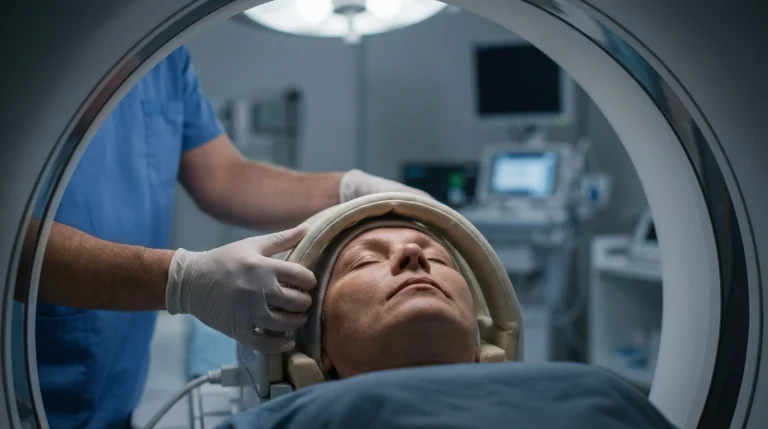
One big change is the use of intraoperative MRI. This lets surgeons see the tumor and nearby areas live. It helps them remove the tumor more accurately.
Also, new imaging methods have helped in diagnosing and planning treatments for pituitary tumors. These high-resolution images help surgeons understand the tumor’s shape and how it relates to important areas around it.
Technological Innovations in Endoscopic Pituitary Surgery
| Technology | Description | Benefits |
|---|---|---|
| Intraoperative MRI | Real-time imaging during surgery | Enhanced accuracy in tumor removal |
| High-Resolution Imaging | Detailed visualization of tumor anatomy | Better diagnosis and treatment planning |
| Endoscopic Instruments | Specialized tools for minimally invasive surgery | Reduced risk of complications, faster recovery |
As technology keeps getting better, we’ll see even more progress in treating pituitary tumors. Research and development are always working on new ways to make surgery safer and more effective.
Choosing the Right Specialist
Finding a qualified specialist is key for a good endoscopic pituitary surgery outcome. Look for a surgeon with lots of experience in pituitary tumor surgery and endoscopic skull base surgery. A specialist with many successful outcomes in minimally invasive surgery can help a lot with your recovery. When looking at surgeons, think about how they communicate and if they answer your questions well. The care team’s quality and the hospital’s facilities and equipment are also important. A well-equipped hospital with a skilled team can help you recover smoothly and avoid complications.
Choosing the right specialist with the right skills and experience makes you feel confident in your treatment. Researching and picking the right surgeon is a big step in fighting pituitary tumors.