Esophageal Cancer: What is Esophageal Cancer?
Esophageal Cancer impacts the esophagus, the muscular tube linking the throat to the stomach. It manifests in two primary forms: squamous cell carcinoma and adenocarcinoma. In its initial stages, Esophageal Cancer may not exhibit symptoms, highlighting the importance of early detection. Symptoms include progressive difficulty swallowing, chest or throat pain, and unintended weight loss. For detailed information on symptoms and treatment, visit Acibadem International’s resource on Esophageal Cancer.
Key risk factors include Barrett’s esophagus, chronic acid reflux, obesity, and tobacco use. Recognizing these risk factors and symptoms can facilitate earlier diagnosis and more effective treatment. Esophageal cancer starts with understanding the esophagus and its role in digestion. The esophagus is a muscular tube that carries food from the throat to the stomach. It’s a vital part of the digestive system.
Definition and Basic Anatomy
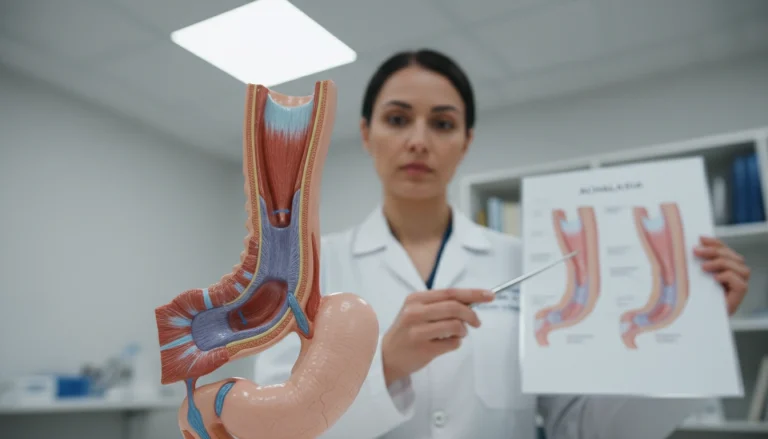
Esophageal cancer happens when cancer cells grow in the esophagus’s lining. The esophagus is about 10 inches long, covered in mucous membranes for smooth food passage. Its anatomy includes several layers, with the mucosa being where most cancers start.
Types of Esophageal Cancer
Esophageal cancer comes in two main types: Squamous Cell Carcinoma and Adenocarcinoma. Squamous cell carcinoma forms from squamous cells in the esophagus’s lining. Adenocarcinoma, on the other hand, develops from glandular cells, mainly in the esophagus’s lower part. Each type has unique risk factors and demographics.
Squamous cell carcinoma is often linked to smoking and alcohol. Adenocarcinoma, in contrast, is associated with chronic gastroesophageal reflux disease (GERD) and Barrett’s esophagus.
Understanding the Esophagus and Its Function
The esophagus is a muscular tube that carries food from the throat to the stomach. It is a vital part of the digestive system. It plays a key role in swallowing and transporting food to the stomach for digestion.
Anatomy of the Esophagus
The esophagus is about 10 inches long. It is lined with mucous membranes that lubricate food as it moves. It is surrounded by muscle layers that contract and relax to push food towards the stomach through peristalsis. For more on esophageal cancer symptoms and treatment, visit Acibadem International.
Normal Digestive Process
The digestive process starts in the mouth, where food is chewed and mixed with saliva. When swallowed, food moves through the esophagus into the stomach. There, it is broken down by stomach acids and enzymes.
The esophagus’s role is to efficiently transport food to the stomach. This prevents damage to the esophageal lining by not allowing food to stay in the esophagus.
Prevalence and Epidemiology of Esophageal Cancer
Understanding the prevalence of esophageal cancer is key to effective public health strategies. It’s a major global health concern, with complex patterns of incidence and mortality. These patterns are critical for developing targeted interventions.
Global Statistics
Esophageal cancer ranks as the seventh most common cancer globally, and the sixth leading cause of cancer death. The International Agency for Research on Cancer reports over 570,000 new cases and 508,000 deaths from esophageal cancer worldwide in 2020. Incidence rates vary widely, with the highest in East Asia and parts of Africa.
Demographics in the United States
In the United States, esophageal cancer is less prevalent than in other parts of the world. Yet, it remains a significant health issue. The American Cancer Society predicts about 22,370 new cases in 2023. Men are more likely to be affected, with most cases occurring in those over 65.
Types of Esophageal Cancer in Detail
The two main forms of esophageal cancer are Squamous Cell Carcinoma and Adenocarcinoma. Each has its own unique characteristics.
Squamous Cell Carcinoma
Squamous Cell Carcinoma starts in the squamous cells lining the esophagus. It’s more common worldwide, with high rates in Asia and Africa.
- Linked to smoking and alcohol use
- Commonly found in the upper and middle esophagus
- Has a higher incidence in certain regions outside the United States
Adenocarcinoma
Adenocarcinoma begins in the glandular cells of the esophagus, mainly in the lower part. It’s more common in Western countries, including the United States.
- Related to chronic gastroesophageal reflux disease (GERD)
- Often linked to Barrett’s esophagus
- Increasing in incidence, mainly in Western populations
Knowing these types is key to finding the right treatment.
Barrett’s Esophagus and Its Relationship to Esophageal Cancer
Understanding Barrett’s esophagus is key to grasping the risk of esophageal cancer. This condition involves a change in the esophagus’s lining, potentially leading to cancer. It’s a critical factor in assessing cancer risk.
What is Barrett’s Esophagus?
Barrett’s esophagus happens when the esophagus’s normal lining is replaced by abnormal cells. This usually results from chronic acid reflux. It’s a precursor to esophageal adenocarcinoma, a type of cancer.
Progression to Cancer
The transition from Barrett’s esophagus to esophageal cancer involves genetic mutations. Regular monitoring is vital to catch any precancerous changes early.
Monitoring and Management
Regular endoscopic surveillance and management of Barrett’s esophagus can prevent esophageal cancer. Lifestyle changes and medical treatments can also reduce risks. These steps are essential in managing the condition effectively.
Risk Factors for Developing Esophageal Cancer
Understanding the risk factors for esophageal cancer is key to prevention and early detection. Various factors contribute to its development, including lifestyle choices, certain medical conditions, and genetic predisposition.
Lifestyle Factors
Lifestyle choices significantly impact the risk of esophageal cancer. Key factors include tobacco and alcohol use, and diet and obesity.
Tobacco and Alcohol Use
Tobacco and alcohol use are strongly linked to an increased esophageal cancer risk. Tobacco smoking is a major risk factor, mainly for squamous cell carcinoma. Heavy alcohol consumption also raises the risk.
Diet and Obesity
A diet lacking in fruits and vegetables and high in processed foods increases the risk. Obesity is also a risk factor, as it can lead to conditions like GERD, associated with esophageal cancer.
Medical Conditions
Certain medical conditions can elevate the risk of esophageal cancer. Conditions like Barrett’s esophagus, GERD, and achalasia are associated with a higher risk. Individuals with these conditions should monitor their health closely.
Genetic Predisposition
Genetic factors also play a role in esophageal cancer development. Those with a family history of the disease or certain genetic syndromes may face a higher risk. Understanding one’s genetic predisposition aids in preventive measures.
Common Symptoms of Esophageal Cancer
Identifying the symptoms of esophageal cancer is vital for early detection and treatment. In its early stages, esophageal cancer often lacks noticeable symptoms, making diagnosis challenging. Yet, as the disease progresses, specific symptoms become more evident.
Early Warning Signs
In the early stages, individuals may struggle with swallowing, known as dysphagia. This symptom starts with a feeling of food getting stuck in the throat. It can worsen over time. Other early signs include weight loss and discomfort or pain in the chest or back.
- Difficulty swallowing (dysphagia)
- Weight loss
- Discomfort or pain in the chest or back
Advanced Symptoms
As esophageal cancer advances, symptoms intensify. Severe dysphagia makes swallowing even liquids difficult. Other symptoms include regurgitation of food, significant weight loss, and persistent pain or discomfort. In some cases, coughing or hoarseness may occur if the cancer affects nearby structures.
- Severe difficulty swallowing
- Regurgitation of food
- Persistent pain or discomfort
Understanding these symptoms can prompt individuals to seek medical attention earlier. This could potentially improve outcomes.
Diagnostic Procedures for Esophageal Cancer
To diagnose esophageal cancer, several procedures are used. These tools help doctors identify the disease and plan treatment.
Physical Examination
A physical exam is the first step in diagnosing esophageal cancer. Healthcare providers look for signs like weight loss or swollen lymph nodes.
Imaging Tests
Imaging tests are key for seeing the esophagus and finding issues. They show how far the disease has spread.
Barium Swallow
In a barium swallow test, you swallow a liquid with barium. X-rays then show the esophagus’s outline, highlighting any problems.
CT, PET, and MRI Scans
CT scans give detailed body images. PET scans spot cancer by showing active areas. MRI scans show soft tissue details, helping to understand cancer extent.
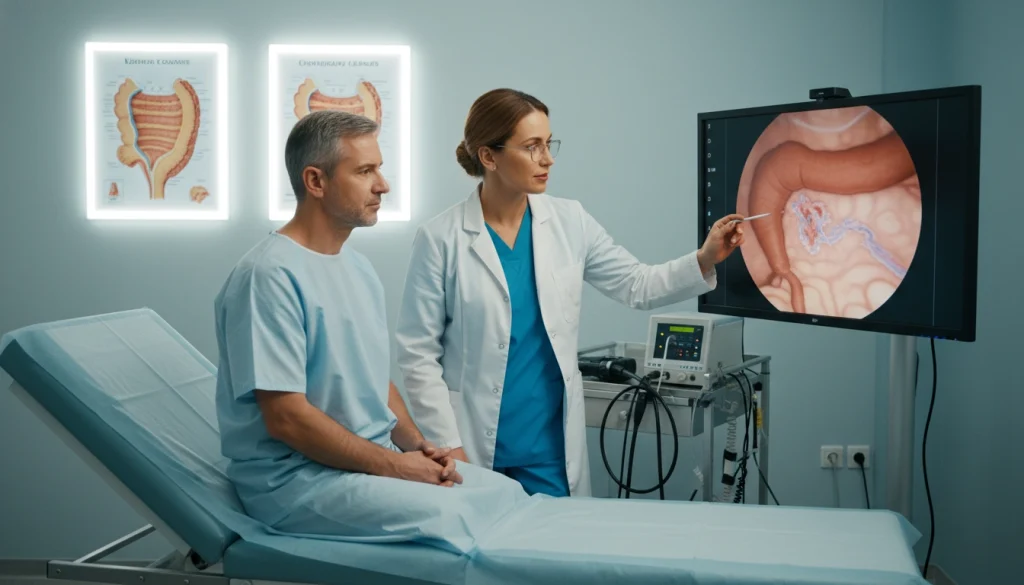
Endoscopy and Biopsy
Endoscopy uses a flexible tube with a camera to see inside the esophagus. A biopsy, taken during endoscopy, checks for cancer cells.
Laboratory Tests
Laboratory tests, like blood tests, check overall health. They look for signs of esophageal cancer and track disease progression.
Staging of Esophageal Cancer
Esophageal cancer staging is a critical process that helps healthcare providers determine the extent of cancer spread. Accurate staging is vital for planning treatment and predicting patient outcomes.
TNM Classification System
The TNM classification system is widely used to stage esophageal cancer. This system considers three key components:
- T (Tumor): Refers to the size and extent of the primary tumor.
- N (Node): Indicates whether the cancer has spread to nearby lymph nodes.
- M (Metastasis): Shows whether the cancer has metastasized to distant parts of the body.
Stage Groupings and Their Meanings
Once the T, N, and M categories are determined, they are combined to assign an overall stage to the cancer, typically ranging from Stage I to Stage IV. These stages help in understanding the prognosis and in planning the treatment.
- Stage I: Early-stage cancer with a better prognosis.
- Stage IV: Advanced cancer that has spread to distant parts of the body.
Understanding the stage of esophageal cancer is critical for both healthcare providers and patients. It helps in making informed decisions about treatment options.
Treatment Options for Esophageal Cancer
Understanding the various treatment options for esophageal cancer is key to effective management. Each plan is customized based on the cancer’s stage, the patient’s health, and personal preferences.
Surgery
Surgery is a mainstay in treating esophageal cancer, aiming to remove the tumor and affected esophagus parts. The surgery type varies with the cancer’s location and stage. A common procedure is esophagectomy, which removes the esophagus and connects the stomach to the remaining part.
Radiation Therapy
Radiation therapy employs high-energy rays to destroy cancer cells. It can be used alone or with chemotherapy and surgery. For esophageal cancer, it helps shrink tumors, making surgical removal easier.
Chemotherapy
Chemotherapy uses drugs to kill cancer cells. It’s often paired with radiation therapy (chemoradiation) to boost its effectiveness. Chemotherapy can be given before surgery to reduce tumor size or after to eliminate any remaining cancer cells.
Targeted Therapy
Targeted therapy targets specific molecules involved in cancer growth. For esophageal cancer, it blocks signals that cancer cells use to grow. This method is beneficial for patients with specific genetic markers.
Grasping these treatment options is vital for patients to make informed decisions about their care. Each treatment has its advantages and side effects, which should be discussed with a healthcare provider.
Surgical Approaches for Esophageal Cancer
The surgical treatment for esophageal cancer employs several techniques, with esophagectomy being a key method. This procedure, which involves removing the esophagus, is complex and requires meticulous planning.
Esophagectomy Procedures
Esophagectomy is a critical procedure for treating esophageal cancer. Different methods of esophagectomy exist, each with its own advantages and considerations.
Open Esophagectomy
Open esophagectomy requires a large incision in the chest or abdomen to access the esophagus. This traditional approach allows for the removal of the affected esophagus portion and the reconstruction of the digestive tract.
Reconstruction Techniques
After esophagectomy, restoring digestive function is essential. Surgeons employ various reconstruction techniques, such as gastric pull-up or colonic interposition. These methods reconnect the remaining esophagus to the stomach or other intestinal parts.
Minimally Invasive Techniques
Minimally invasive techniques, like laparoscopic or thoracoscopic esophagectomy, offer alternatives to open surgery. These methods use smaller incisions, potentially reducing postoperative pain and shortening recovery times.
The benefits of minimally invasive esophagectomy include:
- Reduced risk of complications
- Less postoperative pain
- Shorter hospital stays
- Faster recovery
Choosing between open and minimally invasive esophagectomy depends on several factors. These include the cancer stage, the patient’s health, and the surgeon’s expertise.
Non-Surgical Treatment Modalities
Non-surgical treatments are vital in managing esophageal cancer, mainly in advanced stages. They can be used alone or with other therapies to enhance patient outcomes.
Chemoradiation Therapy
Chemoradiation therapy combines chemotherapy and radiation to target cancer cells. It’s often chosen for patients with localized esophageal cancer who can’t undergo surgery.
- Helps shrink tumors
- Can relieve symptoms such as difficulty swallowing
- May be used before surgery to make tumors more operable
Immunotherapy
Immunotherapy boosts your immune system to fight cancer. It stimulates the immune system to better recognize and attack cancer cells.
Esophageal cancer patients, even those with advanced disease, may benefit from immunotherapy.
Palliative Care Options
Palliative care aims to alleviate symptoms and stress from serious illnesses like esophageal cancer. It aims to improve the quality of life for patients and their families.

- Manages pain and other symptoms
- Provides nutritional support
- Offers emotional and spiritual support
Clinical Trials and Emerging Treatments
New treatments for esophageal cancer are being explored through clinical trials. These trials are vital for assessing the safety and effectiveness of emerging therapies. They aim to offer better outcomes for patients.
Current Research Directions
Research in esophageal cancer is focusing on targeted therapies and immunotherapies. These treatments aim to target cancer cells while protecting healthy cells. This approach reduces side effects. Researchers are also looking into combination therapies. This involves using different treatments together to improve results.
Participating in Clinical Trials
Joining clinical trials can give patients access to new treatments not yet widely available. It’s important for patients to talk to their healthcare provider about eligibility. They should also understand the benefits and risks of participating in a trial.
Post-Treatment Care and Recovery
Effective post-treatment care is vital for patients who have undergone esophageal cancer treatment. It impacts their quality of life and survival. A thorough care plan addresses the complex needs of these patients.
Nutritional Support
Nutritional support is a critical component of post-treatment care. Patients may need guidance on dietary adjustments. This helps manage symptoms like dysphagia and ensures they receive adequate nutrition. A registered dietitian can create a personalized meal plan.
Physical Rehabilitation
Physical rehabilitation is key in helping patients regain strength and improve their physical function. A tailored exercise program can mitigate treatment effects and enhance recovery.
Follow-up Care Schedule
A follow-up care schedule is essential for monitoring the patient’s recovery and detecting any recurrence early. Regular check-ups with healthcare providers, including oncologists and primary care physicians, are vital.
Prognosis and Survival Rates
Understanding the prognosis of esophageal cancer is vital for patients and their families. Prognosis refers to the likely outcome or course of the disease. It is influenced by several factors.
Factors Affecting Prognosis
The prognosis for esophageal cancer is significantly affected by the stage at which the cancer is diagnosed. Early-stage cancers that are localized to the esophagus have a better prognosis. This is compared to those that have spread to distant parts of the body.
Other factors that influence prognosis include the patient’s overall health, the specific type of esophageal cancer, and how well the cancer responds to treatment.
Five-Year Survival Statistics
Five-year survival rates are commonly used to give an indication of prognosis. For esophageal cancer, the overall five-year survival rate in the United States is around 22%.
Yet, this rate varies significantly based on the stage at diagnosis. For localized esophageal cancer, the five-year survival rate is about 47%. On the other hand, for cancer that has spread to distant parts of the body, it drops to around 5%.
Prevention Strategies for Esophageal Cancer
By making lifestyle changes and staying informed about screening, you can lower your risk of esophageal cancer. Understanding and applying these preventive steps can help you avoid this disease.
Lifestyle Modifications
Lifestyle changes are essential in preventing esophageal cancer. Key adjustments include:
- Maintaining a healthy weight to reduce the risk of gastroesophageal reflux disease (GERD), a precursor to esophageal cancer.
- Avoiding tobacco products, as smoking is a significant risk factor for esophageal cancer.
- Eating a balanced diet rich in fruits, vegetables, and whole grains.
- Limiting alcohol consumption, as excessive alcohol use is associated with an increased risk of esophageal cancer.
Screening Recommendations
Screening is critical for early detection and prevention of esophageal cancer, mainly for those with risk factors like Barrett’s esophagus or a family history. Screening methods include endoscopy with biopsy. Those at high risk should talk to their healthcare provider about the best screening options for them.
Living with Esophageal Cancer: Support and Resources
Receiving a diagnosis of esophageal cancer can be overwhelming. Yet, patients don’t have to face it alone. Various organizations and resources are available to provide support and guidance throughout the treatment journey.
The American Cancer Society offers a range of services. This includes patient support groups, online resources, and counseling. Patients can also access information on clinical trials, treatment options, and managing symptoms.
Further, the Esophageal Cancer Awareness Association provides educational materials, patient advocacy, and community support. These resources help patients and their families navigate the challenges of esophageal cancer.
For those seeking online support, websites like CancerCare offer free counseling, support groups, and educational resources. Patients can also connect with others who have experienced esophageal cancer through online forums and social media groups.
By leveraging these resources, patients with esophageal cancer can find the support they need. Esophageal Cancer support and patient resources play a vital role in improving the overall care and well-being of those affected.
FAQ
Q: What is esophageal cancer?
A: Esophageal cancer is a form of cancer that impacts the esophagus. This is a muscular tube that food travels through from the throat to the stomach.
Q: What are the main types of esophageal cancer?
A: The primary types of esophageal cancer are squamous cell carcinoma and adenocarcinoma.
Q: What is Barrett’s esophagus, and how is it related to esophageal cancer?
A: Barrett’s esophagus is a condition where the esophagus lining changes. This can lead to esophageal cancer. It’s vital to monitor regularly for any precancerous changes.
Q: What are the risk factors for developing esophageal cancer?
A: Risk factors include lifestyle choices like tobacco and alcohol use, diet, and obesity. Certain medical conditions and genetic predisposition also play a role.
Q: What are the common symptoms of esophageal cancer?
A: Symptoms include difficulty swallowing, weight loss, and chest pain. In advanced stages, symptoms can worsen to include bleeding or obstruction.
Q: How is esophageal cancer diagnosed?
A: Diagnosis involves a physical examination, imaging tests (like barium swallow and CT scans), endoscopy, biopsy, and lab tests.
Q: What are the treatment options for esophageal cancer?
A: Treatment options include surgery, radiation therapy, chemotherapy, targeted therapy, and palliative care. These are often combined based on the cancer’s stage and type.
Q: What is the TNM classification system used for staging esophageal cancer?
A: The TNM system stages esophageal cancer based on tumor size and extent (T), lymph node involvement (N), and metastasis (M).
Q: How can esophageal cancer be prevented?
A: Prevention involves lifestyle changes like avoiding tobacco and alcohol, eating healthily, and managing conditions like GERD.
Q: What is the prognosis for esophageal cancer, and what are the five-year survival statistics?
A: Prognosis and survival rates depend on the stage at diagnosis. Earlier stages have better outcomes. Five-year survival statistics offer a general outlook but should be viewed in individual contexts.
Q: What support and resources are available for patients living with esophageal cancer?
A: Patients can access support services like nutritional counseling, psychological support, and patient advocacy groups. These help manage the disease and improve quality of life.