Eye Redness: Understanding Eye Redness
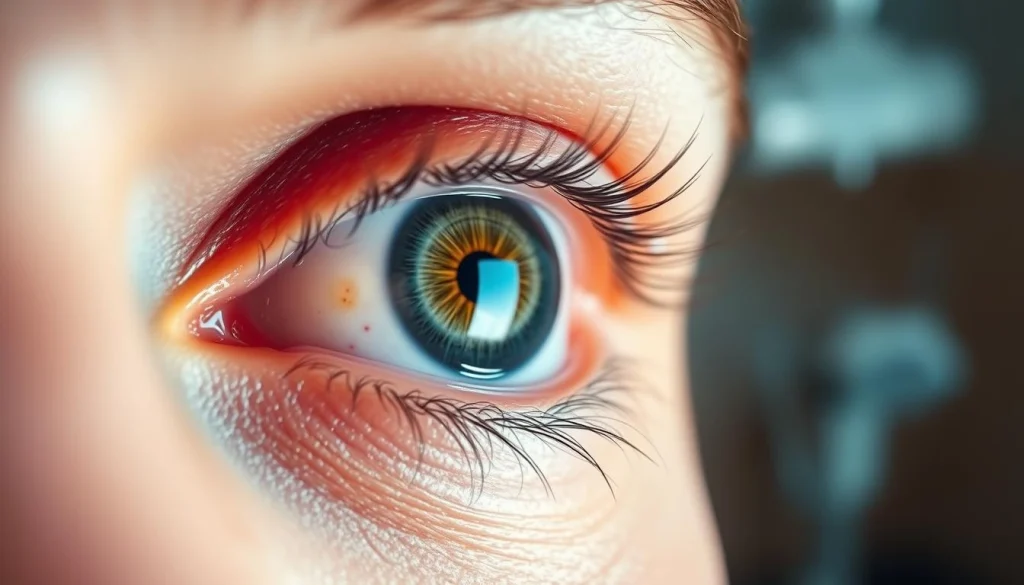
Eye redness is a common condition where eyes appear red or bloodshot. It can stem from allergies, dryness, or infections. Understanding the cause is essential for effective treatment. Red eyes often signal a deeper issue that requires medical attention. Common culprits include environmental irritants, lack of sleep, or excessive strain. Identifying the root cause is critical for the right treatment. By delving into the causes, symptoms, and treatments, individuals can manage and prevent red eyes better. This article aims to offer a detailed look at eye redness. It helps readers grasp their condition and find suitable solutions.
Red eyes can be alarming and often linked to health concerns. Eye redness stems from various causes, from minor irritants to serious medical issues. Knowing the causes and the eye’s anatomy is key to finding the right solution.
The Anatomy of Red Eyes
The eyes are complex, with a network of blood vessels that can dilate or get irritated, causing redness. The conjunctiva, a thin membrane over the white part of the eyes, has many tiny blood vessels. When these vessels dilate or become inflamed, the eyes look red or bloodshot. For more on how medical procedures impact eye health, visit this link to compare Relex Smile Laser and LASIK.
Differentiating Types of Redness
Eye redness varies in cause and characteristics. It can be due to dryness, allergies, infections, or fatigue. Identifying the type is critical for the right treatment. For example, dry eye redness might need lubricating drops, while infection redness might require medical attention or specific products.
Common Causes of Eye Redness
Redness in the eyes can stem from various environmental and lifestyle factors. Grasping these causes is key to managing and preventing it effectively.
Environmental Irritants
Environmental elements significantly contribute to eye redness. Key irritants include smoke, air pollution, and chemical exposure.
Smoke and Air Pollution
Smoke from cigarettes, wildfires, or industrial activities can irritate the eyes, causing redness and discomfort. Air pollution from vehicles and industrial emissions also leads to eye irritation.
Chemical Exposure
Chemical exposure, whether at home or in the workplace, can cause eye redness. Household cleaning products or industrial chemicals can irritate the eyes if proper precautions are not taken.
Lifestyle Factors
Lifestyle choices and habits significantly contribute to eye redness. Factors such as prolonged screen time, inadequate eye care, and certain dietary habits can lead to eye strain and redness.
Sleep Deprivation Effects
Lack of adequate sleep can lead to eye redness. When we don’t get enough rest, our eyes can become dry and irritated, resulting in redness and discomfort. Ensuring sufficient sleep is essential for maintaining healthy, white eyes.
Allergic Reactions and Red Eyes
Eye redness often stems from allergic reactions, common due to environmental and lifestyle factors. When the body’s immune system reacts to a foreign substance, it releases histamine and other chemicals. This leads to blood vessel inflammation in the eyes, causing them to appear red.
Seasonal Allergies
Seasonal allergies, or hay fever, frequently cause eye redness. Pollen from trees, grasses, and weeds can trigger allergic reactions during specific seasons. Symptoms include red, itchy, and watery eyes.
- Tree pollen (spring)
- Grass pollen (late spring and early summer)
- Weed pollen (fall)
Contact Allergens
Contact allergens are substances that directly come into contact with the eyes or skin, causing allergic reactions. These include cosmetics and eye products, as well as household chemicals.
Cosmetics and Eye Products
Some people may be allergic to ingredients in eye makeup, contact lens solutions, or eye drops. Common allergens include preservatives and fragrances.
Household Chemicals
Household cleaning products, detergents, and other chemicals can also cause allergic reactions. It’s vital to avoid getting these products in your eyes and to wash your hands thoroughly afterward.
Food-Related Allergic Responses
While less common, food allergies can also lead to eye redness. Symptoms can range from mild redness to severe swelling and itching. Common food allergens that may affect the eyes include nuts, shellfish, and dairy products.
Understanding the causes of allergic reactions and eye redness is key to effective management and treatment. By identifying and avoiding triggers, individuals can reduce the occurrence of red, itchy eyes and improve their overall eye health.
Infectious Causes of Eye Redness
Eye redness can stem from various infectious agents, including bacteria, viruses, and fungi. Each requires a unique treatment approach. Identifying the infection’s cause is essential for effective therapy.
Bacterial Conjunctivitis (Pink Eye)
Bacterial conjunctivitis, or pink eye, is caused by bacteria. It results in redness, itching, and discharge. Common culprits include Staphylococcus aureus and Haemophilus influenzae.
Symptoms include:
- Redness and swelling of the conjunctiva
- Purulent discharge
- Crusting of the eyelids
Viral Eye Infections
Viral infections also cause eye redness, often spreading easily and needing specific care.
Adenovirus
Adenovirus is a frequent cause of viral conjunctivitis. It leads to redness, watery discharge, and sometimes fever. It’s highly contagious, spreading through direct contact with infected secretions.
Herpes Simplex Virus
The herpes simplex virus can lead to serious eye infections, including keratitis. Symptoms include redness, pain, and sensitivity to light.
Fungal Eye Infections
Fungal eye infections are less common but serious. They often affect those with weakened immune systems or after eye injuries involving organic matter.
Common symptoms include:
- Redness and pain
- Discharge or crusting
- Sensitivity to light
In conclusion, eye redness can be caused by bacteria, viruses, and fungi. Accurate diagnosis is critical for effective treatment.
Dry Eye Syndrome and Redness
Eye redness is often linked to Dry Eye Syndrome, a condition needing accurate diagnosis and treatment. This condition impacts the ocular surface, leading to discomfort and vision problems due to inadequate lubrication.
Causes of Dry Eye
Dry Eye Syndrome arises from several factors, including age-related changes and specific medical conditions. Grasping these causes is essential for effective management.
Age-Related Changes
With age, tear production diminishes, resulting in Dry Eye Syndrome. This natural decline is exacerbated by environmental factors and lifestyle choices.
Medical Conditions
Medical conditions like diabetes, rheumatoid arthritis, and thyroid disorders raise the risk of Dry Eye Syndrome. It’s critical to manage these conditions to prevent Dry Eye.
Connection Between Dryness and Redness
Inadequate tears or poor tear quality can cause dry spots on the eye surface, leading to irritation and redness. This redness is a sign of the underlying Dry Eye Syndrome issue.
Treating Dry Eye Syndrome involves addressing its root causes, whether age-related or due to medical conditions. This approach helps alleviate symptoms like eye redness.
Digital Eye Strain and Red Eyes
Digital eye strain is a rising concern, often causing eye redness and discomfort. With more people using digital devices for work, entertainment, and communication, eye strain and redness risks increase. This issue affects anyone who spends a lot of time in front of screens, regardless of age.
How Screen Time Affects Eye Health
Extended screen time can harm eye health. Staring at screens makes us blink less, leading to dry eyes. The blue light from digital devices also contributes to eye strain.
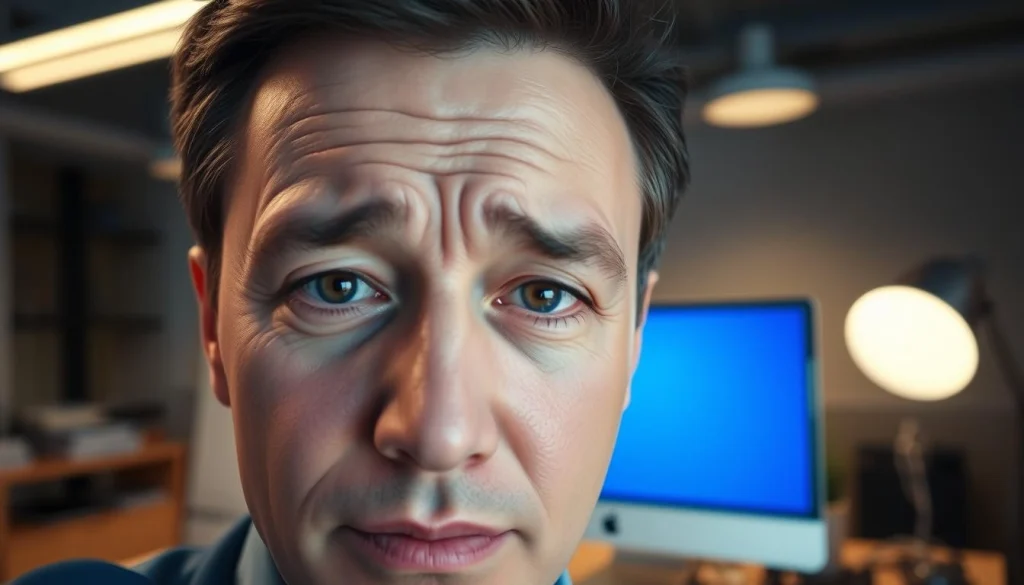
The constant need to focus and refocus on screens causes eye fatigue. This results in redness and irritation. It’s vital to grasp these effects to prevent them.
The 20-20-20 Rule and Other Prevention Strategies
To lessen digital eye strain, follow the 20-20-20 rule. Every 20 minutes, look away from the screen and focus on something 20 feet away for 20 seconds. Adjusting device display settings, like brightness and contrast, also helps reduce strain.
Other strategies include maintaining a comfortable viewing distance and ensuring proper room lighting. Taking regular breaks from screens is also key. By adopting these practices, individuals can lower the risk of eye redness from digital eye strain.
Contact Lens-Related Eye Redness
Wearing contact lenses can sometimes lead to eye redness, a condition that can be both uncomfortable and concerning. This issue is often related to how the lenses are cared for and worn. Proper contact lens care is essential in preventing eye redness and ensuring overall eye health.
Proper Contact Lens Care
Maintaining good hygiene and following the recommended care regimen for your contact lenses can significantly reduce the risk of eye redness. This involves regular cleaning and proper storage of the lenses.
Cleaning and Storage
Cleaning your contact lenses involves using the appropriate contact lens solution to remove dirt and debris. It’s essential to rub the lenses gently to clean them before rinsing. After cleaning, lenses should be stored in a clean case filled with fresh solution. The case itself should be regularly cleaned and replaced as recommended by the manufacturer or eye care professional.
Replacement Schedules
Adhering to the replacement schedule for your contact lenses is vital. Daily disposable lenses, for example, should be discarded at the end of the day, while monthly lenses should be replaced as directed. Not following these schedules can lead to a buildup of deposits on the lenses, potentially causing irritation and redness.
When to Take a Break from Contacts
It’s also important to know when to give your eyes a break from contact lenses. If you’re experiencing persistent redness or discomfort, removing your lenses and consulting with an eye care professional is advisable. Giving your eyes a rest can help them recover and reduce the risk of complications.
By following these guidelines and being mindful of your contact lens hygiene, you can minimize the risk of eye redness and enjoy the benefits of wearing contacts with comfort and confidence.
Serious Medical Conditions Associated with Eye Redness
Eye redness, while often harmless, can signal severe health issues. Certain serious medical conditions present with eye redness as a primary symptom. It’s vital to recognize these conditions to ensure timely medical care.
Glaucoma
Glaucoma damages the optic nerve, often due to high eye pressure. Acute angle-closure glaucoma is a medical emergency. It causes severe eye pain, redness, and vision disturbances. Immediate treatment is critical to avoid permanent vision loss.
Uveitis
Uveitis is inflammation of the uvea, the eye’s middle layer. It leads to eye redness, pain, and vision issues. Uveitis can stem from infections, autoimmune disorders, or trauma. Accurate diagnosis and treatment are essential to prevent complications.
Corneal Ulcers and Injuries
Corneal ulcers and injuries cause significant eye redness and discomfort. A corneal ulcer is an open sore on the cornea, often from infection or injury. Untreated, it can lead to vision loss. Immediate medical attention is necessary for diagnosis and treatment.
In conclusion, eye redness, while often benign, can signal serious medical conditions. Glaucoma, uveitis, and corneal ulcers require prompt medical attention to prevent severe complications. If you experience persistent or severe eye redness, seek an eye care professional’s advice.
Over-the-Counter Treatments for Eye Redness
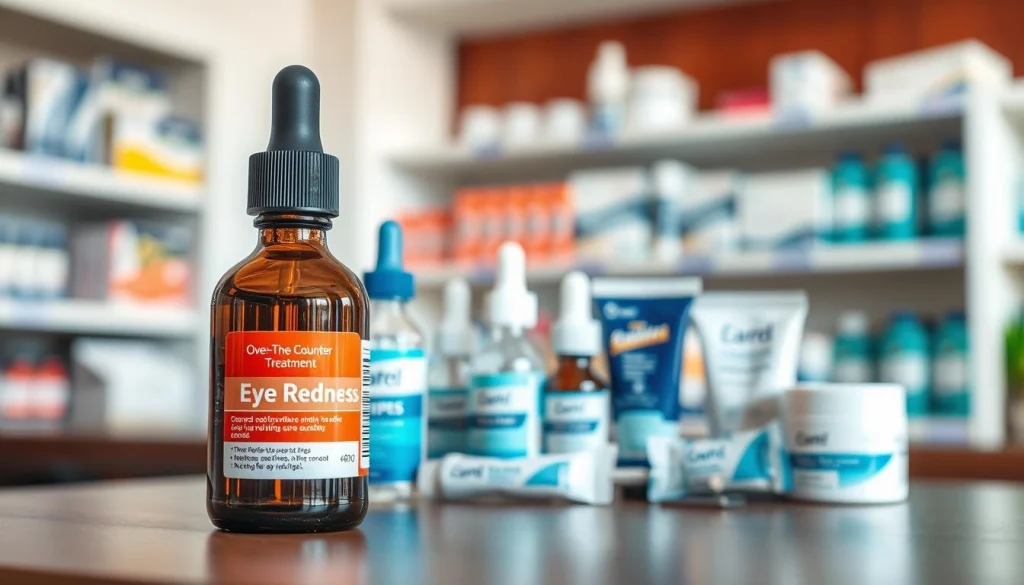
Over-the-counter treatments are a first line of defense against eye redness for many. They are easily accessible and can be highly effective. They manage redness caused by various factors.
Types of Eye Drops
Eye drops are a common over-the-counter treatment for eye redness. They come in different formulations. Each addresses specific causes of redness.
Vasoconstrictors
Vasoconstrictor eye drops reduce the size of blood vessels on the eye’s surface. This decreases redness. They provide quick relief but should be used cautiously to avoid rebound redness.
Lubricants and Artificial Tears
Lubricating eye drops or artificial tears moisturize dry eyes, a common cause of redness. They are suitable for regular use. They can be used as needed throughout the day.
Antihistamine Drops
Antihistamine eye drops are effective for redness caused by allergies. They block the release of histamine. This substance causes allergy symptoms.
Compresses and Other Home Remedies
Apart from eye drops, other home remedies can provide relief from eye redness. Applying a warm or cold compress can help reduce redness and soothe the eyes.
- Warm compresses can help loosen any blockages in the eyelids.
- Cold compresses can reduce swelling and ease redness.
- Maintaining good eye hygiene is also critical in preventing redness.
Prescription Medications for Chronic Eye Redness
For chronic eye redness, prescription medications are often the solution when over-the-counter options don’t work. These treatments aim to address the root causes of redness. They offer relief to those dealing with ongoing eye redness.
Antibiotic Eye Drops
Antibiotic eye drops are given for bacterial infections causing redness. They kill the bacteria, reducing both redness and inflammation. It’s critical to follow the doctor’s instructions for using these drops to clear the infection completely.
Anti-Inflammatory Medications
Anti-inflammatory medications, like corticosteroid eye drops, are for non-infectious redness and inflammation. They offer quick relief but should be used short-term due to possible side effects from long-term use.
Specialized Treatments for Underlying Conditions
When chronic eye redness stems from an underlying issue, like blepharitis or rosacea, specific treatments are needed. These treatments target the condition, helping to reduce redness. For example, rosacea might require oral antibiotics or other medications to manage it.
Lifestyle Changes to Reduce Eye Redness
Implementing lifestyle changes can greatly reduce eye redness and enhance eye health. Simple adjustments can alleviate redness and promote healthier eyes. These modifications can be seamlessly integrated into daily routines for long-term benefits.
Dietary Considerations
Diet is vital for maintaining eye health and reducing redness. Specific nutrients can help alleviate redness and boost overall well-being.
Omega-3 Fatty Acids
Omega-3 fatty acids possess anti-inflammatory properties, aiding in eye redness reduction. Include foods like salmon, sardines, flaxseeds, and walnuts in your diet.
Hydration and Eye Health
Proper hydration is key for healthy eyes and reducing redness. Drinking enough water keeps eyes moist and comfortable.
Environmental Modifications
Environmental factors significantly impact eye health and contribute to redness. Making specific modifications can help alleviate this issue.
Using a humidifier in dry environments maintains eye moisture. Avoiding smoke and dust exposure is also critical, as these irritants worsen redness.
When to See a Doctor About Eye Redness
Eye redness can signal a range of conditions, some of which are urgent. While many cases stem from minor irritations or allergies, others may indicate a more severe issue. It’s important to recognize when to seek immediate medical care.
Warning Signs and Symptoms
Recognizing the warning signs of eye redness is critical. Severe pain, vision changes, or increased sensitivity to light are red flags. These symptoms suggest a potentially serious condition that requires prompt attention.
- Severe eye pain or discomfort
- Vision disturbances or blurred vision
- Increased sensitivity to light
- Pus or discharge around the eye
Emergency Situations Requiring Immediate Care
Some situations demand immediate medical attention to avoid serious complications or vision loss. If you experience sudden vision loss, severe eye trauma, or intense pain, it’s essential to seek emergency eye care.
- Sudden vision loss or severe vision disturbances
- Severe eye trauma or injury
- Intense eye pain or severe headache
Preventing Eye Redness in Daily Life
Maintaining eye health goes beyond just treating redness; it demands proactive steps to prevent it. By adopting simple habits and being aware of environmental factors, individuals can greatly reduce eye redness occurrences.
Protective Measures
It’s essential to shield the eyes from various irritants and stressors. This can be done by using the right eyewear and managing environmental factors.
Eyewear for Different Activities
Choosing the correct eyewear for different activities is key to preventing eye redness. For example, wearing sunglasses with UV protection outdoors protects eyes from harmful rays. Also, goggles during activities with chemicals or debris shield the eyes from irritants.
Environmental Controls
Controlling environmental factors like dust, pollen, and smoke also helps prevent eye redness. Using air purifiers, avoiding smoking areas, and keeping windows closed during high pollen counts are effective strategies.
Healthy Eye Habits
Healthy eye habits are critical for preventing eye redness. Following the 20-20-20 rule to reduce digital eye strain, getting enough sleep, and staying hydrated are essential. These habits help maintain eye health.
Regular eye exams are also vital for eye health. They help catch any issues early, ensuring the eyes stay healthy.
Maintaining Long-Term Eye Health
Long-term eye health is achieved through good habits, proper care, and regular check-ups. Building on previous knowledge, individuals can promote sustained eye wellness. This reduces the risk of eye problems.
Effective Eye Care Tips include protecting your eyes from environmental irritants. Following proper contact lens care is also key. Taking regular breaks when using digital devices is important. A healthy diet rich in omega-3 fatty acids, lutein, and zeaxanthin supports eye health.
To achieve Long-Term Eye Health, being proactive is essential. Regular eye exams help detect issues early. A consistent eye care routine prevents problems. By incorporating these strategies into daily life, individuals can enjoy healthy vision for years.
FAQ
Q: What causes eye redness?
A: Eye redness can stem from various sources. These include environmental irritants, allergies, dry eye syndrome, and digital eye strain. It can also be a sign of underlying medical conditions.
Q: How can I relieve eye redness caused by dryness?
A: To combat dryness-induced eye redness, use lubricating eye drops. Regular breaks from digital devices are also beneficial. Maintaining a humid environment can further reduce dryness.
Q: Can contact lens use cause eye redness?
A: Yes, contact lens use can lead to eye redness. This is often due to poor lens hygiene or prolonged wear.
Q: What are some common allergic reactions that can cause eye redness?
A: Seasonal allergies, reactions to cosmetics or household chemicals, and food allergies can all cause eye redness.
Q: When should I see a doctor about eye redness?
A: Seek medical attention if eye redness is accompanied by severe pain, vision changes, or discharge. Also, if it persists or worsens, consult a doctor.
Q: How can I prevent eye redness in daily life?
A: Prevent eye redness by wearing protective eyewear and maintaining good hygiene. Avoid rubbing your eyes and follow the 20-20-20 rule when using digital devices.
Q: Are there any lifestyle changes that can help reduce eye redness?
A: Yes, incorporating omega-3 fatty acids into your diet and staying hydrated can help. Avoiding smoking is also beneficial.
Q: What are some over-the-counter treatments available for eye redness?
A: Over-the-counter options include vasoconstrictor eye drops, lubricating eye drops, and antihistamine drops. Compresses and home remedies are also available.