Febrile Convulsions: Understanding Febrile Convulsions
Febrile convulsions can be a source of worry for parents. They happen in kids when their body temperature goes up. It’s vital for parents and caregivers to understand this condition to know how to act when it occurs. These convulsions are a key concern in pediatric health. They might signal an underlying issue. Even though they’re usually not a long-term worry, knowing about febrile convulsions helps manage them better.
Grasping the essence of febrile convulsions is vital for effective pediatric care. These seizures, also known as febrile seizures, strike in children with fever. Their occurrence can be distressing for parents and caregivers, highlighting the need to comprehend the underlying causes and implications.
Definition and Medical Context
Febrile convulsions manifest in children aged 6 months to 5 years, with a fever over 38°C (100.4°F). They occur without signs of intracranial infection or other identifiable causes. The medical context of these seizures involves the neurological and physiological responses to fever in young children. Research shows that the immature brain’s reaction to fever can sometimes trigger seizures.
The mechanisms behind febrile convulsions are complex, involving genetic predisposition, fever rise rate, and individual susceptibility. In the medical field, febrile convulsions are viewed as relatively benign. Yet, they necessitate thorough evaluation to exclude more serious underlying causes.
Prevalence and Age Groups Affected
Febrile convulsions impact a considerable segment of the pediatric population. Research indicates that 2% to 5% of children in the United States will experience at least one febrile seizure before age 5. The peak age for these seizures is between 12 and 18 months.
The prevalence of febrile convulsions varies across different populations. Some studies reveal a higher incidence in specific ethnic or genetic groups. Recognizing these demographics aids healthcare providers in customizing advice and management strategies for the most affected populations.
Types of Febrile Seizures
Febrile seizures are categorized into simple and complex types. Knowing the difference is key to managing them effectively.
Simple Febrile Seizures
Simple febrile seizures are common and usually have a good prognosis. They are short and affect the whole body.
Duration and Characteristics
These seizures last under 5 minutes. They are generalized and don’t happen again within 24 hours.
Recovery Process
Recovery from simple febrile seizures is quick. The child usually returns to normal shortly after the seizure ends.
Complex Febrile Seizures
Complex febrile seizures are less common but more serious. They last longer or have focal characteristics, suggesting a possible underlying condition.
Warning Signs and Features
These seizures last over 15-30 minutes, are focal, or happen again within 24 hours. These signs are important for diagnosis.
Medical Concerns
Complex febrile seizures need more medical attention. They are linked to possible neurological issues. Quick medical evaluation is essential to check for serious conditions.
It’s vital to tell simple from complex febrile seizures. Simple ones are usually harmless, but complex ones require closer medical watch.
Causes of Febrile Convulsions
Understanding the causes of febrile convulsions is key to managing and preventing these seizures. This condition is influenced by various factors.
Fever as the Primary Trigger
Fever is the main trigger for febrile convulsions. It’s the body’s response to infection. In some children, this high body temperature can cause seizures.
The exact way fever triggers seizures is not fully understood. Yet, it’s believed that the rapid increase in body temperature is a significant factor.
Common Illnesses Associated with Febrile Seizures
Febrile seizures are often linked to common childhood illnesses. These can be viral or bacterial in nature.
Viral Infections
Viral infections are a common cause of fever in children, leading to febrile seizures. Infections like influenza, roseola, and viral gastroenteritis are associated with febrile seizures.
These infections cause high fever, increasing the risk of a febrile seizure.
Bacterial Infections
Bacterial infections, such as ear infections (otitis media) and pneumonia, can also cause fever leading to febrile convulsions. While less common than viral infections, they can result in a significant fever. This can trigger a seizure in susceptible children.
It’s important for parents to know that febrile convulsions are generally not a long-term concern. Yet, identifying and managing the underlying cause is essential.
Risk Factors for Febrile Convulsions
Understanding the risk factors for febrile convulsions is key to managing and possibly preventing them. Several elements contribute to the likelihood of experiencing these seizures. Knowing these can offer valuable insights for parents and caregivers.
Genetic Predisposition
Genetic predisposition is a significant factor in febrile convulsions. Children with a family history of febrile seizures are more at risk. Research indicates that certain genetic factors can increase susceptibility, though the exact mechanisms are being studied.
Age-Related Factors
Age is a critical factor in the risk of febrile convulsions. These seizures often occur in children aged 6 months to 5 years, peaking at 18 months. The developing brain’s vulnerability to fever-induced seizures during this period is a key factor.
Previous History of Febrile Seizures
A history of febrile seizures significantly raises the risk of recurrence. Children who have had a febrile convulsion are more likely to have another, even with other risk factors present. Recognizing this risk helps in planning care and follow-up.
By identifying these risk factors, parents and caregivers can better manage the risk of febrile convulsions. They can also seek the right medical advice when needed.
Recognizing Febrile Convulsions
Understanding the signs and symptoms of febrile convulsions is key to managing them effectively. These seizures occur in children due to high fever. Recognizing them is vital for proper care.
Before the Seizure
Before a febrile seizure, children often show symptoms of the underlying fever cause, like an infection. These can include irritability, lethargy, or loss of appetite. Spotting these early signs helps caregivers prepare for a seizure.
During the Seizure
During a febrile seizure, children may show convulsions or shaking. Knowing the physical signs and typical duration helps identify the seizure.
Physical Manifestations
Physical signs during a febrile seizure include convulsions, stiffness, or jerking limbs. The child’s eyes may roll back, and they may lose consciousness. It’s vital to stay calm and ensure the child’s safety.
The seizure’s duration can vary but usually lasts under 5 minutes. Knowing when to seek medical help is critical. If it lasts over 5 minutes, it’s a medical emergency.
After the Seizure
After the seizure, the child may be drowsy or confused. They need comfort and reassurance. Monitoring their condition and seeking medical attention if needed is important. Most children fully recover from febrile seizures. Yet, a medical evaluation is often recommended to check for serious conditions.
Diagnosing Febrile Convulsions
Diagnosing febrile convulsions requires a detailed medical evaluation to pinpoint the seizure’s cause. This step is essential to distinguish between a febrile convulsion and another condition. It ensures accurate diagnosis and appropriate treatment.
Medical Evaluation Process
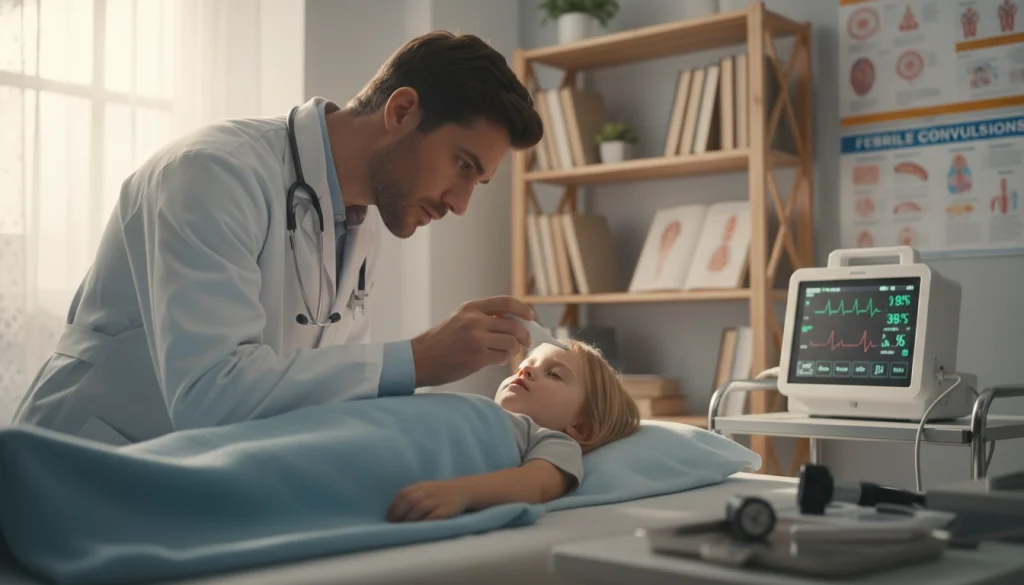
The evaluation starts with a thorough medical history and physical exam. Healthcare providers gather information on the child’s symptoms, fever duration, and past medical history. This includes any previous seizures or other health issues.
A detailed physical exam follows to detect signs of infection or other seizure causes. The exam may involve checking the child’s temperature, throat, and neurological functions.
Diagnostic Tests and Procedures
Diagnostic tests and procedures are vital to confirm febrile convulsions and rule out other seizure causes.
Laboratory Tests
Laboratory tests, such as blood tests, are used to detect infections or inflammation. These tests help identify the fever’s cause.
- Complete Blood Count (CBC) to check for infection or inflammation
- Blood cultures to identify bacterial infections
- Electrolyte tests to check for any imbalances
Imaging Studies
In some cases, imaging studies like lumbar punctures or EEGs are recommended. An EEG measures brain electrical activity, helping to identify abnormal patterns.
CT or MRI scans are not typically used for simple febrile seizures. They might be considered in complex cases or when there are focal neurological signs.
When to Seek Emergency Medical Care
Parents and caregivers must recognize the warning signs for emergency medical care during febrile convulsions. These seizures, common in children, can sometimes signal other urgent health issues.
Warning Signs That Require Immediate Attention
If a child shows any of these signs during or after a seizure, seek emergency care:
- Convulsion lasting more than 5 minutes
- Multiple convulsions in a short period
- Convulsion followed by difficulty breathing
- Convulsion accompanied by a severe headache, stiff neck, or rash
- Convulsion in a child under 6 months old
Differentiating from Other Seizure Types
It’s vital to distinguish febrile convulsions from other seizures for proper care. Knowing the differences aids in effective management.
Febrile Convulsions vs. Epilepsy
Febrile convulsions are fever-induced seizures in children aged 6 months to 5 years. In contrast, epilepsy is a neurological disorder with recurring seizures, not always fever-related.
Other Neurological Conditions
Conditions like meningitis or encephalitis can also cause seizures. These often come with fever, headache, and stiff neck, needing immediate medical check-up.
Identifying the need for emergency care ensures children get timely, proper treatment.
First Aid for Febrile Convulsions
Proper first aid during a febrile convulsion is vital for the child’s safety and well-being. These seizures, though alarming, are usually short and not harmful if managed correctly. They are a common response to fever in children.
Steps to Take During a Seizure
During a febrile convulsion, it’s critical to remain calm. Follow specific steps to ensure the child’s safety.
Safety Measures
To prevent injury, gently turn the child onto their side. This helps keep their airway clear. Clear the area around the child of any hard or sharp objects that could cause harm.
- Place a soft cushion or pillow under their head.
- Loosen any tight clothing around the neck.
- Avoid restraining the child or trying to stop the seizure.
Monitoring and Documentation
Monitoring the seizure’s duration and the child’s behavior is essential. Note the time when the seizure starts and ends. Observe the child’s behavior and any changes in their condition. Document any details about the seizure for future reference.
What Not to Do During a Seizure
Knowing what not to do is as important as knowing what to do. Avoid putting anything in the child’s mouth or attempting to give them medication during the seizure.
Post-Seizure Care
After the seizure has stopped, place the child in a recovery position. This helps maintain a clear airway. Check for any injuries and provide comfort as they regain full consciousness.
Seeking medical attention after a febrile convulsion is also essential. It helps rule out any underlying serious conditions.
Medical Treatment for Febrile Convulsions
Managing febrile convulsions requires a blend of fever and seizure management strategies. The aim is to lessen the occurrence and intensity of these episodes. This ensures the child’s comfort and safety.
Fever Management Approaches
Controlling fever is key in treating febrile convulsions. Various methods can be employed, including medications and non-medication cooling techniques.
Medications for Fever Reduction
Acetaminophen and ibuprofen are often used to lower fever in children. It’s important to follow the recommended dosage to prevent side effects.
Non-Medication Cooling Methods
Non-medication cooling methods are also effective. Dressing the child lightly, ensuring they stay hydrated, and using tepid baths can help cool the body temperature.
Seizure Management Medications
Seizure management medications may be prescribed to prevent recurrent febrile seizures. These are usually considered for children at high risk or those with complex seizures.
The choice of medication and treatment plan must be tailored to the child’s needs. A healthcare professional should guide this. Regular monitoring and follow-up are essential to adjust the treatment as needed.
Long-term Outlook and Prognosis
Febrile convulsions, though alarming, generally have a favorable long-term outlook for most children. The prognosis is largely positive, with many children experiencing no long-term effects. Yet, it’s vital to understand the factors that influence recurrence and long-term health implications.
Recurrence Risk Factors
The risk of recurrence is a significant concern for families. Factors that increase the likelihood of recurrent febrile seizures include a young age at the first seizure, a family history of febrile seizures, and the presence of developmental or neurological abnormalities.
- Young age at first febrile seizure
- Family history of febrile seizures
- Presence of developmental or neurological abnormalities
Long-term Health Implications
While most children with febrile convulsions have a good prognosis, there are long-term health implications to consider. These include effects on cognitive development and the risk of developing epilepsy.
Cognitive Development
Research indicates that febrile convulsions typically do not have a significant impact on cognitive development. Most children with a history of febrile seizures perform academically and cognitively on par with their peers.
Risk of Developing Epilepsy
The risk of developing epilepsy is slightly higher in children who have had febrile convulsions, mainly those with complex febrile seizures or underlying neurological conditions. Yet, the overall risk remains relatively low.
Understanding these factors can help families and healthcare providers manage the condition effectively. It also ensures the necessary support for children with a history of febrile convulsions.
Preventing Febrile Convulsions
Preventing febrile convulsions requires a mix of managing fever and, when needed, medication. Parents and caregivers are key in lowering seizure risk. They can do this by understanding and applying the right preventive steps.
Fever Management Strategies
Managing fever is vital in preventing febrile convulsions. Here are some strategies:
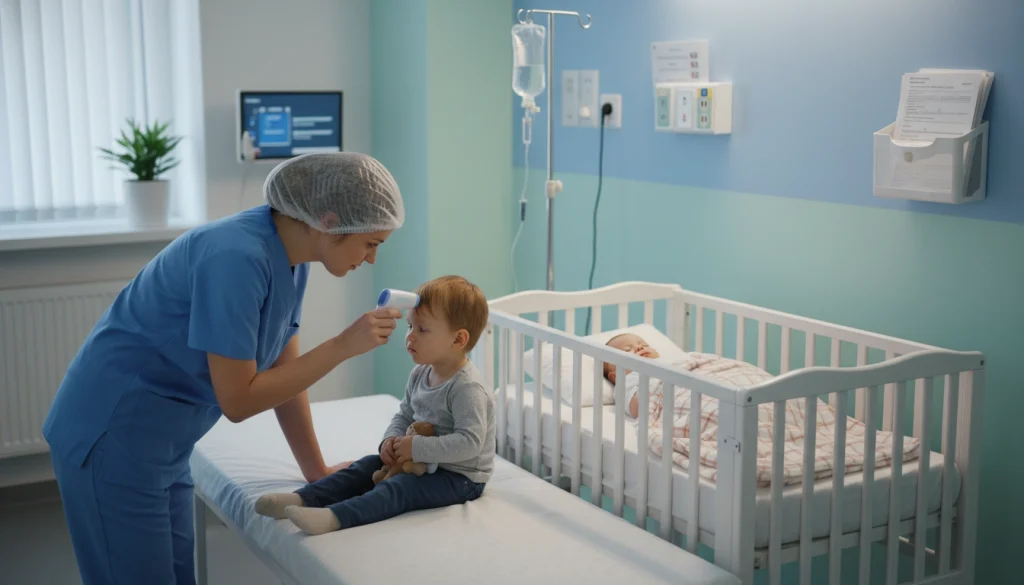
- Monitor temperature regularly using a digital thermometer.
- Use antipyretic medications like acetaminophen or ibuprofen as directed by a healthcare provider.
- Dress the child lightly to help keep them cool.
- Encourage fluid intake to prevent dehydration.
These methods can help control the child’s fever. This reduces the risk of febrile convulsions.
Preventive Medications and Approaches
In some cases, healthcare providers may suggest preventive medications for children at high risk. These may include:
- Diazepam administered orally or rectally during febrile episodes.
- Other benzodiazepines as prescribed by a healthcare provider.
It’s critical to follow the healthcare provider’s advice on these medications. They can have side effects and interact with other drugs.
By combining fever management strategies with preventive medications when necessary, parents and caregivers can significantly reduce the risk of febrile convulsions in susceptible children.
Communicating About Your Child’s Febrile Convulsions
It’s critical to talk about your child’s febrile convulsions for their safety and well-being. When your child has febrile convulsions, make sure all caregivers know how to react. This knowledge is key to their care.
Talking with Healthcare Providers
Talking to healthcare providers about your child’s febrile convulsions is essential. Be ready to share all the details about the seizures. This includes when they happen, how long they last, and any other symptoms your child shows. This information helps healthcare providers create a good treatment plan for your child.

Informing Schools and Caregivers
It’s also vital to tell your child’s school and caregivers about their febrile convulsions. Give them the signs to look for and what to do if a seizure happens. You might need to write a plan that outlines the steps to take during a seizure.
Creating an Emergency Action Plan
Creating an emergency action plan is a key step in managing your child’s febrile convulsions. This plan should have emergency contact info, a description of your child’s seizures, and any medications to use during a seizure. Having a plan ensures your child gets the right care in an emergency.
Psychological Impact on Families
The unpredictability of febrile convulsions can instill fear and anxiety in families, affecting their overall well-being. Witnessing a child have a seizure can be a traumatic experience. It leads to concerns about the child’s health and future episodes.
Coping with Fear and Anxiety
Families can cope with the fear and anxiety associated with febrile convulsions by educating themselves about the condition. Understanding that febrile convulsions are generally not harmful and typically do not lead to long-term health issues can alleviate some concerns.
Creating an emergency action plan can also help families feel more in control. This plan should include steps to take during a seizure, when to seek medical help, and how to manage fever.
Support Resources and Groups
Support from healthcare providers, family, and friends is essential. Joining support groups where families can share their experiences and learn from others who have gone through similar situations can be beneficial.
These resources provide emotional support, practical advice, and a sense of community. They help families navigate the challenges associated with febrile convulsions.
Living with a Child Prone to Febrile Convulsions
Managing febrile convulsions in children can be tough for families. Yet, with the right approach, it’s doable. Knowing how to react during a seizure and when to get medical help is key.
Effective management starts with monitoring the child’s temperature closely. Parents should act quickly to lower fever. Collaborating with a healthcare provider to create a fever and seizure management plan is vital.
Having a support network is also critical. Connecting with other families who’ve dealt with febrile convulsions offers emotional support and practical advice. This connection can be a game-changer.
Preparation and a solid plan can ease the stress of living with febrile convulsions. It ensures the child’s health and well-being are prioritized.
FAQ
Q: What are febrile convulsions?
A: Febrile convulsions, also known as febrile seizures, are seizures that occur with a fever. They typically affect infants or young children.
Q: What causes febrile convulsions?
A: These seizures are caused by a sudden increase in body temperature. This usually happens due to an infection, like a viral or bacterial illness.
Q: Are febrile convulsions a sign of epilepsy?
A: No, they are not a sign of epilepsy. While both involve seizures, they have different causes and characteristics.
Q: How are febrile convulsions diagnosed?
A: Diagnosing them involves a medical evaluation. This includes reviewing the child’s medical history, a physical exam, and sometimes lab tests or imaging studies. These are done to rule out other conditions.
Q: What is the treatment for febrile convulsions?
A: Treatment aims to manage the fever. In some cases, medications may be given to prevent or treat seizures.
Q: Can febrile convulsions be prevented?
A: Prevention is not always possible. But, effective fever management and preventive medications can help reduce the risk.
Q: What are the long-term implications of febrile convulsions?
A: Most children who have febrile convulsions do not face long-term health issues. Yet, there’s a slightly higher risk of developing epilepsy or other conditions in some cases.
Q: How can I care for my child after a febrile convulsion?
A: After a seizure, it’s vital to provide post-seizure care. This includes monitoring your child’s condition, managing their fever, and seeking medical attention if necessary.
Q: When should I seek emergency medical care for my child’s febrile convulsion?
A: Seek emergency care if the seizure lasts more than a few minutes, if your child has trouble breathing, or shows severe illness or other concerning symptoms.
Q: How can I communicate effectively with healthcare providers about my child’s febrile convulsions?
A: To communicate well, be ready to discuss your child’s medical history, describe the seizure in detail, and ask about diagnosis, treatment, and management.