Fluid Loss in the Knee: The Dynamics of Knee Joint Fluid
Understanding knee health is key to keeping mobility and overall well-being intact. A significant part of this is managing Knee effusion can stem from injuries, infections, or chronic conditions like arthritis. Effective management of knee fluid is essential. It helps alleviate symptoms, prevents complications, and restores normal knee function.
This article will explore the causes of fluid buildup in the knee. It will also discuss its effects on knee health and strategies for managing knee effusion. We aim to provide insights into maintaining optimal knee health. Synovial fluid is vital for the knee joint’s health and mobility. It’s a clear, thick liquid that fills joint spaces. This facilitates smooth movement and provides essential nutrients to the cartilage.
Normal Synovial Fluid Function
Synovial fluid has several key functions in the knee joint. It:
- Lubricates the joint, reducing friction between the articulating bones
- Supplies nutrients to the cartilage, promoting healthy joint function
- Removes waste products from the joint, maintaining a clean environment
These functions are critical for maintaining the integrity and mobility of the knee joint.
Homeostasis and Fluid Balance
Homeostasis in the knee joint refers to the balance between the production and absorption of synovial fluid. This delicate balance is essential for maintaining proper joint function. Factors that disrupt this balance can lead to either an accumulation or depletion of fluid, both of which can cause problems.
Maintaining fluid balance is essential for the overall health of the knee joint. It ensures that the joint remains lubricated and that the cartilage receives the necessary nutrients. Understanding the dynamics of knee joint fluid is vital for diagnosing and treating conditions related to fluid imbalance.
Anatomy of the Knee Joint and Fluid Compartments
The knee joint’s anatomy is complex, featuring the synovial membrane and bursae, essential for fluid management. It is a synovial hinge joint, connecting the femur’s lower end to the tibia’s upper end.
Structure and Components
The knee joint consists of several components, vital for movement and joint health. These include:
- The synovial membrane, which lines the joint and produces synovial fluid.
- Bursae, fluid-filled sacs that reduce friction between joint structures.
- Ligaments and tendons that provide stability and enable movement.
Synovial Membrane Function
The synovial membrane is key in producing and regulating synovial fluid. This fluid lubricates the joint and supplies nutrients to cartilage. Its role is vital for knee joint health and mobility.
Bursae and Fluid Sacs
Bursae, small fluid-filled sacs, are found throughout the knee joint. They reduce friction between bones, tendons, and ligaments, enabling smooth movement. Various bursae around the knee each have a specific role in reducing friction and pressure.
Understanding the knee joint’s anatomy, including its fluid compartments and structures, is critical for diagnosing and treating knee issues.
Understanding Fluid Loss in the Knee
Grasping the intricacies of fluid in the knee is vital for pinpointing and addressing related issues. The knee joint harbors a precise amount of synovial fluid. This fluid is essential for smooth movement and minimizes friction between the bones.
Defining Fluid Imbalance
Fluid imbalance in the knee arises from either too much or too little synovial fluid. Such imbalances can stem from injuries, infections, or degenerative joint diseases.
Effusion vs. Depletion
Knee effusion is characterized by an excess of fluid within the joint, leading to swelling and discomfort. In contrast, fluid depletion occurs when there’s not enough synovial fluid. This can result in increased friction and joint damage.
Distinguishing between effusion and depletion is key for effective treatment. The causes and symptoms of these conditions differ, requiring a detailed diagnosis.
Impact on Joint Function
Fluid imbalance can severely affect knee joint function. Excess fluid may cause pain and stiffness. On the other hand, insufficient fluid can lead to increased wear and tear on the joint.
- Reduced mobility due to pain or stiffness
- Increased risk of further injury or degeneration
- Potential for chronic conditions if left untreated
Recognizing the effects of fluid imbalance on joint function is critical. It’s essential for crafting effective treatment plans. These plans should address the underlying cause and aim to restore normal knee function.
Common Causes of Knee Effusion
Understanding the causes of knee effusion is key to managing and treating it effectively. Knee effusion occurs when fluid builds up in the knee joint. This can stem from various factors, including traumatic injuries, degenerative conditions, inflammatory disorders, and infections.
Traumatic Injuries
Traumatic injuries often lead to knee effusion. These can range from sprains and tears to fractures and dislocations. When an injury happens, the body naturally increases blood flow to the area. This leads to swelling and fluid buildup.
- Ligament sprains
- Meniscal tears
- Fractures
- Dislocations
Degenerative Conditions
Degenerative conditions, like osteoarthritis, can also cause knee effusion. Osteoarthritis wears down the cartilage in the knee, causing inflammation and fluid buildup. As the condition worsens, the joint damage increases, potentially leading to chronic effusion.
Inflammatory Disorders
Inflammatory disorders, such as rheumatoid arthritis, can also cause knee effusion. These conditions lead to chronic inflammation in the joint, resulting in excessive fluid production.
Infectious Causes
Infectious causes, though less common, can also lead to knee effusion. Bacterial or viral infections can cause septic arthritis, characterized by joint inflammation and fluid buildup. Prompt medical attention is necessary to treat these infections effectively.
In conclusion, knee effusion can stem from a variety of causes, including traumatic injuries, degenerative conditions, inflammatory disorders, and infections. Understanding the underlying cause is essential for effective treatment and management.
Recognizing Symptoms of Knee Fluid Problems
Identifying the signs of knee fluid issues is essential for effective management. These problems can show through various symptoms, affecting daily activities and knee function.
Visible Signs and Swelling
Swelling around the knee joint is a clear sign of knee fluid issues. This swelling may also bring redness and warmth, signs of inflammation.
Pain Patterns and Characteristics
The pain from knee fluid problems can differ in intensity and type. It might feel sharp, dull, or aching. This pain can focus on specific areas or spread out.
Mobility and Functional Limitations
Knee fluid issues often limit mobility and function. Patients might find it hard to walk, bend, or straighten their knee. This affects daily life and overall quality of life.
Diagnostic Approaches for Knee Fluid Issues
Diagnosing knee fluid disorders requires a blend of physical exams, imaging, and lab tests. These methods help doctors pinpoint the root causes of knee fluid problems. They then craft a treatment plan to address these issues effectively.
Physical Examination Techniques
First, a detailed physical exam is conducted to diagnose knee fluid issues. Doctors check for swelling, redness, and warmth in the knee. They also assess the joint’s range of motion and stability.
Imaging Modalities
Imaging studies like X-rays, ultrasound, and MRI offer insights into the knee joint and its surroundings. These tools help spot fractures, ligament injuries, and cartilage wear. Such findings are key to understanding knee fluid problems.
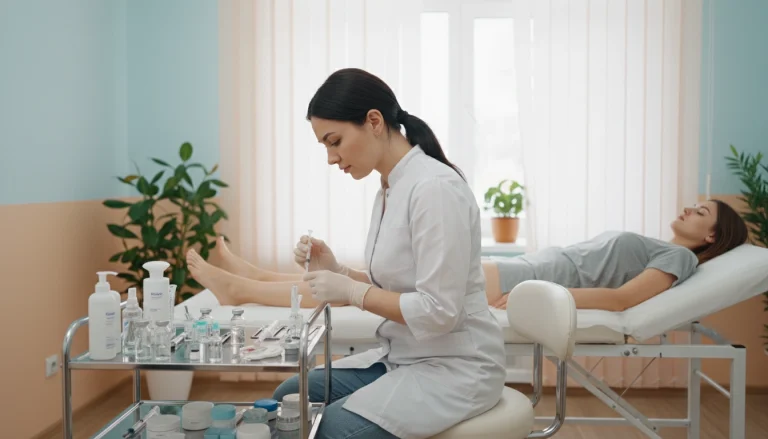
Joint Aspiration (Arthrocentesis)
Joint aspiration, or arthrocentesis, involves removing knee joint fluid for analysis. This procedure aids in diagnosing infections, gout, or rheumatoid arthritis. These conditions can lead to fluid buildup in the knee.
Laboratory Analysis of Synovial Fluid
The fluid from joint aspiration is analyzed in a lab. This analysis reveals the fluid’s color, clarity, and cell count. Such details are vital for diagnosing various knee conditions. For some, comprehensive knee surgery options may be necessary post-diagnosis.
Diagnosing knee fluid issues involves a range of methods. These include clinical exams, imaging, and lab tests. The main diagnostic tools are:
- Physical examination to assess knee joint stability and signs of inflammation
- Imaging studies (X-rays, ultrasound, MRI) to visualize joint structures
- Joint aspiration to analyze synovial fluid
- Laboratory analysis to determine the characteristics of the synovial fluid
Osteoarthritis and Its Effect on Knee Fluid
Osteoarthritis has a profound impact on knee joint health, affecting fluid dynamics within the knee. This condition alters the composition and volume of knee fluid. It impacts joint lubrication and overall knee function.
Pathophysiology of Fluid Changes
In osteoarthritis, the balance of knee fluid is disrupted. The synovial membrane becomes inflamed, leading to increased fluid production. Yet, the fluid’s quality is compromised, reducing its lubricating properties and potentially causing further joint damage.
Progressive Joint Deterioration
As osteoarthritis progresses, the knee joint undergoes significant changes. Cartilage degradation and bone spurs formation occur. These changes alter knee fluid dynamics, creating a vicious cycle of joint deterioration.
Management Strategies
Effective management of osteoarthritis-related knee fluid changes requires a multi-faceted approach. Pharmacological interventions reduce inflammation, while joint aspiration removes excess fluid. Physical therapy maintains joint mobility and strength. Lifestyle modifications, such as weight management and appropriate exercise, are also essential.
Inflammatory Arthritis and Knee Fluid Dynamics
The connection between inflammatory arthritis and knee fluid dynamics is complex. Inflammatory arthritis, like rheumatoid arthritis, impacts the knee joint significantly. It alters the synovial fluid, which is vital for joint lubrication and nutrition.
Rheumatoid Arthritis Mechanisms
Rheumatoid arthritis is an autoimmune disorder. It causes the immune system to attack the synovial membrane. This leads to inflammation and an increase in synovial fluid production. The result is swelling, pain, and reduced mobility in the knee.

Other Inflammatory Conditions
Other inflammatory arthritis types, such as psoriatic arthritis and ankylosing spondylitis, also affect knee fluid dynamics. These conditions share similar inflammatory pathways. They impact the knee joint, though their triggers and manifestations differ.
Targeted Treatment Approaches
Understanding the specific inflammatory pathways in each condition allows for targeted treatments. These may include biologic medications to reduce inflammation. Disease-modifying antirheumatic drugs (DMARDs) slow disease progression. This improves knee fluid dynamics and overall joint health.
Sports-Related Knee Fluid Disorders
Knee fluid disorders are a major issue in sports, affecting athletes in many fields. These problems can stem from sudden injuries or long-term wear and tear. Both types affect how fluid moves in the knee.
Acute Traumatic Injuries
Acute injuries, like sprained ligaments or torn menisci, can quickly change the knee’s fluid balance. These injuries often cause effusion, where there’s too much fluid in the joint.
Overuse Syndromes
Overuse injuries, on the other hand, develop slowly from repeated stress on the knee. Conditions like patellofemoral pain syndrome lead to ongoing inflammation and changes in the synovial fluid.
Return to Activity Guidelines
Athletes recovering from knee issues must follow specific guidelines to avoid further injury. These guidelines include rehabilitation steps and considerations for each sport.
Rehabilitation Milestones
- Restoration of knee range of motion
- Strengthening of surrounding musculature
- Improvement in functional activities
Sport-Specific Considerations
Athletes should gradually return to their sports, focusing on training that mimics game conditions. This ensures they’re fully prepared.
Managing sports-related knee fluid disorders effectively requires a holistic approach. This includes prevention, early detection, and customized treatment plans.
Non-Surgical Treatment Options
Managing knee fluid issues often involves exploring non-surgical treatment options. These treatments aim to alleviate symptoms and improve joint function. They are designed to provide relief and enhance the quality of life for individuals dealing with knee fluid problems.
Pharmacological Management
Pharmacological management is a key component of non-surgical treatment for knee fluid issues. This approach typically involves the use of medications to reduce pain and inflammation. Commonly prescribed medications include nonsteroidal anti-inflammatory drugs (NSAIDs) and analgesics.
Joint Aspiration Procedures
Joint aspiration, or arthrocentesis, is a procedure where excess fluid is removed from the knee joint. This not only helps in diagnosing the cause of fluid accumulation but also provides relief by reducing swelling and pressure within the joint.
Injection Therapies
Injection therapies have gained popularity as effective non-surgical treatments for knee fluid issues. These therapies involve injecting substances directly into the knee joint to promote healing and reduce symptoms.
Corticosteroids
Corticosteroid injections are used to reduce inflammation and pain in the knee joint. They are effective for managing acute flare-ups.
Viscosupplementation
Viscosupplementation involves injecting hyaluronic acid into the knee joint to improve lubrication and reduce friction between the joint surfaces. This can help alleviate pain and improve mobility.
Platelet-Rich Plasma
Platelet-rich plasma (PRP) therapy involves using the patient’s own platelet-rich plasma, derived from their blood, to stimulate healing within the knee joint. PRP injections have shown promise in reducing pain and promoting tissue repair.
These non-surgical treatment options offer a range of choices for managing knee fluid issues. Healthcare providers can tailor treatment plans to individual patient needs.
Surgical Interventions for Persistent Knee Effusion
When non-surgical treatments fail, surgical options become necessary for persistent knee effusion. For those who have not seen relief, various surgeries can tackle the root causes of knee effusion.
Arthroscopic Procedures
Arthroscopy is a minimally invasive method for examining and treating the knee joint. It involves a small camera (arthroscope) and instruments through tiny incisions. This technique can diagnose and treat issues like meniscal tears, ligament damage, or cartilage lesions contributing to knee effusion.
Synovectomy Techniques
Synovectomy is performed when inflammation of the synovial membrane significantly contributes to knee effusion. This surgery removes part or all of the inflamed tissue. It can be done arthroscopically or through open surgery, based on the extent of inflammation and the surgeon’s choice.
Advanced Reconstructive Options
For severe knee damage or degenerative conditions, advanced reconstructive surgeries are needed. These surgeries aim to restore joint function and alleviate symptoms.
Partial Knee Replacement
Partial knee replacement involves replacing only the damaged part of the knee, preserving healthy bone and cartilage. It’s suitable for patients with damage limited to one compartment of the knee.
Total Knee Arthroplasty
Total knee arthroplasty, or total knee replacement, replaces the entire knee joint with artificial components. It’s recommended for patients with severe degeneration or damage affecting multiple knee compartments.
These surgical interventions offer hope for those with persistent knee effusion not helped by non-surgical treatments. By addressing the root causes, these procedures can restore knee function and enhance quality of life.
Physical Therapy and Rehabilitation
Managing knee fluid issues effectively requires a detailed physical therapy and rehabilitation plan. This strategy tackles immediate symptoms and aims for long-term recovery and prevention. It’s a holistic approach to knee health.
Strengthening Protocols
Strengthening muscles around the knee is a critical part of physical therapy for fluid problems. Exercises like:
- Quadriceps sets
- Straight leg raises
- Hamstring curls
These exercises enhance knee stability and function. For more on knee rehabilitation, visit https://acibademinternational.com/knee-replacement-surgery-recovery-details/ for detailed insights.
Range of Motion Exercises
Keeping or improving knee range of motion is essential for health. Gentle exercises like heel slides and knee bends are effective.
Modalities for Pain and Swelling
Physical therapists employ various modalities, including ice, heat, or electrical stimulation, to manage knee pain and swelling.
Functional Progression
As patients advance, their rehabilitation evolves to include functional activities. These include squatting, lunging, or pivoting. This prepares them for daily activities and sports.
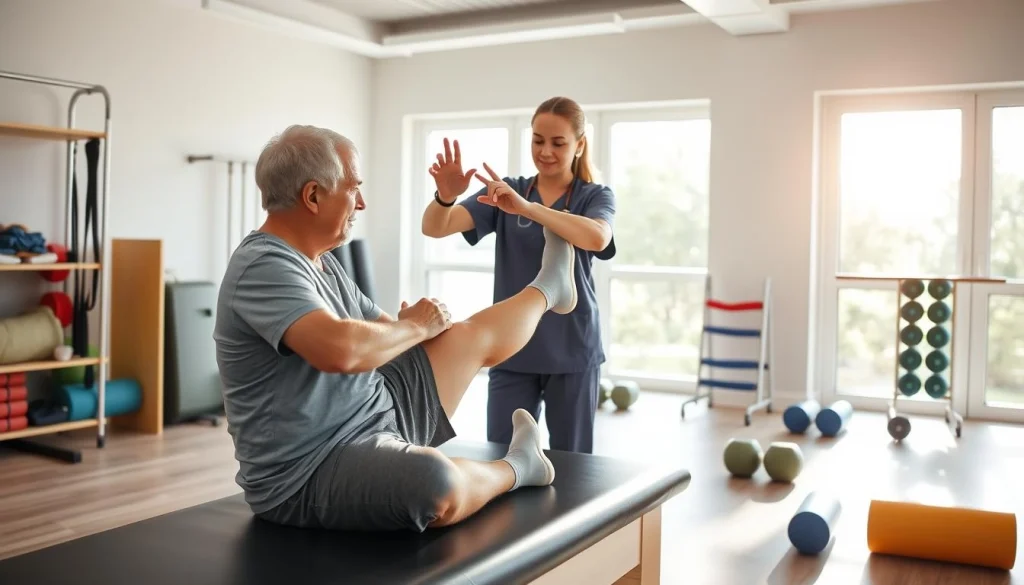
Physical therapy and rehabilitation are key in managing knee fluid issues. They improve patient outcomes and enhance quality of life.
Home Management Strategies
Effective home management strategies are key to reducing knee fluid-related discomfort. By adopting these strategies, individuals can manage their symptoms better and enhance their overall well-being.
RICE Protocol Implementation
The RICE protocol, an acronym for Rest, Ice, Compression, and Elevation, is a recommended method for knee fluid management at home. Resting the knee and avoiding strenuous activities can help minimize fluid buildup.
Ice packs applied to the affected area can reduce swelling and pain. Compression bandages or sleeves also help compress the knee, reducing fluid accumulation.
Activity Modification Techniques
Modifying daily activities is vital for managing knee fluid issues. Avoiding heavy lifting, bending, or activities that worsen the condition can help alleviate symptoms.
Supportive Devices and Bracing
Supportive devices like knee braces or sleeves offer additional stability and help reduce fluid buildup. These devices are beneficial during activities that may exacerbate the condition.
Self-Monitoring Guidelines
Regular self-monitoring is essential for effective knee fluid management. Individuals should be vigilant about changes in symptoms, such as increased swelling or pain. Adjusting management strategies based on these changes is important.
Prevention of Recurrent Knee Fluid Problems
To prevent recurring knee fluid issues, a holistic approach is necessary. This involves addressing multiple aspects of knee health. By implementing a thorough prevention strategy, individuals can greatly lower the chance of knee fluid-related problems.
Weight Management Importance
Keeping a healthy weight is key for knee health. Excess weight increases stress on the knee joint, raising the risk of fluid buildup. A well-balanced diet and regular exercise can help maintain a healthy weight.
Appropriate Exercise Selection
Choosing the right exercises is essential for knee health. Low-impact activities like cycling, swimming, and using an elliptical trainer strengthen knee muscles without overloading the joint.
Joint Protection Techniques
Using joint protection techniques can reduce knee fluid problem risks. This includes wearing proper footwear, avoiding repetitive strain, and doing exercises that strengthen the surrounding muscles.
Nutritional Considerations
A diet rich in anti-inflammatory foods supports knee health. Foods high in omega-3 fatty acids, antioxidants, and other nutrients help reduce inflammation. This promotes overall well-being.
When to Seek Medical Attention
It’s critical to recognize the signs that indicate a need for medical attention when dealing with knee fluid-related issues. Certain symptoms require immediate evaluation to prevent serious complications.
Red Flag Symptoms
Some symptoms are considered red flags and necessitate urgent medical care. These include:
- Severe pain that doesn’t improve with rest
- Significant swelling or redness around the knee
- Instability or feeling that the knee is going to give way
- Fever accompanying knee pain or swelling
Emergency Situations
In cases of trauma or severe injury, immediate medical attention is vital. Emergency situations include:
- Traumatic knee injuries with significant deformity
- Sudden onset of severe pain or swelling
Follow-up Care Guidelines
After initial treatment, follow-up care is essential for monitoring recovery and addressing any complications. Guidelines include:
- Attending scheduled follow-up appointments
- Reporting any new or worsening symptoms
Special Considerations for Different Populations
Different populations face unique challenges with knee fluid issues, requiring tailored management strategies. Knee fluid problems vary across age groups and health conditions. This necessitates a nuanced approach to diagnosis and treatment.
Pediatric Knee Fluid Issues
In children, knee fluid issues often stem from trauma, infection, or juvenile idiopathic arthritis. Diagnosing the cause can be tough due to the difficulty in obtaining a clear history and performing a thorough examination. Treatment must consider the child’s overall development and long-term implications.
Geriatric Considerations
Older adults are more prone to knee fluid issues due to degenerative conditions like osteoarthritis. Comorbidities and polypharmacy can complicate management. Treatment plans should account for the patient’s overall health, mobility, and rehabilitation possibilities.
Athletic Population Management
Athletes require a different approach, focusing on rapid return to activity while minimizing injury risk. This involves a combination of conservative management, such as physical therapy and bracing, and sometimes surgical intervention.
Chronic Disease Complications
Patients with chronic diseases, such as rheumatoid arthritis or hemophilia, face unique challenges. Their knee fluid issues are often a manifestation of their underlying condition. A multidisciplinary approach to management is necessary, including rheumatological care and potentially specialized orthopedic interventions.
- Tailored management strategies are essential for different populations.
- Diagnosis and treatment must consider the individual’s age, health status, and activity level.
- A multidisciplinary approach is often necessary, even for those with chronic conditions.
Maintaining Long-Term Knee Joint Health
Effective long-term knee health maintenance requires a multi-faceted approach. This includes preventive measures, lifestyle modifications, and timely interventions. Understanding the dynamics of knee joint fluid and addressing imbalances can reduce knee-related problems.
Key strategies for sustaining knee joint health include maintaining a healthy weight and engaging in regular exercise. Avoiding activities that put excessive stress on the knee joint is also important. Incorporating strengthening exercises and flexibility routines can further support knee health.
By adopting these strategies and staying informed about knee health, individuals can promote Long-Term Knee Health. This proactive approach enables individuals to enjoy improved mobility and reduced risk of knee-related issues.
FAQ About Fluid Loss in the Knee
Q: What is fluid loss in the knee?
A: Fluid loss in the knee occurs when there’s less synovial fluid than normal. This fluid is essential for lubricating and nourishing the joint. Without enough, you might feel pain, discomfort, and have trouble moving your knee.
Q: What are the common causes of knee effusion?
A: Knee effusion, or excess fluid, can stem from various sources. It might be due to injuries, osteoarthritis, rheumatoid arthritis, or infections. Each cause affects the knee differently.
Q: How is knee fluid imbalance diagnosed?
A: Doctors use several methods to diagnose knee fluid issues. They perform physical exams, take X-rays or MRIs, and might do a joint aspiration. They also analyze the fluid to find out why there’s an imbalance.
Q: What are the symptoms of knee fluid problems?
A: Symptoms include swelling and pain that can change in intensity. You might also find it harder to move or perform daily tasks due to stiffness or discomfort.
Q: How is osteoarthritis related to knee fluid dynamics?
A: Osteoarthritis can alter the synovial fluid’s composition and function. This change contributes to joint wear and tear, potentially leading to fluid imbalance.
Q: What non-surgical treatments are available for knee fluid issues?
A: Non-surgical treatments include medications, joint aspiration, and injections. These can be corticosteroids, viscosupplementation, or platelet-rich plasma. Each aims to manage symptoms and improve joint health.
Q: When is surgical intervention necessary for knee fluid problems?
A: Surgery is considered when other treatments don’t work. Procedures like arthroscopy, synovectomy, and reconstructive surgeries are used to address the root cause of the problem.
Q: How can physical therapy help manage knee fluid issues?
A: Physical therapy focuses on strengthening, improving range of motion, and managing pain and swelling. It also helps in gradually increasing functional activities to enhance knee function and reduce discomfort.
Q: What home management strategies can help alleviate knee fluid problems?
A: Home strategies include following the RICE protocol, avoiding activities that worsen the condition, and using supportive devices. Monitoring your condition and following self-care guidelines are also important.
Q: How can recurrent knee fluid problems be prevented?
A: Preventing recurrence involves maintaining a healthy weight, choosing the right exercises, and protecting your joints. Nutritional factors that support joint health are also key in preventing future issues.