Gallbladder Stones: What Are Gallbladder Stones?
Gallbladder stones are a widespread health issue, affecting millions globally. These stones develop in the gallbladder, a small organ beneath the liver. They can lead to considerable discomfort and pain. The formation of gallbladder stones is linked to several factors, including diet and genetics. It’s essential to grasp the causes, symptoms, and treatment choices for effective management. Identifying the signs and symptoms of gallbladder stones is critical for timely medical intervention. Treatment options span from conservative management to surgical procedures, depending on the condition’s severity.
Gallbladder stones are hardened deposits that form in the gallbladder, a small organ located under the liver. This organ stores bile, a digestive fluid produced by the liver. Bile is released into the small intestine to help digest fats. The presence of stones in the gallbladder can lead to various health issues, ranging from mild discomfort to severe complications.
Definition and Prevalence
Gallbladder stones, or cholelithiasis, are a common condition affecting a significant portion of the global population. The prevalence varies among different populations, with certain groups being more susceptible due to genetic, dietary, and lifestyle factors.
- Gallstones are more common in women than men.
- The risk increases with age, significantly after the age of 40.
- Obesity, dietary habits, and certain medical conditions are risk factors.
How Stones Form in the Gallbladder
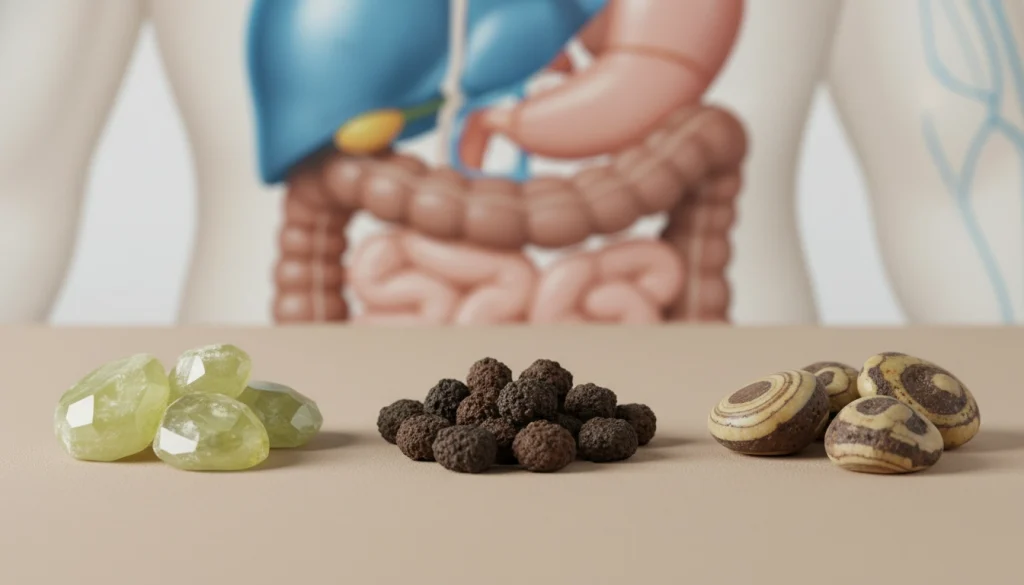
The formation of gallbladder stones is a complex process involving the imbalance of bile components. There are three main types of gallstones: cholesterol stones, pigment stones, and mixed stones.
- Cholesterol stones are usually yellowish-green and are often associated with supersaturated bile.
- Pigment stones are smaller and darker, composed of bilirubin and other substances.
- Mixed stones contain a combination of cholesterol and pigment.
Understanding how gallbladder stones form is essential for prevention and treatment.
Anatomy and Function of the Gallbladder
Understanding the gallbladder’s anatomy and function is key to grasping its role in digestion. This small, pear-shaped organ resides under the liver.
The Role of the Gallbladder in Digestion
The gallbladder stores bile from the liver, which it then releases into the small intestine. This process aids in fat digestion. Bile salts break down fats, making them more absorbable.
- Stores bile from the liver
- Releases bile into the small intestine
- Aids in fat digestion and absorption
Relationship to the Liver and Bile Production
The liver produces bile, which is then sent to the gallbladder for storage. The gallbladder concentrates this bile, increasing its effectiveness for digestion.
Normal Bile Flow and Composition
Bile is made up of bile salts, cholesterol, and bilirubin. Maintaining normal bile flow is essential for digestion. Any disruption can cause problems like gallstones.
In summary, the gallbladder is essential for digestion, storing and releasing bile. Its connection to the liver and the makeup of bile are vital for understanding gallbladder stone impacts on digestion.
Types of Gallbladder Stones
Understanding the different types of gallbladder stones is key for diagnosis and treatment. Gallbladder stones, or cholelithiasis, are solid formations in the gallbladder. This small organ is located under the liver and stores bile. The composition and characteristics of these stones vary greatly.
Cholesterol Stones
Cholesterol stones are the most common, typically yellowish in color. They are mainly composed of cholesterol and linked to bile supersaturation. Diet, obesity, and certain medications can raise the risk of forming these stones.
Pigment Stones
Pigment stones are smaller and darker, made of bilirubin. This pigment is produced during red blood cell breakdown. They are linked to conditions like hemolytic anemia or cirrhosis. Infections in the bile ducts can also contribute to their formation.
Mixed Stones
Mixed stones combine cholesterol and pigment stones, making them complex. They form due to various factors that contribute to both cholesterol and pigment stone formation.
Size and Number Variations
Gallbladder stones vary in size and number. Some have a single large stone, while others have multiple small ones. The size and number can affect symptoms and complications.
Causes and Risk Factors
Several factors contribute to gallbladder stone formation, including diet, genetics, and certain medical conditions. Knowing these risk factors is key to preventing and managing gallbladder stones.
Dietary Factors
Diet significantly impacts gallbladder stone formation. Consuming high amounts of saturated fats, cholesterol, and refined carbs increases risk. On the other hand, a diet high in fiber can help prevent gallstones.
- High intake of saturated fats and cholesterol
- Low fiber intake
- High consumption of refined carbohydrates
Genetic Predisposition
Genetics are also critical in gallbladder stone development. Those with a family history of gallstones are more likely to develop them.
Medical Conditions That Increase Risk
Certain medical conditions can raise the risk of gallbladder stones. These include:
- Diabetes
- High triglycerides
- Liver disease
- Cirrhosis
Demographic Risk Factors
Demographic factors like age, gender, and ethnicity also affect gallbladder stone risk.
Age and Gender Considerations
Gallbladder stones are more common in women than men, and their incidence increases with age. Women tend to develop cholesterol stones, while men are more likely to have pigment stones.
Ethnic Variations in Risk
The risk of gallbladder stones varies among ethnic groups. For example, Native Americans have a higher incidence of gallstones compared to other ethnicities.
Understanding these causes and risk factors is vital for preventing and early detecting gallbladder stones.
Common Symptoms of Gallbladder Stones
While some individuals with gallbladder stones remain asymptomatic, others face a variety of symptoms that can significantly impact their quality of life. The presence and severity of these symptoms can vary widely among affected individuals.
Silent Stones vs. Symptomatic Stones
Gallbladder stones can be categorized into two main types based on whether they cause symptoms: silent stones and symptomatic stones. Silent stones are those that do not cause any noticeable symptoms and are often discovered incidentally during medical examinations for unrelated reasons. On the other hand, symptomatic stones cause symptoms that can range from mild discomfort to severe pain.
Biliary Colic and Gallbladder Attacks
One of the most common symptoms associated with gallbladder stones is biliary colic, which is characterized by a sudden onset of severe pain in the upper right abdomen that can radiate to the right shoulder or back. This pain typically occurs after a fatty meal and can last from a few minutes to several hours. Biliary colic is often referred to as a gallbladder attack.
Warning Signs That Require Immediate Attention
Certain symptoms require immediate medical attention, such as severe abdominal pain accompanied by fever, chills, or jaundice. These could be indicative of complications like cholecystitis or pancreatitis. It’s vital for individuals experiencing these symptoms to seek medical help promptly.
Atypical Presentation in Different Populations
The presentation of gallbladder stone symptoms can vary among different populations. For instance, older adults or diabetic patients may experience atypical symptoms, such as vague abdominal discomfort or no pain at all, making diagnosis more challenging. Healthcare providers must be aware of these variations to provide appropriate care.
Complications of Untreated Gallbladder Stones
Untreated gallbladder stones can lead to serious health complications. They can cause significant problems, affecting not just the gallbladder but also other parts of the digestive system.
Cholecystitis (Gallbladder Inflammation)
Cholecystitis, an inflammation of the gallbladder, is often caused by gallstones blocking the cystic duct. This condition can be acute or chronic. It may require immediate medical attention to prevent further complications.
Bile Duct Obstruction
Gallstones can obstruct the bile ducts, leading to a buildup of bile in the liver. This obstruction can cause jaundice, pain, and potentially serious infections. Bile duct obstruction is a serious condition that requires prompt treatment.
Pancreatitis
Pancreatitis, or inflammation of the pancreas, can occur when gallstones migrate down the common bile duct and obstruct the pancreatic duct. This condition can be extremely painful and potentially life-threatening.
Gallstone Ileus
Gallstone ileus is a rare but serious complication where a large gallstone passes through a fistula between the gallbladder and the intestine, causing a bowel obstruction. This condition requires immediate surgical intervention.
Gallbladder Cancer Risk
There is also an increased risk of gallbladder cancer associated with the presence of gallstones, mainly in individuals with a history of chronic gallbladder disease. While the risk is relatively low, it is an important consideration for individuals with symptomatic gallstones.
Diagnosis Methods for Gallbladder Stones
Diagnosing gallbladder stones requires a blend of clinical assessment and cutting-edge imaging. Accurate diagnosis is key to selecting the right treatment.
Physical Examination
The first step in diagnosing gallbladder stones is a detailed physical examination. Healthcare professionals search for tenderness in the right upper abdomen. This could signal gallbladder disease.
Imaging Tests
Imaging tests are vital in confirming gallbladder stones. Various methods are employed, each with its own benefits.
Ultrasound
Ultrasound is often the first imaging test for gallbladder stones. It’s non-invasive and highly effective in spotting stones and inflammation.
CT Scan
A CT scan is used to further assess the gallbladder. It helps detect complications like inflammation or bile duct blockage.
MRCP and ERCP
MRCP and ERCP offer detailed views of bile and pancreatic ducts. They’re essential in identifying stones that may have moved into these ducts.
Laboratory Tests
Laboratory tests, like liver function tests and complete blood counts, aid in identifying gallbladder disease. They also help spot complications such as infection or obstruction.
Differential Diagnosis
Differential diagnosis rules out other conditions that might mimic gallbladder stone symptoms. This includes gastritis, ulcers, or pancreatitis. A thorough diagnostic process is necessary for accurate diagnosis and treatment planning.
Non-Surgical Treatment Options
Non-surgical methods provide a viable alternative for managing gallbladder stones. They focus on relieving symptoms and dissolving stones. These treatments are ideal for those not suited for surgery or who wish to avoid it.
Medication for Stone Dissolution
Certain medications can dissolve gallstones, mainly those composed of cholesterol. Ursodeoxycholic acid (UDCA) is a common choice. It’s most effective for small, cholesterol-rich stones.
- UDCA reduces liver cholesterol production and improves bile flow.
- Treatment can last from months to years.
- Success rates vary, and not all patients are suitable candidates.
Pain Management
Effective pain management is critical for those with gallbladder stone pain. Over-the-counter pain relievers like ibuprofen or acetaminophen can manage mild to moderate pain.
- For severe pain, stronger prescription medications may be necessary.
- Pain management strategies are often used in conjunction with other treatments.
Dietary Modifications
Dietary changes are key in managing gallbladder stones. A healthy diet can alleviate symptoms and potentially prevent stone formation.
- Eating a balanced diet rich in fruits, vegetables, and whole grains.
- Avoiding high-fat foods that can trigger gallbladder contractions.
- Maintaining a healthy weight through diet and exercise.
Lithotripsy
Lithotripsy is a non-invasive procedure that uses shock waves to break up gallstones. It’s typically used for patients with a small number of stones.
- Lithotripsy is not widely available and is usually considered for patients who cannot undergo surgery.
- The procedure can be painful and may require pain management.
Complementary and Alternative Approaches
Some patients explore complementary and alternative therapies for gallbladder stones. Evidence supporting their effectiveness varies.
- Herbal remedies and dietary supplements are sometimes used.
- Acupuncture and other alternative therapies may help manage symptoms.
- It’s essential to consult with a healthcare provider before starting any alternative treatment.
Considering these non-surgical treatment options allows patients with gallbladder stones to make informed decisions. This can potentially avoid the need for surgical intervention.
Surgical Treatments for Gallbladder Stones
Surgery is often the definitive solution for those with gallbladder stones. It’s recommended when stones cause recurring pain, infection, or other complications.
Laparoscopic Cholecystectomy
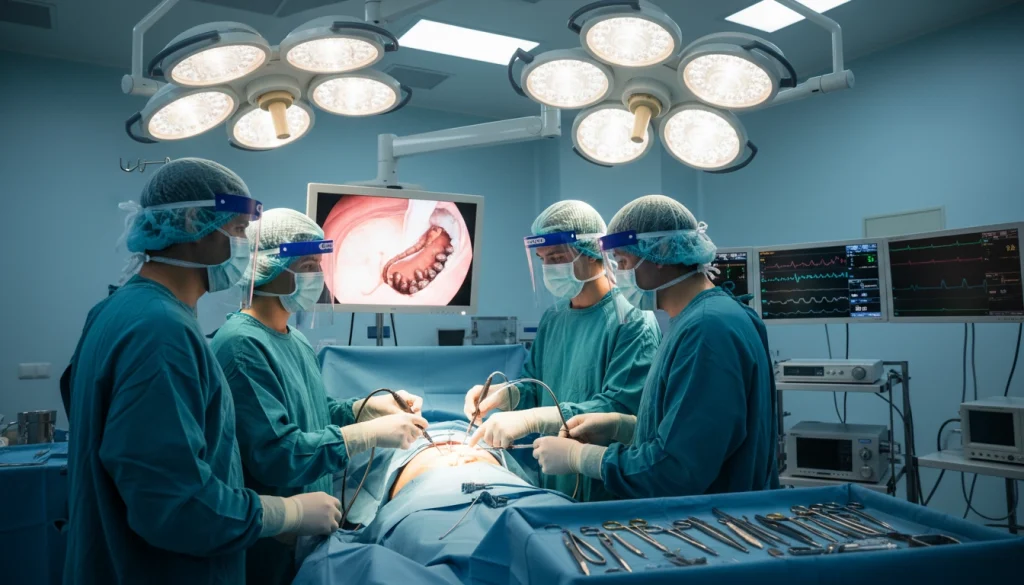
Laparoscopic cholecystectomy is a minimally invasive procedure to remove the gallbladder. It involves small incisions in the abdomen for a laparoscope and surgical instruments.
- Benefits include less postoperative pain and quicker recovery times.
- It’s the most commonly performed surgery for gallbladder stones.
- Patients typically return home the same day or the next day.
Open Cholecystectomy
In some cases, a more traditional open cholecystectomy may be necessary. This involves a larger incision in the abdomen to remove the gallbladder.
Open cholecystectomy is often recommended for patients with certain complications or when laparoscopic surgery is not feasible.
ERCP for Bile Duct Stones
Endoscopic Retrograde Cholangiopancreatography (ERCP) is a procedure used to remove stones from the bile duct.
- ERCP involves passing an endoscope through the mouth to the bile duct.
- A dye is injected to visualize the bile duct and identify stones.
- Stones can be removed using specialized tools.
Surgical Risks and Considerations
As with any surgery, there are risks associated with gallbladder removal.
- Infection
- Bleeding
- Injury to the bile duct or other nearby structures
These risks are discussed in detail with the surgeon to ensure informed consent.
Recovery Timeline After Surgery
Recovery from laparoscopic cholecystectomy is generally quick, with most patients resuming normal activities within a week or two.
For open cholecystectomy, the recovery period is typically longer, often requiring 4-6 weeks before returning to full activity.
Prevention Strategies
Implementing preventive strategies can greatly lower the risk of gallbladder stones. This involves a multi-faceted approach. It includes dietary guidelines, lifestyle changes, and preventive medications. Regular health screenings are also essential.
Dietary Guidelines
A diet high in fruits, vegetables, and whole grains is beneficial. It’s wise to limit fatty foods and cholesterol intake.
Eating smaller, more frequent meals can keep the gallbladder active. This reduces the risk of stone formation.
Lifestyle Modifications
Keeping a healthy weight is vital, as obesity increases gallbladder stone risk. Regular exercise also helps prevent stones.
Preventive Medications
At-risk individuals may be prescribed medications to prevent gallstones. Ursodeoxycholic acid (UDCA) can dissolve small cholesterol stones.
Regular Health Screenings
Regular health check-ups are key to early risk factor detection. For those with gallbladder history, screenings are critical.
Special Populations and Gallbladder Stones
Gallbladder stones present unique challenges across different special populations. This requires a deep understanding of the specific needs of each group.
Pregnancy and Gallstones
Pregnancy elevates the risk of gallstones due to hormonal shifts that alter gallbladder function.
Managing symptomatic gallstones in pregnancy is complex. It demands a careful balance between the health of the mother and the fetus.
Pediatric Gallstones
Gallstones in children are rare but can happen, often linked to conditions like hemolytic diseases.
Diagnosing and treating gallstones in kids requires a customized strategy. This must take into account their age and any underlying health issues.
Elderly Patients
The elderly face a higher risk of gallstones and related issues. They often exhibit atypical symptoms.
When treating elderly patients, it’s essential to consider their comorbidities and the impact of multiple medications.
Gallstones in Patients with Diabetes
Diabetes mellitus increases the risk of gallstones. This may be due to metabolic syndrome and changes in bile composition.
Monitoring and managing gallstones in diabetic patients is critical. It helps prevent serious complications.
Bariatric Surgery Patients
Rapid weight loss after bariatric surgery raises the risk of gallstone formation.
To mitigate this risk, preventive measures like ursodeoxycholic acid therapy are often recommended for those undergoing bariatric surgery.
Living Without a Gallbladder
For those who have had a cholecystectomy, adjusting to life without a gallbladder is key for well-being. The loss of this organ brings about significant changes in the digestive system.
Adjusting to Life After Gallbladder Removal
Post-surgery, the body adjusts to the lack of a gallbladder by altering bile release into the digestive system. The gallbladder’s role is to store bile from the liver before releasing it into the small intestine for fat digestion. Without it, bile flows directly from the liver into the small intestine.

Potential Digestive Changes
Some may face digestive changes like diarrhea or fatty stools due to constant bile flow into the intestine. These symptoms can often be managed through dietary adjustments.
Long-term Dietary Considerations
Adopting a healthy diet is vital after gallbladder removal. This includes reducing fat intake, eating smaller meals, and increasing fiber to manage digestive changes.
Managing Post-Cholecystectomy Syndrome
Post-cholecystectomy syndrome is when symptoms persist or develop after gallbladder removal. Managing this condition may involve dietary changes, medication, and other interventions tailored to the individual’s symptoms.
Key Takeaways About Gallbladder Stones
Gallbladder stones are a widespread issue, impacting millions globally. It’s vital to grasp the causes, symptoms, and treatment options for effective management.
Understanding gallbladder stones shows they can be painless or cause severe discomfort. This article emphasizes the role of a healthy diet, lifestyle changes, and regular health checks in prevention.
Treatment varies from non-surgical methods like medication and diet adjustments to surgical options like laparoscopic cholecystectomy. It’s important to know the risks of untreated gallbladder stones, including cholecystitis and pancreatitis.
By grasping the essence of gallbladder stones, individuals can proactively manage their condition. This includes adapting to life post-gallbladder removal and being mindful of digestive changes.
FAQ
Q: What are gallbladder stones made of?
A: Gallbladder stones are usually composed of cholesterol, bilirubin, or a mix of both. Their size, shape, and composition can vary.
Q: What are the symptoms of gallbladder stones?
A: Symptoms include severe abdominal pain, nausea, vomiting, and fever. Some people might not show any symptoms at all.
Q: How are gallbladder stones diagnosed?
A: Imaging tests like ultrasound, CT scan, or MRI are used for diagnosis. Laboratory tests may also be done to rule out other conditions.
Q: Can gallbladder stones be treated without surgery?
A: Yes, some cases can be treated without surgery. This includes medications to dissolve stones, pain management, and dietary changes.
Q: What is the most common surgical treatment for gallbladder stones?
A: Laparoscopic cholecystectomy is the most common surgical method. It involves removing the gallbladder through small incisions.
Q: Are there any dietary changes that can help prevent gallbladder stones?
A: Yes, a healthy diet low in saturated fats and cholesterol, and high in fiber, can help prevent gallbladder stones.
Q: Can gallbladder stones recur after treatment?
A: Yes, there’s a risk of recurrence if underlying risk factors are not managed.
Q: Are there any complications associated with untreated gallbladder stones?
A: Yes, complications include cholecystitis, bile duct obstruction, pancreatitis, and gallbladder cancer if left untreated.
Q: Can lifestyle modifications help manage gallbladder stones?
A: Yes, maintaining a healthy weight, regular exercise, and avoiding certain foods can manage symptoms and reduce complications.
Q: Is it possible to live without a gallbladder?
A: Yes, many people live normal lives without a gallbladder. Some may need to adjust their diet to manage digestive changes.