Ganglion Cyst: What Are Ganglion Cysts?
A Ganglion Cyst is a fluid-filled lump that forms under the skin, often on the wrist or hand. It can be painful, mainly if it affects a nearby nerve. Though usually harmless, these lumps can be a concern due to their appearance or discomfort. It’s vital to understand what Ganglion Cysts are and their implications for those affected. Delving deeper into the causes, symptoms, and treatment options for Ganglion Cysts will offer a thorough grasp of this condition.
A ganglion cyst is a fluid-filled lump that typically develops near a joint or tendon. They often appear on the wrist, hand, foot, or ankle. These cysts are usually benign and can vary in size.
Definition and Basic Characteristics
Ganglion cysts are characterized by their gelatinous fluid content. They are often associated with joints or tendons. They can be tender to the touch and may cause discomfort, depending on their size and location.
The exact cause of ganglion cysts is not always clear. They are thought to be related to wear and tear or injury to the joint or tendon.
Common Locations on the Body
Ganglion cysts can occur in various locations. But they are most commonly found on the wrist, hand, foot, or ankle.
Wrist and Hand Cysts
Cysts on the wrist or hand are among the most common types of ganglion cysts. They can appear on the top of the wrist or on the palm side. They often occur near the base of the fingers.
- Can cause discomfort when gripping or twisting
- May be visible as a lump under the skin
- Can be painful if they press on a nearby nerve
Foot and Ankle Cysts
Ganglion cysts can also occur on the foot or ankle, often near the tendons. These cysts can cause discomfort, which is exacerbated by wearing shoes.
- Can be painful due to pressure from shoes
- May limit mobility if they occur near a joint
- Can be challenging to diagnose without proper examination
Understanding Ganglion Cyst Development
The formation of ganglion cysts is complex. These benign lumps appear near joints or tendons. Their development is influenced by several factors.
Though the exact cause of ganglion cysts is unknown, research has shed light on possible mechanisms.
Formation Process
Ganglion cysts form when fluid builds up in a cystic structure. This fluid leak is believed to happen due to a defect in the joint capsule or tendon sheath. It allows synovial fluid to spill out and gather in a nearby area.
The exact triggers for this fluid leak are unclear. Yet, joint stress, repetitive motion, and other mechanical factors are thought to contribute.
Fluid Composition
The fluid inside ganglion cysts is thick and jelly-like, similar to synovial fluid. It contains substances like hyaluronic acid, glycoproteins, and more.
The composition of this fluid can change based on the cyst’s location and characteristics. Analyzing the fluid can offer insights into the cyst’s development mechanisms.
Causes and Risk Factors
The exact cause of ganglion cysts is not fully understood. Yet, several factors contribute to their development. Knowing these can aid in prevention and management.
Primary Causes
Ganglion cysts form when fluid leaks from a joint or tendon tunnel, gathering in a sac. The exact reason for this leakage is unclear. It might be linked to irritation of the joint or tendon.
- Joint or tendon irritation
- Fluid leakage from joints or tendon tunnels
- Accumulation of fluid in a sac
Joint Stress and Repetitive Motion
Repetitive strain or stress on joints and tendons is believed to contribute to ganglion cysts. Activities like typing or using vibrating tools, which involve repetitive wrist motion, may increase risk.
Demographic Risk Factors
Certain demographic factors may influence the likelihood of developing ganglion cysts.
Age-Related Factors
Ganglion cysts can occur at any age but are most common in adults between 20 and 40 years old.
Gender Distribution
Ganglion cysts are more common in women than men. This suggests a possible gender-related risk factor.
Anatomy and Physiology of Affected Areas
To understand how ganglion cysts form, we must explore the anatomy and physiology of the affected areas. These cysts often appear near joints or tendons, commonly in the wrists and hands. The anatomy here is complex, involving structures like joint capsules, tendon sheaths, and synovial fluid.
Joint Capsules and Tendon Sheaths
Joint capsules are fibrous structures that enclose joints, providing support and stability. They consist of an outer fibrous layer and an inner synovial membrane that produces synovial fluid. Tendon sheaths, surrounding tendons, facilitate smooth movement. Both can be sources of ganglion cysts due to their connection with the synovial membrane.
Synovial Fluid Function
Synovial fluid, produced by the synovial membrane, is vital for joint and tendon health. It lubricates joints and tendons, reducing friction during movement. It also supplies nutrients to the surrounding tissues. The composition and function of synovial fluid are key to understanding ganglion cyst development. Fluid leakage or entrapment can lead to cyst formation.
The anatomy and physiology of affected areas offer essential insights into ganglion cyst development. This knowledge aids in diagnosing and treating these cysts effectively.
Signs and Symptoms of Ganglion Cysts
Identifying the signs and symptoms of ganglion cysts is key for early treatment. These cysts can appear in different ways, impacting both the look of the area and causing pain. They can also limit how well you can move.
Visual Appearance
Ganglion cysts are usually seen as a lump under the skin, often on the wrist or hand. Their size varies, and they can feel soft, firm, or even tender. The way they look can worry people, as it may not be pleasing to the eye and can cause anxiety.
Pain and Discomfort
The pain from ganglion cysts can be mild or quite severe. It can get worse with activity or certain movements. This pain can be constant or come and go, making everyday tasks hard or impossible. It’s usually because the cyst is pressing on nerves or tendons.
Range of Motion Limitations
Ganglion cysts can also limit how much you can move in the affected area. As they grow, they can make it stiff or feel tight. This can really affect your daily life and quality of life, making it important to treat them quickly.
In summary, knowing the signs and symptoms of ganglion cysts is critical. This includes their look, the pain they cause, and how they limit movement. It’s essential to seek medical help and treatment as soon as possible.
Diagnosing Ganglion Cysts
Healthcare professionals use various methods to diagnose ganglion cysts. These range from initial physical assessments to advanced imaging techniques. Accurate diagnosis is key for effective treatment. A detailed diagnostic approach helps distinguish ganglion cysts from other conditions.
Physical Examination Techniques
The first step in diagnosing ganglion cysts is a physical examination. Healthcare providers evaluate the cyst’s size, tenderness, and location. They also assess its impact on joint mobility. This thorough examination offers valuable insights into the cyst’s nature.
Imaging Methods
Imaging techniques are essential for confirming ganglion cyst diagnoses. They provide detailed information about the cyst’s structure and its relationship to surrounding tissues.
Ultrasound Evaluation
Ultrasound is a common imaging method for diagnosing ganglion cysts. It allows for real-time visualization of the cyst and its connection to the joint or tendon sheath. Ultrasound is highly effective for assessing wrist and hand cysts.
MRI Assessment
Magnetic Resonance Imaging (MRI) is another valuable tool for diagnosing ganglion cysts. MRI offers high-resolution images of soft tissues. It helps identify the cyst’s composition and its impact on surrounding structures. It’s ideal for complex or large cysts.
Differential Diagnosis
Differential diagnosis is a critical step in the diagnostic process. It involves distinguishing ganglion cysts from similar conditions like lipomas or synovial cysts. Accurate differential diagnosis ensures patients receive the right treatment for their condition.
Non-Surgical Treatment Options
Exploring non-surgical treatments for ganglion cysts is vital before considering surgery. These methods can offer significant relief and are often the first choice for treatment.
Observation and Monitoring
Observation and monitoring are key initial steps in managing ganglion cysts. Regular checks on the cyst’s size and tenderness are necessary. Sometimes, these cysts can disappear without any treatment.
Immobilization Methods
Immobilization can help shrink the cyst and alleviate pain. Wrist splints or other devices that restrict joint movement are effective in this regard.
Aspiration Procedure
Aspiration involves draining the cyst with a needle. While it offers temporary relief, there’s a chance the cyst could come back.
Pain Management
Managing pain effectively is critical in treating ganglion cysts. Various methods, including medication, can help achieve this.
Over-the-Counter Medications
Over-the-counter pain relievers like ibuprofen or acetaminophen can help manage pain and reduce inflammation.
Prescription Options
If over-the-counter medications are not enough, prescription pain management may be needed. This could include stronger NSAIDs or other pain medications.
Exploring these non-surgical options can help many patients find relief from ganglion cyst symptoms without surgery.
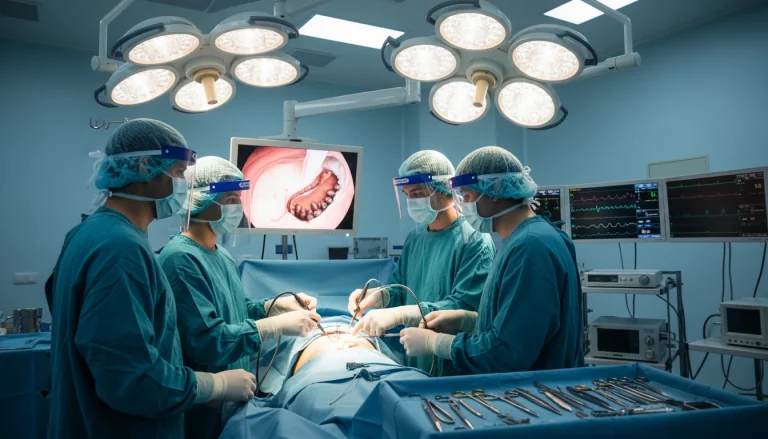
Ganglion Cyst Surgical Interventions
Surgery is a viable option for ganglion cysts that don’t respond to non-surgical treatments. It’s considered when the cyst causes significant discomfort or limits the range of motion. The goal is to remove the cyst while preserving the surrounding tissue and joint function.
Open Excision Surgery
Open excision surgery is a traditional method for removing ganglion cysts. This procedure involves making an incision over the cyst to expose it.
Procedure Details
During open excision surgery, the surgeon carefully dissects the cyst from the surrounding tissue. They take care to remove the cyst’s stalk, which is often connected to the joint or tendon sheath. The incision is then closed with sutures or staples.
Success Rates
Open excision surgery has a relatively high success rate. Studies indicate it can effectively eliminate the cyst in a significant majority of cases. Yet, as with any surgery, there are risks of complications, such as infection or nerve damage.
Arthroscopic Techniques
Arthroscopic techniques represent a more modern, minimally invasive approach to ganglion cyst removal. These methods involve using a small camera and surgical instruments inserted through tiny incisions.
Minimally Invasive Approaches
Arthroscopic surgery allows for a more precise removal of the cyst with less damage to the surrounding tissues. This approach can lead to quicker recovery times and less post-operative pain.
Recovery Advantages
Patients who undergo arthroscopic ganglion cyst removal often experience faster recovery and fewer complications. The smaller incisions also result in less scarring.
Recovery and Rehabilitation
Recovery and rehabilitation are key to treating Ganglion Cysts. They help patients regain strength and mobility. A detailed recovery plan is vital to avoid complications and ensure a smooth return to daily activities.
Post-Treatment Care
Effective post-treatment care is essential for a successful recovery. It involves several critical steps:
Wound Care
For those who undergo surgery, wound care is critical. Keeping the wound clean and dry, and following the healthcare provider’s instructions, can prevent infection. For more information on surgical procedures, visit Acibadem International.
Activity Restrictions
Following activity restrictions is also vital. Patients are often told to avoid heavy lifting, bending, or strenuous activities for a while. This helps the affected area heal and reduces recurrence risk.
Physical Therapy Approaches
Physical therapy is a cornerstone in rehabilitation. It helps patients regain full range of motion and strength. Various physical therapy methods can be used:
Strengthening Exercises
Strengthening exercises aim to improve muscle strength around the affected joint or area. They aid in recovery and prevent future problems.
Range of Motion Therapy
Range of motion therapy focuses on exercises and techniques to maintain or improve flexibility and mobility. Regular practice is essential for full recovery.

Potential Complications
Understanding the complications of ganglion cysts is key for effective treatment planning. These cysts, though generally benign, can cause discomfort. They may also lead to various complications if not managed properly.
Recurrence Rates
One major complication is the tendency for ganglion cysts to recur. Research indicates that recurrence rates differ based on the treatment method used.
Treatment Complications
Complications can arise from both non-surgical and surgical treatments. It’s vital to be aware of these risks to make informed decisions.
Infection Risk
Infection is a risk, mainly with invasive treatments. Ensuring proper wound care and follow-up is essential to reduce this risk.
Nerve Damage
Nerve damage is another complication, often seen in surgical procedures. The risk increases when the cyst is near critical nerves.
Knowing these complications helps manage expectations and make informed treatment choices.
Prevention Strategies
Effective prevention strategies are key to reducing the risk of Ganglion Cysts. Understanding the causes and risk factors helps individuals protect their joints. This proactive approach can lower the chance of cyst formation.
Joint Protection Techniques
Protecting joints from excessive stress is vital. This can be done through proper exercise, maintaining a healthy weight, and avoiding repetitive motions. These steps help prevent joint irritation.
- Using proper lifting techniques to avoid putting unnecessary strain on joints.
- Maintaining flexibility through regular stretching exercises.
- Avoiding overuse or repetitive strain on joints.
Ergonomic Considerations
Ergonomic adjustments are critical in preventing Ganglion Cysts, in both work and sports. Setting up equipment and workstations for good posture reduces joint strain. This helps prevent cysts from forming.
Workplace Modifications
Adjusting the workplace for ergonomics can greatly reduce Ganglion Cyst risk. This includes adjusting computer monitor heights, using ergonomic keyboards and mice, and taking stretch breaks.
Sports Equipment Adjustments
For athletes, fitting sports equipment correctly is essential. Properly sized gloves, adjusted bike handles, and supportive gear reduce joint strain. This prevents unnecessary stress on joints.
When to Seek Medical Attention
Seeking medical attention at the right time is vital for ganglion cyst treatment and preventing issues. Ganglion cysts, while often benign, can cause discomfort. They may lead to complications if not properly managed.
Warning Signs
It’s essential to recognize warning signs for medical evaluation. These include:
- Pain or tenderness in the affected area
- Swelling or lump that is growing in size
- Restricted mobility or limited range of motion
- Numbness or tingling sensations
If you experience any of these symptoms, it’s critical to consult a healthcare professional for a proper assessment.
Finding the Right Specialist
When treating ganglion cysts, finding the right specialist is key. Two types of specialists are highly relevant:
Orthopedic Surgeons
Orthopedic surgeons specialize in treating musculoskeletal conditions, including ganglion cysts. They offer both surgical and non-surgical treatment options.
Hand Specialists
Hand specialists, often with a background in orthopedic or plastic surgery, have expertise in treating hand and wrist conditions. They provide detailed care for ganglion cysts located in these areas.
Consulting with the right specialist ensures you receive a thorough evaluation and an appropriate treatment plan tailored to your specific needs.
Special Considerations for Different Populations
Ganglion cysts affect various populations differently, requiring customized strategies. While common, these cysts pose unique challenges in certain groups.
Ganglion Cysts in Children
In children, ganglion cysts are rare but can be tricky to diagnose. This is because their developing bodies are prone to different conditions. Misdiagnosis is a risk due to the similarity with other pediatric issues.
- Accurate diagnosis often requires thorough examination and imaging.
- Conservative treatment is often the first line to avoid surgical risks.
- It’s vital to watch for any changes in size or symptoms.
Considerations for Athletes
Athletes face a higher risk of ganglion cysts due to constant joint stress and trauma. Treating these cysts in athletes must balance medical needs with the demands of their sport.
Important factors include:
- Immobilization and pain management to reduce downtime.
- Aspiration or surgery if non-surgical methods fail.
- Rehabilitation to prevent future occurrences.
Occupational Risk Management
Some jobs increase the risk of ganglion cysts due to repetitive motions or joint stress. Managing these risks involves:
- Adjusting work ergonomics to reduce strain.
- Regular breaks to avoid repetitive motion.
- Early intervention for symptoms to prevent cysts.
Current Research and Advancements
Recent studies have brought new insights into diagnosing and treating Ganglion Cysts. The field is seeing major progress, thanks to research into more effective and less invasive treatments. These advancements are key to better patient outcomes and lower recurrence rates.
Innovative Treatment Approaches
New treatment methods are being explored to manage Ganglion Cysts better. Ultrasound-guided aspiration is showing promise in reducing cyst size and discomfort. Research also focuses on corticosteroid injections post-aspiration to lower recurrence rates.
Another innovation is in surgical techniques, with arthroscopic surgery gaining traction. This method shortens recovery time and may reduce complications. Studies are comparing open versus arthroscopic surgery to find the most effective approach.
Genetic Research
Genetic research is vital in understanding Ganglion Cysts. Studies aim to uncover if there’s a genetic link to these cysts. Finding such a link could lead to predictive models and preventive measures for those at risk.
Genetic research may also reveal new treatment targets by exploring the molecular causes of Ganglion Cysts. This could open up new therapeutic avenues, moving beyond current symptomatic treatments.
Moving Forward: Living with and Beyond Ganglion Cysts
Dealing with ganglion cysts can be tough, but knowing how to manage them can make a big difference. By taking a proactive stance, people can reduce pain and keep up with their active lives.
Effective management of ganglion cysts requires a mix of self-care and, if needed, medical help. It’s important to recognize when to seek medical attention, like if pain increases or mobility is limited.
Those with ganglion cysts can prevent complications by making simple changes in their daily lives. This might mean avoiding activities that put too much strain on the affected areas. It could also involve using ergonomic tools to reduce repetitive tasks.
Staying informed and collaborating with healthcare experts is key to creating a personalized plan for managing ganglion cysts. This strategy helps individuals overcome the condition’s challenges and live a healthy, active life.
FAQ About Ganglion Cyst
Q: What is a Ganglion Cyst?
A: A Ganglion Cyst is a fluid-filled lump under the skin, often found on the wrist or hand. It can also appear on the foot or ankle. This cyst is connected to a tendon or joint.
Q: What are the symptoms of a Ganglion Cyst?
A: Symptoms include a visible lump, pain or tenderness, and stiffness. Limited range of motion is also common. If it presses on a nerve, it can be quite painful.
Q: How are Ganglion Cysts diagnosed?
A: Diagnosis involves a physical exam and medical history. Imaging tests like X-rays, ultrasound, or MRI may confirm the diagnosis.
Q: What are the treatment options for Ganglion Cysts?
A: Treatment options include observation, immobilization, aspiration, and surgery. The choice depends on the cyst’s size, location, and symptom severity.
Q: Can Ganglion Cysts be prevented?
A: Preventive measures are not guaranteed, but steps can reduce risk. Avoiding repetitive strain, maintaining good ergonomics, and wearing protective gear are helpful.
Q: Are Ganglion Cysts cancerous?
A: No, Ganglion Cysts are not cancerous. They are benign growths, though they can be painful and unsightly.
Q: Can Ganglion Cysts recur after treatment?
A: Yes, Ganglion Cysts can recur after treatment, whether it’s aspiration or surgery. The recurrence rate varies by treatment and individual.
Q: How long does it take to recover from Ganglion Cyst surgery?
A: Recovery time from surgery varies by individual and surgery extent. It generally takes weeks to months for full healing.