Gluten: What Is Gluten?
Gluten has become a significant topic in modern diets, sparking both interest and concern among consumers. It is a complex protein found in certain grains. It plays a critical role in the elasticity and structure of dough. The science behind gluten and its impact on health is multifaceted. Research into gluten’s effects on the body has led to a greater understanding of its role in various health conditions. This has influenced dietary choices for many individuals.
As we explore the world of gluten, this article will dive into its composition, the science surrounding it, and its overall health impact. We aim to provide a thorough overview for those seeking to understand this complex protein. Gluten is a protein composite that gives dough its elasticity and chewiness. It’s a critical component in baking. It’s a complex mixture of proteins, mainly gliadin and glutenin, found in certain grains.
The presence of gluten in foods is both a blessing and a curse. For many, it’s harmless or even beneficial, adding texture and structure to baked goods. But for those with gluten-related disorders, it can cause significant health issues.
The Molecular Structure of Gluten
The molecular structure of gluten is complex, consisting of a network of proteins. This network provides elasticity to dough. The interaction between gliadin and glutenin proteins is key. Gliadin makes dough extensible, while glutenin adds strength and elasticity.
Understanding gluten’s molecular structure is vital for appreciating its role in baking and its health impact. Gluten’s unique properties make it essential for bread, pasta, and other baked goods.
Where Gluten Is Found Naturally
Gluten is naturally found in certain grains, most famously in wheat, barley, and rye. These grains are staples in many diets worldwide. They’re used in a variety of food products, from bread and pasta to baked goods and cereals.
Wheat is a primary source of gluten, with different varieties having varying gluten levels. Barley and rye also contain gluten, though their composition may differ slightly from wheat. Knowing where gluten is found is key for those following a gluten-free diet.
The History of Gluten in Human Diet
For millennia, gluten has been a staple in human diets, mainly from wheat, barley, and rye. Its history is deeply connected to the rise and spread of agriculture worldwide.
Evolution of Wheat Cultivation
Wheat cultivation started around 10,000 years ago in the Fertile Crescent. This area includes today’s Iraq, Syria, Lebanon, Jordan, Israel, and parts of Turkey and Egypt. The domestication of wheat was a major milestone, leading to the growth of settled agricultural communities.
As civilizations grew and trade routes expanded, wheat cultivation spread globally. It adapted to various climates and cultures. This led to more gluten in our diets.
Historical Perspectives on Gluten Consumption
Gluten-containing grains were essential in many diets, mainly in the Middle East, Europe, and other regions where wheat, barley, and rye were common. People used these grains in different ways, from bread and baked goods to porridges and beers.
The widespread use of gluten in traditional diets highlights its importance in nutrition and cooking history. This understanding offers insights into the complex relationship between gluten and human health.
The Science Behind Gluten
Gluten, a complex protein found in wheat, barley, and rye, is key in food chemistry and baking. Its unique properties are vital for the texture and structure of various baked goods.
Gluten’s Role in Food Chemistry
Gluten’s importance in food chemistry stems from its ability to form a network of proteins. This network gives dough elasticity and strength. It’s essential for trapping air bubbles, allowing dough to rise. The protein structure of gluten involves gliadin and glutenin proteins that interact with water.
How Gluten Functions in Baking
In baking, gluten’s role is critical. It enables dough to stretch and expand during mixing and proofing. The development of gluten is influenced by factors like mixing time, temperature, and other ingredients.
Elasticity and Structure in Dough
The elasticity and structure gluten imparts to dough are vital for the final product’s texture and appearance. Gluten strands give the dough the strength to hold its shape and expand during baking.
Gluten Development Techniques
Techniques like prolonged mixing, kneading, and allowing dough to rest enhance gluten development. These methods create a more complex gluten network, which is desirable in many bread types.
Gluten-Containing Grains
Understanding which grains contain gluten is key for those following a gluten-free diet. Gluten, a protein found in specific grains, can be harmful to those with gluten intolerance or sensitivity.
Wheat Varieties and Their Gluten Content
Wheat is a major source of gluten. Different wheat types have varying gluten levels. For instance, bread wheat, used in bread, has high gluten content. Durum wheat, found in pasta, also contains considerable gluten.
Barley, Rye, and Other Gluten Sources
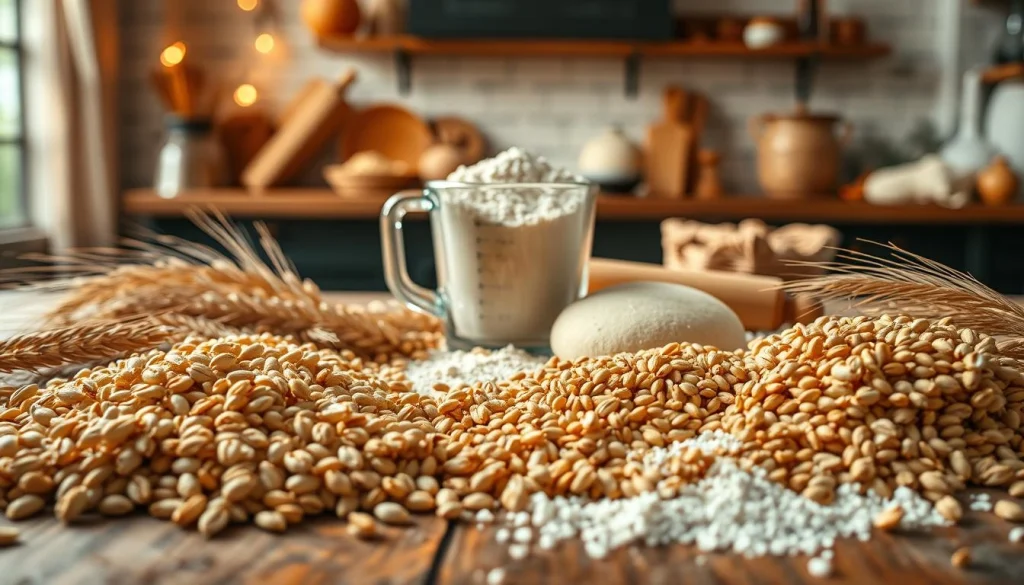
Barley and rye are also gluten-containing grains. Barley is commonly used in soups and stews. Rye is found in rye bread. Triticale, a wheat-rye hybrid, and some oats may also contain gluten. Oats, though, are a special case due to cross-contamination risks.
Hidden Sources of Gluten in Foods
Gluten can be hidden in many processed foods. This includes sauces, processed meats, and some candies. It’s vital for those on a gluten-free diet to scrutinize food labels for hidden gluten sources.
Gluten Sensitivity Spectrum
Gluten sensitivity is not a single condition but a spectrum of reactions to gluten. This spectrum includes celiac disease, non-celiac gluten sensitivity, and wheat allergy. Each has unique characteristics and health implications.
Celiac Disease: An Autoimmune Response
Celiac disease is a chronic autoimmune disorder caused by gluten ingestion. It damages the small intestine. The immune response harms the intestinal villi, affecting nutrient absorption.
Genetic Factors in Celiac Disease
Genetics significantly influence celiac disease. Those with a family history are more likely to develop it. Specific genetic markers, like HLA-DQ2 and HLA-DQ8, increase the risk.
Intestinal Damage Mechanisms
The immune response in celiac disease damages the small intestine’s lining. This leads to villous atrophy. The damage reduces nutrient absorption, causing malnutrition and other issues.
Non-Celiac Gluten Sensitivity
Non-celiac gluten sensitivity (NCGS) causes symptoms similar to celiac disease after gluten consumption. Yet, it lacks the immune system activation and intestinal damage. Symptoms include bloating, abdominal pain, and diarrhea.
Wheat Allergy vs. Gluten Intolerance
Wheat allergy is an immune reaction to wheat proteins, causing symptoms from mild hives to anaphylaxis. Gluten intolerance, often confused with NCGS, refers to adverse reactions to gluten without the autoimmune or allergic responses of celiac disease or wheat allergy.
It’s vital to understand the differences between these conditions for accurate diagnosis and treatment. While celiac disease and wheat allergy have clear diagnostic markers, NCGS is harder to diagnose due to its nonspecific symptoms.
Diagnosing Gluten-Related Disorders
Accurate diagnosis of gluten-related conditions is essential for effective management. This involves a combination of medical history, physical examination, and specific diagnostic tests.
Medical Tests for Celiac Disease
Celiac disease, an autoimmune disorder triggered by gluten, requires precise diagnostic tests. The diagnostic process typically involves blood tests and intestinal biopsy.
Blood Tests and Antibody Screening
Blood tests are used to detect the presence of certain antibodies associated with celiac disease. These include tissue transglutaminase antibody (tTGA) and endomysial antibody (EMA) tests.
Intestinal Biopsy Procedures
An intestinal biopsy involves examining a tissue sample from the small intestine for damage to the villi, which is characteristic of celiac disease.
Identifying Non-Celiac Gluten Sensitivity
Non-celiac gluten sensitivity (NCGS) is diagnosed based on symptoms and exclusion of celiac disease and wheat allergy. There is no specific test for NCGS; diagnosis is often made through a process of elimination and symptom improvement on a gluten-free diet.
Diagnosing gluten-related disorders accurately is key to managing symptoms and improving quality of life. Healthcare providers use a combination of tests and clinical evaluation to diagnose these conditions.
Health Effects of Gluten in Sensitive Individuals
The impact of gluten on sensitive individuals can be profound, affecting overall health and wellbeing. Consuming gluten can trigger a variety of health effects, ranging from mild discomfort to severe reactions. It’s essential to grasp these effects to manage gluten sensitivity effectively and avoid long-term complications.
Digestive Symptoms and Complications
Digestive symptoms are a primary health effect of gluten in sensitive individuals. Symptoms include bloating, abdominal pain, diarrhea, and constipation. For those with celiac disease, gluten can cause more severe issues, such as damage to the small intestine and malabsorption of nutrients.
- Bloating and gas
- Abdominal pain and cramping
- Diarrhea or constipation
- Nausea and vomiting
Neurological and Psychological Effects
Gluten sensitivity can also lead to neurological and psychological effects. Some may experience headaches, fatigue, and brain fog. More severe conditions, like ataxia and neuropathy, have been linked to gluten sensitivity. There’s also evidence suggesting a connection between gluten and psychological disorders, including depression and anxiety.
Long-term Health Consequences
Untreated gluten sensitivity can have significant long-term health consequences. Those with untreated celiac disease face a higher risk of osteoporosis, anemia, and certain cancers. Gluten sensitivity is also linked to an increased risk of autoimmune disorders and other chronic conditions.
- Osteoporosis and bone disorders
- Anemia and nutritional deficiencies
- Increased risk of certain cancers
- Autoimmune disorders
Understanding the health effects of gluten in sensitive individuals allows healthcare providers to develop effective treatment plans. These plans aim to manage symptoms and prevent long-term complications.
Gluten
The metabolic pathway of gluten in the human body is complex and influences various physiological processes. Gluten is a protein composite found in wheat, barley, and rye. It plays a critical role in the elasticity and structure of dough.
Gluten Metabolism in the Human Body
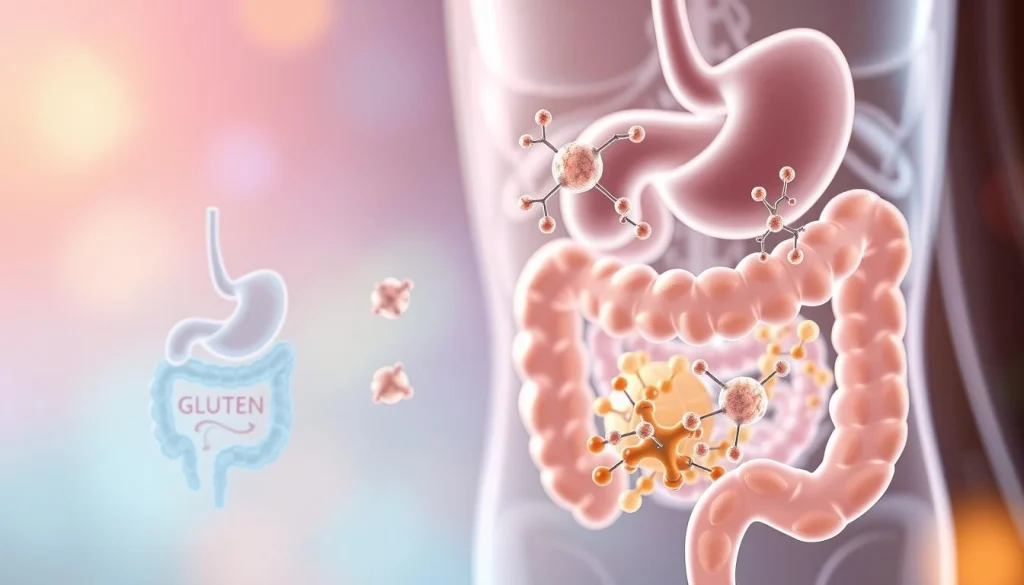
Gluten metabolism involves the breakdown of gluten proteins into smaller peptides and amino acids. This process starts in the mouth and continues in the stomach and small intestine.
- Proteolytic enzymes break down gluten into smaller fragments.
- Some individuals have impaired gluten digestion due to enzyme deficiencies.
- The resulting peptides can be absorbed into the bloodstream, potentially triggering immune responses.
This complex process can lead to various health effects, mainly in individuals with gluten-related disorders.
How Gluten Affects Gut Microbiome
The gut microbiome is vital for overall health, and gluten can significantly impact its composition.
- Gluten can alter the balance of gut bacteria.
- In individuals with celiac disease, gluten ingestion can lead to dysbiosis.
- A gluten-free diet can help restore a healthy gut microbiome in sensitive individuals.
Understanding the relationship between gluten and the gut microbiome is essential for managing gluten-related disorders and maintaining overall gut health.
The Rise of Gluten-Free Diets
The surge in gluten-free diets marks a significant shift in consumer behavior. It’s a result of a mix of health, cultural, and celebrity influences. This trend has reshaped eating habits and how food is produced and marketed.
Cultural and Market Trends
Cultural and market trends have fueled the growth of gluten-free diets. Growing awareness of gluten intolerance and celiac disease has boosted demand for gluten-free products. In response, the market offers a variety of gluten-free alternatives, from bread and pasta to snacks and baked goods.
Many believe gluten-free diets are healthier, even for those without gluten intolerance. Media coverage and the availability of gluten-free options in restaurants and stores have fueled this belief.
Celebrity Influence on Gluten-Free Movement
Celebrities and influencers have greatly boosted the appeal of gluten-free diets. They share their gluten-free experiences and recipes on social media. This has made gluten-free diets more mainstream and sought-after.
Well-known athletes and celebrities have adopted gluten-free diets, citing better health and performance. Their stories have inspired many, pushing the trend forward.
Nutritional Considerations of Gluten-Free Eating
Adopting a gluten-free diet requires careful attention to nutritional balance to avoid deficiencies. It’s vital for those with celiac disease, non-celiac gluten sensitivity, or wheat allergy. Yet, simply removing gluten doesn’t automatically make the diet healthy.
Potential Nutritional Deficiencies
Gluten-free diets can lead to nutritional deficiencies if not well-planned. Removing gluten from grains like wheat, barley, and rye can lower nutrient intake.
B Vitamins and Fiber Concerns
Gluten-containing grains are often enriched with B vitamins, which can be lacking in a gluten-free diet. Folate, thiamin, riboflavin, and niacin are common in wheat products. Gluten grains also provide dietary fiber, essential for digestion. A gluten-free diet may need extra fiber sources to maintain digestive health.
Mineral Absorption Issues
Some on a gluten-free diet may face mineral absorption challenges. Phytates in some gluten-free grains can block iron, zinc, and calcium absorption. It’s vital to be mindful of these issues and eat a variety of foods to reduce risks.
Balancing a Gluten-Free Diet
To balance a gluten-free diet, include a wide range of gluten-free foods. This includes naturally gluten-free grains like rice, quinoa, and corn, along with fruits, vegetables, lean proteins, and healthy fats. Fortified gluten-free products can also help meet nutritional needs.
Seeking advice from a healthcare provider or registered dietitian is key. They can offer personalized guidance on maintaining a balanced gluten-free diet. They can identify nutritional gaps and suggest supplements if needed.
Gluten-Free Alternatives
For those following a gluten-free diet, finding suitable alternatives is key to a varied and nutritious diet. These alternatives extend beyond gluten-free flours. They also include naturally gluten-free grains and starches.
Natural Gluten-Free Grains and Starches
Several grains and starches are naturally gluten-free. They form the base of a diverse gluten-free diet. Examples include:
- Rice
- Quinoa
- Corn
- Potatoes
- Tapioca
These ingredients can be used in a wide range of dishes. From main courses to baked goods, they ensure a gluten-free diet is not restrictive.
Manufactured Gluten-Free Products
Many manufactured products now cater to the growing demand for gluten-free options. These include gluten-free bread, pasta, and baked goods. They are made from alternative flours like almond flour, coconut flour, and rice flour.
Reading Food Labels for Gluten
When shopping for gluten-free products, reading food labels is essential. Look for certifications like the Gluten-Free Certification Organization (GFCO) or the Celiac Support Association (CSA). These ensure the product meets gluten-free standards. Be cautious of hidden gluten sources, such as modified food starch or malt flavoring.
Some important terms to look for on food labels include:
- Gluten-free
- Certified gluten-free
- Contains gluten
Understanding these labels helps individuals make informed choices about their gluten-free diet.
Cooking and Baking Without Gluten
Gluten-free cooking and baking open up a world of possibilities with the right ingredients and methods. For those with gluten intolerance or sensitivity, adapting to a gluten-free diet can be tough, mainly when it comes to baked goods. Yet, with gluten-free flour blends and new baking techniques, making tasty gluten-free products is easier than ever.
Gluten-Free Flour Blends and Substitutes
Finding the right flour blend is a major challenge in gluten-free baking. Gluten-free flours lack the structure and elasticity gluten provides. So, combining different flours is essential to get the right texture. Almond flour, coconut flour, and rice flour are common gluten-free flours. Mixing them in different ratios can mimic the texture of traditional baked goods.

Techniques for Successful Gluten-Free Baking
Successful gluten-free baking goes beyond the right flour blend. It also requires specific techniques. Understanding how to manage texture and moisture is key.
Binding Agents and Stabilizers
Using binding agents like xanthan gum or guar gum can greatly improve gluten-free baked goods’ texture. They help enhance structure and prevent crumbling.
Texture and Moisture Management
Managing moisture content is critical in gluten-free baking. Ingredients like eggs and applesauce add moisture. Careful measurement of liquid ingredients is also necessary to avoid a too wet or too dry texture.
The Gluten-Free Food Industry
Consumer demand for gluten-free options has fueled the industry’s rapid growth and diversification. This has made the gluten-free food industry a major part of the global food market.
Market Size and Growth Trends
The gluten-free market has seen significant growth in the last decade. This growth is due to more people being diagnosed with celiac disease and gluten sensitivity. There’s also a belief that gluten-free diets are healthier.
- Increasing consumer awareness and diagnosis of gluten-related disorders
- Expansion of gluten-free product lines by major food manufacturers
- Growing demand for gluten-free options in restaurants and food service
The market size is expected to keep growing as more people choose gluten-free diets.
Regulation of Gluten-Free Claims
To ensure consumer trust and safety, regulatory bodies have set guidelines for gluten-free labeling.
- The FDA requires that gluten-free labeled products contain less than 20 ppm of gluten.
- Manufacturers must follow Good Manufacturing Practices (GMPs) to prevent cross-contamination.
- Third-party certifications, such as the Gluten-Free Certification Organization (GFCO), provide additional assurance.
These regulations help keep gluten-free claims honest and protect those with gluten intolerance or sensitivity.
Latest Research on Gluten and Health
Recent studies have shed new light on the complex relationship between gluten and human health. As research continues to evolve, our understanding of gluten’s impact on the body is becoming more nuanced.
Emerging Studies on Gluten Sensitivity
Emerging studies are providing new insights into gluten sensitivity, a condition distinct from celiac disease. Research is focusing on the mechanisms behind non-celiac gluten sensitivity (NCGS) and its symptoms. These can include abdominal pain, fatigue, and headaches.
A study published in a reputable medical journal found that individuals with NCGS exhibited improved symptoms on a gluten-free diet. This suggests a clear link between gluten consumption and sensitivity.
Controversies and Debates in Gluten Research
Despite advancements, controversies persist in gluten research. One of the main debates revolves around the diagnosis of gluten-related disorders. Some argue that current testing methods are inadequate.
Another area of contention is the perceived health benefits of a gluten-free diet for individuals without diagnosed gluten intolerance or celiac disease. Some research suggests possible nutritional deficiencies associated with gluten-free diets. This sparks debate among health professionals.
Gluten and Children’s Health
As awareness about gluten-related disorders grows, so does the need to address its effects on children. Gluten, a protein found in wheat, barley, and rye, has been linked to various health issues in children. It’s essential for parents and caregivers to understand its implications.
Pediatric Celiac Disease Detection
Celiac disease is an autoimmune disorder that can cause damage to the small intestine in children. Detecting it early is vital to prevent long-term health complications.
- Symptoms may include diarrhea, abdominal pain, and fatigue.
- Diagnosis typically involves blood tests and intestinal biopsy.
- A strict gluten-free diet is the primary treatment.
Introducing Gluten to Infants
Research suggests that introducing gluten to infants between 4 to 6 months may reduce the risk of developing celiac disease.
- Breastfeeding while introducing gluten may offer additional protection.
- Gradual introduction is recommended to monitor for any adverse reactions.
- Consulting a pediatrician before making any changes to an infant’s diet is advisable.
Understanding the role of gluten in children’s health can help in making informed decisions about their diet. It’s also key in managing gluten-related disorders effectively.
Navigating a Gluten-Conscious Lifestyle
Adopting a gluten-conscious lifestyle demands a holistic approach, encompassing dietary adjustments and an understanding of gluten sources. For those with gluten-related disorders, adhering to a gluten-free diet is vital. It helps manage symptoms and prevents long-term health issues.
To thrive in a gluten-free living environment, it’s critical to scrutinize food labels, seek out gluten-free alternatives, and hone cooking and baking skills with gluten-free ingredients. When eating out, it’s important to communicate dietary needs to servers to avoid accidental gluten exposure.
Living gluten-consciously also means being vigilant about hidden gluten in various foods and products. Being well-informed and prepared allows for a balanced and diverse gluten-free diet. This ensures overall well-being and enhances quality of life.
By integrating these strategies into daily routines, individuals can effectively manage their gluten-related health concerns. They can flourish on a gluten-free lifestyle.
FAQ
Q: What is gluten?
A: Gluten is a protein found in grains like wheat, barley, and rye. It makes dough elastic and gives it structure.
Q: What are the symptoms of gluten intolerance?
A: Gluten intolerance symptoms include digestive issues like bloating and diarrhea. Fatigue, joint pain, and neurological problems are also common.
Q: How is celiac disease diagnosed?
A: Doctors use blood tests and intestinal biopsies to diagnose celiac disease. These tests check for antibodies and intestinal damage.
Q: What is the difference between gluten sensitivity and celiac disease?
A: Gluten sensitivity and celiac disease both react to gluten. But celiac disease is an autoimmune disorder that damages the small intestine. Gluten sensitivity has similar symptoms but less intestinal damage.
Q: Are there any gluten-free alternatives to traditional grains?
A: Yes, alternatives include rice, quinoa, and corn. You can also use gluten-free flours from almonds, coconut, or rice.
Q: How can I ensure I’m getting enough nutrients on a gluten-free diet?
A: Eat a variety of whole, nutrient-rich foods like fruits, vegetables, and lean proteins. Include gluten-free whole grains. For personalized advice, talk to a registered dietitian or healthcare professional.
Q: Can I stil bake and cook with gluten-free ingredients?
A: Yes, you can bake and cook with gluten-free ingredients. Use gluten-free flours and substitutes to make tasty dishes.
Q: How do I read food labels to identify gluten?
A: Look for wheat, barley, and rye on labels. Also, check for certification labels like the Gluten-Free Certification Organization (GFCO) or the Celiac Support Association (CSA). These show the product is gluten-free.