Hairy Cell Leukemia: What is Hairy Cell Leukemia?
Hairy Cell Leukemia (HCL) is a rare blood disorder marked by abnormal B cells in the bone marrow. This leads to a drop in normal blood cell production. As a result, patients face a higher risk of infections and other health issues. The name “Hairy Cell Leukemia” comes from the hair-like projections on the leukemic cells. Grasping the nature of HCL is key to creating effective treatments and bettering patient care. This piece aims to offer a detailed look at Hairy Cell Leukemia. It will cover symptoms, diagnosis, and treatment choices.
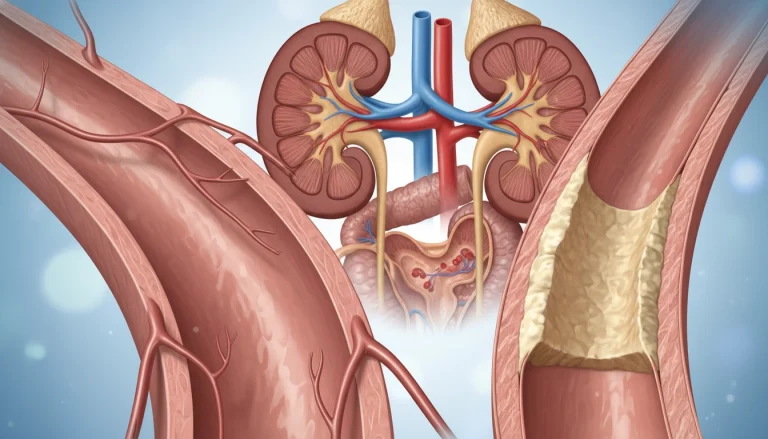
Hairy Cell Leukemia is a rare, chronic cancer that disrupts the body’s blood cell production. It affects the bone marrow and blood. To understand Hairy Cell Leukemia, we must explore its definition, classification, prevalence, and the demographics it impacts.
Definition and Classification
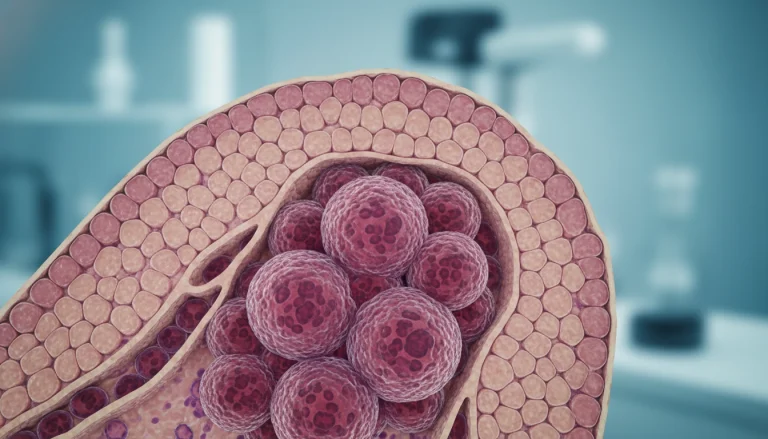
Hairy Cell Leukemia (HCL) is marked by abnormal B cells in the bone marrow, spleen, and blood. These cells are called “hairy” due to their unique appearance under a microscope. It falls under the category of non-Hodgkin lymphoma and is a distinct leukemia type.
- It is a rare disease, making up about 2% of all leukemia cases.
- HCL is more common in men than in women, with a male-to-female ratio of approximately 4:1.
- The median age at diagnosis is around 50-60 years.
Prevalence and Demographics
Hairy Cell Leukemia is relatively rare, with about 600-800 new cases annually in the United States. It predominantly affects men and those of Caucasian descent. The exact cause is unknown, but genetic mutations and environmental factors are suspected risk factors.
Knowing the demographics and prevalence aids in identifying at-risk groups. It also helps in developing targeted treatments.
Understanding Blood Cells and Leukemia
Grasping the basics of blood cell production is key to understanding leukemia’s impact. Blood cells are made in the bone marrow through hematopoiesis.
Normal Blood Cell Production
Stem cells in the bone marrow develop into red blood cells, white blood cells, and platelets. Red blood cells carry oxygen, white blood cells fight infections, and platelets help blood clot. This process is controlled by growth factors and cytokines.
How Leukemia Affects Blood Cells
Leukemia disrupts blood cell production by filling the bone marrow with abnormal white blood cells. These cancerous cells displace healthy cells, reducing the body’s ability to produce normal blood cells. In Hairy Cell Leukemia, these cells have hair-like projections. They accumulate in the bone marrow, spleen, and blood, weakening the immune system and causing symptoms.
The Biology of Hairy Cell Leukemia
To grasp the biology of Hairy Cell Leukemia, we must examine the leukemia cells’ characteristics. This rare cancer impacts the blood and bone marrow, marked by an abnormal buildup of B cells.
Cellular Characteristics
The cellular traits of Hairy Cell Leukemia are unique and vital for diagnosis. Key features include:
- Abnormal B cells that appear “hairy” under a microscope due to hair-like projections.
- Accumulation of these cells in the bone marrow, spleen, and peripheral blood.
- Impaired immune function due to the replacement of normal blood cells by malignant cells.
Why They’re Called “Hairy Cells”
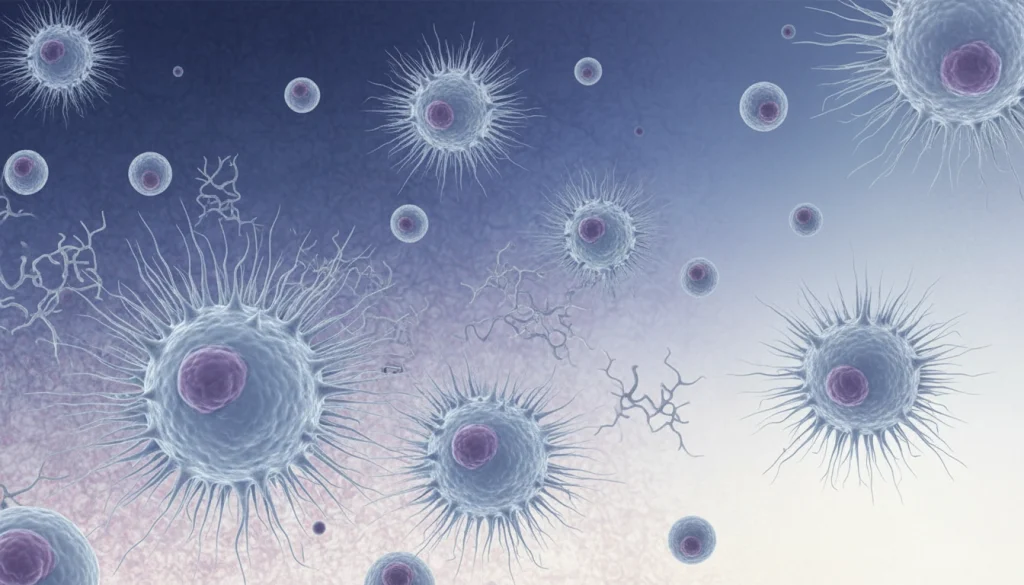
The term “hairy cells” comes from their distinctive appearance under a microscope. These cells have fine, hair-like projections on their surface, resembling hair.
This unique morphology is a critical diagnostic feature. The presence of these hairy cells is a hallmark of Hairy Cell Leukemia, setting it apart from other leukemias.
Hairy Cell Leukemia vs. Other Leukemias
It’s vital to understand the differences between Hairy Cell Leukemia and other leukemias for proper diagnosis and treatment. All leukemias are cancers affecting the blood and bone marrow. Yet, they differ greatly in their characteristics, progression, and treatment responses. Hairy Cell Leukemia stands out with its unique features that set it apart from other leukemias.
Distinguishing Features
Hairy Cell Leukemia is identified by its distinctive cellular traits. The disease gets its name from the hair-like projections on the leukemia cells. These cells build up in the bone marrow, spleen, and blood, causing various issues. Unlike other leukemias, Hairy Cell Leukemia often leads to an enlarged spleen and low blood cell counts, without significant lymph node enlargement.
Differences in Prognosis and Treatment
The prognosis and treatment of Hairy Cell Leukemia are distinct from other leukemias. Thanks to targeted therapies, the outlook for Hairy Cell Leukemia patients has significantly improved. Purine analogs, such as cladribine and pentostatin, are key treatments, leading to high response rates and long-lasting remissions. In contrast, other leukemias may need different treatments, like chemotherapy, immunotherapy, or bone marrow transplantation, based on their specific traits and the patient’s health.
Causes and Risk Factors
The exact causes of Hairy Cell Leukemia are not fully understood. Research has shed light on several genetic and environmental risk factors. These insights can help in preventing and managing this rare blood cancer.
Genetic Mutations
Genetic mutations are key in the development of Hairy Cell Leukemia. The BRAF V600E mutation is most common, found in most patients. This mutation causes abnormal proteins, leading to cancerous cell growth.
Other genetic changes may also play a part in the disease’s onset. Their exact roles are under investigation.
Environmental Risk Factors
The impact of environmental factors on Hairy Cell Leukemia is not as well-defined. Yet, certain chemicals and radiation exposure are linked to higher disease risk. Pesticides and solvents have been shown to increase risk in some studies.
Also, past radiation exposure, like from therapy or environmental sources, may be a risk factor.
Signs and Symptoms of Hairy Cell Leukemia
Identifying the signs and symptoms of Hairy Cell Leukemia is vital for timely diagnosis and treatment. This rare, slow-growing blood cancer results from an overproduction of B cells (lymphocytes) in the bone marrow. This overproduction leads to a decrease in healthy white blood cells, red blood cells, and platelets.
Common Symptoms
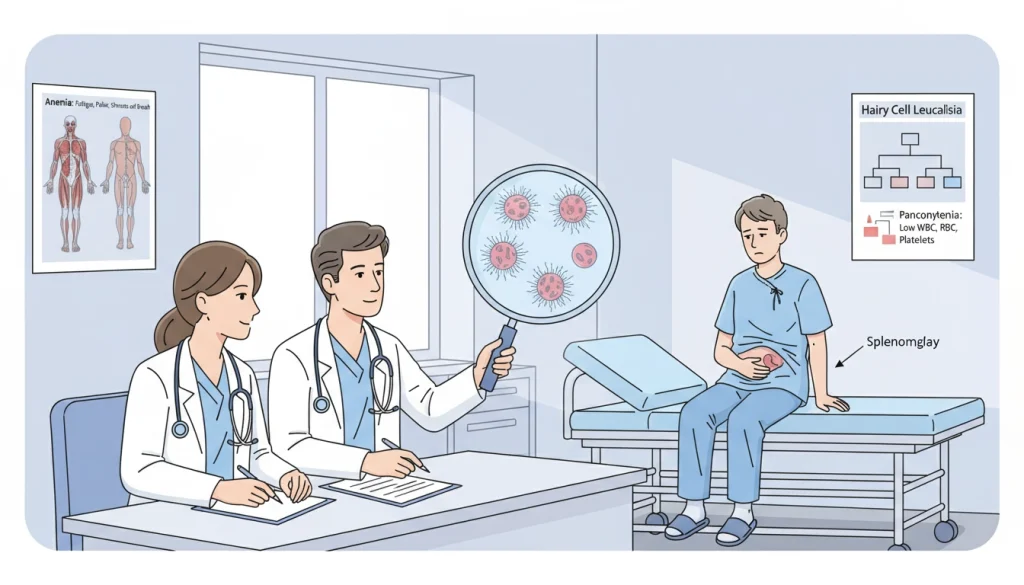
Common symptoms include fatigue, weakness, and shortness of breath due to anemia. Patients often experience more frequent infections because of low white blood cell counts. An enlarged spleen is another symptom, causing discomfort or pain in the upper left abdomen.
Easy bruising or bleeding is a common issue due to low platelet counts. Some may also report weight loss, night sweats, or fever, though these are less specific to Hairy Cell Leukemia.
Rare or Advanced Symptoms
In advanced cases or rare instances, Hairy Cell Leukemia can cause severe complications. For example, a significantly enlarged spleen can lead to severe abdominal pain or discomfort. Rarely, patients may face bleeding that’s hard to control or severe, recurrent infections.
It can also lead to secondary cancers or other complications due to immune system suppression. It’s critical for patients to collaborate closely with their healthcare providers to manage these risks.
Complications of Hairy Cell Leukemia
Understanding the complications of Hairy Cell Leukemia is key for effective patient care. This rare cancer affects the blood and bone marrow, leading to serious issues. It’s vital to grasp these complications to manage the disease effectively.
Infection Susceptibility
Patients with Hairy Cell Leukemia face a higher risk of infections. This is because their white blood cells, essential for fighting infections, are reduced. Such susceptibility can lead to severe, potentially life-threatening infections.
Bleeding Complications
Hairy Cell Leukemia can also cause bleeding issues due to low platelet counts. This results in easy bruising, nosebleeds, and other bleeding problems. Managing these complications can be challenging.
Secondary Cancers
Another complication is the risk of secondary cancers. The weakened immune system makes it harder to fight off other cancers. This is a significant concern for those with Hairy Cell Leukemia.
Identifying these complications early is critical for optimal patient care. By understanding the risks and taking proactive steps, healthcare providers can significantly improve outcomes for patients with Hairy Cell Leukemia.
Diagnosis Process
Diagnosing Hairy Cell Leukemia is complex due to its nonspecific symptoms. A detailed diagnostic approach is necessary. This involves several steps to accurately identify the disease.
Initial Blood Tests
Initial blood tests are key in diagnosing Hairy Cell Leukemia. These tests include a complete blood count (CBC) to check for abnormal blood cell levels. Anemia, low platelet count, and abnormal white blood cell counts can signal leukemia.
A CBC can show abnormalities that suggest Hairy Cell Leukemia, leading to further investigation.
Bone Marrow Biopsy
A bone marrow biopsy is a definitive diagnostic tool for Hairy Cell Leukemia. This procedure removes a bone marrow sample for microscopic examination. The presence of “hairy cells” in the bone marrow confirms the disease.
Imaging Studies
Imaging studies, like CT scans or PET scans, assess the disease’s extent. They check for spleen or lymph node enlargement.
Molecular and Genetic Testing
Molecular and genetic testing confirm the diagnosis by identifying specific genetic mutations. The BRAF V600E mutation is commonly found in Hairy Cell Leukemia.
Staging and Classification
Accurate staging and classification of Hairy Cell Leukemia are critical in patient care. They help in understanding the disease’s extent and in planning the right treatment.

Classic vs. Variant Hairy Cell Leukemia
Hairy Cell Leukemia is divided into classic and variant forms. Classic Hairy Cell Leukemia shows specific morphological features and immunophenotypic markers. This makes it more responsive to certain treatments. In contrast, Variant Hairy Cell Leukemia has different characteristics, often requiring alternative treatment strategies.
Prognostic Indicators
Several prognostic indicators are used to predict patient outcomes with Hairy Cell Leukemia. These include genetic mutations, bone marrow involvement, and the patient’s overall health. Understanding these indicators allows for tailored treatment plans.
Accurate staging and classification of Hairy Cell Leukemia enable healthcare providers to offer more personalized care. This approach improves patient outcomes significantly.
Treatment Options for Hairy Cell Leukemia
Recent medical breakthroughs have broadened the treatment spectrum for Hairy Cell Leukemia. The selection of a treatment plan hinges on several variables. These include the patient’s health status, the disease’s progression stage, and the leukemia cells’ specific traits.
First-Line Treatments
Initial treatments for Hairy Cell Leukemia frequently involve purine analogs, like cladribine or pentostatin. These drugs have demonstrated remarkable effectiveness in achieving complete remissions.
- Cladribine is often administered as a single course, with a high rate of complete response.
- Pentostatin may require multiple cycles to achieve the desired outcome.
The decision between these drugs is influenced by patient-specific factors and the drugs’ side effects.
Treatment for Relapsed Disease
For those experiencing relapse or not responding to initial treatments, several alternatives exist.
Rituximab, a monoclonal antibody, is sometimes used in combination with purine analogs or as a single agent for relapsed or refractory Hairy Cell Leukemia.
Other strategies include targeted therapies and clinical trials, opening up new avenues for treatment.
Emerging Therapies
Ongoing research into Hairy Cell Leukemia is yielding promising new therapies. These include BRAF inhibitors and other targeted therapies designed to enhance patient outcomes.
The continuous development of new treatments is reshaping the management of Hairy Cell Leukemia. This offers a glimmer of hope for better patient results.
Chemotherapy and Immunotherapy
Chemotherapy and immunotherapy are key in managing Hairy Cell Leukemia. They offer targeted ways to fight the disease. These methods have greatly enhanced patient outcomes by focusing on cancer cells and boosting the immune system.
Purine Analogs
Purine analogs, like cladribine and pentostatin, are vital in treating Hairy Cell Leukemia. They disrupt DNA synthesis, halting cancer cell growth.
- Cladribine is often given in a single dose, leading to high complete remission rates.
- Pentostatin also shows high response rates, similar to cladribine.
Monoclonal Antibodies
Monoclonal antibodies, such as rituximab, target specific proteins on Hairy Cell Leukemia cells. This marks them for immune destruction.
- Rituximab can be used alone or with purine analogs to boost treatment results.
- It’s highly effective in patients with relapsed or refractory disease.
BRAF Inhibitors
BRAF inhibitors, like vemurafenib, are a new hope for Hairy Cell Leukemia, mainly for those with the BRAF V600E mutation.
- Vemurafenib has shown remarkable effectiveness in trials, providing a new treatment option.
- It’s considered for patients who’ve failed other treatments or have specific genetic markers.
The choice of chemotherapy and immunotherapy for Hairy Cell Leukemia depends on several factors. These include patient health, disease stage, and genetic makeup. Understanding these options is essential for making informed care decisions.
Managing Side Effects of Treatment
Patients with Hairy Cell Leukemia face various side effects from treatment. These can greatly affect their quality of life. It’s vital to manage these side effects promptly and effectively.
Short-term Side Effects
Short-term side effects include fatigue, nausea, and a higher risk of infections. To manage these, supportive care is key. This includes medications for nausea and infections, and lifestyle changes to combat fatigue.
- Medications to manage nausea and prevent infections
- Lifestyle adjustments to reduce fatigue
- Regular monitoring by healthcare providers
Long-term Considerations
Long-term risks for Hairy Cell Leukemia patients include secondary cancers and organ damage. Regular follow-ups are essential. They help monitor and manage these risks effectively.
It’s important for patients to collaborate with their healthcare team. Together, they can develop strategies for managing both short-term and long-term side effects. This approach improves quality of life during and after treatment.
Living with Hairy Cell Leukemia
Living with Hairy Cell Leukemia is more than just treatment; it’s a holistic journey. Patients face physical, emotional, and social challenges. They must adapt to these impacts to manage their condition.
Monitoring and Follow-up Care
Effective management of Hairy Cell Leukemia requires regular monitoring. This includes:
- Frequent blood tests to monitor blood cell counts
- Bone marrow biopsies to assess the disease’s progression
- Imaging studies to check for any signs of complications
Follow-up care is personalized, based on the patient’s needs and treatment response.
Lifestyle Adjustments
Adopting certain lifestyle changes can help patients cope with Hairy Cell Leukemia. These adjustments may include:
- Adopting a healthy diet to boost the immune system
- Engaging in regular, gentle exercise to maintain physical strength
- Avoiding infections by practicing good hygiene and avoiding crowded areas
Patient Stories and Experiences
Listening to others with similar experiences can be incredibly supportive. Many find comfort in sharing their stories and learning from others in support groups.
For example, staying connected with family and friends is a significant comfort for some. Others find joy in pursuing hobbies and interests, helping them stay positive.
Support Resources for Patients and Families
Support resources are essential for those dealing with Hairy Cell Leukemia. They offer vital assistance and guidance.
Patients and their families face unique challenges. A variety of support systems are designed to help them navigate these difficulties.
Support Groups and Organizations
Several organizations and support groups focus on helping individuals with Hairy Cell Leukemia.
- The Leukemia & Lymphoma Society (LLS) provides extensive support. This includes financial assistance and educational resources.
- The Hairy Cell Leukemia Foundation offers a platform for patients to connect with others who share similar experiences.
- Local support groups provide a community for patients and families. They can share their stories and receive support.
Financial and Insurance Considerations
Managing the financial aspects of Hairy Cell Leukemia treatment can be overwhelming.
- Patients should review their insurance coverage. This helps them understand what is covered and what costs they may incur.
- Financial assistance programs are available. They help with medication costs, travel expenses, and other needs.
- Discussing financial concerns with their healthcare team is essential. This helps find available resources.
Caregiver Support
Caregivers play a vital role in the care and well-being of patients with Hairy Cell Leukemia.
- Support groups for caregivers provide a space for them to share their experiences. They also receive emotional support.
- Resources are available to help caregivers manage the demands of caring for a loved one. This includes respite care and counseling services.
Advances and Hope for the Future
In recent years, significant strides have been made in understanding and treating Hairy Cell Leukemia. This has brought new hope to those affected by the disease. Research has focused on the genetic mutations causing Hairy Cell Leukemia. This has led to the creation of targeted therapies, like BRAF inhibitors, which have shown great promise in trials.
The future of Hairy Cell Leukemia treatment looks promising. It will likely combine targeted therapies with immunotherapy, such as monoclonal antibodies. This approach could lead to better treatment outcomes and lower relapse rates.
As our knowledge of Hairy Cell Leukemia grows, so does the hope for managing and potentially curing it. Ongoing research and clinical trials are essential for these advancements. Patients should talk to their healthcare providers about the latest treatment options.
FAQ
Q: What is Hairy Cell Leukemia?
A: Hairy Cell Leukemia is a rare, slow-growing blood cancer. It occurs when the bone marrow overproduces B cells, or lymphocytes. This results in a shortage of healthy white blood cells, red blood cells, and platelets.
Q: What are the symptoms of Hairy Cell Leukemia?
A: Symptoms include fatigue, infections, and easy bruising or bleeding. An enlarged spleen is also common. Some may not show symptoms in the early stages.
Q: How is Hairy Cell Leukemia diagnosed?
A: Diagnosis involves blood tests and a bone marrow biopsy. Imaging studies may also be used to assess the disease’s extent and rule out other conditions.
Q: What are the treatment options for Hairy Cell Leukemia?
A: Treatments include chemotherapy and immunotherapy with drugs like cladribine or pentostatin. Targeted therapy is also an option. The choice depends on the disease’s severity and the patient’s health.
Q: Can Hairy Cell Leukemia be cured?
A: There’s no definitive cure, but many patients achieve complete remission. Some remain disease-free for years. Ongoing monitoring is essential to manage the disease.
Q: What are the side effects of treatments for Hairy Cell Leukemia?
A: Side effects include fatigue, increased infection risk, and nausea. Hair loss and long-term effects like secondary cancers or organ damage are also possible, depending on the treatment.
Q: How does Hairy Cell Leukemia affect daily life?
A: The disease and its treatment can cause fatigue and increase infection risk. Regular medical check-ups are necessary. Lifestyle adjustments and support are key to managing the disease’s impact on daily life.
Q: Are there support resources available for patients with Hairy Cell Leukemia?
A: Yes, support groups, organizations, and online resources offer information, emotional support, and guidance. They help patients navigate the disease.
Q: What is the prognosis for someone with Hairy Cell Leukemia?
A: Prognosis varies based on disease severity, treatment response, and overall health. Many patients live for years with proper management.
Q: Is Hairy Cell Leukemia hereditary?
A: There’s no clear evidence of direct heritability, but genetic factors may influence susceptibility.
Q: Can lifestyle changes help manage Hairy Cell Leukemia?
A: Lifestyle changes can’t cure the disease but can help manage symptoms. A healthy lifestyle, including a balanced diet and regular exercise, improves overall well-being.