Hernia: What Is a Hernia?
A hernia occurs when an organ or tissue bulges through a weakened area in the muscle or connective tissue. This area is usually where it’s supposed to stay. If not treated, it can be painful and serious. Causes often include strain on the abdominal muscles. This strain can come from heavy lifting, obesity, or persistent coughing. Symptoms include a visible bulge or lump and discomfort or pain, often when coughing, lifting, or bending over.
Treatment options vary from watchful waiting to surgical repair, based on the hernia’s severity and type. It’s important to understand the causes, recognize symptoms, and explore treatment choices for effective management. A hernia occurs when an organ or tissue bulges through a weak spot in the muscle or connective tissue. This can cause discomfort and may lead to serious issues if not treated.
Definition and Basic Mechanism
Hernias arise from strain on muscles or tissues and a weakened area. The displacement of an organ or tissue through a defect in the muscular or fascial layer is the basic mechanism.
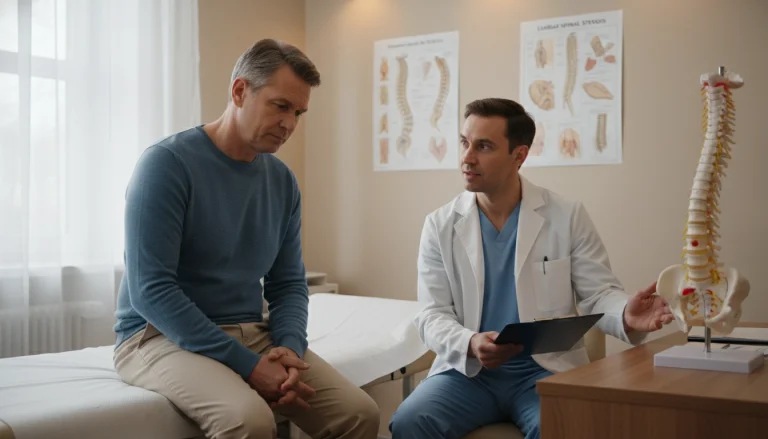
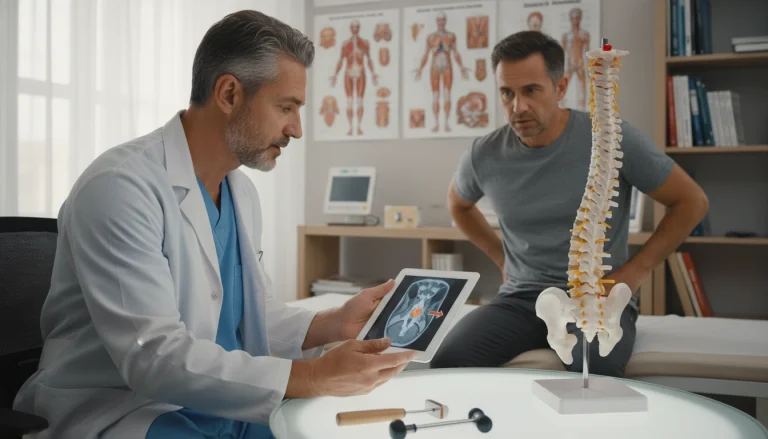
For example, spinal conditions can cause hernias by weakening the spinal structure. This shows how different body parts can be affected.
Common Locations in the Body
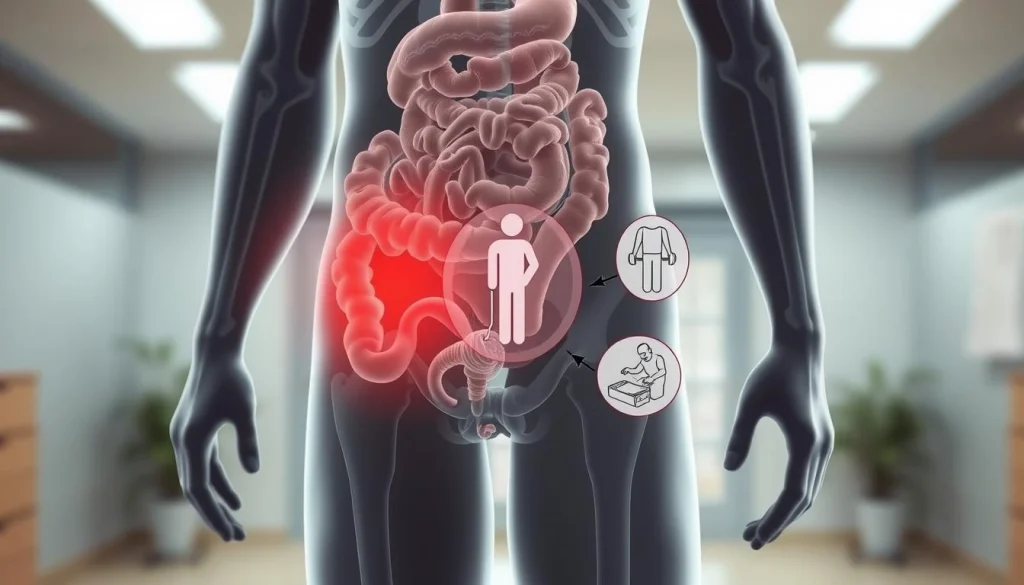
Hernias can occur in various body parts, but they are most common in the abdominal area.
Abdominal Wall Hernias
Abdominal wall hernias occur when a bulge forms through the abdominal wall due to a weak spot. This type is common and can be classified based on its location, like inguinal or umbilical hernias.
Internal Hernias
Internal hernias involve the bulging of an organ or tissue through a defect within the abdominal cavity. These are less common than abdominal wall hernias but can be just as problematic.
Understanding Hernia Anatomy
The formation of a hernia is closely linked to the structure and integrity of the abdominal wall. A thorough understanding of this anatomy is key to grasping how hernias develop.
Structure of the Abdominal Wall
The abdominal wall is made up of several layers, including the skin, subcutaneous tissue, fascia, and muscles. The muscular layer, with the external oblique, internal oblique, and transversus abdominis muscles, offers significant strength and support. The fascia, a layer of connective tissue, is vital for maintaining the abdominal wall’s structural integrity. Weaknesses or defects in these layers can lead to hernia formation.
How Tissue Displacement Occurs
Tissue displacement, which characterizes a hernia, occurs when there’s a breach in the abdominal wall’s integrity. This can stem from congenital defects, acquired weaknesses, or increased intra-abdominal pressure. When intra-abdominal contents, like intestine or omentum, protrude through the weakened area, they can become trapped or strangulated. This can lead to complications. Understanding the mechanisms behind tissue displacement is essential for diagnosing and treating hernias effectively.
Types of Hernias
It’s vital to grasp the various hernia types for both patients and healthcare professionals. Hernias are sorted by their location, cause, and other features. This sorting aids in accurate diagnosis and treatment.
Inguinal Hernias
Inguinal hernias happen when tissue, like part of the intestine, bulges through a weak spot in the abdominal muscles. They are the most prevalent hernia type. They can be split into direct and indirect inguinal hernias.
Direct vs. Indirect
Direct inguinal hernias occur through a weak spot in the abdominal wall. Indirect inguinal hernias stem from a congenital defect in the inguinal canal. Knowing the distinction is key for the right treatment.
Male vs. Female Presentation
Inguinal hernias are more prevalent in men due to the natural weakness in the inguinal canal. Yet, women can also get inguinal hernias, with different symptoms and risks.
Femoral Hernias
Femoral hernias happen just below the inguinal ligament, where the femoral artery and vein pass. They are more common in women. These hernias are often smaller and more likely to have complications.
Umbilical Hernias
Umbilical hernias occur around the belly button and are common in newborns. They can also affect adults, mainly those who are overweight or have had multiple pregnancies.
Incisional Hernias
Incisional hernias develop through a scar or incision in the abdominal wall, resulting from previous abdominal surgery. They occur when the surgical wound doesn’t heal properly.
Hiatal Hernias
Hiatal hernias occur when part of the stomach bulges up into the chest through an opening in the diaphragm. Symptoms include heartburn and difficulty swallowing.
Common Causes of Hernia Development
Several key factors contribute to the likelihood of developing a hernia. Understanding these causes can help individuals take preventive measures and seek appropriate treatment when necessary.
Congenital Factors
Congenital factors play a significant role in hernia development. Some people are born with weaknesses in their abdominal walls, which can predispose them to hernias later in life. These congenital weaknesses can be due to genetic factors or developmental issues during fetal formation.
Lifestyle and Environmental Factors
Lifestyle and environmental factors also contribute to hernia development. Activities that involve heavy lifting, straining, or sudden movements can increase the risk of developing a hernia. Environmental factors such as smoking and poor nutrition can also weaken abdominal tissues, making hernias more likely.
Medical Conditions That Increase Risk
Certain medical conditions can increase the risk of developing a hernia. These include conditions that cause increased pressure within the abdominal cavity.
Chronic Cough
A chronic cough can significantly increase abdominal pressure, raising the risk of hernia development.
Constipation
Constipation leads to straining during bowel movements, putting additional pressure on the abdominal wall and increasing the risk of a hernia.
Obesity
Obesity is another significant risk factor. Excess weight puts additional strain on the abdominal muscles, leading to hernia development.
Risk Factors for Developing a Hernia
Understanding the risk factors for hernias is key to prevention and early detection. Various factors can increase an individual’s chance of developing a hernia. Knowing these can help in taking preventive steps.
Age-Related Risks
Age is a major risk factor for hernias. As people age, their muscles and tissues weaken. This makes older adults more susceptible to hernias due to aging and wear and tear.
Gender-Specific Risks
Gender also influences hernia risk. Some hernias are more common in men, while others affect women more. For example, inguinal hernias are more common in men because of their reproductive system structure.
Occupational Hazards
Jobs with heavy lifting, bending, or straining can increase hernia risk. These activities put extra pressure on the body’s tissues, making hernias more likely.
Heavy Lifting Professions
Jobs that require heavy lifting, like construction or manual labor, raise hernia risk. The strain on the abdominal wall can cause weaknesses and herniation.
Sedentary Work Environments
Jobs that involve long sitting or standing also contribute to hernia risk. Sedentary lifestyles weaken abdominal muscles and increase pressure on the abdominal wall.
Recognizing Hernia Symptoms
Understanding hernia symptoms is key for early detection and treatment. Hernias show up in different ways. Knowing the common signs helps individuals get medical help quickly.
Common Physical Signs
Physical signs often signal the start of a hernia. These include visible bulges and changes in appearance.
Visible Bulges
A visible bulge or lump in the affected area is a common hernia symptom. This bulge may grow when coughing, straining, or standing.
Changes in Appearance
The bulge from a hernia can alter the affected area’s look. Sometimes, the skin over the bulge turns red or inflamed.
Pain Patterns and Sensations
Pain is a major symptom of a hernia. The pain’s nature and intensity can vary.
Activity-Related Discomfort
People with a hernia might feel discomfort or pain during activities that raise abdominal pressure. This includes lifting heavy objects or bending.
Warning Signs of Complications
Severe pain, nausea, vomiting, or fever can signal complications like incarceration or strangulation. These need immediate medical attention.
- Watch for changes in the bulge’s size or color.
- Notice any increase in pain or discomfort.
- Get medical help if symptoms get worse or if you see signs of complications.
Diagnosing a Hernia
Diagnosing a hernia requires a mix of physical exams and imaging tests. A healthcare professional will first conduct a detailed physical examination. This is to check if a hernia is present.
Physical Examination Techniques
During a hernia physical exam, the doctor might have you stand or cough. This can help spot a hernia. They look for a bulge or swelling in the suspected area.
- Visual inspection for any visible bulges
- Palpation to feel for abnormalities
- Coughing or straining to accentuate the hernia
Imaging Tests and Their Role
Imaging tests are key to confirming a hernia diagnosis and understanding its extent. The choice of imaging modality depends on the suspected hernia type.
Ultrasound Evaluation
Ultrasound is a go-to for diagnosing hernias, like inguinal hernias. It’s non-invasive and very effective.
CT Scans and MRIs
CT scans and MRIs offer detailed images. They’re used for complex or unclear cases. They help distinguish between hernia types and other conditions.
Specialized Tests for Hiatal Hernias
For hiatal hernias, barium swallow or endoscopy might be used. These tests help see the hernia and its effect on the esophagus.
Non-Surgical Management Options
For those diagnosed with a hernia, non-surgical management is a viable alternative to surgery. This method is ideal for patients with small, asymptomatic hernias. It’s also considered for those who are not good candidates for surgery due to health issues.
Watchful Waiting Approach
The watchful waiting approach involves monitoring the hernia for any changes or symptoms. It’s recommended for patients with small, reducible hernias that don’t cause discomfort. Regular check-ups with a healthcare provider are essential to prevent the hernia from worsening.
Lifestyle Modifications
Lifestyle modifications are key in managing hernias without surgery. Maintaining a healthy weight reduces pressure on the abdominal wall. Avoiding heavy lifting and managing chronic coughing or constipation are also important. Increasing fiber intake through dietary changes can help prevent complications.
Supportive Devices and Their Use
Supportive devices like trusses and belts offer additional support to the affected area. They help manage discomfort and prevent the hernia from worsening.
Trusses and Belts
Trusses and belts are worn around the waist to support the hernia. They come in various sizes and styles. The choice depends on the type and location of the hernia.
Proper Fitting and Usage
Proper fitting and usage of supportive devices are critical for their effectiveness. It’s important to follow the manufacturer’s instructions and consult with a healthcare provider. This ensures the device is used correctly.
Surgical Treatment for Hernias
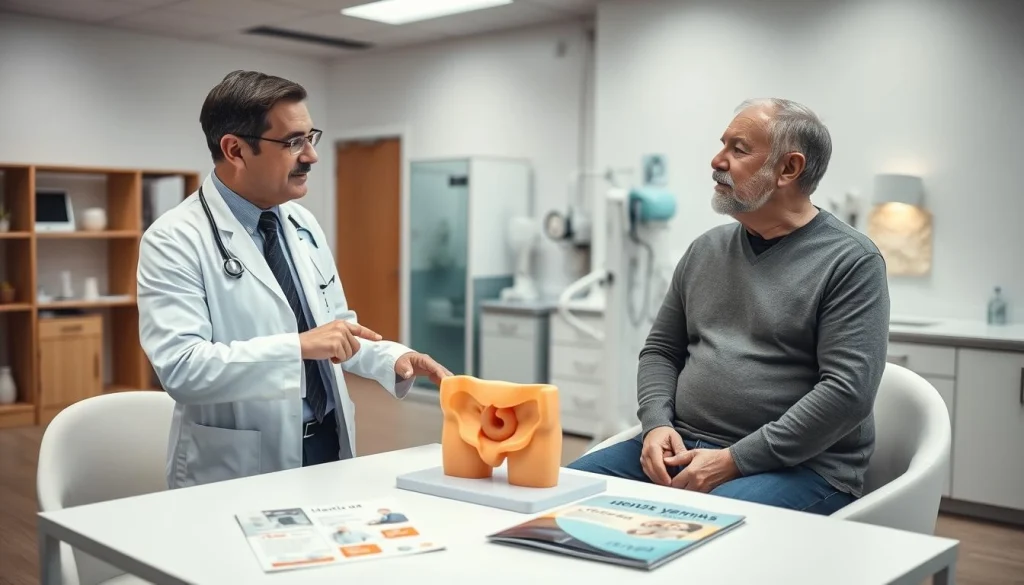
When conservative methods fail, surgery becomes the next step for hernia patients. It’s often the most effective way to repair a hernia and prevent complications.
Open Hernia Repair
Open hernia repair involves a single incision to access the hernia. The surgeon then pushes the herniated tissue back into place. They reinforce the weakened area, often using mesh.
This traditional method is widely used and effective. It has a relatively quick recovery time when performed by experienced surgeons.
Laparoscopic Techniques
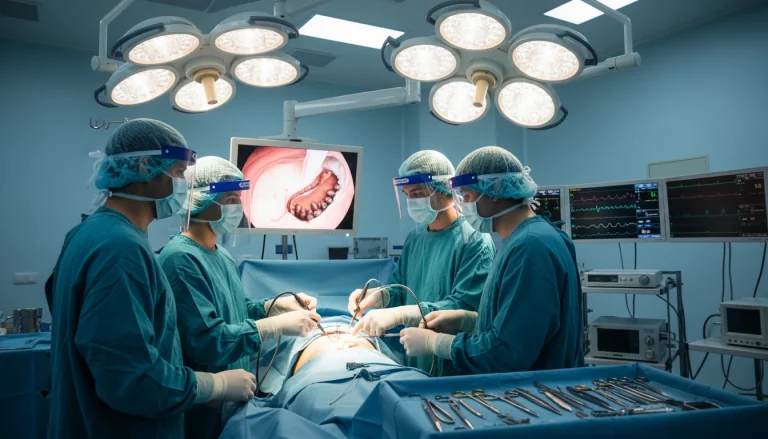
Laparoscopic hernia repair makes several small incisions. A laparoscope and surgical instruments are inserted through these incisions. This minimally invasive technique results in less tissue trauma and faster recovery times.
It’s beneficial for patients who want to minimize post-operative pain. They can return to their normal activities quickly.
Robotic-Assisted Surgery
Robotic-assisted surgery is an advanced laparoscopic technique. It uses a robotic system to enhance the surgeon’s capabilities. It offers improved precision, flexibility, and visualization, which is advantageous in complex hernia cases.
Mesh vs. Non-Mesh Repairs
Mesh is commonly used in hernia repair to reinforce the weakened area. Yet, non-mesh repairs are preferred in some cases.
Types of Surgical Mesh
Surgical mesh can be synthetic or biological. The choice depends on the patient’s condition, hernia type, and surgeon’s preference.
When Non-Mesh Approaches Are Preferred
Non-mesh approaches are considered for patients with certain medical conditions. They are also preferred when there’s a high risk of mesh complications. The decision is made on a case-by-case basis, considering the patient’s health and specific needs.
Surgical treatment for hernias offers various options tailored to individual needs. The choice between open repair, laparoscopic techniques, and robotic-assisted surgery depends on several factors. These include the hernia type, patient’s health status, and the surgeon’s expertise.
Recovery After Hernia Surgery
Hernia surgery recovery encompasses immediate post-operative care, managing activity levels, and pain management. Grasping these aspects is key to a successful healing process and outcome.
Immediate Post-Operative Care
Immediate post-operative care is essential for a smooth recovery. Patients are closely monitored in a recovery room for a few hours post-surgery. They receive instructions on wound care, medication, and follow-up appointments before being discharged.
Activity Restrictions and Timeline
Activity restrictions are critical to prevent complications and aid in healing. Patients are advised to avoid heavy lifting, bending, or strenuous activities for weeks. A gradual return to normal activities is recommended, with most resuming full activity in 4-6 weeks.
Pain Management Strategies
Effective pain management is a cornerstone of recovery. It can be achieved through medication and non-pharmaceutical methods.
Medication Options
Medications like acetaminophen or ibuprofen are often prescribed for pain management. In some instances, stronger pain relievers may be needed for a short duration.
Non-Pharmaceutical Approaches
Non-pharmaceutical methods, such as rest, ice application, and relaxation techniques, can also reduce discomfort. These methods complement medication for better pain control.
Potential Complications of Untreated Hernias
Ignoring a hernia can lead to severe complications, affecting your quality of life. Untreated hernias can escalate into more serious health issues. These include incarceration and strangulation, both of which are critical.
Hernia Incarceration
Hernia incarceration happens when the hernia’s contents get trapped. They cannot be pushed back into the abdomen. This results in severe pain and discomfort. If not treated, it can lead to further complications.
Strangulation and Its Dangers
Strangulation is a severe complication where the blood supply to the herniated tissue is cut off. It’s a medical emergency that requires immediate attention. Without it, tissue death and other serious consequences can occur.
Emergency Warning Signs
Warning signs of a strangulated hernia include severe pain, nausea, vomiting, and a tender or discolored lump at the hernia site. These symptoms indicate a need for urgent medical care.
When to Seek Immediate Medical Care
If you experience symptoms of hernia strangulation, such as severe pain or a tender lump, seek medical attention immediately. Prompt treatment can prevent serious complications and improve outcomes.
Hernia Recurrence: Causes and Prevention
The fear of hernia recurrence is a common concern for many after surgery. It happens when a hernia comes back in the same spot, even after treatment. This can be due to surgery or non-surgical methods.
Risk Factors for Recurrence
Several factors can raise the risk of hernia recurrence. These include:
- Weakness in the abdominal wall
- Previous surgical technique or mesh failure
- Activities that increase abdominal pressure
- Poor post-surgical care
Preventive Strategies
Preventing hernia recurrence requires proper post-surgical care and long-term lifestyle changes.
Post-Surgical Care
Following the surgeon’s post-operative care instructions is essential. This includes:
- Resting adequately
- Avoiding heavy lifting
- Monitoring for signs of complications
Long-Term Lifestyle Adjustments
Long-term lifestyle changes can also help prevent recurrence. These adjustments include:
- Maintaining a healthy weight
- Avoiding smoking
- Engaging in appropriate physical activity
Special Considerations for Different Age Groups
Age is a critical factor in diagnosing, treating, and managing hernias. As people age from infancy to adulthood and beyond, the approach to hernia care evolves dramatically.
Pediatric Hernias
Pediatric hernias, like inguinal hernias, are common in young children. They often stem from congenital issues where the processus vaginalis doesn’t close properly.
Congenital Hernias in Infants
Congenital hernias in infants need immediate attention. Early detection is key to avoiding serious complications like incarceration.
Treatment Approaches for Children
Children’s treatment usually involves surgery. This method is generally effective, with a low chance of the hernia coming back.
Hernias in Adults
In adults, hernias often arise from lifestyle factors. These include heavy lifting, chronic coughing, or obesity. The most prevalent types are inguinal and ventral hernias.
Geriatric Considerations
In the elderly, hernias can be more complex due to underlying health conditions and weakened tissues. Surgical options must be weighed carefully, considering the risks and benefits.
Healthcare providers must grasp these age-specific nuances to deliver the right care.
Hernias During Pregnancy
Hernias during pregnancy pose unique challenges, requiring careful management to ensure the well-being of both mother and fetus. The physiological changes in pregnancy can worsen existing hernias or lead to new ones.
Risks and Management
The risk of hernia complications may increase during pregnancy due to increased intra-abdominal pressure and hormonal changes. These changes affect tissue strength. Managing hernias during this time involves monitoring symptoms and complications. In some cases, surgical intervention may be necessary.
- Close monitoring of hernia symptoms
- Avoiding heavy lifting and strenuous activities
- Managing constipation to reduce straining
Post-Pregnancy Considerations
After pregnancy, the risk of hernia complications may decrease as the body returns to its pre-pregnancy state. Yet, some women may face issues related to hernias post-pregnancy.
Recovery Timeline
The recovery timeline after hernia treatment post-pregnancy varies. It can range from a few weeks to several months. This depends on the type of treatment and individual health factors.
Special Precautions
Women who have had hernia treatment during or after pregnancy should take special precautions. They should maintain a healthy weight and avoid heavy lifting to prevent recurrence.
- Gradually resume physical activities
- Follow a balanced diet to support healing
- Attend follow-up appointments with healthcare providers
Sports and Physical Activity with a Hernia
For those diagnosed with a hernia, understanding how to safely continue exercising is vital. While a hernia can be a significant concern, many individuals can continue to engage in physical activities with proper precautions and guidance.
Safe Exercise Guidelines
When exercising with a hernia, it’s essential to follow safe exercise guidelines to avoid exacerbating the condition. This includes avoiding heavy lifting, bending, or any activity that causes strain on the hernia.
- Opt for low-impact exercises that do not put direct pressure on the hernial area.
- Choose activities that strengthen the core muscles without straining the hernia.
- Gradually increase exercise intensity to avoid sudden strain.
When to Modify or Avoid Activities
Certain activities may need to be modified or avoided altogether to prevent complications. Understanding when to make these adjustments is key to safe exercising with a hernia.
Low-Impact Alternatives
For individuals who need to avoid high-impact activities, there are several low-impact alternatives that can be just as effective. These include:
- Swimming or water aerobics.
- Cycling on a stationary bike.
- Yoga or Pilates, with modifications as necessary.
Strengthening the Core Safely
Strengthening the core muscles is essential for overall stability and can help in managing a hernia. Safe exercises include:
- Planks, held for shorter durations initially.
- Gentle crunches or leg raises.
- Pelvic tilts.
It’s essential to consult with a healthcare provider before starting or continuing any exercise program with a hernia. They can provide personalized advice based on the type and severity of the hernia.
Living Well After Hernia Treatment
After hernia treatment, making a few lifestyle adjustments can greatly improve your recovery and overall health. Managing a hernia post-treatment requires careful attention. With the right care, you can lower the risk of future complications and recurrence.
Effective post-treatment care combines lifestyle changes and regular check-ups with your healthcare provider. It’s vital to follow the recommended activity limits and timeline for a smooth recovery. This might mean avoiding heavy lifting, bending, or intense activities for a while.
Keeping a healthy weight, eating a balanced diet, and staying hydrated also help reduce strain on your abdominal wall. Regular check-ups with your healthcare provider are key to monitoring your progress and addressing any issues quickly.
By making these changes part of your daily life, you can effectively manage your condition and enhance your quality of life post-hernia treatment. Proper post-treatment care is essential for preventing future issues and ensuring a successful recovery.
FAQ About Hernia
Q: What is a hernia?
A: A hernia happens when an organ or tissue bulges through a weak spot in the muscle or connective tissue. This weak spot is usually where the tissue should be held in place.
Q: What are the common symptoms of a hernia?
A: Common signs include a visible bulge and discomfort or pain, often when coughing, lifting, or bending. You might also feel a sense of heaviness or pressure in the area.
Q: How is a hernia diagnosed?
A: Diagnosis often starts with a physical exam. Imaging tests like ultrasound, CT scans, or MRIs might be used to confirm the hernia’s presence and type.
Q: What are the treatment options for hernias?
A: Treatment options vary. They can range from watchful waiting and lifestyle changes to surgical repair. This can be done through open surgery, laparoscopic techniques, or robotic-assisted surgery.
Q: Can hernias be prevented?
A: While preventing all hernias is not possible, maintaining a healthy weight and avoiding heavy lifting can help. Managing chronic coughing or constipation and regular exercise also reduce the risk.
Q: What are the risks of not treating a hernia?
A: Ignoring a hernia can lead to serious complications. These include incarceration, where the hernia becomes trapped, and strangulation, where blood supply is cut off. Both are medical emergencies.
Q: How long does it take to recover from hernia surgery?
A: Recovery time varies based on the surgery type and individual factors. Generally, most people can get back to normal activities within a few weeks.
Q: Can I exercise with a hernia?
A: It’s advised to avoid heavy lifting and strenuous activities. Low-impact exercises might be okay under certain conditions. Always consult a healthcare provider for personalized advice.
Q: Are there any specific considerations for hernias during pregnancy?
A: Yes, managing hernias during pregnancy is critical. Post-pregnancy, waiting for the right time for surgical repair is often necessary.
Q: What is the difference between open and laparoscopic hernia repair?
A: Open hernia repair uses one incision to access the hernia. Laparoscopic repair, on the other hand, uses several small incisions and a camera. This method often results in less recovery time.
Q: What are the benefits of using mesh in hernia repair?
A: Surgical mesh provides extra support to weakened areas. It can potentially reduce recurrence risk. Yet, it’s not suitable for all hernia types or patients.