Hernia in Children: Types of Hernias Common in Pediatric Patients
Pediatric hernias are a common concern for parents and caregivers. It’s vital to understand this condition early for effective management. Kids’ hernias often prompt questions about their causes and symptoms. A hernia occurs when an organ or tissue bulges through a weak spot in the muscle or connective tissue. This usually happens where it’s normally held in place.
Knowing the signs and causes is key to getting the right medical care. This guide aims to offer insights into pediatric hernias. It’s designed to help parents make informed decisions about their child’s health.
Hernia in Children
Grasping hernias in children involves understanding both the condition’s definition and its unique aspects for pediatric anatomy. A hernia happens when an organ or tissue bulges through a weak spot in the muscle or fascia. This is a big issue in kids because of their developmental stage.
Definition and Basic Anatomy
What Constitutes a Hernia
A hernia is a breach in the muscular or fascial layer that usually holds an organ or tissue. In children, this often happens because of congenital weaknesses or developmental issues.
Anatomical Vulnerabilities in Children
Children are more prone to hernias due to several factors. These include:
- Incomplete closure of congenital openings
- Weakened areas from developmental processes
- Increased abdominal pressure from crying or straining
How Hernias Differ in Children Versus Adults
Hernias in children are quite different from those in adults. Adult hernias usually come from wear and tear or injury. But, pediatric hernias often arise from congenital conditions or developmental vulnerabilities.
The main differences are:
- Causes: Congenital vs. acquired
- Anatomical locations: More common in certain areas like the inguinal canal
- Symptoms: Often less severe in children, sometimes asymptomatic
Knowing these differences is key for accurate diagnosis and treatment planning.
Types of Hernias Common in Pediatric Patients
Pediatric patients can experience various types of hernias, each with distinct characteristics and implications. Understanding these differences is critical for accurate diagnosis and appropriate treatment.
Inguinal Hernias
Inguinal hernias are one of the most common types of hernias in children. They occur when tissue, such as part of the intestine, protrudes through a weak spot in the abdominal muscles.
Indirect vs Direct Inguinal Hernias
Inguinal hernias can be classified as indirect or direct. Indirect inguinal hernias are more common in children and occur when tissue enters through the internal inguinal ring. Direct inguinal hernias, which are less common in pediatric patients, involve a weakening of the abdominal wall.
Gender Distribution
Inguinal hernias are more common in boys than in girls, with a higher incidence in premature infants.
Umbilical Hernias
Umbilical hernias occur when part of the intestine bulges through an opening in the abdominal muscles near the navel. They are common in infants and often resolve on their own.
Natural Resolution Rates
Most umbilical hernias resolve spontaneously by the age of 3 to 5 years. The likelihood of natural resolution decreases with larger hernia sizes.
Femoral Hernias
Femoral hernias are less common in children and occur when tissue pushes through the wall of the femoral canal. They are more challenging to diagnose and often require imaging studies.
Epigastric Hernias
Epigastric hernias occur in the midline of the abdomen, between the navel and the breastbone. They result from a defect in the abdominal wall and may cause pain.
Diaphragmatic Hernias
Diaphragmatic hernias are congenital defects where there’s a hole in the diaphragm, allowing abdominal organs to move into the chest cavity. They require immediate medical attention.
In conclusion, various types of hernias can occur in pediatric patients, each with its own set of characteristics and treatment considerations. Understanding these differences is essential for providing appropriate care.
Prevalence and Risk Factors
Understanding the risk factors for hernias in pediatric patients is key for early detection and effective management. Factors like age, gender, genetic predisposition, congenital conditions, and environmental influences play a role. These elements can significantly impact the likelihood of a child developing a hernia.
Age and Gender Distribution
The occurrence of hernias in children varies by age and gender. For example, inguinal hernias are more common in males, while umbilical hernias affect both genders equally. The risk of certain hernias changes as children age.
Genetic Predisposition
Genetic factors are a significant contributor to hernia development in children. A family history of hernias can elevate a child’s risk of developing one.
Congenital Factors
Congenital conditions are a major contributor to hernia development in children.
Prematurity
Premature infants face a higher risk of hernias due to incomplete closure of abdominal openings.
Low Birth Weight
Low birth weight also increases the risk of hernias in newborns.
Environmental Factors
Environmental factors, such as increased abdominal pressure from coughing or straining, can contribute to hernia development.
Causes of Pediatric Hernias
Understanding the causes of pediatric hernias is vital for effective management and treatment. Hernias in children are complex, resulting from developmental issues, increased abdominal pressure, and connective tissue disorders.
Developmental Issues
Developmental issues significantly contribute to pediatric hernias. A key factor is the patent processus vaginalis, where a peritoneal extension fails to close during development.
Patent Processus Vaginalis
A patent processus vaginalis is a major contributor to indirect inguinal hernias in children. It occurs when the processus vaginalis, a peritoneal diverticulum that precedes testicular descent, fails to obliterate.
Increased Abdominal Pressure
Increased abdominal pressure is another significant factor leading to hernia development in children.
-
Chronic Cough
-
Constipation
-
Straining
Conditions causing chronic cough, constipation, or straining during bowel movements increase intra-abdominal pressure. This contributes to hernia formation.
Connective Tissue Disorders
Certain connective tissue disorders can also predispose children to hernias by weakening the abdominal wall.
-
Ehlers-Danlos Syndrome
-
Marfan Syndrome
These genetic disorders affect the body’s connective tissue. They can lead to hernia development due to weakened structural integrity.
Recognizing Symptoms of Hernia in Children
It’s essential to recognize hernia symptoms in children early to avoid complications. Hernias in kids can differ from those in adults. Parents and caregivers need to know the signs.
Visible Bulges or Lumps
A common sign of a hernia in kids is a visible bulge or lump. This bulge often becomes more noticeable when the child coughs, strains, or stands up.
Location-Specific Presentations
The location of the bulge varies with the type of hernia. For example, inguinal hernias show up as a bulge in the groin. Umbilical hernias appear near the belly button.

Pain and Discomfort Patterns
Kids with hernias often feel pain or discomfort. This pain can be ongoing or triggered by certain activities.
Activity-Related Symptoms
Some kids feel pain or discomfort when doing activities that raise abdominal pressure. This includes lifting, bending, or straining during bowel movements.
Behavioral Changes in Infants and Toddlers
Infants and toddlers can’t express their pain. Caregivers should look for signs like irritability or fussiness, which might mean a hernia.
Symptoms by Age Group
Hernia symptoms can change with age.
Neonates and Infants
In newborns and infants, hernias might be found during routine checks or when they cry or strain.
Toddlers and School-Age Children
Toddlers and school-age kids might say they have pain or discomfort in the hernia area, mainly during physical activities.
Adolescents
Teenagers may show symptoms like adults, including pain and visible bulges. They are more likely to talk about their symptoms.
When Hernias Become Dangerous: Complications
Hernias are common but can sometimes pose serious risks in children. While many can be managed without surgery, some cases require urgent medical attention. This is due to the possibility of complications that can be life-threatening.
Incarceration
Incarceration happens when a hernia gets trapped and can’t be pushed back into the abdomen. This situation causes severe pain and can cut off blood supply to the trapped intestine. It’s a serious condition that needs immediate medical care.
Risk Factors for Incarceration
- Young age, specially under 1 year
- Presence of a large hernia
- History of previous incarceration
Strangulation
Strangulation is a severe complication where the blood supply to the herniated tissue is compromised. It’s a medical emergency that requires immediate surgery.
Timeline and Progression
Strangulation can happen suddenly or develop over time. Symptoms include severe abdominal pain, vomiting, and fever. These signs indicate a need for urgent medical attention.
Bowel Obstruction
Bowel obstruction occurs when a hernia traps a part of the intestine, blocking the normal flow of intestinal contents. Symptoms include abdominal pain, vomiting, and constipation. This condition requires prompt medical intervention.
Emergency Symptoms Requiring Immediate Care
Parents should seek immediate medical attention if their child shows any of the following symptoms:
- Severe abdominal pain
- Vomiting, specially if bloody
- Fever
- A tender or hard lump in the groin or abdomen
Diagnostic Procedures for Pediatric Hernias
To diagnose hernias in children, healthcare providers use a combination of physical examination and imaging studies. This approach ensures an accurate diagnosis and the development of an effective treatment plan.
Physical Examination Techniques
Physical examination is the initial step in diagnosing pediatric hernias. Healthcare providers employ various techniques, such as palpation and visual inspection. For infants and young children, examining them while they are crying or straining can reveal hernias more clearly.
Valsalva Maneuver Adaptations for Children
The Valsalva maneuver, which increases abdominal pressure to detect hernias, is adapted for children. They are asked to cough, strain, or blow into a toy. This increases intra-abdominal pressure, making hernias more visible or palpable.
Imaging Studies
While physical examination is often enough, imaging studies may be needed in some cases. They help confirm the presence of a hernia or assess its severity.
Ultrasound
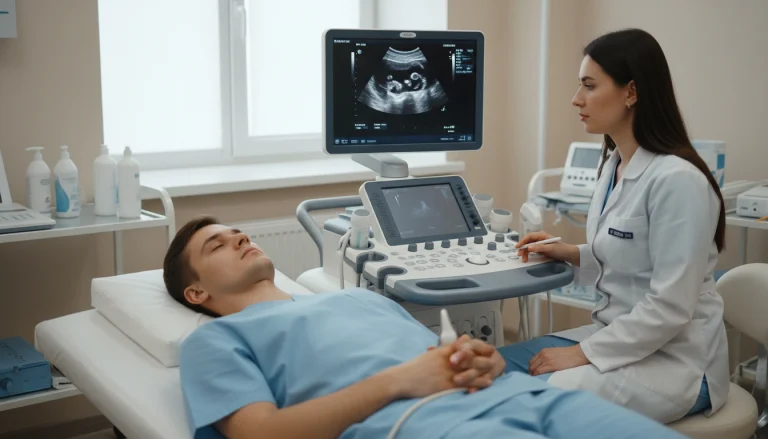
Ultrasound is the preferred imaging modality for diagnosing hernias in children. It is non-invasive and does not involve radiation.
MRI
In complex cases where diagnosis is unclear or complications need assessment, MRI is used. Its use is less common due to the need for sedation in young children and its higher cost.
CT Scan Considerations
Computed Tomography (CT) scans are generally avoided in pediatric patients due to radiation concerns. They may be used in specific situations where the benefits outweigh the risks.
Differential Diagnosis
Distinguishing hernias from other conditions that may present similar symptoms is critical.
Hydrocele
A hydrocele, an accumulation of fluid around a testicle, can be mistaken for a hernia. Ultrasound can help differentiate between the two conditions.
Lymphadenopathy
Enlarged lymph nodes can sometimes be confused with hernias, mainly in the groin area.
Testicular Torsion
This is a surgical emergency requiring immediate attention. It presents with acute pain and swelling and must be differentiated from a hernia.
Conservative Management Approaches
Not all hernias in children need immediate surgery. In some cases, conservative management can be effective. This method involves monitoring and non-surgical treatments to manage symptoms. It aims to potentially avoid surgery.
Watchful Waiting Protocol
A watchful waiting protocol involves regular monitoring of the hernia. It’s useful for small, asymptomatic hernias. This approach helps assess any changes or symptom development.
Monitoring Guidelines
Monitoring guidelines include regular physical exams and educating parents. Parents are taught to recognize signs that need immediate medical attention. They should watch for changes in hernia size, pain, or discomfort.
Manual Reduction Techniques
Manual reduction involves gently pushing the hernia back into its normal position. This technique offers temporary relief. It’s often used for reducible hernias.
When Conservative Management Is Appropriate
The suitability of conservative management depends on several factors. These include the child’s age and the type of hernia.
Age-Based Considerations
For younger children, conservative management is often recommended. This is due to the possibility of spontaneous closure or the risks of early surgery.
Type-Specific Approaches
Certain hernia types, like small umbilical hernias, may be managed conservatively. Others, like incarcerated hernias, may need immediate surgery.
Surgical Treatment Options
For many children diagnosed with hernias, surgical repair is the preferred treatment method to ensure a full recovery. Surgery is often recommended to prevent complications such as incarceration or strangulation of the hernia.
Open Hernia Repair
Open hernia repair is a traditional method that involves making a small incision in the abdomen to access and repair the hernia.
Traditional Techniques
This technique involves reinforcing the weakened area with mesh to prevent future hernias.
Recovery Timeline
The recovery time for open hernia repair varies, but most children can resume normal activities within a few weeks.
Laparoscopic Approaches
Laparoscopic surgery is a minimally invasive technique that uses small incisions and a camera to repair the hernia.
Benefits for Pediatric Patients
Laparoscopic approaches offer several benefits, including less postoperative pain and quicker recovery times.
Bilateral Repair Considerations
Laparoscopy allows for the examination and repair of both sides of the groin area, which can be beneficial for children with bilateral hernias.
Timing of Surgery Considerations
The timing of hernia surgery in children depends on several factors, including the type of hernia and the child’s age and health status.
Elective vs. Emergency Surgery
Most hernia repairs are elective procedures, but in cases of complications like incarceration or strangulation, emergency surgery may be required.
Age-Based Recommendations
The age at which surgery is recommended can vary; for instance, hernias diagnosed in infancy are often repaired before the child is discharged from the hospital.
- Surgical treatment options for pediatric hernias include open hernia repair and laparoscopic approaches.
- The choice between these methods depends on the hernia type, the child’s health, and the surgeon’s recommendation.
- Understanding the benefits and recovery process for each surgical option is critical for making informed decisions.
Preparing Your Child for Hernia Surgery
Preparing your child for hernia surgery is more than just medical prep; it’s about emotional support too. Making sure your child is both medically and emotionally prepared can greatly affect their surgery and recovery.
Age-Appropriate Explanations
It’s vital to explain the surgery in a way your child can grasp. For younger kids, keep it simple and reassuring.
- Use straightforward language to describe what will happen.
- Emphasize that the surgery is to make them feel better.
Using Books and Visual Aids
Books or visual aids can help kids understand the surgery better.
- Choose materials that are right for your child’s age.
- Visual aids can help clear up any mystery about the surgery.
Pre-operative Requirements
Knowing the pre-operative needs is key for a smooth surgery.
Fasting Guidelines
It’s important to follow the fasting guidelines given by your healthcare provider.
- Make sure your child knows why they can’t eat or drink before surgery.
- Plan meals ahead to avoid any last-minute problems.
Medication Adjustments
If your child takes medications, talk to your healthcare provider about any changes needed before surgery.
- Some medications might need to be stopped or changed before surgery.
- Keep a list of your child’s medications to discuss with the healthcare team.
Emotional Support Strategies
Offering emotional support to your child can lessen their anxiety and stress.
Hospital Familiarization
Getting your child familiar with the hospital can be very helpful.
- Consider a hospital tour before the surgery date.
- Meet with the healthcare team to answer any questions.
Comfort Items
Letting your child bring a comfort item to the hospital can offer reassurance.
- Choose an item that’s okay according to hospital policy.
- A familiar item can provide emotional comfort.
Post-Surgical Care and Recovery
Proper post-surgical care is essential for children recovering from hernia surgery. This period is critical for preventing complications and promoting healing.
Hospital Stay Expectations
The length of hospital stay after hernia surgery varies. It depends on the procedure type and the child’s health. Most hernia repairs are done on an outpatient basis.
Pain Management for Children
Effective pain management is vital for children’s comfort and recovery after surgery. It involves medication and non-pharmacological approaches.
Medication Options
- Acetaminophen
- Ibuprofen
Non-Pharmacological Approaches
- Rest
- Distraction techniques
Activity Restrictions by Age Group
Activity levels should be adjusted based on the child’s age and surgery type. Generally, strenuous activities should be avoided for a few weeks.
Wound Care Instructions
Proper wound care is essential to prevent infection and promote healing.
Bathing Guidelines
Children can usually bathe within 24-48 hours after surgery. It’s essential to follow specific instructions from the healthcare provider.
Dressing Changes
Dressings should be changed as directed by the healthcare provider. This keeps the wound clean and dry.
Potential Complications After Hernia Repair
Hernia repair surgery is generally safe but comes with several possible complications. It’s vital for parents to understand these risks to spot any issues early.
Infection Risks
Like any surgery, hernia repair carries a risk of infection. Look out for signs such as redness, swelling, and fever.
Warning Signs
- Increased pain at the surgical site
- Redness or swelling around the incision
- Fever over 100.4°F (38°C)
Recurrence Rates
There’s a concern about the hernia coming back after surgery.
Factors Affecting Recurrence
- Surgical technique used
- Surgeon’s experience
- Patient’s overall health
Long-term Complications
Long after surgery, complications like chronic pain and testicular atrophy in males can occur.
Chronic Pain
Persistent pain that lasts beyond the expected recovery period.
Testicular Atrophy in Males
A rare but possible complication, often seen in large hernias or complex surgeries.
Anesthesia-Related Concerns
Anesthesia use in surgery comes with risks, including respiratory and cardiac issues.
Special Considerations for Premature Infants
Managing hernias in premature infants is a complex task. It requires a deep understanding of their increased risk for complications.
Increased Susceptibility Factors
Premature infants face a higher risk of hernias. This is due to their underdeveloped abdominal muscles and other birth-related factors.
Treatment Modifications
When treating hernias in premature infants, standard protocols often need adjustments. This includes careful planning for the timing of surgery and anesthesia.
Timing of Intervention
The timing of surgery is a critical decision. It hinges on the infant’s health and the risk of complications.
Anesthesia Considerations
Anesthesia for premature infants demands specialized care. Their sensitive physiological state requires a tailored approach.
Monitoring Protocols
Close monitoring is vital for premature infants undergoing hernia treatment. It’s essential before and after surgery to quickly spot any complications.
Concurrent Medical Conditions
Premature infants often have other health issues. These need to be managed alongside hernia treatment, adding complexity to their care.
Myths and Misconceptions About Pediatric Hernias
Several myths surround hernias in children, causing worry for many parents. It’s important to debunk these misconceptions to ease concerns.
All Hernias Require Immediate Surgery
Not every child’s hernia needs immediate surgery. The urgency depends on the hernia’s type, size, and symptoms.
Hernias Always Cause Pain
Not all hernias cause pain. The severity of a hernia cannot be judged solely by pain presence or absence.
Children Will Outgrow All Hernias
Some hernias, like umbilical ones, might close naturally as a child grows. Yet, inguinal hernias usually need surgery and won’t disappear on their own.
Lifting Restrictions for All Children
Adults often face lifting bans post-hernia surgery, but children’s needs differ. Activity limits depend on the child’s health and the surgeon’s advice.
Navigating the Healthcare System
When a child is diagnosed with a hernia, navigating the healthcare system becomes a top priority for parents. This process involves understanding when to seek care from a pediatrician versus a specialist, managing insurance coverage, and preparing for consultations with healthcare professionals.
When to See a Pediatrician vs. Specialist
Parents should first consult a pediatrician for an initial assessment. If a hernia is diagnosed, the pediatrician may refer the child to a specialist, such as a pediatric surgeon, for further evaluation and treatment.

Insurance Coverage Considerations
Understanding insurance coverage is critical. Parents should verify what is covered under their plan, including diagnostic tests, surgical procedures, and follow-up care.
Questions to Ask Your Child’s Surgeon
Preparing a list of questions for the surgeon can help parents feel more informed. Key questions include the type of surgery recommended, possible risks, and post-operative care instructions.
Getting a Second Opinion
In some cases, parents may want to seek a second opinion. This can provide additional insight into the diagnosis and treatment options, helping parents make informed decisions about their child’s care.
Long-term Outlook for Children with Hernias
Children who undergo hernia repair generally have a positive long-term outlook. The chance of recurrence depends on the hernia type and surgery method. For example, inguinal hernias rarely come back after laparoscopic surgery.
Recovery from hernia surgery in kids is usually quick. Most can get back to normal activities within weeks. It’s important for parents to watch for any signs of complications like infection or recurrence. They should also follow the surgeon’s post-operative instructions carefully.
Knowing the long-term outlook for children with hernias can ease parents’ worries. It prepares them to provide the necessary care and support during recovery.
FAQ
Q: What is a hernia in children?
A: A hernia in children happens when an organ or tissue pushes through a weak spot in the muscle or connective tissue. This usually keeps it in place.
Q: What are the most common types of hernias in pediatric patients?
A: The most common hernias in kids are inguinal, umbilical, femoral, epigastric, and diaphragmatic hernias.
Q: What causes hernias in children?
A: Hernias in children can stem from developmental issues, increased abdominal pressure, or connective tissue disorders.
Q: How are hernias diagnosed in children?
A: To diagnose hernias in kids, doctors use physical exams like the Valsalva maneuver. They also use imaging studies like ultrasound, MRI, or CT scans.
Q: What are the symptoms of a hernia in children?
A: Symptoms of a hernia in kids include visible bulges or lumps, pain, and discomfort. Behavioral changes also vary by age.
Q: When do hernias become dangerous in children?
A: Hernias can become dangerous if they become incarcerated or strangulated. This can lead to bowel obstruction and requires immediate medical attention.
Q: What are the treatment options for hernias in children?
A: Treatment options for hernias in kids include watchful waiting, manual reduction, open repair, and laparoscopic approaches. The choice depends on the hernia type and the child’s age.
Q: How can I prepare my child for hernia surgery?
A: To prepare your child for hernia surgery, explain the procedure in a way they can understand. Follow pre-operative requirements and provide emotional support.
Q: What is the long-term outlook for children who have undergone hernia repair?
A: The long-term outlook for kids who have had hernia repair is generally good. The risk of recurrence is low. It depends on the hernia type and the child’s health.
Q: Are there any special considerations for premature infants with hernias?
A: Premature infants with hernias need special care due to their higher risk of complications. They may require modified treatment approaches.
Q: Can children outgrow hernias?
A: Some hernias, like umbilical hernias, may close on their own as the child grows. Others may need surgery.
Q: How can I manage my child’s pain after hernia surgery?
A: Managing pain after hernia surgery in kids involves medication and non-pharmacological methods. Comfort measures and activity restrictions are key.