Herniated Disc: What Is a Herniated Disc?
A herniated disc is a common condition affecting the spine, leading to discomfort and pain. It happens when the soft inner gel of the disc leaks out through a tear in the outer disc. The causes of a herniated disc vary, but it often results from wear and tear, injury, or strain on the spine. Symptoms include back pain, numbness, tingling, or weakness in the legs.
Fortunately, several treatment options are available to alleviate symptoms and address the condition. Understanding the causes, symptoms, and treatment options is key to effective management. Understanding what a herniated disc is is key to grasping its impact on spinal health. This condition affects the spinal column. It’s vital to know its definition and how common it is to fully appreciate its effects.
Definition and Terminology
A herniated disc, also known as a slipped or ruptured disc, happens when the soft inner gel leaks out. This leak occurs through a tear in the outer disc. It can lead to back and leg pain, as well as numbness.
The terms surrounding herniated discs can be confusing. Terms like “bulging disc,” “protruding disc,” and “extruded disc” are often used together. Yet, they have slightly different meanings.
How Common Are Herniated Discs?
Herniated discs are quite common, affecting a large number of people at some point. Research shows that 1% to 3% of the general population may experience a herniated disc. This condition is more common among adults aged 30 to 50.
The frequency of herniated discs can change based on several factors. These include lifestyle, occupation, and genetic predisposition.
Spinal Anatomy and Function
Understanding the anatomy of the spine is key to grasping spinal conditions like herniated discs. The spine is a complex structure. It supports the body, allows movement, and protects the nervous system.
Structure of the Spine
The human spine, or vertebral column, consists of 33 vertebrae. These are divided into cervical, thoracic, lumbar, sacral, and coccygeal sections. Each vertebra forms the spinal column, which has natural curvatures. These curvatures help distribute the body’s weight and stress.
Vertebrae protect the spinal cord, a vital part of the central nervous system. Between each vertebra, intervertebral discs act as shock absorbers. They also enhance spinal flexibility.
The Role of Intervertebral Discs
Intervertebral discs are essential for spinal health. They cushion the vertebrae, allowing for smooth movement and shock absorption. Each disc has a tough outer layer and a gel-like center.
The health of these discs is critical for spinal flexibility. As we age, discs can degenerate. This reduces their effectiveness, leading to spinal issues like herniated discs.
The Herniated Disc Process
The process of disc herniation is complex, involving several stages that can significantly impact spinal health. A herniated disc occurs when the outer layer of the spinal disc becomes damaged. This damage allows the gel-like interior to bulge out or leak into the surrounding area.
How Discs Herniate
Discs herniate due to various factors, including wear and tear, injury, or sudden strain on the spine. When the outer layer of the disc weakens or cracks, the inner gel-like substance can push through. This results in a herniation, putting pressure on nearby nerves. This pressure can lead to pain, numbness, or tingling sensations.
Stages of Disc Herniation
The stages of disc herniation vary but generally progress from minor bulging to more severe herniation. The stages include:
- Disc bulge: The disc begins to bulge outward, but the outer layer remains intact.
- Protrusion: The disc bulges further, and the outer layer may start to crack.
- Extrusion: The gel-like interior leaks out through a tear in the outer layer.
- Sequestration: A fragment of the disc breaks off and can migrate away from the parent disc.
Understanding these stages is critical for determining the appropriate treatment and managing symptoms effectively.
Common Causes of Herniated Discs
Grasping the reasons behind herniated discs is key to preventing and treating them. Various factors can impact the spine’s health and integrity, leading to these issues.
Age-Related Degeneration
Age is a major contributor to herniated discs. As we age, our intervertebral discs naturally undergo changes that can lead to degeneration. They lose hydration and elasticity, becoming more prone to cracks and tears. This weakening increases the risk of herniation.
Traumatic Injuries
Traumatic injuries can also lead to herniated discs. Sudden, forceful movements or accidents can stress the spine excessively, causing damage. For example, a fall or car accident can rupture or bulge a disc, putting pressure on nerves.
Repetitive Stress
Repetitive stress or strain is another common cause. Activities like repetitive lifting, bending, or twisting can continuously pressure the spinal discs. Over time, this can wear them down and lead to herniation. Jobs or activities involving heavy lifting or repetitive motions heighten the risk.
Knowing these causes can help individuals take preventive steps and seek the right treatment if symptoms appear.
Risk Factors for Developing a Herniated Disc
Understanding the risk factors for herniated discs is key to prevention and early treatment. Several factors can increase an individual’s risk of developing this condition.
Genetic Predisposition
Genetics significantly influence the risk of herniated discs. Those with a family history of back issues or spinal conditions are more at risk. Studies indicate that genetic factors can affect spinal disc structure and durability, making them more susceptible to herniation.
Lifestyle Factors
Lifestyle choices and habits greatly impact herniated disc risk. Smoking, lack of exercise, and poor posture can lead to disc degeneration and herniation. A healthy weight and regular physical activity can help reduce these risks.
Occupational Hazards
Certain jobs that involve heavy lifting, bending, or repetitive strain on the spine increase herniated disc risk. Occupations requiring manual handling of heavy objects or prolonged sitting or standing also pose risks. Employers can minimize these risks by implementing proper ergonomic practices and safety measures.
Symptoms of a Herniated Disc
A herniated disc can manifest through various symptoms, affecting individuals in different ways. Symptoms can range from mild to severe, depending on the location and extent of the herniation.
Pain Patterns and Characteristics
The pain associated with a herniated disc can vary significantly. It may be localized to the area of the herniation or radiate to other parts of the body. For instance:
- Lower back herniations can cause pain that radiates down to the legs.
- Neck herniations can lead to pain or numbness in the arms.
- The pain can be sharp, dull, or aching, and may worsen with certain movements.
Neurological Symptoms
In addition to pain, herniated discs can cause neurological symptoms due to nerve compression. These may include:
- Numbness or tingling sensations in the affected limbs.
- Muscle weakness, which can impact mobility and strength.
- In severe cases, loss of bladder or bowel control, which is a medical emergency.
Symptom Variations by Location
The location of the herniated disc significantly influences the symptoms experienced. For example:
- Cervical herniated discs can cause neck pain and radiating symptoms to the arms.
- Lumbar herniated discs often result in lower back pain and sciatica.
- Thoracic herniated discs are less common but can cause pain around the rib cage or upper back.
Understanding these symptom variations is key for accurate diagnosis and effective treatment planning.
Herniated Disc Locations and Their Specific Symptoms
Herniated discs can occur in various parts of the spine, including the cervical, thoracic, and lumbar regions. Each area has distinct symptoms. The location of a herniated disc significantly influences the type and severity of symptoms experienced by the patient.
Cervical Herniated Discs
Cervical herniated discs occur in the neck region. They can cause symptoms such as neck pain, radiating pain down the arms, numbness, tingling, and weakness in the shoulders or arms. The severity of these symptoms can vary depending on the exact location and size of the herniation.
- Neck pain or stiffness
- Radiating pain down the arms
- Numbness or tingling sensations
- Weakness in the shoulders or arms
Thoracic Herniated Discs
Thoracic herniated discs are less common and occur in the mid-back region. Symptoms can include mid-back pain, radiating pain around the chest or abdomen, and in severe cases, neurological symptoms such as numbness or weakness in the legs.
- Mid-back pain
- Radiating pain around the chest or abdomen
- Numbness or weakness in the legs (in severe cases)
Lumbar Herniated Discs
Lumbar herniated discs occur in the lower back and are the most common type. Symptoms often include lower back pain, radiating pain down the legs (sciatica), numbness, tingling, and weakness in the legs. The severity of symptoms can vary widely depending on the size and location of the herniation.
- Lower back pain
- Radiating pain down the legs (sciatica)
- Numbness or tingling sensations
- Weakness in the legs
Understanding the specific location and symptoms of a herniated disc is key for effective diagnosis and treatment. Each region’s unique characteristics and symptom profiles require tailored approaches to management and care.
Diagnosing a Herniated Disc
Diagnosing a herniated disc involves both physical and technological assessments. It’s essential for finding the right treatment. Accurate diagnosis is key.
Physical Examination
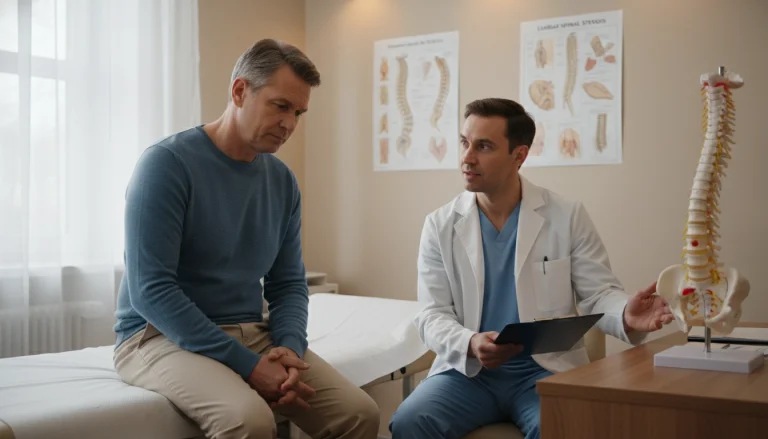
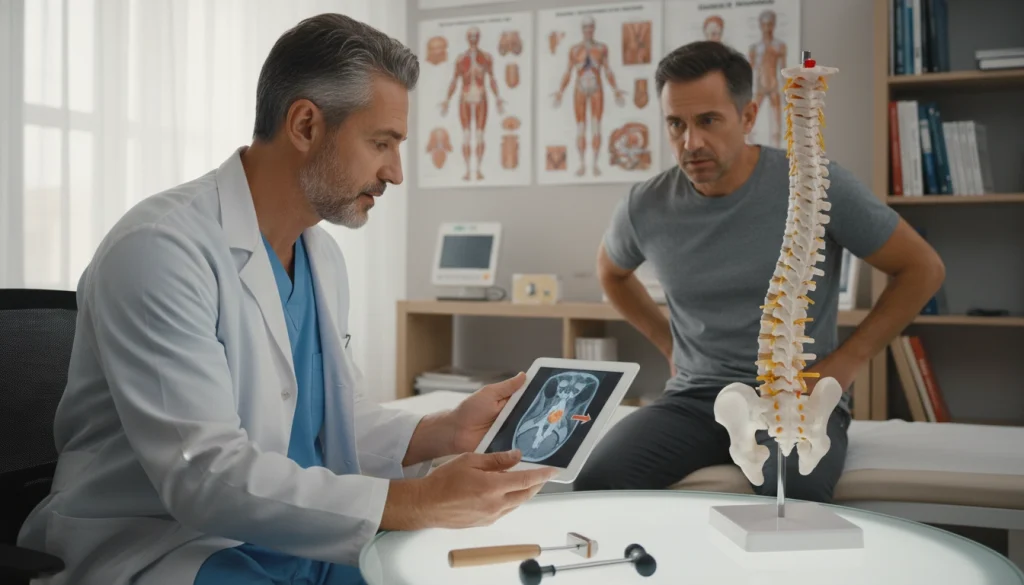
A physical examination is the first step in diagnosing a herniated disc. Healthcare providers check the patient’s range of motion, muscle strength, and reflexes. They also look for pain or discomfort when certain movements or pressure are applied.
This examination helps identify neurological deficits and narrow down the possible causes of symptoms.
Imaging Tests
Imaging tests are vital for confirming a herniated disc diagnosis. X-rays, Magnetic Resonance Imaging (MRI), and Computed Tomography (CT) scans are commonly used. MRI is best for seeing soft tissues like discs, nerves, and the spinal cord.
These tests give detailed images. They help healthcare providers understand the extent of the herniation and its effects on surrounding structures.
Neurological Assessments
Neurological assessments are critical for evaluating the impact of a herniated disc on the nervous system. These assessments include tests for sensation, muscle strength, and reflexes. They help identify any neurological deficits caused by the herniation.
By combining physical examinations, imaging tests, and neurological assessments, healthcare providers can make an accurate diagnosis. They can then develop an effective treatment plan tailored to the patient’s specific needs.
Non-Surgical Treatment Options
Non-surgical methods are often the first line of treatment for a herniated disc. These approaches aim to reduce pain and improve function. They help manage symptoms and enhance quality of life without surgery.
Rest and Activity Modification
Modifying activities is a key step in managing a herniated disc. It involves avoiding actions that worsen the condition. This includes regular breaks to rest, avoiding heavy lifting, and not bending or twisting.
Resting the back can decrease inflammation and ease pain. It’s essential to avoid strenuous activities and opt for gentle exercises. This helps the disc heal and maintains mobility without straining the spine.
Physical Therapy Approaches
Physical therapy is vital in treating herniated discs. A physical therapist creates a customized exercise plan. This plan strengthens the muscles around the spine, improves flexibility, and enhances posture.
Physical therapists also use manual therapy, like massage and joint mobilization, to relieve pain and improve spinal mobility. Heat or cold therapy may be used to manage pain and inflammation.
Medications for Pain Management
Medications are used to manage pain from a herniated disc. Over-the-counter pain relievers, such as ibuprofen or acetaminophen, can reduce pain and inflammation. For severe pain, stronger prescription medications may be needed.
Muscle relaxants are sometimes prescribed to manage muscle spasms. It’s critical to follow a healthcare provider’s advice when using these medications for safe and effective treatment.
Combining rest, physical therapy, and the right medication can help manage herniated disc symptoms. Many people find relief without needing surgery.
Interventional Treatments for Herniated Discs
When conservative treatments fail to ease herniated disc symptoms, interventional treatments become essential. These methods aim to offer relief to those who have not seen improvement with more traditional approaches.
Epidural Steroid Injections
Epidural steroid injections are a prevalent interventional treatment for herniated discs. They involve injecting corticosteroids into the epidural space around the spinal cord. This action reduces inflammation and eases pain. It’s often effective for patients experiencing radicular pain.
Other Injection Therapies
Aside from epidural steroid injections, other injection therapies are used to treat herniated discs. Facet joint injections and nerve root blocks target specific pain and inflammation areas. The choice of therapy depends on the patient’s symptoms and the disc’s location.
- Facet joint injections target the joints between the vertebrae.
- Nerve root blocks involve injecting medication around specific nerve roots.
Emerging Non-Surgical Interventions
Research into new non-surgical interventions for herniated discs is ongoing. Treatments like platelet-rich plasma (PRP) therapy and stem cell therapy aim to promote healing and reduce inflammation. While promising, more research is necessary to fully assess their effectiveness.
Surgical Options for Herniated Disc Treatment
For those with herniated discs, surgery might be the answer when other treatments don’t work. It’s considered when non-surgical methods fail to offer enough relief or if the condition is severe.
Microdiscectomy
Microdiscectomy is a minimally invasive surgery that removes the herniated disc part pressing on a nerve. It’s commonly used for lumbar herniated discs. The surgery is done under a microscope, allowing for precise removal of the disc material while keeping the surrounding tissue intact.
Laminectomy and Fusion Procedures
Laminectomy removes part or all of the lamina, a vertebrae portion, to relieve nerve or spinal cord pressure. Sometimes, a fusion procedure is added to stabilize the spine. This involves grafting bone between vertebrae to promote fusion.
Artificial Disc Replacement
Artificial disc replacement involves swapping the damaged disc with an artificial one. It’s considered for those with significant disc degeneration or herniation, mainly in the cervical or lumbar spine. The aim is to keep spinal mobility while easing pain and nerve pressure.
Each surgical option has its indications, benefits, and risks. The choice depends on the herniation’s location and severity, the patient’s health, and their symptoms.
Recovery After Herniated Disc Treatment
After treatment for a herniated disc, patients start a recovery phase that can last differently for everyone. This phase is key for getting back strength, mobility, and lowering the chance of future problems.
Expected Timeline for Recovery
The recovery time can change a lot based on the treatment, whether it was surgery or not, and the person’s health.
- Mild Cases: Patients with mild herniated discs treated without surgery might recover in a few weeks.
- Post-Surgical Recovery: Those who had surgery might take weeks to months to fully recover.
Rehabilitation Protocols
Rehabilitation is a vital part of getting better, focusing on bringing back function and strength to the affected area.
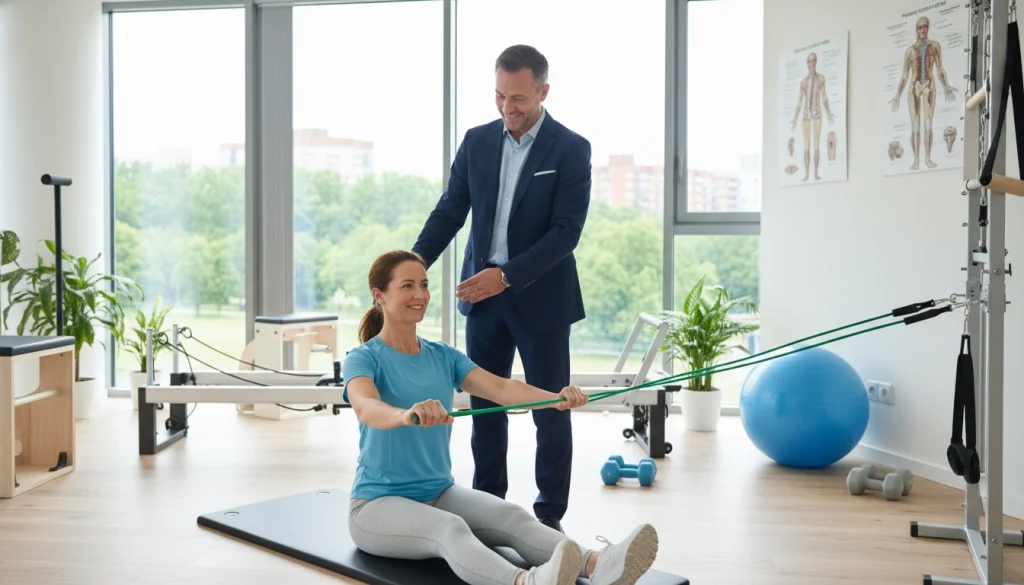
- Physical therapy to boost flexibility and strength.
- Slowly getting back to normal activities, avoiding heavy lifting or bending.
- Exercises to stabilize the spine and prevent future injuries.
Preventing Herniated Discs
To prevent herniated discs, a multi-faceted approach is necessary. This includes proper body mechanics, regular exercise, and a safe work environment. By implementing these measures, individuals can significantly lower their risk of developing a herniated disc.
Proper Body Mechanics
Maintaining proper body mechanics is key in preventing herniated discs. It involves being aware of posture, lifting techniques, and movement. When lifting, bending at the knees instead of the waist is essential. Keeping the object close to the body is also important. Good posture, whether sitting or standing, helps reduce spine strain.
Exercise and Core Strengthening
Regular exercise, focusing on core strengthening, can prevent herniated discs by supporting the spine. Strengthening abdominal and back muscles improves posture and lowers herniation risk. Yoga and Pilates are great for boosting flexibility and core strength.
Workplace Ergonomics
Workplace ergonomics is vital in preventing herniated discs, mainly for those with jobs involving heavy lifting, bending, or prolonged sitting. A well-set workspace promotes good posture, with the monitor at eye level and the chair adjusted for the lower back. Regular stretching breaks are also recommended.
Living With Chronic Disc Problems
Managing chronic disc problems demands a holistic approach to pain management and quality of life enhancement. Those affected must explore various treatments and lifestyle adjustments to lessen its effects.
Chronic disc issues stem from several causes, including aging, injuries, and repetitive strain on the spine. Identifying the root cause is essential for crafting an effective management strategy.
Pain Management Strategies
Effective pain management is key for those living with chronic disc problems. This involves a variety of methods, including medication, physical therapy, and alternative treatments like acupuncture or chiropractic care.
- Medications such as NSAIDs or muscle relaxants can help alleviate pain and discomfort.
- Physical therapy can improve mobility and strengthen the muscles around the affected disc.
- Alternative therapies like acupuncture or chiropractic adjustments may offer additional relief.
Lifestyle Adaptations
Medical treatments are not the only solution. Lifestyle changes also play a significant role in managing chronic disc problems. This includes maintaining a healthy weight, improving posture, and engaging in regular, low-impact exercise.
Making simple adjustments, such as taking regular breaks to stretch, can be beneficial. Learning proper lifting techniques and avoiding heavy lifting also helps reduce spinal strain.
By integrating these pain management strategies and lifestyle adaptations, individuals can better manage chronic disc problems. This approach can significantly enhance their quality of life.
When to See a Doctor for Back Pain
Identifying red flags in back pain is critical to know when to seek medical help. Back pain can vary from a minor issue to a severe problem. While most back pain can be managed at home, some cases need professional attention.
Red Flag Symptoms
Some symptoms with back pain are red flags, pointing to serious issues. These include:
- Severe pain that doesn’t improve with rest
- Loss of bladder or bowel control
- Fever or chills accompanying back pain
- Numbness, tingling, or weakness in the legs
Finding the Right Specialist
If you’re facing red flag symptoms or persistent back pain, finding the right specialist is key. Start with your primary care physician, who can refer you to a specialist if necessary. Specialists like orthopedic surgeons, neurologists, or pain management doctors offer targeted care for back pain.
Advances in Herniated Disc Treatment and Research
Recent years have brought significant progress in treating herniated discs, bringing hope to those affected. New surgical methods are now more effective and less invasive. These advancements are a major step forward in managing this condition.
Research into herniated discs has also made strides, uncovering the role of genetics, environment, and lifestyle. Studies reveal how these factors interact, leading to new treatment and prevention targets. This knowledge is vital for developing better care options.
Regenerative therapies stand out as a promising area of research. They aim to repair or replace damaged disc tissue. Early clinical trials show promising results, hinting at a future where such treatments could be common.
As our understanding of herniated discs grows, so will the effectiveness of treatments and prevention strategies. Healthcare providers are committed to staying updated on the latest research. This ensures they can offer the most advanced care to their patients.
FAQ
Q: What is a herniated disc?
A: A herniated disc happens when the soft center of the spinal disc leaks through a tear in the outer layer. This can irritate nearby nerves, leading to pain, numbness, or weakness in the back or legs.
Q: What are the common symptoms of a herniated disc?
A: Common symptoms include back pain and pain that spreads to the arms or legs. You might also feel numbness or tingling, or experience weakness in the affected area. The severity and type of symptoms vary based on the herniation’s location and size.
Q: How is a herniated disc diagnosed?
A: Diagnosis involves a physical exam, medical history, and imaging tests like MRI or CT scans. Neurological assessments are also used to check nerve function.
Q: What are the treatment options for a herniated disc?
A: Treatment options include conservative methods like rest, physical therapy, and pain medications. More invasive options include epidural steroid injections and, in some cases, surgery.
Q: Can a herniated disc heal on its own?
A: Some herniated discs can heal with conservative treatment, while others may need more aggressive treatments. The chance of self-healing depends on the herniation’s size, location, and individual factors.
Q: What is the difference between a herniated disc and a bulging disc?
A: A bulging disc occurs when the disc bulges out without a tear. A herniated disc, on the other hand, involves a tear that allows the inner gel to leak out. Both can cause discomfort, but herniated discs are often more symptomatic.
Q: How can I prevent a herniated disc?
A: To prevent a herniated disc, maintain proper body mechanics and engage in regular exercise to strengthen your core. Also, ensure your workplace is safe and ergonomic.
Q: Are there any lifestyle changes that can help manage chronic disc problems?
A: Yes, managing chronic disc problems often involves maintaining a healthy weight, improving your posture, and doing exercises that strengthen your back and core muscles.
Q: When should I see a doctor for back pain?
A: Seek medical attention if you have severe pain, red flag symptoms like loss of bladder or bowel control, or if pain persists or worsens over time.
Q: What are the latest advances in herniated disc treatment?
A: Recent advances include emerging non-surgical interventions and improved surgical techniques. Ongoing research into herniated disc causes and management offers new hope for those affected.