Getting a breast cancer diagnosis can change your life. Chemotherapy is a key part of treatment. It uses drugs to kill cancer cells all over the body. The time you spend on chemotherapy can differ a lot. It depends on the cancer’s stage, the type of treatment, and your health. Knowing how long chemotherapy will last is important. It helps you get ready for the treatment. It also lets you plan your life around it. This way, you can get the care and support you need.
Understanding Breast Cancer Chemotherapy
It’s key for patients to grasp how breast cancer chemotherapy works. This treatment kills cancer cells using drugs. It’s a big part of fighting breast cancer, aiming to get rid of all cancer cells.
Chemotherapy for breast cancer uses strong medicines to find and kill cancer cells. Its main aim is to get rid of cancer cells and stop them from coming back. For more on breast cancer surgery, check out Acibadem International. They offer detailed info on different treatments.
The time needed for breast cancer chemotherapy varies. It depends on the cancer’s stage, the type of chemotherapy, and the patient’s health. Knowing the chemotherapy timeline helps patients prepare for their treatment.
Chemotherapy for breast cancer can be given in different ways. It might be before surgery (neoadjuvant chemotherapy) to make tumours smaller. Or it might be after surgery (adjuvant chemotherapy) to kill any cancer cells left. For metastatic breast cancer, it helps control the disease’s spread. Each type of chemotherapy has its own duration and schedule, which we’ll cover later.
How Long Is Chemotherapy Treatment For Breast Cancer
Knowing how long chemotherapy for breast cancer lasts is key for patients. It helps them get ready for the treatment ahead. The time it takes can change a lot, depending on many things.
Chemotherapy is a systemic treatment that kills cancer cells with drugs. How long you’ll be on chemotherapy depends on your breast cancer type, stage, and health. Usually, it lasts from a few months to several.
The treatment is counted in cycles, with breaks in between. Each cycle’s length and how often you get treatment changes. Some get chemotherapy every two weeks, others weekly.
Things like cancer stage, tumour size, and hormone status affect treatment length. Your age and health also play a part in how long you can handle chemotherapy.
Talking to your healthcare provider about your treatment plan is vital. This way, you can prepare for the journey and make care arrangements.
Factors That Determine Chemotherapy Duration
Several key factors determine how long chemotherapy lasts for breast cancer patients. It’s important for patients to know these factors to prepare for their treatment.
Cancer Stage and Tumour Size
The size and stage of the tumour greatly affect chemotherapy length. Larger tumours or those that have spread need longer treatment. Early-stage breast cancer might need less chemotherapy, while locally advanced or metastatic breast cancer may need more.
Hormone Receptor Status
The hormone receptor status of the tumour is very important. Tumours that are oestrogen receptor-positive (ER-positive) or progesterone receptor-positive (PR-positive) may need hormone therapy. This can change how long chemotherapy lasts. Patients with hormone receptor-positive tumours might have a different treatment plan than those without.
HER2 Status
The HER2 status of the tumour also affects chemotherapy duration. HER2-positive tumours are aggressive but can be treated with targeted therapies like trastuzumab. This can change the overall treatment plan and how long chemotherapy lasts.
Overall Health and Age
A patient’s overall health and age are key in deciding how long they can do chemotherapy. Older patients or those with health issues might need a different treatment plan. The goal is to make the treatment work well without being too hard on the patient.
Healthcare providers use these factors to make treatment plans that fit each patient. This helps make the treatment as effective and comfortable as possible.
Types of Chemotherapy for Breast Cancer
Chemotherapy is a common treatment for breast cancer. The type and length of treatment depend on several factors. These include the cancer’s stage, the patient’s health, and the tumour’s characteristics.
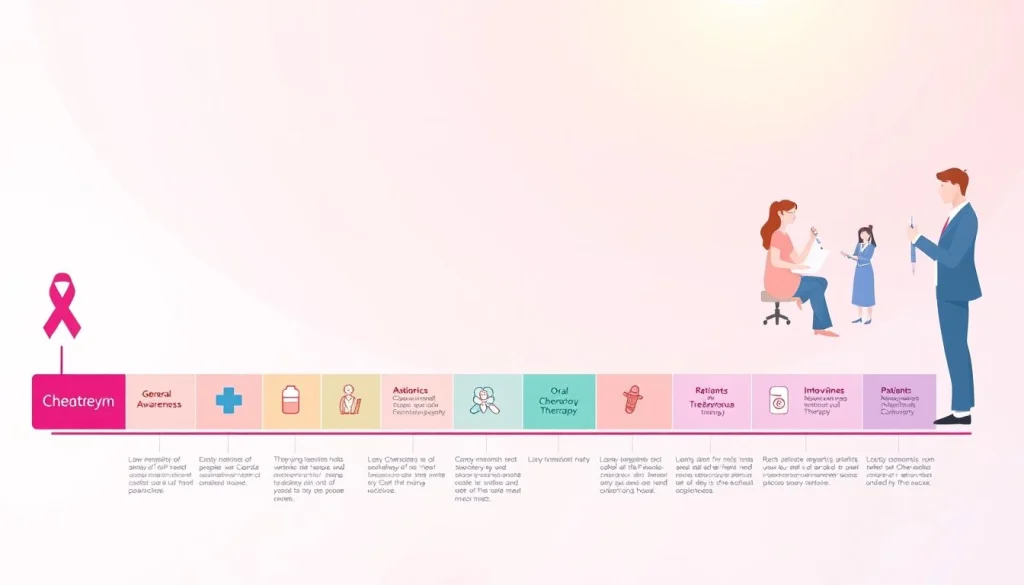
Neoadjuvant Chemotherapy
Neoadjuvant chemotherapy is given before the main treatment, usually surgery. Its main goal is to shrink the tumour. This makes it easier to remove surgically.
Benefits of Neoadjuvant Chemotherapy: It can reduce the need for extensive surgery. It also shows how well the chemotherapy works.
Adjuvant Chemotherapy
Adjuvant chemotherapy is given after surgery. It aims to kill any cancer cells left behind. This reduces the chance of cancer coming back.
Purpose of Adjuvant Chemotherapy: To lower the risk of cancer returning by killing any remaining cells.
Metastatic Chemotherapy
Metastatic chemotherapy is for breast cancer that has spread. It aims to control the cancer’s growth. It also helps manage symptoms and improve life quality.
Goals of Metastatic Chemotherapy: To manage symptoms, slow disease growth, and improve life quality.
Neoadjuvant Chemotherapy Duration and Timeline
Knowing how long neoadjuvant chemotherapy lasts is key for breast cancer patients. It’s given before surgery to make the tumour smaller. This makes it easier to remove surgically.
Typical Length of Neoadjuvant Treatment
The time for neoadjuvant chemotherapy varies. It depends on the cancer stage, the chemotherapy type, and the patient’s health. Usually, it lasts 3 to 6 months before surgery. The exact time is decided by the oncologist, based on the patient’s response and cancer details.
Goals and Benefits of Pre-Surgery Chemotherapy
Neoadjuvant chemotherapy has many benefits. It aims to shrink the tumour for easier removal. It also checks how the cancer reacts to the treatment.
This helps plan the treatment after surgery. If the chemotherapy works well, surgery might be less invasive. This could help keep more of the breast tissue.
Monitoring Response During Treatment
While on neoadjuvant chemotherapy, the patient’s progress is closely watched. This includes imaging tests and clinical checks. These help the oncologist see if the treatment is working.
They also help adjust the treatment plan if needed. This is vital for the best surgery preparation.
Adjuvant Chemotherapy Duration and Timeline
Knowing the timeline of adjuvant chemotherapy is key for breast cancer patients. This treatment is vital to kill any cancer cells left after surgery.
Standard Adjuvant Treatment Length
Adjuvant chemotherapy for breast cancer usually lasts 3 to 6 months. It depends on the treatment plan and how well the patient responds. Most plans use a mix of drugs, with breaks in between to let the body heal.
Common plans include AC-T and TAC. These names stand for the drugs used: Adriamycin, cyclophosphamide, Taxotere, Taxotere, Adriamycin, and cyclophosphamide. The choice depends on the cancer’s stage, hormone receptors, and HER2 status.
Post-Surgery Treatment Schedules
Chemotherapy starts a few weeks after surgery, when the patient is well enough. It’s given in an outpatient setting, with visits to the oncology clinic for treatment.
Patients are watched closely for side effects or complications. Blood tests and scans check how well the treatment is working. This helps adjust the plan if needed.
Long-Term Follow-Up After Adjuvant Therapy
After chemotherapy, patients start a long-term follow-up. They see their oncologist regularly, often every 3-6 months at first, then less often.
Regular check-ups are key to catch any signs of cancer coming back and manage treatment side effects. They also learn about lifestyle changes and healthy habits to lower the risk of cancer coming back and improve their health.
Chemotherapy Cycles and Schedules Explained
It’s key for breast cancer patients to grasp the schedule and cycles of chemotherapy. This treatment kills cancer cells with drugs. It’s given in cycles to let the body rest between treatments.
What Is a Chemotherapy Cycle
A chemotherapy cycle is a treatment period followed by rest. The cycle’s length changes based on the treatment and the patient’s health. Usually, it lasts from one to four weeks, with treatment on one or more days.
For example, a patient might get chemotherapy on the first day of a three-week cycle. Then, they rest for two weeks. This cycle repeats for the treatment’s duration.
During a cycle, the body faces the drugs’ side effects like fatigue and hair loss. The rest lets the body recover and rebuild healthy cells. The goal is to treat the cancer well while keeping side effects low.
Weekly Versus Every-Two-Week Schedules
Chemotherapy schedules vary, with treatments given weekly, every two weeks, or every three weeks. The frequency depends on the drugs, cancer type, and patient’s health. Weekly schedules are often for aggressive cancers to keep them under attack.
Other cancers might get treatments every two or three weeks. This allows for more recovery time between treatments. A patient’s schedule can change based on how they respond and handle side effects.
For example, a patient might have weekly treatments for a few weeks, then take a break. The schedule can adjust based on the patient’s health and treatment response. It’s vital for patients to work with their healthcare team to find the best schedule.
Rest Periods Between Cycles
Rest periods between cycles are key for the body to recover. This time lets the body rebuild healthy cells damaged by chemotherapy. The length of the rest period varies based on the treatment and patient’s health.
For more information on cancer treatments, visit https://acibademinternational.com/endometrial-cancer/. Knowing about treatment options and schedules helps patients make informed decisions.
Managing chemotherapy cycles and schedules well needs close monitoring and communication between the patient and healthcare team. Understanding chemotherapy cycles helps patients prepare for treatment challenges. It makes the treatment journey more manageable.
Common Chemotherapy Regimens and Their Durations
It’s important to know about different chemotherapy regimens for breast cancer. Each one has its own length and features. They are chosen based on the patient’s needs and the type of cancer.
AC-T Regimen Timeline
The AC-T regimen is a common treatment for breast cancer. It combines Adriamycin (doxorubicin) and Cyclophosphamide (AC) with Taxotere (docetaxel) (T). This treatment lasts 12 to 16 weeks.
First, AC is given every 2 or 3 weeks for four cycles. Then, T is given for four cycles.
TAC Regimen Duration
The TAC regimen includes Taxotere (docetaxel), Adriamycin (doxorubicin), and Cyclophosphamide. It’s given every 3 weeks for six cycles. This makes the total treatment time about 18 weeks.
TC Regimen Length
The TC regimen uses Taxotere (docetaxel) and Cyclophosphamide. It’s given every 3 weeks for four cycles. This makes the total treatment time around 12 weeks.
This regimen is often used for early-stage breast cancer patients.
Dose-Dense Chemotherapy Schedules
Dose-dense chemotherapy is given at shorter intervals, usually every 2 weeks. It uses growth factors to help the body recover. This method can be used for various regimens, including AC-T.
The total time for dose-dense chemotherapy can be similar to or slightly shorter than standard regimens. It depends on the specific protocol.
Each regimen has its own benefits and side effects. The choice depends on the cancer’s stage and type, and the patient’s health.
How Cancer Stage Affects Treatment Duration
It’s key to know how breast cancer stage impacts chemotherapy length. The cancer’s stage at diagnosis is a big factor for doctors when planning treatment.
Early-Stage Breast Cancer Treatment Length
Patients with early-stage breast cancer usually have shorter chemotherapy. Early-stage breast cancer treatments last about 3 to 6 months. The exact time depends on the treatment plan and how well the patient responds.
Locally Advanced Breast Cancer Duration
Locally advanced breast cancer is more serious. It has spread to nearby tissues or lymph nodes. Chemotherapy for this stage can last 6 to 9 months. It may include shrinking the tumour before surgery and more treatment after.
Metastatic Breast Cancer Treatment Timeline
Metastatic breast cancer has spread to distant parts of the body. Chemotherapy for this stage can go on for a long time. The aim is to control the cancer and improve life quality.
In summary, the cancer stage greatly affects chemotherapy duration. Knowing the cancer’s details and the patient’s health helps doctors create a treatment plan that fits.
Side Effects and Their Impact on Treatment Duration
It’s important to know about chemotherapy side effects to manage breast cancer treatment well. Chemotherapy targets cancer cells but can also harm healthy cells. This leads to various side effects.
Common Side Effects During Chemotherapy
Breast cancer patients on chemotherapy may face side effects like fatigue, nausea, hair loss, and increased risk of infections. These can affect how well a patient lives their life.
Fatigue is a common side effect that makes daily tasks hard. Nausea and vomiting can be treated with medicine, but they can really affect a patient’s mood.
When Treatment May Be Delayed
Chemotherapy might be delayed if side effects are severe. For example, if a patient gets a big infection or their blood counts drop too low, treatment will wait until they get better.
Delays help the body recover. Doctors decide this based on how the patient is doing.
Dose Modifications and Timeline Changes
If side effects are too bad, the chemotherapy dose might be changed. This could mean using less of the treatment or switching to something easier to handle.
Changes to the treatment plan can also happen. If a patient isn’t doing well, the doctor might change the chemotherapy schedule or type.
These changes aim to keep the treatment effective while making sure the patient can handle it. The goal is to finish the treatment safely and comfortably.
Monitoring Progress and Adjusting Treatment Length
Changing the length of chemotherapy treatment is a continuous process. It relies on regular checks. During breast cancer treatment, doctors watch how patients are doing closely. They adjust the treatment as needed.
Regular Blood Tests and Scans
Regular blood tests and scans are key in tracking patient progress. These tests help doctors see how well the treatment is working. They also spot any side effects early.
Blood tests check for cancer markers and how the body reacts to treatment. CT scans and PET scans show detailed images of the tumour. This helps doctors see how big it is and if it’s spreading.
Tumour Response Assessment
It’s important to see how the tumour reacts to chemotherapy. Doctors use imaging tests and clinical checks to assess this. A good response might mean the tumour gets smaller or even disappears.
When Treatment May Be Extended or Shortened
The length of chemotherapy can change based on the tumour’s response and the patient’s health. If the tumour is shrinking well, treatment might stay the same or even last longer. But if the tumour isn’t shrinking or side effects are bad, treatment could be shorter or changed.
The main aim is to make chemotherapy as effective as it can be. By keeping a close eye on how patients are doing and adjusting treatment, doctors can improve outcomes. This is true for those with breast cancer undergoing chemotherapy.
Recovery Time After Chemotherapy Completion
Finishing chemotherapy is a big step towards healing. It marks the start of a journey to regain strength. For breast cancer patients, it’s a milestone.
Immediate Post-Treatment Recovery
Right after chemotherapy, patients face many physical and emotional challenges. Fatigue is a common side effect that can last weeks or months. It’s key to rest and let the body heal slowly.
Other symptoms include hair loss, nausea, and changes in appetite. Some symptoms go away quickly, but others take longer. It’s important to talk to your healthcare team to manage these side effects.

Long-Term Recovery Timeline
The time it takes to fully recover varies. The type and length of chemotherapy, overall health, and other conditions affect recovery speed. It can take months to a year or more to feel fully back to normal.
Some side effects, like neuropathy or cognitive changes, can last. Regular check-ups with your healthcare provider are vital. They help monitor your progress and address any concerns.
Returning to Normal Activities
Getting back to normal activities is a slow process. Start with light activities and gradually increase them. It’s important to listen to your body and not rush.
Setting realistic goals and milestones can help. This includes going back to work, hobbies, or social activities. Support from family, friends, and groups is also key in the recovery journey.
What to Expect During Your Treatment Timeline
As a breast cancer patient, knowing what to expect during chemotherapy can reduce anxiety. Understanding the process and having support can greatly improve your experience.
Preparing for Your First Chemotherapy Session
Before your first session, it’s key to understand the treatment process and what to expect. Your healthcare team will give you all the details about the chemotherapy, side effects, and how to manage them. It’s also wise to:
- Arrange for someone to accompany you to the first session
- Prepare a list of questions to ask your healthcare provider
- Bring any necessary documents or items to the session
Being ready can ease some of the stress of starting chemotherapy.
Managing Your Schedule During Treatment
Chemotherapy for breast cancer can last several months. Managing your schedule well is key to keep your daily life running smoothly. This includes:
- Planning around your chemotherapy sessions
- Coordinating with your healthcare team regarding treatment dates and times
- Arranging for transportation to and from treatment sessions
Good scheduling helps you feel more in control and normal during treatment.
Support Systems and Resources
A strong support system is essential during chemotherapy. This can include:
- Family and friends who can provide emotional support
- Support groups, either in-person or online, where you can connect with others undergoing similar experiences
- Professional counseling services to help cope with the emotional aspects of treatment
Using these resources can help you cope better with chemotherapy’s challenges.
Knowing the duration of breast cancer chemotherapy and being prepared can greatly impact your experience. By preparing for your first session, managing your schedule well, and using support systems, you can face this challenging period with more confidence and less anxiety.
Conclusion
Knowing how long chemotherapy for breast cancer lasts is key for patients. It helps them get ready for what’s coming. The time needed for treatment changes a lot. This depends on the cancer’s stage, how big the tumour is, and if it has hormone receptors.
The length of chemotherapy for breast cancer can be anywhere from a few months to a year or more. Each person’s treatment plan is made just for them. Some treatments are shorter, while others go on for a long time.
Understanding what affects Breast Cancer Chemo Length helps patients plan better. Keeping an eye on how treatment is going and making changes as needed is important. With the right help and support, patients can handle their treatment well and get the best results.
FAQ
Q: How long is chemotherapy treatment for breast cancer?
A: Chemotherapy for breast cancer can last from a few months to several months. It depends on the cancer stage, type of treatment, and how well the patient responds.
Q: What factors influence the duration of breast cancer chemotherapy?
A: Several factors affect how long chemotherapy lasts. These include the cancer stage, tumour size, and hormone receptor status. The type of chemotherapy also plays a big role.
Q: How long does neoadjuvant chemotherapy typically last?
A: Neoadjuvant chemotherapy, given before surgery, usually lasts 3 to 6 months. This depends on the treatment plan and how well the patient responds.
Q: What is the standard duration for adjuvant chemotherapy?
A: Adjuvant chemotherapy, given after surgery, usually lasts 3 to 6 months. Some treatments may be longer or shorter.
Q: How are chemotherapy cycles and schedules determined?
A: Chemotherapy cycles and schedules depend on the treatment type, patient health, and goals. They can be weekly, every two weeks, or at other intervals, with breaks in between.
Q: What are some common chemotherapy regimens for breast cancer and their durations?
A: Common regimens include AC-T, TAC, and TC. Their durations vary from a few months to several months. Dose-dense chemotherapy can also affect treatment length.
Q: How does cancer stage affect chemotherapy treatment duration?
A: The cancer stage greatly affects treatment duration. Early-stage cancer may need shorter treatment. But locally advanced or metastatic cancer may require longer or more complex plans.
Q: Can side effects impact the length of chemotherapy treatment?
A: Yes, side effects can affect treatment duration. Severe side effects may cause delays or dose changes, potentially extending or shortening treatment.
Q: How is progress monitored during chemotherapy, and can treatment length be adjusted?
A: Progress is monitored through regular tests and scans. Based on these, treatment length can be adjusted. This helps achieve the best outcome.
Q: What can be expected during the recovery time after chemotherapy completion?
A: Recovery time varies. Patients can expect immediate recovery to take a few weeks to months. Long-term recovery can take several months to a year or more to return to normal activities.