Intraocular Lens: What Are Intraocular Lenses?
Cataract surgery has transformed ophthalmology, providing a highly effective solution for vision correction. The key component of this procedure is the artificial lens implantation. An intraocular lens is designed to replace the natural lens in the eye. It restores vision clarity and improves the quality of life for those with cataracts. Advances in medical technology have led to various intraocular lens types, each with unique features and benefits.
Understanding the different options available is essential for making informed decisions about cataract surgery. This knowledge is key to achieving optimal visual outcomes. Intraocular lenses (IOLs) are artificial lenses designed to replace the eye’s natural lens. They offer a corrective solution for those with cataracts or other vision impairments. These lenses are implanted inside the eye during cataract surgery. They focus light on the retina, restoring vision.
Definition and Basic Function
Intraocular lenses are medical devices implanted to replace the eye’s natural lens. This is done when the lens becomes cloudy due to cataracts or is damaged. The main role of an IOL is to focus light on the retina, enabling clear vision.
IOLs are crafted from materials like acrylic, silicone, and polymethylmethacrylate (PMMA). Each material has its own characteristics, affecting the lens’s performance and the patient’s outcome.
Historical Development of IOLs
The concept of intraocular lenses emerged in the mid-20th century. Over the years, there have been significant advancements.
Early Designs and Materials
The first IOL was implanted in 1949 by Sir Harold Ridley, a British ophthalmologist. Early IOLs were made from PMMA, a rigid plastic. These early designs were not foldable, requiring larger incisions. This sometimes led to complications.
Modern Evolution
Over time, IOL design and materials have seen major improvements. Modern IOLs are often foldable, allowing for smaller incisions. This reduces the risk of complications. Advanced materials and designs, such as multifocal and toric IOLs, offer better visual outcomes for various vision needs.
How Intraocular Lenses Work
Understanding IOLs is key to appreciating their role in eye surgery. These lenses replace the natural lens, often clouded by cataracts or damaged. By mimicking the natural lens, IOLs restore clear vision, significantly improving patients’ quality of life.
Replacing the Natural Lens
The natural lens focuses light on the retina, essential for vision. When it becomes cloudy or damaged, vision problems arise. IOLs, implanted during surgery, replace the natural lens, restoring focus.
For more on cataracts and their effects, visit this resource.
The surgery involves removing the damaged lens and inserting an IOL. Made from biocompatible materials, the IOL harmonizes with the eye’s structures.
Focusing Light on the Retina
The main function of an IOL is to focus light on the retina, enabling clear vision. This is achieved through optical principles that govern light behavior as it passes through the lens.
Optical Principles
The optical principles behind IOLs involve manipulating light rays to converge correctly on the retina. This is done through the lens’s curvature and material properties. The
Visual Processing
Once light is focused on the retina, visual information is sent to the brain for processing. IOLs are designed to work with the eye’s structures to optimize visual processing. This provides patients with clear and sharp vision.
Types of Intraocular Lenses
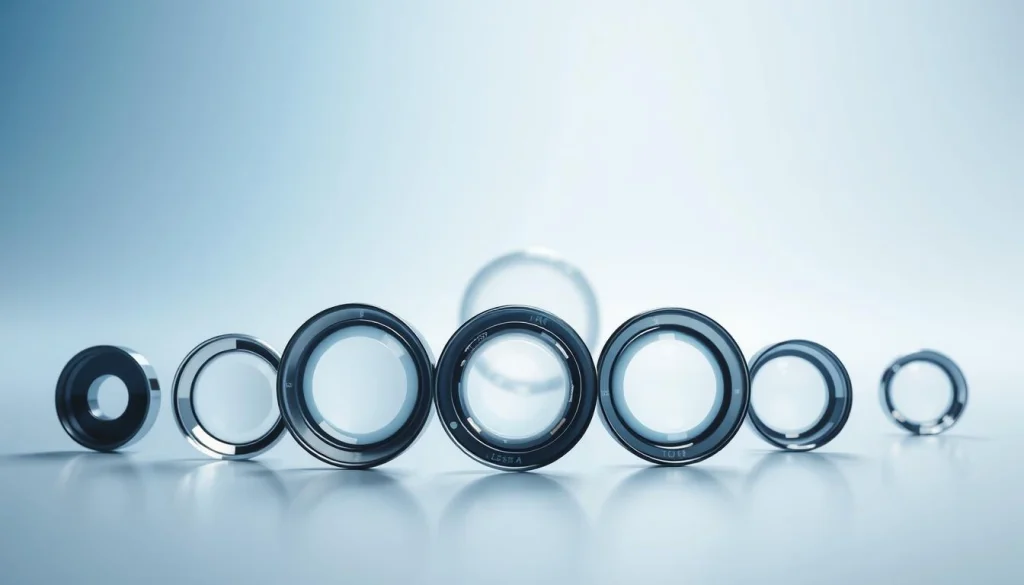
Intraocular lenses (IOLs) have transformed cataract surgery and vision correction, providing a variety of options for patients. The selection of IOL depends on several factors. These include the patient’s lifestyle, the severity of their cataract, and any other eye conditions they may have.
Monofocal IOLs
Monofocal IOLs are the most frequently used intraocular lenses. They are crafted to offer clear vision at one specific distance, whether near, intermediate, or far. Most patients opt for monofocal IOLs set for distance vision. This allows them to use glasses for reading or other near tasks. For more information on cataract surgery and its impact on vision, you can visit Acibadem International.
Multifocal IOLs
Multifocal IOLs are engineered to provide vision at multiple distances, potentially reducing the need for glasses post-surgery. These lenses distribute light across different parts of the lens, enabling near, intermediate, and far vision. While multifocal IOLs can significantly lessen dependence on glasses, some patients may experience halos or glare at night.
Accommodating IOLs
Accommodating IOLs are designed to interact with the eye’s natural focusing mechanism, aiming for a more natural range of vision. These lenses move with the eye’s muscles to focus on objects at different distances. This can potentially reduce the need for glasses. Accommodating IOLs are a suitable choice for patients who wish to maintain their ability to focus on objects at various distances.
Toric IOLs for Astigmatism
Toric IOLs are tailored for patients with astigmatism, a condition where the cornea or lens of the eye is irregularly shaped, leading to blurred vision. Toric lenses are crafted to correct this irregular curvature. They provide clear distance vision and can reduce or eliminate the need for glasses or contact lenses for distance vision.
Each type of intraocular lens offers unique benefits and may have certain drawbacks. The selection of IOL should be made in consultation with an ophthalmologist. This ensures the choice aligns with the patient’s specific needs and eye health.
Materials Used in Intraocular Lens Manufacturing
Intraocular lenses are crafted from diverse materials, each with unique properties and advantages. The material selection is critical for the lens’s functionality, longevity, and eye compatibility.
Acrylic Materials
Acrylic is a prevalent choice for intraocular lenses, prized for its superior optical quality and biocompatibility. Its foldable nature allows for smaller incisions during surgery, promoting quicker healing. Acrylic lenses also minimize the risk of certain complications.
Silicone Options
Silicone intraocular lenses provide a viable alternative for patients. They stand out for their flexibility and have been successfully employed in various clinical scenarios. Known for their optical clarity, silicone lenses are often selected for specific cases where their attributes are advantageous.
PMMA and Other Materials
PMMA (Polymethylmethacrylate) was among the first materials used for intraocular lenses. Though less common today due to its rigidity, requiring larger incisions, it remains applicable in certain contexts. Ongoing research and development aim to enhance intraocular lens implantation outcomes with newer materials.
Common Eye Conditions Treated with Intraocular Lenses
Intraocular lenses (IOLs) have become a cornerstone in treating eye conditions that were once difficult to manage. These conditions can severely impact a person’s quality of life, affecting their vision and overall health. The introduction of IOLs has transformed ophthalmology, providing a reliable and efficient treatment option.
Cataracts
Cataracts are a prevalent condition treated with IOLs. They occur when the eye’s natural lens becomes cloudy, impairing vision. IOLs replace the cloudy lens, restoring clear vision. The procedure involves removing the cataractous lens and implanting an IOL, which becomes a permanent part of the eye.
- Cataract surgery is one of the most frequently performed surgeries worldwide.
- Intraocular lenses have significantly improved the outcomes of cataract surgery.
- Patients can expect a substantial improvement in their vision post-surgery.
Presbyopia
Presbyopia is an age-related condition where the eye’s natural lens loses flexibility, making it hard to focus on close objects. Multifocal IOLs can correct presbyopia, allowing the eye to focus on objects at various distances. This provides patients with greater independence from glasses.
- Multifocal IOLs are designed to provide a full range of vision.
- These lenses reduce the need for reading glasses or bifocals.
- Patients experience improved near, intermediate, and far vision.
High Refractive Errors
High refractive errors, including nearsightedness and farsightedness, can be effectively managed with IOLs. Toric IOLs are designed to correct astigmatism, a common refractive error. These lenses are customized to the individual’s specific needs, providing clear vision without the need for thick glasses.
Aphakia
Aphakia refers to the absence of the lens in the eye, often resulting from cataract surgery without IOL implantation or lens displacement. IOLs can correct aphakia by replacing the missing lens, restoring vision.
In conclusion, IOLs are a versatile treatment option for various eye conditions, significantly improving patients’ quality of life. By understanding the different types of IOLs available and their applications, individuals can make informed decisions about their eye care.
The Intraocular Lens Implantation Procedure
Intraocular lens implantation is a highly specialized surgical procedure that demands precision and expertise. It has become a cornerstone in treating cataracts and other vision-correcting surgeries.
Pre-Surgical Evaluation
Before undergoing intraocular lens implantation, patients must undergo a thorough pre-surgical evaluation. This evaluation includes a series of tests to assess the patient’s overall eye health, the severity of their cataract, and the most suitable intraocular lens for their needs.
- Corneal topography to map the surface of the cornea
- Biometry to measure the length of the eye and the curvature of the cornea
- Wavefront aberrometry to assess the optical quality of the eye
Surgical Techniques
The surgical technique for intraocular lens implantation has seen significant advancements. These advancements in technology have led to more precise and less invasive procedures.
Phacoemulsification
Phacoemulsification is the most common technique used today. It involves breaking up the cataractous lens with ultrasonic waves and then removing the fragments.
Femtosecond Laser-Assisted Surgery
Femtosecond laser-assisted surgery is a more recent innovation. It uses a laser to create precise incisions and break up the cataract. This offers potentially greater accuracy and faster recovery.
Anesthesia Options
Anesthesia for intraocular lens implantation can vary. Options include topical anesthesia, local anesthesia, and general anesthesia, depending on the patient’s health and preferences.
- Topical anesthesia involves numbing the surface of the eye with eye drops.
- Local anesthesia involves injecting anesthetic around the eye to numb the area.
- General anesthesia is used in some cases, for patients who may have difficulty remaining calm during the procedure.
Recovery After Intraocular Lens Surgery
The recovery process after intraocular lens implantation is key to achieving the best visual results. Patients receive detailed instructions to aid in a smooth recovery.
Immediate Post-Operative Care
Immediate care after surgery is critical to prevent complications and aid healing. Patients are usually told to rest for the rest of the day and avoid strenuous activities. Eye drops are given to prevent infection and inflammation.
It’s important to follow the surgeon’s instructions for using these drops. Wearing a protective shield over the eye at night is also recommended to prevent accidental injury.
Long-Term Recovery Timeline
The recovery time for intraocular lens surgery varies, but most see significant improvements within weeks. Vision may be blurry or hazy right after surgery, but this usually clears up in a few days.
It can take up to a month for full visual recovery, as the eye adjusts to the new lens. Regular check-ups with the surgeon are essential to monitor healing and address any issues.
Activity Restrictions
Activity restrictions post-surgery are minimal but important to follow. Patients should avoid heavy lifting, bending, or strenuous exercise for a few weeks. Swimming and using hot tubs should be avoided for a couple of weeks to prevent infection.
- Avoid rubbing the eyes
- Use protective eyewear when necessary
- Follow the prescribed medication regimen
By following these guidelines, patients can ensure a successful recovery and enjoy the benefits of their intraocular lens.
Benefits of Intraocular Lens Implantation
Intraocular lens implantation has transformed the treatment of eye conditions, bringing significant benefits to patients. This surgery replaces the natural lens with an artificial one. It greatly enhances vision and improves overall quality of life.
Improved Vision Quality
One key advantage of intraocular lens implantation is the enhancement in vision quality. By accurately replacing the natural lens, these artificial lenses correct vision issues caused by cataracts and other refractive errors.
- Sharper vision
- Better color perception
- Reduced glare and halos
Reduced Dependence on Glasses
Intraocular lens implantation significantly reduces a patient’s reliance on glasses or contact lenses. The type of intraocular lens used can lead to a notable decrease in the need for corrective eyewear.
Some intraocular lenses are designed for multifocal vision. They enable patients to see clearly at various distances.
Long-Term Vision Solution
Intraocular lenses provide a long-term vision correction solution. Once implanted, they offer stable and consistent vision for years, often for a patient’s entire life.
The durability and effectiveness of intraocular lenses make them a preferred choice for those seeking a permanent vision correction solution.
Potential Risks and Complications
Intraocular lens implantation is generally safe, but it’s vital to know the possible risks and complications. Like any surgery, there are side effects and complications, ranging from mild to severe. Understanding these can help manage expectations and outcomes.
Common Side Effects
Patients may face common side effects after the procedure. These include:
- Blurry vision
- Dry eye
- Infection
- Inflammation
- Temporary increase in eye pressure
Most of these side effects are temporary and can be managed with proper care. Following your ophthalmologist’s instructions is key to minimizing these risks.
Serious Complications
Though rare, serious complications can occur. These may include:
- Retinal detachment
- Endophthalmitis (a severe inflammation of the interior of the eye)
- Dislocation of the intraocular lens
- Chronic inflammation
These complications can impact the surgery’s outcome and may need additional treatment. It’s important to recognize symptoms and seek immediate medical attention if they occur.
Managing Complications
Effectively managing complications is essential for a successful outcome. This involves:
- Regular follow-up appointments with the ophthalmologist
- Adherence to prescribed medications
- Prompt reporting of any unusual symptoms
By understanding risks and complications and taking proactive steps, patients can minimize risks. This approach helps achieve the best possible outcome from intraocular lens implantation surgery.
Advancements in Intraocular Lens Technology
Intraocular lens technology has seen significant advancements, transforming cataract surgery and vision correction. These innovations have led to better outcomes and more options for those undergoing eye surgery.
Light-Adjustable Lenses
Light-adjustable lenses mark a major leap in intraocular lens technology. They can be fine-tuned post-implantation to correct vision precisely. This allows for accurate correction of refractive errors.
Extended Depth of Focus IOLs
Extended Depth of Focus (EDOF) IOLs offer a continuous range of vision, from near to far. This reduces the need for glasses, improving visual acuity and quality of life for patients.
Smart IOLs and Future Innovations
Smart IOLs lead the charge in innovation, integrating technology for real-time vision correction monitoring. Future advancements are expected to enhance intraocular lens capabilities even further.
Customized Wavefront Technology
Customized wavefront technology enables personalized intraocular lenses, tailored to each individual’s eye characteristics. This ensures optimal vision correction and boosts patient satisfaction.
The future of intraocular lens technology is promising, with ongoing research and development. These efforts aim to improve outcomes and expand treatment options for various eye conditions.
Cost and Insurance Considerations for Intraocular Lens Surgery
Those pondering intraocular lens surgery often seek clarity on costs and insurance. Grasping these financial elements is vital for a well-informed choice.
Average Costs in the United States
Intraocular lens surgery costs in the U.S. can differ greatly. The type of lens, surgeon’s fees, and location all play a role in pricing.
- Basic monofocal lenses: $3,000 – $5,000 per eye
- Premium multifocal or accommodating lenses: $4,000 – $6,000 per eye
- Advanced technology lenses: $5,000 – $7,000 per eye
These figures encompass the surgeon’s fee, facility costs, and the lens itself.
Insurance Coverage Options
Insurance for intraocular lens surgery varies by plan. Medicare and most private plans cover standard cataract surgery and basic lens implantation.
Important considerations include:
- Medicare covers monofocal lenses but may not cover premium lenses.
- Private insurance plans offer varying coverage levels.
- Advanced lens costs may be out-of-pocket.
Financing and Payment Plans
For those worried about initial costs, numerous financing and payment plans exist. These options can make surgery more accessible.
Common options include:
- Monthly payment plans from surgical centers
- Healthcare credit cards
- Financing through third-party providers
Talking with the surgeon’s office about these plans can help find the most suitable option for your budget.
Choosing the Right Intraocular Lens for Your Needs
Choosing the right intraocular lens (IOL) is a critical decision that affects your vision and quality of life post-cataract surgery. With the latest in IOL technology, patients have a range of options tailored to various visual needs.
Lifestyle Considerations
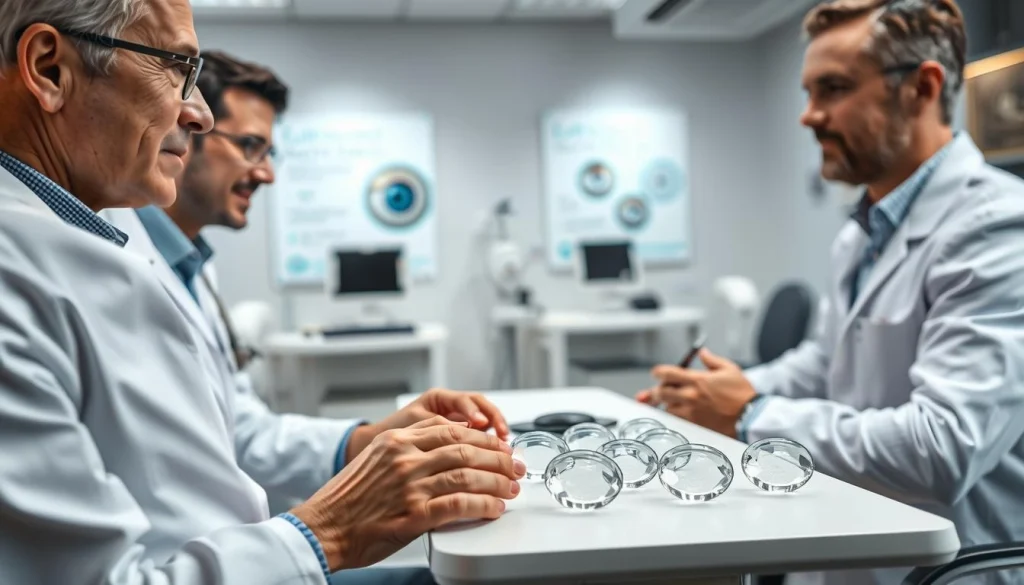
When selecting an IOL, your lifestyle and daily activities are key factors. For example, avid readers or those who engage in activities requiring varied focus might benefit from multifocal IOLs. On the other hand, individuals who frequently drive at night may prefer monofocal lenses to reduce glare and halos.
- Assess your daily activities and hobbies.
- Consider your work environment and visual demands.
- Discuss your lifestyle with your ophthalmologist to determine the best IOL for your needs.
Visual Goals and Expectations
Understanding your visual goals is essential in picking the right IOL. Some may prioritize distance vision, while others need correction for near or intermediate vision. Accommodating IOLs, for instance, are designed to mimic the eye’s natural focusing, providing a broader range of vision.
- Identify your primary visual needs (distance, near, intermediate).
- Discuss your expectations with your ophthalmologist.
- Consider the possibility of spectacle independence.
Consulting with Your Ophthalmologist
Consulting with your ophthalmologist is a vital step in choosing the right IOL. They will evaluate your eye health, discuss your lifestyle and visual goals, and suggest the most fitting IOL for your needs.
By collaborating with your ophthalmologist, you can make an informed choice. This collaboration ensures the best possible outcome from your cataract surgery.
Selecting a Qualified Surgeon for Intraocular Lens Implantation
Choosing the right surgeon for intraocular lens implantation is a critical step. The success of the procedure heavily relies on the surgeon’s expertise and experience.
To find the ideal surgeon, several factors must be considered. Here are key aspects to focus on:
Credentials to Look For
A qualified surgeon must have the right credentials and training in ophthalmology. Look for:
- Board certification in ophthalmology
- Fellowship training in cataract and refractive surgery
- Experience with intraocular lens implantation procedures
Questions to Ask Your Surgeon
It’s vital to ask the right questions before making a decision. Consider asking:
- What experience do you have with intraocular lens implantation?
- What are the possible risks and complications?
- What type of intraocular lens do you recommend for my specific needs?
Reading Reviews and Testimonials
Reading reviews and testimonials from previous patients offers valuable insights. Look for reviews on:
- Reputation on healthcare review websites
- Testimonials on the surgeon’s website
- Word of mouth from friends, family, or other healthcare professionals
By evaluating a surgeon’s credentials, asking the right questions, and considering patient experiences, you can make an informed decision. This will help you achieve the best possible outcome for your intraocular lens implantation.
Living with Intraocular Lenses: Long-Term Outcomes and Quality of Life
Patients who undergo intraocular lens (IOL) implantation often see a significant boost in their quality of life. The long-term results of IOL surgery are mostly positive. Many individuals enjoy clear vision and a reduced need for glasses.
Research indicates that IOLs can offer stable and reliable vision correction over time. The success of long-term outcomes depends on proper preoperative evaluation, surgical technique, and postoperative care.
Advancements in IOL technology have led to a variety of lens options. These include monofocal, multifocal, and accommodating IOLs. The aim is to improve visual acuity and enhance overall quality of life.
By understanding the benefits and risks of IOLs, individuals can make informed decisions about their eye care. As technology advances, the future of IOLs looks bright. It promises improved outcomes and higher patient satisfaction.
FAQ
Q: What is an intraocular lens (IOL)?
A: An intraocular lens is a medical device implanted inside the eye. It replaces the natural lens, often to correct cataracts or other vision issues.
Q: How long do intraocular lenses last?
A: Intraocular lenses are made to be permanent, lasting a lifetime. Yet, in some cases, additional surgery might be needed to adjust or replace the lens.
Q: Are intraocular lenses covered by insurance?
A: Many intraocular lenses are covered by insurance, including Medicare. But, coverage can differ based on the specific insurance plan and the lens type.
Q: What are the different types of intraocular lenses available?
A: There are various intraocular lenses, like monofocal, multifocal, accommodating, and toric lenses. Each is designed for specific vision needs and conditions.
Q: Can IOLs correct astigmatism?
A: Yes, toric intraocular lenses are made to correct astigmatism. This condition occurs when the eye’s cornea or lens is irregularly shaped.
Q: How are intraocular lenses implanted?
A: Intraocular lenses are usually implanted during cataract surgery. This is done through phacoemulsification or with a femtosecond laser’s help.
Q: What is the recovery time after intraocular lens implantation?
A: Recovery times vary, but most can return to normal activities within days to a week post-surgery. Full recovery usually takes several weeks.
Q: Can intraocular lenses be adjusted after surgery?
A: Some lenses, like light-adjustable lenses, can be adjusted post-surgery. This fine-tunes the vision correction.
Q: Are there any risks or complications associated with intraocular lens implantation?
A: Like any surgery, intraocular lens implantation carries risks and complications. These include infection, inflammation, and visual disturbances, though rare.
Q: How do I choose the right intraocular lens for my needs?
A: Selecting the right intraocular lens involves considering lifestyle, visual goals, and needed correction. It should be done with an ophthalmologist’s guidance.