Periods don’t always follow a set timetable — they can come earlier than expected, arrive late, or sometimes be delayed without an obvious cause. Lifestyle factors such as stress, changes to diet or routine, and variations in body weight commonly affect the menstrual cycle; in some cases hormonal imbalances or underlying health conditions are responsible. A delayed period can be worrying, especially if you are trying to conceive or are concerned about your health. Many people try gentle, natural methods that may help encourage menstruation — from dietary tweaks to relaxation techniques — which we outline in this article. If you are experiencing very heavy bleeding, severe pain, or missed periods for several months, see the ‘When to See a Doctor’ section below or consult a clinician promptly. But first, let’s take a quick look at how the menstrual cycle works. If you’re wondering, Is Your Period Delayed?, we have natural methods to consider.
Understanding the Menstrual Cycle
The menstrual cycle typically lasts between 21 and 35 days, with an average cycle of around 28 days. Hormonal changes across the cycle control ovulation and menstruation; understanding the phases makes it easier to spot when something is unusual.
- Menstrual Phase (Days 1–5): The cycle begins with menstruation, when the uterine lining is shed because progesterone levels fall. Bleeding usually lasts three to seven days.
- Follicular Phase (Days 1–14): At the same time, the pituitary gland releases follicle-stimulating hormone (FSH), which encourages follicles to grow in the ovaries. One follicle matures and produces oestrogen, helping to thicken the uterine lining in preparation for possible pregnancy.
- Ovulation Phase (Around Day 14): A surge in luteinising hormone (LH) triggers the release of a mature egg from the ovary — this is the most fertile time in the cycle (ovulation).
- Luteal Phase (Days 15–28): After ovulation, the empty follicle becomes the corpus luteum and releases progesterone to maintain the lining. If fertilisation does not occur, progesterone and oestrogen levels fall and the next menstrual phase begins.
Quick timeline (for busy readers): menstrual bleeding → follicular build-up → ovulation (fertile window) → luteal maintenance. Changes in hormones, body weight, stress and lifestyle can alter the length of these phases and therefore affect period timing.
What Causes a Delayed Period?
A delayed period can result from a range of factors, from short-term lifestyle changes to longer-term medical conditions. Below are the most common causes grouped for clarity, with brief notes on what to do if each applies to you.
- Lifestyle factors — Stress and weight changes: High stress, rapid weight loss or gain, and restrictive diets can disrupt the hypothalamus (the brain centre that helps regulate hormones), causing irregular periods. If you suspect lifestyle causes, try reducing stress, stabilising weight and tracking your cycle; see a clinician if changes persist.
- Exercise and body fat: Intense physical activity or very low body fat — common in athletes — can lower oestrogen and stop ovulation. Moderating training and ensuring adequate nutrition often helps restore regular cycles.
- Hormonal conditions: Endocrine disorders such as polycystic ovary syndrome (PCOS) and thyroid disorders commonly cause irregular periods or missed periods; these conditions usually need medical assessment and targeted treatment.
- Contraception and medications: Hormonal birth control (pills, implants, injections) can alter cycle timing or cause skipped periods. Certain medicines — including some antidepressants or chemotherapy agents — may also affect menstruation. If you recently started or stopped medication or contraception, discuss timing and alternatives with your doctor.
- Life stages — Perimenopause and pregnancy: Approaching menopause (perimenopause) causes fluctuating cycles; conversely, pregnancy is a common and important cause of a missed period. If pregnancy is possible, take a test and seek care as appropriate.
- Medically significant causes: Certain chronic conditions — for example, diabetes, pituitary disorders or serious systemic illness — can disrupt hormones and cycle regularity; these require medical evaluation and management.
- When trying to conceive vs contraception users: If you are trying for a baby and notice missed or irregular periods, see a clinician earlier for advice on ovulation timing and fertility. If you use contraception and have unexpected changes, check the method’s instructions and speak to a healthcare professional before stopping or changing it.
If you have missed periods for several months, or if irregular periods are accompanied by other worrying symptoms (severe pain, heavy bleeding, sudden weight change, excess hair growth or persistent acne), see the ‘When to See a Doctor’ section below or consult your GP or a gynaecologist for assessment.
7 Methods to Induce Your Period
Several gentle, natural methods are commonly used to support menstrual health and may help when a period is slightly delayed — particularly if the cause is stress, recent lifestyle change or minor hormonal fluctuation. These techniques are not guaranteed to induce bleeding, and evidence varies; where scientific support is limited we note that the approach is traditional or has only anecdotal backing. Always consider safety first and consult a clinician if you have underlying conditions or are pregnant.
Aim to use the simplest, lowest-risk options first: modest diet changes, relaxation techniques and gentle exercise. Below each method we list a short note on evidence and a quick safety tip so you can judge whether it’s a good idea for you.
1. Healthy Diet
What it is: Eating nutrient-dense foods and ensuring you get enough healthy fats and calories can support hormone production and regular cycles. Practical choices include oily fish, nuts, seeds, avocados and whole grains. Papaya and pineapple are often cited in folk remedies — papaya for its carotene content and pineapple for bromelain — but scientific evidence for these foods specifically inducing a period is limited.
Evidence: traditional / limited clinical evidence.
How to do it safely: Aim for balanced meals and avoid extreme dieting or crash fasting; if you are trying to conceive or have a medical condition, speak to your GP or dietitian.
2. Herbal Stimulants
What it is: Herbs such as parsley, ginger, dong quai and raspberry leaf have traditional uses to support uterine tone or circulation. People commonly drink raspberry leaf tea or use ginger to stimulate circulation.
Evidence: mostly traditional / anecdotal; some herbs can have pharmacological effects and interactions.
How to do it safely: Do not take concentrated herbal supplements without professional advice. Avoid certain herbs if you are pregnant, on medication, or have hormone-sensitive conditions; check with a clinician first.
3. Heat Therapy
What it is: Applying warmth to the lower abdomen (hot water bottle, heating pad or warm bath) can relax uterine muscles and increase local blood flow, which may encourage menstrual flow and relieve cramps.
Evidence: practical/physiological benefit for pain and circulation; limited direct evidence for inducing periods.
How to do it safely: Use moderate heat for 15–20 minutes and avoid burns; do not use heat if you suspect pregnancy or have an abdominal infection.
4. Physical Activity and Targeted Exercises
What it is: Gentle exercise — walking, light jogging, and pelvic-focused yoga poses such as butterfly or child’s pose — can improve circulation and reduce stress, which helps hormonal balance. Avoid excessive, high-intensity training if you suspect it may be suppressing your cycle.
Evidence: supportive for circulation and stress reduction; extreme exercise is a known cause of missed periods.
How to do it safely: Aim for moderate activity and rest if you are experiencing amenorrhoea or very low body weight.
5. Stress Reduction Techniques
What it is: Practices such as meditation, deep breathing, progressive muscle relaxation or acupuncture can lower cortisol and support the hypothalamic‑pituitary‑ovarian axis, helping hormones function more normally.
Evidence: evidence for stress reduction improving cycle regularity is moderate; acupuncture has mixed results in trials.
How to do it safely: Try short daily sessions (10–20 minutes) of breathing or mindfulness; consider professional help for persistent stress or anxiety.
6. Castor Oil Pack
What it is: A traditional remedy where castor oil is applied to the lower abdomen under a cloth and warmth, thought to promote circulation.
Evidence: largely anecdotal and traditional.
How to do it safely: If you try this, use topical application only (do not ingest), avoid if pregnant, and stop if you experience skin irritation; consult your clinician before use.
7. Fasting and Detoxification
What it is: Short-term dietary changes or elimination of inflammatory foods may help some people rebalance hormones, but extreme fasting or detox regimens can be harmful and may actually stop periods.
Evidence: limited and mixed; severe calorie restriction is a known cause of amenorrhoea.
How to do it safely: Avoid extreme diets. Focus on anti-inflammatory whole foods and speak to a clinician or dietitian before undertaking fasting, especially if you have a history of eating disorders or are trying to conceive.
Final safety note: if you suspect pregnancy, have severe symptoms, or your periods are missing for several months despite self-care, consult your GP or a gynaecologist for assessment — especially if you have conditions such as PCOS, thyroid disease or diabetes that may need medical treatment.
How Soon Can You Expect Results?
There’s no fixed timetable — how quickly a natural method may affect your period depends on your individual hormonal balance, level of stress, any underlying health conditions and how consistently you follow the approach. Some people notice changes within a few days after dietary tweaks or relaxation techniques, while others may need a week or more. Heat therapy, gentle exercise and stress reduction often work sooner because they improve circulation and reduce pelvic tension, whereas methods that try to alter hormone levels (for example dietary changes or herbal supplements) can take longer to show an effect.
Practical guidance: if you have only a short delay (a few days) and no worrying symptoms, trying low-risk measures for a week is reasonable. If your period remains absent for more than three months, or you have missed periods across two to three cycles, book an appointment with your GP or a gynaecologist for assessment. If pregnancy is possible, take a pregnancy test first and seek appropriate care. If you experience severe pain, very heavy bleeding or other alarming symptoms at any time, seek urgent medical advice.
For a quick checklist of when to consult a clinician, see the ‘When to See a Doctor?’ section below — it outlines red flags, suggested tests and what to expect at your appointment.
Hormonal Treatment
If gentle, natural methods do not bring on a period, medical treatment may be needed — particularly when an underlying hormonal imbalance is suspected. A clinician will tailor treatment to the cause, which may include hormonal therapies or investigation with blood tests and imaging.
Progesterone Therapy
What it is: A short course of progesterone tablets can be prescribed to produce withdrawal bleeding. This is often used for people with irregular cycles caused by low or unbalanced hormone levels.
How it works: When you stop the tablets, the sudden fall in progesterone triggers shedding of the uterine lining, producing a bleed similar to a period.
Safety notes: Progesterone is generally safe when prescribed by a doctor, but it may not be suitable for everyone (for example people with a history of certain clotting disorders). Your clinician will discuss risks and may request blood tests first.
Oral Contraceptive Pills
What it is: Combined or progestogen-only contraceptive pills are commonly used to regulate cycles by providing steady hormones. They can be particularly helpful for people with conditions such as polycystic ovary syndrome (PCOS) or other hormonal irregularities.
How long until bleeding: With progesterone withdrawal you may bleed within days of stopping treatment; with combined pills a scheduled withdrawal bleed usually occurs during the pill-free week. Timings vary by regimen and individual response.
Safety notes: Contraceptive pills have benefits beyond cycle control but are not suitable for everyone (for example some smokers aged over 35, or people with certain medical histories). Your doctor will review risks, consider any relevant conditions and may order tests (thyroid, prolactin, glucose) before starting treatment.
When to See a Doctor?
Occasional period delays are usually not serious, but persistent irregularities or missed periods can signal an underlying issue that needs medical attention. Contact your GP or a gynaecologist in any of the following situations:
- Missed periods for several months: If you have missed periods for more than three cycles (amenorrhoea) — or more than three months — seek assessment to check for hormonal imbalances, thyroid problems or other conditions.
- Sudden changes in cycle regularity: If your periods have been regular and then become unpredictable, this could indicate PCOS, perimenopause or another hormonal condition.
- Severe pain or heavy bleeding: If a delayed period is followed by very heavy bleeding, intense cramping or large clots, get medical evaluation to exclude fibroids, endometriosis or other issues.
- Signs of hormonal imbalance: Symptoms such as unexplained weight change, excess hair growth (hirsutism), persistent acne or prolonged fatigue can point to a hormone condition affecting your periods.
- History of eating disorders or extreme weight changes: Significant weight loss, very intense exercise or restrictive diets can stop periods — a healthcare provider can assess nutritional and hormonal impact and advise safe recovery.
- Difficulty conceiving: If irregular periods are accompanied by difficulty getting pregnant, early evaluation can help identify ovulatory disorders or other reproductive issues.
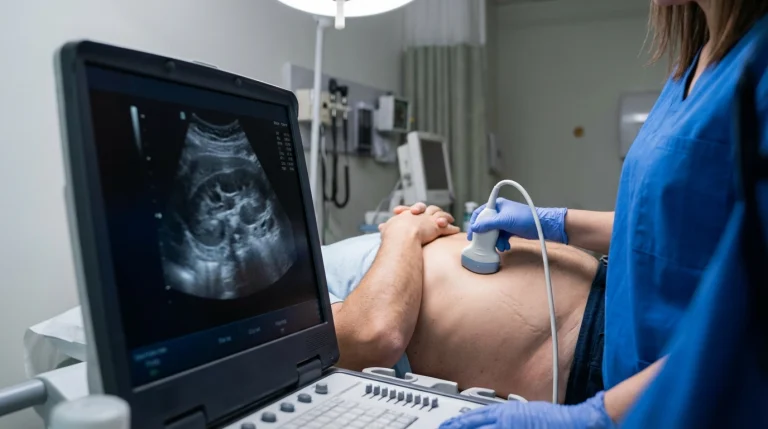
What to expect at an appointment: your clinician will usually take a medical history and may request tests such as a pregnancy test, blood tests (thyroid function, prolactin, FSH/LH, glucose), and sometimes a pelvic ultrasound to assess the ovaries and uterus. These investigations help diagnose conditions like PCOS or thyroid disease and guide treatment.
If you are unsure whether to seek help, use this quick checklist: missed periods for >3 months, severe symptoms, or signs of hormonal imbalance — in any of these cases, contact your GP or a specialist. For urgent or severe symptoms, seek immediate care.
Consult Today
Home remedies are often the first approach for people looking to encourage a period naturally. However, if natural methods do not bring the expected results, or if delays recur, it’s sensible to seek specialist advice. Gynaecologists can assess possible causes of delayed periods — from hormonal imbalances to underlying medical conditions — and recommend appropriate treatment. If a delayed period is becoming a recurring concern, book an appointment at a specialist clinic for timely diagnosis and treatment. If pregnancy is possible, do a pregnancy test first; seek urgent care for severe pain or heavy bleeding. Bring a menstrual diary, list of medications and any prior test results to your appointment to help the clinician assess your condition.