Knee Pain: Understanding Knee Anatomy
Knee pain is a common problem affecting millions globally. It stems from injuries and overuse, among other factors. Grasping the causes and symptoms is key to managing and recovering from knee pain. This guide delves into the intricacies of knee pain and the treatments available. Exploring diagnosis and treatment options helps individuals manage their recovery more effectively. The knee joint is a complex structure that plays a vital role in mobility and support. It is composed of various components that work together to facilitate movement and bear weight.
Bones and Joints of the Knee
The knee joint is formed by the intersection of three bones: the femur, tibia, and patella. The femur and tibia meet to form the main joint, while the patella sits at the front. It is embedded in a tendon that connects the quadriceps muscle to the tibia. The knee joint is classified as a synovial hinge joint, allowing for flexion and extension.
Muscles, Ligaments, and Tendons
The muscles around the knee, including the quadriceps and hamstrings, enable movement and provide stability. Ligaments, such as the ACL and MCL, connect bones to each other. Tendons connect muscles to bones. The quadriceps tendon and patellar tendon are critical for knee extension.
What Is Knee Pain? Signs and Symptoms
Knee pain can vary from mild discomfort to severe, debilitating pain that hampers daily life. It’s a symptom, not a diagnosis, pointing to an underlying issue that must be tackled.
Acute vs. Chronic Knee Pain
Acute knee pain usually stems from injuries or sudden trauma, like ligament sprains, meniscal tears, or fractures. On the other hand, chronic knee pain develops gradually. It’s often linked to degenerative conditions like osteoarthritis or repetitive strain injuries.
Common Symptoms and Warning Signs
Common knee pain symptoms include pain, stiffness, swelling, and reduced mobility. Warning signs of a more serious issue include sudden severe pain, instability, or the inability to bear weight on the knee. Also, look out for sensations like locking, catching, or grinding within the knee joint.
Pain Patterns and Their Significance
The pattern of knee pain can offer insights into its cause. For example, pain during activities like climbing stairs or squatting might point to patellofemoral pain syndrome. Pain at night or at rest could suggest inflammatory arthritis. Recognizing these patterns is key for accurate diagnosis and effective treatment.
Common Causes of Knee Pain
Knee pain stems from a variety of sources, including injuries, repetitive strain, and medical conditions. It can make everyday tasks difficult, affecting one’s quality of life. Identifying the root cause is essential for effective treatment.
Traumatic Injuries
Traumatic injuries are a leading cause of knee pain. These can result from sports accidents, falls, or other traumas. Examples include:
- Fractures: Breaks in the bones surrounding the knee.
- Ligament sprains: Tears or stretches in the ligaments that connect bones.
- Meniscal tears: Damage to the cartilage between the knee bones.
Such injuries need immediate medical care to prevent further harm and aid in healing.
Overuse and Repetitive Strain
Overuse and repetitive strain injuries happen when the knee faces repeated stress. This is common in athletes or those with jobs requiring repetitive knee movements. Conditions from overuse include:
- Tendinitis: Inflammation of the tendons.
- Bursitis: Inflammation of the fluid-filled sacs (bursae) that cushion joints.
- Stress fractures: Small cracks in the bone due to repetitive stress.
It’s important to reduce strain and give the knee time to rest to manage these conditions.
Medical Conditions Affecting the Knee
Medical conditions can also lead to knee pain. These include:
- Osteoarthritis: Wear and tear on the joint cartilage.
- Rheumatoid arthritis: An autoimmune condition that causes inflammation.
- Gout: A form of arthritis characterized by sudden, severe attacks of pain.
Managing these conditions often involves medication, lifestyle changes, and sometimes surgery.
Diagnosing Knee Pain
Knee pain diagnosis involves a detailed process. It includes medical history, physical examination, and various diagnostic tests. Accurate diagnosis is key to creating an effective treatment plan.
Medical History and Physical Examination
A thorough medical history is vital in diagnosing knee pain. It helps identify possible causes, such as previous injuries, medical conditions, or lifestyle factors. A physical examination assesses the knee’s range of motion, stability, and pain. Healthcare professionals may perform specific maneuvers to evaluate the knee’s functionality.
- Assessing pain location and intensity
- Evaluating knee stability and alignment
- Checking for swelling or deformity
Imaging Tests
Imaging tests provide valuable information about the knee’s internal structures. Common imaging tests include:
- MRI (Magnetic Resonance Imaging) for soft tissue evaluation
- X-ray for bone assessment
- CT Scan for detailed bone and soft tissue imaging
These tests help diagnose conditions such as fractures, ligament tears, or degenerative changes.
Specialized Tests and Procedures
In some cases, specialized tests or procedures may be necessary to diagnose knee pain. These may include:
- Arthrocentesis (joint aspiration) to analyze synovial fluid
- Arthroscopy for direct visualization of the joint
- Electromyography (EMG) to assess muscle function
These tests help healthcare professionals make a more accurate diagnosis and develop a targeted treatment plan.
Osteoarthritis and Knee Pain
Osteoarthritis is a common degenerative joint disease affecting the knee, causing significant pain and discomfort. It is marked by cartilage deterioration, changes in the subchondral bone, and inflammation of the synovial membrane.
Pathophysiology of Osteoarthritis
The pathophysiology of osteoarthritis involves complex interactions between cartilage, bone, and the synovium. Cartilage degradation is a key feature, resulting from an imbalance between synthesis and degradation. This imbalance is influenced by genetic predisposition, mechanical stress, and biochemical changes within the joint.
Risk Factors and Prevention
Several risk factors contribute to osteoarthritis, including age, obesity, previous knee injuries, and genetic factors. Prevention strategies aim to modify these risk factors. Maintaining a healthy weight through diet and exercise can significantly reduce the risk. Avoiding repetitive strain injuries and managing joint stress through proper biomechanics are also beneficial.
Treatment Approaches for Osteoarthritic Knees
Treatment for osteoarthritic knees focuses on alleviating pain, improving function, and slowing disease progression. This can be achieved through non-pharmacological interventions like physical therapy and lifestyle modifications. Pharmacological treatments, including analgesics and intra-articular injections, are also used. In advanced cases, surgical options like joint replacement may be considered.
Sports-Related Knee Injuries
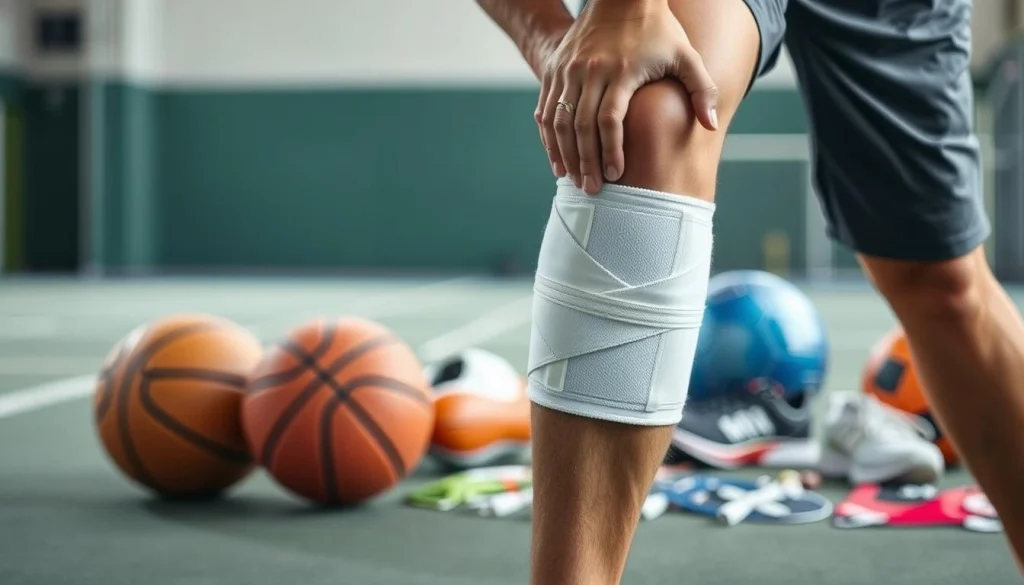
Knee injuries in sports are a pressing concern for athletes, coaches, and medical experts. These injuries can severely affect an athlete’s career and health. It’s vital to grasp the causes, symptoms, and treatment options.
ACL, PCL, and MCL Injuries
ACL, PCL, and MCL injuries are prevalent among athletes. They often stem from sudden stops, changes in direction, or direct contact. Recognizing symptoms and injury severity is key for proper management.
- ACL injuries often result from sudden stops or changes in direction.
- PCL injuries typically occur due to a direct blow to the front of the knee.
- MCL injuries are usually caused by a valgus stress (a force that pushes the knee inward).
Meniscus Tears and Cartilage Damage
Meniscus tears and cartilage damage are frequent knee injuries in sports. These can lead to pain, swelling, and mobility issues. The meniscus, a cartilage structure, cushions the joint and can tear from twisting injuries or wear and tear.
- Meniscus tears can be diagnosed with MRI or arthroscopy.
- Treatment options include conservative management or surgical intervention.
- Cartilage damage can be addressed with various treatments, including regenerative medicine.
Recovery Protocols and Return to Sports
Recovery from knee injuries requires a structured rehabilitation program. This aims to restore strength, flexibility, and function. A gradual return to sports is essential to avoid re-injury.
- Initial recovery focuses on pain management and restoring range of motion.
- Strengthening exercises are critical for a successful return to sports.
- Athletes should follow a gradual return-to-play protocol to ensure full recovery.
Non-Surgical Treatments for Knee Pain
Exploring non-surgical treatments is often the first step in managing knee pain. These options range from simple home remedies to structured physical therapy programs. The aim is to reduce pain, enhance function, and improve quality of life without surgery.
RICE Protocol
The RICE protocol, an acronym for Rest, Ice, Compression, and Elevation, is a recommended approach for acute knee injuries. Resting the knee prevents further injury. Ice application reduces swelling and pain. Compression bandages or sleeves help in swelling reduction, while elevating the knee improves circulation.
Adopting the RICE protocol can effectively manage knee pain in the early stages of injury. It’s a simple yet effective method that can be done at home.
Physical Therapy and Rehabilitation Exercises
Physical therapy is vital in knee injury rehabilitation. A physical therapist creates a customized exercise program. This program strengthens knee muscles, improves flexibility, and restores range of motion. Exercises are tailored to the individual’s condition, significantly improving knee function.
Rehabilitation exercises not only aid in recovering from knee pain but also prevent future injuries. They enhance knee stability and strength, facilitating daily activities and sports.
Medications and Pain Management
Medications are used to manage knee pain and inflammation. Over-the-counter pain relievers like acetaminophen or ibuprofen are effective for mild to moderate pain. For severe pain, prescription medications may be required. It’s critical to consult a healthcare provider for the best medication and dosage.
Pain management strategies also include alternative methods such as topical creams or injections. The choice of medication or treatment depends on the knee pain’s cause and the individual’s health status.
Advanced Non-Surgical Interventions
Advanced non-surgical interventions are transforming the way we manage knee pain. These innovative treatments offer a variety of options beyond traditional methods. They provide effective relief and enhance the quality of life for patients.
Injection Therapies
Injection therapies have become a valuable tool in knee pain management. Corticosteroid injections reduce inflammation, providing quick pain relief. Hyaluronic acid injections restore the joint fluid’s natural viscosity, improving lubrication and reducing pain.
Regenerative Medicine
Regenerative medicine marks a significant leap in knee pain treatment. Platelet-rich plasma (PRP) therapy involves injecting plasma rich in platelets from the patient’s blood to stimulate healing. Stem cell treatments aim to repair damaged tissues by leveraging the body’s natural repair processes.
Emerging Non-Invasive Technologies
The field of knee pain management is also seeing the rise of non-invasive technologies. Shockwave therapy and laser treatment are being explored for their ability to promote healing, reduce pain, and enhance function. These methods offer a non-surgical solution.
Surgical Options for Severe Knee Pain
For those with severe knee pain that hasn’t improved with conservative treatments, surgery offers a promising solution. When knee pain severely impacts daily life and other treatments have not worked, surgery can be the best option. It aims to restore joint function and enhance quality of life.
Surgical treatments for knee pain vary widely, from minimally invasive to complex surgeries. The choice depends on the cause of pain, the extent of damage, and the patient’s health.

Arthroscopic Procedures
Arthroscopy is a minimally invasive method that uses a small camera and instruments through tiny incisions. It’s used to diagnose and treat knee issues, such as meniscus tears or loose cartilage. This approach offers benefits like smaller incisions, less tissue damage, and faster recovery times compared to open surgery.
Partial and Total Knee Replacement
Knee replacement surgery, or arthroplasty, involves replacing damaged or arthritic joint surfaces with artificial parts. Partial knee replacement is for when only one part of the knee is damaged. Total knee replacement replaces the entire joint. These surgeries aim to reduce pain, restore function, and improve life quality for those with severe knee arthritis or damage.
Post-Surgical Rehabilitation and Recovery
Rehabilitation is key after knee surgery. A structured program helps patients regain strength, mobility, and function. Physical therapy starts soon after surgery and lasts several weeks or months, based on the surgery type and progress. Following a rehabilitation plan is vital for the best outcomes and returning to normal activities.
Lifestyle Modifications for Managing Knee Pain
Lifestyle changes are key to managing knee pain and boosting overall health. By making specific adjustments, people can lessen knee pain and enhance their life quality.
Weight Management Strategies
Keeping a healthy weight is vital for easing knee joint stress. Extra weight increases knee pain by adding to joint stress. Effective weight management includes a balanced diet and regular exercise. Losing one pound reduces knee joint stress by a significant amount.
- Following a low-calorie diet
- Incorporating nutrient-rich foods
- Engaging in regular physical activity
Low-Impact Exercise Programs
Low-impact exercises are great for those with knee pain. They keep muscles strong and flexible without overloading the knee. Activities like cycling, swimming, and elliptical workouts are good options.
Ergonomic Considerations for Daily Activities
Adjusting daily activities for better ergonomics can also reduce knee stress. This means using the right lifting techniques, avoiding deep bends, and setting up workspaces for good posture. This helps lessen knee strain.
By adopting these lifestyle changes, individuals can effectively manage knee pain and enhance their life quality.
Nutritional Approaches to Reduce Knee Pain
Certain nutritional strategies can help mitigate knee pain and improve overall joint health. By incorporating specific dietary changes and supplements, individuals can potentially reduce inflammation and alleviate discomfort associated with knee pain.
Anti-Inflammatory Diet Principles
An anti-inflammatory diet rich in fruits, vegetables, and omega-3 fatty acids can help reduce inflammation. Foods such as leafy greens, berries, and fatty fish are beneficial. Avoiding processed foods and sugars is also key.
Supplements for Joint Health
Supplements like glucosamine, chondroitin, and omega-3 fatty acids may support joint health. Glucosamine and chondroitin are often used together to help maintain cartilage health. Omega-3 fatty acids have anti-inflammatory properties.
Hydration and Its Impact on Joint Function
Adequate hydration is essential for maintaining healthy joints. Water helps keep the joints lubricated and supports the overall health of the cartilage and surrounding tissues.
Alternative and Complementary Therapies
Exploring alternative and complementary therapies is often a part of managing knee pain. These methods can offer extra relief and support overall health.

Acupuncture and Traditional Chinese Medicine
Acupuncture, a cornerstone of traditional Chinese medicine, involves inserting thin needles into specific body points. This stimulates healing and pain relief. Research indicates acupuncture can effectively reduce knee pain and enhance function in those with osteoarthritis.
Massage and Manual Therapies
Massage therapy and other manual therapies can ease knee pain. They reduce muscle tension, improve joint mobility, and boost circulation. Techniques like deep tissue massage, trigger point therapy, and myofascial release are highly beneficial.
Mind-Body Approaches
Mind-body approaches, including yoga, tai chi, and meditation, are also key in managing knee pain. These practices lower stress, enhance flexibility, and promote relaxation. They contribute to pain reduction and better quality of life.
Incorporating these alternative and complementary therapies into a treatment plan can lead to better outcomes. It enhances well-being for individuals with knee pain.
Assistive Devices and Supportive Equipment
Assistive devices and supportive equipment are vital for managing knee pain. They offer relief, improve mobility, and enhance independence for those with knee issues.
Knee Braces and Support Systems
Knee braces are a common solution for knee pain. They stabilize and protect the knee joint, lowering injury risk. Various types exist, including:
- Prophylactic knee braces: Designed to prevent injuries, these braces are often used by athletes.
- Functional knee braces: These provide support and stability for knees that have been injured.
- Rehabilitative knee braces: Used during the recovery phase after a knee injury or surgery.
Walking Aids and Mobility Devices
Walking aids like canes, walkers, and crutches lessen knee joint burden. They allow individuals to move with less pain. These devices help redistribute weight and offer additional support.
Orthotic Inserts and Footwear Considerations
Orthotic inserts and proper footwear are also key in managing knee pain. Custom orthotics correct biomechanical issues contributing to knee pain. Wearing shoes with good support and cushioning also reduces knee joint impact.
Some key considerations include:
- Choosing shoes with good arch support.
- Using orthotic inserts to correct foot alignment.
- Avoiding high heels or shoes that can alter gait.
Preventing Knee Pain Recurrence
To prevent knee pain, a proactive approach is necessary. This includes exercises, lifestyle changes, and learning proper movement techniques. These steps are key to avoiding knee pain’s debilitating effects.
Strengthening and Stability Exercises
Strengthening the muscles around the knee is vital. This includes the quadriceps and hamstrings. Exercises like squats, lunges, and leg press are effective. A study in a sports medicine journal showed a 50% reduction in knee pain with regular strengthening.
For more on knee replacement surgery and recovery, visit Acibadem International’s resource on knee replacement surgery. It offers valuable insights.
Proper Biomechanics and Movement Patterns
Proper biomechanics during daily activities and sports is essential. This means learning correct techniques for movements like jumping, landing, and pivoting. Wearing proper footwear and orthotics also supports good biomechanics, reducing knee strain.
Maintenance Care and Preventive Strategies
Regular maintenance care is critical for preventing knee pain. This includes check-ups and a healthy lifestyle. Maintaining a healthy weight and doing low-impact exercises like cycling or swimming help keep the knee joint mobile.
Incorporating these strategies into daily life can greatly reduce knee pain recurrence. It helps maintain optimal knee health.
Living Well Despite Chronic Knee Pain
Chronic knee pain can greatly affect daily life. Yet, with the right strategies, managing the condition and improving well-being is possible. Understanding knee pain’s causes and symptoms is key to developing effective pain management plans.
To live well with chronic knee pain, a multifaceted approach is necessary. This includes lifestyle changes, assistive devices, and alternative therapies. Maintaining a healthy weight, doing low-impact exercises, and using ergonomic equipment can help reduce knee pain.
Assistive devices like knee braces and walking aids are also beneficial. Alternative therapies such as acupuncture, massage, and mind-body approaches can offer relief.
By adopting these strategies and consulting healthcare professionals, individuals with chronic knee pain can improve their quality of life. Effective management of chronic knee pain allows individuals to continue living well despite their condition.
FAQ About Knee Pain
Q: What are the most common causes of knee pain?
A: Knee pain can stem from several sources. This includes injuries, overuse, and medical conditions like osteoarthritis and tendinitis. Rheumatoid arthritis is another common cause.
Q: How is knee pain diagnosed?
A: Diagnosing knee pain involves a detailed process. It starts with a thorough medical history and physical examination. Imaging tests like MRI, X-ray, and CT scans are also used.
Q: What are the treatment options for knee pain?
A: There are various treatments for knee pain. Non-surgical methods include the RICE protocol, physical therapy, and medications. Advanced non-surgical options include injection therapies and regenerative medicine.
Q: Can knee pain be prevented?
A: Yes, preventing knee pain is possible. Maintaining a healthy weight and regular exercise are key. Proper biomechanics and movement patterns also play a significant role.
Q: What are the benefits of physical therapy for knee pain?
A: Physical therapy offers several benefits. It helps restore strength, flexibility, and range of motion. This reduces pain and improves knee function.
Q: How can I manage chronic knee pain?
A: Managing chronic knee pain requires a holistic approach. It includes pain management, lifestyle changes, and the use of assistive devices. Alternative therapies like acupuncture and mind-body approaches are also beneficial.
Q: What are the risks and benefits of knee surgery?
A: Knee surgery, such as arthroscopic procedures, can offer relief from pain and improve function. Yet, it carries risks like infection and blood clots. Implant failure is another concern.
Q: Can nutritional approaches help alleviate knee pain?
A: Yes, nutritional approaches can help. An anti-inflammatory diet rich in fruits, vegetables, and omega-3 fatty acids is beneficial. Supplements like glucosamine and chondroitin may also reduce inflammation and alleviate pain.
Q: How can I prevent knee pain recurrence?
A: To prevent knee pain recurrence, a multi-faceted approach is necessary. This includes strengthening exercises, stability training, and proper biomechanics. Regular maintenance care and preventive strategies are also essential.