Lip Filler: What Are Lip Fillers and How Do They Work?
Cosmetic procedures have seen a surge in popularity, with many looking to enhance their looks through various treatments. One such trend is the use of dermal fillers to boost the shape and size of the lips. A Lip Filler is a non-surgical, minimally invasive treatment. It involves injecting a substance into the lips to achieve the desired look. This procedure has gained significant attention in recent years. It is known for its effectiveness and relatively quick recovery time.
As the demand for cosmetic enhancements continues to grow, understanding lip fillers is essential. This guide will explore the world of lip fillers. We will look at their benefits, types, and what to expect from the treatment. Lip fillers are a non-surgical option for those wanting to increase their lip size and shape. They belong to a larger group of cosmetic treatments called dermal fillers. These are used to restore volume, smooth wrinkles, and enhance facial features.
The Science Behind Dermal Fillers
Dermal fillers, including lip fillers, inject a substance into the skin to fill in lost volume or enhance features. The most common materials are hyaluronic acid, calcium hydroxylapatite, and poly-L-lactic acid. Each has unique properties and effects that last different lengths of time.
The science behind these fillers involves how they interact with the body’s tissues and how they break down over time. For example, hyaluronic acid fillers draw in and hold water, creating a natural plumping effect.
History and Evolution of Lip Enhancement
Lip enhancement has a long history, with various cultures practicing forms of augmentation. Modern lip fillers have seen significant advancements, thanks to technology and materials science. This has led to safer, more effective treatments.
Today, lip fillers are a favorite for those looking to improve their lip appearance without surgery. The evolution of lip fillers has also improved understanding of achieving natural-looking results that fit an individual’s facial structure.
Types of Lip Filler Products on the Market
The lip filler market is vast, with a variety of products to meet different needs and preferences. It’s vital to understand the differences between these options to make an informed choice.
Hyaluronic Acid Fillers
Hyaluronic acid fillers are a top choice for lip enhancement. They are safe, effective, and temporary, allowing for adjustments as needed.
Juvederm Product Line
Juvederm offers a variety of hyaluronic acid fillers. Juvederm Ultra and Juvederm Volbella are designed for different aspects of lip enhancement.
Restylane Options
Restylane and Restylane Silk are hyaluronic acid fillers for lip augmentation. They offer different viscosities to meet various needs.
Collagen-Based Fillers
Collagen-based fillers, though less common, are used for lip enhancement. They stimulate collagen production and provide temporary volume.
Fat Transfer and Permanent Options
Fat transfer uses the patient’s own fat for lip volume enhancement, providing a more permanent solution. Lip implants are also a permanent option, but they come with specific considerations.
When selecting a lip filler, consider longevity, material, and the practitioner’s expertise. These factors are critical in achieving the desired results.
- Hyaluronic acid fillers for temporary enhancement
- Collagen-based fillers for stimulating collagen production
- Fat transfer for a more permanent solution
Benefits of Professional Lip Filler Treatments
Choosing professional lip filler treatments can be transformative, bringing about significant benefits beyond just looks. These treatments aim to improve the lips’ shape, size, and overall look. They help achieve a more youthful and vibrant appearance.
Aesthetic Improvements and Enhancement
Lip fillers can make the lips appear fuller and more defined. This is done by injecting filler materials, like hyaluronic acid, into specific lip areas. The outcome is a more attractive lip look that boosts facial aesthetics.
Confidence Boosting Effects
Lip filler treatments can also greatly enhance one’s confidence. By achieving the desired lip look, individuals feel more attractive and self-assured. This confidence boost can impact various life areas, from personal relationships to professional interactions.
Correcting Asymmetry and Age-Related Volume Loss
Lip fillers are effective in fixing lip asymmetry and restoring lost volume due to aging. This leads to a more balanced and youthful look, improving facial harmony. Lip filler treatments offer a holistic aesthetic solution for these concerns.
The Complete Lip Filler Procedure: Step by Step
The journey to fuller lips starts with understanding the lip filler procedure. This process is both straightforward and efficient. It involves several key steps, from the initial consultation to the treatment day experience and pain management measures.
Initial Consultation and Assessment
The first step is the initial consultation. Here, you meet with a qualified healthcare professional to discuss your goals and expectations. Your provider will assess your lip anatomy and recommend the most suitable filler for you. This is also a chance to ask questions and address any concerns.
Treatment Day Experience
On the treatment day, you’ll undergo thorough preparation. Your provider will cleanse your lips and may apply a topical anesthetic to reduce discomfort. The lip filler is then injected into the targeted areas using a fine needle or cannula. The process typically takes about 30 minutes to an hour, depending on the complexity of the treatment. 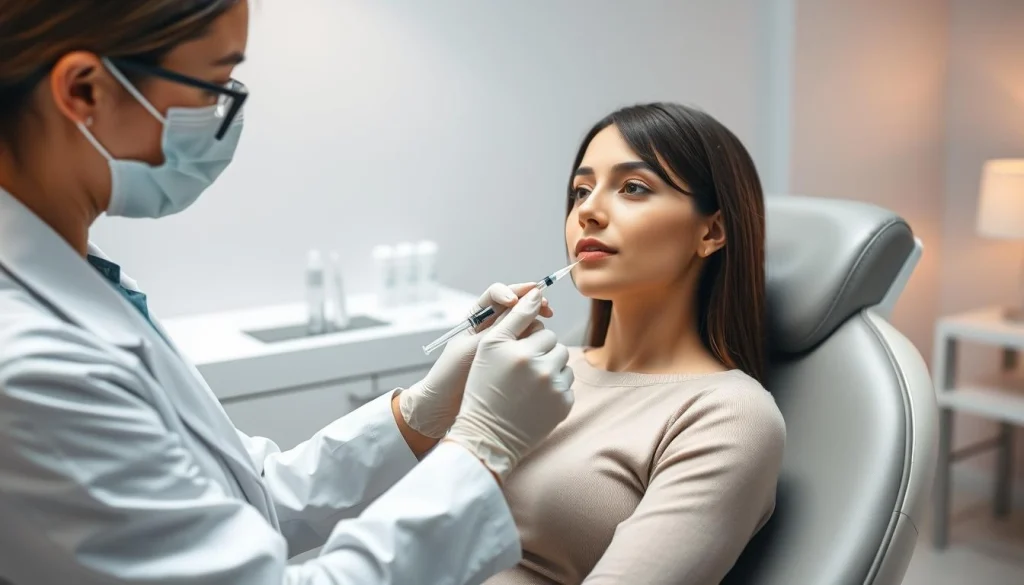
Pain Management and Comfort Measures
Your provider will use various pain management techniques to ensure your comfort. This may include applying a topical anesthetic or using a filler with lidocaine. Some providers also offer cold compresses or vibration devices to minimize discomfort. By prioritizing your comfort, your provider aims to ensure a positive experience.
Understanding the lip filler procedure step by step can make you feel more confident and prepared. This knowledge helps you make informed decisions and achieve the best results from your lip filler treatment.
Recovery and Aftercare Following Lip Injections
Lip filler aftercare is a critical component of the overall treatment process, ensuring the best possible outcome. Proper care following lip injections can significantly impact the duration and quality of the results.
First 24-48 Hours Post-Procedure
The initial 24 to 48 hours after receiving lip fillers are critical. It’s essential to follow your provider’s specific instructions. This may include avoiding strenuous activities, keeping your head elevated, and applying ice packs to reduce swelling.
Managing Swelling, Bruising, and Discomfort
Swelling and bruising are common side effects of lip filler injections. To manage these, cold compresses, over-the-counter pain relievers, and arnica gel or cream can be used. These measures can help minimize discomfort and reduce the appearance of bruising.
Long-term Care for Enhanced Results
To maintain the results of your lip fillers, follow a consistent skincare routine. Protect your lips from the sun and avoid smoking. Regular touch-up treatments can also help sustain the desired appearance.
Results and Longevity: What to Expect from Lip Filler
For those considering lip fillers, grasping the outcomes and duration is key. These treatments aim to offer temporary enhancements. The effects can differ based on various elements.
Immediate vs. Settled Results Timeline
Right after the procedure, the effects of lip fillers are noticeable. Yet, the initial look might be altered by swelling. This swelling usually fades in a few days. Once it does, and the filler settles, the true results emerge, typically within two weeks.
Factors Affecting How Long Lip Fillers Last
Several aspects determine how long lip fillers endure. The filler type, metabolic rate, and lifestyle play significant roles. For example, hyaluronic acid fillers generally last 6 to 12 months. Other fillers may have varying lifespans. Lifestyle choices, like smoking or too much sun, can also shorten the filler’s effect.
By understanding these factors and discussing them with a skilled provider, one can better predict the outcomes and longevity of their lip filler treatment.
Potential Risks and Side Effects to Consider
Lip fillers are generally safe, but it’s important to be aware of possible risks and side effects before treatment. These can range from mild to severe. Cosmetic procedures, including lip fillers, carry inherent risks.
The body’s reaction to lip filler materials can vary. Knowing the risks and side effects is key to making an informed decision about your treatment.
Common and Expected Side Effects
Common side effects include swelling, bruising, and redness at the injection site. These effects are usually mild and temporary. They typically resolve within a few days to a week.
Some may experience asymmetry or unevenness of the lips. This can often be corrected with additional treatment.
Rare but Serious Complications
Though rare, serious complications can occur. These include infection, vascular complications, and allergic reactions. In rare cases, the filler material can cause a granuloma or allergic reaction. These may require medical attention.
When to Contact Your Provider After Treatment
Knowing when to seek medical attention after lip filler treatment is critical. Severe swelling, increasing pain, or signs of infection like pus or fever require immediate contact with your provider.
Also, if you notice unusual symptoms such as changes in skin color or vision problems, seek medical help right away. Your provider can offer guidance and treatment for any complications.
Understanding the Cost of Lip Filler Treatments
For those considering lip filler treatments, grasping the financial commitment is key. The cost varies significantly, influenced by several factors. It’s vital to understand these elements to make an informed decision.
Average Price Ranges Across the United States
In the United States, lip filler treatments can cost between $500 and $2,000 per session. This broad range stems from various factors. These include the filler type, practitioner expertise, and location.
For example, cities like New York or Los Angeles often have higher prices. This contrasts with smaller towns or rural areas, where costs are generally lower.
Factors That Influence Pricing
Several elements affect the final cost of lip filler treatments. These include:
- The brand and type of dermal filler used
- The experience and qualifications of the practitioner
- Geographical location
- The amount of filler required to achieve the desired results
Knowing these factors can aid in estimating the total treatment cost more accurately.
Financing Options and Considerations
The cost of lip filler treatments can be a barrier for many. Fortunately, several financing options are available. These make the procedure more affordable by allowing payment over time. Some clinics offer specific payment plans or financing packages.
Ideal Candidates for Lip Filler Enhancement
Figuring out if you’re a good fit for lip fillers involves looking at several factors. This procedure is very personal, and what works for one person might not work for another.
Physical and Health Requirements
Good health and realistic expectations are key for ideal candidates. They need enough lip tissue to get the look they want. Health conditions can impact whether you’re eligible, so a full health check is needed.
Medical Contraindications and Warnings
Some health issues or medications can make lip fillers risky. For example, people with autoimmune diseases, active infections, or taking blood thinners might not qualify. Knowing your medical history is vital to see if you’re a good candidate.
Age Considerations and Guidelines
Age is a big factor in choosing lip fillers. Candidates should be at least 21, as lips usually stop growing by then. While there’s no upper age limit, your health and skin condition are also important.
How to Properly Prepare for Your Lip Filler Appointment
To guarantee a smooth and successful lip filler procedure, thorough preparation is key. Understanding the steps to take before your appointment is vital. This helps in minimizing side effects and achieving the best results.
Two Weeks Before: Medications and Supplements to Avoid
In the two weeks before your lip filler appointment, it’s important to steer clear of certain medications and supplements. These can heighten the risk of bruising and bleeding. The list includes:
- Blood thinners like aspirin and warfarin
- Non-steroidal anti-inflammatory drugs (NSAIDs) such as ibuprofen
- Supplements like fish oil and vitamin E
Always consult with your healthcare provider before halting any prescribed medications.
Day-of Preparation Guidelines
On the day of your lip filler appointment, ensure your face is clean and free of makeup and lip products. It’s advisable to:
- Avoid excessive sun exposure or tanning beds
- Stay hydrated by drinking plenty of water
Being well-prepared is essential for a seamless procedure and the best possible outcomes from your lip filler treatment.
Popular Lip Filler Techniques and Styles
Getting the perfect pout is easier than ever, thanks to various lip filler techniques. Lip fillers have become a key part of cosmetic enhancements. They offer a wide range of styles to match different tastes.
Russian Lip Technique
The Russian lip technique is gaining popularity for its unique approach to lip enhancement. It aims to create a more defined and lifted look by injecting filler in a specific pattern. This results in fuller lips with a more pronounced shape, appealing to those wanting a bold change.
Paris Lip or Natural Enhancement
The Paris lip technique focuses on a natural look. It involves subtle enhancements that keep the lip’s natural shape while adding volume. This style is perfect for those seeking a refined yet understated look.
Customizing Your Look: Consultation Tips
Customizing your lip filler look starts with a detailed consultation. It’s vital to discuss your aesthetic goals and preferences with your practitioner. They will help choose the best technique based on your lip shape and desired look. Bringing reference pictures and sharing your expectations can greatly improve the customization process.
Alternatives to Traditional Lip Filler
Exploring beyond traditional lip fillers uncovers innovative solutions for lip enhancement. While fillers are popular, alternatives offer unique benefits. They cater to different preferences and needs.
Non-Injectable Enhancement Options
For those wary of injections, non-invasive methods enhance lip appearance. These include:
- Lip plumping devices that use suction to temporarily enhance lip size
- Topical creams and serums containing ingredients like hyaluronic acid or peptides
- Exfoliating treatments to improve lip texture and appearance
Surgical Lip Augmentation Procedures
For more permanent solutions, surgical options are available. These include:
- Lip implants that provide a lasting enhancement
- Fat transfer procedures, where fat is taken from one part of the body and injected into the lips
Temporary and At-Home Methods
Temporary solutions offer flexibility and ease. At-home methods include:
- Using lip liners and lipsticks to create the illusion of fuller lips
- Lip plumping glosses that contain ingredients to temporarily swell the lips
These alternatives to traditional lip fillers provide a range of choices. They cater to different comfort levels and desired outcomes.
Choosing a Qualified Provider for Your Lip Filler
Choosing the right provider for your lip filler treatment is critical. It affects the treatment’s safety, effectiveness, and your overall satisfaction. A good choice can make a significant difference in your lip enhancement experience.
Essential Credentials and Training
A qualified lip filler provider must have the right credentials and training. Look for:
- Board certification in dermatology or plastic surgery
- Specialized training in dermal fillers and lip augmentation
- Experience with various lip filler products and techniques
These qualifications ensure your provider has the skills to administer lip fillers safely and effectively.
Portfolio Assessment: Before and After Photos
Reviewing a provider’s portfolio of before and after photos is essential. It gives insight into their skill level and aesthetic style. Look for:
- The consistency of their results
- The natural appearance of the enhanced lips
- The ability to achieve the desired lip shape and volume
This visual assessment helps determine if the provider’s work meets your expectations.
Red Flags and Warning Signs
When choosing a lip filler provider, watch out for red flags. These may indicate a lack of qualification or experience. Be cautious of:
- Unusually low prices compared to the market average
- Lack of transparency about their qualifications or experience
- Poor communication or unprofessional demeanor
Being cautious of these warning signs can help you avoid risks associated with unqualified providers.
Maintaining and Refreshing Your Lip Filler Results
Lip filler maintenance requires a mix of touch-up treatments and lifestyle adjustments. To ensure your lips remain in top condition, understanding the right time for touch-ups and the impact of lifestyle choices is key.
Optimal Timing for Touch-Up Treatments
The duration of lip filler results varies based on the filler type and individual factors like metabolism and lifestyle. Hyaluronic acid fillers typically last 6 to 12 months. To maintain the desired volume and shape, touch-up treatments are essential. Schedule a follow-up with your provider to find the best timing for your next treatment.
Lifestyle Factors That Preserve Results
Several lifestyle choices can extend the life of your lip filler results. These include:
- Avoiding excessive sun exposure and using sunscreen to prevent filler degradation
- Maintaining a healthy lifestyle, including a balanced diet and regular hydration
- Avoiding smoking and excessive alcohol consumption, which can harm skin health
Combining regular touch-up treatments with a healthy lifestyle can help you enjoy long-lasting lip filler results.
Setting Realistic Expectations for Lip Enhancement
Realistic expectations are essential for successful lip enhancement. It begins with understanding your natural lip anatomy. Lip filler treatments can greatly improve your lip appearance. Yet, it’s vital to know what’s achievable.
Understanding Your Natural Lip Anatomy
Your natural lip anatomy significantly impacts lip filler treatment outcomes. The shape of your lips, any asymmetry, and skin condition all play roles. A skilled provider will evaluate your anatomy during the first consultation to tailor a treatment plan.
Knowing your natural lip anatomy is key to setting realistic goals. It’s critical to share your expectations with your provider. This ensures your goals match what’s possible.
The Benefits of a Gradual Approach
A gradual approach to lip enhancement offers several advantages. It allows for adjustments in stages, ensuring the final look meets your expectations. This method also minimizes side effects and helps your lips adapt to the filler.
Gradual enhancement leads to a more natural look. It enhances your lips without appearing too done. This approach also allows for assessing the need for additional enhancements.
Common Myths and Misconceptions About Lip Fillers
Lip fillers are becoming more popular, but it’s vital to separate fact from fiction. The cosmetic world is often shaped by social media and pop culture. This leads to the spread of false information.
Debunking Social Media Perceptions
Social media is full of before-and-after photos and testimonials on lip fillers. Yet, not all this information is trustworthy. The idea that lip fillers always look unnatural is a common myth. In truth, when done right by a skilled practitioner, they can subtly enhance your natural beauty.
Scientific Facts vs. Popular Beliefs
Many think lip fillers are permanent, but most are made from hyaluronic acid. This substance is naturally broken down by the body over time. So, lip fillers usually need regular touch-ups to keep the desired look. Knowing the science behind lip fillers helps people make better choices about their beauty.
By understanding the difference between myths and facts, people can better navigate lip enhancement. This way, they can achieve the results they want.
Making the Right Lip Enhancement Decisions for Your Goals
Choosing the right Lip Filler and treatment goals is key to achieving your desired lip enhancement. It’s important to consider the type of filler, your goals, and your individual anatomy. By understanding your options and consulting with a qualified provider, you can make informed decisions that meet your aesthetic objectives.
When deciding on your Lip Filler treatment, think about what you want to achieve. Do you want to enhance your lip shape, restore volume, or correct any asymmetry? A detailed consultation with a skilled practitioner will help you find the best treatment plan for your unique needs.
Ultimately, making informed decisions about Lip Filler involves balancing your expectations with the possible outcomes. By choosing a qualified provider and following a well-planned treatment strategy, you can achieve natural-looking, long-lasting results. These results will enhance your overall appearance and boost your confidence.
FAQ
Q: What is a lip filler?
A: A lip filler is a dermal filler used to enhance lip appearance. It adds volume, shape, and definition.
Q: How long do lip fillers last?
A: The longevity of lip fillers varies. It depends on the filler type, metabolism, and lifestyle. Generally, they last 6 to 12 months.
Q: Are lip fillers painful?
A: Lip filler treatments can be uncomfortable. This discomfort is managed with topical anesthetics or pain-relieving injections. Pain levels vary among individuals.
Q: What are the most common side effects of lip fillers?
A: Common side effects include swelling, bruising, redness, and tenderness. These effects are usually temporary and resolve within a few days.
Q: Can I get lip fillers if I have a history of cold sores?
A: If you have a cold sore history, inform your provider before treatment. They may prescribe antiviral medication to prevent an outbreak.
Q: How do I choose a qualified provider for lip filler treatment?
A: To find a qualified provider, look for training, experience, and credentials. Check their portfolio, read reviews, and ensure they use quality products.
Q: Can lip fillers be dissolved?
A: Yes, hyaluronic acid-based lip fillers can be dissolved with hyaluronidase.
Q: Are there any alternatives to lip fillers?
A: Alternatives include surgical augmentation, fat transfer, and non-invasive options like lip creams and serums.
Q: How do I prepare for a lip filler appointment?
A: To prepare, avoid certain medications and supplements. Arrive with clean lips. Be ready to discuss your goals and medical history.
Q: What is the cost of lip filler treatments?
A: Lip filler costs vary by location, provider, and filler type. Prices range from 0 to ,000 per treatment.