Liquid Facelift: What Is a Liquid Facelift?
The Liquid Facelift is a non-surgical cosmetic procedure aimed at rejuvenating the face. It employs dermal fillers and neurotoxins to achieve a more youthful appearance. This method is designed to restore the face’s natural look. This procedure boasts several advantages, including a reduction in aging signs and enhanced facial contours. It does so without the need for surgery. Advanced cosmetic treatments enable individuals to achieve a refreshed look.
The Liquid Facelift is a modern method for facial rejuvenation, using the latest in dermal fillers and neurotoxins. It’s a non-surgical procedure that’s become popular for its ability to make you look younger without surgery.
Definition and Basic Concept
A Liquid Facelift uses injectable dermal fillers and neurotoxins to refresh the face. It aims to restore lost volume, smooth wrinkles, and improve facial contours.
- Dermal fillers add volume to areas like the cheeks and lips.
- Neurotoxins relax facial muscles that cause wrinkles.
- Together, these treatments greatly enhance your look.
This method allows for a customized treatment plan. It addresses your specific concerns, giving you a personalized result.
Evolution of Non-Surgical Facial Rejuvenation
The field of non-surgical facial rejuvenation has seen major progress. It has evolved from simple treatments to today’s advanced procedures. This growth is significant.
Important developments include:
- The introduction of hyaluronic acid-based fillers.
- Advances in neurotoxin formulations.
- Improved understanding of facial anatomy and aging.
These advancements have made the Liquid Facelift a highly effective and popular choice. It’s for those who want to rejuvenate their look without surgery.
Understanding the Aging Face
Grasping the mechanisms behind facial aging is essential for developing effective rejuvenation methods. As we age, our facial structure undergoes significant changes, leading to an older look.
Volume Loss and Facial Structure Changes
Volume loss is a major contributor to facial aging. The fat pads in our face start to shrink and move, causing a loss of definition. This, along with bone structure changes and gravity’s pull, results in sagging and drooping of facial features.
Common Signs of Facial Aging
Facial aging shows up in various ways, including wrinkles and skin laxity. These changes can greatly affect how we look, making us appear tired and older.
Dynamic Wrinkles vs. Static Wrinkles
Dynamic wrinkles are formed by repeated facial expressions. Static wrinkles, on the other hand, are always present, regardless of movement. Knowing the difference is vital for effective treatment.
Skin Laxity and Texture Changes
Skin laxity is the loss of skin elasticity, causing it to sag. Texture changes, like enlarged pores and uneven skin tone, also contribute to an aged look.
Liquid Facelift vs. Surgical Facelift
It’s vital to grasp the differences between Liquid Facelifts and surgical facelifts to choose the right facial rejuvenation method. Both aim to enhance a youthful look, yet they vary in approach, outcomes, and recovery times.
Key Differences in Approach
The main distinction is in their methods. Liquid Facelifts use dermal fillers and neurotoxins to add volume and relax muscles. In contrast, surgical facelifts involve incisions and the repositioning of facial tissues.
- Liquid Facelifts are non-surgical and minimally invasive.
- Surgical facelifts require more extensive procedures with longer recovery times.
Comparing Results and Longevity
The results and longevity of each procedure differ. Liquid Facelifts offer temporary solutions lasting from several months to a couple of years, depending on the materials.
- Liquid Facelifts: Results last 6-24 months.
- Surgical Facelifts: Results can last 10-15 years or more.
Recovery Time Comparison
Recovery times are significantly different. Liquid Facelifts require little to no downtime. Surgical facelifts, on the other hand, need a longer recovery period.

Understanding these differences helps individuals make informed choices about their facial rejuvenation options.
Benefits of Choosing a Liquid Facelift
A Liquid Facelift offers numerous benefits for those seeking facial rejuvenation without surgery. This non-invasive procedure has gained popularity for its effectiveness and convenience.
Minimal Downtime Advantages
One of the primary advantages of a Liquid Facelift is the minimal downtime required after the procedure. Unlike surgical facelifts, which can necessitate weeks of recovery, Liquid Facelifts allow patients to return to their normal activities almost immediately. This is beneficial for individuals with busy schedules or those who prefer a more discreet approach to facial rejuvenation.
Natural-Looking Results
Liquid Facelifts are known for their ability to produce natural-looking results. By using dermal fillers and neurotoxins to subtly restore facial volume and reduce wrinkles, these procedures can refresh one’s appearance without looking overly done. The skill of the practitioner and the quality of the products used are key to achieving natural-looking results.
Gradual Enhancement Options
Another benefit of Liquid Facelifts is the ability to make gradual enhancements. Unlike surgical facelifts, which are more permanent and difficult to reverse, Liquid Facelifts can be adjusted over time. This allows patients to fine-tune their results, making subtle changes as needed to maintain a refreshed and youthful appearance.
Overall, the benefits of a Liquid Facelift make it an attractive option for those seeking facial rejuvenation without the commitment and risk associated with surgery.
The Science Behind Dermal Fillers
Understanding the science behind dermal fillers is key to appreciating their role in modern cosmetic treatments. These substances are injected into the skin to restore lost volume, smooth out wrinkles, and enhance facial features. The variety of available fillers allows for tailored treatments to address individual concerns.
Hyaluronic Acid-Based Fillers
Hyaluronic acid-based fillers are among the most popular due to their safety and effectiveness. They work by attracting and retaining moisture, adding volume to the treated area.
Juvederm Family Products
The Juvederm family includes a range of hyaluronic acid fillers for different applications. They are designed for fine line correction to deep volume restoration.
Restylane Options
Restylane is another well-known brand with various hyaluronic acid fillers. Each is formulated for specific treatment areas and concerns, such as lip enhancement and nasolabial fold correction.
Calcium Hydroxylapatite Fillers
Calcium hydroxylapatite fillers, like Radiesse, stimulate collagen production and provide longer-lasting results. They are often used for deeper facial folds and volume loss.
Poly-L-Lactic Acid and Other Options
Poly-L-lactic acid fillers, like Sculptra, stimulate collagen production over time, leading to gradual volume restoration. Other options, including permanent fillers, are also available. Though, they are less commonly used due to the risk of complications.
The diverse range of dermal fillers enables practitioners to customize treatments according to individual patient needs. This ensures natural-looking and effective results.
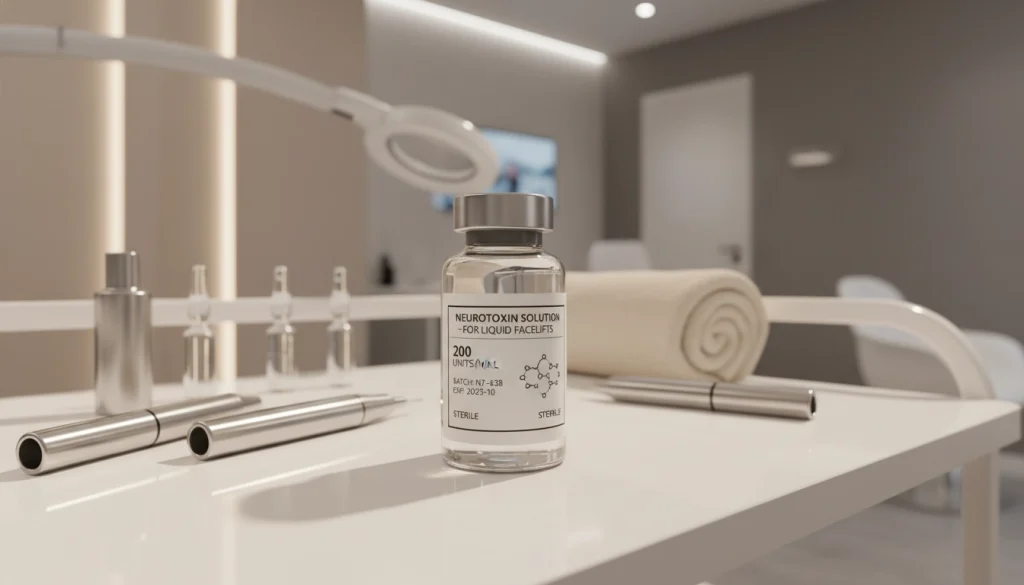
Neurotoxins in Liquid Facelifts
The introduction of neurotoxins in liquid facelifts has transformed non-surgical facial rejuvenation. These substances temporarily relax facial muscles. This action reduces the visibility of fine lines and wrinkles, leading to a smoother, more youthful appearance.
Botulinum Toxin Basics
Botulinum toxin is the primary neurotoxin used in liquid facelifts. It blocks nerve signals to the muscles, leading to a temporary relaxation. This relaxation diminishes the facial expressions that cause wrinkles.
Botox, Dysport, and Xeomin Differences
Botox, Dysport, and Xeomin, all derived from botulinum toxin, differ in formulation and duration. Botox is the most recognized. Dysport is known for its rapid onset. Xeomin is preferred for its purity.
Duration and Efficacy
The effects of these neurotoxins last between 3 to 6 months, influenced by metabolism and treatment area. Regular treatments are necessary to sustain the desired outcomes.
Strategic Placement for Optimal Results
The success of neurotoxins in liquid facelifts depends on strategic placement. Practitioners must evaluate facial structure and muscle dynamics to find the best injection sites. This approach ensures a natural, aesthetically pleasing result that aligns with the individual’s goals.
The Complete Liquid Facelift Procedure
The journey to a rejuvenated appearance through a Liquid Facelift involves several key stages. These stages range from the initial consultation to post-procedure care. Understanding each step helps individuals prepare for what to expect and how to achieve the best results.
Initial Consultation Process
The first step in the Liquid Facelift process is a detailed consultation with a qualified practitioner. During this session, the practitioner assesses the individual’s facial structure and discusses their aesthetic goals. They determine the most suitable treatment plan, tailoring it to the individual’s needs and ensuring realistic expectations.
Treatment Planning and Mapping
After the consultation, the practitioner creates a detailed treatment plan. This involves mapping the areas of the face to be treated and selecting the appropriate dermal fillers and neurotoxins. The practitioner plans the injection sites, aiming for a harmonious and natural-looking enhancement that addresses the individual’s specific concerns.
Step-by-Step Procedure Experience
The actual Liquid Facelift procedure involves several steps, each critical to achieving the desired outcome.
Pain Management Options
To minimize discomfort, practitioners often use topical anesthetics or cooling devices. Some dermal fillers also contain lidocaine, a local anesthetic, to enhance patient comfort during the procedure.
Injection Techniques
The practitioner uses precise injection techniques to administer the chosen fillers and neurotoxins. The skill and experience of the practitioner are key in this stage, as the technique significantly impacts the results.
Immediate Post-Injection Observations
After the injections, the practitioner assesses the treated areas to ensure the desired results have been achieved. Some immediate swelling or redness is normal, but this typically subsides within a few hours to a few days.
The Liquid Facelift procedure is a sophisticated, multi-step process designed to provide natural-looking rejuvenation with minimal downtime. By understanding the steps involved, individuals can better prepare for their treatment and appreciate the care taken to achieve their aesthetic goals.
Target Areas for Liquid Facelift
Liquid Facelifts offer a versatile approach to facial rejuvenation, focusing on various facial regions. This method provides a holistic solution for achieving a more youthful look.
These treatments can be tailored to address specific areas of concern. This includes the cheeks, under-eye area, jawline, temples, and forehead. By targeting these key regions, individuals can achieve a more balanced and youthful appearance.
Cheek Enhancement Techniques
Cheek enhancement is a key aspect of Liquid Facelifts, aiming to restore volume and redefine facial structure. Dermal fillers are injected into the cheeks to achieve a natural-looking lift. This improves facial contours. For more information on cheek enhancement and other facial rejuvenation techniques, visit a reputable source.
Under-Eye Rejuvenation
The under-eye area is a critical region for Liquid Facelifts. Dermal fillers are used to fill in hollows and reduce dark circles. This technique requires precision and expertise to ensure natural-looking results.
Jawline Definition
A well-defined jawline is essential for a youthful and attractive facial profile. Liquid Facelifts use dermal fillers to add definition and contour to the jawline. This can also help reduce the appearance of jowls and improve facial harmony.
Temple and Forehead Treatments
The temples and forehead are additional areas targeted by Liquid Facelifts. Restoring volume to the temples and smoothing out forehead lines can achieve a more youthful look. These treatments can be customized to address individual concerns and facial anatomy.
Ideal Candidates for a Liquid Facelift
Identifying the right candidates for a liquid facelift is key to achieving optimal results. This non-surgical procedure employs dermal fillers and neurotoxins to revitalize the face. It’s designed to rejuvenate without the need for surgery.
Age Considerations
The ideal age range for a liquid facelift typically spans from the late 30s to early 60s. While age is a factor, it’s not the only one. This age bracket is ideal for addressing early aging signs or preserving a youthful look.
Skin Type Factors
Skin type is a critical factor in determining candidacy. A liquid facelift can be suitable for various skin types. Yet, certain conditions can impact the outcome. For example:
- Those with sensitive skin may need to take extra precautions.
- Individuals with significant skin laxity might not achieve the desired results.
Health Requirements and Contraindications
Health conditions or medications can make a liquid facelift unsuitable. Ideal candidates are typically in good health. They should not have conditions that could hinder the procedure or recovery. Key health considerations include:
- Absence of active infections or inflammatory conditions.
- No history of severe allergies or adverse reactions to fillers or neurotoxins.
- Not pregnant or breastfeeding.
Recovery and Aftercare Guidelines
To maximize the benefits of a Liquid Facelift, following a detailed aftercare plan is essential. Proper recovery and aftercare are key to achieving the best results and ensuring they last.
Immediate Post-Treatment Care
Right after the procedure, you might notice redness, swelling, or bruising at the injection sites. To address these, apply ice packs wrapped in a cloth to the affected areas for 10-15 minutes at a time. It’s important to avoid strenuous activities, including heavy exercise, for at least 24 hours. Elevating your head while resting can also help reduce swelling.
- Avoid touching or massaging the treated areas
- Use gentle skincare products
- Stay hydrated by drinking plenty of water
Managing Common Side Effects
Common side effects of a Liquid Facelift include redness, swelling, and bruising. These usually resolve within a few days. To manage these, you can use over-the-counter pain relievers and topical creams as advised by your provider.
Long-Term Care for Extended Results
To keep the results of your Liquid Facelift looking great, stick to a consistent skincare routine. This should include sun protection, moisturizing, and gentle exfoliation. Regular check-ups with your provider will help schedule the best maintenance treatments.
By following these recovery and aftercare guidelines, you can enjoy the benefits of your Liquid Facelift for a longer time.
Potential Risks and Complications
While Liquid Facelifts are considered safe, it’s important to understand the possible risks and complications. This knowledge is key for making informed decisions. Like any cosmetic treatment, Liquid Facelifts have their own set of side effects and complications.
Common Side Effects
Most patients experience minimal side effects after a Liquid Facelift, which are usually temporary. Common issues include bruising, swelling, tenderness, and redness at the injection sites.
Bruising and Swelling Management
Bruising and swelling can be managed with cold compresses and, in some cases, topical arnica gel. These symptoms usually resolve within a few days.
Tenderness and Redness
Tenderness and redness are usually mild and can be alleviated with over-the-counter pain relievers and gentle skin care. These effects typically subside within a week.
Rare but Serious Complications
Though rare, serious complications can occur. It’s essential to be aware of these possible risks.
Vascular Occlusion Concerns
Vascular occlusion, where a filler inadvertently blocks a blood vessel, is a rare but serious complication. Symptoms include severe pain, skin discoloration, and vision changes. Immediate medical attention is required if these symptoms occur.
Infection and Biofilm Formation
Infection and biofilm formation are rare complications that can result from improper technique or aftercare. Signs of infection include increased redness, swelling, and pain. Prompt treatment with antibiotics is necessary.
How to Minimize Risks
To minimize the risks associated with Liquid Facelifts, it’s essential to choose a qualified and experienced provider. Following pre- and post-treatment instructions carefully is also vital. Regular follow-up appointments can help identify and address any complications early.
Cost Factors of Liquid Facelifts
Several key factors influence the overall cost of a liquid facelift procedure. The total expense is determined by a combination of elements. These include the type and amount of dermal fillers used, the expertise of the provider, and the geographic location of the treatment.
Average Price Ranges
The average cost of a liquid facelift can range widely. It typically falls between $1,000 to $5,000 per treatment session. The exact cost depends on the specific areas being treated and the products used.

Geographic and Provider Variations
Geographic location and provider expertise significantly impact the cost. Major cities and highly experienced practitioners tend to charge more. For instance, a liquid facelift in New York or Los Angeles may cost more than in smaller cities or towns.
Financing Options and Considerations
Many providers offer financing options to make liquid facelifts more accessible. Patients can explore various payment plans, including monthly installments or package deals for multiple treatment sessions. It’s essential to discuss these options during the initial consultation.
Selecting a Qualified Provider
Choosing the right provider for a Liquid Facelift is critical for both safety and effectiveness. A skilled provider not only boosts your looks but also guarantees a safe procedure.
Essential Credentials to Look For
Seek out a provider with board certification in dermatology or plastic surgery. Their experience with dermal fillers and neurotoxins is key. Also, look for any extra certifications in facial rejuvenation.
- Board certification in dermatology or plastic surgery
- Experience with dermal fillers and neurotoxins
- Additional certifications in facial rejuvenation
Questions to Ask During Consultation
At your first meeting, ask about their experience and the products they use. Discuss how they plan to achieve your desired look. Also, ask about possible risks and how they handle complications.
Red Flags to Watch Out For
Be cautious of providers who are overly aggressive or make exaggerated claims. Make sure they use FDA-approved products and have a transparent consultation process. Low prices can be a sign of inexperience or counterfeit products.
By carefully choosing a qualified provider, you can have a safe and successful Liquid Facelift.
Combining Liquid Facelift with Other Treatments
A liquid facelift offers significant benefits, but pairing it with other treatments can enhance its effects. This holistic approach addresses a wide range of concerns. It includes fine lines, volume loss, skin texture, and tone.
Complementary Non-Surgical Procedures
Several non-surgical procedures can be effectively combined with liquid facelifts. These include:
- Laser treatments for skin resurfacing and tightening
- Microneedling for collagen stimulation and skin texture improvement
- Thread lifts for additional lifting and contouring
- Energy-based devices for skin rejuvenation and tightening
Laser Treatments and Microneedling
Laser treatments and microneedling are popular choices to complement liquid facelifts. Laser treatments address pigmentation, fine lines, and skin laxity. Microneedling stimulates collagen production, improving skin texture and firmness.
Thread Lifts and Energy-Based Devices
Thread lifts provide an additional lifting effect, helping to reposition and support sagging facial tissues. Energy-based devices, such as radiofrequency and ultrasound, further enhance skin tightening and rejuvenation.
Creating a Comprehensive Rejuvenation Plan
To create a rejuvenation plan, consult with a qualified provider. They will assess your individual needs and recommend the most effective combination of treatments. This personalized approach ensures you achieve the best results, addressing your specific concerns and boosting your natural beauty.
A rejuvenation plan may include a series of treatments over several sessions. Regular follow-ups are necessary to monitor progress and make adjustments. By combining liquid facelifts with other non-surgical procedures, you can enjoy a refreshed, youthful appearance that lasts.
Your Path to Refreshed, Natural Beauty
A Liquid Facelift is a transformative journey to reclaiming a refreshed appearance and embracing natural beauty. It leverages the latest advancements in dermal fillers and neurotoxins. This way, individuals can achieve a more youthful and vibrant look without undergoing surgery.
The process is tailored to each person’s unique facial structure and aesthetic goals. This ensures a personalized approach to facial rejuvenation. With a Liquid Facelift, the focus is on restoring volume, smoothing out wrinkles, and improving facial contours. The goal is to reveal a smoother, more radiant complexion.
By choosing a qualified provider and following a detailed treatment plan, individuals can enjoy a refreshed appearance. This appearance not only looks natural but also boosts confidence. The result is a revitalized version of oneself, ready to take on life with renewed energy and a renewed sense of self.
FAQ
Q: What is a Liquid Facelift?
A: A Liquid Facelift is a non-surgical cosmetic procedure. It uses dermal fillers and neurotoxins to rejuvenate and enhance the face’s appearance.
Q: How long does a Liquid Facelift last?
A: The duration of a Liquid Facelift varies. It depends on the fillers and neurotoxins used. Typically, it lasts between 6 to 24 months.
Q: Is a Liquid Facelift painful?
A: Some discomfort may occur. Most providers use topical anesthetics or pain management options to minimize pain during the procedure.
Q: What are the common side effects of a Liquid Facelift?
A: Common side effects include bruising, swelling, tenderness, and redness. These usually resolve on their own within a few days.
Q: Can I combine a Liquid Facelift with other treatments?
A: Yes, Liquid Facelifts can be combined with other non-surgical treatments. This includes laser treatments, microneedling, and thread lifts. It helps achieve more complete rejuvenation.
Q: How do I choose a qualified provider for a Liquid Facelift?
A: Look for a provider with essential credentials. They should be board certified and experienced in administering dermal fillers and neurotoxins. Ask questions during the consultation to ensure they meet your needs.
Q: What is the cost of a Liquid Facelift?
A: The cost varies based on several factors. These include geographic location, provider expertise, and the type and amount of fillers and neurotoxins used. Average price ranges are available upon consultation.
Q: Are there any health requirements or contraindications for a Liquid Facelift?
A: Certain health conditions may be contraindications for a Liquid Facelift. These include bleeding disorders or neurological diseases. A thorough consultation is necessary to determine suitability.
Q: How do I care for my skin after a Liquid Facelift?
A: Follow post-treatment guidelines. This includes managing common side effects and maintaining good skin hygiene. It ensures optimal results and minimizes complications.
Q: Can I get a Liquid Facelift if I have sensitive skin?
A: While sensitive skin may require special consideration, many providers can accommodate it. They use appropriate precautions and product selections.