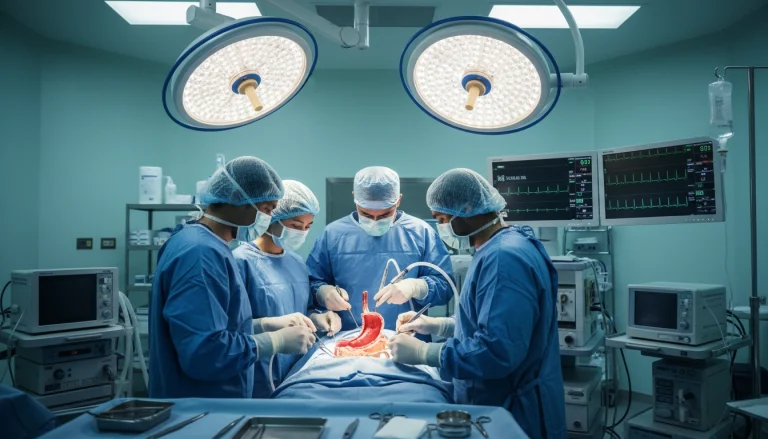
Live Donor Selection: The Significance of Live Organ Donation
The selection of a live organ donor is critical for the success of organ transplantation. It requires a thorough evaluation to check the donor’s medical fitness and mental readiness. This detailed evaluation is key for the health of both the donor and the recipient. Transplant centers are at the forefront, using strict medical standards to assess donor suitability.
Delving into the details of live organ donation reveals the complexity of the selection process. It shows that transplant centers do more than just facilitate donations. They also ensure donors are well-informed and ready for the procedure. The importance of live organ donation is immense, marking a critical shift in transplantation medicine. It has transformed the field, bringing new hope to those in need and boosting recipient outcomes.
Current State of Organ Transplantation in the US
In the US, organ transplantation faces a stark reality: demand far outstrips supply. Thousands of patients await a transplant, but the organ pool is woefully inadequate. Live donor transplantation has become a key strategy to bridge this gap. It accounts for a significant portion of transplants, helping to meet the growing need.
Advantages of Live Donor Transplantation
Live donor transplantation brings several benefits to the table. It boasts higher graft survival rates and shorter waiting times for recipients. The ability to plan the transplant is a major plus, facilitating better care coordination. It also reduces the risk of complications from prolonged waiting, improving recipient health outcomes.
Live Donor Selection Process and Protocols
Choosing a live organ donor requires a detailed evaluation. This includes medical, psychological, and compatibility checks. It’s essential for a successful transplant and the safety of both the donor and the recipient.
Initial Screening and Compatibility Testing
The first step is a series of screenings and tests. These aim to determine if the donor is suitable. Key aspects include:
- Blood tests to check the donor’s health and detect risks.
- Reviewing the donor’s medical history for conditions that might impact donation or future health.
- Compatibility tests, like blood type and tissue typing, to match the donated organ with the recipient.
The Multi-Disciplinary Evaluation Team
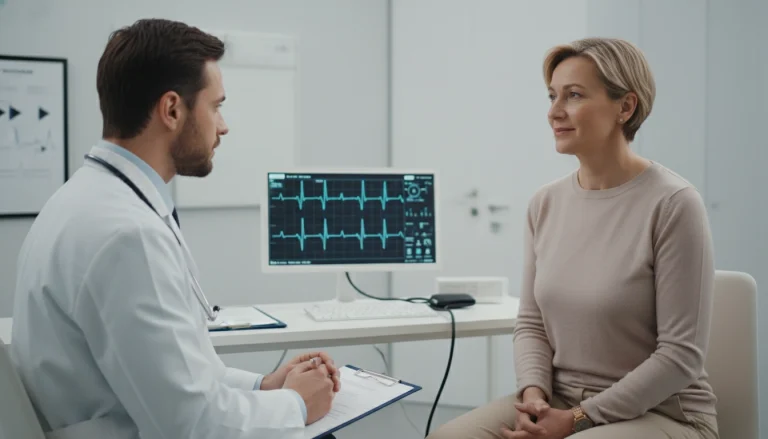
A team of healthcare experts is vital in evaluating the donor. This team includes:
- Transplant surgeons who examine the donor’s anatomy and the donation’s technical aspects.
- Nephrologists or other specialists who assess the donor’s health and the organ’s function.
- Psychologists or psychiatrists who evaluate the donor’s mental health and readiness.
- Social workers who look at the donor’s social support and psychosocial risks.
This team ensures a thorough evaluation of the donor’s health and suitability. Their assessment is key in deciding if the donor is eligible.
Medical Criteria for Live Donor Selection
To qualify as a live donor, an individual must meet specific medical criteria. These criteria are vital for the organ transplantation process’s safety and success. They ensure the donor’s health and the viability of the donated organ.
General Health Requirements
General health requirements for live donors include the absence of chronic diseases, infectious diseases, and cancer. They undergo thorough medical evaluations. This is to identify any conditions that could compromise their health or the transplant’s success.
- Normal organ function
- Absence of chronic diseases like diabetes or hypertension
- No history of cancer or infectious diseases
Organ-Specific Medical Criteria
Organ-specific medical criteria vary by the organ being donated. For instance, kidney donors must have normal kidney function. Liver donors must have a liver capable of regeneration.

- Kidney donors: Normal kidney function, compatible blood type
- Liver donors: Liver regeneration capability, compatible liver size
Age and Physical Fitness Considerations
Age and physical fitness are critical in evaluating live donors. Older donors or those with physical limitations face higher risks during and after surgery.
Contraindications for Donation
Certain medical conditions can be contraindications for live donation. These include severe chronic diseases, active infections, and conditions that could significantly increase surgery risks.
- Severe hypertension or heart disease
- Active infections or chronic diseases like HIV
- Mental health conditions that could impact decision-making capacity
Comprehensive Medical Evaluation
The medical evaluation for live donors is a critical step. It assesses if the donor is healthy enough for surgery. It also checks if the organ is suitable for transplantation.
Laboratory Tests and Blood Work
Laboratory tests and blood work are key parts of the evaluation. They check the donor’s blood chemistry, hematology, and infectious disease status. Blood tests include complete blood counts, electrolyte panels, and tests for diseases like HIV and hepatitis.
Imaging Studies and Anatomical Assessment
Imaging studies, like CT scans and MRI, evaluate the organ’s anatomy. They provide detailed information about the organ’s structure. This helps identify any issues that could affect the donation or transplantation.
Specialized Organ Function Testing
Specialized tests assess the donor’s organ function. For instance, kidney donors undergo tests to evaluate their glomerular filtration rate (GFR). Liver donors have their liver function assessed through biochemical tests. These tests determine the organ’s health and viability.
The medical evaluation is a detailed process. It ensures the health and safety of both the donor and the recipient. By thoroughly assessing the donor’s medical status, healthcare providers can reduce risks associated with live organ donation.
Psychological Assessment of Potencial Donors
The psychological evaluation of live donors is a key part of the organ donation process. It ensures donors are mentally ready for the donation and recovery. It also confirms their decision to donate is informed and voluntary.
Motivations for Donation
Understanding why a donor wants to donate is essential. Donors might want to help a loved one or act out of altruism. The assessment looks into these motivations to ensure they’re not influenced by coercion or money.
- Altruistic motivations
- Family or emotional ties to the recipient
- Potential for personal satisfaction or fulfillment
Mental Health Screening
Mental health screening is a critical part of the assessment. It checks the donor’s mental health history, current mental state, and ability to handle donation and recovery stress.
- Review of psychiatric history
- Assessment of current mental health status
- Evaluation of coping mechanisms
Assessing Donor Decision-Making Capacity
It’s vital to assess a donor’s decision-making capacity. This ensures they understand the donation’s risks, benefits, and outcomes.
The psychological assessment of live donors is complex and essential for the success and safety of organ donation.
Ethical Considerations in Live Donor Selection
Ensuring ethical standards in live donor selection is vital for trust in transplantation. It balances respecting donors’ autonomy with the well-being of both donors and recipients.

Informed Consent and Voluntariness
Obtaining informed consent is key in ethical live donor selection. Donors must receive detailed information on the donation process, risks, and benefits. It’s also critical to ensure voluntariness, preventing any coercion or pressure.
- Clear explanation of the donation process
- Disclosure of possible risks and complications
- Assessment of donor understanding
Balancing Donor Risk and Recipient Benefit
Transplant teams must evaluate the risks to donors against the benefits to recipients. This involves a detailed medical and psychological assessment of the donor.
- Medical evaluation to assess donor suitability
- Psychological assessment to evaluate donor motivations and stability
- Consideration of alternative treatments for the recipient
Addressing Coercion and Financial Incentives
Ethical live donor selection must prevent coercion and undue influence, including financial incentives. This includes independent donor advocacy and thorough psychological evaluations.
- Independent advocacy for donors
- Psychological screening to detect coercion or undue influence
- Policies against financial incentives for donation
Types of Live Organ Donation
Live organ donation has evolved, now encompassing various types to meet different needs and circumstances. This variety has broadened the transplant options for those in need, bringing hope and a second chance at life.
Directed Donation to Family Members
Directed donation involves giving an organ to a family member or loved one. It’s often driven by emotional bonds and a desire to help someone close. The process checks if the donor and recipient are compatible for a successful transplant.
Non-Directed Altruistic Donation
Non-directed altruistic donation is a selfless act where an individual donates an organ to a stranger without expecting anything in return. This act showcases the donor’s generosity and goodwill, enriching the pool of available organs for transplantation.
Paired Exchange Programs
Paired exchange programs involve swapping organs between two or more donor-recipient pairs to increase transplant success rates. This approach overcomes compatibility issues, ensuring recipients get organs that fit them well.
Domino Transplants and Donation Chains
Domino transplants and donation chains are complex yet effective strategies in live organ donation. A domino transplant uses a living donor’s organ to save a recipient, who then has a living donor for another recipient, forming a chain of transplants.
These donation types highlight the complexity and beauty of organ donation. They show how individuals come together to save lives. Understanding these types helps us appreciate the detailed processes of matching donors with recipients.
The Role of Transplant Centers in Live Donor Selection
Transplant centers lead in live donor selection, employing detailed evaluation protocols to gauge donor fitness. They are key in verifying that donors are medically and psychologically fit for organ donation.
Transplant Center Evaluation Protocols
These centers have set up strict evaluation protocols, encompassing both medical and psychological assessments. These protocols aim to confirm donors’ health for surgery and the donation’s safety for their future well-being.
- Medical history review
- Laboratory tests and blood work
- Imaging studies to assess organ anatomy
- Psychological evaluations to assess donor motivations and mental health
Center-Specific Selection Criteria
Though there are universal guidelines for live donor selection, each transplant center may have unique criteria. These criteria are based on their patient demographics, organ focus, and policies. They guide in making decisions on donor suitability.
Considered factors include the donor’s health, compatibility with the recipient, and donation risks. By examining these elements, transplant centers ensure live donor transplants are conducted safely and successfully.
Legal Framework for Live Donor Selection
The legal framework for live donor selection is complex, involving federal regulations and guidelines from the United Network for Organ Sharing (UNOS). It aims to safeguard the rights of donors and recipients, ensuring the donation process is ethical and safe.
Federal Regulations and UNOS Guidelines
Federal laws are key in shaping the legal landscape for live donor selection. The United Network for Organ Sharing (UNOS) offers additional guidelines for transplant centers. These cover donor evaluation, informed consent, and protecting donor rights.
UNOS guidelines are vital as they standardize practices across transplant centers. This ensures a consistent level of care and ethical consideration nationwide.
State-Specific Legislation
State laws also play a role in live donor selection, alongside federal regulations and UNOS guidelines. Different states have their own laws on organ donation, informed consent, and donor rights. Transplant centers must comply with these laws to ensure the donation process is legally valid.
Transplant centers must understand and follow this complex legal framework. This is essential to ensure live donor selections are conducted legally and ethically. It protects the well-being of both donors and recipients.
Special Considerations for Different Organ Types
Organ-specific considerations are vital in live donor selection. Evaluating donors for specific organs is essential. Each organ has unique criteria and requirements.
Kidney Donation Selection Criteria
Kidney donors face a thorough evaluation to confirm normal kidney function. Their glomerular filtration rate (GFR) and kidney health are assessed. Certain medical conditions, like hypertension or diabetes, can disqualify donors.
Liver Donation Selection Criteria
Liver donors are evaluated for their liver’s regenerative ability. The process checks liver function, anatomy, and overall health. Techniques like split-liver transplantation, as discussed on Acibadem International, enhance liver donation flexibility.
Lung and Intestinal Donation Selection Criteria
Lung and intestinal donors must meet specific criteria. Lung donors are evaluated for lung capacity and respiratory health. Intestinal donors are assessed for intestinal function and absence of certain diseases.
Emerging Options in Live Donation
Advancements in surgical techniques, like laparoscopic donation, are broadening live organ donation possibilities. These emerging options aim to minimize donation risks and improve outcomes for donors.
Risks and Benefits Assessment in Live Donor Selection
Conducting a thorough risk-benefit analysis is essential in the live donor selection process. It ensures that decisions are made with full knowledge of the implications. This evaluation spans both immediate and long-term effects on the donor.
Short-term Surgical and Recovery Risks
The process of selecting live donors involves examining the short-term risks of surgery and recovery. These risks include:
- Complications during surgery
- Infection or bleeding post-surgery
- Adverse reactions to anesthesia
- Prolonged recovery time
Donors undergo rigorous evaluation to reduce these risks. Their health is closely monitored during the recovery phase.
Long-term Health Outcomes for Donors
Long-term health outcomes for donors are also a key focus. Studies indicate that most living donors enjoy a good quality of life post-donation. Yet, there are risks to consider, such as:
- Reduced kidney function in kidney donors
- Potential for liver regeneration issues in liver donors
- Other organ-specific complications
Donors are advised on these possible long-term outcomes to ensure they are well-informed.
Risk-Benefit Analysis in the Selection Process
The risk-benefit analysis is a vital part of the live donor selection process. It compares the risks of donation against its benefits, considering both the donor and the recipient. The advantages include:
- Improved health outcomes for the recipient
- Potential for a better quality of life for both the donor and recipient
- The altruistic benefits for the donor
Healthcare professionals use this analysis to make informed decisions about a donor’s suitability.
Post-Selection Donor Preparation
After selecting a live donor, the next step is preparing them for the donation process. This phase is essential to ensure the donor is physically and emotionally prepared for surgery. It aims to minimize risks and enhance the donation’s success.
Pre-Donation Counseling and Education
Pre-donation counseling and education are key in the preparation process. The donor learns about the donation’s risks and benefits, the surgery, and recovery time. This knowledge empowers the donor, helping them understand what lies ahead.

Medical Preparation Before Surgery
Medical preparation before surgery focuses on improving the donor’s health to lower surgical risks. It includes running necessary tests and studies. These steps ensure the donor’s health and the organ’s suitability for transplantation.
Financial and Logistical Considerations
Financial and logistical aspects are also covered during preparation. Discussions about donation costs, work time off, and post-surgery care are part of this. Proper management of these details eases the donor’s burden.
Donor Follow-Up and Long-Term Care
Ensuring the well-being of live donors necessitates a detailed follow-up and long-term care plan. This strategy is vital for tracking the donor’s health after donation and tackling any complications promptly.
Immediate Post-Donation Monitoring
Monitoring the donor’s recovery immediately after donation is essential. It involves regular health assessments, lab tests, and imaging to gauge their overall health and catch any issues early.
- Regular follow-up appointments with the transplant team
- Laboratory tests to monitor organ function and overall health
- Imaging studies to assess the surgical site and detect any complications
Long-Term Health Surveillance Protocols
Establishing long-term health surveillance protocols is key to monitoring donors over time. These protocols include routine check-ups, health screenings, and assessments to identify any lasting effects of donation.
- Annual check-ups with the primary care physician
- Periodic health screenings to monitor organ function and overall health
- Assessments to identify any long-term complications
Psychosocial Support After Donation
Psychosocial support is a critical aspect of post-donation care. Donors may experience a variety of emotions, from relief to anxiety, and need support to manage these feelings.
- Counseling services to address emotional and psychological needs
- Support groups for donors to share their experiences
- Resources for managing stress and anxiety
Advancing the Future of Live Organ Donation
The future of live organ donation looks bright, thanks to ongoing research and advancements. New surgical techniques and better immunosuppression methods are on the horizon. As the field evolves, live donor selection will become even more critical in meeting organ demand.
Technological breakthroughs, like laparoscopic donation, promise to enhance the donor experience. They also aim to lower donation risks. Simultaneously, efforts to boost awareness and education about live donation are gaining momentum. This is expected to encourage more people to consider live donation.
Innovation and improvement in live donor selection processes will define the future of donation. By refining selection criteria and protocols, transplant centers can better evaluate and care for donors. This will lead to improved outcomes for both donors and recipients.
FAQ
Q: What is the significance of live organ donation?
A: Live organ donation is a critical part of organ transplantation. It saves lives and enhances the quality of life for those who receive organs.
Q: What are the advantages of live donor transplantation?
A: Live donor transplantation offers several benefits. These include higher graft survival rates, shorter waiting times, and the flexibility to plan the transplant.
Q: What is the live donor selection process?
A: The selection of live donors involves a detailed evaluation. This ensures the donor is both medically and psychologically fit for donation.
Q: What are the medical criteria for live donor selection?
A: The medical standards for live donor selection are strict. They focus on the donor’s health, the specific organ’s condition, age, and physical condition.
Q: What is the role of transplant centers in live donor selection?
A: Transplant centers are essential in live donor selection. They assess the donor’s suitability and ensure the donation is done safely.
Q: What are the different types of live organ donation?
A: There are various types of live organ donation. These include donations to family members, altruistic donations, paired exchange programs, and domino transplants.
Q: What is the legal framework for live donor selection?
A: The legal framework for live donor selection is complex. It is governed by federal regulations, UNOS guidelines, and state laws.
Q: What are the risks and benefits associated with live donation?
A: A detailed risk-benefit analysis is conducted during the selection process. This ensures donors understand the possible risks and benefits.
Q: What is the follow-up care for live donors?
A: Post-donation, donors receive ongoing care. This includes monitoring their recovery and addressing any complications that may arise.
Q: How is the future of live organ donation advancing?
A: The future of live organ donation looks promising. Ongoing research and advancements in surgery and immunosuppression are underway. Efforts to raise awareness and education about donation are also increasing.