Lumbar Spinal Stenosis: What is Lumbar Spinal Stenosis?
Lumbar Spinal Stenosis is a condition that impacts the lower back, causing discomfort and mobility issues. It happens when the spinal canal narrows, putting pressure on the nerves. This condition can lead to significant pain and limitations in daily activities. Understanding the causes, symptoms, and treatment options is key to managing Lumbar Spinal Stenosis effectively.
With the aging population, the prevalence of this condition is expected to rise. It’s a pressing health issue that needs attention. To understand Lumbar Spinal Stenosis, it’s vital to know its basic definition and who it impacts most.
Definition and Overview
Lumbar Spinal Stenosis is a condition where the spinal canal in the lower back narrows. This narrowing can compress nerves, causing pain and discomfort. It can stem from aging, herniated discs, or spinal injuries.
This condition is often seen as worsening over time if not treated. Knowing about it helps us see who is most affected.
Prevalence and Demographics
Lumbar Spinal Stenosis is common, mainly among the elderly. Research shows it’s more common with age, affecting most over 50. It impacts both men and women, though men might be slightly more affected.
Understanding who gets Lumbar Spinal Stenosis helps us grasp its causes and risk factors. We’ll dive into these in the next sections.
Anatomy of the Lumbar Spine
The lumbar spine is a complex structure essential for supporting the body’s weight and enabling movement. It consists of five vertebrae, labeled L1 to L5. These vertebrae are designed to absorb stress and facilitate flexibility.
Normal Spinal Structure
The spinal structure includes vertebrae, intervertebral discs, the spinal canal, and nerve roots. Vertebrae are separated by intervertebral discs, which act as shock absorbers. The spinal canal, formed by the vertebrae, houses the spinal cord and nerve roots.
The lumbar spine’s key components are:
- Vertebrae: The spine’s building blocks, providing structural support.
- Intervertebral Discs: Cushions between vertebrae, absorbing shock and facilitating movement.
- Spinal Canal: The passageway for the spinal cord and nerve roots.
- Nerve Roots: Emerging from the spinal canal, these nerves transmit signals to and from the brain.
How Stenosis Affects Spinal Anatomy
Lumbar spinal stenosis is characterized by the narrowing of the spinal canal. This narrowing compresses the spinal cord and nerve roots. Various factors can cause this compression, including degenerative changes, herniated discs, and thickening of the ligamentum flavum.
The effects of stenosis on spinal anatomy include:
- Narrowing of the Spinal Canal: Reduces space for the spinal cord and nerve roots.
- Compression of Nerve Roots: Causes pain, numbness, and weakness in the lower extremities.
- Degenerative Changes: Includes bone spurs and thickening of ligaments.
Understanding these changes is vital for diagnosing and treating lumbar spinal stenosis effectively.
Types of Lumbar Spinal Stenosis
Grasping the various forms of lumbar spinal stenosis is key to accurate diagnosis and treatment. This condition is not a single entity but a term covering several specific stenosis types. Each impacts different lumbar spine areas.
Central Canal Stenosis
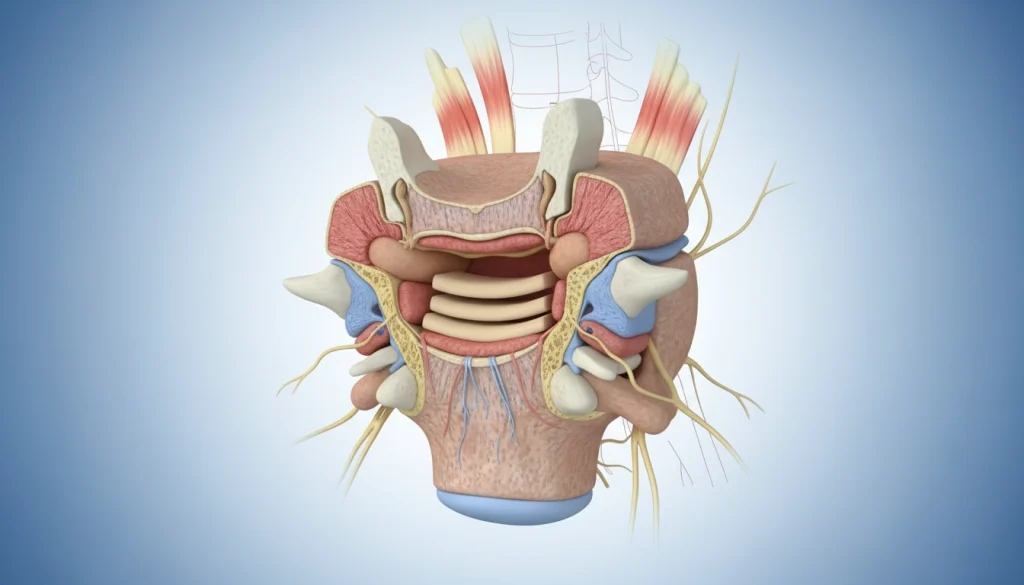
Central canal stenosis involves the narrowing of the lumbar spine’s central canal. This canal houses the cauda equina, a collection of nerve roots. Such narrowing can severely compress nerves, causing lower back pain, leg pain, and neurogenic claudication.
Foraminal Stenosis
Foraminal stenosis occurs when the foramina, nerve root exit points, narrow. This compression or irritation of nerve roots can result in leg pain, numbness, or weakness. It’s often linked to degenerative changes like osteophyte formation or disc herniation.
Lateral Recess Stenosis
Lateral recess stenosis narrows the lateral recess area, between the central canal and foramina. This can also compress nerve roots, mirroring symptoms of central canal and foraminal stenosis. Accurate diagnosis is critical for targeted treatment.
In conclusion, recognizing the various lumbar spinal stenosis types is essential for healthcare professionals to craft effective treatment strategies. Each stenosis type has unique characteristics, necessitating a tailored management approach.
Causes of Lumbar Spinal Stenosis
Lumbar spinal stenosis arises from a mix of factors, including age-related wear, disc herniation, spinal trauma, and congenital anomalies. Grasping these causes is key to diagnosing and treating the condition effectively.
Age-Related Degeneration
Age-related degeneration is a leading cause of lumbar spinal stenosis. As we age, our spinal discs lose water, becoming drier and more susceptible to cracking. This degeneration can cause bone spurs and ligament thickening, both of which narrow the spinal canal.
- Dryness and cracking of spinal discs
- Formation of bone spurs
- Thickening of ligaments
Herniated Discs
A herniated disc occurs when the soft inner gel leaks out through a tear in the outer disc. This can irritate nearby nerves and cause inflammation, contributing to the narrowing of the spinal canal.
Spinal Injuries and Trauma
Spinal injuries or trauma can also lead to lumbar spinal stenosis. Accidents or falls can cause fractures or dislocations of the spine, narrowing the spinal canal. The body’s response to injury, such as inflammation and scar tissue formation, can also contribute to stenosis.
- Fractures or dislocations from trauma
- Inflammation and scar tissue formation
Congenital Factors
Some individuals are born with conditions that affect their spine’s development, leading to a narrower spinal canal. These congenital factors can predispose individuals to lumbar spinal stenosis earlier in life.
- Narrower spinal canal at birth
- Abnormal spinal development
Understanding the various causes of lumbar spinal stenosis is vital for developing effective treatment plans. Whether the condition stems from age-related degeneration, herniated discs, spinal injuries, or congenital factors, a holistic approach is necessary. This approach aims to manage symptoms and enhance quality of life.
Risk Factors for Developing Lumbar Spinal Stenosis
Understanding the risk factors for Lumbar Spinal Stenosis is key for prevention and management. Several elements increase an individual’s risk of developing this condition.
Age and Gender Considerations
Age is a major risk factor for Lumbar Spinal Stenosis, with older adults more commonly affected. Degenerative changes with aging, like disc loss and bone spurs, narrow the spinal canal. Gender also influences risk, with men possibly more prone than women.
Genetic Predisposition
Genetic factors can predispose individuals to Lumbar Spinal Stenosis. Those with a family history of spinal conditions are at higher risk. Genetic predisposition affects the rate and extent of spinal degeneration.
Lifestyle and Occupational Factors
Lifestyle and occupational factors also play a role in Lumbar Spinal Stenosis risk. Jobs involving heavy lifting, bending, or prolonged standing increase spine stress. A sedentary lifestyle and lack of exercise also contribute to the condition’s development.
Recognizing these risk factors aids in early identification and management of Lumbar Spinal Stenosis. This can help reduce symptoms and improve quality of life.
Common Symptoms of Lumbar Spinal Stenosis
Recognizing the symptoms of Lumbar Spinal Stenosis is key to early diagnosis and treatment. This condition presents through various symptoms, affecting one’s quality of life significantly.
Lower Back Pain Characteristics
Lower back pain is a common symptom of Lumbar Spinal Stenosis. The pain’s intensity can vary, often feeling like aching or stiffness. Key characteristics include:
- Pain that worsens with standing or walking
- Relief from pain when sitting or bending forward
- Chronic pain that persists over time
Leg Pain and Neurogenic Claudication
Leg pain, known as neurogenic claudication, is another hallmark symptom. This pain radiates down one or both legs, worsening with walking or standing. Key features include:
- Pain or discomfort in the legs or buttocks
- Symptoms worsen with walking or standing
- Pain relief when sitting or leaning forward
Numbness and Tingling
Numbness and tingling sensations in the legs or feet are also common symptoms. These sensations can be uncomfortable, indicating nerve compression. Characteristics include:
- Numbness or tingling in the legs or feet
- Sensations that worsen with standing or walking
- Relief when changing positions
Impact on Mobility and Daily Activities
Lumbar Spinal Stenosis can greatly impact mobility and daily activities. Symptoms can limit walking distance and make everyday tasks challenging.
Common challenges include difficulty walking, standing for long periods, or engaging in physical activities. Understanding these symptoms is vital for managing the condition effectively.
Diagnosing Lumbar Spinal Stenosis
To accurately diagnose Lumbar Spinal Stenosis, healthcare professionals use a combination of physical exams and advanced imaging studies. This approach ensures patients get a precise diagnosis. This is key for creating an effective treatment plan.
Physical Examination
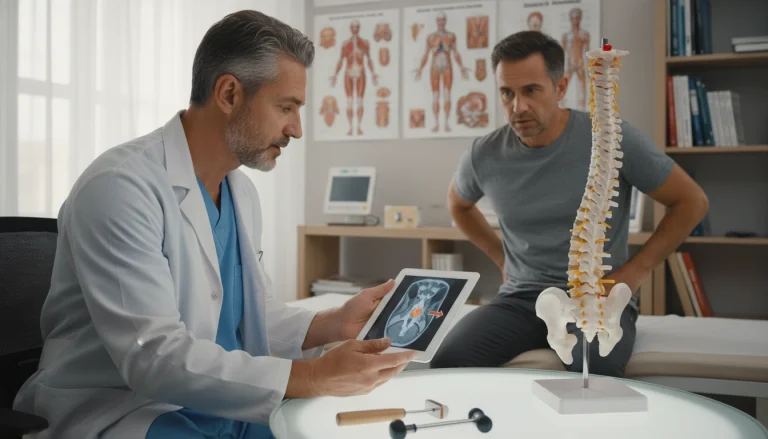
A thorough physical exam is the first step in diagnosing Lumbar Spinal Stenosis. Healthcare providers check the patient’s range of motion, muscle strength, and reflexes. They also perform specific tests to evaluate neurological function and identify nerve compression signs.
Imaging Studies
Imaging studies are vital in confirming Lumbar Spinal Stenosis diagnosis. These studies give detailed images of the spine. Healthcare professionals can then see the stenosis’s extent and its impact on nerves.
MRI Scans
Magnetic Resonance Imaging (MRI) scans are the top choice for diagnosing Lumbar Spinal Stenosis. MRI scans show high-resolution images of soft tissues like the spinal cord and nerves. This allows for accurate nerve compression assessment.
CT Scans
Computed Tomography (CT) scans are also valuable. They provide detailed images of the spine’s bony structures. CT scans can spot bone spurs or other abnormalities that may cause stenosis.
X-rays
X-rays are often the first imaging study used. They give a general overview of the spine. Though not as detailed as MRI or CT scans, X-rays can spot significant bony issues or misalignments.
Differential Diagnosis
Differential diagnosis is critical in the diagnostic process. It involves ruling out other conditions with similar symptoms. Healthcare professionals must consider various diagnoses, including other spinal disorders, vascular conditions, and neurological diseases. This ensures an accurate Lumbar Spinal Stenosis diagnosis.
Non-Surgical Treatment Options
Non-surgical methods are often the first line of treatment for Lumbar Spinal Stenosis. These approaches aim to reduce symptoms and improve mobility. They focus on managing pain, boosting function, and sidestepping surgery’s risks.
Pain Management Medications
Pain management is key in treating Lumbar Spinal Stenosis. Doctors often prescribe NSAIDs, oral steroids, and analgesics to ease pain and inflammation. The medication choice depends on symptom severity and the patient’s health history.
- Oral NSAIDs reduce inflammation and pain.
- Oral steroids are used for short-term relief of severe symptoms.
- Analgesics help manage pain.
Physical Therapy Approaches
Physical therapy is vital in non-surgical Lumbar Spinal Stenosis treatment. It includes exercises and stretches to boost flexibility and strengthen back muscles. Physical therapists also teach proper posture and use manual therapy techniques.
Epidural Steroid Injections
Epidural steroid injections are a common treatment for Lumbar Spinal Stenosis. These injections deliver corticosteroids to the epidural space, reducing inflammation and pain.
Alternative Therapies
Alternative therapies like chiropractic care, acupuncture, and massage therapy can enhance traditional treatments. These methods focus on holistic pain management and overall well-being.
- Chiropractic care involves spinal manipulation.
- Acupuncture uses needles to stimulate healing.
- Massage therapy relieves muscle tension.
By using these non-surgical treatments, patients with Lumbar Spinal Stenosis can see significant symptom relief and quality of life improvement.
Surgical Interventions for Lumbar Spinal Stenosis
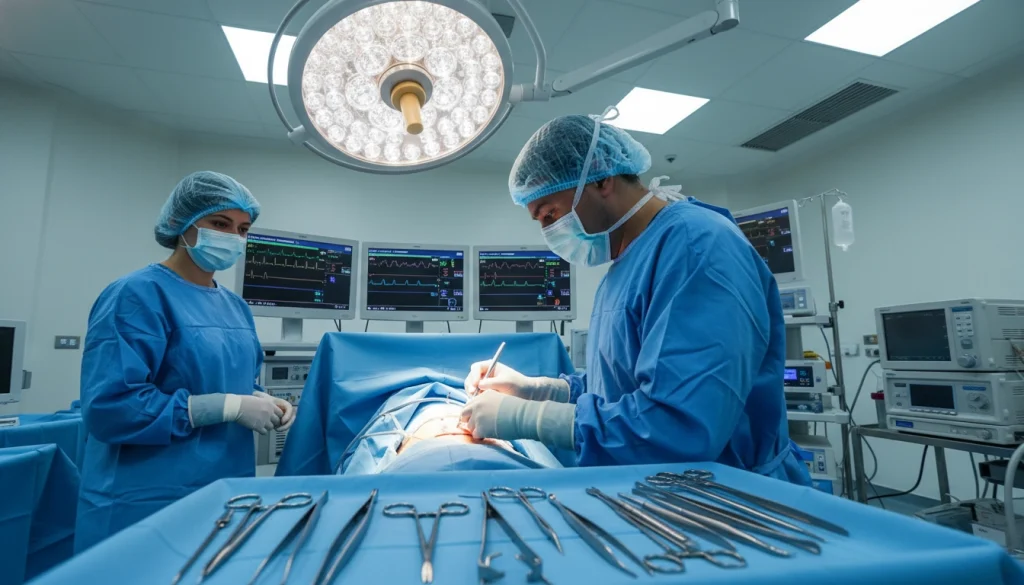
When conservative treatments fail, surgery becomes a key option for lumbar spinal stenosis. These surgeries aim to reduce pressure on the spinal cord or nerves. This relief can help alleviate pain and enhance mobility.
Decompression Procedures
Decompression procedures are a primary surgical approach for lumbar spinal stenosis. These procedures involve removing the structures that are compressing the nerves. This provides much-needed relief.
Laminectomy
A laminectomy involves removing a part of the vertebrae to decompress the spinal canal. This method is often effective in relieving symptoms of central canal stenosis.
Foraminotomy
Foraminotomy is a surgical procedure that widens the foramina. These are the openings through which nerves exit the spinal canal. It helps alleviate nerve compression caused by foraminal stenosis.
Minimally Invasive Techniques
Minimally invasive surgical techniques are gaining popularity for treating lumbar spinal stenosis. These procedures use smaller incisions and cause less tissue disruption. This can lead to quicker recovery times.
Spinal Fusion Surgery
In some cases, spinal fusion surgery is recommended alongside decompression procedures. Spinal fusion involves joining two or more vertebrae together. This stabilizes the spine, which is beneficial for patients with spinal instability.
Post-Surgical Recovery and Rehabilitation
Recovery from surgery for lumbar spinal stenosis varies based on the procedure and individual health. Generally, patients undergo rehabilitation to regain strength and mobility. This includes physical therapy.
Post-surgical care is essential for optimal recovery. Patients are advised to avoid heavy lifting, bending, or twisting. Following a structured rehabilitation program is key to the best outcomes.
Living with Lumbar Spinal Stenosis
Managing Lumbar Spinal Stenosis requires a holistic approach. It involves lifestyle adjustments, tailored exercise, and ergonomic practices. These strategies help alleviate symptoms and enhance overall well-being.
Lifestyle Modifications
Adopting healthy lifestyle habits is key to managing Lumbar Spinal Stenosis. Maintaining a healthy weight is essential to reduce strain on the spine. A balanced diet, rich in anti-inflammatory foods, can also help manage symptoms. Quitting smoking is another critical step, as it can slow down spinal degeneration.
It’s important to pace activities and avoid overexertion. Individuals should balance rest and activity to prevent flare-ups. Breaking tasks into smaller segments and taking regular breaks can help manage this balance.
Exercise and Physical Activity Guidelines
Exercise is vital for managing Lumbar Spinal Stenosis. Gentle exercises that strengthen the back and improve flexibility can reduce pain and enhance mobility. Swimming, cycling, or using an elliptical machine are recommended due to their low-impact nature. Always consult a healthcare provider or physical therapist to create a personalized exercise plan.
Ergonomic Considerations
Ergonomic adjustments can significantly alleviate symptoms of Lumbar Spinal Stenosis. Ensuring proper posture at workstations, with monitors at eye level and supportive chairs, reduces spinal strain. Using ergonomic tools and taking regular breaks to stand and stretch can also prevent discomfort.
By implementing these lifestyle modifications, exercise guidelines, and ergonomic practices, individuals with Lumbar Spinal Stenosis can effectively manage their condition. This allows them to lead active, fulfilling lives.
Prevention Strategies
Adopting a proactive approach to spinal health is key in preventing Lumbar Spinal Stenosis. Understanding the factors that lead to this condition helps individuals take preventive measures. This way, they can lower their risk.
Maintaining Spinal Health
Maintaining spinal health is essential in preventing Lumbar Spinal Stenosis. Regular exercise strengthens the muscles that support the spine. It also improves flexibility and promotes good posture. Activities like yoga or physical therapy are beneficial.
Avoiding smoking is also critical. Smoking reduces blood flow to the spine, speeding up degeneration.
Weight Management and Nutrition
Effective weight management and a balanced diet are vital for prevention. Excess weight strains the spine, increasing stenosis risk. A diet rich in calcium and vitamin D supports bone health. Foods high in antioxidants reduce inflammation.
Staying hydrated is also key for spinal disc health. By focusing on these prevention strategies, individuals can significantly reduce their risk of Lumbar Spinal Stenosis. This helps maintain a healthier spine throughout their lives.
When to Seek Medical Attention
Identifying the need for medical help is critical for Lumbar Spinal Stenosis treatment. Knowing which symptoms require a doctor’s visit is essential.
Red Flag Symptoms
Some symptoms demand immediate medical attention. These include:
- Severe or worsening pain
- Loss of bladder or bowel control
- Numbness or weakness in the legs that interferes with walking
Experiencing any of these red flag symptoms means you should seek medical help right away.
Finding the Right Specialist
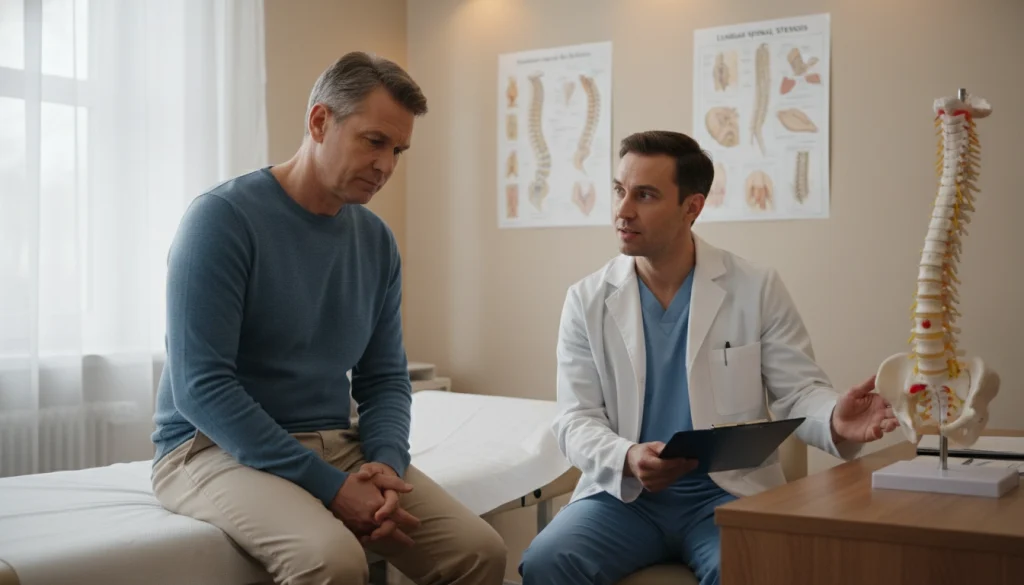
Finding the right specialist is key for managing Lumbar Spinal Stenosis. Begin with a primary care physician. They may refer you to an orthopedic surgeon or neurosurgeon, based on your condition. For surgeries like laminectomy or foraminotomy, it’s wise to choose a spine surgery expert.
Advances in Understanding and Treating Lumbar Spinal Stenosis
In recent years, significant strides have been made in treating Lumbar Spinal Stenosis, a condition impacting millions globally. Ongoing research into its complexities has led to the creation of new, effective treatments. These advancements aim to enhance patient outcomes.
Minimally invasive surgical techniques have emerged as a major breakthrough in Lumbar Spinal Stenosis treatment. These methods offer smaller incisions, reduced tissue damage, and quicker recovery times. They are increasingly favored by patients needing surgery.
Our comprehension of Lumbar Spinal Stenosis has also deepened. Studies reveal it’s influenced by genetics, environment, and lifestyle. This knowledge has spurred the development of more targeted prevention and treatment plans.
As research into Lumbar Spinal Stenosis continues, we can expect even more innovative treatments. These advancements promise to improve patient lives and quality of life for those with this condition.
FAQ
Q: What is Lumbar Spinal Stenosis?
A: Lumbar Spinal Stenosis is a condition where the spinal canal in the lower back narrows. This narrowing can press on nerves, leading to pain, numbness, and weakness in the back and legs.
Q: What are the common symptoms of Lumbar Spinal Stenosis?
A: Symptoms include lower back pain, leg pain, numbness, tingling, and weakness in the legs. Difficulty walking or standing for long periods is also common.
Q: How is Lumbar Spinal Stenosis diagnosed?
A: Diagnosis involves a physical exam, medical history, and imaging studies. MRI, CT scans, or X-rays are used to confirm the narrowing of the spinal canal.
Q: What are the treatment options for Lumbar Spinal Stenosis?
A: Treatment options include pain management medications, physical therapy, and epidural steroid injections. Surgical interventions like decompression procedures and spinal fusion surgery are also available.
Q: Can Lumbar Spinal Stenosis be prevented?
A: While some risk factors are unavoidable, maintaining a healthy weight and exercising regularly can help. Practicing good posture is also beneficial.
Q: What lifestyle modifications can help manage Lumbar Spinal Stenosis?
A: Avoid heavy lifting, bending, or twisting. Take regular breaks to rest. Incorporate exercises that strengthen the back and improve flexibility.
Q: When should I seek medical attention for Lumbar Spinal Stenosis?
A: Seek medical attention for severe or worsening symptoms. This includes sudden numbness or weakness in the legs, loss of bladder or bowel control, or difficulty walking.
Q: What are the benefits of surgical treatment for Lumbar Spinal Stenosis?
A: Surgical treatment can offer significant relief from symptoms. It improves mobility and enhances quality of life for those with severe or refractory Lumbar Spinal Stenosis.
Q: Are there any alternative therapies that can help manage Lumbar Spinal Stenosis?
A: Yes, alternative therapies like chiropractic care, acupuncture, and massage therapy can help alleviate symptoms. They can also improve overall well-being.