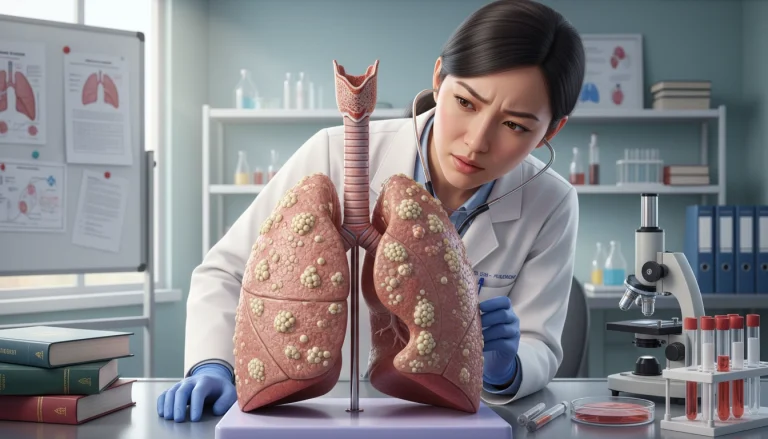
Lung Diseases: Common Lung Diseases and Their Impact
The respiratory system is essential for our health, and lung conditions can have major effects. Many factors can cause lung diseases, affecting our breathing and overall health. It’s vital to understand the causes, symptoms, and treatments for these conditions. This article aims to give a detailed look at lung diseases. It will cover different types and how to manage them.
By diving into lung health, we can better understand and tackle these challenges.
Understanding the Respiratory System
Grasping the respiratory system is key to understanding how our bodies work and react to illness. It’s a complex network of organs and tissues that enable breathing. This system is essential for our survival.
Anatomy of the Lungs
The lungs are central to the respiratory system, handling oxygen and carbon dioxide exchange. They are split into lobes and link to the trachea via bronchi. These then branch into bronchioles and alveoli, where gas exchange happens.
How Breathing Works
Breathing is a team effort, involving the diaphragm and intercostal muscles. They expand and contract the chest to move air in and out of the lungs. This is critical for oxygen delivery and carbon dioxide removal.
Importance of Lung Health
Lung health is critical for our overall well-being. Lung diseases can severely impact our quality of life and even be fatal. Smoking, environmental factors, and genetics can harm lung health. This underlines the importance of preventive actions and timely medical care.
Common Lung Diseases and Their Impact
Lung diseases cover a wide range of conditions affecting the lungs and respiratory system. They pose a significant health challenge.
Definition and Classification
Lung diseases are grouped based on their cause, pathology, and symptoms. Common types include chronic obstructive pulmonary disease (COPD), asthma, lung cancer, and infectious lung diseases.
- COPD is marked by airflow limitation and is often linked to smoking.
- Asthma is a chronic inflammatory condition causing airway constriction.
- Lung cancer is a major cause of cancer deaths globally.
Global Prevalence Statistics
Global data show a significant impact of lung diseases worldwide. The World Health Organization (WHO) states that COPD is a leading cause of death globally.
Economic and Social Burden
The economic and social impact of lung diseases is immense. They affect individuals, families, and healthcare systems. The costs of managing chronic lung diseases, lost productivity, and the impact on quality of life are significant.
- Direct medical costs include expenses for medications, hospitalizations, and healthcare services.
- Indirect costs include lost productivity due to disability and premature death.
- The social impact includes the effect on family members and caregivers.
Risk Factors for Developing Lung Diseases
It’s vital to grasp the risk factors for lung diseases to prevent and treat them early. Various factors contribute to lung disease development. Knowing these can empower individuals to safeguard their lung health.
Smoking and Tobacco Use
Smoking and tobacco use are major risk factors for lung diseases like COPD and lung cancer. Tobacco smoke’s chemicals harm the lungs and airways, causing chronic inflammation and lung function decline.
- Tobacco smoke contains thousands of chemicals, many of which are harmful.
- Smoking cessation is a critical step in reducing the risk of developing lung diseases.
- Nicotine replacement therapy and counseling can aid in quitting smoking.
Environmental Exposures
Environmental pollutants, such as air pollution and occupational hazards, significantly contribute to lung disease development. Workers in certain industries face higher risks due to harmful substance exposure.
- Air pollution from vehicles and industrial sources can exacerbate lung conditions.
- Occupational exposures to asbestos, silica, and coal dust are known risk factors for lung diseases.
- Using protective equipment and following safety guidelines can reduce occupational risks.
Genetic Predisposition
Genetic factors also play a role in lung disease susceptibility. Certain genetic conditions can impair lung function, raising the risk of respiratory issues.
- Genetic predisposition can affect the severity and progression of lung diseases.
- Family history of lung diseases may indicate a higher risk.
- Genetic counseling can provide insights into individual risk factors.
By understanding and addressing these risk factors, individuals can lower their chance of developing lung diseases. This can significantly enhance their lung health.
Chronic Obstructive Pulmonary Disease (COPD)
COPD, a progressive lung disease, significantly impacts the quality of life for millions of people globally. It is characterized by airflow limitation in the lungs, which is not fully reversible and is usually progressive.
What is COPD?
COPD encompasses several lung conditions, including emphysema and chronic bronchitis, which together cause airflow obstruction. The disease is mainly caused by smoking. But, exposure to lung irritants such as pollution and occupational exposures also play a significant role.
Emphysema and Chronic Bronchitis
Emphysema involves damage to the alveoli, the air sacs in the lungs where oxygen is absorbed into the blood. Chronic bronchitis is characterized by inflammation of the bronchial tubes, leading to chronic cough and mucus production. Both conditions contribute to the airflow limitation seen in COPD.
Symptoms and Progression
Symptoms of COPD include shortness of breath, wheezing, and chronic cough. As COPD progresses, these symptoms worsen, potentially leading to disability. Early diagnosis through pulmonary function tests can help manage the disease more effectively.
Treatment Options for COPD
Treatment for COPD includes medications such as bronchodilators and inhaled corticosteroids, lifestyle modifications like smoking cessation, and pulmonary rehabilitation programs. These interventions aim to improve lung function, reduce symptoms, and enhance the quality of life for individuals with COPD.
By understanding COPD’s pathophysiology, symptoms, and treatment options, healthcare providers can offer more effective care. This improves outcomes and quality of life for those affected.
Asthma and Reactive Airway Diseases
To grasp asthma, one must explore its underlying mechanisms, including inflammation and airway hyperresponsiveness. It’s a chronic inflammatory condition affecting the airways, causing variable airflow obstruction. Symptoms often include wheezing, coughing, and shortness of breath.
Understanding Asthma Pathophysiology
Asthma’s pathophysiology is complex, involving interactions between inflammatory cells, airway cells, and various mediators. This interaction leads to inflammation, hyperresponsiveness, and remodeling of the airways. These changes are central to the disease.
Triggers and Asthma Attacks
Identifying triggers is key to managing asthma. Common culprits include allergens, respiratory infections, air pollutants, and certain medications. By avoiding these, one can lessen the occurrence and severity of asthma attacks.
Managing Asthma
Effective asthma management requires a multi-faceted approach. This includes using medications like inhaled corticosteroids and bronchodilators. Monitoring lung function with spirometry is also essential. Developing an asthma action plan helps manage exacerbations.
Childhood vs. Adult-Onset Asthma
Asthma can affect anyone at any age, with distinct differences in presentation and management between childhood and adult-onset. Childhood asthma often has a strong allergic component. In contrast, adult-onset asthma may be triggered by environmental exposures and hormonal changes.
Understanding these differences is vital for tailoring treatment strategies. This approach improves outcomes for both children and adults with asthma.
Infectious Lung Diseases
Lung diseases caused by infectious agents pose a significant threat, necessitating a deep understanding and effective management. These conditions can stem from various pathogens, including bacteria, viruses, and fungi. They have profound effects on individuals and communities globally.
Pneumonia Types and Causes
Pneumonia is a severe infectious lung disease, often caused by bacteria, viruses, or fungi. Bacterial pneumonia frequently results from Streptococcus pneumoniae. Viral pneumonia can be triggered by influenza viruses or respiratory syncytial virus (RSV). Fungal pneumonia predominantly affects those with compromised immune systems.

Tuberculosis
Tuberculosis (TB) is a bacterial infection, caused by Mycobacterium tuberculosis. It mainly targets the lungs but can spread to other body parts. TB remains a significant public health issue, mainly in low- and middle-income countries.
Bronchitis and Bronchiolitis
Bronchitis is an inflammation of the bronchial tubes, commonly due to viral infections. Bronchiolitis affects the smaller airways, typically in young children. Both conditions can cause severe respiratory symptoms and complications.
COVID-19 and Lung Health
The COVID-19 pandemic has underscored the global health impact of infectious lung diseases. Caused by the SARS-CoV-2 virus, COVID-19 can cause severe respiratory illness, mainly in older adults and those with pre-existing health conditions. Grasping the effects of COVID-19 on lung health is vital for disease management and preventing long-term lung damage.
Lung Cancer
Lung cancer is a major threat to global health, leading to a significant number of cancer-related deaths. It is divided into two main types: non-small cell lung cancer (NSCLC) and small cell lung cancer (SCLC).
Types of Lung Cancer
Non-small cell lung cancer makes up about 85% of cases. It grows and spreads more slowly than SCLC. NSCLC is further categorized into adenocarcinoma, squamous cell carcinoma, and large cell carcinoma. Small cell lung cancer, in contrast, is aggressive and strongly linked to smoking.
Risk Factors and Causes
Smoking is the primary risk factor for lung cancer, causing about 80% of deaths. Exposure to secondhand smoke, radon gas, asbestos, and chemicals like arsenic and chromium also increase risk. Genetic predisposition plays a role in some cases.
Symptoms and Early Detection
Symptoms of lung cancer often appear late, making early detection difficult. Common signs include a persistent cough, chest pain, coughing up blood, and shortness of breath. Screening, such as low-dose computed tomography (LDCT) for high-risk individuals, can help detect cancer early and improve survival rates.
Treatment Options and Prognosis
Treatment for lung cancer depends on the type, stage, and patient’s overall health. Options include surgery, chemotherapy, radiation therapy, targeted therapy, and immunotherapy. The prognosis varies greatly based on the stage at diagnosis, with early-stage lung cancer being more treatable.
Understanding risk factors, recognizing symptoms early, and exploring treatment options are key steps in managing lung cancer. Medical research continues to advance, improving outcomes for those diagnosed with this disease.
Interstitial Lung Diseases
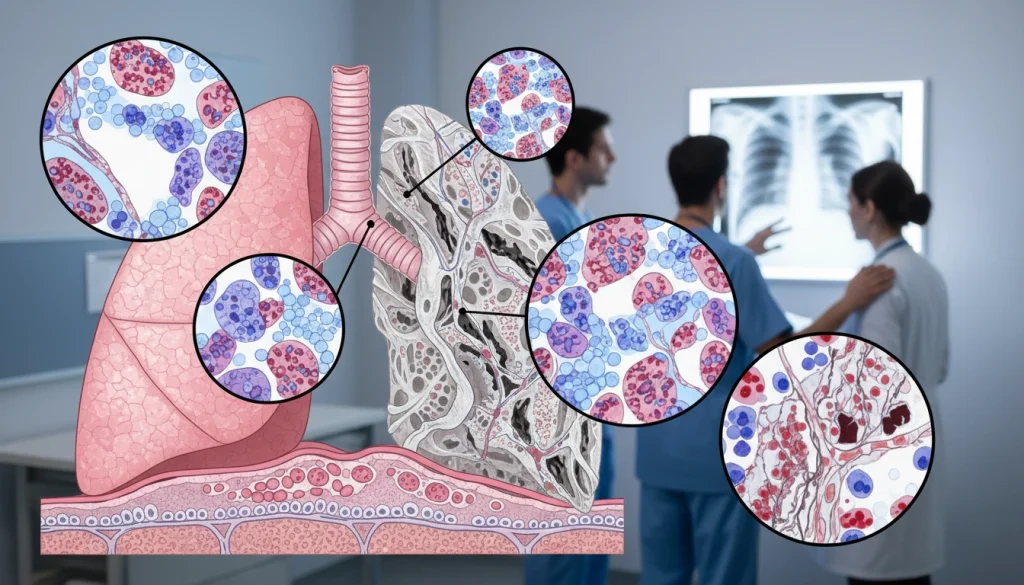
Interstitial lung diseases encompass a wide range of disorders affecting the lung’s parenchyma. These conditions are marked by inflammation and fibrosis, leading to progressive lung damage. In severe cases, they can cause respiratory failure.
Pulmonary Fibrosis
Pulmonary fibrosis is a common feature of many interstitial lung diseases. It involves scarring of lung tissue. This scarring can stem from various causes, including environmental exposures, certain medications, and underlying health conditions.
Sarcoidosis
Sarcoidosis is another form of ILD, characterized by the formation of granulomas in various parts of the body, including the lungs. The exact cause of sarcoidosis remains unknown, but it is believed to result from a combination of genetic and environmental factors.
Hypersensitivity Pneumonitis
Hypersensitivity pneumonitis is an inflammatory lung disease caused by an immune system reaction to inhaled substances. These substances are often related to occupational or environmental exposures. Avoiding the causative antigen is a key part of managing the disease.
Diagnosis and Management Approaches
Diagnosing ILDs involves a detailed approach, including clinical evaluation, imaging studies (such as high-resolution CT scans), and histological examination of lung tissue. Management strategies vary depending on the specific ILD. They often include medications to reduce inflammation and slow disease progression.
- Clinical evaluation to assess symptoms and medical history
- Imaging studies to visualize lung damage
- Lung biopsy for histological examination
- Medications to manage symptoms and slow disease progression
In severe cases, lung transplantation may be considered. Understanding the specific type of ILD and its underlying causes is critical for developing an effective treatment plan.
Occupational Lung Diseases
The workplace poses significant risks to lung health, with many jobs exposing workers to harmful substances. These exposures can lead to irreversible lung damage. Various industries have workers at risk of developing occupational lung diseases.
Asbestosis and Mesothelioma
Asbestosis and mesothelioma are lung conditions linked to asbestos exposure. Asbestosis results from inhaling asbestos fibers, causing lung scarring. Mesothelioma, a rare cancer, affects the lung lining and is mainly caused by asbestos.
Coal Worker’s Pneumoconiosis
Coal worker’s pneumoconiosis (CWP) occurs from inhaling coal dust. This can lead to lung scarring, impairing lung function. It’s common among coal miners, affecting their respiratory health.
Silicosis
Silicosis is caused by inhaling silica particles. It’s prevalent in industries handling stone, rock, and sand. Silicosis can cause lung inflammation and scarring, leading to severe respiratory problems.
Prevention and Worker Protection
Prevention is vital to reduce occupational lung disease risks. Employing personal protective equipment (PPE) and improving ventilation are key. Regulations to limit hazardous substance exposure are also essential. Regular health checks and education on workplace hazards protect lung health.
Understanding risks and taking preventive steps can safeguard workers from occupational lung diseases. Employers, workers, and regulatory bodies must collaborate to ensure a safer work environment.
Genetic and Developmental Lung Diseases
Genetic and developmental lung diseases are complex disorders affecting the lungs. They stem from genetic mutations or developmental issues. These conditions can severely impact lung function and overall health. They often require specialized management and care.
Cystic Fibrosis
Cystic fibrosis is a well-known genetic lung disease. It causes thick mucus to clog airways, trapping bacteria and leading to infections and lung damage. Despite this, treatment advancements have greatly increased life expectancy for those with cystic fibrosis.
Alpha-1 Antitrypsin Deficiency
Alpha-1 antitrypsin deficiency affects the lungs, causing emphysema and respiratory issues. This is due to a lack of the alpha-1 antitrypsin protein, which protects the lungs from damage.
Primary Ciliary Dyskinesia
Primary ciliary dyskinesia is a rare genetic disorder. It results in abnormal ciliary function, causing chronic respiratory infections and complications. Diagnosis involves genetic testing and evaluating ciliary function.
Advances in Genetic Treatments
Recent genetic treatment advancements offer hope for managing these diseases. Gene therapy and targeted therapies aim to correct or lessen the effects of genetic mutations. This could significantly improve treatment outcomes.
Diagnosing Lung Diseases
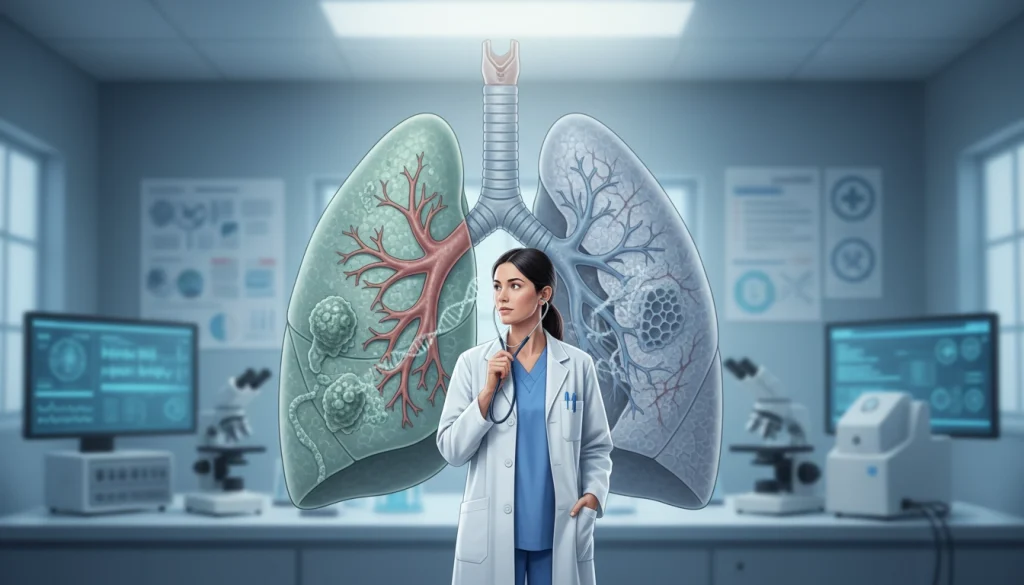
Diagnosing lung diseases requires a combination of non-invasive and invasive methods. It’s essential for managing and treating lung conditions effectively.
Common Symptoms of Respiratory Problems
Lung disease patients often experience symptoms like shortness of breath, cough, and wheezing. These signs point to different respiratory issues, making detailed diagnosis necessary.
Common symptoms include:
- Shortness of breath (dyspnea)
- Chronic cough
- Wheezing
- Chest tightness or pain
Pulmonary Function Tests
Pulmonary function tests (PFTs) are key in evaluating lung health. They measure lung capacity, airflow, and gas exchange. This information helps determine the severity and type of lung disease.
PFTs include spirometry, lung volume measurements, and diffusing capacity tests.
Imaging Techniques
Imaging is vital in diagnosing lung diseases. Chest X-rays and CT scans are used to see lung structure and spot abnormalities.
Bronchoscopy and Tissue Sampling
Bronchoscopy allows for direct airway visualization and tissue sampling. It’s critical for diagnosing lung cancer and infections.
Tissue sampling through bronchoscopy or other methods is essential for a definitive diagnosis. It guides the appropriate treatment.
Treatment Approaches for Lung Diseases
Managing lung diseases effectively requires a deep understanding of different treatment methods. These diseases, such as chronic obstructive pulmonary disease (COPD), asthma, and interstitial lung diseases, each demand specific treatments.

Medications and Inhalers
Medications and inhalers are key in treating many lung diseases. They help control symptoms, slow disease progression, and enhance life quality. For example, bronchodilators and corticosteroids are frequently used in COPD and asthma management.
- Bronchodilators open airways, making breathing easier.
- Corticosteroids reduce inflammation in airways.
- Combining bronchodilators and corticosteroids can be more effective.
Oxygen Therapy
Oxygen therapy is vital for those with severe lung disease and low blood oxygen levels. It delivers oxygen through nasal cannulae, masks, or portable oxygen concentrators.
This therapy relieves shortness of breath, boosts exercise capacity, and improves overall health. Its aim is to keep oxygen levels adequate and reduce heart strain.
Pulmonary Rehabilitation
Pulmonary rehabilitation is a holistic program that includes exercise, education, and support. It helps patients with lung diseases manage their condition and enhance their life quality.
- Exercise training boosts physical fitness and endurance.
- Educational parts cover disease management, medication use, and lifestyle changes.
- Support from healthcare professionals and peers aids in coping.
Surgical Interventions and Lung Transplantation
In severe lung disease cases, surgery might be an option. This includes lung volume reduction surgery or lung transplantation.
Lung transplantation is a major surgery for those with end-stage lung disease who have not responded to other treatments. It involves replacing the diseased lungs with healthy ones from a donor.
- Lung volume reduction surgery improves lung function by removing diseased parts.
- Lung transplantation significantly improves survival and life quality for selected patients.
- Thorough evaluation and selection are essential for surgical success.
Prevention of Lung Diseases
Understanding and implementing effective prevention strategies is key to reducing lung disease burden. By avoiding risk factors and adopting healthy lifestyle practices, individuals can significantly lower their risk of developing respiratory conditions.
Smoking Cessation Strategies
Smoking cessation is a critical component of lung disease prevention. Effective strategies include counseling, nicotine replacement therapy, and prescription medications. Quitting smoking can greatly reduce the risk of chronic obstructive pulmonary disease (COPD) and lung cancer.
Environmental Exposure Protection
Protecting against environmental exposures is essential for preventing lung diseases. This includes reducing exposure to air pollution, occupational hazards, and secondhand smoke. Using protective equipment and following safety guidelines in workplaces can also mitigate risks.
Vaccination
Vaccination against respiratory pathogens, such as influenza and pneumococcus, is a critical preventive measure. Vaccines can help prevent infections that may lead to serious lung conditions.
Healthy Lifestyle Practices
Adopting healthy lifestyle practices contributes to overall lung health. This includes:
- Eating a balanced diet rich in fruits, vegetables, and whole grains
- Engaging in regular physical activity
- Avoiding exposure to pollutants and toxins
By incorporating these practices into daily life, individuals can enhance their lung health and reduce the risk of lung diseases.
Living with Chronic Lung Diseases
Living with chronic lung diseases can be challenging, but with the right strategies, individuals can lead fulfilling lives. These diseases require ongoing management and lifestyle adjustments to maintain quality of life.
Coping Strategies
Coping with chronic lung diseases involves a combination of stress management techniques, lifestyle changes, and adherence to medical treatment plans. Stress management is critical, as stress can worsen symptoms of lung diseases.
- Practice relaxation techniques such as meditation or deep breathing exercises.
- Engage in physical activities that are suitable for your condition, such as walking or yoga.
- Maintain a healthy diet rich in fruits, vegetables, and whole grains.
Support Groups and Resources
Support groups and resources are vital for coping with chronic lung diseases. They provide a community and understanding that can be invaluable to those living with lung conditions.
Some valuable resources include:
- Local support groups for individuals with lung diseases.
- Online forums and communities.
- Educational materials and workshops.
Quality of Life Considerations
Maintaining quality of life is a key aspect of living with chronic lung diseases. This involves staying physically active, maintaining social connections, and engaging in activities that bring joy and fulfillment.
It’s also important to work closely with healthcare providers to manage symptoms and prevent complications.
Working with Healthcare Providers
Effective management of chronic lung diseases requires a collaborative relationship with healthcare providers. This includes:
- Regular check-ups and monitoring of lung function.
- Adhering to prescribed treatment plans.
- Communicating openly about symptoms and concerns.
Conclusion
Lung diseases have a profound impact on individuals and communities globally, making them a major public health issue. It’s vital to grasp the causes, symptoms, diagnosis, and treatment options for these diseases. This knowledge is key to managing them effectively and improving health outcomes. Prevention is a cornerstone in reducing the impact of lung diseases. Strategies like quitting smoking and protecting the environment are essential. For those dealing with lung diseases, it’s important to use coping strategies, join support groups, and work closely with healthcare providers. This approach helps maintain a good quality of life.
Enhancing awareness about lung health and encouraging early detection can greatly improve treatment success rates. It’s a shared responsibility to focus on lung health through education, research, and community support. Together, we can make a significant difference.
FAQ
Q: What are lung diseases?
A: Lung diseases cover a broad spectrum of conditions affecting the lungs. They impact breathing and overall health significantly.
Q: What is the importance of lung health?
A: Lung health is critical for overall well-being. Lung diseases can cause significant morbidity and mortality.
Q: What are the common types of lung diseases?
A: Common lung diseases include chronic obstructive pulmonary disease (COPD), asthma, lung cancer, and infectious lung diseases.
Q: What are the risk factors for developing lung diseases?
A: Risk factors include smoking and tobacco use, environmental exposures, and genetic predisposition.
Q: How is COPD diagnosed?
A: COPD diagnosis involves symptoms, medical history, and pulmonary function tests like spirometry.
Q: What is the difference between asthma and COPD?
A: Asthma is a chronic inflammatory disease of the airways. COPD is a progressive lung disease with airflow limitation.
Q: How can lung cancer be prevented?
A: Lung cancer prevention includes avoiding smoking and tobacco use, reducing environmental exposures, and getting screened.
Q: What are the symptoms of pneumonia?
A: Symptoms of pneumonia include cough, fever, chills, and difficulty breathing.
Q: How are infectious lung diseases treated?
A: Treatment for infectious lung diseases varies by cause. It may include antibiotics, antivirals, or antifungals.
Q: What is pulmonary rehabilitation?
A: Pulmonary rehabilitation is a program with exercise, education, and support. It helps manage lung disease and improve quality of life.
Q: How can I protect myself from occupational lung diseases?
A: Protection from occupational lung diseases includes using personal protective equipment, improving ventilation, and following safety regulations.
Q: What are the treatment options for genetic lung diseases?
A: Treatment options for genetic lung diseases include medications, gene therapy, and other targeted therapies.