Mastectomy: Understanding Mastectomy Surgery
A surgical procedure that involves the removal of one or both breasts, mastectomy is a significant treatment option for breast cancer. This operation is often considered when the cancer is at an advanced stage or when other treatments are not viable.
The decision to undergo a mastectomy is typically made after thorough consultation with healthcare professionals. This includes considering the stage of cancer, overall health, and personal preferences. Understanding what the procedure entails helps individuals navigate their treatment options more effectively. Mastectomy surgery involves the removal of one or both breasts, partially or completely. It’s a surgical procedure with a rich history and a clear purpose. Let’s explore what it entails.
Definition and Medical Purpose
Mastectomy is mainly used to treat breast cancer. It removes breast tissue, including the nipple-areola complex in some cases. This is done to eliminate cancerous cells and prevent cancer spread.
- To treat breast cancer by removing the affected breast tissue.
- To prevent breast cancer in high-risk individuals through prophylactic mastectomy.
Historical Development of the Procedure
The history of mastectomy stretches back to ancient times. Over the centuries, there have been significant advancements in technique and understanding. Initially, mastectomies were associated with high morbidity and mortality rates.
Today, mastectomy techniques have evolved. We now have various types, such as total mastectomy, modified radical mastectomy, and nipple-sparing mastectomy. Each type has its specific indications and benefits.
Types of Mastectomy Procedures
There are several types of mastectomy surgeries, each with its own indications and benefits. The choice of procedure depends on various factors, including the extent of the disease, patient preference, and the surgeon’s recommendation.
Total (Simple) Mastectomy
Total or simple mastectomy involves the removal of the entire breast, including the nipple-areola complex. It leaves the underlying muscles and lymph nodes intact. This procedure is often recommended for patients with early-stage breast cancer or those undergoing prophylactic mastectomy.
Modified Radical Mastectomy
Modified radical mastectomy includes the removal of the entire breast along with some or all of the lymph nodes under the arm. This procedure is typically performed for invasive breast cancer to ensure removal of potentially cancerous lymph nodes.
Radical Mastectomy
Radical mastectomy, also known as Halsted mastectomy, involves the removal of the breast, lymph nodes under the arm, and the chest muscles. Though once common, it is now rarely performed due to the development of more conservative surgical techniques.
Partial Mastectomy
Partial mastectomy, also referred to as lumpectomy or breast-conserving surgery, involves removing the cancerous portion of the breast along with a margin of healthy tissue. This procedure is often followed by radiation therapy to eliminate any remaining cancer cells.
Nipple-Sparing Mastectomy
Nipple-sparing mastectomy involves removing the breast tissue while preserving the nipple-areola complex. This procedure is considered for patients with early-stage cancer or those undergoing prophylactic mastectomy, providing a more cosmetic outcome.
When is a Mastectomy Recommended?
The decision to recommend a mastectomy is based on several critical factors. These include the presence of breast cancer, its stage, and the patient’s overall health and preferences. For many patients, a mastectomy is seen as a necessary treatment option.
Breast Cancer Diagnosis and Staging
A breast cancer diagnosis is a primary reason for considering a mastectomy. The cancer’s stage is key in deciding if a mastectomy is needed. For early-stage cancer, treatments like lumpectomy might be considered. But for more advanced stages, mastectomy is often the recommended course.
Preventive (Prophylactic) Mastectomy
Some individuals may opt for a preventive mastectomy due to a high risk of breast cancer. This choice is often made by those with a strong family history of breast cancer or genetic mutations like BRCA1 or BRCA2.
Factors Influencing the Decision
Several factors influence the decision to have a mastectomy. These include the tumor’s size relative to the breast, the presence of multiple tumors, and the patient’s preferences regarding breast conservation. Genetic testing and family history also significantly impact this decision.
Preparing for Mastectomy Surgery
Mastectomy surgery demands meticulous preparation. This includes medical evaluations, talks with the surgical team, and getting ready for recovery. Taking these steps seriously can greatly affect the surgery’s success and your healing.
Medical Evaluations and Tests
Patients must undergo various medical evaluations and tests before mastectomy. These steps are key to checking your health and spotting any surgery risks. You might need blood tests, imaging, and other exams to fully assess your condition.
Discussions with Your Surgical Team
Having clear talks with your surgical team is critical. You should understand the surgery details, the type of mastectomy suggested, and any concerns. Also, ask about reconstruction options if they apply to you.
Practical Preparations for Hospital Stay and Recovery
Getting ready practically is essential for a smooth recovery. Make sure someone can take you to the hospital. Have your home set up for recovery with all needed supplies. Plan for follow-up care and understand your recovery time. Having a plan for daily tasks can help a lot during this period.
The Mastectomy Procedure: What to Expect
Deciding on a mastectomy is a major step, requiring a clear understanding of the process. This surgery removes breast tissue, and knowing what happens during and after is essential. It’s vital for patients to grasp the details of their surgery.
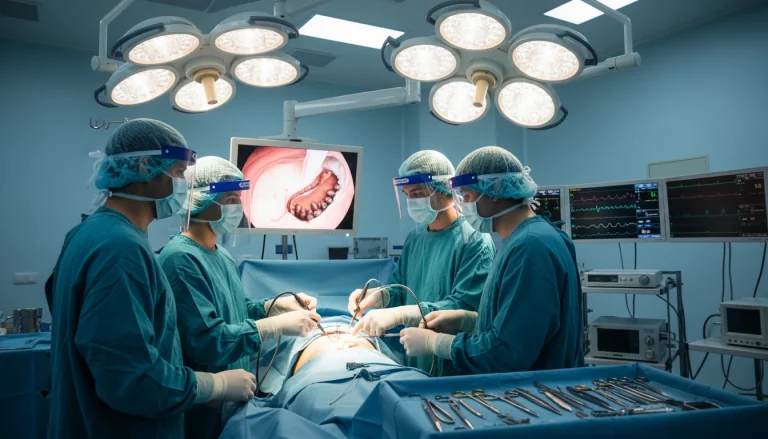
Anesthesia and Surgical Setup
The mastectomy starts with anesthesia to keep the patient comfortable and pain-free. General anesthesia is often used for this procedure. After the patient is anesthetized, the surgical team cleans and sterilizes the area.
Step-by-Step Surgical Process
The surgery involves several steps. First, the surgeon makes an incision in the breast, depending on the mastectomy type. Then, the surgeon removes the breast tissue and affected lymph nodes if needed. This process requires precision for the best results.
Duration and Immediate Post-Surgery Care
The surgery can last a few hours. After it’s done, the patient goes to the recovery room for close monitoring. They receive pain medication and instructions on post-operative care, including wound management and follow-up visits.
Knowing what to expect from the mastectomy procedure can reduce anxiety. It prepares patients for their surgery and recovery.
Recovery After Mastectomy
The path to recovery after a mastectomy involves several critical steps. Patients need to understand these to ensure a smooth healing process. Each step plays a significant role in making the recovery as comfortable as possible.
Hospital Stay Duration
The time spent in the hospital post-mastectomy varies. It depends on the patient’s health and the surgery’s complexity. Typically, patients stay for one to two days.
Pain Management
Managing pain effectively is key to a comfortable recovery. A mix of medication and alternative methods like relaxation techniques is often used.
- Medications: Pain relief medications are prescribed to manage post-surgical pain.
- Relaxation Techniques: Methods such as deep breathing and meditation can help reduce discomfort.
Drain Care and Wound Healing
Caring for surgical drains and monitoring wound healing are essential. Patients receive detailed instructions on drain care and signs of complications.
Physical Limitations and Gradual Return to Activities
Post-mastectomy, patients should avoid heavy lifting and strenuous activities. A gradual return to normal activities is advised, with guidance from healthcare providers.
- Start with light activities and gradually increase intensity.
- Avoid heavy lifting for several weeks post-surgery.
Follow-up Appointments
Regular follow-up appointments with the surgical team are vital. They help monitor healing and address any concerns or complications.

Potential Risks and Complications
Mastectomy is a major surgery for treating or preventing breast cancer. It comes with its own set of risks and complications. Understanding these is key to making informed decisions and preparing for recovery.
Short-term Complications
Short-term issues after mastectomy include infection, bleeding or hematoma, and reactions to anesthesia. Infection is a common risk with any surgery, including mastectomy. Symptoms include redness, swelling, and fever. Bleeding or hematoma might need more surgery to drain blood.
Long-term Side Effects
Long-term effects can greatly affect a patient’s quality of life. These include lymphedema, a chronic swelling of the arm from lymph node removal, and changes in sensation or numbness in the chest. Some may also experience phantom breast sensations or pain.
When to Contact Your Doctor
It’s vital for patients to know when to seek medical help after a mastectomy. Signs that require doctor’s attention include increased redness or swelling, fever, discharge from the wound, or severe pain not controlled by medication. Addressing these issues promptly can prevent more serious complications.
Breast Reconstruction Options
For many, breast reconstruction after mastectomy is more than just about looks; it’s about healing and finding confidence again. This surgical process rebuilds the breast, providing options that match individual needs and preferences.
Immediate vs. Delayed Reconstruction
The timing of breast reconstruction is a key decision. Immediate reconstruction happens during the mastectomy surgery, potentially cutting down on surgeries and recovery time. Delayed reconstruction, done after the mastectomy and any follow-up treatments, allows for separate recovery periods for each surgery.
Implant-Based Reconstruction
Implant-based reconstruction uses saline or silicone implants to create the breast. It’s less invasive than using the patient’s own tissue, with shorter surgery and recovery times. Yet, it might not be right for everyone, like those with limited tissue or certain health issues.
Autologous Tissue Reconstruction
Autologous tissue reconstruction uses the patient’s own tissue, often from the abdomen, back, or buttocks, to build the breast. This approach can offer a more natural look and feel. But, it requires longer surgery and recovery times, along with possible risks from tissue transfer.
Nipple and Areola Reconstruction
Nipple and areola reconstruction can be done as a separate procedure after rebuilding the breast. Various techniques, like grafting and tattooing, are used to mimic the natural look of the nipple-areola complex.
Deciding If Reconstruction Is Right for You
Choosing breast reconstruction is a deeply personal decision, influenced by health, cancer stage, and personal preferences. Talking to a healthcare provider or a plastic surgeon specializing in breast reconstruction can help make an informed choice.
Mastectomy in Male Patients
When men are diagnosed with breast cancer, mastectomy is often considered. This is because breast cancer is less common in men but more aggressive when it does occur. The anatomy of male breasts also plays a role in this decision.

Male Breast Cancer Overview
Male breast cancer is rare, making up a small fraction of all cases. Certain factors increase a man’s risk, such as genetic mutations like BRCA2, family history, radiation exposure, and conditions like Klinefelter syndrome. Symptoms include a painless lump, nipple discharge, or changes in the nipple or breast skin.
- Genetic predisposition
- Family history
- Radiation exposure
Special Considerations for Men
Men facing mastectomy have unique considerations. The surgery aims to remove the tumor and surrounding tissue. Given the typically smaller amount of breast tissue in men, surgical decisions can be more complex. The psychological impact of mastectomy on men is significant, and they require strong support.
- Less breast tissue complicating reconstruction
- Psychological support
- Follow-up care for recurrence
Emotional and Psychological Impact
Undergoing a mastectomy is a life-changing event that affects many aspects of a person’s life. It can lead to a mix of emotions, from relief and gratitude to anxiety, depression, and concerns about body image. This procedure, though often lifesaving, can deeply impact one’s emotional and psychological well-being.
Body Image Concerns
Dealing with changes in body image is a significant emotional challenge after a mastectomy. The loss of a breast or breasts can alter a person’s sense of femininity and self-esteem. For some, this change can be distressing, causing feelings of loss and grief.
Coping Strategies
Coping with the emotional aftermath of a mastectomy requires a multifaceted approach. Support from family, friends, and support groups is vital. Engaging in activities that promote self-care and self-esteem, such as exercise or hobbies, can also be beneficial. For more information on treatment options and support, visiting resources like https://acibademinternational.com/what-is-the-treatment-for-breast-cancer-surgical-options-for-breast-cancer/ can provide valuable insights.
Seeking Professional Mental Health Support
For many, the emotional and psychological impact of mastectomy can be significant. Seeking professional mental health support is a critical step in coping. Mental health professionals can offer strategies and therapies to manage anxiety, depression, and body image issues. They help individuals navigate their recovery and adjust to their new circumstances.
Living with Mastectomy: Practical Considerations
Life after mastectomy requires adjusting to many practical changes. These adjustments affect a patient’s quality of life in various ways. They range from changes in clothing choices to adapting physical activities and intimate relationships.
Clothing and Prosthesis Options
After mastectomy, clothing choices may need to be adjusted. This is to accommodate prosthetic devices or to feel more comfortable. There are different prosthesis options, including temporary and permanent ones. They are designed to provide a natural appearance under clothing.
Specialized mastectomy bras and clothing can also enhance comfort and confidence. These items are designed to meet the specific needs of mastectomy patients.
Physical Activity and Exercise Adaptations
Physical activity is key to recovery and overall health post-mastectomy. Initially, patients may need to limit their activities. This is due to surgical site sensitivity and the presence of drains.
Most patients can return to their normal exercise routines over time. Some may need to adapt their activities to accommodate physical changes from surgery.
Intimacy and Relationships
Mastectomy can also impact intimacy and relationships. Open communication with partners about feelings, needs, and desires is essential. Many patients find that their relationships are strengthened by the experience.
Others may need to navigate changes in their self-perception and intimacy. It’s important to address these changes openly and honestly.
Insurance Coverage and Financial Considerations
Understanding insurance coverage for mastectomy procedures is key to managing costs. Mastectomy surgery, along with treatments and follow-up care, can be pricey. Adequate insurance coverage is vital to reduce financial stress.

Insurance Coverage for Mastectomy
Most health insurance plans cover mastectomy surgery. This includes diagnostic tests, surgeon’s fees, and hospital stays. The Women’s Health and Cancer Rights Act (WHCRA) of 1998 mandates coverage for reconstruction and related procedures. Yet, coverage varies widely among insurance providers and policies.
Patients must review their insurance policies. They should also discuss coverage with their insurance providers. This helps understand what’s covered and what expenses they might face.
Financial Assistance Programs
For those struggling financially, various assistance programs exist. Non-profit organizations, like the Cancer Financial Assistance Coalition, offer resources. They help patients deal with the financial side of cancer treatment, including mastectomy surgery.
Some hospitals and cancer centers provide financial counseling. They help patients find available assistance programs. This aids in managing medical expenses effectively.
Support Resources for Mastectomy Patients
Mastectomy patients can find a variety of support resources to aid them on their journey. These resources are essential for emotional, psychological, and practical support during and after treatment.
Support Groups and Organizations
Support groups and organizations are key in the mastectomy patient community. They offer a space for individuals to share their experiences, get guidance, and connect with others facing similar challenges. The American Cancer Society and the Mastectomy Reconstruction Outcomes Consortium (MROC) are among the organizations providing valuable resources. They offer counseling services, educational materials, and advocacy.
- The American Cancer Society offers a range of services, including support groups and one-on-one support.
- MROC focuses on outcomes research and education for mastectomy and reconstruction patients.
Online Communities and Resources
Online communities and resources have become vital for mastectomy patients. Online forums and social media groups enable patients to connect with others globally, share their stories, and access a wealth of information. Websites like Breastcancer.org and the National Cancer Institute’s website offer detailed information on mastectomy. This includes pre-surgery preparation, post-surgery care, and reconstruction options.
Alternatives to Mastectomy
Mastectomy is not the only surgical option for breast cancer treatment. Other alternatives exist and may be suitable for some patients. The choice depends on the stage, type, and other factors related to the breast cancer, as well as patient preferences.
Lumpectomy with Radiation
Lumpectomy, also known as breast-conserving surgery, involves removing the cancerous tumor and a small margin of surrounding tissue. This procedure is often followed by radiation therapy to eliminate any remaining cancer cells. Lumpectomy with radiation is considered an effective treatment for early-stage breast cancer.
When Conservation Therapy May Be Appropriate
Conservation therapy, which includes lumpectomy followed by radiation, may be appropriate for patients with early-stage breast cancer. Factors influencing this decision include the size of the tumor relative to the breast, the presence of multiple tumors, and genetic factors. Patients considering conservation therapy should discuss their candidacy with their healthcare provider, taking into account the latest diagnostic information and personal preferences.
The choice between mastectomy and its alternatives depends on various factors. These include the extent of the cancer, patient health, and personal preferences. It’s essential for patients to have a thorough discussion with their surgical team to determine the most appropriate treatment plan.
Moving Forward: Life After Mastectomy
Adjusting to life after a Mastectomy can be tough, but it’s doable with the right mindset and support. The journey is not just about physical recovery but also emotional healing. It’s important to understand that grieving the loss of a breast or breasts is okay. Focusing on the positive, like reduced cancer risk or successful treatment, is key.
Reconstruction options, prosthetics, and clothing adaptations can help restore confidence. Joining support groups, whether in-person or online, can connect you with others who’ve gone through similar experiences. These groups offer a space to share feelings, advice, and encouragement, making the journey less isolating.
Embracing a healthy lifestyle, including a balanced diet and exercise, aids in recovery and well-being. Regular check-ups with healthcare providers are essential to monitor health and address concerns promptly. By focusing on these aspects, individuals can navigate life after Mastectomy with resilience and hope.
FAQ
Q: What is a mastectomy?
A: A mastectomy is a surgical procedure where one or both breasts are removed. It’s often done to treat breast cancer.
Q: What are the different types of mastectomy procedures?
A: There are several types of mastectomy procedures. These include total (simple) mastectomy, modified radical mastectomy, radical mastectomy, partial mastectomy, and nipple-sparing mastectomy.
Q: How long does it take to recover from a mastectomy?
A: Recovery time can vary. Most people need several weeks to recover, with some taking up to several months to regain their strength fully.
Q: Will I need to stay in the hospital after a mastectomy?
A: The length of hospital stay varies. It depends on the type of mastectomy and individual health. Many people are discharged within a day or two after surgery.
Q: Can I have breast reconstruction after a mastectomy?
A: Yes, breast reconstruction is an option for many after a mastectomy. It can be done immediately after the mastectomy or later.
Q: What are the possible risks and complications of mastectomy?
A: Risks and complications include infection, bleeding, scarring, and lymphedema, among others.
Q: How will I manage pain after a mastectomy?
A: Pain management involves medication and other strategies. Rest and relaxation are also important to manage discomfort.
Q: Are there support resources available for people undergoing mastectomy?
A: Yes, many support resources are available. This includes support groups, online communities, and organizations that provide information and connection.
Q: Can men undergo mastectomy?
A: Yes, men can undergo mastectomy. It’s often a treatment for male breast cancer.
Q: How will a mastectomy affect my insurance coverage?
A: Insurance coverage for mastectomy varies. Many insurance plans cover it. Financial assistance programs may also be available to help with costs.
Q: What are the alternatives to mastectomy?
A: Alternatives include lumpectomy with radiation. The suitability of these alternatives depends on individual circumstances.