Meniscus Tear: What Is a Meniscus Tear?
A meniscus tear is a common knee injury that affects individuals of all ages. It’s more prevalent among those involved in sports or activities that involve sudden stops, twists, or direct contact. This injury occurs when the cartilage in the knee joint is damaged. This damage leads to pain, swelling, and limited mobility. It’s essential to understand the causes, symptoms, and treatment options for a meniscus tear to manage and recover effectively.
Addressing a meniscus tear is critical to prevent further damage to the knee joint. It also helps restore normal knee function. This article will provide an overview of meniscus tears. It will cover their diagnosis, treatment, and prevention strategies. To grasp the impact of a meniscus tear, it’s vital to know the knee’s anatomy and the meniscus’s role. A meniscus tear harms the knee’s cartilage, a key element for its health and function.
Anatomy of the Knee Joint
The knee joint is a complex structure, linking the lower thigh bone (femur) to the upper shin bone (tibia). It’s a synovial hinge joint, enabling flexion and extension. It consists of bones, cartilage, ligaments, and tendons, ensuring stability and movement.
The meniscus is cartilage between the knee bones. Each knee has two menisci, one on each side. They are C-shaped and essential for knee function.
Function of the Meniscus
The meniscus has several key roles. It acts as a shock absorber, distributing loads and reducing stress on the joint. It also stabilizes the knee, improving its function. Plus, it reduces friction between bones, enabling smooth movement.
Knowing the meniscus’s role shows its critical importance in knee health. Damage, like a tear, can severely affect knee function and mobility.
Types of Meniscus Tears
Meniscus tears are categorized into various types, each with unique characteristics and implications. Accurate diagnosis and effective treatment planning depend on understanding these differences.
Radial Tears
Radial tears happen when the meniscus tears perpendicular to its surface. They extend from the inner edge towards the outer edge. These tears can severely impair the meniscus’s function, potentially causing more knee damage if not treated.
Radial tears are commonly linked to acute injuries, like those from sports. The severity of these tears affects treatment options.
Horizontal Tears
Horizontal tears, also known as cleavage tears, split the meniscus into two layers. They are often seen in older adults and can be degenerative. This type of tear can be hard to diagnose and may need specific imaging techniques.
Longitudinal Tears
Longitudinal tears run parallel to the meniscus’s circumference, often in the posterior region. They can be either peripheral or central. Peripheral tears have a better blood supply, which can aid in healing.
The location and extent of longitudinal tears dictate symptoms and treatment strategies.
Complex/Degenerative Tears
Complex or degenerative tears combine different tear patterns, common in older individuals. These tears are extensive and involve significant meniscus degeneration.
Treatment for complex tears may include conservative management and, in some cases, surgery. This approach aims to alleviate symptoms and enhance knee function.
Common Causes of Meniscus Tears
Understanding the causes of meniscus tears is key to prevention and treatment. These tears can stem from various sources, including sports injuries, degenerative changes, and daily activities.
Sports-Related Injuries
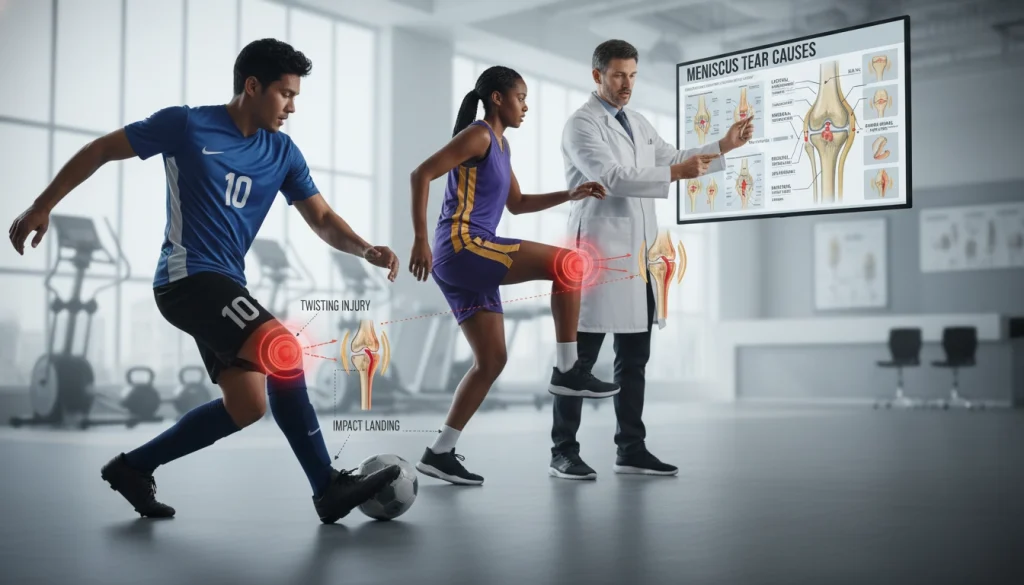
Sports injuries are a leading cause of meniscus tears, mainly in sports that involve twisting, pivoting, or direct contact. Football, basketball, and soccer are among the sports that pose a risk to athletes.
- Twisting injuries during sports
- Direct contact or collision
- Overuse or repetitive strain
Degenerative Tears in Older Adults
Degenerative tears are more common in older adults due to the meniscus’s wear and tear over time. As age advances, the meniscus becomes more prone to tears.
Everyday Activities That Can Cause Tears
Meniscus tears aren’t exclusive to sports injuries or older adults; daily activities can also lead to tears. Simple actions like squatting, kneeling, or lifting heavy objects can stress the meniscus.
- Squatting or deep knee bending
- Kneeling for extended periods
- Lifting heavy objects improperly
Being aware of these causes can help individuals take preventive steps and seek proper treatment if a meniscus tear occurs.
Risk Factors for Developing a Meniscus Tear
Several factors contribute to the risk of meniscus tears, including age, the type of sports or activities one participates in, and any previous knee injuries. Understanding these risk factors is key to preventing and early detecting meniscus tears.
Age-Related Factors
Age is a major risk factor for meniscus tears. Older adults are more likely to experience degenerative meniscus tears due to wear and tear over time. As people age, their meniscus becomes more prone to tears, even with minimal trauma.
Sports and Activities
Certain sports and activities increase the risk of meniscus tears. Sports that involve twisting, pivoting, or direct contact, such as football, basketball, and soccer, are high-risk. Individuals participating in these activities should be aware of the increased risk and take preventive measures.
Previous Knee Injuries
A history of knee injuries can also increase the risk of developing a meniscus tear. Previous ligament injuries, such as an ACL tear, can compromise knee stability, making it more susceptible to meniscus tears. Individuals with a history of knee injuries should be vigilant about monitoring their knee health.
- Older age increases the risk of degenerative meniscus tears.
- Participation in high-risk sports and activities.
- Previous knee injuries compromise knee stability.
Recognizing Meniscus Tear Symptoms
Identifying the signs of a meniscus tear is vital for effective treatment and recovery. These symptoms can appear immediately or develop over time. Understanding them is key to determining the right course of action.
Immediate Symptoms
Sharp pain, often felt when twisting or rotating the knee, is a common sign of a meniscus tear. Swelling and stiffness also occur, making it hard to move the knee fully. Some people may feel a catching or locking sensation in the knee due to the torn meniscus fragment.
For more information on meniscus tears and their implications, visit Acibadem International.
Delayed Symptoms
Some symptoms may not be immediately apparent and can develop over time. Delayed symptoms include pain along the joint line, weakness, or instability in the knee. These can worsen with activities that stress the knee, like squatting or climbing stairs.
When to Seek Medical Attention
Seek medical attention if you experience persistent pain, significant swelling, or if your knee locks or catches. Early diagnosis and treatment can greatly improve outcomes for meniscus tear patients. If you’re experiencing these symptoms, consult a healthcare professional for a proper evaluation.
Diagnosing a Meniscus Tear
The process to diagnose meniscus tears involves a detailed physical examination and imaging studies. Accurate diagnosis is key to selecting the right treatment.
Physical Examination
The first step in diagnosing a meniscus tear is a physical examination. A healthcare professional will evaluate the knee’s range of motion, stability, and pain. They may perform the McMurray test to check for meniscus damage.
Imaging Tests
Imaging tests are vital for confirming a meniscus tear diagnosis. They offer detailed images of the knee joint and its structures.
MRI Scans
Magnetic Resonance Imaging (MRI) scans are the top choice for diagnosing meniscus tears. They provide high-resolution images of soft tissues, including the meniscus. This allows for precise assessment of tear location and severity.
X-rays and Other Tests
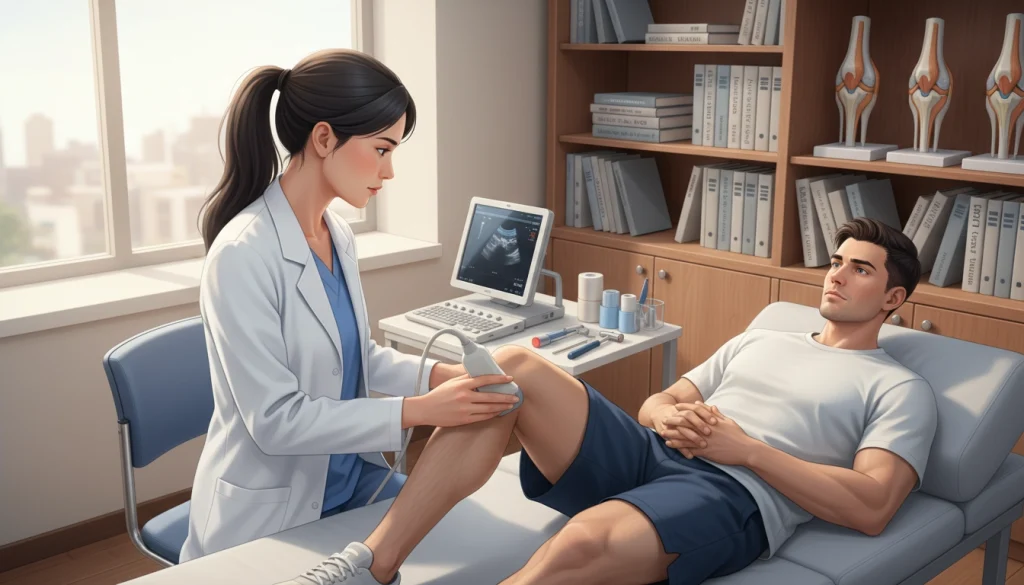
X-rays are not effective for directly seeing meniscus tears but can rule out fractures. Other tests, like ultrasound, may be used in specific cases.
Differential Diagnosis
Differential diagnosis aims to rule out other knee pain causes that might mimic a meniscus tear. Conditions like ligament sprains, osteoarthritis, or other soft tissue injuries are considered during diagnosis.
Conservative Treatment Options for Meniscus Tear
For many with a meniscus tear, starting with conservative treatment is key. This method aims to lessen symptoms, enhance function, and steer clear of surgery when possible.
RICE Protocol
The RICE protocol, or Rest, Ice, Compression, and Elevation, is vital for treating meniscus tears. Resting the knee and avoiding activities that worsen the condition can lessen pain and swelling. Ice application reduces pain and swelling, while compression with an elastic bandage or sleeve helps in swelling reduction. Elevating the leg above the heart level when sitting or lying down also aids in swelling reduction.
Medications for Pain and Inflammation
Over-the-counter pain relievers like ibuprofen or acetaminophen can manage pain and inflammation from meniscus tears. In some cases, a healthcare provider might recommend stronger prescription medications.
Physical Therapy Approaches
Physical therapy is essential in managing meniscus tears conservatively. A physical therapist crafts a tailored exercise plan to boost knee strength, flexibility, and range of motion. Exercises might include straight leg raises, quadriceps sets, and hamstring curls. Physical therapy also teaches proper movement techniques to lessen knee stress.
Activity Modification
Modifying activities to avoid exacerbating the condition is critical in conservative treatment. This might mean altering how certain activities are done or avoiding sports or movements that stress the knee too much.
By using these conservative treatment methods, many with meniscus tears see notable symptom and function improvements. This could potentially prevent the need for more invasive treatments.
Surgical Treatments for Meniscus Tear
When conservative treatments fail, surgical options become a viable path for addressing meniscus tears. Surgical intervention aims to alleviate symptoms, restore knee function, and prevent further damage. The choice of surgical procedure depends on the type, size, and location of the tear, as well as the patient’s overall health and activity level.
Arthroscopic Meniscus Repair
Arthroscopic meniscus repair is a minimally invasive surgical technique that involves repairing the torn meniscus. This procedure is typically recommended for younger patients with tears in the outer edge of the meniscus, where there is a good blood supply. The success of this procedure depends on the tear’s location and the patient’s age and health.
Partial Meniscectomy
Partial meniscectomy involves the removal of the damaged portion of the meniscus, while preserving as much of the healthy meniscus tissue as possible. This procedure is often performed arthroscopically and is suitable for patients with tears that are not repairable or those who have degenerative tears.
Total Meniscectomy
Total meniscectomy, which involves the removal of the entire meniscus, is less commonly performed due to its association with long-term knee problems, such as osteoarthritis. It may be considered in cases where the meniscus is severely damaged and cannot be repaired or partially removed.
When Surgery Is Necessary
Surgery is typically considered when conservative treatments fail to alleviate symptoms or when the meniscus tear is causing significant mechanical symptoms, such as locking or catching of the knee. The decision to proceed with surgery should be made after a thorough evaluation by an orthopedic specialist.
Choosing the Right Surgeon
Selecting the right surgeon is critical for optimal outcomes. Patients should look for an orthopedic surgeon with experience in meniscus surgery, a good track record of successful outcomes, and a commitment to patient-centered care. It’s also important to discuss expectations, risks, and rehabilitation plans with the surgeon.
Recovery Timeline After Meniscus Treatment
Patients often seek clarity on the recovery timeline post-meniscus treatment. The duration of recovery varies significantly, influenced by the treatment type—surgical or non-surgical. Individual factors such as health status and the severity of the tear also play a role.
Non-Surgical Recovery Expectations
Non-surgical treatments for meniscus tears have varied recovery expectations. These treatments typically involve a rest period followed by physical therapy. The goal is to regain knee strength and mobility.
- Initial rest period: 1-2 weeks
- Physical therapy: 4-6 weeks
- Return to normal activities: 6-8 weeks
Adherence to the treatment plan and regular physical therapy sessions are critical. They ensure proper healing and reduce the risk of further injury.
Post-Surgical Recovery Phases
Surgical interventions necessitate a structured post-surgical recovery. The process is divided into several phases:
- Immediate post-surgery phase (0-2 weeks): Focus on pain management and initial healing.
- Early rehabilitation phase (2-6 weeks): Gradually introduce physical therapy to improve range of motion and strength.
- Advanced rehabilitation phase (6-12 weeks): Continue to enhance strength and prepare for return to normal activities.
Factors Affecting Recovery Time
Several factors can impact the recovery time post-meniscus treatment. These include the tear’s severity, treatment type, patient age, and overall health. Understanding these factors aids in creating a more precise recovery plan.
By considering these aspects and adhering to a customized rehabilitation program, patients can expedite their recovery. This enables them to return to their normal activities sooner.
Rehabilitation Exercises for Meniscus Tears
A well-structured rehabilitation program can significantly improve outcomes for patients with meniscus tears. It involves a progression of exercises tailored to the individual’s condition and the severity of the tear.
Early Stage Exercises
In the early stages of rehabilitation, the focus is on reducing pain and inflammation. It also aims to improve range of motion and strengthen the surrounding muscles. Exercises may include:
- Straight leg raises to strengthen the quadriceps without putting excessive strain on the knee.
- Quad sets to improve quadriceps strength.
- Heel slides to gently improve knee flexion.
Intermediate Strengthening Exercises
As the knee heals, intermediate strengthening exercises are introduced. These exercises aim to further improve strength and stability. They may include:
- Wall squats to strengthen the quadriceps, hamstrings, and glutes.
- Step-ups to improve strength and function.
- Resistance band exercises to enhance strength and flexibility.
Advanced Recovery Exercises
Advanced exercises are designed to restore full function. They prepare the individual for return to normal activities or sports. These exercises may include:
- Agility drills to improve quickness and change of direction.
- Plyometric exercises to enhance power.
- Balance and proprioception exercises to improve knee stability.
Working with a Physical Therapist
Working with a physical therapist is highly recommended. They can tailor a rehabilitation program to the individual’s specific needs and monitor progress. A physical therapist can also provide guidance on proper exercise technique and progression.
By following a structured rehabilitation program, individuals with meniscus tears can achieve significant improvements in knee function and overall recovery.
Preventing Meniscus Tears
Preventive care is essential to avoid meniscus tears. It involves various strategies, from exercise techniques to lifestyle adjustments. By understanding and applying these preventive measures, individuals can lower their risk of meniscus tears significantly.
Proper Exercise Techniques
Adopting proper exercise techniques is a key way to prevent meniscus tears. It’s about learning to move correctly during sports and daily activities. This ensures the knee joint isn’t subjected to unnecessary stress. Proper training helps avoid sudden twisting motions or deep knee bends that can cause tears.
Strengthening Programs
Strengthening programs that focus on the muscles around the knee are vital. These include the quadriceps and hamstrings. Exercises like squats, lunges, and leg presses can enhance knee stability. This support reduces the risk of meniscus tears.
Protective Equipment
Using protective equipment is another critical aspect of prevention. Wearing knee pads or braces during sports provides extra protection. It absorbs impact and reduces strain on the meniscus. This is essential for athletes in high-impact sports.
Lifestyle Modifications
Making lifestyle modifications can also help prevent meniscus tears. Maintaining a healthy weight reduces knee joint pressure. Avoiding repetitive strain on the knees prevents wear and tear that may lead to tears. Simple changes, like taking regular breaks during activities that involve kneeling or heavy lifting, are beneficial.
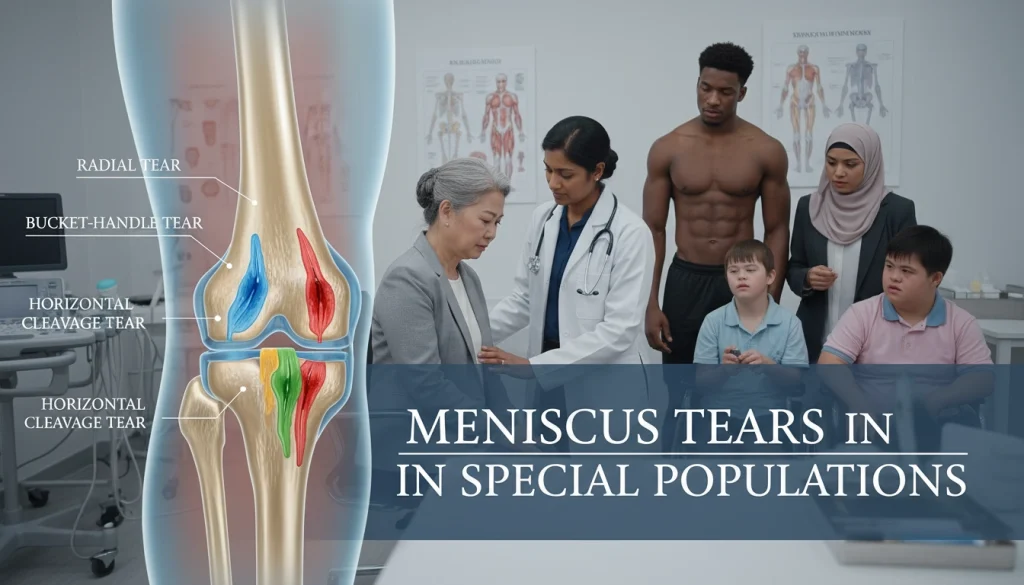
Special Populations and Meniscus Tears
Meniscus tears impact different groups in unique ways, necessitating customized diagnostic and treatment methods. The age and activity level of individuals play a significant role in determining the type of tear and the most suitable treatment plan.
Children and Adolescents
Meniscus tears in the young are uncommon but can stem from sports injuries or genetic predispositions. Diagnosing these tears is complex due to the presence of open growth plates. Initially, a conservative approach is often taken, focusing on physical therapy and pain management. Surgical intervention may be required in some instances to repair or remove the damaged meniscus.
Elderly Patients
Older adults are more prone to degenerative meniscus tears, resulting from years of wear and tear. These tears may not always cause noticeable symptoms, making diagnosis challenging. Treatment for the elderly typically involves managing symptoms and improving function through physical therapy and pain management. Surgical options are considered based on symptom severity and the patient’s overall health.
Athletes vs. Non-Athletes
Athletes face a higher risk of meniscus tears due to the intense stress and acute injuries common in sports. The severity and type of tears differ between athletes and non-athletes, affecting treatment strategies. Athletes often require more aggressive treatments, including surgery, to regain knee function and return to their sport. Non-athletes may benefit from conservative management, depending on their symptoms and activity level.
Emerging Treatments and Research
Emerging treatments are transforming how we manage meniscus tears. Ongoing research is delving into new methods to treat these injuries. This could lead to better patient outcomes and shorter recovery times.
Stem Cell Therapy
Stem cell therapy is a promising field for meniscus tear treatment. It uses stem cells to stimulate healing and repair in the meniscus. Early studies suggest it can enhance healing, reduce pain, and improve knee function.
Meniscus Transplantation
Meniscus transplantation is another emerging option for treating meniscus tears. This surgery involves replacing a damaged meniscus with a donor one or a synthetic substitute. It’s beneficial for younger patients with significant meniscus loss, helping to preserve knee function and prevent further degeneration.
Future Directions in Treatment
The future of meniscus tear treatment looks bright, with ongoing advancements in regenerative medicine and biomaterials. Researchers are working on new biomaterials for meniscus scaffolds and better imaging techniques for diagnosis. They’re also focusing on more effective rehabilitation protocols. These developments promise to improve treatment outcomes and enhance the quality of life for those with meniscus tears.
Moving Forward: Life After a Meniscus Tear
Recovering from a meniscus tear is a journey that demands patience, dedication, and the right care. With the right treatment and rehabilitation, individuals can regain knee function and strength. This allows them to return to their normal activities.
A well-structured rehabilitation plan is essential in the recovery process. It helps patients regain mobility and strength. This plan is often tailored to the individual’s specific needs. It may include physical therapy sessions several times a week.
Life after a meniscus tear can be fulfilling. Many individuals can resume their daily activities and sports without significant limitations. The key to a successful recovery is adhering to the rehabilitation program and attending follow-up appointments to monitor progress.
By choosing the right medical care and following a thorough rehabilitation plan, patients can look forward to a full recovery. This allows them to return to their active lifestyles. This positive outcome highlights the advancements in meniscus tear treatment and rehabilitation techniques.
FAQ
Q: What is a meniscus tear?
A: A meniscus tear is a common injury in the knee. It occurs when the cartilage in the knee joint is damaged.
Q: What are the symptoms of a meniscus tear?
A: Symptoms include pain, swelling, and limited mobility. You may also feel unstable in your knee.
Q: How is a meniscus tear diagnosed?
A: Diagnosis involves a physical exam and imaging tests. MRI scans and X-rays are commonly used.
Q: What are the treatment options for a meniscus tear?
A: Treatment options include conservative methods and surgery. Conservative treatments include the RICE protocol, medications, and physical therapy. Surgical options include arthroscopic repair and meniscectomy.
Q: Can a meniscus tear heal on its own?
A: Some tears can heal with conservative treatment. Others may need surgery.
Q: How long does it take to recover from a meniscus tear?
A: Recovery time varies. It can take weeks to months, depending on treatment and individual factors.
Q: What are the risk factors for developing a meniscus tear?
A: Risk factors include age and certain sports or activities. Previous knee injuries also increase risk.
Q: Can meniscus tears be prevented?
A: Yes, prevention is possible. Use proper exercise techniques, strengthen your knees, and wear protective gear. Lifestyle modifications can also help.
Q: What is the difference between a meniscus repair and a meniscectomy?
A: Meniscus repair involves fixing the torn meniscus surgically. Meniscectomy removes the damaged part of the meniscus.
Q: Are there any emerging treatments for meniscus tears?
A: Yes, new treatments are being researched. These include stem cell therapy and meniscus transplantation, aiming to improve outcomes.