Menstruation: The Biological Process of Menstruation
The menstrual cycle is a natural part of a woman’s life, playing a vital role in the reproductive process. It’s a complex interplay of hormones, physiological changes, and emotional responses. These prepare the body for a possible pregnancy each month. Understanding menstruation is key for women’s health and well-being. It involves the shedding of the uterine lining when there’s no pregnancy, leading to bleeding that lasts several days. This process is a sign of reproductive health, influenced by hormonal balance and overall health.
The significance of menstruation goes beyond its reproductive role. It’s also an indicator of overall health. Irregularities in the menstrual cycle can signal underlying health issues. This makes it an important aspect of women’s health to monitor and understand. Menstruation is a natural process in females, part of the reproductive cycle. It involves complex physiological changes controlled by hormones.
What Happens During Menstruation
During menstruation, the uterus sheds its lining, causing bleeding. This prepares the body for a new cycle, readying for pregnancy. If pregnancy doesn’t happen, the uterine lining is shed.
The Role of Hormones in the Menstrual Cycle
Hormones are key in regulating the menstrual cycle. Estrogen and progesterone influence the growth and shedding of the uterine lining. Their balance affects the cycle’s length and regularity.
The Uterine Lining and Menstrual Flow
The uterine lining, or endometrium, thickens for a fertilized egg. If not fertilized, it breaks down and is expelled as menstrual flow. Flow varies in consistency and amount, changing throughout a period.
Understanding menstruation’s biological process is vital. It shows the complex interplay of hormones and physiological changes monthly.
Understanding the Menstrual Cycle
The menstrual cycle is a complex process essential for female reproductive health. It involves various physiological changes to prepare the body for pregnancy. This cycle is a vital part of a woman’s life, impacting her overall well-being.
The Four Phases of the Menstrual Cycle
The menstrual cycle is divided into four phases: menstruation, the follicular phase, ovulation, and the luteal phase. Menstruation occurs when the uterine lining sheds without pregnancy. The follicular phase begins, with the body producing follicle-stimulating hormone (FSH) to develop follicles in the ovaries.
Ovulation happens when a mature follicle releases an egg, usually around the cycle’s midpoint. The luteal phase follows, marked by the production of progesterone. This hormone prepares the uterine lining for a fertilized egg.
Average Cycle Length and Variations
The average menstrual cycle length is about 28 days. Yet, it can vary from 21 to 35 days among women. Stress, weight changes, and health can affect cycle length.
Hormonal Fluctuations Throughout the Cycle
Hormonal changes are a key feature of the menstrual cycle. Estrogen levels increase during the follicular phase, thickening the uterine lining. After ovulation, progesterone levels rise, further preparing the uterus for implantation. Understanding these hormonal shifts is critical for managing menstrual health.
By understanding the different phases and hormonal changes in the menstrual cycle, women can better manage their reproductive health. They can also identify any irregularities that may require medical attention.
Menstruation Throughout a Woman’s Life
From the start of menarche to the end of menstruation at menopause, a woman’s menstrual cycle undergoes significant changes. These changes are not just physical but also emotional, impacting various aspects of a woman’s life.
Menarche: The First Period
Menarche marks the beginning of a woman’s reproductive life, typically occurring between the ages of 11 and 14. This initial menstrual period is often accompanied by significant emotional and physical changes as young girls enter puberty. The first few years after menarche, menstrual cycles may be irregular as the body adjusts to hormonal fluctuations.
Changes in Menstruation with Age
As women progress through their reproductive years, their menstrual cycles tend to become more regular. Yet, factors such as stress, diet, and overall health can influence cycle length and menstrual flow. Some women may experience changes in their menstrual symptoms over time, such as variations in cramp severity or differences in flow.
Menopause and the End of Menstruation
Menopause, typically occurring between the ages of 45 and 55, marks the end of a woman’s menstrual cycles. This transition is characterized by a decline in estrogen levels, leading to the cessation of menstruation. The period leading up to menopause, known as perimenopause, can involve irregular periods and various menopausal symptoms.
Common Menstrual Symptoms and Experiences
Understanding common menstrual symptoms is key to managing menstrual health. Menstruation is a natural part of life for many women. Yet, it can bring a variety of symptoms that differ in intensity and impact.
Physical Symptoms and Discomfort
Physical symptoms are among the most common during menstruation. These include cramps, bloating, breast tenderness, and fatigue. Menstrual cramps, in particular, can vary from mild to severe. They are caused by uterine contractions. 
Bloating and water retention are also common complaints. They often cause discomfort and lead to changes in clothing size. These symptoms are mainly due to hormonal fluctuations during the menstrual cycle.
Emotional and Psychological Changes
Emotional and psychological changes are another part of the menstrual experience. Women may experience mood swings, irritability, or feelings of anxiety and depression. These symptoms are often linked to premenstrual syndrome (PMS) and hormonal changes.
- Mood swings
- Irritability
- Anxiety
- Depression
Energy Levels and Sleep Patterns
Many women also notice changes in energy levels and sleep patterns during their menstrual cycle. Fatigue is common, and some may experience insomnia or excessive sleepiness. These changes are due to hormonal shifts and physical discomfort.
By understanding these common menstrual symptoms and experiences, women can better manage their menstrual health. This can improve their overall quality of life.
Menstrual Products and Options
Menstrual products have seen a significant evolution, now catering to a wide range of needs and preferences. This variety ensures individuals can manage their menstrual cycles effectively. It guarantees comfort and hygiene throughout their cycle.
Disposable Products: Pads and Tampons
Disposable menstrual products are favored for their convenience. They encompass:
- Pads: Available in various absorbencies and sizes, pads are a popular choice for their ease of use.
- Tampons: Inserted internally, tampons offer discretion and freedom during physical activities.
Both pads and tampons come with different features, such as scented or unscented, and with or without wings for added protection.
Reusable Products: Cups, Discs, and Period Underwear
Reusable menstrual products are becoming increasingly popular for their eco-friendly benefits and cost-effectiveness. They include:
- Menstrual Cups: Made from silicone, these cups are inserted internally to collect menstrual fluid.
- Menstrual Discs: Also internal, discs are designed for longer wear and can be more comfortable for some users.
- Period Underwear: Specially designed undergarments that absorb menstrual flow, providing a comfortable and secure option.
These products vary in material, size, and absorbency, catering to different preferences and needs.
Choosing the Right Products for Your Needs
Selecting the appropriate menstrual products depends on several factors, including lifestyle, flow, and personal comfort. It’s essential to consider:
- Your menstrual flow: Heavier flows may require more absorbent products.
- Activity level: For active individuals, tampons or menstrual cups might be preferable.
- Sensitivity: Those with sensitive skin may opt for products made from natural or hypoallergenic materials.
Product Safety and Materials
When choosing menstrual products, it’s vital to consider the materials used and their safety. Look for products that are:
- Made from non-toxic materials.
- Free from harmful chemicals like dioxins or fragrances that can cause irritation.
Understanding the composition and safety features of menstrual products can help in making informed decisions.
Managing Menstrual Pain and Discomfort
For many, menstrual cramps are a monthly ordeal. Effective management of menstrual pain is key to maintaining daily life and overall well-being. Menstrual pain, also known as dysmenorrhea, can range from mild to severe and is a common issue for many women.
Over-the-Counter Pain Relief Options
Over-the-counter (OTC) pain relievers are often the first line of defense against menstrual cramps. Nonsteroidal anti-inflammatory drugs (NSAIDs) like ibuprofen and naproxen can help reduce prostaglandins. These hormone-like substances cause the uterus to contract and cramp.
- Ibuprofen (Advil, Motrin)
- Naproxen (Aleve)
- Aspirin
Natural Remedies for Menstrual Cramps
Some women prefer natural remedies to manage menstrual pain. These can include:
- Herbal teas like chamomile and ginger
- Dietary changes, such as increasing omega-3 fatty acids
- Supplements like magnesium and vitamin B6
Heat Therapy and Relaxation Techniques
Heat therapy involves applying a warm heating pad or water bottle to the lower abdomen to relax the uterine muscles. Relaxation techniques, including deep breathing, yoga, and meditation, can also help reduce stress and alleviate cramps.
If menstrual pain is severe, lasts longer than usual, or is accompanied by heavy bleeding, dizziness, or fever, it’s essential to seek medical help. Underlying conditions like endometriosis or fibroids might be the cause of severe menstrual pain.
Nutrition and Diet During Menstruation
Eating the right foods can help alleviate menstrual discomfort and support overall well-being. A diet rich in essential nutrients plays a significant role in managing menstrual symptoms.
Foods That May Help Alleviate Symptoms
Certain foods are known to help alleviate menstrual symptoms. These include:
- Leafy greens like spinach and kale, which are rich in iron
- Fatty fish such as salmon, which are high in omega-3 fatty acids
- Bananas, a good source of potassium
- Whole grains like brown rice and quinoa, which are rich in fiber and magnesium
Foods to Avoid During Your Period
Some foods can exacerbate menstrual symptoms and are best avoided or consumed in moderation. These include:
- Caffeine, which can increase anxiety and disrupt sleep
- Sugary foods, which can lead to energy crashes and mood swings
- Processed foods, often high in salt and unhealthy fats
Hydration and Its Importance
Staying hydrated is critical during menstruation. Water helps in reducing bloating and easing cramps. It’s recommended to drink at least 8-10 glasses of water a day.
Supplements That May Help
Certain supplements can also provide relief from menstrual symptoms. These include:
- Omega-3 fatty acids for their anti-inflammatory properties
- Magnesium to help with cramps and mood stabilization
- Vitamin B6, which can help reduce symptoms of PMS
Exercise and Physical Activity During Your Period
Menstruation doesn’t mean you have to stop exercising. Physical activity during your period can offer many benefits. It can ease symptoms and boost your overall health.
Benefits of Exercise During Menstruation
Exercising during your period can lessen menstrual cramps, enhance mood, and boost energy. Physical activity triggers the release of endorphins. These are natural painkillers that can reduce cramp discomfort.
Recommended Activities and Modifications
It’s usually safe to keep up with your usual workout routine, but some adjustments might be needed. Low-impact activities like yoga, swimming, or brisk walking are often suggested. For those doing more intense workouts, reducing the intensity or taking breaks can help manage discomfort.
- Yoga: Helps with flexibility and relaxation
- Swimming: Provides a low-impact, full-body workout
- Brisk Walking: Easy on the joints and improves cardiovascular health
Managing Sports and Athletics While Menstruating
Athletes and those in competitive sports can continue to participate during their period. They might need to adjust their routine based on how they feel. Using high-absorbency tampons or menstrual cups can help manage flow during exercise.
Common Menstrual Disorders and Conditions
Menstrual disorders and conditions significantly impact women’s health and wellbeing. It’s vital to grasp these issues to seek proper medical care and manage symptoms effectively.
Premenstrual Syndrome (PMS)
Premenstrual Syndrome (PMS) includes physical, emotional, and behavioral symptoms. These symptoms start after ovulation and end before or with menstruation.
- Bloating and water retention
- Mood swings and irritability
- Breast tenderness
Premenstrual Dysphoric Disorder (PMDD)
Premenstrual Dysphoric Disorder (PMDD) is a severe form of PMS. It brings significant emotional and physical symptoms, affecting daily life.
- Marked irritability or anger
- Feelings of hopelessness or despair
- Anxiety or tension
Endometriosis and Adenomyosis
Endometriosis involves tissue like the uterus lining found outside the uterus, causing pain. Adenomyosis is when this tissue grows into the uterus wall.
Symptoms include:
- Severe menstrual cramps
- Heavy or prolonged menstrual bleeding
- Pain during intercourse
Polycystic Ovary Syndrome (PCOS)
PCOS is a hormonal disorder with enlarged ovaries and small cysts. It affects hormone levels, leading to irregular periods and other symptoms.
Fibroids and Their Impact
Fibroids are non-cancerous growths in or around the uterus. They can cause heavy bleeding, prolonged periods, and pelvic pain.
Grasping these menstrual disorders and conditions is key to managing symptoms and improving life quality. Accurate diagnosis and treatment can greatly enhance daily life for those affected.
Irregular Periods: Causes and Concerns
Irregular periods can be unsettling, but understanding what they are and their causes can offer clarity. These cycles vary significantly in length, frequency, or duration. This variation makes it challenging to predict when the next period will arrive.
What Constitutes an Irregular Period
An irregular period is marked by unpredictable cycle lengths. A typical menstrual cycle spans from 21 to 35 days. The bleeding phase usually lasts between 2 to 7 days.
- Cycles shorter than 21 days or longer than 35 days
- Significant variation in cycle length from month to month
- Missed or infrequent periods
Common Causes of Irregular Periods
Irregular periods can stem from various factors, including hormonal imbalances, certain medical conditions, and lifestyle choices.
- Hormonal disorders such as polycystic ovary syndrome (PCOS)
- Thyroid disorders
- Uterine or ovarian abnormalities
Stress and Lifestyle Factors
Stress and lifestyle choices also impact menstrual regularity.
- High levels of stress
- Extreme weight changes or obesity
- Excessive exercise
When to Consult a Healthcare Provider
If irregular periods persist, seeking a healthcare provider’s advice is vital. They can help identify any underlying health issues.
Hormonal Birth Control and Its Effects on Menstruation
Hormonal contraceptives are widely used, and understanding their impact on menstruation is key. They are not just for preventing pregnancy but also for managing menstrual issues. This knowledge is vital for making informed choices.
Types of Hormonal Contraceptives
Hormonal contraceptives include pills, patches, rings, and intrauterine devices (IUDs). Each type affects the menstrual cycle differently. For example, combination pills contain estrogen and progesterone, while progesterone-only pills have distinct effects.
How Birth Control Alters Your Cycle
Birth control can change the menstrual cycle in several ways. It can alter the frequency, duration, and intensity of periods. Some methods may lead to lighter or even absent periods, while others can cause breakthrough bleeding.
Benefits and Potentials Side Effects
Hormonal birth control has many benefits, such as reduced menstrual cramps and regulated cycles. It also lowers the risk of certain cancers. Yet, it can have side effects like mood changes, weight gain, and spotting between periods.
Choosing the Right Option for You
Choosing the right hormonal birth control method depends on your health needs, lifestyle, and preferences. It’s essential to consult a healthcare provider. They can help find the best option for you and minimize side effects.
Tracking Your Menstrual Cycle
Accurate menstrual cycle tracking is key to your health and wellbeing. It helps you understand your body’s rhythms. This way, you can manage symptoms better and stay on top of your period.
Methods for Tracking: Digital and Traditional
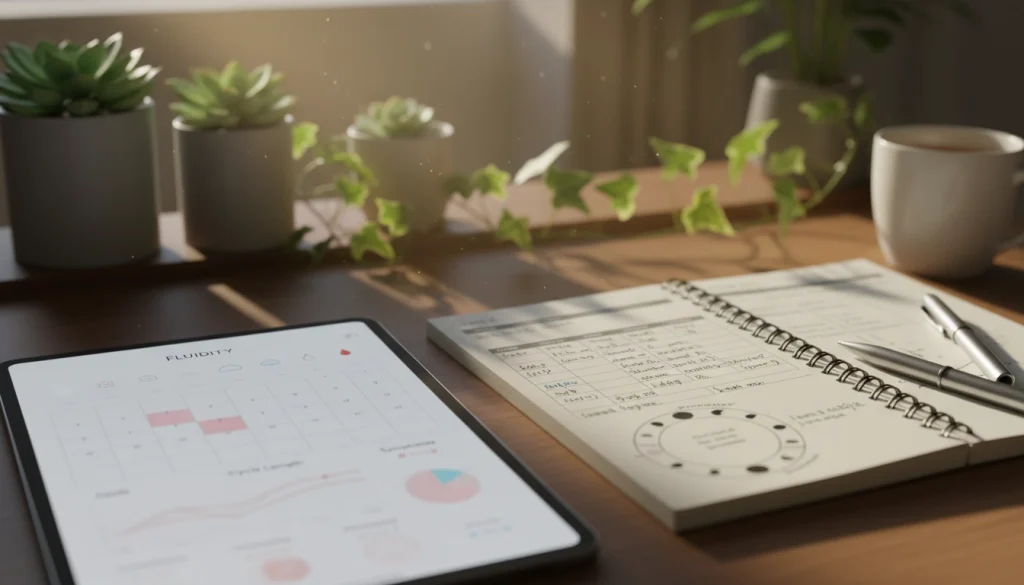
There are many ways to track your cycle, from old-school calendars to cutting-edge apps. Traditional methods mark your period on a calendar. Digital tracking uses apps and wearables to monitor your cycle.
Benefits of Cycle Tracking
Tracking your cycle has many advantages. It improves symptom management and fertility awareness. It also helps monitor your overall health. By spotting patterns, you can make smart choices about your reproductive health.
Popular Tracking Apps and Tools
Many apps and tools help track your menstrual cycle. They offer features like symptom tracking and ovulation prediction. Clue, Flo, and Glow are among the most popular.
Using Tracking Data to Improve Health
Tracking your cycle data can reveal important health trends. This info is great for discussing with your healthcare provider. It can help uncover underlying health issues.
Menstruation and Reproductive Health
Understanding the complex relationship between menstruation and reproductive health is key to overall well-being. Menstruation is more than a monthly cycle; it’s a vital sign of reproductive health. It affects fertility and overall quality of life.
The Connection Between Periods and Fertility
The menstrual cycle is deeply connected to fertility. A regular cycle usually means normal ovulation, which is critical for conception. This connection helps individuals manage their reproductive health better.
Using Your Cycle for Family Planning
Knowing your menstrual cycle is a powerful tool for family planning. By tracking ovulation and understanding the fertile window, you can make informed choices about conception or contraception.
Menstrual Abnormalities and Fertility Concerns
Irregularities in the menstrual cycle can signal fertility issues. Conditions like polycystic ovary syndrome (PCOS) or endometriosis can impact both menstruation and fertility. This highlights the need to monitor menstrual health closely.
Communicating with Healthcare Providers
Effective communication with healthcare providers is essential for addressing menstrual and fertility concerns. Discussing symptoms, cycle irregularities, and reproductive goals with a healthcare provider can lead to timely interventions and support.
By grasping the connection between menstruation and reproductive health, individuals can take proactive steps towards maintaining their overall health. This includes recognizing signs of menstrual abnormalities, using cycle tracking for family planning, and seeking medical advice when necessary.
Cultural and Social Aspects of Menstruation
The societal view on menstruation deeply influences menstrual health and hygiene. Menstruation is often shrouded in secrecy and stigma. This affects how people see their bodies and experiences.
Period Stigma and Taboos
Period stigma involves negative attitudes and beliefs about menstruation. It can cause feelings of shame and embarrassment. This leads to hiding menstrual products or avoiding open discussions.
Period Poverty and Access to Menstrual Products
Period poverty is a major issue, where some cannot afford menstrual products. It impacts health, education, and economic stability. Ensuring access to affordable, safe products is essential.
Menstrual Education and Awareness
Educating people about menstruation can reduce stigma and improve health. Menstrual education should cover hygiene, product use, and the biological process.
Advocacy and Policy Changes
Efforts to combat period stigma, poverty, and lack of education are underway. Policy changes, like free menstrual products in schools and workplaces, can greatly improve menstrual health.
Environmental Impact of Menstrual Products
Millions of women use menstrual products daily, leaving a significant environmental footprint. The lifecycle of these products, from production to disposal, generates substantial waste and pollution.
Waste Generated by Disposable Products
Disposable menstrual items, like pads and tampons, heavily burden landfills. These products, predominantly made from plastic, resist decomposition for centuries. This highlights the urgent need for sustainable alternatives.
Eco-Friendly Alternatives and Innovations
Responding to environmental concerns, eco-friendly menstrual solutions have emerged. Menstrual cups, reusable pads, and period underwear are becoming more popular. These options not only cut down on waste but also offer long-term cost savings.
Making Sustainable Choices
Consumers can significantly reduce environmental impact by making conscious choices. Selecting products with minimal packaging and opting for reusable items are key steps. Proper waste disposal is equally important. By embracing sustainable menstrual practices, individuals can help lessen environmental pollution.
Embracing Your Menstrual Health Journey
Understanding and embracing your menstrual health journey is key to overall well-being. Acknowledging the physical, emotional, and social aspects of menstruation empowers you. It allows you to take control of your reproductive health and make informed decisions.
Tracking your menstrual cycle and being aware of your body’s needs are vital. Adopting healthy habits can significantly impact your menstrual health. This includes maintaining a balanced diet, staying hydrated, and engaging in regular physical activity.
Embracing your menstrual journey also means being mindful of the environmental impact of menstrual products. Exploring eco-friendly alternatives is a step towards a healthier planet. By making sustainable choices, you contribute to a greener future.
By taking a proactive and positive approach to managing your menstruation, you can enhance your overall quality of life. Prioritizing menstrual health is essential for women to lead healthy, active lives. It’s a vital aspect of reproductive health.
FAQ
Q: What is menstruation?
A: Menstruation is a natural process in the female reproductive cycle. It involves the uterus shedding its lining, leading to bleeding. This usually happens once a month.
Q: What are the different phases of the menstrual cycle?
A: The menstrual cycle has four phases. These include menstruation, the follicular phase, ovulation, and the luteal phase. Each phase is controlled by hormonal changes.
Q: How can I manage menstrual pain and discomfort?
A: To manage menstrual pain, try over-the-counter pain relief or natural remedies like heat therapy. Relaxation techniques and a healthy diet also help.
Q: What are the benefits of tracking my menstrual cycle?
A: Tracking your menstrual cycle helps you understand your body’s rhythms. It lets you predict when your period is due. It also helps identify irregularities or health issues early.
Q: What are some eco-friendly menstrual product options?
A: Eco-friendly menstrual products include reusable menstrual cups, period underwear, and cloth pads. They significantly reduce waste from disposable products.
Q: How does hormonal birth control affect menstruation?
A: Hormonal birth control can regulate or stop menstruation, depending on the type and brand. It can also affect PMS symptoms.
Q: What constitutes an irregular period?
A: An irregular period means changes in cycle length, bleeding duration, or flow heaviness. Hormonal imbalances, stress, or medical conditions can cause these changes.
Q: How can I alleviate symptoms associated with PMS?
A: To ease PMS symptoms, try dietary changes like more complex carbs, lean proteins, and healthy fats. Regular exercise, stress management, and supplements can also help.
Q: What is the connection between menstruation and fertility?
A: Menstruation is linked to fertility. It includes ovulation, the time when a woman is most fertile and can conceive.
Q: How can I choose the right menstrual products for my needs?
A: When choosing menstrual products, consider your flow, comfort, lifestyle, and preferences. Look at both disposable and reusable options to find what works best for you.