Microcephaly: What is Microcephaly?
A rare neurological condition, Microcephaly is marked by a significantly smaller head size. It can have profound implications on an individual’s development and quality of life. This condition is often associated with various neurological and developmental challenges. Understanding the causes, symptoms, and treatments is essential for those affected and their families.
Given its complexity, it demands a thorough medical evaluation and care. Raising awareness and education about this condition can aid in early detection and management. Microcephaly is a congenital condition marked by a significant reduction in head size, often linked to neurological disorders. It is typically identified at birth or in early infancy. To understand microcephaly, we must explore its definition, classification, and the demographics it impacts.
Definition and Classification
Microcephaly is defined by a head circumference more than two standard deviations below the average for age and sex. Its classification can be based on causes, the presence of other abnormalities, or the timing of its occurrence.
- Primary Microcephaly: Present at birth, often due to genetic factors.
- Secondary Microcephaly: Develops after birth, potentially due to infections, trauma, or other environmental factors.
This classification aids in understanding the condition’s causes and outcomes.
Prevalence and Demographics
The prevalence of microcephaly varies globally, influenced by genetics, environmental exposures, and infections during pregnancy. The Centers for Disease Control and Prevention (CDC) reports a prevalence of 2-3 per 10,000 births in the United States.
Demographically, microcephaly can affect any population. Yet, certain groups may face higher risks due to genetic predispositions or specific infections during pregnancy.
- Maternal infection during pregnancy, such as Zika virus.
- Genetic mutations or inherited conditions.
- Exposure to certain toxins or drugs during pregnancy.
Understanding Head Circumference Measurements
Measuring head circumference is a vital tool for tracking brain growth and development. It’s a straightforward yet powerful method used by healthcare professionals. They measure it around the widest part of the head, just above the eyebrows and ears.
Normal Head Growth Parameters
Head growth varies among infants, influenced by age and sex. The World Health Organization (WHO) offers standardized growth charts. These charts help healthcare providers track head circumference against these factors. A newborn’s head is usually between 33-35 cm, growing to 43-45 cm by age 2.
By monitoring head circumference against these standards, any deviations from normal growth can be identified.
How Microcephaly is Measured
Microcephaly is diagnosed when an infant’s head circumference falls below the 3rd percentile on WHO growth charts. Healthcare providers compare the infant’s head size to these charts, considering the child’s gestational age and other factors.
Diagnosing Microcephaly often requires additional assessments. These help determine the underlying cause and any associated conditions.
Types of Microcephaly
Microcephaly is divided into primary and secondary types. Each type has its own set of causes and treatments. Knowing the difference is key for effective management.
Primary Microcephaly
Primary microcephaly is present at birth. It’s often linked to genetic factors. It can be further categorized based on its genetic and familial patterns.
Genetic Primary Microcephaly
Genetic primary microcephaly stems from mutations in genes vital for brain development. These mutations are often inherited in an autosomal recessive pattern.
Familial Patterns
In some families, primary microcephaly shows a hereditary pattern. Research has pinpointed several genes responsible for this condition in these families.
Secondary Microcephaly
Secondary microcephaly, by contrast, develops post-birth. It’s caused by various factors that hinder brain growth. This type can stem from acquired causes or progressive conditions.
Acquired Causes
Acquired causes of secondary microcephaly include infections, trauma, and environmental factors. These can significantly impact brain development in infants and children.
Progressive Development
Secondary microcephaly can also arise from progressive conditions. These conditions continue to affect brain growth over time. Early intervention and monitoring are vital in managing these cases.
Distinguishing between primary and secondary microcephaly is essential for identifying the cause and choosing the right treatment. A thorough evaluation, including genetic testing and imaging, is necessary for accurate diagnosis.
- Primary microcephaly is present at birth.
- Secondary microcephaly develops after birth.
- Genetic factors play a significant role in primary microcephaly.
- Acquired causes contribute to secondary microcephaly.
Causes of Microcephaly
Microcephaly is a complex condition with multiple causes. These can be broadly categorized into genetic, environmental, and infectious factors. Understanding these causes is essential for diagnosis, management, and prevention.
Genetic Factors
Genetic factors play a significant role in the development of microcephaly. Mutations in genes responsible for brain development can lead to primary microcephaly. These genetic mutations can be inherited in an autosomal recessive pattern. This means a child must inherit two copies of the mutated gene (one from each parent) to develop the condition.
Some genetic syndromes, such as Down syndrome and other chromosomal abnormalities, can also be associated with microcephaly. Genetic testing can help identify these mutations. It provides valuable information for families.
Environmental Causes
Environmental exposures during pregnancy can significantly impact fetal development. Exposure to toxins, such as pesticides and heavy metals, has been linked to an increased risk of microcephaly. Maternal nutrition and health also play a critical role. For instance, malnutrition and exposure to alcohol or drugs can affect fetal brain development.
Exposure to certain chemicals and radiation has also been associated with a higher risk of microcephaly. Understanding and mitigating these environmental risks can help in preventing the condition.
Maternal Infections
Maternal infections during pregnancy are another critical factor that can lead to microcephaly. Infections such as Zika virus, rubella, and cytomegalovirus can cross the placental barrier and affect fetal brain development. The Zika virus outbreak in 2015-2016 highlighted the severe impact of maternal infections on fetal development. It led to a significant increase in microcephaly cases.
Preventive measures, including vaccination and avoiding exposure to infectious agents, are critical. They help in reducing the risk of microcephaly associated with maternal infections.
The Zika Virus Connection
The Zika virus’s link to microcephaly became a pressing public health issue in 2015-2016. This connection was confirmed when a notable rise in microcephaly cases was seen in Zika-affected areas.
The 2015-2016 Outbreak
In Brazil and South America, the 2015-2016 Zika virus outbreak led to a sharp increase in microcephaly cases. This highlighted the Zika virus’s capability to cause severe birth defects.
- The outbreak saw a rapid spread of the Zika virus.
- A notable rise in microcephaly cases was reported.
- Public health officials were alerted to the Zika-microcephaly link.
Mechanism of Zika-Related Microcephaly
Studies indicate that Zika virus can cross the placenta, impacting fetal brain development. The virus disrupts the normal growth of neural cells, causing microcephaly.
- Zika virus infection during pregnancy can lead to fetal brain abnormalities.
- The virus targets neural progenitor cells, disrupting their development.
- This disruption results in reduced brain growth and microcephaly.
Signs and Symptoms of Microcephaly
The signs and symptoms of microcephaly vary widely, making early diagnosis and intervention critical. It is characterized by a smaller than normal head size. This can be detected at birth or during early childhood.
Physical Characteristics
Individuals with microcephaly often exhibit distinct physical characteristics. These may include:
- A significantly smaller head circumference
- Sloping forehead
- Prominent ears
- Potential for other physical anomalies
These physical traits can vary in severity. They can impact the overall health and well-being of the individual.
Developmental Issues
Microcephaly is often associated with various developmental issues, including:
- Delayed speech and language development
- Difficulty with motor skills, such as walking or coordination
- Intellectual disabilities
Early intervention programs, including physical, occupational, and speech therapy, can significantly improve developmental outcomes.
Associated Health Problems
Individuals with microcephaly may experience a range of associated health problems, including:
- Seizures
- Feeding difficulties
- Hearing and vision problems
Regular medical check-ups and monitoring are essential to manage these health issues effectively.
Diagnosing Microcephaly
Diagnosing microcephaly requires a blend of prenatal and postnatal evaluations. It’s vital for delivering the right care and support to those affected.
Prenatal Diagnosis
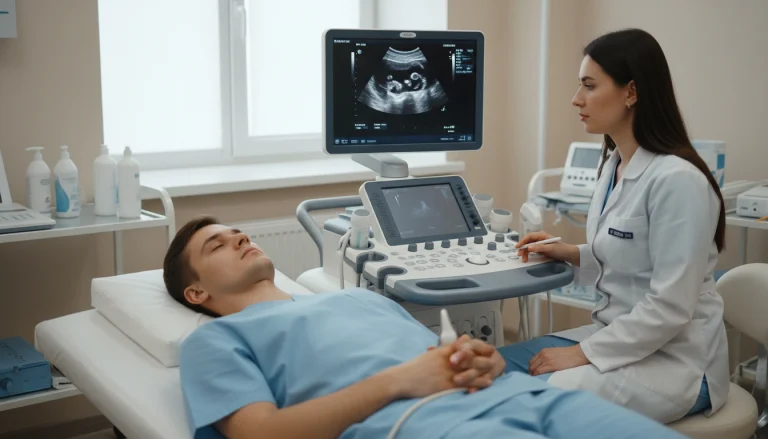
Prenatal diagnosis of microcephaly is usually done via ultrasound. These tests can spot irregular fetal head growth.
Ultrasound Findings
Ultrasound findings are key in prenatally diagnosing microcephaly. They measure fetal head circumference against growth charts to spot issues.
Amniocentesis
Amniocentesis, which samples amniotic fluid, offers more insight into microcephaly’s genetic causes. It aids in confirming a diagnosis.
Postnatal Evaluation
Postnatal evaluation is critical for confirming microcephaly. It involves a detailed physical check-up and developmental assessment.
Physical Examination
After birth, a physical exam measures the newborn’s head circumference. This is compared to growth charts to confirm microcephaly.
Developmental Assessment
A developmental assessment is essential for gauging microcephaly’s severity and any developmental delays. It shapes the care plan.
Medical Imaging and Testing for Microcephaly
Medical imaging and testing are key in diagnosing microcephaly. These methods help healthcare providers measure fetal or infant head size and spot any issues.
Ultrasound and MRI
Ultrasound is a main tool during pregnancy to track fetal growth, including head size. It helps catch microcephaly early. MRI, with its detailed brain images, confirms the diagnosis and gauges the condition’s severity.
Genetic Testing
Genetic testing is essential in finding microcephaly’s causes. It examines the genetic material of the affected person for mutations or abnormalities. This info is vital for tailored care and support.
Together, medical imaging and genetic testing offer a full view of microcephaly. This allows healthcare providers to create effective treatment plans.
Treatment Approaches for Microcephaly
Managing microcephaly effectively requires a blend of early intervention, targeted medication, and supportive therapies. These strategies aim to meet the unique needs of those with microcephaly. They aim to enhance their quality of life and developmental progress.
Early Intervention Programs
Early intervention is key in managing microcephaly. These programs offer a variety of services like physical, occupational, and speech therapy. They are customized to meet the child’s specific needs. The goal is to support their development and help them reach their full capacity.
- Physical therapy to improve motor skills
- Occupational therapy to enhance daily functioning
- Speech therapy to improve communication skills
Medication Options
Medication may be needed to manage related health issues, such as seizures or developmental delays. The choice of medication is based on the individual’s specific needs and health status.
Supportive Therapies
Supportive therapies are essential in managing microcephaly. They are designed to support the individual’s physical, emotional, and educational needs.
Physical Therapy
Physical therapy aids in improving motor skills and physical development. It is tailored to the individual’s needs and abilities.
Occupational Therapy
Occupational therapy enhances daily functioning and independence. It helps individuals with microcephaly to perform daily tasks and engage in activities.
Speech Therapy
Speech therapy is critical for improving communication skills. It addresses speech and language difficulties, enabling individuals to communicate more effectively.

Long-term Prognosis and Outcomes
Understanding the long-term prognosis for individuals with Microcephaly is vital for families and healthcare providers. The condition’s impact on a person’s quality of life and developmental milestones varies greatly. Accurate prognosis aids in planning the right care and support.
Severity Spectrum
Microcephaly spans a severity spectrum, from mild to severe. Those with mild Microcephaly might face fewer developmental hurdles. In contrast, severe cases often lead to intellectual disabilities and physical impairments. Severity is determined by head circumference reduction and brain abnormalities.
Factors Affecting Prognosis
Several factors shape the long-term prognosis for Microcephaly patients. These include the condition’s cause, associated health issues, and early intervention success. Supportive therapies and medical care also play a significant role in outcomes.
Families must collaborate with healthcare providers to track their child’s progress and adjust care plans. Regular assessments and interventions are key to improving developmental outcomes.
Living with Microcephaly
Receiving a diagnosis of microcephaly can drastically change one’s life, introducing emotional, physical, and financial hurdles. It impacts not just the person diagnosed but also their family and caregivers. It’s vital to grasp these challenges to build effective support networks.
Daily Challenges
Those with microcephaly and their families encounter numerous daily obstacles. These include:
- Managing developmental delays and disabilities
- Coordinating medical care and therapies
- Navigating educational systems
- Addressing social and emotional needs
These hurdles demand a broad strategy to support the individual’s well-being.
Quality of Life Considerations
Enhancing the quality of life for those with microcephaly requires careful consideration. Key areas include:
- Early intervention programs tailored to the individual’s needs
- Access to specialized medical care and therapy services
- Support for families and caregivers
- Promoting inclusion and accessibility in community settings
By focusing on these aspects, we can significantly improve the lives of those with microcephaly.
Support for Families and Caregivers
Support for families and caregivers is essential in managing the needs of individuals with microcephaly. Caring for a child with microcephaly is emotionally and physically demanding. A strong support system can greatly enhance the quality of life for those with microcephaly and their families.
Educational Resources
Educational resources are key in helping families manage microcephaly. They provide information on developmental milestones, therapeutic interventions, and navigating the healthcare system. Organizations offer educational materials, workshops, and online courses tailored for families with microcephaly.

Support Groups and Organizations
Support groups and organizations are invaluable for families and caregivers. They offer a space for sharing experiences, emotional support, and insights from others facing similar challenges. Many organizations provide professional counseling, therapy services, and advocacy. Connecting with these groups helps families feel less isolated and more empowered to care for their loved ones.
By using educational resources and joining support groups, families can create a strong support network. This network is critical for navigating the complexities of caring for someone with microcephaly.
Prevention Strategies
Preventing microcephaly requires a mix of maternal health precautions and infection control. Understanding the causes and risk factors helps expectant mothers and healthcare providers take action. This minimizes the risk of microcephaly.
Maternal Health Precautions
Maternal health is key in preventing microcephaly. Expectant mothers should:
- Maintain a healthy diet rich in essential nutrients
- Avoid exposure to harmful substances such as alcohol and tobacco
- Manage chronic health conditions effectively
Regular prenatal check-ups are also vital. They help monitor fetal development and catch any issues early.
Vaccination and Infection Control
Vaccination and infection control are essential in preventing infections that can lead to microcephaly. Key measures include:
- Getting vaccinated against diseases such as rubella and Zika
- Practicing good hygiene, such as frequent handwashing
- Avoiding mosquito bites, which are common in Zika-prone areas
By adopting these strategies, the risk of microcephaly can be greatly reduced. It’s critical for expectant mothers and those planning pregnancy to be informed and follow these preventive measures.
The Future of Microcephaly Research and Care
Our grasp of Microcephaly is growing, reshaping the research and care landscape. Ongoing studies aim to reveal the genetic and environmental causes of Microcephaly. This knowledge will guide prevention and treatment efforts.
Advances in medical imaging and genetic testing are boosting diagnostic precision. This allows for earlier, more accurate Microcephaly detection. Timely intervention is key to improving outcomes for those affected.
The care for Microcephaly is set to become more personalized. This means therapies and support tailored to each individual’s needs. It will address developmental and health issues specific to Microcephaly.
As research progresses, we anticipate better diagnosis, treatment, and management of Microcephaly. This will significantly improve the lives of those with the condition. Future care will be influenced by ongoing research, leading to enhanced support for individuals and families.
FAQ
Q: What is Microcephaly?
A: Microcephaly is a rare neurological condition. It is marked by a head size smaller than normal. It often leads to developmental delays and intellectual disabilities.
Q: What causes Microcephaly?
A: Causes of Microcephaly include genetic factors and environmental causes. Maternal infections, like the Zika virus, also play a role.
Q: How is Microcephaly diagnosed?
A: Diagnosing Microcephaly involves prenatal ultrasound and postnatal physical exams. Developmental assessments are also key.
Q: What are the signs and symptoms of Microcephaly?
A: Symptoms include a smaller head size and developmental delays. Intellectual disabilities and health problems are common too.
Q: Can Microcephaly be treated?
A: There’s no cure for Microcephaly. Yet, early intervention and supportive therapies help. These include physical, occupational, and speech therapy.
Q: What is the long-term prognosis for individuals with Microcephaly?
A: The prognosis varies by condition severity. Access to therapies and medical care greatly influences outcomes.
Q: How can families and caregivers support individuals with Microcephaly?
A: Families and caregivers can offer support by accessing educational resources. Joining support groups and connecting with organizations is also beneficial.
Q: Are there any prevention strategies for Microcephaly?
A: Prevention involves maternal health precautions and vaccination. Infection control, like avoiding Zika virus exposure, is also essential.