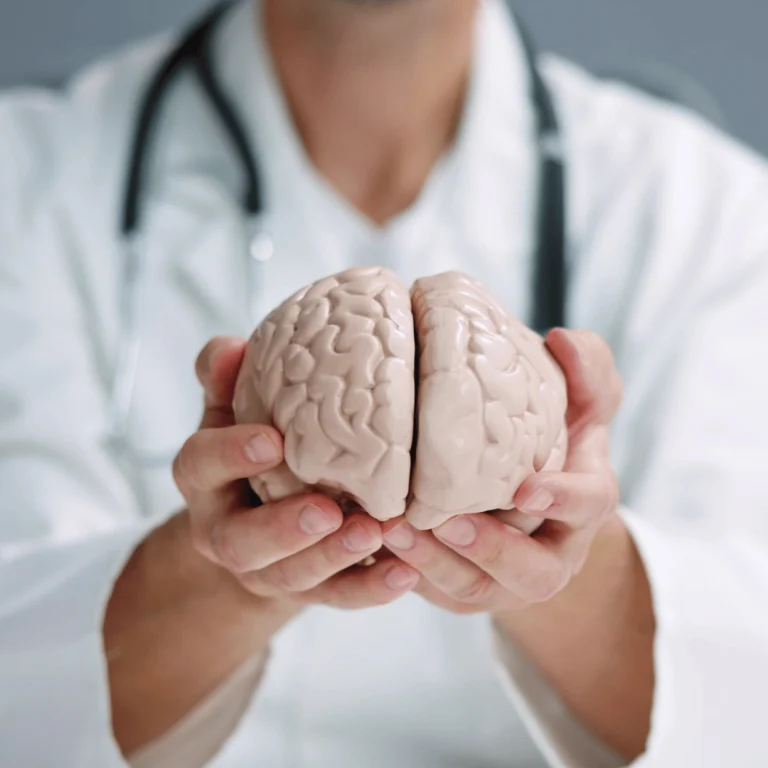
Moyamoya is a rare condition that affects the blood vessels in the brain. It leads to reduced blood flow and can cause serious complications. The risk of stroke or other neurological damage is a big concern for those affected. Moyamoya Disease Revascularization surgery, including bypass surgery, is a treatment option. It aims to improve blood flow to the brain. By understanding this surgical approach, individuals can grasp the benefits and risks of moyamoya disease treatment options. This article will explore the importance of early diagnosis. It will also discuss the role of revascularization surgery in managing moyamoya disease. It aims to provide valuable insights for those seeking medical information and support.
Understanding Moyamoya Disease
Moyamoya disease is a complex condition. It involves the narrowing of the internal carotid arteries and their branches. This leads to less blood flow to the brain. The exact cause of moyamoya disease is not fully understood. Research points to genetic mutations, environmental factors, and other medical conditions. For example, Down syndrome and neurofibromatosis type 1 increase the risk of moyamoya disease.
Causes and Risk Factors
Moyamoya disease has both genetic and environmental causes. Genetic studies have found several loci linked to the disease. Environmental factors, like infections or radiation, may also contribute.
Symptoms of Moyamoya Disease
Symptoms of moyamoya disease vary. They can include:
- Headaches
- Seizures
- Weakness or numbness in the face or limbs
- Transient ischemic attacks (TIAs) or “mini-strokes”
- Stroke
These symptoms come from reduced blood flow to the brain. This can damage brain tissue and impair function.
Diagnosing Moyamoya Disease
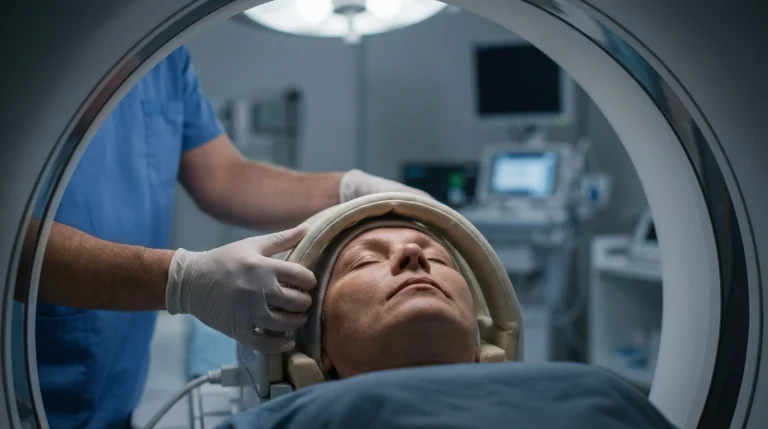
Diagnosing moyamoya disease involves imaging tests. These tests show the blood vessels in the brain. Common tests include:
- Cerebral angiography
- Magnetic Resonance Imaging (MRI)
- Magnetic Resonance Angiography (MRA)
These tests reveal the narrowing or blockage of cerebral arteries. They also show the “moyamoya” network of small, fragile vessels at the brain’s base.
Understanding moyamoya disease is key for early diagnosis and treatment. Recognizing symptoms and risk factors helps healthcare providers. This can lead to better outcomes for those with moyamoya disease.
Importance of Early Diagnosis
Diagnosing Moyamoya disease early is key to better treatment and quality of life. Early detection lets doctors create a specific treatment plan. This can stop more problems from happening.
Moyamoya disease blocks blood flow to the brain. If not treated, it can cause strokes, brain damage, or other serious issues.
Imaging Tests for Moyamoya Disease
Imaging tests are vital for finding Moyamoya disease. They show the brain’s blood vessels. This helps doctors see how bad the disease is.
- Angiography: This test shows detailed images of blood vessels. It helps find blockages or narrowing.
- MRI (Magnetic Resonance Imaging): MRI scans show brain and blood vessel problems. They help doctors diagnose.
- CT Scans (Computed Tomography): CT scans find bleeding or other brain issues.
Other tests like electroencephalography (EEG) might also be used. They check brain activity to help confirm the diagnosis.
| Diagnostic Test | Purpose | Key Findings |
|---|---|---|
| Angiography | Visualize blood vessel narrowing or blockage | Narrowing or blockage of blood vessels at the base of the brain |
| MRI | Assess brain and blood vessel abnormalities | Abnormalities in brain tissue or blood vessels |
| CT Scan | Detect bleeding or other brain abnormalities | Bleeding, infarctions, or other structural abnormalities |
| EEG | Assess brain activity | Abnormal brain wave patterns |
Early diagnosis through these tests helps doctors start the right treatment. This can greatly improve the lives of those with Moyamoya disease.
Treatment Options for Moyamoya Disease
Managing moyamoya disease needs a detailed treatment plan. This plan is made just for the person. The treatment choice depends on how severe the disease is, the person’s health, and their medical history. For some, the main goal is to manage symptoms. Doctors might give medicines to help with headaches, prevent seizures, or handle other symptoms. Changing lifestyle habits, like not smoking, eating well, and staying active, is also important.
Surgical Interventions
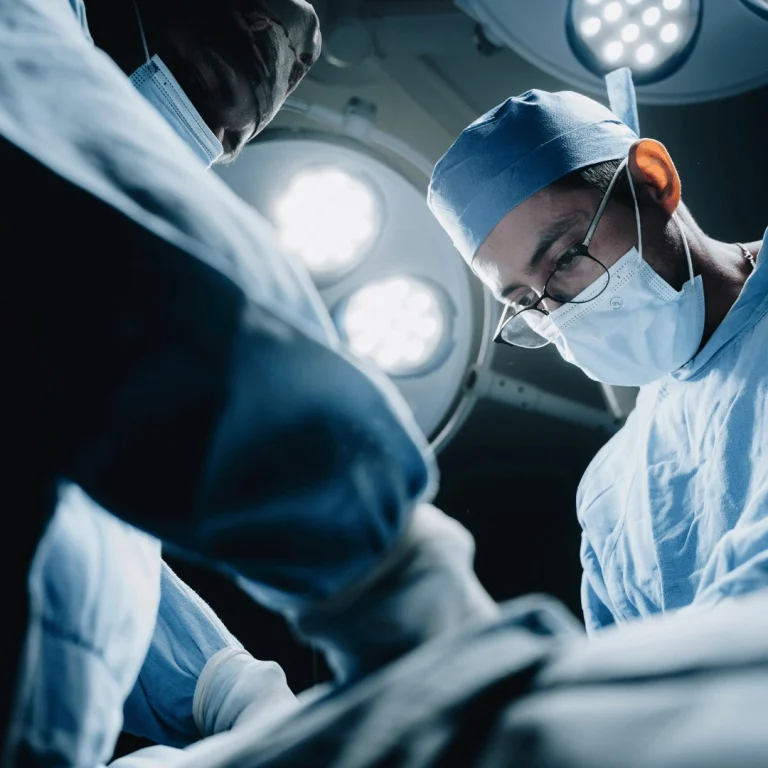
Many patients need surgery to get better blood flow to the brain. Revascularization surgery is a key option. It aims to bring enough blood to the brain’s affected areas. There are direct and indirect bypass methods used in these surgeries.
| Treatment Approach | Description | Benefits |
|---|---|---|
| Medications | Prescribed to manage symptoms such as headaches and seizures. | Can provide relief from symptoms, improving quality of life. |
| Lifestyle Changes | Includes quitting smoking, healthy diet, and regular exercise. | Contributes to overall health improvement and can help manage moyamoya disease symptoms. |
| Revascularization Surgery | Surgical procedures to improve blood flow to the brain. | Can significantly improve blood flow, reducing the risk of stroke and other complications. |
Choosing surgery depends on the patient’s specific situation. A team of healthcare experts works together to find the best treatment plan.
Overview of Revascularization Surgery
The main goal of revascularization surgery for Moyamoya disease is to boost blood flow. This surgery helps prevent more vascular problems. It aims to bypass blocked or narrowed blood vessels to improve brain blood flow. This surgery is key in reducing symptoms like TIAs or strokes. It also improves life quality. By increasing blood flow to the brain, it lowers stroke risk and boosts thinking skills.
Many patients see big improvements after surgery. They feel better mentally and have less chance of strokes. The surgery is customized for each patient to ensure the best blood flow to affected brain areas. Revascularization surgery for Moyamoya disease uses different techniques to enhance brain blood supply. The choice of method depends on the patient’s health, disease extent, and brain anatomy.
Types of Bypass Surgery
Surgical revascularization for Moyamoya disease uses different bypass techniques. These are chosen based on the patient’s needs.
Bypass surgery for Moyamoya disease falls into two main types: direct and indirect bypass. It’s important for patients and their families to understand these options. This helps them make informed decisions about their treatment.
Direct Bypass Surgery
Direct bypass creates a new blood flow path. It connects a healthy blood vessel to the affected brain area. This method is very effective and can greatly improve outcomes for some patients.
Indirect Bypass Surgery
Indirect bypass promotes the growth of new blood vessels. It places a healthy blood vessel near the affected brain area. This allows natural blood vessel growth to occur.
The choice between direct and indirect bypass depends on several factors. These include the patient’s health, the disease’s extent, and the neurosurgical team’s expertise. Moyamoya disease specialists work with patients to find the best surgical approach.
- Direct Bypass: Restores blood flow right away; good for patients with the right donor and recipient vessels.
- Indirect Bypass: Promotes natural blood vessel growth; often chosen for kids or when direct bypass isn’t possible.
Both methods have their benefits. The choice depends on the patient’s specific situation. Specialists thoroughly evaluate each case to make the best decision.
Preparing for Surgery
Getting ready for Moyamoya disease surgery is a big step. It includes imaging tests and learning about the surgery’s risks and benefits. A detailed check-up before surgery is key to a good outcome.
Before surgery, doctors look closely at your medical history. They check for any risks or problems. This careful planning follows the latest guidelines for Moyamoya disease care.
Preoperative Evaluation Steps
- Reviewing the patient’s medical history to identify any risks.
- Doing advanced imaging tests to see how bad the Moyamoya disease is.
- Creating a surgery plan that fits the patient’s needs.
- Talking to patients about the surgery’s risks and benefits.
Imaging tests are very important before surgery. They give the surgical team a clear picture of the patient’s condition. This helps them plan the best surgery.
New research in Moyamoya disease has improved surgery results. Doctors use the latest research to offer the best treatments.
Knowing what to expect after surgery helps patients prepare. This mental and physical preparation is a big part of the care plan. It makes recovery smoother and more successful.
Postoperative Care
After moyamoya disease revascularization surgery, careful postoperative care is key. It greatly affects patient outcomes. Managing this period well is essential to avoid complications and ensure a smooth recovery.
Patients are watched closely for signs of complications like stroke or cerebral vasospasm. It’s important to handle these issues quickly and effectively. The healthcare team creates a postoperative care plan that meets each patient’s specific needs.
Key Aspects of Postoperative Care
The postoperative care plan includes several important parts. These are designed to support the patient’s recovery and lower the risk of complications.
| Aspect of Care | Description | Importance |
|---|---|---|
| Monitoring | Close observation for neurological changes, signs of stroke, or cerebral vasospasm. | Early detection of complications allows for timely intervention. |
| Medication Management | Administration of medications to prevent stroke, manage pain, and reduce the risk of cerebral vasospasm. | Proper medication management is critical for preventing complications and ensuring patient comfort. |
| Rehabilitation | Initiation of rehabilitation programs to help patients regain lost functions and improve overall recovery. | Rehabilitation plays a vital role in maximizing patient outcomes and improving quality of life. |
It’s important for patients and caregivers to understand the prognosis and symptoms of moyamoya disease. This knowledge helps them spot issues early and get medical help when needed.
By focusing on detailed postoperative care, healthcare providers can greatly improve patient outcomes. They can also lower the risk of complications from moyamoya disease revascularization surgery.
Long-term Outcomes after Revascularization
Revascularization surgery greatly improves life for moyamoya disease patients. It aims to fix blood flow to the brain. This lowers the chance of stroke and other serious problems. Patients often see better thinking skills and a better life after surgery. The surgery relieves symptoms and boosts brain health. This lets patients live more independently and do daily tasks more easily.
Research keeps looking for ways to make surgery better. Scientists are working on new ways to grow blood vessels and lower surgery risks. This helps treat moyamoya disease more effectively.
Key Benefits of Revascularization
- Enhanced cognitive function
- Improved quality of life
- Reduced risk of stroke
- Better overall brain health
As moyamoya disease research grows, so do the benefits of surgery. This shows how vital early diagnosis and treatment are. It helps manage the disease well.
Support Resources for Patients
Living with moyamoya disease can be tough. But, patients and their families can find help through different resources. Talking to moyamoya disease specialists and following guidelines can guide them through treatment. Support groups, online forums, and counseling services offer emotional support. They help patients deal with the disease’s effects on their lives. These places also let patients share their stories and learn from others facing similar issues. It’s important for patients to stay updated on new research and treatments. This way, they can make better choices about their care. Using these resources can help patients manage their condition and feel better overall.