Nasal Tumors: What Are Nasal Tumors? Types of Nasal Tumors
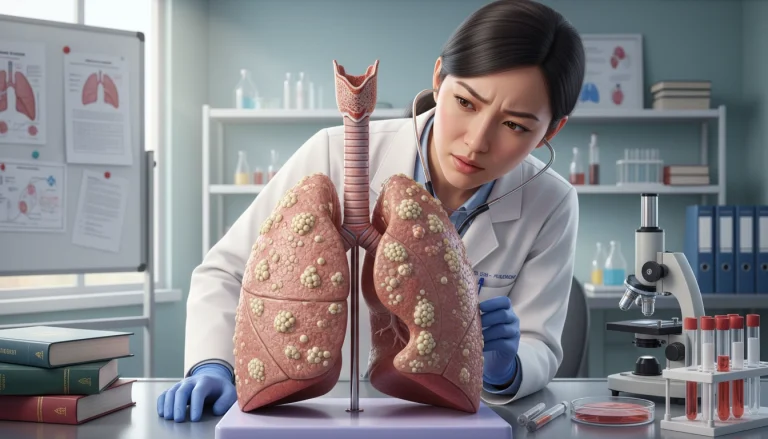
Nasal tumors are abnormal growths found in the nasal cavity or sinuses. They can be benign or malignant. Symptoms vary based on location and size. Understanding nasal tumors is key for early detection and effective treatment. Their impact on respiratory function and overall health is significant. We will examine nasal tumors’ types, symptoms, diagnosis, and treatment options. This will provide a detailed look at this complex condition. Nasal tumors are abnormal cell growths found in the nasal passages or sinuses. They can be benign or malignant, impacting the nasal cavity and nearby areas.
Definition and Basic Anatomy
Nasal tumors are characterized by uncontrolled cell growth in the nasal cavity or sinuses. The nasal cavity, lined with mucous membranes, is where these tumors develop. It’s vital to understand the nasal cavity and sinuses’ anatomy to grasp how tumors form and expand.
The nasal cavity is split into two passages by the nasal septum. It houses turbinate bones, essential for warming, humidifying, and filtering air. The paranasal sinuses, air-filled spaces around the nasal cavity, are also prone to tumor development.
Prevalence and Epidemiology
Nasal tumors are less common than other head and neck cancers. They make up a small fraction of all malignancies. The occurrence of nasal tumors varies globally, influenced by geographical and specific risk factors.
Studying nasal tumor epidemiology is key to pinpointing risk factors and promoting early detection and prevention. Research on prevalence and distribution aids healthcare professionals in managing and treating patients more effectively.
Types of Nasal Tumors
Nasal tumors are divided into benign and malignant types, each with unique characteristics. Knowing these differences is key to choosing the right treatment.
Benign Nasal Tumors
Benign nasal tumors are non-cancerous and don’t spread. Yet, they can cause symptoms due to their size and location.
Papillomas
Papillomas are benign tumors linked to HPV. They can block the nasal passage and cause discharge.
Osteomas
Osteomas are benign bone tumors in the nasal cavity or sinuses. They grow slowly and may not cause symptoms unless they block drainage.
Hemangiomas
Hemangiomas are benign tumors made of blood vessels. They can cause bleeding or blockage in the nasal cavity.
Malignant Nasal Tumors
Malignant nasal tumors are cancerous and can spread. They need immediate and aggressive treatment.
Squamous Cell Carcinoma
Squamous cell carcinoma is a common malignant tumor. It starts in the nasal lining and can be aggressive.
Adenocarcinoma
Adenocarcinoma comes from glandular cells in the nasal cavity. It’s another malignant tumor type found in this area.
Melanoma
Melanoma is a rare but aggressive tumor in the nasal cavity. It develops from melanocytes, the pigment-producing cells.
Lymphoma
Lymphoma can occur in the nasal cavity, starting from lymphoid cells. It’s a cancer type that needs systemic treatment.
Identifying the specific nasal tumor type is critical for effective treatment. It greatly improves patient outcomes.
Risk Factors for Developing Nasal Tumors
Understanding the risk factors for nasal tumors is key to prevention and early detection. Various factors contribute to their development. Awareness of these can help individuals take preventive steps.
Environmental Exposures
Environmental exposures significantly impact nasal tumor development. People exposed to certain occupational hazards and chemicals face a higher risk.
Occupational Hazards
Certain jobs increase nasal tumor risk due to harmful substance exposure. For instance, wood industry workers, like those in furniture making, are at higher risk from wood dust.
Chemical Exposures
Exposure to specific chemicals, like nickel and chromium, raises nasal tumor risk. Workers in industries involving these chemicals must take safety precautions.
Genetic Predisposition
Genetic factors also influence nasal tumor development. Those with a family history of cancer or genetic syndromes are at higher risk.
Chronic Inflammatory Conditions
Chronic inflammation in nasal passages and sinuses increases nasal tumor risk. Conditions like chronic sinusitis can contribute to tumor development over time.
Understanding these risk factors helps individuals reduce their risk. They should seek medical attention if symptoms arise.
Common Symptoms of Nasal Tumors
Identifying symptoms of nasal tumors is critical for better treatment results. These tumors, whether benign or malignant, can mimic common nasal or sinus problems. It’s important to recognize the differences.
Early Warning Signs
Early signs of nasal tumors include persistent nasal congestion or stuffiness. This condition doesn’t get better with usual treatments. Some people may have recurring nosebleeds or notice a constant discharge, which can be bloody or clear.
Another early indicator is a decrease in the sense of smell or a change in it.
Advanced Symptoms
As nasal tumors grow, symptoms worsen. You might feel pain or pressure in your face, around the nose and sinuses. Advanced symptoms can also include double vision, bulging eyes, or trouble opening your mouth fully.
In some cases, there’s noticeable swelling or deformity of the nose or facial structures.
When to Seek Medical Attention
Seek medical help if you have persistent or severe symptoms that could point to nasal tumors. Early detection is essential for effective treatment. If you notice any early warning signs or advanced symptoms, see a healthcare professional for a detailed evaluation and diagnosis.
Timely medical evaluation can pinpoint the cause of your symptoms. It guides the right treatment, improving outcomes for those with nasal tumors.
Diagnostic Procedures for Nasal Tumors
Diagnosing nasal tumors requires a blend of physical exams, advanced imaging, and precise biopsies. Accurate diagnosis is key to choosing the right treatment and improving patient outcomes.
Physical Examination
The first step in diagnosing nasal tumors is a thorough physical exam. This includes a detailed medical history and a nasal endoscopy. The endoscopy allows for a visual inspection of the nasal cavity and detection of any abnormalities.
Imaging Studies
Imaging studies are vital for diagnosing and staging nasal tumors. They include:
- CT scans to assess the tumor’s size and extent
- MRI to evaluate soft tissue involvement
- PET scans to detect any metastasis
CT Scans
CT scans offer detailed images of the nasal cavity and sinuses. They help determine the tumor’s size and its impact on surrounding structures.
MRI
MRI is essential for evaluating soft tissue involvement and the tumor’s relationship with critical structures. This includes the brain and major blood vessels.
PET Scans
PET scans help detect metastatic disease and assess the tumor’s metabolic activity. This information is valuable in planning treatment.
Biopsy Techniques
A biopsy is critical for confirming a nasal tumor diagnosis. The choice of biopsy technique depends on the tumor’s location and accessibility.
Endoscopic Biopsy
Endoscopic biopsy uses a flexible or rigid endoscope to visualize the tumor. It allows for the collection of a tissue sample for histological examination.
Fine Needle Aspiration
Fine needle aspiration biopsy is a less invasive method. It samples cells from the tumor, useful when the tumor is not easily accessible for endoscopic biopsy.
Combining these diagnostic procedures enables healthcare professionals to accurately diagnose nasal tumors. This leads to the development of an effective treatment plan.
Staging and Grading of Nasal Tumors
The staging and grading of nasal tumors are critical in assessing disease severity and spread. This process helps healthcare professionals determine the best treatment plan and predict patient outcomes.
TNM Classification System
The TNM Classification System is a widely used method for staging nasal tumors. It evaluates three key components: the size and extent of the primary Tumor (T), the involvement of nearby lymph Nodes (N), and the presence of distant Metastasis (M). By assessing these factors, healthcare providers can accurately stage the tumor and develop a tailored treatment strategy.
Histological Grading
Histological grading is another critical aspect of evaluating nasal tumors. This process involves examining the tumor cells under a microscope to determine their level of differentiation and aggressiveness. The grade of the tumor provides valuable information about its growth rate and likelihood of spreading.
Importance of Accurate Staging
Accurate staging and grading of nasal tumors are essential for ensuring patients receive the most effective treatment. By understanding the tumor’s characteristics, healthcare providers can choose the best treatment approach. This could include surgery, radiation therapy, or a combination of modalities. Accurate staging also helps predict patient outcomes and identify risks.
Surgical Treatment Options
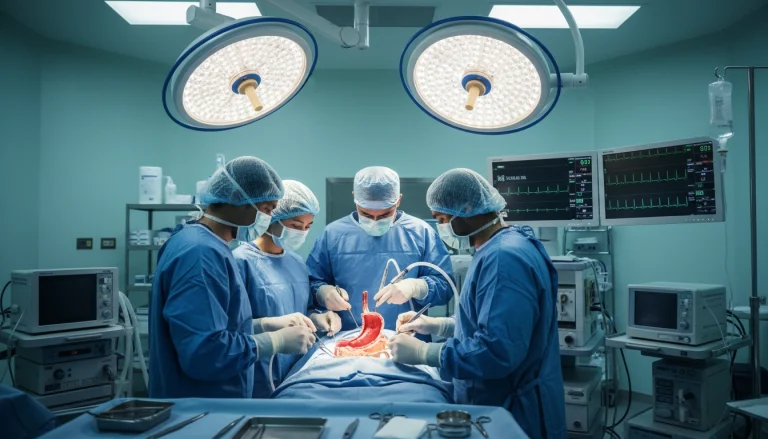
Nasal tumors demand precise surgical treatment, with options ranging from minimally invasive endoscopic surgery to more extensive open surgical approaches. The choice of surgical technique depends on several factors. These include the tumor’s size, location, and whether it is benign or malignant.
Endoscopic Surgery
Endoscopic surgery is a minimally invasive technique that uses a flexible or rigid endoscope to visualize the tumor within the nasal cavity. This approach is beneficial for tumors confined to the nasal passages or sinuses. It offers the advantage of reduced recovery time and less post-operative discomfort.
The procedure involves the use of specialized endoscopic instruments to carefully dissect and remove the tumor. Advanced imaging techniques, such as intraoperative CT or MRI, may be used to ensure complete tumor removal.
Open Surgical Approaches
For more extensive or complex nasal tumors, open surgical approaches may be necessary. These traditional surgical methods involve making an incision to access the tumor directly. Open surgery allows for wider access and is often used for tumors that have invaded surrounding structures or are located in areas difficult to reach with endoscopic techniques.
Reconstructive Techniques
Following the removal of a nasal tumor, reconstructive surgery may be required to restore the form and function of the nasal cavity and surrounding areas. Reconstructive techniques can range from simple closure of the surgical site to complex reconstructions involving grafts or flaps.
Post-Surgical Care
Post-surgical care is critical for optimal recovery. It involves monitoring for complications, managing pain, and ensuring the surgical site heals properly. Patients are typically advised on nasal care, including the use of saline irrigations and the avoidance of strenuous activities.
Follow-up appointments are scheduled to monitor healing and to check for any signs of recurrence. The specifics of post-surgical care can vary based on the extent of the surgery and the individual patient’s needs.
Radiation Therapy for Nasal Tumors
For those diagnosed with nasal tumors, radiation therapy is often a key treatment option. It uses high-energy particles or waves to kill or damage cancer cells. This stops them from growing and spreading.
External Beam Radiation
External beam radiation therapy (EBRT) is a common method for treating nasal tumors. It sends a beam of radiation from outside the body to the tumor. EBRT can be customized to fit the patient’s needs, using techniques like intensity-modulated radiation therapy (IMRT). This allows for precise targeting of the tumor while protecting healthy tissues.
Brachytherapy
Brachytherapy places radioactive material directly in or near the tumor. This method delivers high doses of radiation to the tumor, reducing damage to nearby tissues. It’s effective for some nasal tumors, with fewer side effects compared to other treatments.
Side Effects and Management
Radiation therapy for nasal tumors can have side effects. These include fatigue, skin reactions, and changes in taste or smell. Managing these side effects is key to maintaining quality of life. Supportive care, such as topical treatments and nutritional counseling, plays a vital role.
Recent Advancements
Recent years have brought significant improvements in radiation therapy for nasal tumors. Technologies like proton therapy and stereotactic body radiation therapy (SBRT) offer better precision and reduced toxicity. Ongoing research aims to further enhance radiation therapy, including the use of imaging technologies and adaptive treatment planning.
- Advances in radiation therapy have improved treatment outcomes for nasal tumor patients.
- External beam radiation and brachytherapy are two primary forms of radiation therapy used.
- Effective management of side effects is critical for maintaining patient quality of life.
Chemotherapy and Targeted Therapies
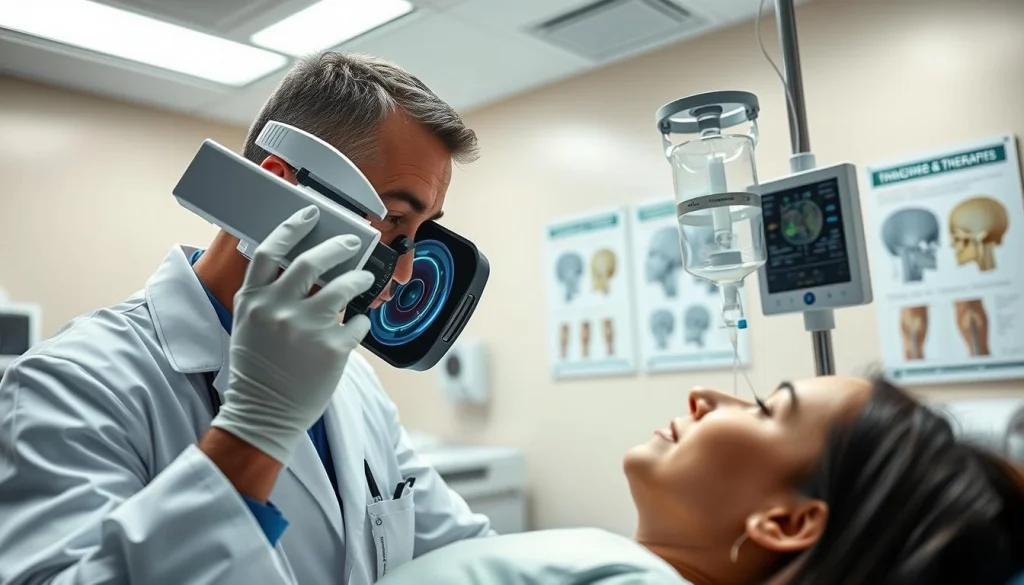
The treatment of nasal tumors has seen significant advancements with the introduction of chemotherapy and targeted therapies. These methods have become vital in managing nasal tumors. They provide patients with more options and better outcomes.
Standard Chemotherapy Protocols
Chemotherapy is often used alongside surgery and radiation therapy to fight nasal tumors. Standard protocols involve a mix of drugs like cisplatin, 5-fluorouracil, and docetaxel. The choice of regimen depends on the tumor’s type and stage.
Targeted Molecular Therapies
Targeted molecular therapies aim at specific molecules driving nasal tumor growth. These therapies aim to lessen traditional chemotherapy’s side effects. EGFR and VEGF inhibitors are examples showing promise in nasal tumor treatment.
Immunotherapy Approaches
Immunotherapy is a growing field in nasal tumor treatment. It uses checkpoint inhibitors and cancer vaccines to boost the immune system against tumors. Though early, immunotherapy shows great promise for better treatment results.
Clinical Trials and Emerging Treatments
Clinical trials are key in advancing nasal tumor treatments. Ongoing research explores new chemotherapy, targeted therapies, and immunotherapy. Patients with nasal tumors may benefit from clinical trials, gaining access to innovative treatments.
The integration of chemotherapy and targeted therapies has greatly enhanced nasal tumor management. As research progresses, these treatments are expected to become even more effective. This will lead to better outcomes and improved quality of life for patients.
Multidisciplinary Approach to Nasal Tumors
Managing nasal tumors effectively requires a team effort from various medical specialties. This approach ensures patients get the best care for their specific needs. It’s a strategy that combines expertise for optimal results.
The Tumor Board
A tumor board is essential in this team effort. It brings together specialists from different fields to discuss patient cases and plan treatments. Experts in otolaryngology, oncology, radiation oncology, and pathology are usually part of this team.
Role of Different Specialists
Several specialists are involved in managing nasal tumors. Each brings their unique expertise to the table, ensuring well-rounded care for patients.
Otolaryngologists
Otolaryngologists are vital in diagnosing and surgically treating nasal tumors. They use advanced techniques like endoscopic surgery to help patients.
Oncologists
Oncologists focus on chemotherapy and other systemic treatments. They work closely with other specialists to provide a complete care plan.
Radiation Oncologists
Radiation oncologists create and execute radiation therapy plans. This can include external beam radiation or brachytherapy, tailored to each patient’s needs.
Pathologists
Pathologists are key in diagnosing nasal tumors. They examine tissue samples to determine the tumor’s type and stage, guiding treatment decisions.
Coordinated Care Benefits
The benefits of a multidisciplinary approach to nasal tumors are clear. It leads to better treatment outcomes, higher patient satisfaction, and more efficient care. Specialists can create personalized plans that meet each patient’s unique needs.
Prevention and Risk Reduction
Preventing nasal tumors is vital and can be done by combining workplace safety with personal health choices. Understanding risk factors and taking proactive steps can greatly lower the chance of getting nasal tumors.
Occupational Safety Measures
Ensuring occupational safety is key, mainly in jobs where workers are exposed to carcinogens like wood dust, nickel, and chromium. Employers must enforce strict safety rules. This includes using personal protective equipment (PPE) and ventilation systems to cut down on harmful substance exposure.
Lifestyle Modifications
Alongside occupational safety, making lifestyle changes can also help prevent nasal tumors. Quitting tobacco and drinking less alcohol are essential, as these habits increase risk. Eating a diet full of fruits and vegetables can also boost health and lower cancer risk.
Regular Screening for High-Risk Individuals
People exposed to carcinogens or with a family history of nasal tumors should get regular check-ups. Early detection through screenings can lead to better treatment results. Healthcare professionals can suggest the right screening schedule based on individual risks.
By combining workplace safety, lifestyle changes, and regular screenings, people can lower their risk of nasal tumors. Being aware and taking proactive steps are essential for prevention.
Prognosis and Survival Rates
The prognosis for nasal tumors hinges on various factors, making it critical to grasp these elements for effective treatment planning. The prognosis for patients with nasal tumors is influenced by several key factors.
Factors Affecting Prognosis
Several factors can impact the prognosis of nasal tumors. These include:
- The type and stage of the tumor at diagnosis
- The overall health of the patient
- The effectiveness of the chosen treatment approach
- Genetic factors that may influence tumor behavior
For more detailed information on head and neck cancers, including nasal tumors, you can visit Acıbadem International.
Five-Year Survival Statistics
Five-year survival rates are commonly used to estimate the prognosis for patients with nasal tumors. These statistics vary based on the tumor type and stage.
- For early-stage nasal tumors, the five-year survival rate can be relatively high.
- Advanced stages of nasal tumors often have lower survival rates.
- Survival rates can also be influenced by the tumor’s histological grade.

Recurrence Risks
The risk of recurrence is a critical aspect of nasal tumor prognosis. Factors that increase the risk of recurrence include:
- Incomplete tumor removal during surgery
- Aggressive tumor biology
- Presence of genetic mutations that predispose to recurrence
Long-term Follow-up Care
Long-term follow-up care is essential for patients with nasal tumors to monitor for recurrence and manage any late effects of treatment.
Regular follow-up appointments with healthcare providers can help in early detection of recurrence and improve outcomes.
Moving Forward: Support and Resources
Dealing with nasal tumors can be a daunting and isolating experience. Yet, numerous support systems and resources are available to aid patients and their families. These help them navigate the journey ahead.
Patient support groups, both online and in-person, offer a space for sharing experiences and receiving emotional support. They connect individuals with others facing similar challenges. Organizations like the American Cancer Society and the National Cancer Institute provide extensive information on nasal tumors. This includes treatment options, coping strategies, and details on clinical trials.
Counseling services and mental health professionals are vital in addressing the emotional and psychological effects of nasal tumors. Educational resources, such as those from the National Institute on Deafness and Other Communication Disorders, also play a key role. They help patients and their families understand the condition and make informed care decisions.
By tapping into these support systems and resources, individuals with nasal tumors can better manage their condition. This improves their overall quality of life.
FAQ About Nasal Tumors
Q: What are the common symptoms of nasal tumors?
A: Symptoms include nasal congestion, nosebleeds, and loss of smell. Facial pain and swelling around the eyes or nose are also common. Advanced symptoms may include vision changes, breathing difficulties, or persistent sinus infections.
Q: How are nasal tumors diagnosed?
A: Diagnosis starts with a physical exam. Imaging studies like CT scans, MRI, or PET scans are used. Biopsy techniques, such as endoscopic biopsy or fine needle aspiration, confirm the tumor’s presence and type.
Q: What are the risk factors for developing nasal tumors?
A: Risk factors include environmental exposures and genetic predisposition. Chronic inflammatory conditions also play a role. Workplace exposures, like wood dust or chemicals, increase the risk.
Q: What are the treatment options for nasal tumors?
A: Treatment depends on the tumor’s type and stage. Options include surgical removal, radiation therapy, chemotherapy, or targeted therapies. A team of specialists determines the best treatment plan.
Q: Can nasal tumors be prevented?
A: Prevention is not always possible, but risk factors can be managed. Avoiding occupational hazards, quitting smoking, and managing chronic conditions help. Regular screenings are advised for those at high risk.
Q: What is the prognosis for someone with a nasal tumor?
A: Prognosis depends on the tumor type, stage, and overall health. Factors include the tumor’s grade, treatment response, and spread. Five-year survival statistics offer general guidance.
Q: What kind of support is available for patients with nasal tumors?
A: Support includes patient groups, counseling, and educational resources. A multidisciplinary team provides guidance and helps navigate treatment.
Q: How are nasal tumors staged?
A: Staging uses the TNM system, considering tumor size, lymph node involvement, and metastasis. Accurate staging is key for prognosis and treatment planning.
Q: What is the role of radiation therapy in treating nasal tumors?
A: Radiation therapy can be used alone or with surgery and/or chemotherapy. It kills or slows cancer cells. Types include external beam radiation and brachytherapy.