Nasolabial Filler: Understanding Nasolabial Folds
Nasolabial folds are a common concern for individuals seeking facial rejuvenation. These deep lines can significantly impact one’s appearance, making a person look older or more tired than they feel. A nasolabial filler is a cosmetic treatment designed to address these issues. By injecting a dermal filler into the nasolabial folds, individuals can achieve a smoother, more youthful appearance.
Understanding the role of nasolabial fillers in facial rejuvenation is key for those considering cosmetic treatments. This guide will explore the benefits, procedures, and expectations associated with nasolabial fillers. For those looking into facial rejuvenation, grasping the concept of nasolabial folds is essential. These lines extend from the nose to the mouth, evolving with age due to several factors.
Anatomy of Nasolabial Folds
Nasolabial folds are integral to our facial anatomy, shaped by the muscles and fat beneath the skin. Their visibility is influenced by the muscle tone and facial fat volume.
Common Causes of Pronounced Nasolabial Folds
Pronounced nasolabial folds stem from a mix of genetic and environmental elements.
Genetic Factors
Genetics significantly impact the formation and depth of nasolabial folds. Those with a family history of deep folds are more prone to them.
Environmental Influences
Environmental factors, like prolonged sun exposure and smoking, hasten aging. This contributes to more noticeable nasolabial folds.
How Aging Affects the Nasolabial Region
Aging alters facial structure, leading to fat and collagen loss. This deepens nasolabial folds. As we age, skin elasticity drops, and fat pads shift, making folds more apparent.
What Are Nasolabial Fillers?
Nasolabial fillers are a non-surgical method to diminish deep lines between the nose and mouth. They are crafted to bring back a smoother, more youthful look to the face.
Definition and Purpose
Nasolabial fillers are dermal fillers aimed at the nasolabial folds. These are the deep lines from the nose to the mouth’s corners. Their main goal is to fill these folds, making them less noticeable and improving facial aesthetics.
How Nasolabial Fillers Work
Nasolabial fillers inject a substance into the skin to enhance volume in the targeted area. The substance, often hyaluronic acid or similar biocompatible materials, is safe for the body. By adding volume, these fillers smooth out the nasolabial folds, giving the face a youthful and revitalized appearance.
Difference Between Fillers and Other Treatments
Nasolabial fillers stand out as a non-invasive option for facial rejuvenation. They differ from other non-surgical treatments like Botox in their purpose.
Fillers vs. Botox
Botox relaxes facial muscles causing wrinkles. Fillers, on the other hand, add volume to specific areas. While Botox targets dynamic wrinkles, fillers excel at addressing static wrinkles and folds, like nasolabial folds.
Fillers vs. Surgical Options
Surgical facelifts and other invasive procedures aim to tighten the skin and underlying tissues, providing a more extensive facial rejuvenation. In contrast, nasolabial fillers offer a targeted, temporary solution with minimal downtime.
Types of Nasolabial Filler
Understanding the different types of nasolabial fillers is key to making an informed choice. Each filler is designed to address the nasolabial folds, with unique properties and benefits.
Hyaluronic Acid Fillers
Hyaluronic acid fillers are a top choice for correcting nasolabial folds. They are known for their safety and effectiveness.
Composition and Mechanism
These fillers are composed of hyaluronic acid, a substance found naturally in the body. They work by attracting and retaining moisture, filling the nasolabial folds.
Reversibility Factor
A significant advantage of hyaluronic acid fillers is their reversibility. They can be dissolved with hyaluronidase if needed.
Calcium Hydroxylapatite Fillers
Calcium hydroxylapatite fillers are another option for correcting nasolabial folds. They stimulate collagen production and offer longer-lasting results.
Poly-L-Lactic Acid Fillers
Poly-L-lactic acid fillers stimulate collagen production over time. They gradually improve the appearance of nasolabial folds.
Polymethyl Methacrylate Fillers
Polymethyl methacrylate (PMMA) fillers contain microspheres that provide a scaffold for collagen deposition. They offer a more permanent solution.
The choice among these fillers depends on individual factors. These include skin type, the severity of nasolabial folds, and personal preferences. Key considerations include:
- Duration of the desired results
- Reversibility of the filler
- Potential for allergic reactions
- Cost and budget considerations
Consulting with a qualified healthcare professional is essential. They can help determine the most suitable type of nasolabial filler for your specific needs.
Popular Nasolabial Filler Brands in the US Market
In the US, several nasolabial filler brands are renowned for their quality and effectiveness. These brands offer a variety of products tailored to different needs and preferences.
Juvederm Products for Nasolabial Folds
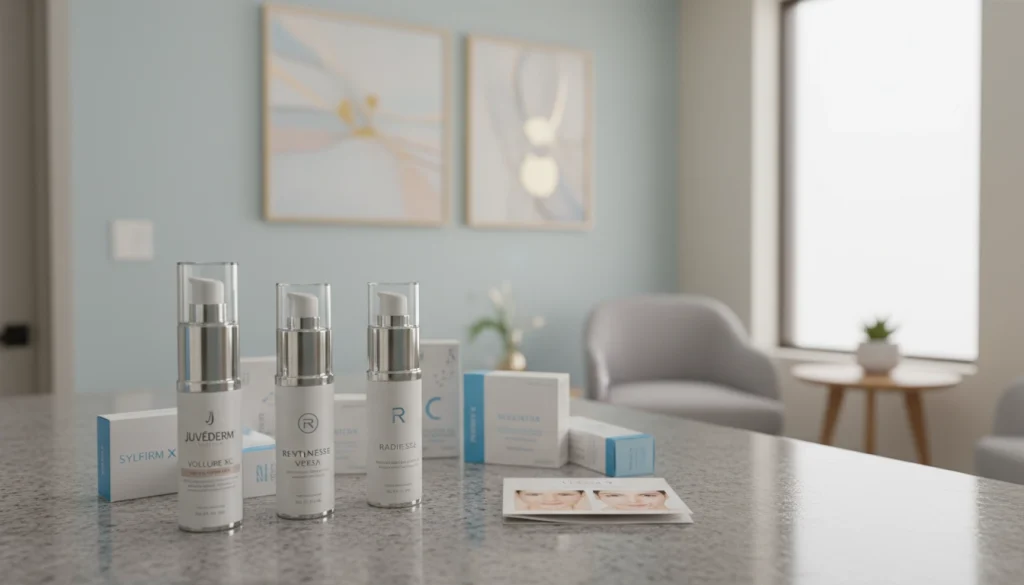
Juvederm is a well-known name in the field of nasolabial fold treatments. Their range, including Juvederm Ultra and Juvederm Voluma, is favored by practitioners for its reliability and long-lasting results.
Restylane Options
Restylane is another prominent player in the nasolabial filler market. It offers products like Restylane Lyft and Restylane Refyne, designed to address nasolabial folds with precision and effectiveness.
Radiesse for Nasolabial Treatment
Radiesse, a calcium hydroxylapatite filler, is used for treating nasolabial folds. It is known for its durability and ability to stimulate collagen production.
Sculptra and Long-term Results
Sculptra, a poly-L-lactic acid filler, provides long-term results by stimulating the body’s natural collagen production. It is often used for deeper nasolabial folds.
FDA-Approved Options
All the mentioned brands are FDA-approved, ensuring their safety and efficacy for use in nasolabial fold treatments. It’s essential for patients to choose FDA-approved fillers to minimize risks.
Benefits of Nasolabial Filler Treatments
Nasolabial fillers offer immediate and noticeable results, making them a popular choice for those looking to rejuvenate their appearance. These treatments provide a range of benefits, appealing to many individuals.
Immediate Results
Patients see the effects of nasolabial fillers right after the procedure. This instant gratification is a major draw for those seeking a quick fix for nasolabial folds.
Non-Surgical Approach
Nasolabial fillers are a non-invasive alternative to surgical facelifts. This approach minimizes risks and makes the treatment more accessible to a broader audience.
Customizable Treatment Options
Each patient’s needs are addressed with personalized nasolabial filler treatments. Practitioners can choose from various filler materials and adjust the amount used. This ensures a treatment plan tailored to each client’s unique concerns.
Minimal Downtime
One of the key benefits of nasolabial fillers is the minimal downtime required for recovery. Most patients can return to their daily activities shortly after treatment. This makes it perfect for those with hectic schedules.
The Nasolabial Filler Procedure
Understanding the nasolabial filler procedure can help alleviate concerns for those considering the treatment. The process involves several key steps, from initial consultation to post-treatment care.
Consultation Process
The journey begins with a consultation with a qualified healthcare provider. During this meeting, you’ll discuss your concerns, desired outcomes, and any questions you may have about the procedure.
Pre-Treatment Preparation
Before the actual filler injection, preparation is key.
Medical History Review
A thorough review of your medical history is necessary to identify any risks or contraindications.
Medication Adjustments
You may be advised to adjust or temporarily stop certain medications that could increase the risk of bruising or bleeding.
Step-by-Step Injection Process
The actual injection process involves the following steps:
- Cleansing the treatment area
- Applying a topical anesthetic if necessary
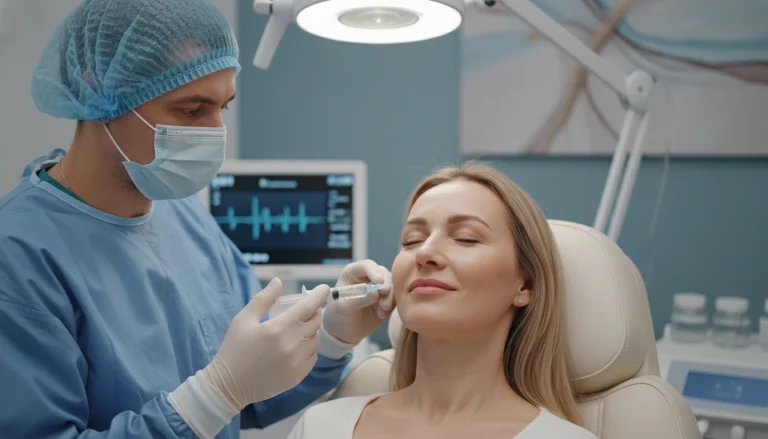
- Injecting the filler using a fine needle or cannula
- Massaging the area to ensure even distribution
Post-Treatment Care
After the procedure, following the provider’s instructions for post-treatment care is essential. This helps minimize side effects and ensures optimal results.
Common post-treatment recommendations include avoiding strenuous activities, keeping the head elevated, and applying ice packs to reduce swelling.
What to Expect During Recovery
When you get nasolabial filler treatment, knowing what to expect during recovery can ease your worries. This period is key for ensuring the best outcome from your treatment. It requires careful attention to heal well.
Immediate After-Effects
Right after the procedure, you might see some side effects. These include redness, swelling, or bruising at the injection site. These effects are usually mild and short-lived, fading away in a few days.
- Redness or swelling at the injection site
- Bruising or discoloration
- Mild discomfort or tenderness
Timeline for Results
The full effects of your nasolabial filler may not show right away. It takes a few days for the filler to settle and for swelling to go down. Then, you’ll see the final results.
When to Contact Your Provider
It’s important to know when to reach out to your provider during recovery. While some side effects are normal, others might need medical attention.
Normal vs. Concerning Symptoms
Normal symptoms include mild redness, swelling, or bruising. But, if you have severe pain, significant swelling, or trouble breathing, get medical help right away.
Emergency Situations
- Severe pain or swelling
- Difficulty breathing or swallowing
- Signs of infection, such as increased redness or pus
Understanding what to expect during recovery helps you navigate the process better. This way, you can get the best results from your nasolabial filler treatment.
Potential Side Effects and Risks
Nasolabial fillers are generally safe, but it’s important to be aware of possible side effects and risks. Understanding these factors is key to making an informed decision about your care.
Common Side Effects
Nasolabial filler treatments can lead to some common side effects. These include:
Bruising and Swelling
Mild bruising and swelling at the injection site are common. They usually resolve on their own within a few days.
Tenderness and Redness
The treated area may feel tender and appear red immediately after the procedure. These effects are usually temporary.
Rare Complications
While rare, there are some complications associated with nasolabial fillers.
Vascular Occlusion
Vascular occlusion, or the blockage of a blood vessel, is a rare but serious risk. Choosing a qualified provider can help minimize this risk.
Infection Risks
There is a risk of infection with nasolabial fillers, as with any invasive treatment. Following proper aftercare instructions can help mitigate this risk.
How to Minimize Risks
To minimize risks with nasolabial fillers, choose a qualified and experienced provider.It’s also vital to follow all pre- and post-treatment instructions carefully. By understanding the possible side effects and taking steps to minimize risks, you can enjoy the benefits of nasolabial filler treatments with confidence.
Ideal Candidates for Nasolabial Filler
Those considering nasolabial filler treatments must meet specific criteria for safety and effectiveness. The decision to undergo this procedure is carefully weighed, considering various factors.
Age Considerations
Age is a key factor in determining suitability for nasolabial fillers. Typically, candidates are in their mid-to-late adulthood, showing the first signs of aging. Yet, younger individuals with deep nasolabial folds, due to genetics or other factors, may also be considered.
Skin Type Factors
Skin type and condition are critical. While various skin types can undergo the treatment, those with healthier skin generally experience better results.
Health Requirements
Good overall health is a must. Candidates should not have active skin infections or certain medical conditions that could make the treatment risky.
Contraindications
Medical Conditions
Certain medical conditions, like autoimmune diseases or bleeding disorders, may make someone less ideal for the treatment.
Pregnancy and Breastfeeding
Women who are pregnant or breastfeeding are generally advised against nasolabial filler treatments. This is due to the lack of research on their effects on the fetus or baby.
In conclusion, being an ideal candidate for nasolabial filler involves several factors. These include age, skin type, health status, and the absence of certain contraindications. A detailed consultation with a healthcare professional is essential to determine suitability.
Cost of Nasolabial Filler Treatments in the United States
When considering nasolabial filler treatments, the cost is a key factor. These fillers are a sought-after cosmetic option. Yet, their price can vary significantly due to several factors.
Average Price Ranges by Region
The cost of nasolabial fillers differs across the United States. Major cities like New York and Los Angeles charge more. In contrast, smaller towns and rural areas tend to have lower prices.
Factors Affecting Cost
Several elements determine the cost of nasolabial fillers. These include:
-
Provider Expertise
-
Geographic Location
-
Type of Filler Used
The provider’s expertise, the clinic’s location, and the filler type all play a role in the final cost.
Insurance and Financing Options
Nasolabial filler treatments are usually not covered by insurance, as they are cosmetic. Yet, many clinics offer financing options. This makes the treatment more accessible to those interested.
How Long Do Nasolabial Fillers Last?
Many people wonder about the longevity of nasolabial fillers before opting for this cosmetic treatment. These fillers offer a temporary fix for nasolabial folds. Their lifespan can vary due to several factors.
Duration by Filler Type
Different fillers last for different lengths of time. Here are the most common types:
- Hyaluronic acid fillers: 6-12 months
- Calcium hydroxylapatite fillers: 12-18 months
- Poly-L-Lactic acid fillers: 2 years or more
- Polymethyl methacrylate fillers: Permanent, but not reversible
Factors Affecting Longevity
Several factors can influence how long nasolabial fillers last. These include:
Metabolism Considerations
Those with faster metabolisms may see their fillers dissolve more quickly.
Lifestyle Factors
Lifestyle choices, like smoking or excessive sun exposure, can also affect filler longevity.
Maintenance Schedule
To keep the desired results, a regular maintenance schedule is essential. This involves follow-up appointments with your provider to check if more filler injections are needed.
Understanding the factors that affect nasolabial filler longevity helps plan cosmetic treatments better. This way, individuals can maintain their desired look.
Combining Nasolabial Fillers with Other Treatments
Using nasolabial fillers in conjunction with other treatments can greatly enhance facial rejuvenation outcomes. This approach allows for a more balanced and youthful facial look. It integrates various cosmetic procedures for a unified effect.

Botox and Fillers
Pairing Botox with nasolabial fillers is a common strategy. Fillers fill in the nasolabial folds, while Botox relaxes muscles that cause wrinkles. This combination offers a smoother facial surface.
Laser Treatments and Fillers
Laser treatments can enhance the effects of nasolabial fillers by improving skin texture and color. This combination not only reduces nasolabial folds but also boosts skin quality.
Microneedling and Fillers
Microneedling, when paired with nasolabial fillers, stimulates collagen production. This minimally invasive method boosts the effectiveness of fillers, leading to a more youthful look.
Comprehensive Facial Rejuvenation Approaches
A holistic facial rejuvenation plan might include nasolabial fillers alongside other treatments. This strategy addresses multiple aspects of facial aging. It results in a refreshed and revitalized appearance.
Combining nasolabial fillers with other treatments offers a more complete facial rejuvenation. It’s vital to consult with a skilled professional to find the right mix of treatments for your needs.
Alternatives to Nasolabial Fillers
Exploring options beyond nasolabial fillers reveals a variety of treatments for nasolabial folds. These alternatives meet diverse needs and preferences, providing numerous paths to facial rejuvenation.
Surgical Options
Surgical methods offer lasting solutions for nasolabial folds. Two main surgical options stand out:
- Facelifts: Facelifts tighten facial skin and underlying tissues, significantly reducing nasolabial folds.
- Fat Transfer: This procedure involves moving fat from the body to the face, creating a natural fill for nasolabial folds.
Energy-Based Treatments
Energy-based treatments provide non-surgical alternatives that boost collagen and enhance skin texture. Notable options include:
- Radiofrequency Devices: These devices apply heat to stimulate collagen, reducing nasolabial folds.
- Ultrasound Therapies: Ultrasound treatments, like Ultherapy, stimulate collagen deep in the skin using ultrasound energy.
Topical Products and Their Limitations
Topical products, such as creams and serums, are another option. They can’t fill nasolabial folds but can improve skin texture and fine lines. Key ingredients include:
- Retinol
- Hyaluronic Acid
- Peptides
Yet, their effectiveness is generally less than more invasive treatments.
Choosing the Right Provider for Nasolabial Filler
Choosing the right provider for a nasolabial filler is critical for a safe and effective treatment. The expertise of your provider greatly influences the outcome. A skilled provider will not only improve your appearance but also ensure your safety.
Qualifications to Look For
When searching for a provider, certain qualifications are key. Look for board certifications and a specialization in dermatology or plastic surgery. These are indicators of a provider’s expertise.
Board Certifications
Make sure your provider is board-certified by a recognized medical board. This includes the American Board of Dermatology or the American Board of Plastic Surgery.
Specialization and Experience
Seek providers with a focus on facial aesthetics and experience with nasolabial fillers. Their track record is a good indicator of their skill.
Questions to Ask During Consultation
During your consultation, ask important questions. Inquire about their experience with nasolabial fillers and the types of fillers they recommend. Also, ask about their policy on follow-up treatments.
Red Flags to Watch Out For
Be wary of providers who use aggressive sales tactics or lack transparency about their products. If they seem dismissive of your concerns, it’s a red flag. This could mean you’re not in good hands.
Importance of Before/After Portfolios
A reputable provider should have a portfolio of before and after photos. Reviewing these can help you understand the possible results of the treatment.
Before and After: What Results to Expect
Nasolabial filler treatments can greatly improve one’s facial look. Yet, it’s vital to have realistic expectations. Knowing what outcomes are possible and what can affect them helps in making informed choices.
Realistic Outcome Expectations
Nasolabial fillers aim to lessen the look of nasolabial folds, giving a smoother, more youthful look. Though the results can be impressive, it’s important to remember that everyone’s experience may differ.
Factors Influencing Results
Several elements can shape the success of nasolabial filler treatments. These include:
- Individual anatomy
- Severity of nasolabial folds
- Overall skin health
Individual Anatomy
A person’s unique facial shape can influence how the filler is absorbed and its longevity. For example, those with stronger facial muscles might see the filler’s effects last shorter.
Severity of Nasolabial Folds
The depth and severity of nasolabial folds can affect the filler needed and the final look. Deeper folds might need more sessions to achieve the desired outcome.
Maintaining Your Results
To keep the best results from nasolabial fillers, regular check-ups are key. These may include touch-ups to keep the effects lasting.
When to Consider Additional Treatments
When the filler’s effects start to wear off, people might look into more treatments. This could include combining nasolabial fillers with other cosmetic procedures for a full facial rejuvenation.
Making an Informed Decision About Your Facial Rejuvenation Journey
When contemplating Facial Rejuvenation with Nasolabial Filler, it’s vital to consider both the advantages and the possible drawbacks. Knowing about the various fillers, their longevity, and any side effects is key. This knowledge aids in making a well-thought-out Nasolabial Filler Decision.
Seeking advice from a skilled practitioner is critical in finding the most suitable treatment for your specific needs. They can guide you through the array of choices, including the possibility of combining nasolabial fillers with other treatments. This approach can lead to a more holistic facial rejuvenation.
By meticulously evaluating your options and selecting a qualified professional, you can attain a more youthful and revitalized look. It’s important to engage in a detailed conversation with a specialist about your aspirations and apprehensions. This ensures you’re making an informed choice for your facial rejuvenation journey.
FAQ
Q: What is a nasolabial filler?
A: Nasolabial fillers are cosmetic treatments aimed at reducing nasolabial folds. These folds are the lines from the nose to the mouth.
Q: How long do nasolabial fillers last?
A: The longevity of nasolabial fillers varies. It depends on the filler type, with some lasting up to 12 months or more.
Q: Are nasolabial fillers painful?
A: Some discomfort is possible. Yet, most providers use topical anesthetics or creams to reduce pain during the procedure.
Q: What are the common side effects of nasolabial fillers?
A: Common side effects include bruising, swelling, tenderness, and redness. These usually resolve within a few days.
Q: Can I get nasolabial fillers if I’m pregnant or breastfeeding?
A: It’s advised to avoid nasolabial fillers during pregnancy and breastfeeding. There’s limited research on their safety in these situations.
Q: How much do nasolabial fillers cost?
A: Nasolabial filler costs vary. Factors like location, provider expertise, and filler type influence prices. Average costs range from 0 to ,000.
Q: Can I combine nasolabial fillers with other cosmetic treatments?
A: Yes, combining nasolabial fillers with treatments like Botox, laser treatments, or microneedling enhances facial rejuvenation.
Q: How do I choose the right provider for nasolabial filler treatments?
A: Choose a qualified provider with board certifications and experience in nasolabial fillers. Review their before/after portfolios.
Q: What are the alternatives to nasolabial fillers?
A: Alternatives include facelifts, energy-based treatments, and topical products. Each has its own benefits and limitations.
Q: How can I maintain the results of my nasolabial filler treatment?
A: To maintain results, follow a consistent skincare routine and avoid excessive sun exposure. Consider follow-up treatments as recommended by your provider.